Whether a Siamese Cat’s Blood Draw Site Darkens
It's quite startling, isn't it? You pick up your beautiful Siamese after a vet visit—maybe they had a routine blood draw, a minor procedure, or even just an IV line during a longer stay—and a few weeks later, you notice something different. Where that patch of fur was shaved, the new growth is coming in darker than the surrounding coat. It's enough to make any devoted Siamese parent raise an eyebrow and wonder if something is amiss with their unique-looking companion. Rest assured, this guide will delve into the fascinating science behind your Siamese cat's coloring and explain exactly why that shaved spot often returns as a darker patch.
Understanding Siamese Cat Coloration: The Basics of Thermosensitivity
If you've ever admired the stunning contrast of a Siamese cat's seal points against their pale body, you've witnessed a remarkable genetic phenomenon in action. Unlike most other cat breeds, the Siamese gets its distinctive color pattern from a temperature-sensitive enzyme. This isn't just a fun fact; it's the absolute key to understanding why any shaved patch on their body will likely grow back darker.
The Enzyme That Makes the Magic Happen
At the heart of a Siamese cat's coloration is a special enzyme, a modified form of tyrosinase, that's crucial for melanin production – that's the pigment that gives fur its color. The catch? This particular enzyme is heat-sensitive. It works perfectly fine and efficiently in cooler temperatures, but when things warm up, it slows down or stops working altogether. This is why you see those gorgeous dark points (ears, nose, paws, tail) where the body is naturally cooler, and a paler, often cream-colored, body where the core temperature is higher. It’s truly a marvel of nature, making each Siamese cat a living temperature map! You can learn more about Which Gene Makes a Siamese Cat's Points.
Think of it like this: your Siamese cat carries a gene that essentially tells its body, "Hey, only make dark pigment where it's a bit chilly!" Their core body temperature, maintained internally, is typically too warm for this enzyme to really get going. But their extremities, which are naturally a few degrees cooler, allow the enzyme to do its job, resulting in the rich, deep colors we associate with the breed. This inherent thermal regulation of their coat color is what makes them so unique and also explains many of the seemingly odd color changes they experience throughout their lives.
How Internal and External Temperatures Play a Role
It's not just about the outside air temperature, though that certainly plays a part. A Siamese cat's internal body temperature is usually around 100-102.5°F (37.8-39.2°C). At this warmth, the modified tyrosinase enzyme is largely inactive across most of their torso. That's why their body stays a beautiful, light cream or off-white. The extremities, however, because they are further from the main heat source of the body, are slightly cooler. This slight temperature drop is enough to activate the enzyme, causing pigment to be deposited in the fur as it grows.
External factors can also influence this. For instance, a Siamese cat living in a consistently cooler environment might develop a slightly darker body coat over time than one living in a warmer climate. This isn't a dramatic change, but it's noticeable enough to make some owners wonder if their cat is transforming! This is part of the reason why a Siamese kitten is born pure white—they've been warm and snug in their mother's womb, where the enzyme couldn't activate. As they're exposed to the cooler outside world, their points slowly begin to develop. You can see how this all works in detail by reading How Temperature Controls a Siamese Cat's Color. It’s a delicate balance, and any disruption to the insulating fur can trigger a fascinating color shift.
Why a Shaved Patch Grows Back Darker
Now that we understand the temperature-sensitive nature of your Siamese's coat, the mystery of the darkening shaved patch starts to unravel. It's not a medical anomaly; it's a perfectly normal, albeit striking, consequence of their unique genetics.
The Loss of Insulation and Temperature Drop
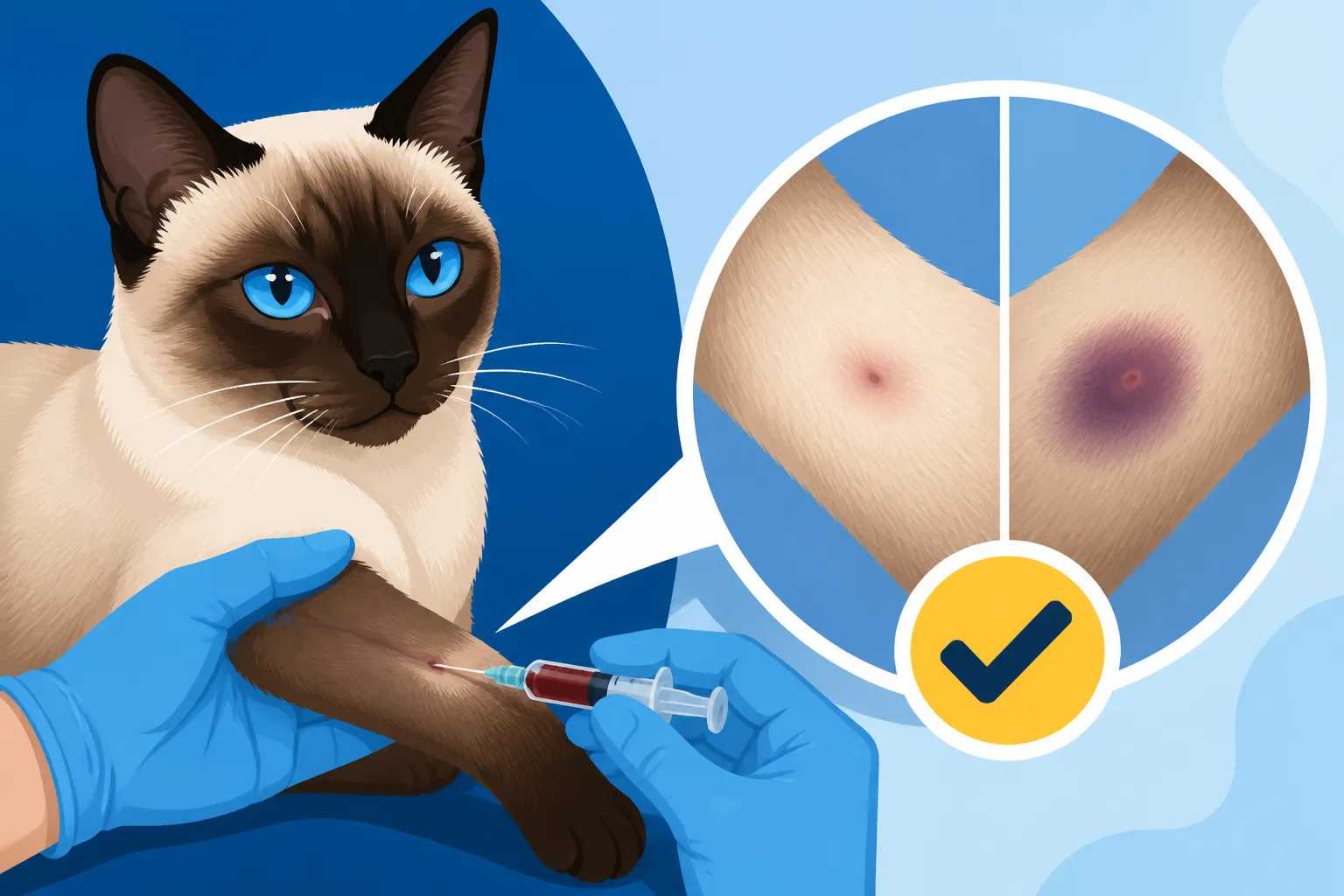
Imagine your Siamese cat's fur as a cozy, insulating blanket. When a patch of that fur is shaved for a medical procedure—whether it's for an IV catheter during surgery, a diagnostic blood draw, or to prepare for an ultrasound—that protective layer is suddenly gone. The exposed skin in that area, no longer insulated by the dense fur, becomes noticeably cooler. It's the same principle as you feeling colder without a sweater in cool weather.
This localized drop in skin temperature is just enough to activate that dormant tyrosinase enzyme we talked about. With the enzyme now able to function more effectively in the cooler environment of the shaved skin, the new fur that grows in will contain more pigment. So, what you get is a patch of fur that comes in significantly darker than the surrounding, insulated coat. It's a natural, physiological response, and a clear demonstration of their breed-specific genetics at play. Don't worry, your cat isn't suddenly turning into a different colorpoint!
The Role of Natural Healing and Inflammation
Beyond just the lack of insulation, the process of healing from a medical procedure can also play a subtle role. When skin is shaved, or if there's any minor irritation from an IV catheter, the body's natural healing response can sometimes involve increased blood flow to the area. While this might seem counterintuitive since increased blood flow usually means warmth, the overall effect on the surface skin temperature of a shaved area can still be a net cooling effect, especially as the skin begins to recover and air exposure is constant.
Furthermore, if there was any minor inflammation or trauma from the procedure itself, the body's response might temporarily affect local cellular activity, including that of the melanocytes (pigment-producing cells) under the influence of the heat-sensitive enzyme. This combined effect means the perfect storm for darker fur regrowth: an area that has lost its insulating layer, potentially experienced minor healing processes, and is therefore cooler than the surrounding, fur-covered skin. It's why The Shaved Patch That Grows Back Dark on a Siamese Cat is such a common topic of discussion among Siamese owners!
What to Expect After a Blood Draw or Medical Shave
Discovering that dark patch of fur can be a little jarring, especially if you weren't expecting it. But understanding the timeline and what's considered normal can alleviate a lot of that initial worry.
The Appearance and Persistence of the Dark Patch
Typically, the darker fur won't appear immediately after your Siamese's vet visit. Fur growth takes time, and the pigment production starts as the new hairs emerge. You'll likely begin to notice the darker regrowth a few weeks to a couple of months after the shaving, once the hair follicles have had a chance to regenerate and start producing new strands. The color can range from a slightly darker shade of their body color to a rich, deep brown or even black, depending on the individual cat and the actual temperature of the shaved area.
This darker patch isn't usually permanent, but it can certainly persist for quite some time. As the new, darker fur grows longer, it will eventually provide its own insulation, and the skin underneath will warm up a bit. This gradual warming will slow down the pigment-producing enzyme once again, leading future hair growth in that area to revert to the lighter, original body color. However, this process can take several months, or even up to a year or more, as the cat cycles through its natural shedding and regrowth patterns. So, don't be surprised if your Siamese sports a temporary "badge of honor" from their vet visit for a while!
Here's a quick overview of what to expect:
| Event | Timeline | Expected Appearance | Reason |
|---|---|---|---|
| Shaving | Immediate | Hairless patch | Vet procedure (blood draw, IV, ultrasound) |
| Initial Fur Regrowth | 2-4 weeks post-shave | Fine, sparse hairs, may appear slightly darker | Enzyme activated by cooler skin |
| Noticeable Darkening | 1-3 months post-shave | Distinctly darker fur patch | Sustained enzyme activity in uninsulated area |
| Gradual Fading/Lightening | 6-12+ months post-shave | Patch slowly blends with body color, becomes lighter | New fur provides insulation, skin warms up |
| Complete Blending | 12-24+ months post-shave | Original body color fully restored | Full thermal equilibrium re-established |
When to Consult Your Vet About Fur Changes
While a darkening shaved patch is almost always a normal and expected phenomenon in Siamese cats, it's still crucial to be vigilant about any other skin or fur changes. Your vet is always your best resource if you have concerns. For instance, if you notice the shaved area is red, swollen, hot to the touch, or your cat is constantly licking or scratching it, that's not about color; it could indicate an infection or irritation. Similarly, if the fur grows back patchy, uneven, or doesn't seem to grow back at all, that's worth a call to the clinic.
Sometimes, unrelated skin conditions can manifest in ways that might be confused with normal color changes. For example, some allergies or fungal infections could cause hair loss or skin discoloration. While these are distinct from the thermosensitive fur regrowth, it's always better to be safe than sorry. If your cat seems unwell, is lethargic, or shows any other concerning symptoms alongside the fur change, don't hesitate to seek professional advice. It’s important to always monitor your cat's overall health, not just their fabulous coat!
Caring for Your Siamese Cat's Recovering Fur
Seeing that darker patch of fur grow in might make you want to do something about it, but mostly, patience is key. However, there are a few simple things you can do to ensure the area stays healthy and your Siamese remains comfortable during the regrowth process.
Gentle Grooming and Skin Care
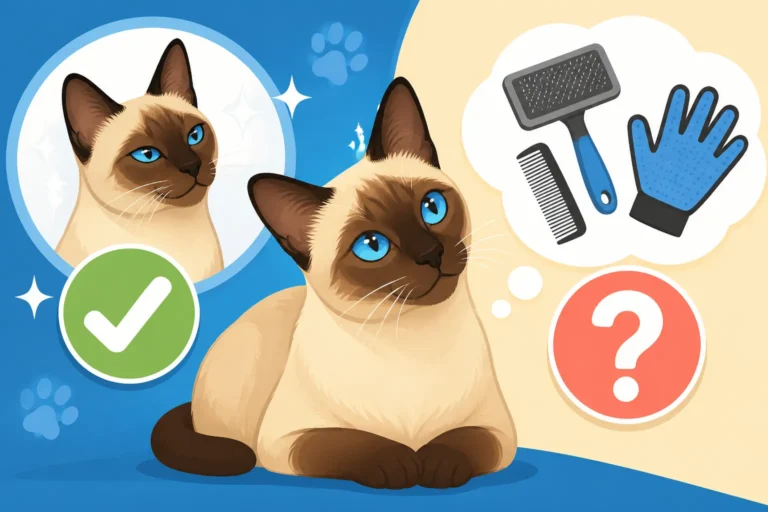
During the regrowth phase, the new fur can sometimes be a bit prickly or itchy as it emerges. This is particularly true if the shaving was done a bit roughly or if your cat has sensitive skin. While your Siamese is generally an excellent self-groomer, a little help from you can go a long way. Gently brushing the area with a soft brush, like a silicone grooming glove or a fine-toothed comb designed for short-haired cats, can help stimulate circulation and remove any loose hairs that might be causing irritation. You can find excellent grooming tools on sites like Chewy or Amazon.
Avoid any harsh scrubbing or applying products that aren't specifically approved by your vet. The goal is comfort and gentle encouragement of healthy fur growth. If the skin itself looks dry or flaky, you can discuss with your vet whether a pet-safe, moisturizing wipe or balm would be appropriate. However, most healthy cats won't need anything beyond a little tender loving care. Remember, their skin is still quite delicate as the fur regenerates, so be mindful not to cause any further irritation. Regular, gentle grooming can also help you spot any other potential issues early on.
Keeping Your Siamese Warm and Comfortable
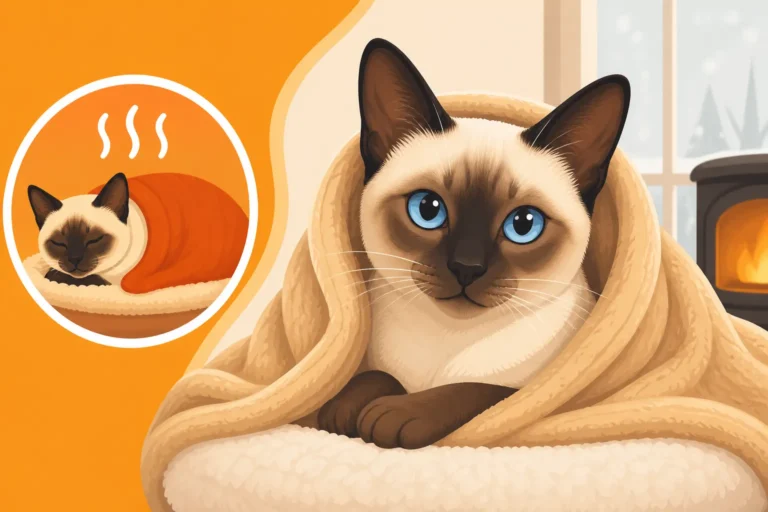
Since the darker fur grows in because the shaved area is cooler, keeping your Siamese cat comfortably warm can theoretically help encourage the lighter body color to return more quickly. This doesn't mean overheating your house, but ensuring they have access to cozy, warm spots to rest is always a good idea for a Siamese cat, given their naturally short coat and tendency to seek warmth. You might notice your Siamese gravitating towards sunny spots, blankets, or even sleeping closer to you under the covers. Keeping a Siamese Cat Warm is essential for their overall well-being, not just their coat color.
Consider providing soft blankets, a heated cat bed, or a favorite plush hideaway. You can often find a good selection of these on sites like Amazon, making it easy to create a snug environment. While a sweater might seem like a good idea for a shaved area, many cats dislike them, and they can sometimes cause more irritation than benefit to a healing patch of skin. Focus on environmental warmth rather than restrictive clothing. Providing these warm havens isn't just about their fur color; it's about making sure your beloved companion feels secure and content, which is always the top priority for any Siamese owner.
Internal Links
- Why a Siamese Cat's Points Are Made by Temperature
- Which Gene Makes a Siamese Cat's Points
- At What Temperature a Siamese Cat Stops Making Pigment
- The Shaved Patch That Grows Back Dark on a Siamese Cat
- Whether a Siamese Cat's Fur Grows Back the Same Color
- Grooming a Siamese Cat Takes Five Minutes a Week
- Keeping a Siamese Cat Warm
- How Much a Siamese Cat Sheds
Disclaimer
This article is for general informational purposes only and does not constitute professional advice. Laws, prices and regulations vary by location and change over time. Consult a qualified professional for guidance on your specific situation.