Whether a Siamese Cat’s Fur Grows Back the Same Color
It's a common and rather alarming experience for Siamese cat owners: your beloved Meezer needs a patch of fur shaved for a medical procedure, or perhaps they get a little wound that requires a trim, and when that fur starts to grow back, it's not the beautiful, pale body color you're used to. Instead, it comes back noticeably darker, sometimes even black, leaving you wondering if your cat's coat has been permanently altered. This guide will dive deep into why this happens, what to expect, and whether that original color will ever return.
The Science Behind Siamese Cat Coloration
The unique and stunning coloration of Siamese cats isn't just a random genetic lottery; it's a fascinating example of how a cat's environment can directly influence its appearance. Understanding this fundamental principle is key to grasping why shaved fur often grows back darker.
The Tyrosinase Enzyme and Temperature Sensitivity
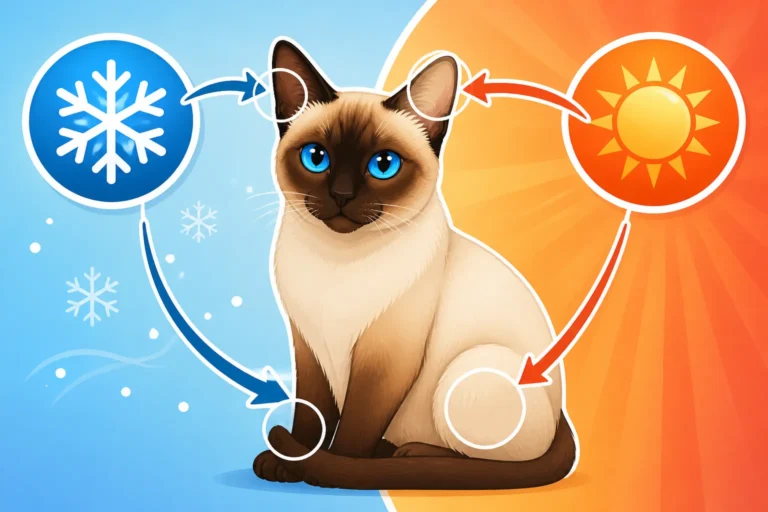
At the heart of the Siamese cat's distinctive "pointed" coloration is a specific genetic mutation. This mutation affects an enzyme called tyrosinase, which is crucial for producing melanin, the pigment that gives fur its color. Unlike most cats where this enzyme works efficiently regardless of temperature, in Siamese cats, the tyrosinase enzyme is heat-sensitive. This means it only functions properly in cooler temperatures.
Think of it like this: the enzyme is a little worker bee that gets sluggish and stops working when it's too warm. In areas of the cat's body that are naturally cooler – the extremities like the ears, face, paws, and tail – the enzyme can do its job, producing pigment and resulting in the darker points we all adore. The core body, being warmer, inhibits the enzyme, leaving the fur much lighter. This is a primary reason for Why a Siamese Cat's Pigment Only Works When Cool.
How Kittens Are Born White
If their color production is so temperature-dependent, you might wonder why Siamese kittens don't show their points from birth. It's a question many new owners ask when they first see a litter of tiny, pale Meezers. The answer lies in the warmth of their early environment. While they are developing inside their mother's womb, the ambient temperature is consistently warm and stable. This warmth ensures that the tyrosinase enzyme remains inactive across their entire body.
As a result, Siamese kittens are born almost entirely white or a very pale cream. It's only after they are exposed to the cooler air of the outside world that their points gradually begin to develop. Over the first few weeks and months, you'll start to see those characteristic darker shades emerge on their ears, nose, paws, and tail, slowly deepening as they grow. This slow reveal is one of the many enchanting things about watching a Siamese kitten mature. You can learn more about this process in Why a Siamese Cat Kitten Is Born White.
Natural Color Changes with Age and Season
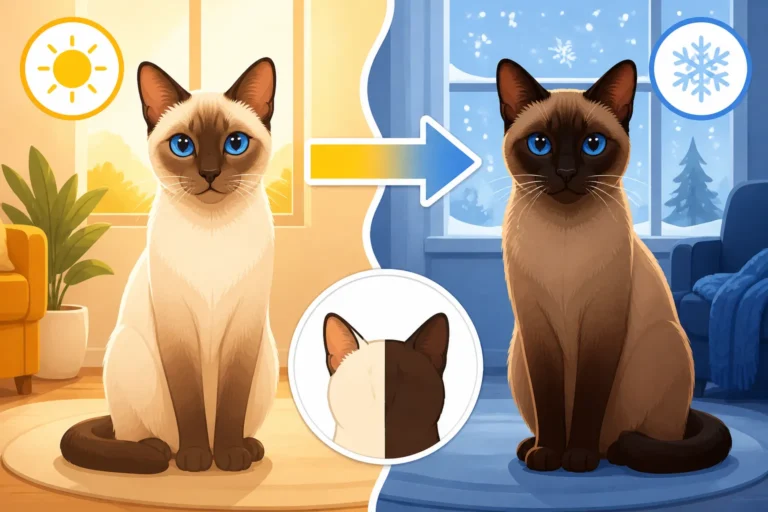
The temperature-sensitive nature of the Siamese coat doesn't just apply to kittens; it continues throughout their lives, leading to subtle but noticeable changes in their fur coloration. You might observe that your Siamese cat's body color appears a little darker in the winter months compared to the summer. This isn't your imagination! During colder periods, their core body temperature might drop slightly, allowing the tyrosinase enzyme to become more active in areas that would normally stay pale. Conversely, in the warmer summer months, the enzyme is more inhibited, and their coat might appear lighter overall.
Beyond seasonal shifts, age also plays a role. As Siamese cats grow older, their bodies tend to naturally cool down a bit, and their metabolism might slow. This can lead to a general darkening of their coat over the years, with many older Siamese cats having a much richer, darker body color than they did as young adults. It’s all part of the fascinating way their genes express themselves in response to their environment. This is why Why a Siamese Cat Darkens Every Winter is such a common observation.
When Shaved Fur Grows Back Darker
Now that we understand the temperature-dependent nature of the Siamese coat, the mystery of the dark regrowth starts to unravel. It's not a malfunction; it's the cat's genetics doing exactly what they're designed to do in response to a specific localized temperature change.
The Body's Response to Injury or Shaving
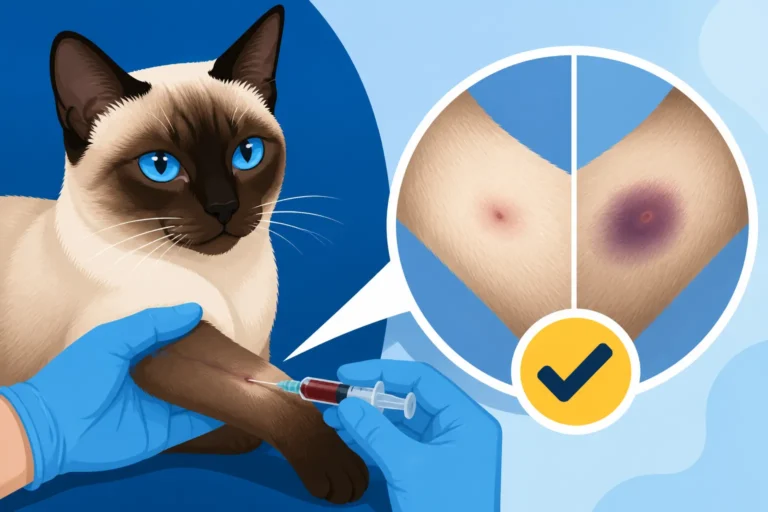
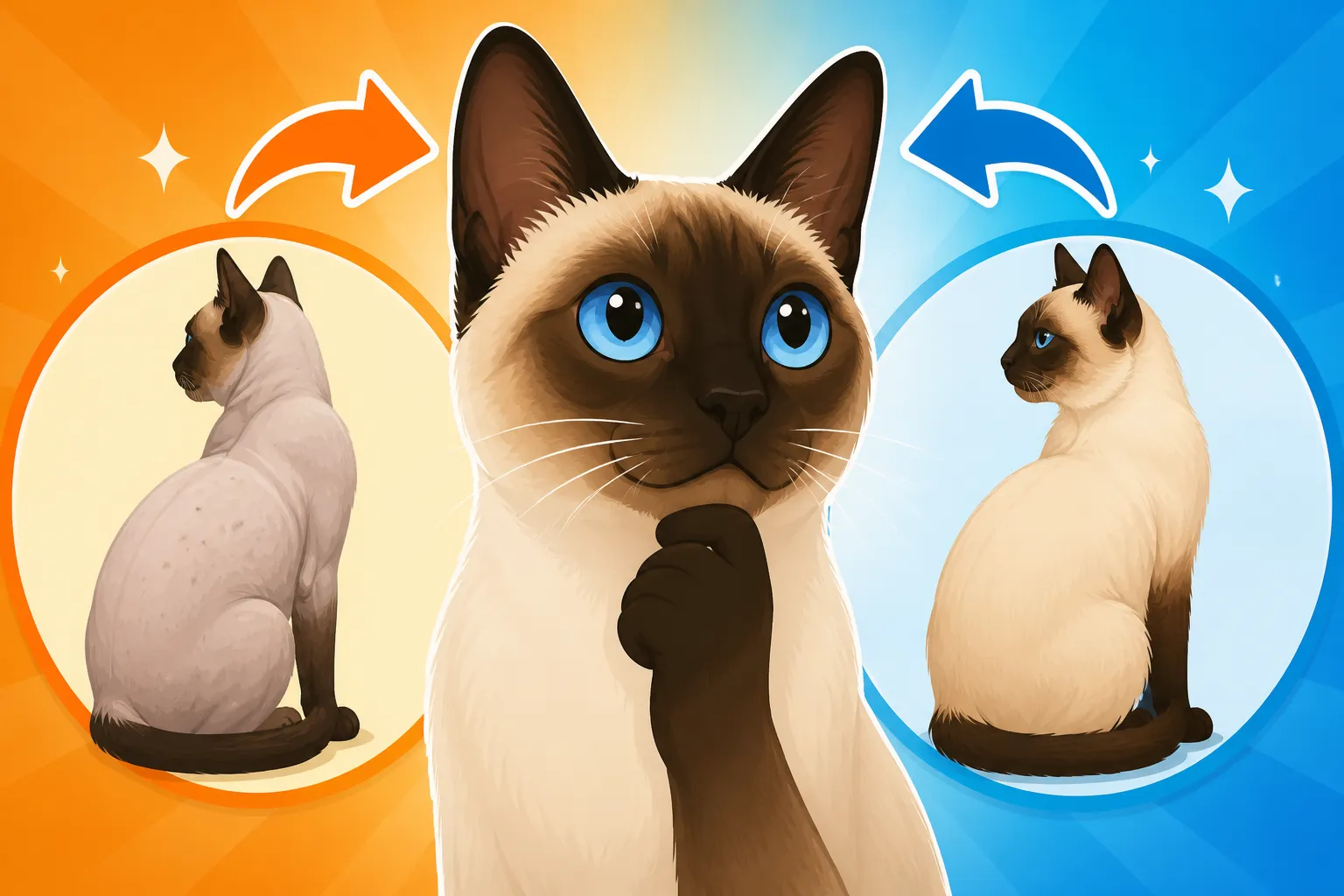
When a patch of your Siamese cat's fur is shaved, several things happen that contribute to the darker regrowth. First, removing the insulating fur layer exposes the skin directly to the ambient air, making that specific area cooler than the surrounding, still-furred body parts. This localized cooling creates a perfect environment for the heat-sensitive tyrosinase enzyme to kick into high gear.
Secondly, any wound or inflammation that led to the shaving (like a surgical incision or an injury) also triggers the body's healing processes. While not definitively proven, some theories suggest that increased blood flow to an injured area, while initially warm, eventually leads to a slightly cooler surface temperature as the area works to heal and reduce inflammation, or simply because the natural insulation is gone. Regardless, the shaved area becomes a "cold spot" where pigment production ramps up. This phenomenon is so consistent that it's a known characteristic of the breed, often discussed as The Shaved Patch That Grows Back Dark on a Siamese Cat.
Common Scenarios: Vet Procedures and Injuries
You'll most often encounter this dark regrowth after a trip to the vet. A common scenario is when your cat needs a blood draw, and the vet shaves a small patch on their leg. That tiny square of fur will almost certainly grow back as a dark patch before eventually blending back in. Surgeries are another major culprit. If your Siamese undergoes a spay/neuter or any other procedure requiring abdominal shaving, prepare for a sizable dark "racing stripe" or patch on their belly as the fur regrows.
Beyond medical necessities, injuries can also lead to this effect. If your cat gets a cut or scrape that requires shaving to clean and treat, that spot, too, will likely show darker regrowth. It's a temporary but very visible reminder of their healing journey. Even a simple grooming mishap where a patch is accidentally shaved too close can trigger this response, causing a temporary cosmetic change that might make you do a double-take.
How Long the Darker Fur Persists
The darker fur isn't usually permanent, but it can certainly feel like it takes an eternity to disappear. Generally, the dark patch will persist for several weeks or even a few months as the fur grows out. The exact duration depends on a few factors:
- Temperature: If your home is consistently cool, the patch might take longer to lighten. Conversely, a warmer environment might help it fade a bit faster.
- Location: Areas more exposed to external cooling, like a leg, might show the effect more strongly and for longer than a more protected area like the belly.
- Growth Cycle: Cat fur grows in cycles. The new, darker fur needs to shed out, and new, properly colored fur needs to grow in. This process isn't instantaneous.
Over time, as the underlying skin temperature normalizes and the new hair cycles through, the fur should eventually revert to its original, lighter body color. It's a gradual fading process, not a sudden transformation. Don't be surprised if you see a gradient of shades as it grows out, with the darkest fur being the initial regrowth. For more specific details, you might be interested in How Long a Shaved Siamese Cat Stays Dark.
Managing and Understanding the Color Change
While the dark regrowth can be a bit startling, especially if you're not expecting it, it's ultimately a harmless and temporary phenomenon. Understanding it helps alleviate any concerns and allows you to appreciate your Siamese's unique physiology even more.
Reassurance for Owners: It's Harmless
The most important thing to remember is that this temporary darkening of fur is a completely natural and harmless characteristic of the Siamese breed. It's not a sign of pain, infection, or any other medical issue. Your cat isn't suffering; their body is simply responding in the way its genetics dictate. There's no need to worry that you've somehow damaged their coat or that they're now a different color forever. It's just a visual quirk of owning one of these magnificent, temperature-sensitive felines. Many owners find it fascinating once they understand the science behind it.
Factors Influencing the Degree of Darkening
Not every shaved patch will come back identically dark. Several factors can influence the intensity and spread of the darker fur:
- Breed Line: Some Siamese lines may have a more pronounced temperature-sensitive gene expression, leading to more dramatic darkening.
- Ambient Temperature: Cats living in colder climates or homes might experience more significant darkening, or have it persist longer, as their overall body temperature is slightly lower.
- Depth of Shave: A very close shave might expose the skin more thoroughly, allowing for a stronger cooling effect compared to a partial trim.
- Individual Cat: Just like people, every cat is an individual. One Siamese might show a very dark, almost black patch, while another might only have a slightly darker grey regrowth in the same situation.
It's a spectrum, and what you observe on your cat might be different from what your friend's Siamese experiences, even if they had a similar procedure.
What to Expect as Fur Regrows
As the fur starts to sprout, you'll initially see a very fine, soft down. This might be quite dark. Over the next few weeks and months, it will thicken and lengthen. The darkest shade will likely be visible in the initial stages. Gradually, as the hair grows longer and provides more insulation to the skin, and as the area's temperature normalizes, the pigment production will slow down again. You'll often see the tips of the growing hairs start to lighten, blending eventually with the surrounding coat.
Think of it as a journey from stark contrast to subtle blending. It takes patience, but eventually, your cat's beautiful, balanced coat will return. During this time, continue with your regular grooming routine; a gentle brush might help shed any old hairs and encourage new growth. You might find a soft silicone brush, often available on platforms like Amazon or Chewy, to be perfect for this.
Here’s a quick overview of what to expect:
| Stage | Appearance of Fur | Duration (Approx.) | Notes |
|---|---|---|---|
| Initial Shave | Bare skin | N/A | Area is exposed to cooler air |
| Early Regrowth | Fine, stubbly, noticeably dark fur | 1-3 weeks | Tyrosinase enzyme is highly active due to cooling |
| Mid-Stage Regrowth | Denser, darker fur patch | 1-3 months | Patch is distinct, but fur is lengthening |
| Late Regrowth | Fading dark fur, tips starting to lighten | 3-6 months | Insulation returns, pigment production slows |
| Full Recovery | Blends with surrounding coat, original color returns | 6 months to over a year | Old darker hairs shed, new lighter ones grow in |
The Aesthetic Impact and Long-Term Outlook
While the scientific explanation makes perfect sense, it's still natural to feel a bit concerned about your cat's appearance. Rest assured, these changes are part of the journey and rarely permanent.
Temporary Appearance Changes
For a period, your Siamese will sport a unique, temporarily altered look. A dark patch on their leg, a dark belly, or even a darker back if they had extensive shaving – it's all part of the process. Some owners find it amusing, calling it their "zebra stripe" or "tattoo." Others might feel a pang of sadness at their cat's "changed" appearance. Remember, your cat doesn't care about the aesthetics; they just care about feeling loved and comfortable. This temporary change doesn't affect their personality, their health, or their bond with you.
If you have a show cat, this is something to be aware of. Any significant shaving will likely mean they can't be shown for a period until their coat fully regrows and normalizes. For pet owners, it's just a temporary cosmetic difference that adds another unique anecdote to your life with your Siamese. And if you're truly bothered, focus on all the other wonderful aspects of your cat, like their affectionate nature or their endless purrs.
Does the Original Color Ever Return?
Yes, for the vast majority of Siamese cats, the original, lighter body color will return to the shaved area. It's not a permanent change in their genetic coding; it's a temporary expression of their existing genes in a specific environmental condition. As the fur grows back and the skin surface temperature of the shaved area normalizes (due to the insulation provided by the new fur and the body's natural temperature regulation), the tyrosinase enzyme will once again become less active in that spot.
The timeline for full reversion can vary, ranging from a few months to over a year for some cats, especially if the shaved area was large or if they live in a colder environment. Patience is key. Continue to provide a warm, comfortable home, and in time, your Siamese's beautiful, standard coat will re-establish itself. For further reading, check out Whether a Siamese Cat's Dark Patch Fades.
Embracing Your Cat's Unique Coat
Every Siamese cat is a masterpiece, and these temporary color shifts are just another fascinating facet of their charm. Instead of viewing a dark regrown patch as an imperfection, consider it a testament to their unique biology. It's a visual story of their resilience, perhaps marking a time they overcame an illness or recovered from an injury.
Embrace your cat's individuality. Their purr is just as loud, their eyes just as blue, and their personality just as engaging, regardless of a temporary dark patch of fur. You can take pride in understanding the intricate science behind their striking appearance and share that knowledge with curious friends and family. It’s a wonderful conversation starter about A Siamese Cat's Points Are Made by Temperature!
Related Coat Care and Temperature Considerations
Understanding your Siamese cat's coat goes beyond just how shaved fur regrows. It influences general care, grooming, and even how you manage their living environment to keep them comfortable and healthy.
General Grooming for Siamese Coats
Siamese cats are renowned for their short, sleek coats that lie close to their bodies and don't have an undercoat. This makes them relatively low-maintenance when it comes to grooming. A quick brush a few times a week is usually all that's needed to keep their coat healthy, shiny, and free of loose hair. This minimal grooming routine is a big win for many busy owners!
While they don't mat easily, regular brushing helps to distribute natural skin oils, reduces shedding (which means less cat hair on your furniture!), and provides a great opportunity for bonding. You can use a soft rubber brush or a grooming mitt. Many good quality options are available on pet supply sites like Chewy or Amazon. Remember, even with their short coats, a little attention goes a long way in maintaining their overall skin and fur health. For more tips on this, read Grooming a Siamese Cat Takes Five Minutes a Week.
Keeping Your Siamese Comfortably Warm
Because of their unique coat structure and the way their pigment works, Siamese cats tend to feel the cold more acutely than breeds with thicker, double coats. They truly appreciate warmth! You'll often find them seeking out sunny spots, snuggling under blankets, or perching on warm electronics.
Providing a consistently warm environment is crucial for their comfort and can indirectly influence their coat color. A warmer house might help them maintain a lighter body color, whereas a perpetually chilly home could contribute to a generally darker overall coat over time. Consider providing cozy, heated beds, especially during colder months. Many pet supply brands offer excellent heated beds that your Siamese will undoubtedly adore. Ensure they have plenty of soft blankets and warm places to retreat to, reinforcing their natural preference for snug, toasty spots. You can find more details in Keeping a Siamese Cat Warm.
Diet and Coat Health
While diet won't change the genetic mechanism behind the dark regrowth of shaved fur, it plays a vital role in the overall health and quality of your Siamese cat's coat. A well-balanced diet rich in essential fatty acids (like Omega-3 and Omega-6) can contribute to a shiny, soft coat and healthy skin. Look for high-quality cat foods that list real meat as the first ingredient and contain these beneficial fats.
Some owners opt for supplements, though it's always best to discuss this with your vet first. A healthy diet supports strong hair follicles and can promote quicker, healthier regrowth in general, regardless of the temporary color. Consider reputable premium brands that focus on fresh, whole ingredients. A healthy cat, nourished from the inside out, will always have the best possible coat, whether it's temporarily sporting a dark patch or not.
Disclaimer
This article is for general informational purposes only and does not constitute professional advice. Laws, prices and regulations vary by location and change over time. Consult a qualified professional for guidance on your specific situation.