How Much Dander a Siamese Cat Produces
Many people, understandably drawn to the sleek elegance and captivating chatter of a Siamese cat, often harbor a quiet hope that these beautiful felines might be a gentler choice for their allergies. The truth, however, can often be a rude awakening. While Siamese cats are often touted as "hypoallergenic," the reality is a bit more nuanced and, for many allergy sufferers, still very much a challenge. This guide aims to pull back the curtain on how much dander a Siamese cat truly produces, what that really means for you and your family, and what steps you can take to manage those pesky allergens.
Understanding Dander: It's More Than Just Loose Hair
Before we dive into the specifics of Siamese cats, let's clear up a major misunderstanding about what "dander" actually is. When people talk about cat allergies, they often mistakenly assume it's the fur itself that's the problem. They picture clumps of hair, imagining that if a cat sheds less, it must be less allergenic. Oh, if only it were that simple! The real culprit is far more insidious and, unfortunately, invisible to the naked eye.
It's Not Just Fur: Understanding the Allergen
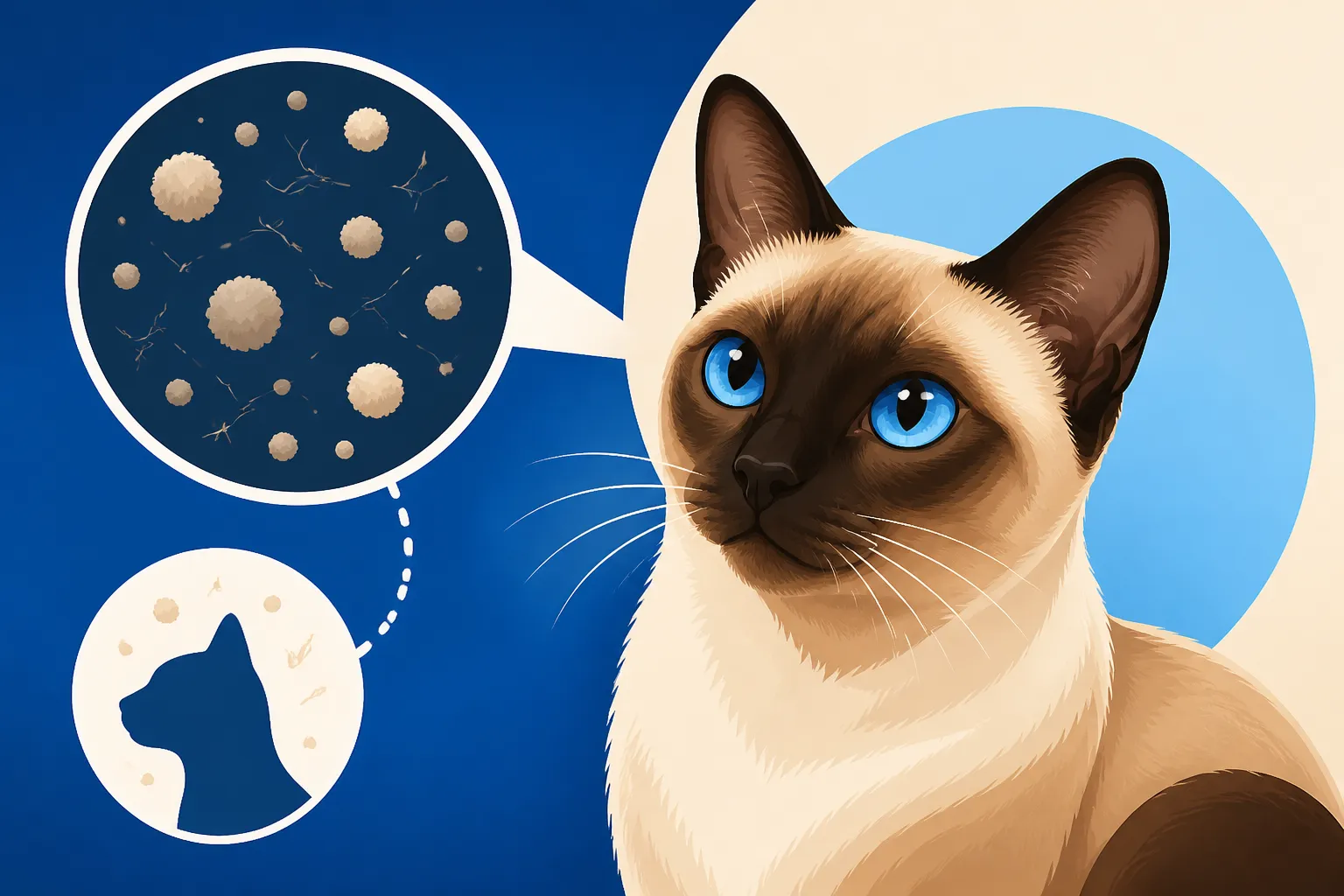
Dander refers to microscopic flakes of skin that cats, and indeed all animals with fur or feathers, constantly shed. Think of it like human dandruff, but on a much finer scale. These tiny particles are easily airborne and can settle on every surface in your home—furniture, carpets, bedding, and even your clothes. They are sticky, lightweight, and incredibly pervasive. So, while you might diligently vacuum up visible fur, you're still surrounded by the much smaller, more potent dander. A cat that sheds less hair might seem cleaner, but its skin is still actively flaking off, carrying those allergens right into your breathing space. It's a frustration many cat lovers know all too well when they bring home a "low-shedding" breed only to find their symptoms persist.
The Main Culprit: Fel d 1 Protein
Here's the real science behind why cat allergies are so stubborn: it's primarily caused by a protein called Fel d 1. This protein is produced in a cat's skin, saliva, and urine. When a cat grooms itself (which, let's be honest, they do constantly), they spread this protein-laden saliva all over their fur. As the saliva dries, the Fel d 1 protein flakes off with their skin cells—the dander—and becomes airborne. It's also found in their sebaceous glands, those tiny glands in the skin that produce oils. So, even if a cat had no fur at all, as long as it has skin and produces saliva, it would still produce the Fel d 1 protein. This is why even hairless breeds aren't truly hypoallergenic, though they might produce less dander simply because there's no fur to trap and distribute it as effectively. The concentration of Fel d 1 is what truly determines a cat's impact on allergy sufferers, not just the volume of hair.
The Truth About Siamese Cats and Dander: Are They Really "Hypoallergenic"?
The term "hypoallergenic" gets thrown around a lot in the pet world, especially when it comes to certain breeds. It's a word that offers a glimmer of hope to allergy sufferers, but it's often misleading, particularly with Siamese cats. Let's unpack this common belief and set realistic expectations.
The Common Misconception
Many people are told, or read online, that Siamese cats are hypoallergenic. This often leads prospective owners, desperate for a feline companion they can live with comfortably, to specifically seek out this breed. They might interpret "hypoallergenic" to mean "allergy-free," or at least "allergy-safe." Unfortunately, this isn't the case for any cat breed, including the Siamese. The truth is, there's no such thing as a 100% hypoallergenic cat. Every cat produces Fel d 1 protein and sheds dander. The term "hypoallergenic" usually means "less allergenic," suggesting that these breeds might cause fewer symptoms in some sensitive individuals. It's a nuanced distinction that's often lost in translation, leading to disappointment and, sadly, sometimes cats ending up in shelters when the allergic reaction becomes unmanageable. It's a heartbreaking situation that could often be avoided with more accurate information upfront.
What "Low-Shedding" Really Means for Dander
So, if Siamese cats aren't truly hypoallergenic, why do they have that reputation? It largely stems from their short, fine coat and minimal undercoat, which means they tend to shed less visible hair than many other breeds. Less visible hair can mean fewer dander-laden hairs circulating in the air and settling on surfaces. It's a numbers game: if there's less hair to act as a vehicle for the Fel d 1 protein, there might be less of the allergen dispersed. However, as we discussed, dander is primarily microscopic skin flakes, not just fur. While a Siamese cat might not leave massive tumbleweeds of fur like a Maine Coon, their skin still flakes.
Think of it this way: a Siamese cat's coat is like a finely woven silk scarf compared to a Persian's thick wool blanket. The silk scarf won't trap and distribute as much dust (dander) as the wool blanket. This minimal shedding can be beneficial for mild allergy sufferers because the allergen isn't as widely disseminated, but it doesn't eliminate the source. For someone with severe allergies, even the reduced amount of dander from a Siamese can be enough to trigger a significant reaction. It’s a subtle difference that makes all the difference for a sensitive individual. How Much a Siamese Cat Sheds might be less than other breeds, but the dander component remains.
Factors Influencing Dander Production in Your Siamese
The amount of dander your individual Siamese cat produces isn't a fixed number; it can fluctuate based on several factors. Understanding these can help you manage your home environment and potentially lessen your allergic reactions. It's a testament to how complex cat care can be, even down to the microscopic level.
Grooming Habits and Coat Health
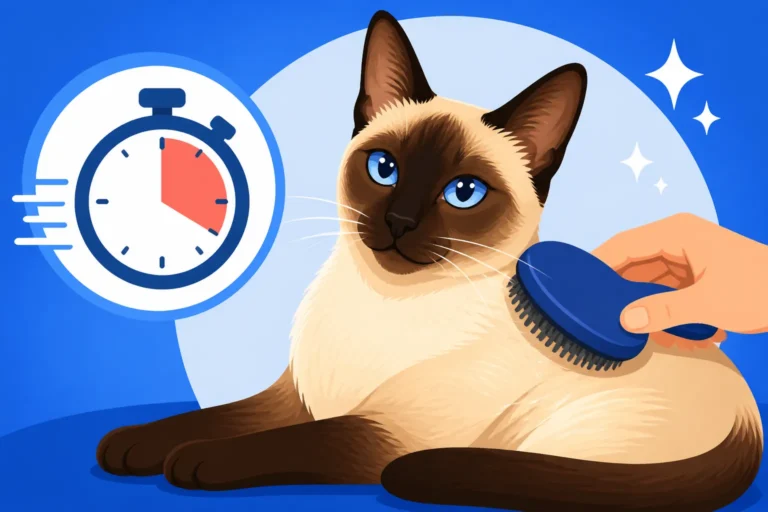
A healthy coat and skin are crucial for minimizing dander. A Siamese cat with good skin health will likely produce less irritated, flaky dander. Conversely, a cat with dry skin, excessive oiliness, or skin conditions will produce more. This is why consistent grooming, even for their short coats, is so important. Regular brushing helps remove loose hairs and dead skin flakes before they become airborne. It also distributes natural skin oils, promoting a healthier coat.
Think about it: if you're not brushing, those tiny skin flakes are just building up in their fur until they naturally fall off or are shed during play. A quick brush a few times a week can make a noticeable difference. You might find a rubber curry brush or a fine-toothed comb from retailers like Chewy or Amazon to be particularly effective for their short coats. Grooming a Siamese Cat Takes Five Minutes a Week is a small investment of time for a big payoff in dander control and overall coat health. Plus, many Siamese actually enjoy the attention and bonding time!
Diet and Environmental Impact
What your Siamese eats plays a surprisingly significant role in their skin and coat health, and by extension, their dander production. A high-quality diet rich in essential fatty acids (like Omega-3 and Omega-6) supports a healthy skin barrier, which can reduce dryness and flaking. If your cat is on a diet with a lot of fillers or low-quality ingredients, their skin might suffer, leading to more dander. I've seen firsthand the difference a premium food can make. Even a slight improvement in skin hydration can translate to fewer irritants floating around your home.
Beyond diet, the environment itself matters. Low humidity can dry out a cat's skin, just as it can dry out yours, leading to more dander. Consider using a humidifier in your home, especially during dry winter months. Additionally, indoor air quality plays a part. Dust, pollen, and other environmental irritants can affect your cat's skin health and contribute to allergic reactions for both you and your feline friend. Ensuring a clean home environment by regularly cleaning surfaces and using air purifiers, which you can find on Amazon, can make a significant difference. Whether an Air Purifier Helps a Siamese Cat's Asthma is a similar concept, as it tackles airborne irritants.
Age and Health Conditions
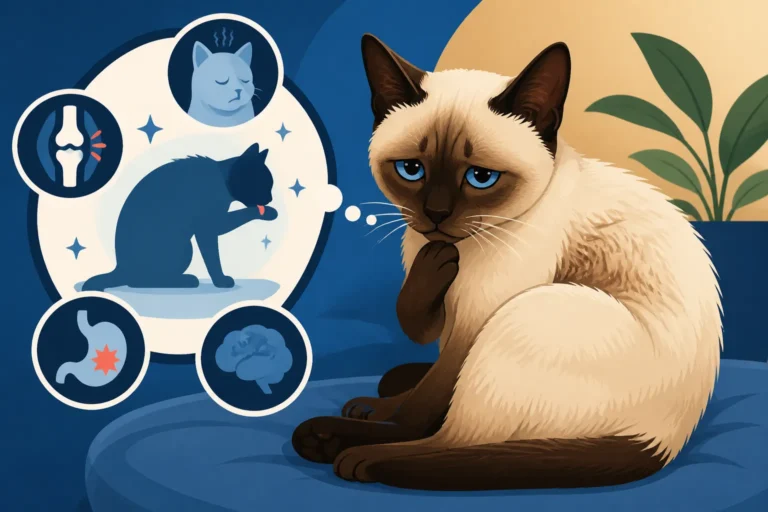
A cat's age and overall health can also impact dander levels. Older Siamese cats, for instance, might develop drier skin, or they might not be as diligent with their self-grooming, allowing more dead skin and loose fur to accumulate. This can naturally lead to an increase in dander. Similarly, any underlying health conditions that affect the skin, such as allergies (yes, cats can have allergies too!), fungal infections, or parasites, will almost certainly lead to increased flaking and dander production.
If you notice a sudden increase in shedding, excessive scratching, bald patches, or changes in your Siamese's coat texture, it's always a good idea to consult your veterinarian. They can rule out medical issues that could be contributing to increased dander. Managing these conditions effectively not only improves your cat's comfort and well-being but can also indirectly help reduce the allergen load in your home. Regular wellness exams are key to catching these issues early, as What Care a Siamese Cat Needs Its Whole Life will attest.
Managing Dander and Allergies When You Live With a Siamese
Living with a Siamese cat when you have allergies can feel like a constant battle, but it doesn't have to be. While you can't eliminate dander entirely, there are many proactive steps you can take to significantly reduce your exposure to allergens and make your home a more comfortable place for everyone. It’s about creating a multi-faceted approach, not relying on a single magic bullet.
Grooming Strategies
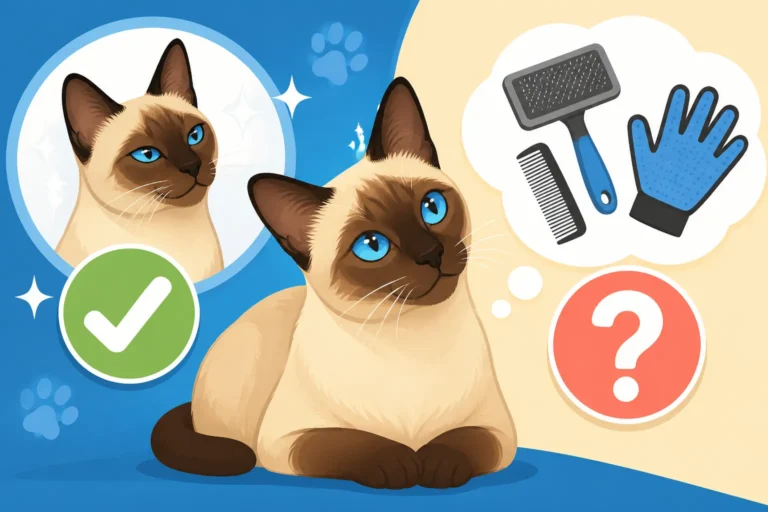
Regular grooming is your first line of defense against dander. Even though Siamese cats have short hair, they still benefit immensely from consistent brushing. Aim for 2-3 times a week, or even daily during shedding seasons like spring, when they might drop more fur (Whether a Siamese Cat Sheds More in Spring).
Here's how to make it effective:
- Use the Right Tools: A rubber curry brush or a shedding blade designed for short coats can effectively remove loose fur and dead skin flakes without irritating your cat's skin. You can find excellent options on Chewy or Amazon. Which Grooming Glove Suits a Siamese Cat could also be a good read for specific tool recommendations.
- Groom in a Specific Area: If possible, groom your Siamese in a room that's easy to clean, or even better, outdoors if weather permits and your cat is comfortable with it. This confines the released dander to a smaller, manageable area.
- Wipe Down Regularly: After brushing, consider wiping your cat down with a damp cloth or a specialized pet wipe. This can pick up residual dander and saliva protein from their coat.
- Consider Professional Grooming: While typically not necessary for a short-haired cat, a professional groomer can sometimes offer baths with dander-reducing shampoos, which might be helpful for severe allergies. Just be aware that most cats, including Siamese, tend to dislike baths!
Environmental Controls
Your home environment plays a huge role in how allergens accumulate and circulate. Taking steps to minimize dander in your living space can dramatically improve your allergy symptoms.
- Air Filtration: Invest in high-efficiency particulate air (HEPA) filters for your home's HVAC system and stand-alone HEPA air purifiers for rooms where your cat spends the most time, especially your bedroom. Remember, Fel d 1 particles are tiny and stay airborne for a long time. These purifiers, widely available on Amazon, can trap them before you breathe them in.
- Vacuum with HEPA: Use a vacuum cleaner equipped with a HEPA filter. Regular vacuuming, 2-3 times a week, is essential, focusing on carpets, rugs, and upholstered furniture where dander loves to settle.
- Hard Surfaces are Your Friends: Where possible, opt for hard flooring (wood, tile, laminate) over carpet, and choose washable blinds over fabric curtains. These surfaces are much easier to clean and don't trap dander like fabric does.
- Wash Bedding Regularly: If your Siamese shares your bed (and let's be real, many do!), wash your bedding frequently in hot water to remove accumulated dander. Consider allergen-proof covers for pillows and mattresses.
- Designated "Cat-Free" Zones: Establishing a cat-free zone, such as your bedroom, can provide you with a sanctuary where you can get a break from allergens. This might mean keeping the bedroom door closed and providing your Siamese with other comfortable sleeping spots.
Personal Care and Medical Options
Sometimes, even with the best grooming and environmental controls, you might need additional support to manage your allergies.
- Hand Washing: Make it a habit to wash your hands immediately after petting or handling your cat. Avoid touching your face or eyes until you've washed your hands.
- Over-the-Counter Medications: Antihistamines, decongestants, and nasal sprays can help alleviate mild to moderate allergy symptoms. Always follow package directions or consult a pharmacist.
- Allergy Shots (Immunotherapy): For severe allergies, immunotherapy (allergy shots) can be a long-term solution. This involves receiving regular injections of increasing amounts of the allergen, gradually desensitizing your immune system. This requires a consultation with an allergist, but it can be life-changing for many pet owners.
- Novel Solutions: There are emerging products, such as specialized cat foods, that aim to reduce the Fel d 1 protein in a cat's saliva. While relatively new, these could offer another avenue for reducing overall allergen load. Discuss with your vet if such options are suitable for your Siamese.
By combining these strategies, you can create a much more harmonious home for both you and your beloved Siamese cat, significantly reducing the impact of dander on your quality of life.
| Strategy Type | Specific Action | Benefit | Considerations |
|---|---|---|---|
| Grooming | Regular brushing (2-3x/week) | Removes loose fur and dander before it spreads. | Use appropriate brush; do it in an easy-to-clean area or outdoors. |
| Wiping down cat with damp cloth | Picks up residual dander and saliva. | Some cats tolerate this better than others. | |
| High-quality diet (e.g., rich in Omegas) | Promotes healthy skin, reducing dryness and flaking. | Gradual diet changes; consult vet, especially if switching to fresh food. | |
| Environmental | HEPA air purifiers & HVAC filters | Traps airborne dander, improving air quality. | Requires consistent filter replacement; place strategically. |
| HEPA vacuuming (2-3x/week) | Removes dander from carpets and upholstery. | Choose a quiet model; vacuuming can stir up some allergens initially. | |
| Hard flooring & washable curtains | Easier to clean, less dander accumulation. | May require redecorating; not always feasible. | |
| Designate cat-free zones (e.g., bedroom) | Provides a sanctuary from allergens. | Requires strict adherence; may disappoint your cat. | |
| Personal & Medical | Wash hands after petting | Prevents spread of allergens to face/eyes. | Simple habit, but easy to forget. |
| Over-the-counter allergy meds | Short-term relief for symptoms. | Consult doctor; may have side effects; not a long-term solution. | |
| Immunotherapy (allergy shots) | Long-term desensitization to allergens. | Requires commitment to regular injections; consult allergist. |
Whether a Siamese Cat Is Hypoallergenic is a common question, and as you can see, the answer is nuanced. How Much Dander a Siamese Cat Produces is influenced by many factors, and managing it effectively requires a comprehensive approach.
Disclaimer
This article is for general informational purposes only and does not constitute professional advice. Laws, prices and regulations vary by location and change over time. Consult a qualified professional for guidance on your specific situation.