How to Brush a Siamese Cat’s Teeth
One of the biggest anxieties many Siamese cat owners face, and let's be honest, nearly all cat owners, is the idea of brushing their cat's teeth. It sounds like a wrestling match destined to end in scratches, frustration, and very little actual dental hygiene. But the truth is, neglecting your Siamese's oral health can lead to serious, painful, and expensive problems down the line. This guide is here to walk you through making regular tooth brushing a manageable, even peaceful, part of your Siamese cat's care routine, focusing on gentle techniques and understanding your cat's unique personality.
The Critical Importance of Dental Care for Your Siamese Cat
It's easy to overlook dental care when your Siamese is purring on your lap or demanding attention with their signature vocalizations. However, what goes on inside their mouth has a profound impact on their overall health and well-being. Dental disease is rampant in the feline world, and Siamese cats are no exception. Ignoring it isn't just about bad breath; it's about preventing pain and systemic health issues.
Understanding Feline Dental Disease
Just like us, cats accumulate plaque on their teeth. This sticky film, a mix of food particles, saliva, and bacteria, hardens into tartar if not removed. Once tartar forms, it's a rough surface that attracts even more bacteria, leading to gingivitis – inflammation of the gums. You might notice your Siamese cat's gums are red, swollen, or even bleeding around the tooth line.
If gingivitis isn't addressed, it progresses to periodontitis. This is a much more serious condition where the inflammation spreads to the deeper structures supporting the teeth, like the bone and ligaments. Pockets of infection can form, teeth can loosen, and the bacteria from these infections can enter your cat's bloodstream, potentially affecting vital organs like the heart, kidneys, and liver. It's not just discomfort; it's a silent threat to their lifespan. You might be surprised to learn Dental Disease in a Siamese Cat is quite common.
Why Dental Health Matters for Siamese Cats Specifically
Siamese cats are known for their lean build, active minds, and often, their incredibly vocal nature. While they might seem robust, they are just as susceptible, if not more so, to certain health issues, including dental problems. Some Siamese lines can be prone to conditions like Tooth Resorption in a Siamese Cat, where the tooth structure itself erodes, causing immense pain and often requiring extraction. Regular brushing, even if it doesn't prevent all issues, certainly helps in identifying problems early.
Moreover, a Siamese cat in pain from dental issues might not always show obvious signs. They might become less playful, eat less, or even change their vocal patterns slightly. Because they're so intelligent and often bond deeply with their humans, detecting subtle shifts in behavior can be an early indicator of discomfort. By proactively caring for their teeth, you're not only preventing pain but also maintaining their vibrant, chatty personality that you love so much.
Gathering Your Tools: What You'll Need
Before you even think about putting a brush near your Siamese cat's mouth, you need to have the right equipment. Using human toothpaste or brushes designed for larger mouths is a recipe for disaster. The key here is feline-specific products that are safe, appropriately sized, and palatable.
Choosing the Right Toothpaste
This is probably the most crucial item on your list. Never use human toothpaste on your cat. Human toothpaste contains fluoride and detergents that are toxic if swallowed, and cats, unlike us, don't rinse and spit. They swallow everything. You need an enzymatic toothpaste specifically formulated for cats.
These toothpastes work by containing enzymes that help break down plaque, even if the brushing isn't perfect. They often come in flavors appealing to cats, like poultry, fish, or malt, which can make the experience much more tolerable, or even enjoyable, for your Siamese. You can find a great selection of feline toothpastes, often with a variety of flavors, on major pet supply sites like Chewy or Amazon. Experiment with a few flavors to see which one your discerning Siamese prefers.
Selecting the Perfect Brush
You have a few options when it comes to the actual brushing tool, and you might need to try a couple to find what works best for your Siamese. The goal is to be gentle but effective.
- Finger Brushes: These are small brushes that fit over your fingertip. They're great for beginners as they allow you to feel your cat's teeth and gums directly, offering better control. They can be less intimidating for a cat initially.
- Pet Toothbrushes: These look like miniature human toothbrushes but have softer bristles and are angled specifically to reach those tricky back teeth in a cat's mouth. They often come with dual heads for different tooth sizes.
- Gauze Pads: If your Siamese absolutely refuses a brush, even a finger brush, a piece of gauze wrapped around your finger can still be effective for wiping plaque away. It's less abrasive than a brush but still provides some friction.
- Dental Wipes: Pre-moistened dental wipes are another alternative for cats that are highly resistant to brushes. They're quick and easy to use, though less effective than a brush.
Remember, the softer the bristles, the better. You don't want to irritate your Siamese's delicate gums. Again, a quick search on Amazon or Chewy will yield many options, allowing you to compare and choose what you think your particular feline friend might tolerate.
Other Helpful Supplies
While not strictly necessary for every brushing session, having these items on hand can make the process smoother or aid in long-term dental health.
- Treats: Positive reinforcement is your best friend! Have your cat's favorite treats ready for immediate reward after each successful step or session.
- Calming Aids: For particularly anxious Siamese cats, a pheromone spray or diffuser (like Feliway) can help create a calmer environment before you start. Never force the issue if your cat is genuinely stressed.
- Dental Chews/Water Additives: These are supplementary, not replacements for brushing, but they can offer additional benefits. Dental chews are designed to help scrape plaque off teeth as your cat chews, and water additives contain ingredients to inhibit bacterial growth in the mouth. Always check with your vet before introducing these, especially if your cat has a sensitive stomach.
- Good Lighting: A well-lit area will help you see what you're doing and ensure you're reaching all surfaces.
| Item Type | Purpose | Key Considerations |
|---|---|---|
| Toothpaste | Breaks down plaque, cleans teeth | Feline-specific only! Enzymatic, non-foaming, safe to swallow, palatable flavors. |
| Toothbrush | Mechanical removal of plaque | Small head, soft bristles. Options: finger brush, pet toothbrush, gauze pad, dental wipe. |
| Treats | Positive reinforcement, reward | Your cat's absolute favorite! Use immediately after positive interaction. |
| Calming Aids | Reduces anxiety for sensitive cats | Pheromone sprays/diffusers. Never force a stressed cat. |
| Dental Chews | Supplemental plaque control (not a replacement for brushing) | Look for VOHC seal of acceptance. Consult vet first. |
| Water Additive | Inhibits bacteria in drinking water | Supplemental, not a replacement. Consult vet first. |
The Gentle Art of Brushing Your Siamese Cat's Teeth
Alright, you've got your tools, you're mentally prepared, and your Siamese is (hopefully) blissfully unaware of your intentions. The key to success is patience, positive reinforcement, and a gradual approach. Don't expect a perfect cleaning on day one. Think of this as a marathon, not a sprint.
Introducing the Paste and Brush
The very first step is to get your Siamese comfortable with the taste of the toothpaste and the feel of something touching their mouth.
- Introduce the Toothpaste Flavor: Squeeze a tiny dab of feline toothpaste onto your finger and let your Siamese lick it off. Many cats find the poultry or malt flavors irresistible! Do this a few times a day for a few days, always associating it with a positive experience and a treat afterward. The goal is for them to like the taste.
- Familiarize with Touch: Once they're happy with the paste, put a small amount on your finger and gently rub it on their canine teeth (the long pointy ones) and the outside of their gums. Don't worry about getting inside their mouth yet. Just a quick touch and a treat immediately. Slowly increase the duration of this touch over several days.
- Introduce the Brush (without brushing): Let your cat sniff and investigate the toothbrush. Put a tiny bit of toothpaste on the brush and let them lick it off. You're building positive associations with the tools themselves.
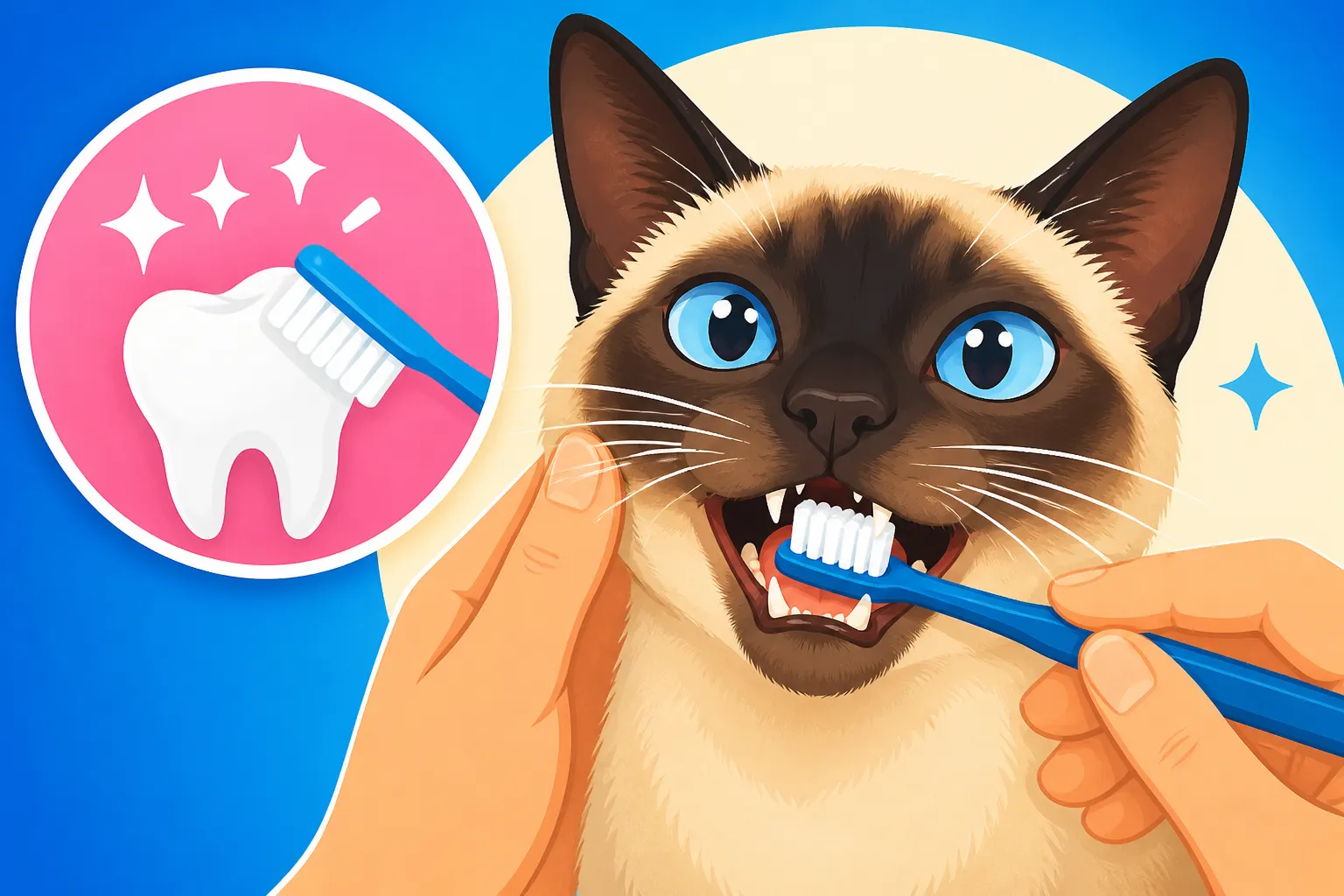
- Combine Touch and Brush: Once they're okay with your finger touching their gums, try a finger brush or a very small pet toothbrush with paste. Gently lift their lip and touch the brush to one or two teeth for just a second. Reward lavishly. Only focus on the outside surfaces of the teeth – the inside surfaces tend to stay cleaner due to saliva and tongue action.
This introductory phase might take a week or two, depending on your cat's personality and previous experiences. Be prepared to go slowly. A forced experience will create resistance, making future attempts much harder.
The Brushing Technique
Once your Siamese is tolerating the brush and paste on a few teeth, you can gradually expand the area you're covering.
- Choose the Right Time: Pick a time when your cat is relaxed and calm. Maybe after a nap or a play session. Avoid times when they're hungry, agitated, or just been disturbed.
- Position Yourself: Sit on the floor with your cat facing away from you, perhaps between your legs, or have them on your lap. This gives you better control and prevents them from backing away easily. You're not trying to restrain them forcefully, but gently hold them in a comfortable position.
- Lift the Lip Gently: Using one hand, gently lift your Siamese's upper lip to expose the outer surfaces of their teeth and gums. Don't pull too hard or hold for too long.
- Angle the Brush: Hold the toothbrush at a 45-degree angle to the gum line, ensuring the bristles touch both the tooth surface and the gum line. This is where plaque and tartar tend to accumulate most.
- Small, Circular Strokes: Use very gentle, small circular motions to brush the teeth. Focus on a few teeth at a time. Work your way from the back teeth towards the front, remembering to only clean the outside surfaces. The most critical areas are the molars and premolars at the back, and the canines.
- Duration and Frequency: Aim for at least 30 seconds per side, working your way up over time. Ideally, you should brush your Siamese's teeth daily. If daily isn't possible, every other day is a good compromise. Consistency is far more important than intensity.
- Reward, Reward, Reward: As soon as you finish, even if it was just for a few seconds, give your Siamese a treat and lots of praise. This reinforces the positive association. If they become stressed, stop immediately and try again later.
Consistency is key. Regular, even short, sessions will be much more effective than infrequent, long, and stressful ones. Remember, How Often a Siamese Cat Needs a Dental also depends on how well home care is managed.
Overcoming Common Brushing Challenges
Even with the best intentions and the gentlest approach, your Siamese cat might still put up a fuss. It's their nature to be particular! Don't get discouraged. There are ways to navigate these hurdles.
Dealing with Resistance and Stress
A stressed cat is an uncooperative cat. If your Siamese is showing signs of agitation – flattened ears, tail lashing, growling, hissing, or trying to escape – stop the session. Pushing through will only make them associate dental care with fear and discomfort, making future attempts harder.
- Shorten Sessions: Instead of aiming for a full minute, try just 5-10 seconds. Focus on one small section of teeth. Gradually increase the time as they become more accepting.
- Increase Positive Reinforcement: Really pile on the praise and treats. Make the reward so compelling that they're willing to tolerate a little discomfort for it.
- Try Different Times/Locations: Is your cat more relaxed in the morning or evening? In the living room or a quiet bedroom? Experiment to find their sweet spot.
- Use Calming Aids: As mentioned, pheromone sprays or diffusers can help create a more serene atmosphere. You might also consider wrapping your cat gently in a towel (a "purrito") for brief sessions if they are squirmy, but only if it doesn't cause more stress.
- Seek Professional Help: If you're truly struggling, talk to your vet or a certified feline behaviorist. They can offer personalized advice and demonstrate techniques, or even suggest prescription calming medications for severe cases.
When Your Cat Won't Open Its Mouth
Many cats are fine with you lifting their lip, but drawing the brush into their mouth to reach the back teeth can be a whole other battle. Remember, you don't need to brush the inside surfaces of their teeth.
- Focus on Outer Surfaces: The most important areas to brush are the outer surfaces of the teeth, especially where the gums meet the teeth. This is where plaque accumulates.
- "Cheek Method": For the molars and premolars at the back, try gently pulling back the corner of your cat's mouth or cheek to slide the brush in from the side. You don't need them to open wide like a human at the dentist. Just enough space to maneuver the brush.
- Use a Finger Brush: Sometimes, the rigid handle of a regular toothbrush is off-putting. A soft finger brush gives you more flexibility and control, which can be less intimidating for your cat.
- Enzymatic Gel Application: If brushing is truly impossible, some enzymatic dental gels can be applied directly to the gum line with your finger. While not as effective as brushing, they are better than nothing. Just be sure it's a veterinary dental gel and not just regular toothpaste.
Dealing with Growling or Hissing
This is a clear signal that your cat is unhappy and you need to back off. Never punish your cat for growling or hissing; they are communicating their discomfort.
- Identify the Trigger: Is it the approach? The smell of the paste? The sensation of the brush? Try to pinpoint what specifically upsets them.
- Start Over with Baby Steps: Go back to square one. Just let them lick paste off your finger. Then off the brush. Slowly, slowly reintroduce touch.
- Positive Association: Every interaction with the dental tools, even if it's just looking at them, should be followed by a treat and praise. You're trying to reprogram their association from "scary thing" to "tasty treat time."
- Consider a Dental Diet: For very resistant cats, a prescription dental diet can help reduce plaque and tartar buildup through kibble shape and specific ingredients. Brands like Royal Canin and Hill's offer veterinary dental formulas. You can often find these specialized foods on pet retail sites like Chewy or through your vet's office. While these diets don't replace brushing, they can offer significant supplemental benefits.
It might feel like you're not making much progress, but any effort you put into your Siamese's dental care will be beneficial in the long run. Even partial brushing is better than no brushing at all.
Beyond Brushing: Comprehensive Dental Health
While brushing is the gold standard for at-home dental care, it's just one piece of the puzzle. A holistic approach involves regular veterinary check-ups and being aware of other factors that contribute to good oral hygiene.
Regular Veterinary Dental Check-ups
Even if you're a brushing superstar, your Siamese cat still needs regular professional dental check-ups. Your veterinarian can assess the overall health of their teeth and gums, identify any underlying issues, and recommend professional cleanings as needed.
- Annual Exams: During your cat's annual wellness exam, the vet will perform an oral examination. They'll look for signs of gingivitis, broken teeth, Gingivitis in a Siamese Cat, tooth resorption, or other abnormalities. They'll also check for any bad breath, which is often a sign of dental disease.
- Professional Dental Cleanings (Under Anesthesia): Just like humans need dental cleanings, cats do too. However, because cats won't sit still and say "ahh," these procedures are performed under general anesthesia. This allows the vet to thoroughly scale off tartar both above and below the gum line, polish the teeth to smooth surfaces, and perform detailed examinations (like dental X-rays) to check for problems hidden beneath the gum line. This is crucial for conditions like tooth resorption, which can be agonizing but often invisible without X-rays.
Your vet can tell you What a Siamese Cat's First Dental Costs and help you budget for ongoing care. These professional cleanings are not a luxury; they are a vital part of preventative health care.
Dental-Friendly Diet and Chews
While not a substitute for brushing, certain diets and treats can help support dental health.
- Veterinary Dental Diets: These foods are specially formulated with larger kibble that encourages chewing, or with ingredients that chemically reduce plaque. The mechanical action of crunching helps scrape away plaque from the tooth surface. Always discuss these options with your vet to ensure they are appropriate for your Siamese's specific needs and to avoid any potential dietary imbalances.
- Dental Treats: Look for treats that carry the Veterinary Oral Health Council (VOHC) seal of acceptance. This seal indicates that the product meets specific standards for reducing plaque and/or tartar. However, be mindful of calorie intake, as too many treats can lead to weight gain.
- Avoid Hard Items: Resist the urge to give your Siamese very hard chews, bones, or antlers. While these might seem like good dental cleaners, they can actually lead to broken teeth, which are incredibly painful and require expensive veterinary intervention. Stick to soft, pliable dental-specific chews.
Recognizing Signs of Dental Pain
Because cats are masters at hiding pain, it's essential for you, as their dedicated owner, to be vigilant about subtle signs of dental discomfort. If you notice any of these, schedule a vet visit immediately.
- Bad Breath (Halitosis): This is often the first and most obvious sign of dental disease. Cat breath shouldn't smell like decay.
- Red, Swollen, or Bleeding Gums: Inspecting your cat's mouth (if they allow it) can reveal inflamed gums, a clear sign of gingivitis.
- Difficulty Eating: Dropping food, chewing on one side of the mouth, reluctance to eat dry kibble, or showing interest in food but then walking away can all indicate pain.
- Excessive Drooling: More drooling than usual, especially if it's thick or discolored, can be a symptom of oral pain or infection.
- Pawing at the Mouth or Face Rubbing: Your cat might be trying to relieve discomfort.
- Weight Loss: Chronic dental pain can lead to a decrease in appetite and subsequent weight loss.
- Behavioral Changes: A typically playful Siamese might become withdrawn, grumpy, or less vocal. They might avoid head rubs or contact near their face. These are often clues that something is amiss.
Being proactive with brushing and regular veterinary care will go a long way in ensuring your chatty, affectionate Siamese cat enjoys a long, healthy, and pain-free life. It takes dedication, but the benefits for their well-being are immeasurable.
Disclaimer
This article is for general informational purposes only and does not constitute professional advice. Laws, prices and regulations vary by location and change over time. Consult a qualified professional for guidance on your specific situation.