Why an Aging Siamese Cat Stops Grooming
It's a familiar, heartbreaking sight for many of us who share our homes with an older Siamese cat: a once impeccably groomed, sleek companion now sporting a dull, matted, or unkempt coat. You see them struggle to reach that spot on their back, or they simply seem to have lost the drive to keep themselves pristine. This shift in grooming habits isn't just a sign of laziness; it's often a distress signal, a quiet indicator that something deeper is affecting your beloved Meezer. This guide will explore the many reasons why an aging Siamese cat might stop grooming and, more importantly, what we as their devoted guardians can do to help them regain comfort and cleanliness.
The Physical Toll of Aging on Grooming Habits
As our Siamese companions gracefully enter their golden years, their bodies begin to experience the inevitable wear and tear that comes with age. What was once an effortless stretch or a quick twist can become a painful, daunting task. This physical decline is a primary reason why you might notice your senior Siamese neglecting their once-fastidious grooming routine.
Arthritis and Joint Pain Make Reaching Difficult
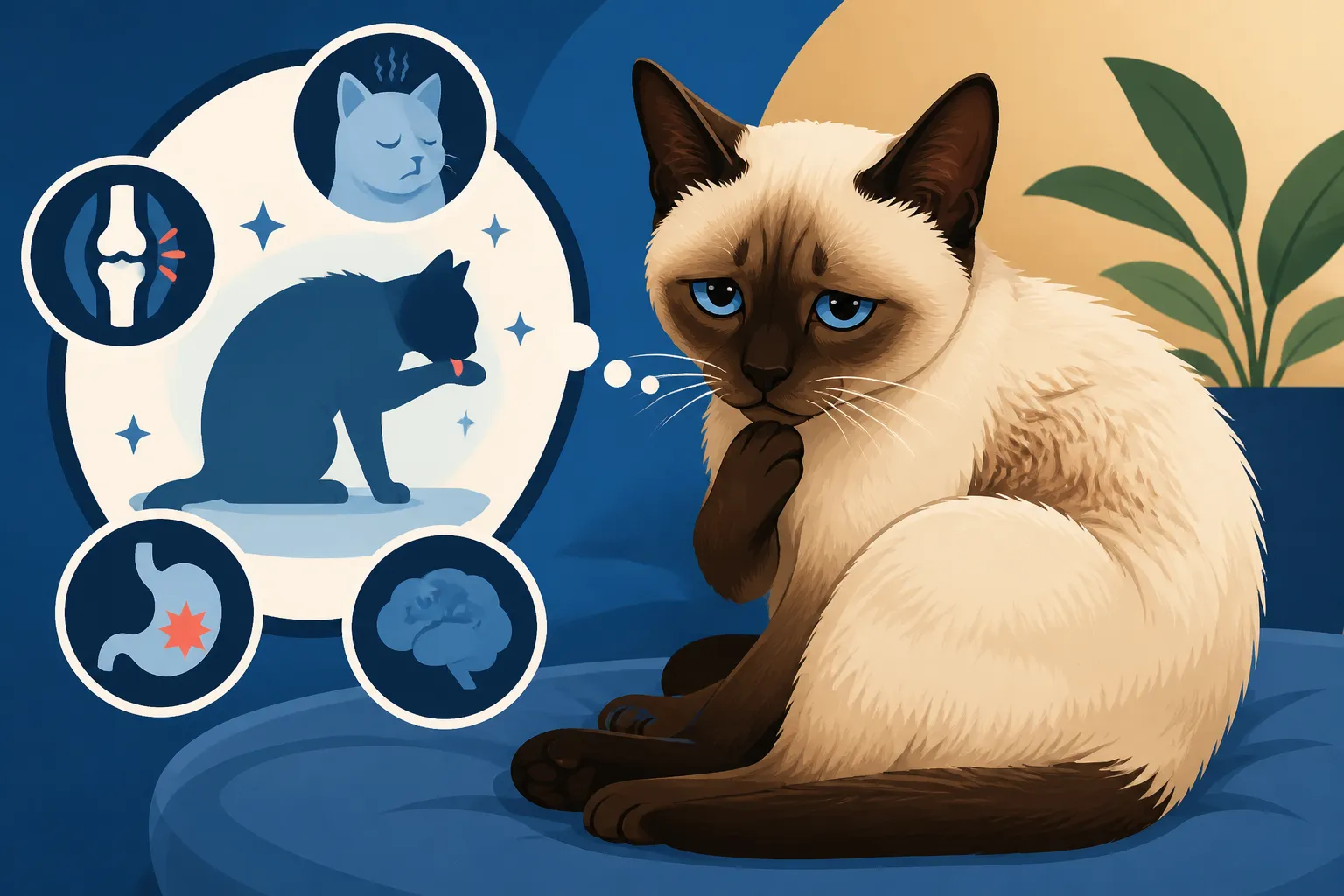
Imagine trying to reach an itchy spot on your back when every joint screams in protest. That's often the reality for an aging Siamese cat grappling with arthritis or general joint stiffness. Their limber, athletic bodies, once capable of incredible acrobatics, can become stiff and sore. This makes the intricate contortions required for a thorough self-grooming session incredibly challenging, if not downright impossible.
You might observe your senior cat attempting to groom their lower back or the base of their tail, only to wince or abruptly stop mid-lick. Perhaps they can still manage the front of their body – their chest, front legs, and face – but the hard-to-reach areas like their hindquarters, flanks, and along their spine start to show tell-tale signs of neglect. You might spot little mats forming, or the fur just looks generally unkempt and dusty in those spots. This isn't because they don't care; it's because it simply hurts to bend and twist that way. It's a real struggle, and they'll often give up rather than endure the discomfort. It's a classic sign of Whether an Aging Siamese Cat Gets Stiff.
Dental Disease and Oral Discomfort
Grooming isn't just about licking; it involves delicate nibbling, scraping, and pulling with their teeth and tongue. If your Siamese cat's mouth is a source of constant pain, it stands to reason that they'll avoid any activity that exacerbates that discomfort. Dental disease is incredibly common in older cats, and it's a silent suffering that often goes unnoticed until it's quite advanced.
Conditions like gingivitis, periodontal disease, or even painful tooth resorption can make the simple act of running their tongue and teeth through their fur agonizing. Imagine trying to brush your hair with a toothache. They might start to groom, hit a sensitive spot, and then retreat. You might notice them drooling, having bad breath, or even showing a preference for softer foods, all of which are red flags for Dental Disease in a Siamese Cat. If grooming suddenly drops off, especially if accompanied by any changes in eating habits, a trip to the vet to check their pearly whites is definitely in order. They rely on their mouths for so much, and if that vital tool is compromised, their grooming will be too.
Vision and Cognitive Decline
As cats age, their senses, including their eyesight, can begin to diminish. While cats are incredibly adaptable, impaired vision can certainly play a role in their grooming habits. A cat with failing eyesight might not accurately perceive dirt or tangled fur, or they might struggle with the balance needed to maintain certain grooming positions. They might bump into things, get disoriented, and simply decide it's not worth the effort or risk.
Beyond physical senses, an aging Siamese can also experience cognitive decline, sometimes referred to as feline dementia. This can manifest in a variety of ways, including a general forgetfulness about established routines, disorientation, or a reduced interest in self-care. They might simply "forget" to groom, or the motivation to do so isn't there anymore. It's not unlike how an elderly person might start neglecting personal hygiene. They're not doing it intentionally; their brain just isn't prompting them in the same way. Keeping an eye on other behavioral changes, like changes in sleep patterns or vocalization, can help you identify if cognitive issues are at play.
Underlying Health Conditions Affecting Coat Care
Beyond the more obvious physical limitations of old age, a decline in grooming can often be a subtle but critical indicator of underlying health issues. Siamese cats are known for their stoicism and their ability to hide pain or illness, making these subtle changes even more important to notice. When a Siamese cat stops grooming, it's often their quiet way of telling you they just don't feel well.
Kidney Disease and Other Systemic Illnesses
Chronic conditions like kidney disease, hyperthyroidism, or even certain cancers can profoundly impact an older Siamese cat's overall well-being, including their desire and ability to groom. When a cat feels perpetually unwell, is dehydrated, or simply lacks energy, grooming falls to the bottom of their priority list. They might spend more time sleeping, or just sitting quietly, conserving what little energy they have.
A classic example is Kidney Disease in an Older Siamese Cat. Cats with kidney issues often become dehydrated, leading to a dull, dry coat that's more prone to matting. They also often experience nausea and a general malaise, making the effort of grooming seem monumental. Similarly, hyperthyroidism can cause a greasy, unkempt coat, partly because the cat is too busy and restless to groom effectively, and partly due to changes in skin and coat health. The resulting coat is not just neglected; it often looks unhealthy, feels coarse, and can have a greasy texture, even if the cat attempts to groom. This often prompts a discussion with your vet about Signs a Siamese Cat Is Unwell that might be hiding.
Obesity and Muscle Loss
It might seem counterintuitive, but both ends of the weight spectrum—obesity and significant muscle loss—can contribute to poor grooming in older Siamese cats. An overweight senior Siamese might find it physically impossible to reach certain areas of its body, particularly the back, hindquarters, and belly. The sheer bulk gets in the way, making flexible stretches and twists out of the question. You'll often see matted fur or dandruff in these unreachable areas, not for lack of trying, but for lack of ability.
On the other hand, significant muscle loss, which is common in many aging cats, can also impede grooming. A cat might be too weak or frail to maintain the postures required for effective self-cleaning. Muscle wasting, particularly over the spine and hind legs, can make them less stable and more prone to fatigue. This means they simply don't have the physical strength or endurance to keep up their usual meticulous grooming. Why an Old Siamese Cat Loses Muscle is a common concern for many owners, and it directly impacts a cat's ability to care for itself.
Skin Issues and Parasites
Even indoor, older Siamese cats can fall victim to various skin issues or, yes, even parasites. These conditions can cause discomfort, itching, or pain, which might override their natural instinct to keep clean. Imagine having a persistent itch or a sore spot; you might either relentlessly scratch or pick at it, or you might avoid touching it altogether. Cats react similarly.
For example, a cat might develop dry skin, allergies, or fungal infections that make grooming painful or contribute to a greasy or flaky coat. If they have fleas, even a few, the intense itching can lead to either excessive licking in some areas (causing bald patches, known as psychogenic alopecia) or a general neglect of grooming overall as they focus on the immediate irritation. Skin lumps, cysts, or even chronic wounds can also make grooming certain areas painful, leading to matting around those sensitive spots. A thorough physical exam by your vet can help uncover these hidden issues, as they often require specific treatment to bring relief.
Environmental and Behavioral Factors
Sometimes, the reasons behind an aging Siamese cat's decline in grooming aren't purely physical or medical, but are rooted in their environment or emotional state. Siamese cats are known for their sensitive, intelligent, and highly social nature, making them particularly susceptible to changes in their surroundings or routine.
Stress and Changes in Routine
Siamese cats thrive on routine and stability. They are creatures of habit, and any significant change in their environment or daily schedule can be a source of immense stress, especially for an older cat who is less adaptable. A new pet, a new baby, a houseguest, moving furniture, or even a change in your own work schedule can disrupt their carefully constructed world.
When stressed, cats often exhibit behavioral changes, and a decrease in grooming can be one of them. They might retreat, hide more, or become lethargic, with self-care falling by the wayside. The mental energy required to cope with stress leaves less for mundane tasks like grooming. You might find them spending less time in their usual grooming spots, or simply looking more withdrawn. This is particularly true for such a vocal and interactive breed; their silence and lack of self-care can be a profound cry for help.
Lack of Accessible Grooming Spots/Tools
As our Siamese cats age, their mobility decreases. That once-favorite perch atop the bookshelf might now be an impossible climb. The window sill they loved to sunbathe on, which also served as a prime grooming spot, might now be too high or too drafty for their aching joints. If their preferred, comfortable, and safe grooming locations become inaccessible or uncomfortable, they might simply groom less often.
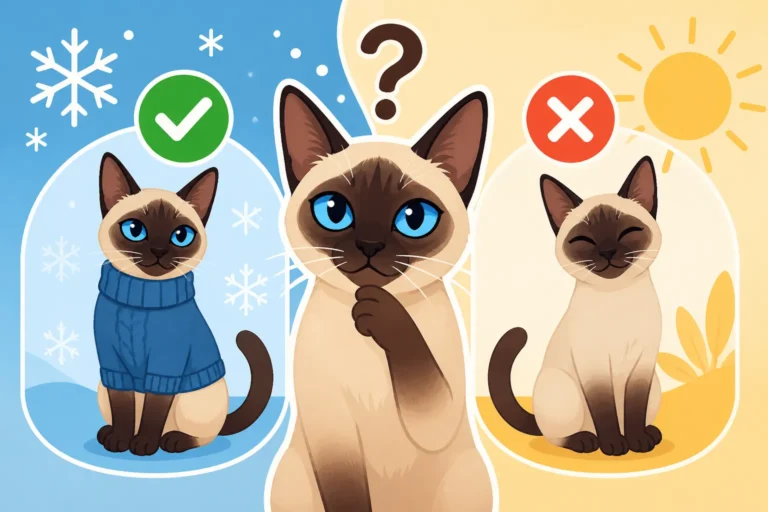
It's crucial to evaluate your home from your senior cat's perspective. Are there warm, easily accessible, quiet spots where they can comfortably stretch out and groom? Providing soft, low-sided beds or even a heated bed can make a huge difference in encouraging self-care. Remember, older cats feel the cold more, and a cozy, warm spot can make all the difference to their comfort and willingness to settle down for a good groom. Keeping a Siamese Cat Warm isn't just about comfort; it's about supporting their overall well-being. Consider whether their favorite scratching posts are still easy to use; if not, a new, lower one might be in order.
Depression or Lack of Stimulation
Siamese cats are incredibly intelligent and emotionally complex creatures. Just like humans, they can experience depression or a lack of mental stimulation, especially as they age and their world potentially shrinks. If an older Siamese cat becomes bored, lonely, or depressed, they may lose interest in activities they once enjoyed, including grooming. They might become lethargic, show a reduced appetite, or vocalize less frequently.
This is particularly poignant for a breed known for its playful and communicative nature. If their human companions are less available, or if they've lost a companion animal, an older Siamese might genuinely grieve or simply feel a profound lack of purpose. This emotional state can manifest as a general neglect of self-care. Providing gentle interaction, new (but accessible) toys, or even just quiet companionship can sometimes reignite their spark and encourage them to resume their grooming rituals.
What You Can Do to Help Your Aging Siamese Groom
Seeing your once-immaculate Siamese cat looking a little disheveled can be distressing, but there's a lot you can do to help. The key is a multi-faceted approach that addresses both the underlying causes and provides practical support for their daily care. Remember, you're their advocate, and a little extra effort on your part can significantly improve their quality of life.
Regular Vet Check-ups and Pain Management
This is, without a doubt, the most critical step. A decline in grooming is often a sign of underlying medical issues that require professional diagnosis and treatment. Schedule a comprehensive senior check-up with your veterinarian. Be prepared to discuss all changes you've noticed, even subtle ones. Your vet will perform a thorough physical examination, looking for signs of arthritis, dental disease, skin conditions, and other health problems.
They may recommend diagnostic tests like bloodwork (What a Siamese Cat's Yearly Bloodwork Should Cover) and urinalysis to check organ function, particularly kidneys and thyroid. If arthritis or joint pain is suspected, X-rays might be taken. Once a diagnosis is made, your vet can prescribe appropriate pain medication, anti-inflammatories, or joint supplements. Managing pain effectively can dramatically increase your cat's comfort and their willingness to groom themselves. It’s also important to be open about these health discussions, as How a Siamese Cat Hides Pain is a common trait, making vet visits even more essential.
Assisted Grooming and Gentle Brushing
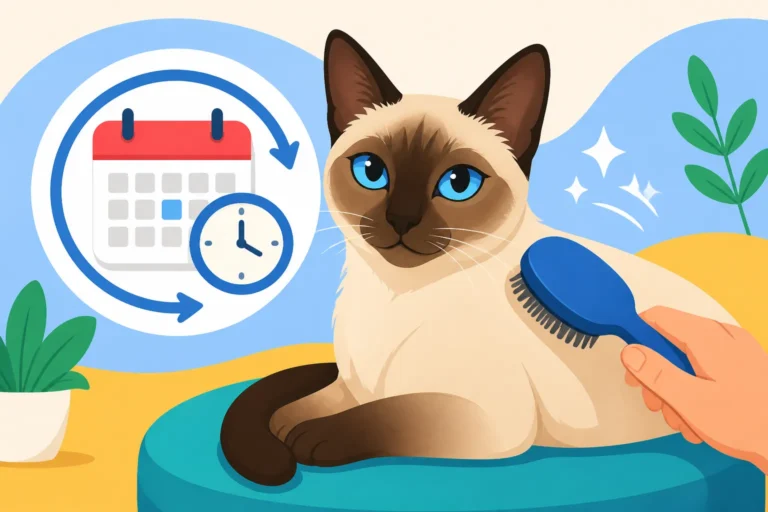
Even if you address the underlying issues, your senior Siamese might still need a helping hand with their grooming. This is where you step in as their personal groomer! Regular, gentle brushing sessions can prevent mats from forming, remove loose fur, and stimulate circulation, all of which contribute to a healthier coat and more comfortable cat.
Use a soft-bristled brush or a grooming glove. Make these sessions short, positive, and gentle. Focus on the areas they struggle to reach. If you encounter mats, don't pull them; use a mat splitter or blunt-nosed scissors, or seek professional help from a groomer or vet tech who specializes in senior cats. Brands like Chewy and Amazon offer a wide array of soft brushes, combs, and grooming wipes designed for sensitive skin, making these tasks easier. You can also use pet-safe wipes to clean around their mouth, eyes, and hindquarters, keeping them fresh and comfortable. Think of it as a bonding experience, not a chore.
Adjusting the Home Environment
Making your home senior-friendly can significantly impact your Siamese cat's comfort and ability to maintain self-care. Review their environment and identify any obstacles. For example, if their litter box has high sides, switch to a low-entry box to make it easier for them to get in and out without pain. Provide ramps or sturdy steps to help them access favorite elevated spots, like a sunny window perch or the bed.
Ensure there are plenty of soft, comfortable, and warm resting spots at ground level. Older cats often seek warmth, so a plush blanket or a low-wattage heated pet bed (available on Amazon) can be incredibly appealing. Keep their food and water bowls easily accessible, perhaps in multiple locations, to minimize long walks, especially if they are stiff. Ensure their litter box is always impeccably clean, as a senior cat might be more particular or might avoid a dirty box if getting in and out is already a challenge. This helps encourage them to use the box and maintain general hygiene. Consider Caring for a Siamese Cat Past Twelve to fully understand these environmental shifts.
Nutritional Support and Hydration
A balanced, high-quality diet is crucial for maintaining overall health, including skin and coat condition, in an aging Siamese cat. Discuss with your vet if a senior-specific food or a diet tailored to any specific health conditions (like kidney disease) would be beneficial. Senior cat foods are often formulated with ingredients to support joint health, maintain muscle mass, and are often easier to digest.
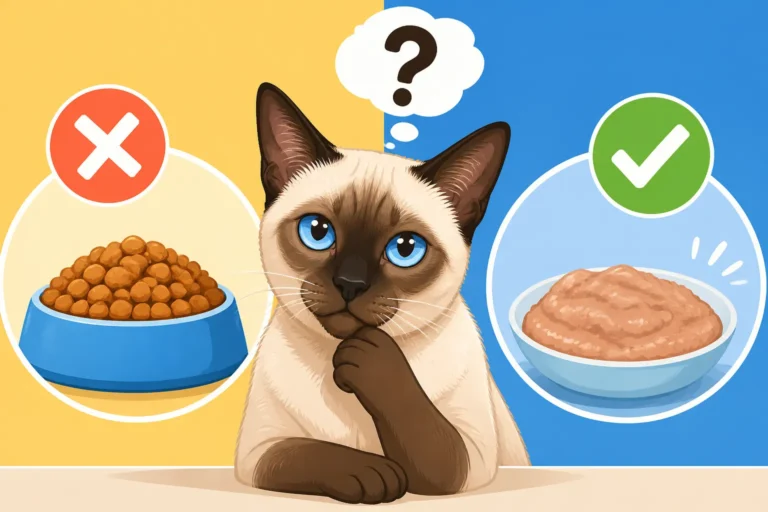
Hydration is also paramount. Many older cats become prone to dehydration, which can negatively impact their skin and coat, making grooming less effective. Ensure fresh water is always available in multiple bowls around the house. Some cats prefer running water, so a pet drinking fountain (available on Chewy) might encourage them to drink more. Consider incorporating wet food into their diet, as it adds significant moisture. Fresh, human-grade food can be particularly palatable and hydrating for older cats, and some owners find their cats respond well to the increased moisture content. Adequate nutrition and hydration support not just a healthy coat, but their overall vitality, which in turn gives them the energy and motivation to groom. Whether an Aging Siamese Cat Needs Softer Food is a common question, and often the answer is yes, to aid in digestion and palatability.
Reasons for Decreased Grooming in Older Siamese Cats
Here's a quick overview of common reasons an aging Siamese cat might stop grooming and what signs to watch for:
| Reason | Common Signs to Look For | Impact on Grooming |
|---|---|---|
| Arthritis/Joint Pain | Limping, stiffness, difficulty jumping, wincing during movement | Struggles to reach back, tail base, hind legs; mats in these areas |
| Dental Disease | Bad breath, drooling, pawing at mouth, eating difficulty | Pain when licking or chewing fur; avoids mouth-heavy grooming |
| Kidney Disease/Illness | Increased thirst/urination, weight loss, lethargy, poor appetite | General malaise, dehydration, dull coat, lack of energy for grooming |
| Cognitive Decline | Disorientation, changes in sleep, vocalization, forgotten routines | Forgets to groom, loss of motivation, general neglect of self-care |
| Obesity/Muscle Loss | Overweight body, visible muscle wasting (especially hindquarters) | Physical inability to reach all body parts (obesity); too weak/fatigued (loss) |
| Skin Issues/Parasites | Itching, flaking, scabs, bald patches, visible fleas | Discomfort makes grooming painful or ineffective; over-grooming in some areas |
| Stress/Environmental | Hiding, increased vocalization, changes in appetite/litter habits | Emotional distress overrides self-care; seeks isolation over grooming |
Ultimately, a sudden or gradual decline in grooming for your aging Siamese cat is a call for attention. It's a signal that something in their world has shifted, whether physically, medically, or emotionally. By being observant, proactive with veterinary care, and making thoughtful adjustments to their environment and daily routine, you can help your cherished companion feel more comfortable, clean, and content in their golden years.
Disclaimer
This article is for general informational purposes only and does not constitute professional advice. Laws, prices and regulations vary by location and change over time. Consult a qualified professional for guidance on your specific situation.