Who Brought the First Siamese Cat to Britain
The arrival of the Siamese cat in Britain wasn't a sudden, grand event but rather a fascinating journey steeped in diplomacy and personal passion. For many cat lovers today, the precise origins of these captivating felines in the Western world can feel a bit shrouded in history. This guide will delve into the specific individuals and circumstances that first brought these unique "Meezers" to British shores, setting the stage for their eventual rise to popularity.
The Royal Connection and Early Diplomatic Gifts
Before the specific, well-documented importation that truly established the breed in Britain, there were likely earlier, less recorded instances of Siamese cats reaching Western shores, often as exotic gifts. These early arrivals were usually tied to diplomatic relations and the burgeoning interest in the Far East.
The Allure of the "Royal Cat of Siam"
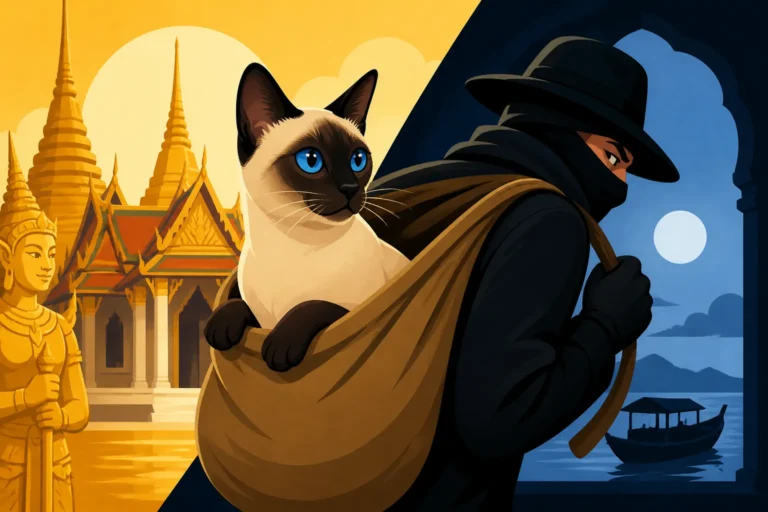
The Siamese cat, known in its native Siam (modern-day Thailand) as Wichianmat, was revered. Legends painted them as companions to royalty and temple guardians, endowing them with an air of mystique and exclusivity. This reputation naturally made them highly prized as gifts in diplomatic circles. Imagine the excitement and curiosity these exotic animals would have sparked in Victorian England, a stark contrast to the common domestic shorthairs of the time. They weren't just cats; they were living pieces of a faraway, enigmatic culture.
These early presentations, while not leading to widespread breeding, certainly piqued interest. It's easy to picture a British diplomat or explorer returning home with tales of these striking, vocal cats, perhaps even one or two accompanying them. While no definitive records pinpoint the very first Siamese cat to set paw on British soil through these means, the idea of them arriving as royal tokens is a pervasive and romantic one, foreshadowing the more formal introductions to come. The initial exposure, however rare, laid the groundwork for future enthusiasts to actively seek out and establish the breed.
Paving the Way: Owen Gould and the Bangkok Consulate
The pivotal moment for the Siamese cat in Britain largely rests on the shoulders of one man: Owen Gould. His tenure as a British diplomat in Siam proved to be instrumental in bringing these magnificent felines into the public eye.
Owen Gould's Role in Bangkok
Edward Blencowe Gould, later known as Owen Gould, served as the British Consul-General in Bangkok during the 1880s. It was during this time, immersed in the culture and beauty of Siam, that he became captivated by the distinctive local cats. Unlike the often-sturdy, common cats of Britain, these elegant, pointed felines with their striking blue eyes and slender bodies were truly unique. He recognized their special qualities and likely foresaw the fascination they would generate back home.
His position allowed him access to circles where these cats were cherished. It wasn't merely a casual acquisition; it was an intentional decision to bring a piece of Siam's living heritage back to Europe. The idea of introducing such an exotic and visually stunning animal to the British public, who had never seen anything quite like it, must have been a powerful motivator.
The Journey of Pho and Mia
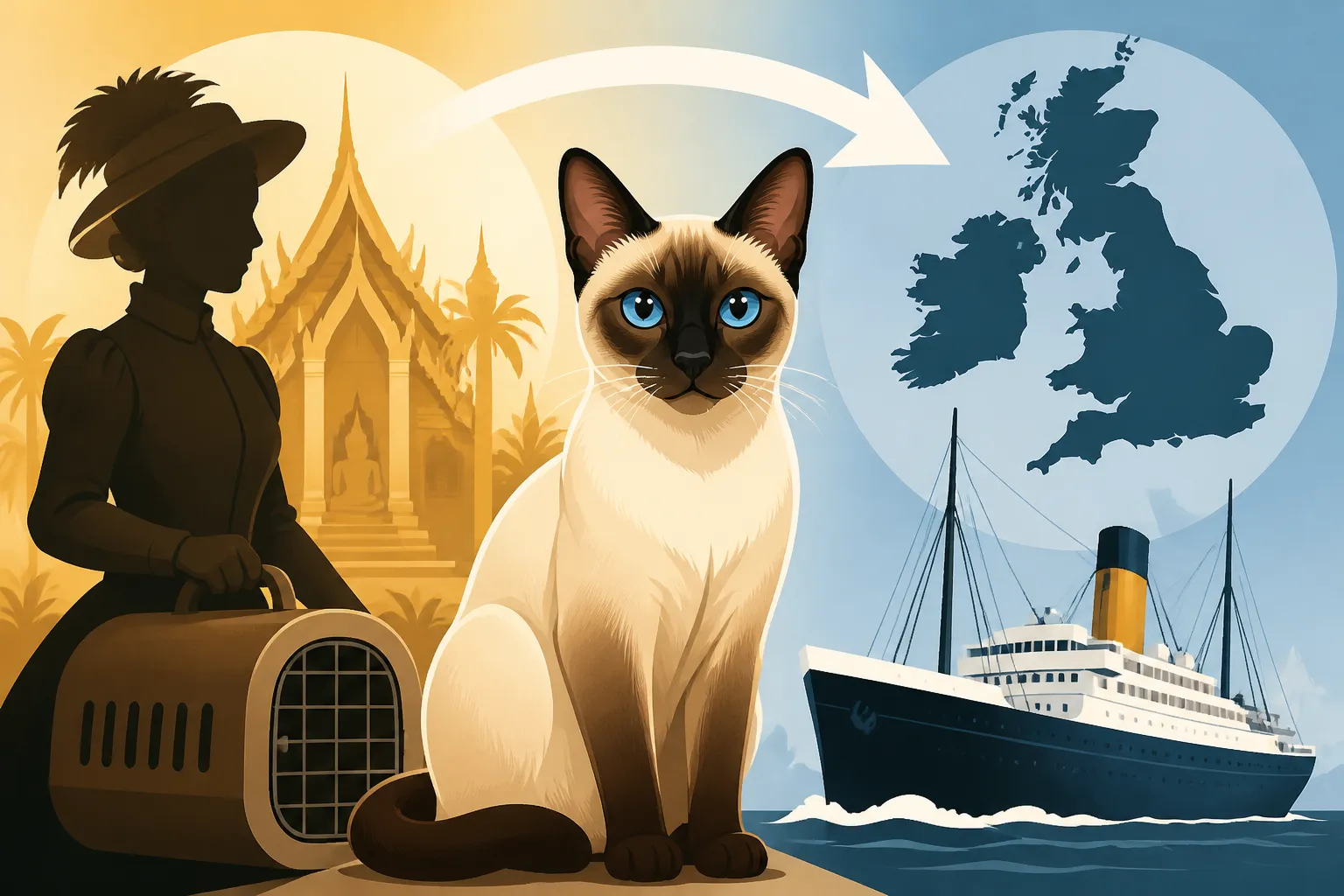
In 1884, Owen Gould returned to Britain, bringing with him a pair of Siamese cats named Pho and Mia, along with their three kittens. This was no small feat in the days before air travel. The journey from Bangkok to London would have been long, arduous, and undoubtedly stressful for both the cats and their human companions. Imagine the logistics of keeping five exotic cats healthy and comfortable on a ship for weeks or even months!
These cats were more than just pets; they were ambassadors. Their arrival marked a significant turning point, providing the first widely recognized breeding pair and establishing a foundational lineage for the breed in Britain. Gould's dedication to their safe passage was paramount, ensuring these precious animals made it to their new home where they would soon capture the hearts of a curious public. This commitment highlights the passion that early Siamese enthusiasts held for these special creatures.
The First Public Appearance: Crystal Palace Cat Show
The introduction of Pho and Mia wasn't just a quiet domestic affair. Owen Gould, eager to share their beauty and uniqueness, decided to exhibit them at one of the most prominent events of the era: the Crystal Palace Cat Show.
Exhibiting Exotic Cats in Victorian England
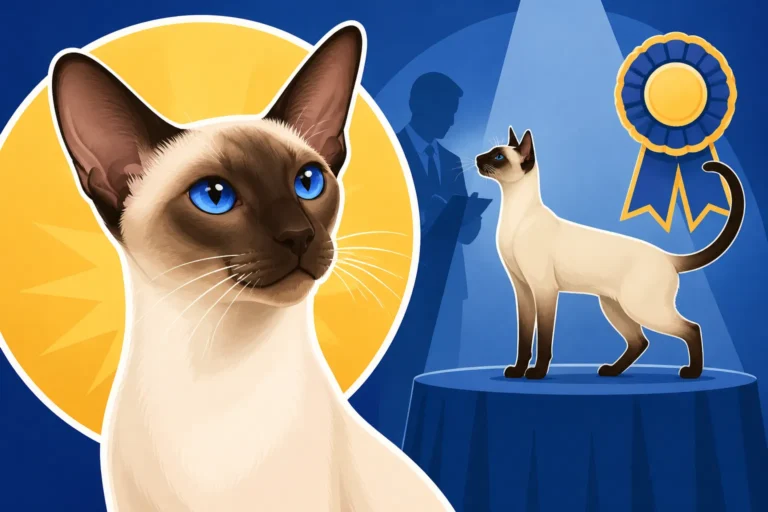
The Crystal Palace Cat Show was a highly anticipated event, drawing large crowds and considerable media attention. It was the perfect platform to introduce an exotic breed like the Siamese cat to the British public. The sight of these striking felines, with their dark points and piercing blue eyes, must have been a sensation. People were accustomed to more traditional British breeds, and the Siamese presented a dramatic contrast. They embodied an elegance and mystery that captivated onlookers.
This exhibition wasn't just about showing off; it was about education and generating interest. It allowed people to see these cats up close, to marvel at their distinct appearance, and to begin to understand their unique temperament. The public's reaction was a mix of awe and bewilderment, as nothing quite like them had been seen before. Which Show the First Siamese Cats Appeared At explains more about this landmark event.
Public Reactions and Early Descriptions
Newspaper reports and personal accounts from the time often described the Siamese cats as "unnatural," "alien," or even "nightmarish." This reaction, while jarring to modern sensibilities, simply reflected the utter novelty of the breed. Their slender bodies, wedge-shaped heads (though not as extreme as some modern show lines), and loud, distinctive voices were unlike anything people had encountered. Imagine being used to a fluffy Persian or a sturdy British Shorthair, and then seeing a sleek, vocal Siamese for the first time!
Despite some initial bewildered reactions, their exotic charm quickly began to win people over. The sheer uniqueness of Pho, Mia, and their kittens ensured they were the talk of the show. This early public exposure, even with its initial bewilderment, firmly planted the Siamese cat in the consciousness of British cat fanciers, paving the way for dedicated breeding efforts.
Early Challenges and Perceptions
The initial excitement surrounding the Siamese cat in Britain quickly gave way to practical challenges and evolving perceptions as breeders sought to establish the breed. It wasn't all smooth sailing; new owners faced a steep learning curve.
Acclimatization and Care in a New Climate
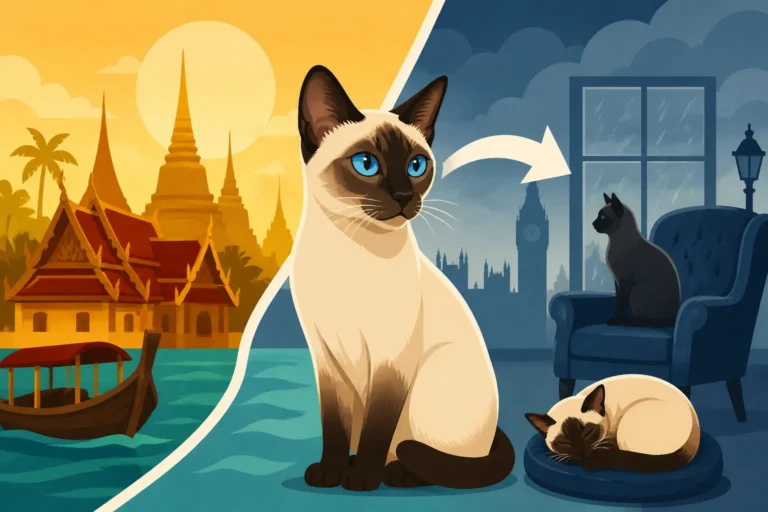
The Siamese cats arriving from Siam were accustomed to a tropical climate. Britain, with its often damp and chilly weather, presented a significant environmental shift. Ensuring these cats were kept warm and healthy would have been a primary concern for early owners and breeders. Without the modern understanding of feline nutrition and veterinary care, acclimatization was likely a difficult process. Keep in mind that their signature point coloration is temperature-dependent, meaning a colder climate would naturally lead to darker body coats, sometimes surprising owners who expected the paler bodies seen in warmer regions. Why a Siamese Cat Darkens Every Winter delves into this fascinating aspect of their coat.
Modern Siamese cat owners, thankfully, have access to a wealth of resources through retailers like Chewy, making it far easier to provide specialized diets, warm bedding, and any necessary supplements to keep their Meezers thriving in diverse climates. Back then, it was a lot of trial and error, relying on instinct and limited knowledge.
Misunderstandings About Temperament and Health
The Siamese cat's vocal nature and intensely social personality were also new to British cat owners. Their constant "talking" – the famous "Meezer Yowl" – could be startling to those used to quieter breeds. This led to some initial misunderstandings, with some people perceiving them as demanding or even aggressive, when in reality, they were simply communicating in their unique way. The Siamese Cat Talks and Expects an Answer truly captures this defining trait.
Furthermore, early breeders lacked the genetic screening tools available today. Health issues, which can sometimes be more prevalent in specific breeds, were often a mystery. Concerns about the short lifespan of early imported Siamese cats circulated, though this was sometimes attributed to the challenges of the long journey and the difficulties of adapting to a new environment, rather than inherent breed weaknesses. Today, if you're looking for quality food or toys to keep your highly intelligent Siamese engaged and healthy, online stores like Chewy offer a vast selection, ensuring your cat's needs are met with convenience and expertise.
The Siamese Cat Club: Solidifying the Breed's Future
The undeniable appeal of the Siamese cat, coupled with the commitment of early enthusiasts, quickly led to the formation of dedicated groups aimed at promoting and protecting the breed. This was a crucial step in its establishment.
Founding and Early Goals
The Siamese Cat Club was founded in 1901, a testament to the growing interest and dedication surrounding these unique felines. This wasn't just a casual gathering; it was a formal organization with clear goals: to define the breed standard, promote responsible breeding, and ensure the health and welfare of Siamese cats in Britain. Before this, breeding efforts might have been more haphazard, without a unified vision or a consensus on what constituted a "good" Siamese cat. When the Siamese Cat Club Was Founded provides more context on this important milestone.
The club provided a forum for breeders and owners to share knowledge, discuss best practices, and collectively work towards improving the breed. This collaborative spirit was essential for navigating the challenges of introducing an exotic breed and preventing its dilution or decline. They understood that to truly establish the Siamese cat, they needed structure and shared principles.
Establishing the Breed Standard
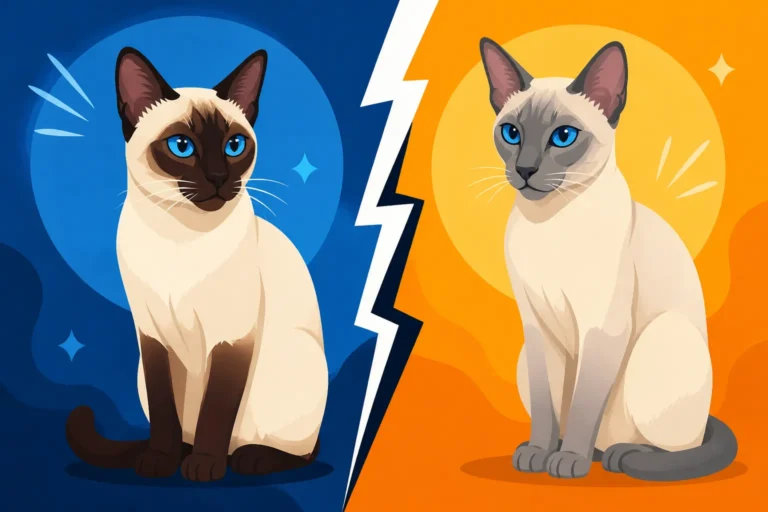
One of the most important functions of the Siamese Cat Club was to establish and maintain the breed standard. This document outlined the ideal physical characteristics of a Siamese cat, including its head shape, body type, coat color and texture, eye color, and tail. These early standards were influenced by the cats originally imported, like Pho and Mia, and aimed to preserve their distinctive features. While the ideal "look" of the Siamese has certainly evolved over the decades, leading to different interpretations like the traditional "applehead" and the modern "wedge," the initial efforts to standardize were vital for consistent breeding.
| Characteristic | Early British Perception (Late 1800s) | Modern Siamese Standard (General) |
|---|---|---|
| Body Type | Slender, often considered "unnatural" or "thin" | Long, svelte, muscular but fine-boned |
| Head Shape | More rounded, described as "applehead" | Long, tapering wedge from nose to ear tips |
| Ear Size | Large, adding to "alien" appearance | Strikingly large, wide at base, pointed |
| Eye Shape/Color | Striking blue, often crossed | Clear, brilliant blue; almond shaped |
| Vocalizations | Extremely loud, unsettling "yowl" | Loud, distinct, conversational "Meezer" voice |
| Temperament | Demanding, intensely social, sometimes aloof | Affectionate, intelligent, vocal, demanding |
The work of these dedicated individuals ensured that the Siamese cat was not just a passing fad but a beloved and recognized breed within the British cat fancy, eventually spreading its influence globally. If you're a new Siamese owner and need to understand more about their unique traits, resources are readily available, including specialized products on Chewy designed for their active and intelligent personalities.
Disclaimer
This article is for general informational purposes only and does not constitute professional advice. Laws, prices and regulations vary by location and change over time. Consult a qualified professional for guidance on your specific situation.