Whether Siamese Cats Were Smuggled Out of Siam
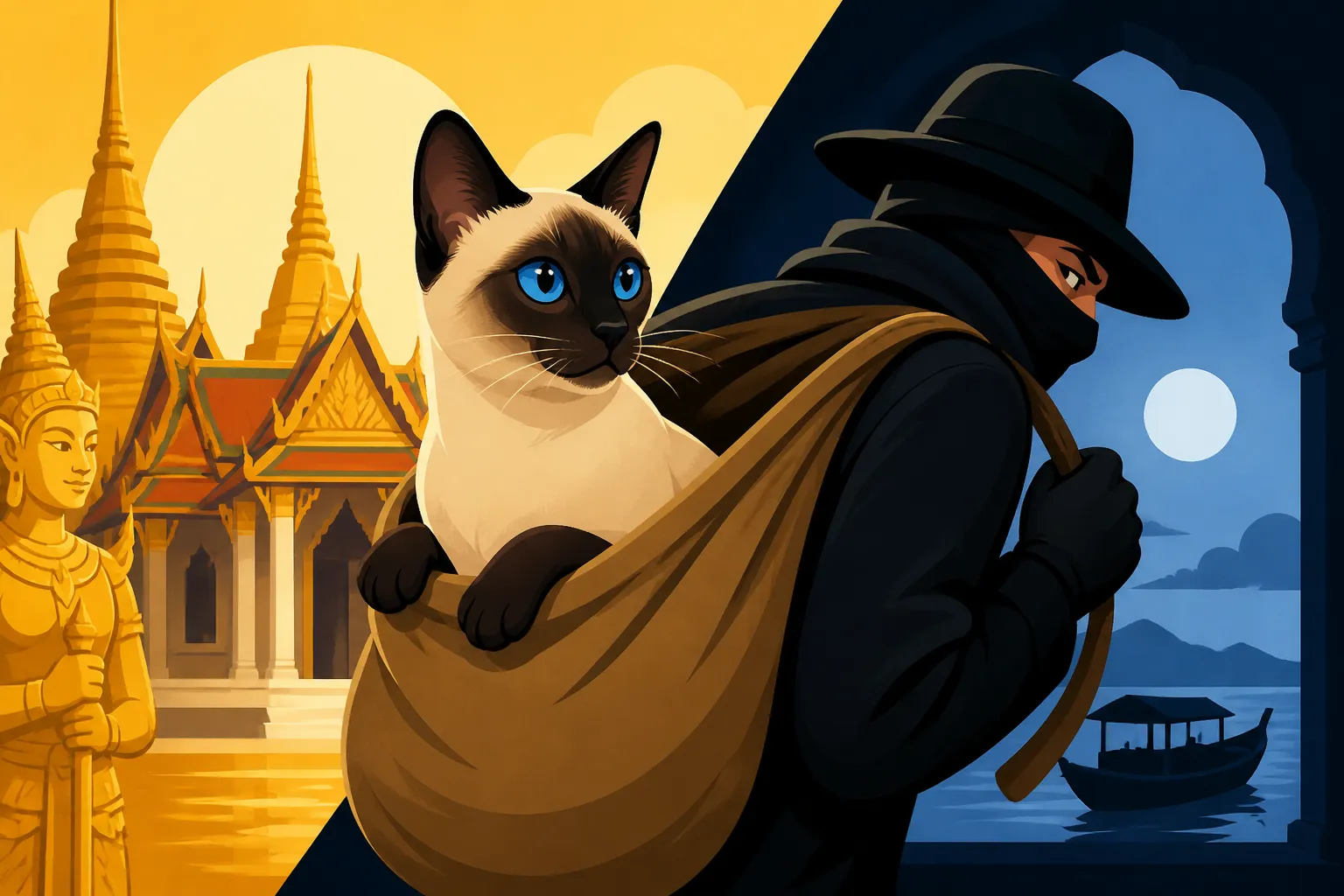
It's a romantic thought, isn't it? The idea of a shadowy figure slipping through the tropical night, a precious Siamese kitten tucked inside a satchel, spiriting it away from the royal palaces of old Siam. We love a good story, and the notion that these stunning, vocal cats had to be smuggled out of their homeland has certainly captured the imagination of many a cat lover. But let's be real about the history of these incredible felines. While the tales of clandestine operations make for thrilling fiction, the truth about how Siamese cats first left Siam and made their way to the Western world is, for the most part, a story of diplomatic gifts and official presentations, not cloak-and-dagger missions. This guide will delve into the documented history, separating the captivating legends from the actual events of the Siamese cat's journey to global adoration.
The Esteemed Status of Siamese Cats in Their Homeland
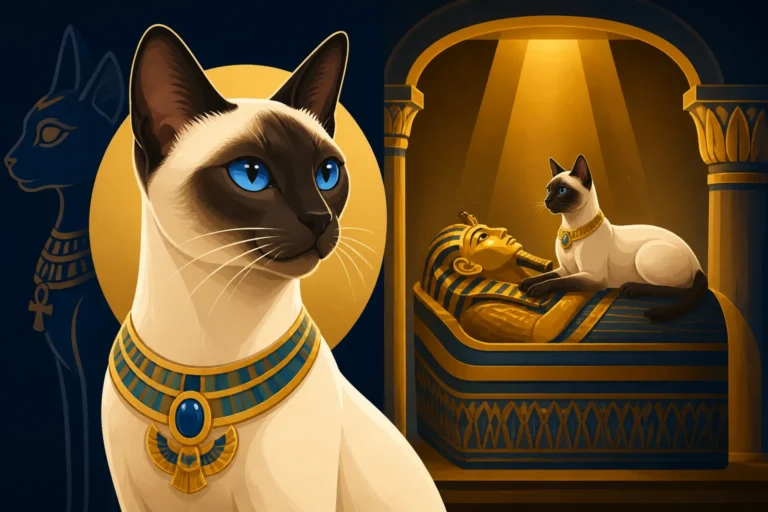
Before we can even talk about whether Siamese cats were smuggled, we need to understand their place in Siamese society. These weren't just common alley cats roaming the streets; far from it. In ancient Siam, now Thailand, the Wichianmat, as they were known locally, held a truly special and revered position. They were considered a sacred breed, associated with royalty and temples, deeply intertwined with the cultural fabric of the nation.
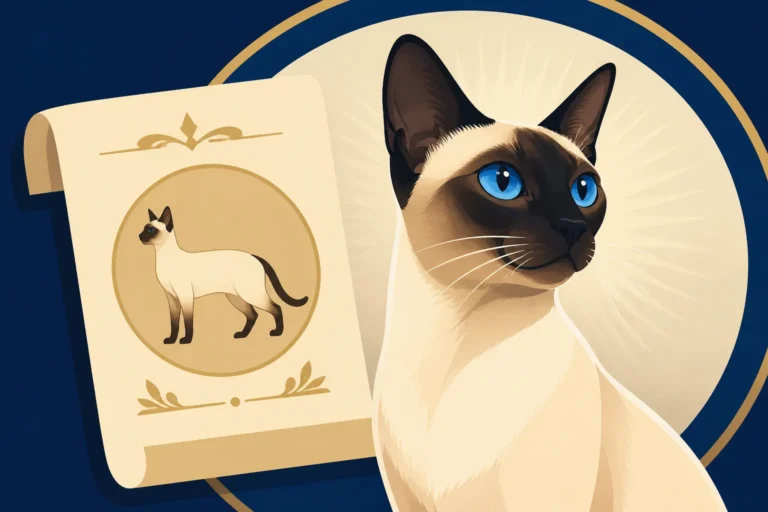
Imagine a time when the mere sight of one of these striking creatures was a symbol of status and good fortune. They weren't pets in the modern sense, available to anyone who could afford them. Instead, they were cherished residents of palaces and monasteries, often serving as companions to kings, queens, and high-ranking officials. Their distinctive appearance—the elegant, slender body, the deep blue eyes, and those dramatic dark points—set them apart. They were living jewels, guarded and admired, not items to be traded or sold casually. The ancient manuscript, What the Tamra Maew Says About the Siamese Cat, provides beautiful illustrations and descriptions of these cats, clearly indicating their unique and protected status. It’s hard to imagine anyone just walking off with such a prized possession without severe repercussions.
The royal families held these cats in such high regard that they were rarely, if ever, allowed to leave the kingdom. The idea was to keep the bloodline pure and to maintain their sacred association. This exclusivity naturally fueled a mystique around the breed, making them incredibly desirable to outsiders who caught even a glimpse of them. This is where the romantic notions of "smuggling" likely take root. When something is so rare and precious, the human imagination often conjures up dramatic ways it might be obtained, rather than the more mundane truth of formal diplomatic exchange. It was not a simple matter of walking into a pet store and picking up cat food or a new scratching post, which today you could easily order from Chewy. Access to these cats was a privilege granted by the highest authorities, reflective of their immense cultural value.
Royal Guardians and Sacred Animals
The legends surrounding Siamese cats are rich and varied, often depicting them as guardians of temples or companions to royalty. One popular tale even suggests they guarded sacred chalices, their kinked tails wrapping around the precious objects and their crossed eyes diligently watching over them. While these are charming myths, they underscore the deep respect and almost spiritual reverence held for these cats. The Temple Legends Behind a Siamese Cat's Kinked Tail explores these captivating stories further.
This belief system meant that the cats were not just animals; they were an integral part of the country's heritage and belief. To export them would be seen as parting with a piece of national identity or a sacred blessing. Therefore, any departure from Siam would have been a monumental decision, authorized at the very highest levels, and certainly not something that would be done surreptitiously. The penalty for stealing something associated with royalty or the divine would have been severe, acting as a strong deterrent against any attempts at unauthorized removal. This cultural context is crucial to understanding why "smuggling" would have been an incredibly risky and unlikely endeavor for a breed held in such high esteem.
Exclusivity and the Royal Prerogative
The king of Siam had the sole prerogative to gift these cats. They were instruments of diplomacy, symbols of goodwill, and tokens of immense honor. Giving a Siamese cat to a foreign dignitary was a significant act, reserved for important political or social occasions. This level of control means that any cat leaving Siam would almost certainly have done so with explicit royal permission.
Consider the intricate details involved in transporting such an animal across continents in the 19th century. It wasn't like today, where you can find specialized pet transport services and readily available supplies like specific diets or comfortable carriers from a retailer like Chewy. These journeys were long, arduous, and potentially dangerous for the animals. Every aspect, from their diet to their comfort, would have required meticulous planning and resources, overseen by the authorities to ensure the precious cargo arrived safely. Such an undertaking points to an official, well-orchestrated process, not a clandestine one. The sheer logistics alone would have made casual smuggling virtually impossible, let alone keeping it a secret. This official export of Siamese cats was a rare and notable event, showcasing the high regard in which the recipients were held.
Documented Departures: Official Gifts to the Western World
When we look at the historical records, the story of Siamese cats leaving Siam for Western countries is largely one of diplomatic exchange. There are well-documented instances of kings of Siam presenting these cherished felines as gifts to foreign dignitaries and royalty. These were acts of intentional goodwill, designed to foster international relations, not illegal covert operations.
The First Known Arrivals in Europe
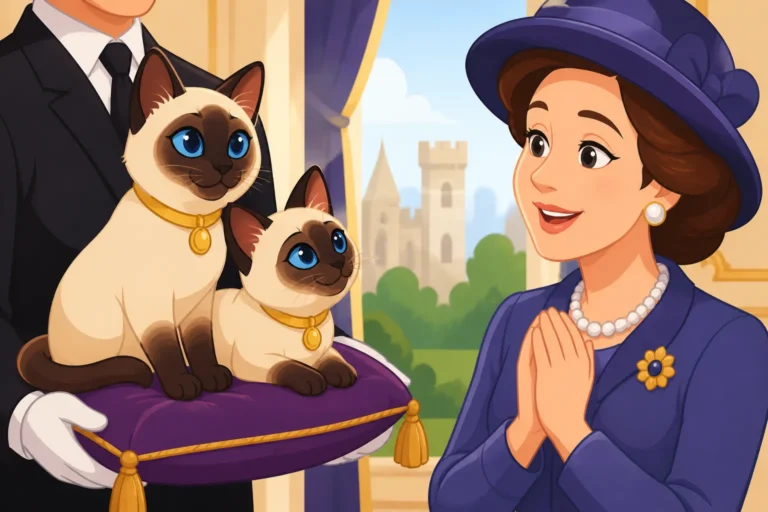
One of the earliest and most famous instances involves a pair of Siamese cats, Pho and Mia, who arrived in Britain in 1884. These cats were a gift from the King of Siam to the British Consul-General in Bangkok, Mr. Owen Gould. Gould then sent them to his sister, Lilian Jane Veley, who was instrumental in establishing the Siamese cat breed in the West. This wasn't a secret mission; it was a diplomatic gesture. Pho and Mia Brought the Siamese Cat to Britain in 1884 provides more details on this pivotal moment in the breed's history.
These cats caused quite a sensation at the Crystal Palace Cat Show in London, captivating Victorian society with their exotic looks and vocal personalities. They were admired, studied, and formed the foundation for the Siamese breeding programs that would eventually flourish across Europe. The meticulous record-keeping of the time, especially surrounding exotic imports and royal gifts, makes it clear that these cats arrived legitimately. Their journey was carefully managed, and their existence was celebrated, not hidden.
| Year | Destination | Recipient | Status | Notes |
|---|---|---|---|---|
| 1878 | USA | Lucy Hayes, First Lady | Official Gift | Sent by American Consul David Stickles. Siam, the Siamese Cat Given to the White House in 1878 |
| 1884 | UK | Lilian Jane Veley | Official Gift | Sent by her brother, British Consul-General Owen Gould. |
| ~1890s | Various | European Royalty/Dignitaries | Official Gifts | Several other documented instances of gifts from the King of Siam. |
This table highlights the clear pattern of official transfers. It wasn't about someone sneaking a cat into a ship's hold; it was about dignified presentations with full knowledge and approval of the Siamese monarchy.
Early Arrivals in the United States
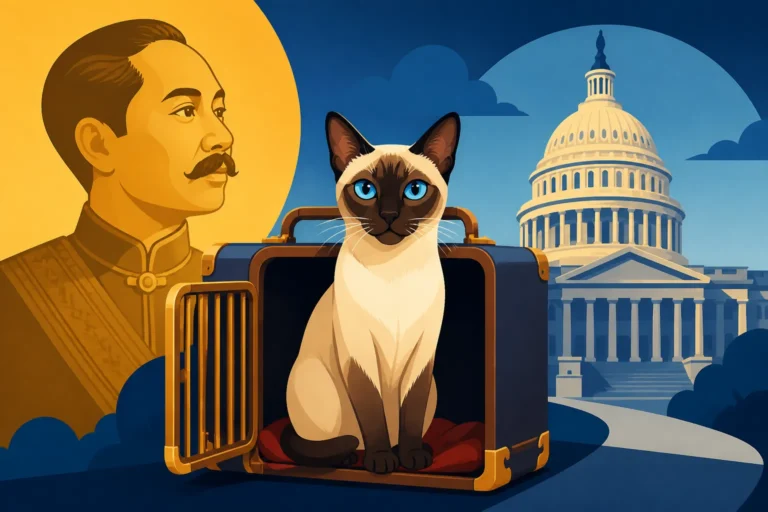
The United States also received its first documented Siamese cat as an official gift. In 1878, David B. Stickles, an American Consul in Bangkok, presented a Siamese cat named Siam to First Lady Lucy Hayes, wife of President Rutherford B. Hayes. This cat resided in the White House, becoming a minor celebrity. This, again, was a well-publicized and official transfer, a testament to the diplomatic ties between the two nations.
The arrival of Siam was a notable event, covered in contemporary newspapers. Imagine the logistical hurdles of transporting a cat from Southeast Asia to Washington D.C. in the late 19th century. Such an endeavor would have required considerable planning and resources, further cementing the idea that these were sanctioned movements. To assume this was a "smuggled" animal flies in the face of all available historical evidence and the customs of diplomatic exchange at the time. The cats were gifts, imbued with political and cultural significance. Which Siamese Cat Reached America First offers a deeper dive into this historical event.
Why the "Smuggling" Myth Persists and Its True Origins
So, if the historical records point to official gifts, why does the idea of Siamese cats being smuggled out of Siam still float around? It's a combination of several factors, largely rooted in romanticized notions, the rarity of the cats, and perhaps a misunderstanding of historical trade and diplomacy.
The Allure of the Exotic and Forbidden
The Siamese cat, with its striking appearance, piercing blue eyes, and distinctive voice, was incredibly exotic to Westerners. Anything rare and beautiful often gains an aura of being "forbidden" or hard to obtain, leading to stories of daring deeds to acquire it. The narrative of smuggling adds an exciting, almost adventurous layer to the cat's origin story, making it more captivating than the truth of a formal presentation. People love to imagine a hero defying odds to bring a treasure to light.
Furthermore, the general lack of public access to these cats in Siam likely fueled these rumors. When something is exclusively reserved for royalty, it's easy for outsiders to assume that the only way to get one is through illicit means. This perception, combined with the cat's inherent mystique, allowed the "smuggling" myth to take hold and spread. It's a classic case of folklore filling in the gaps where detailed public knowledge was scarce.
Misinterpretations of Limited Early Exports
It's true that early exports of Siamese cats were very limited. The kings of Siam were highly protective of their national treasures, and only a select few were ever given as gifts. This scarcity, coupled with the long, challenging journey from Southeast Asia to Europe or America, meant that Siamese cats remained incredibly rare and valuable in the West for many years. This rarity might have been misinterpreted as a result of them being "snuck out" rather than meticulously managed and officially gifted.
Think about any rare commodity today – if it's not widely available, people often speculate about how it does get out. The same applied to these cats. The fact that you couldn't just "buy" one or that there wasn't a thriving international trade in Siamese cats at the time could lead to the assumption that any cats that did make it out must have done so under the radar. But as discussed, the historical evidence points to the contrary, highlighting carefully documented diplomatic efforts.
The Role of Oral Tradition and Exaggeration
Like many historical narratives, the story of the Siamese cat's journey West has been passed down through generations, both orally and in popular writings. Over time, details can become embellished, and facts can be stretched to create a more dramatic or memorable tale. The initial awe and wonder surrounding these exotic animals may have led early admirers to exaggerate the difficulty of their acquisition, morphing official gifts into daring acts of defiance.
It’s similar to how some stories about ancient artifacts are exaggerated. While an artifact might have been legitimately acquired, the legend might claim it was discovered in a booby-trapped tomb. The romantic appeal of the "forbidden fruit" simply makes for a better story. The true story of How the Siamese Cat's Head Changed Shape in Fifty Years or The Fifteen to Twenty Years a Siamese Cat Gets might be fascinating, but perhaps less instantly dramatic than a tale of daring smuggling.
The narrative of "smuggling" also aligns with a broader historical trend where Western powers often acquired exotic goods, animals, and even people from colonized or less powerful nations. While the Siamese cat case specifically refers to official gifts, the general historical context of Western appropriation might contribute to the lingering perception of illicit acquisition.
The Reality vs. The Legend: A Clear Distinction
When we compare the historical evidence with the persistent myth, a clear picture emerges. The actual path of Siamese cats from Siam to the rest of the world was one of respect, diplomacy, and official transfer, largely free from the dramatic clandestine operations depicted in folklore.
The idea of "smuggling" suggests illegality, deceit, and a disregard for the wishes of the Siamese monarchy. However, the documented cases show the exact opposite: kings of Siam willingly and proudly gifted these cats as tokens of friendship and esteem. These were thoughtful diplomatic gestures, not acts of theft or evasion.
Honoring the True Origin Story
Acknowledging the true origin story of the Siamese cat is important because it honors the historical context and the culture from which these magnificent animals originated. It respects the traditions of Siam and the reverence with which these cats were held. To perpetuate the myth of smuggling diminishes the significance of these diplomatic gifts and can inadvertently misrepresent the historical relationship between Siam and the Western world.
Instead, we can appreciate the immense value placed on these cats by the Siamese kings, making their presentation as gifts a truly profound gesture. This makes the stories of the first Siamese cats in the West even more compelling, knowing they arrived as cherished ambassadors of their homeland. It highlights their status, not as stolen goods, but as esteemed envoys. If you consider the delicate process of moving these valuable animals, it contrasts starkly with a casual grab. Even today, ensuring a pet's comfort and safety during travel involves a lot of planning and sourcing reliable products, something modern owners manage with ease through pet supply sites like Chewy.
The Legacy of Diplomatic Goodwill
The legacy of these early Siamese cat exports is one of international goodwill. The cats served as living connections between Siam and other nations, sparking interest in a faraway culture and contributing to the global fascination with these unique felines. They were not merely animals; they were symbols of a burgeoning global interconnectedness.
The careful selection and presentation of these cats underscore their importance. They were often given to heads of state or prominent figures, indicating the high regard the King of Siam held for the recipient and their country. This isn't the stuff of back alleys and secret passages; it's the stuff of state dinners and formal receptions. The spread of the Siamese cat breed throughout the world, therefore, began not with a whisper of smuggling, but with the proud announcement of a royal gift.
The Practicalities of Transport and Care
Let's also consider the practicalities of a long sea voyage in the late 19th century. Transporting live animals, especially delicate and valuable ones like these exotic cats, required significant care and planning. Ensuring they had proper food, water, and sanitary conditions was a major undertaking. A clandestine smuggler would likely struggle with these provisions, jeopardizing the animals' health and survival.
By contrast, an official diplomatic gift would have been accompanied by staff dedicated to the animals' welfare, ensuring they arrived in good condition. The cats would have been housed in appropriate carriers, with provisions for their specific needs, a stark contrast to the conditions a "smuggled" animal might endure. Even today, preparing a pet for a long journey means stocking up on their specific food, perhaps special calming supplements, or familiar toys – all things you can easily find at Chewy to ensure your pet is as comfortable as possible. This attention to detail speaks volumes about the official and revered nature of their journey.
In essence, while the myth of smuggled Siamese cats is undeniably intriguing, the historical facts present a more dignified and perhaps even more compelling story: one of cherished animals, symbols of a proud nation, sent as gifts of peace and friendship across the globe.
Disclaimer
This article is for general informational purposes only and does not constitute professional advice. Laws, prices and regulations vary by location and change over time. Consult a qualified professional for guidance on your specific situation.