How a Siamese Cat Differs From a Balinese
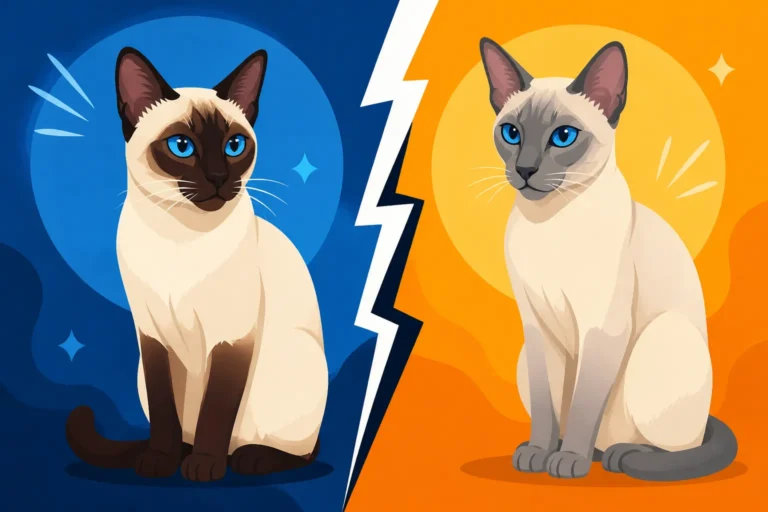
It's incredibly easy to see a beautiful cat with those striking blue eyes and dark points and immediately think "Siamese," only to later discover that the breed name might actually be Balinese. This confusion is completely understandable, as these two breeds share so much in common, from their dazzling looks to their deep connection to their humans. But despite their undeniable family resemblance, there are distinct differences that set them apart, and understanding them can truly help you appreciate each breed for its unique qualities and decide which might be the purr-fect fit for your home. This guide will walk you through the fascinating distinctions between the spirited Siamese and the elegant Balinese, helping you unravel their shared history and individual charm.
The Siamese Cat: A Short-Haired Original
The Siamese cat is truly a legend in the feline world, known for its sleek lines, penetrating blue eyes, and famously vocal nature. When people picture a "point-colored" cat, it's often the Siamese that springs to mind, and for good reason—they're the original trendsetters. Their history is rich, dating back centuries to the temples and royal courts of Siam (now Thailand), where they were revered as sacred animals.
The Iconic Siamese Look
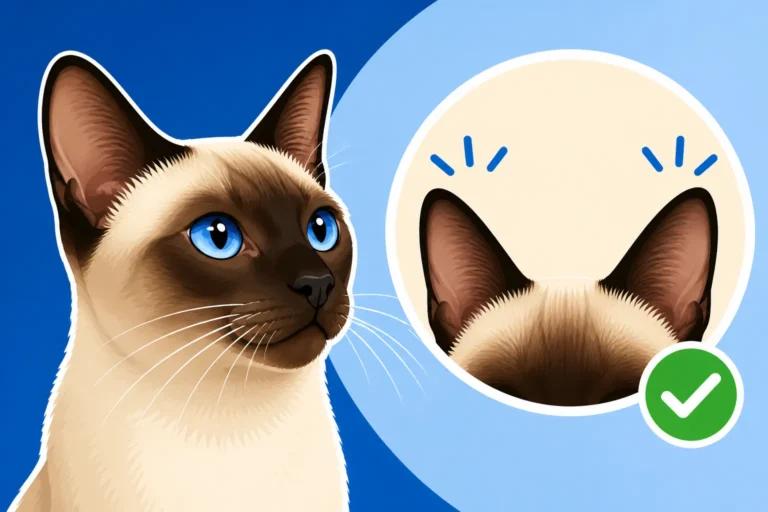
When you first lay eyes on a Siamese cat, you're struck by an undeniable elegance. They possess a long, slender, and muscular body that gives them an almost aristocratic air. Their legs are long and fine, terminating in neat, oval paws. Perhaps the most defining feature, beyond their unique coloration, is their head shape. Modern Siamese cats are often described as having a "wedge" head, broad at the ears and tapering gracefully to a fine muzzle. Their ears are large and set wide, continuing the lines of that distinctive wedge. And, of course, those almond-shaped, sapphire-blue eyes are utterly mesmerizing. Their coat is short, fine, and lies close to their body, feeling incredibly soft to the touch. This short coat really emphasizes their lithe physique.
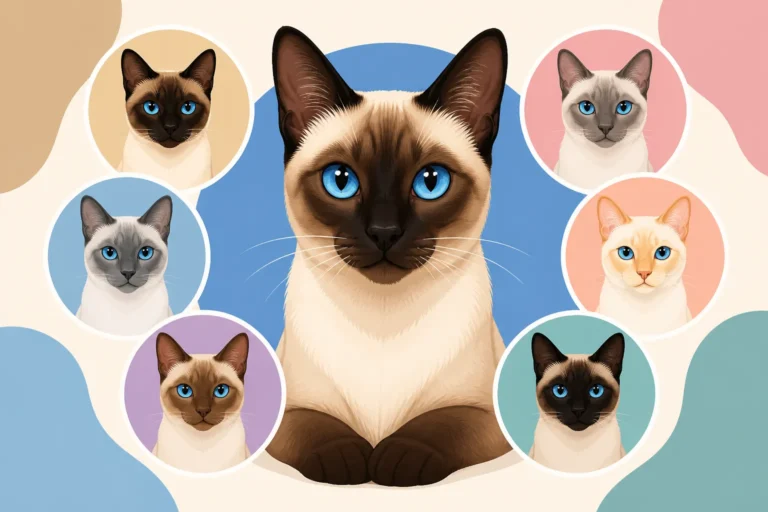
The coloration, or "points," are another signature trait. You'll see darker shades on their ears, face, paws, and tail, contrasting beautifully with a lighter body. These points develop due to a temperature-sensitive enzyme, which is why A Siamese Cat's Points Are Made by Temperature. A Siamese kitten is actually born entirely white, developing its points as it grows and its cooler extremities begin to produce pigment. As they age, especially in cooler climates, their body fur can gradually darken, adding to their unique charm.
The Voice and Personality
If you've ever spent time with a Siamese, you know their personality is as striking as their appearance. These aren't quiet, aloof cats; they are absolute chatterboxes! Their "meezer yowl" is legendary, a distinctive, often loud, and insistent vocalization that they use to communicate their every thought, demand, and opinion. They are known for having a vast vocabulary of sounds, from chirps and trills to deep, throaty calls. They truly The Siamese Cat Talks and Expects an Answer and they expect a response. If you're looking for a silent companion, a Siamese is probably not for you.
Beyond their vocal prowess, Siamese cats are incredibly intelligent and highly social. They thrive on interaction and crave companionship. They often bond fiercely with one person, becoming a constant shadow, following them from room to room, and insisting on being involved in every activity. They are playful, curious, and incredibly active, needing plenty of mental and physical stimulation to stay happy and out of mischief. A bored Siamese can be a destructive Siamese, so interactive toys, puzzle feeders, and regular play sessions are essential. They love to perch in high places, observe their domain, and will often seek out the warmest spots in the house to relax.
The Balinese Cat: A Long-Haired Siamese Variant
Enter the Balinese, a cat that often leaves people doing a double-take. "Is that a fluffy Siamese?" is a common question, and it's a perfectly valid one. The Balinese is, in essence, a Siamese cat with a glorious, flowing coat. They carry the same elegant body, the same piercing blue eyes, and many of the same captivating personality traits, but with a luxurious difference that sets them apart.
The Silken Coat
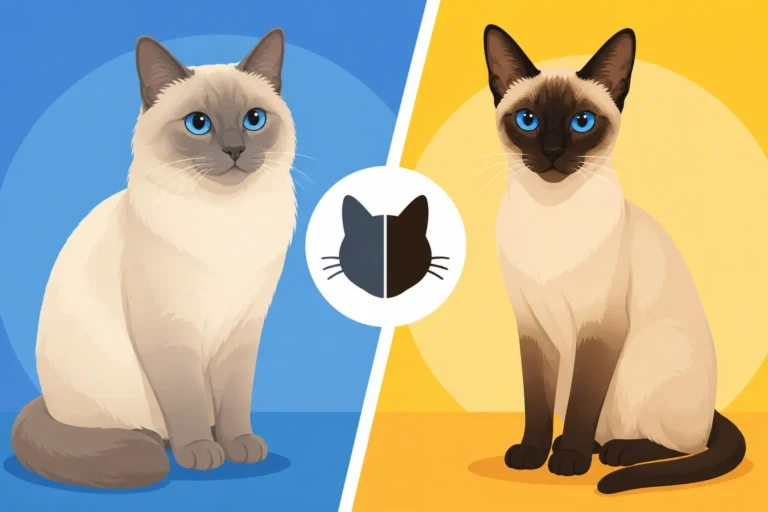
The most obvious and celebrated difference between a Balinese and a Siamese is, without a doubt, the Balinese's coat. Where the Siamese sports a short, sleek pelt, the Balinese boasts a medium-long, silky single coat. This isn't a thick, double-layered coat like a Persian; rather, it's fine and flowing, without a dense undercoat, which means it rarely mats and is surprisingly easy to maintain. The hair is longest on the tail, where it forms a magnificent plume, and also on the neck, where it creates a ruff, and on the britches of their hind legs.
This flowing coat adds an extra layer of grace to the already elegant Siamese build. The way the light catches their silken fur as they move is truly stunning. Despite the longer hair, the Balinese still displays the same striking point coloration as the Siamese, with darker shades on their extremities and a lighter body. The points might appear slightly softer or more diffused due to the longer hair, but the contrast is still beautifully evident. This stunning coat is what truly makes the Balinese a standout, giving them a regal, almost ethereal appearance.
A Softer Presence
While genetically very close to their Siamese cousins, many Balinese owners describe their cats as having a slightly gentler and perhaps less vociferous nature. Don't misunderstand; a Balinese is still a communicative cat and will certainly let you know when they want something! They inherited that intelligent, social, and affectionate disposition from the Siamese. However, their meows might be a touch softer, their demands a little less insistent, and their overall presence a whisper rather than a shout, compared to some of the more boisterous Siamese.
They still crave companionship and will follow you around the house, curling up on your lap or shoulder, and engaging in deep "conversations." They're just as playful and curious, enjoying interactive toys and games that challenge their clever minds. They bond deeply with their families and thrive on attention. If you adore the Siamese personality but perhaps wish for a slightly more subdued vocal accompaniment, the Balinese might just be your ideal feline companion. They're still full of sass and charm, just with a touch more finesse.
Tracing Their Shared Ancestry
Understanding the relationship between the Siamese and Balinese cats is like looking at a family tree where one branch developed a stunning new characteristic. They aren't just similar; they are intrinsically linked, with the Balinese emerging directly from the Siamese lines.
The Origin Story
The Balinese didn't originate as a wild cat in some exotic locale. Instead, they appeared as a natural, spontaneous long-haired mutation within purebred Siamese litters in the United States during the mid-20th century. Breeders noticed that occasionally, a kitten with longer fur would be born to two otherwise standard short-haired Siamese parents. Initially, these long-haired kittens were often considered "mistakes" or "outcasts" and were quietly sold as pets without much fanfare.
However, some visionary breeders, particularly Helen Smith of MerryMews Cattery in New York and Sylvia Holland of Holland's Farm Cattery in California, recognized the beauty and potential in these unique felines. They appreciated the elegant appearance of the longer coat and began a deliberate breeding program to develop and establish these long-haired Siamese as a distinct breed. The goal was to preserve all the beloved traits of the Siamese—the body type, the eye color, the point coloration, and the personality—while introducing the captivating long fur.
When and Where the Split Happened
The serious development of the Balinese as a distinct breed began in the 1950s. The name "Balinese" was reportedly chosen by Helen Smith, not because the cat came from Bali, but because its graceful, lithe movements reminded her of the elegant dancers of Bali, Indonesia. It was a poetic choice for a truly elegant cat.
By the 1970s, the Balinese had gained significant recognition from major cat registries. The Cat Fanciers' Association (CFA) recognized the Balinese as a distinct breed in 1970, and other registries followed suit. This marked the official "split" from its Siamese origins, establishing it as a breed in its own right, albeit one that shared a common DNA and fundamental characteristics with its short-haired ancestor. It's a fantastic example of how dedicated breeders can cultivate a new breed from a natural genetic variation, giving us even more diverse and beautiful companions to adore. The Breeds a Siamese Cat Founded tells a larger story of how the Siamese has influenced many other breeds, with the Balinese being one of its most direct descendants.
Key Distinguishing Features in Detail
While the shared heritage of the Siamese and Balinese is undeniable, there are several key features that allow us to tell them apart, especially when you know what to look for. It's not just about the hair; there are subtle nuances in their presentation and even their vocal patterns that distinguish these beautiful felines.
Coat Length and Texture
This is, without question, the most obvious differentiator. The Siamese has a short, sleek, and close-lying coat. It feels incredibly fine and soft to the touch, almost like velvet. This low-maintenance coat requires minimal grooming, perhaps just a quick run-through with a Which Grooming Glove Suits a Siamese Cat once a week to remove loose hairs and keep it gleaming. Their body lines are sharp and clearly defined by this short fur.
The Balinese, on the other hand, sports a medium-long, single coat that is silky and flows elegantly. It's longest on the tail, where it forms a dramatic plume, and also on the britches and a slight ruff around the neck. Despite its length, this coat typically doesn't have a dense undercoat, which means it's less prone to matting than many other long-haired breeds. However, it does require a bit more attention than a Siamese coat. Regular brushing, perhaps two to three times a week, is usually sufficient to keep it looking its best and prevent any tangles. The longer fur gives the Balinese a softer, more ethereal silhouette compared to the crisp lines of the Siamese.
Vocalization Differences
Both Siamese and Balinese cats are renowned for their vocal abilities, making them poor choices for owners who prefer quiet pets. However, there's a widely observed subtle difference in their "conversational" styles. The Siamese is famous for its "meezer yowl" – a loud, insistent, and often quite piercing cry that they use to express their desires, complaints, or just general thoughts. Their vocalizations can be intense and demanding, often sounding like a human baby crying. They truly command attention with their voices, as discussed in What the Siamese Cat's Meezer Yowl Sounds Like.
The Balinese, while still very vocal and communicative, often has a softer, more melodic tone. Their voices tend to be less harsh and less demanding than their Siamese cousins. They still engage in long "conversations" with their humans, offering chirps, trills, and meows, but these might be delivered with a gentler inflection. It's as if they inherited the Siamese's love for talking but decided to practice a slightly more refined articulation. So, if you love the idea of a chatty cat but find the traditional Siamese yowl a bit overwhelming, the Balinese might strike a perfect balance.
Body Type and Conformation
At first glance, their body types seem identical, and indeed, both breeds share the same core standard for structure. Both the Siamese and Balinese should possess a long, slender, and athletic body. They are elegant cats, often described as having a "tubular" or "slinky" physique, with fine boning and a well-muscled build. Their legs are long and lithe, and their paws are dainty and oval.
However, some breeders and enthusiasts note that the Balinese, perhaps due to its slightly softer appearance from the longer fur, might be perceived as having a slightly less "extreme" wedge head compared to some of the most modern show-line Siamese. While the standard for both calls for a wedge, the emphasis on extreme features can vary subtly within breeding programs. Generally, the Balinese aims for the same graceful, proportionate wedge as the Siamese. Both breeds should have those stunning, deeply blue, almond-shaped eyes that slant towards the nose, creating that captivating exotic expression. What a Siamese Cat Looks Like by the Standard applies broadly to both, but the Balinese carries this standard with a flowing cloak of fur.
Living with a Siamese vs. a Balinese
Bringing a cat into your home is a big decision, and understanding the day-to-day realities of living with different breeds is crucial. While Siamese and Balinese cats share many personality traits, their physical differences do lead to some practical considerations in terms of care and how they might fit into various household environments.
Grooming Requirements
This is where the most significant practical difference lies. A Siamese cat's short, fine coat is wonderfully low-maintenance. They are fastidious self-groomers and usually manage to keep themselves pristine with minimal human intervention. A quick weekly brush with a soft brush or grooming glove is generally all that's needed to remove loose hairs, promote circulation, and keep their coat shining. Grooming a Siamese Cat Takes Five Minutes a Week is a pretty accurate assessment. If you're someone who prefers a pet with minimal grooming demands, the Siamese is a fantastic choice.
The Balinese, with its gorgeous medium-long, silky coat, requires a bit more commitment to grooming. While it's a single coat and doesn't tend to mat as severely as some other long-haired breeds, regular brushing is still essential. Aim for two to three times a week to prevent tangles, especially on their plumed tail, britches, and around the neck. This not only keeps their coat beautiful but also reduces the amount of shedding around your home. Many Balinese enjoy the attention of being groomed, turning it into a bonding experience. You can find a good selection of brushes and combs suitable for their fine, long hair at retailers like Chewy.
Energy Levels and Play
Both breeds are known for their high energy levels, intelligence, and need for interaction. They are not content to simply lounge around all day; they want to be involved in everything you do. Siamese and Balinese cats are incredibly playful and remain so well into adulthood. They love chasing toys, playing fetch, and solving puzzle feeders. These bright cats need consistent mental stimulation to prevent boredom, which can sometimes manifest as destructive behavior. How Much Play a Siamese Cat Needs is a lot!
You'll find both breeds eager to engage with interactive toys, feather wands, and even simple crumpled paper balls. They love to climb and explore, so tall cat trees and elevated perching spots are a must. They also benefit greatly from regular, dedicated play sessions with their human companions. While there isn't a significant difference in their general energy output, their shared need for active engagement means you'll need to dedicate time daily to playtime and enrichment, regardless of whether you choose a short-haired Siamese or a long-haired Balinese. Investing in a variety of engaging toys from Chewy can be a real game-changer for these intelligent cats.
Suitability for Different Lifestyles
Given their highly social, intelligent, and vocal natures, neither a Siamese nor a Balinese cat is typically suited for a home where they will be left alone for long periods without companionship. They thrive on interaction and can develop separation anxiety or behavioral issues if consistently neglected. They are often described as "dog-like" in their devotion and need for engagement.
If you have a busy household with people often home, or if you're prepared to get two cats so they can keep each other company, either breed could be a wonderful fit. They generally do well with respectful children and can coexist peacefully with dog-friendly dogs. The main consideration beyond their shared personality traits really comes down to grooming preference and perhaps a slight tolerance for vocalization. If you're looking for a cat that's a constant companion, a "velcro cat" who will talk to you, follow you, and play with you, both the Siamese and Balinese fit the bill perfectly. For those who prefer a slightly less insistent chatterbox, the Balinese might offer a gentler vocal presence. Regardless of choice, providing a stimulating environment, possibly with enriching furniture and accessories from Chewy, will be key to their happiness.
| Feature | Siamese Cat | Balinese Cat |
|---|---|---|
| Coat Length | Short, fine, close-lying | Medium-long, silky, single coat |
| Grooming | Minimal (weekly brush) | Moderate (2-3 times/week brush) |
| Vocalization | Loud, insistent "meezer yowl," extensive range | Vocal, but often softer, more melodic |
| Body Type | Long, slender, athletic, fine boning | Same as Siamese, elegant, fine boning |
| Head Shape | Wedge-shaped, broad at ears, tapering muzzle | Same as Siamese, wedge-shaped |
| Eye Color | Deep, vivid sapphire blue | Deep, vivid sapphire blue |
| Temperament | Highly intelligent, social, affectionate, active, demanding of attention | Highly intelligent, social, affectionate, active, slightly less insistent vocalization |
| Origin | Ancient breed from Siam (Thailand) | Developed from long-haired mutations in Siamese litters in the US |
Disclaimer
This article is for general informational purposes only and does not constitute professional advice. Laws, prices and regulations vary by location and change over time. Consult a qualified professional for guidance on your specific situation.