How a Siamese Cat Differs From a Tonkinese
For anyone who's ever fallen in love with a sleek, vocal cat with stunning blue eyes, only to realize there's a whole world of similar-looking breeds, the confusion between a Siamese and a Tonkinese is incredibly common. You might spot a cat that looks like a Siamese but seems a little… softer, rounder, or has different eye colors, leaving you wondering if it's just a variation or an entirely different breed. This guide is here to clear up that mystery, breaking down the distinct characteristics that set these two wonderful felines apart, helping you understand their unique charm and decide which might be your perfect companion.
Unpacking Their Ancestry: Siamese and Tonkinese Origins
It's easy to assume that if two cats look somewhat alike, they must share a very recent common ancestor, or perhaps one is simply a variation of the other. With the Siamese and Tonkinese, there's a kernel of truth to that thought, but their histories are quite distinct, shaping the breeds we know and love today. Understanding where they come from is the first step to truly appreciating their differences, offering insight into their fundamental characteristics.
The Ancient Lineage of the Siamese Cat
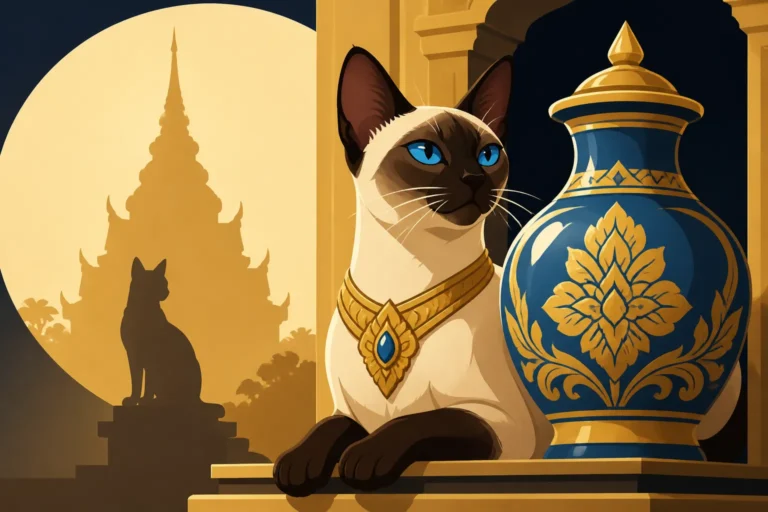
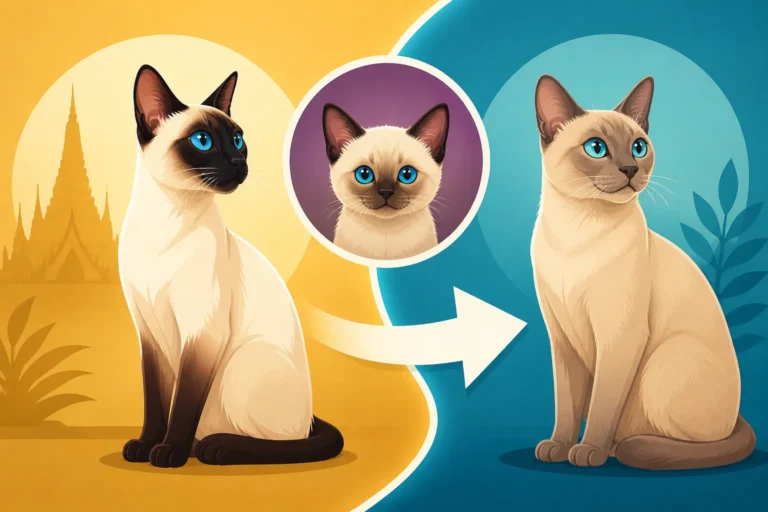
The Siamese cat is truly a cat of ancient royalty, steeped in history and legend. These cats didn't just appear; they were revered in the Kingdom of Siam (modern-day Thailand) for centuries, with records and depictions stretching back hundreds of years. Imagine ancient temples and royal palaces, where these striking felines were said to be guardians and companions to kings, their unique point coloration and vocal nature documented in manuscripts like the Tamra Maew long, long ago. They weren't "developed" in a modern sense by selective breeding for specific traits, but rather emerged as a natural landrace that was later refined, especially after their introduction to the Western world in the late 19th century.
This long, untouched history means that the Siamese essentially is the foundational stock for many other Oriental breeds. When you look at a Siamese, you're looking at a cat whose roots run incredibly deep, bringing with it a rich cultural heritage and a genetic blueprint that has remained largely consistent for generations. It’s a powerful connection to the past, a living piece of feline history that continues to charm and captivate cat lovers. The Siamese Cat Came From Siam, Not Thailand explains more about their historical context and ancient origins.
The Deliberate Creation of the Tonkinese
In stark contrast to the Siamese's ancient, organic development, the Tonkinese is a relatively modern breed, a deliberate masterpiece crafted in North America. The goal was to combine the best traits of two beloved breeds: the Siamese and the Burmese. Breeders in the mid-20th century envisioned a cat that would possess the sleek elegance, intelligence, and strong personality of the Siamese, but with the more robust body type, softer voice, and unique coat pattern of the Burmese, all while sporting stunning aqua eyes. This wasn't an accidental pairing; it was a meticulous, thoughtful process aimed at creating a new companion animal that offered a delightful blend of characteristics.
The Tonkinese truly represents a bridge between its two parent breeds, a testament to careful selective breeding to achieve a specific set of physical and temperamental attributes. This intentional creation means that the Tonkinese has a more defined "designer" feel, combining favored traits from its progenitors into a distinct and appealing package. While the Siamese is an ancient breed that has influenced many others, the Tonkinese is a direct product of that influence, carefully curated to offer a unique feline experience.
Head to Tail: Comparing Physical Characteristics
When you see a Siamese and a Tonkinese side-by-side, even if you’re not a cat expert, you might instinctively feel that they are different, even if you can’t quite put your finger on why. While both are undeniably graceful and athletic felines, their physical forms have evolved (or been bred) in distinct ways, giving each breed its signature look. These differences go beyond just their coat colors and extend to their very bone structure and proportions, impacting how they move, feel, and present themselves.
Head Shape and Facial Features
One of the most noticeable distinctions, especially in show-quality animals, is the head shape. Modern Siamese cats, particularly those bred to the contemporary show standards by registries like the CFA or TICA, are famous for their distinct "wedge" head. This means their head forms a long, tapering wedge from the nose to the tips of their large, wide-set ears. Their profile is typically straight from the top of the head to the tip of the nose, without any break or dip, and their muzzle is fine and delicate. Their eyes are typically almond-shaped and slanted towards the nose, giving them a truly exotic, almost ethereal, and often intense look. What a Siamese Cat Looks Like by the Standard delves deeper into these specific physical traits and the ideal conformation.
The Tonkinese, on the other hand, presents a more moderate, "modified wedge" or sometimes even a slightly rounded head. It’s not as extreme as the modern Siamese wedge, nor is it as round as a traditional Burmese. Their muzzle is a bit fuller and more softly contoured, and their ears are medium-sized, often with slightly rounded tips, set more proportionately to their head, neither excessively large nor small. Their eyes are less slanted than the Siamese, more of a rounded almond or oval shape, contributing to their signature aqua color. This gives them a softer, perhaps more "sweet-faced" appearance compared to the sharp, angular lines of a show Siamese, making them immediately recognizable once you know what to look for.
Body Type and Build
When it comes to their bodies, a Siamese cat embodies the term "slinky" or "sylph-like." They are renowned for their long, slender, and elegant body, often described as "oriental" in type. Despite their lean and graceful appearance, they are surprisingly muscular and athletic, but they carry very little fat, resulting in a finely-honed physique. Their legs are long and fine-boned, in proportion to their body, and their tail is long and whip-like, tapering to a very fine point. They often feel surprisingly light and delicate when you pick them up, belying their muscular strength and incredible agility. Their overall impression is one of lithe power and refinement.
The Tonkinese, as a hybrid of the Siamese and Burmese, falls squarely in the middle in terms of body type, boasting what is often described as a "foreign" or "moderate foreign" body. This means they are more muscular and substantial than a Siamese, but not as cobby or heavy-boned as a typical Burmese. They have a well-muscled, athletic build that feels robust and solid when you hold them, giving them a noticeable heft. Their legs are proportionate to their body, sturdy but not heavy, and their tail is also long but often thicker at the base than a Siamese's, tapering less sharply. They have a robust and sturdy feel, often weighing a bit more than a similarly sized Siamese due to their greater muscle mass and overall broader build. They possess an athletic grace without the extreme delicacy of the modern Siamese.
Eye Color: A Distinctive Trait
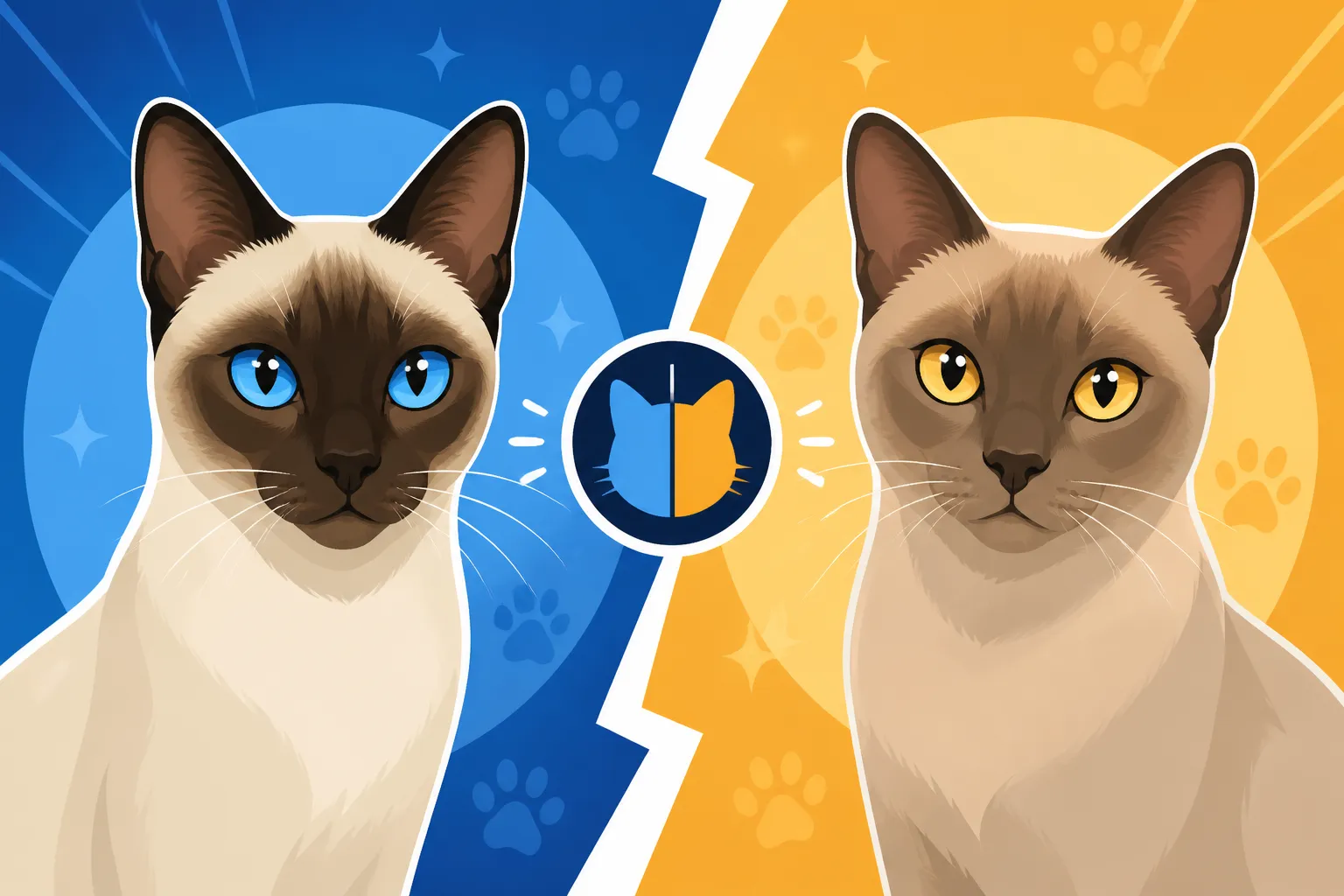
Perhaps one of the most striking and immediate differences you’ll notice, particularly if you’re a fan of the classic Siamese gaze, is the eye color. For a purebred Siamese, the eyes are always, without exception, a vivid, brilliant sapphire blue. This intense blue is a direct result of the same genetic mutation that gives them their point coloration, which affects pigment production in the iris. The depth, clarity, and richness of this blue are highly prized in the breed standard, with deeper shades often favored. Their blue eyes can appear almost luminous, adding to their exotic allure. Why a Siamese Cat Has Blue Eyes at All explains the genetic reasons behind this captivating feature.
The Tonkinese, however, offers a stunning spectrum of eye colors, a beautiful testament to their mixed heritage. While some Tonkinese might have blue eyes (particularly those leaning more towards the pointed end of their color spectrum), their signature eye color is often described as "aqua" or "aquamarine." This unique shade is a mesmerizing blend of blue and green, truly captivating and distinct from the pure, unadulterated blue of the Siamese. This aqua hue is a direct result of the partial pigment suppression inherited from both the Siamese and Burmese. You might also find Tonkinese with green or gold eyes, depending on their specific genetic makeup and coat pattern, but the aqua is what truly sets them apart visually and is considered the ideal for the mink pattern. This variety in eye color makes the Tonkinese even more visually diverse and enchanting.
The Canvas of Color: Point Patterns and Variations
Both the Siamese and the Tonkinese are known for their beautiful, distinct coat patterns that often involve darker coloration on their extremities. However, the type of pattern and the range of colors available are fundamentally different, rooted in their genetic makeup. This is where the concept of "points" takes on new meaning, showcasing the unique expression of color in each breed and offering a broader spectrum in the Tonkinese.
Siamese Point Coloration
The Siamese cat is the quintessential "pointed" cat. Their genetics involve a temperature-sensitive albino gene that only allows full pigment development in cooler areas of the body. This is why their face, ears, paws, and tail – the coolest parts – are dark, while their body remains a paler cream, fawn, or white. This creates a high-contrast, starkly defined look that is instantly recognizable and iconic. The four classic point colors recognized by most registries are Seal Point (dark brown/black points on a warm cream to fawn body), Blue Point (slate gray points on a cool white body), Chocolate Point (warm, milk-chocolate points on an ivory body), and Lilac Point (pinkish-gray points on a glacial white body). Over time, a Siamese's body color can darken, especially if they live in a colder environment, but the contrast between body and points always remains clear and distinct. Why a Siamese Cat Has Dark Points elaborates on this fascinating temperature-dependent coloration, which dictates their color development from a white kitten to an adult.
Tonkinese: Pointed, Mink, and Solid
The Tonkinese, inheriting genes from both the Siamese (pointed) and the Burmese (solid), comes in a spectacular array of three distinct coat patterns, each with varying degrees of contrast. This is where the "Siamese look but different" really shines, offering a gradient of color intensity that is unique to the breed.
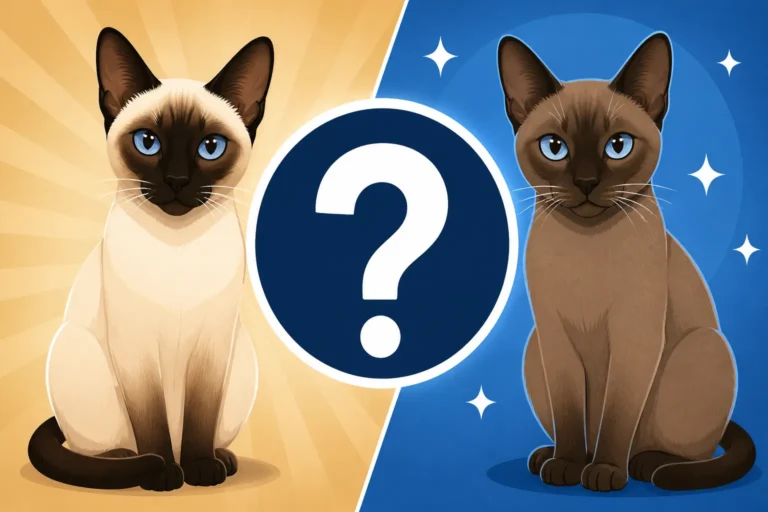
- Pointed (Tonkinese Point): These Tonkinese have the most contrast, similar to a Siamese, but their body color isn't as dramatically pale. The points are clearly darker than the body, but the body itself has a more noticeable underlying color than a Siamese, often a slightly warmer tone. The contrast is still striking but a little softer than a pure Siamese. Their eyes will typically be blue, reflecting their stronger Siamese genetic influence in this pattern.
- Mink: This is often considered the signature Tonkinese pattern and is what many breeders initially aimed for. Mink Tonkinese have a medium contrast between their body and point colors. The body color is a rich, even shade that blends beautifully with the darker points, creating a soft, luxurious, and truly "mink-like" appearance. The lack of extreme contrast gives them a velvety, seamless look. Their eyes are the stunning aqua color, a defining feature of the mink pattern. This is the blend that many breeders were aiming for, a perfect halfway point between the high contrast of a Siamese and the solid look of a Burmese.
- Solid (Tonkinese Solid or Burmese): These Tonkinese have the least contrast, with their body color being very close to their point color, appearing almost solid. The points are visible but blend very subtly into the body, creating a deep, rich, and uniform color across the cat. This pattern is strongly reminiscent of their Burmese ancestors. Their eyes will typically be green or gold, completing their distinct solid appearance.
Across all these patterns, Tonkinese cats come in various colors like natural (a medium brown body with darker brown points), champagne (a warm beige body with medium brown points), blue (a medium gray body with darker gray points), and platinum (a pale silvery-gray body with darker pewter points), offering even more diversity than the standard Siamese palette. So, while a Siamese is always a high-contrast pointed cat, a Tonkinese offers a broader, more nuanced palette of possibilities, making each individual cat a unique work of art.
| Feature | Siamese | Tonkinese |
|---|---|---|
| Origin | Ancient Kingdom of Siam (Thailand) | Mid-20th century, North America (Hybrid of Siamese x Burmese) |
| Head Shape | Long, tapering wedge, straight profile | Moderate/modified wedge, slightly rounded contours |
| Body Type | Long, slender, elegant (Oriental) | Muscular, athletic, substantial (Foreign/Moderate Foreign) |
| Eye Color | Vivid Sapphire Blue (always) | Aqua (signature), Blue, Green, or Gold |
| Coat Pattern | Pointed (high contrast body to points) | Pointed, Mink (medium contrast), Solid (low contrast) |
| Vocalization | Extremely vocal, loud, demanding ("Meezer yowl") | Vocal, but generally softer and more conversational |
| Temperament | Intense, highly social, demanding, intelligent | Playful, affectionate, intelligent, slightly less intense |
| Weight (Adult) | Typically 6-10 lbs (lean build) | Typically 8-12 lbs (more muscular build) |
| Tail | Long, thin, whip-like, fine point | Long, medium thickness, tapers less sharply |
Personality Playbook: Temperament and Social Needs
Beyond their physical appearance, the personality and temperament of a cat are what truly make them a part of our families. Both Siamese and Tonkinese cats are renowned for being incredibly people-oriented, intelligent, and interactive. However, like any siblings (even distant ones), they have their own distinct quirks and intensities that can make one a better fit for certain households than the other. Understanding these subtle differences is key to finding your ideal feline match.
The Demanding Dynamo: Siamese Temperament
If you’ve ever lived with a Siamese, you know they are not merely pets; they are active, vocal participants in your daily life. They are famously intelligent, often described as having dog-like personalities due to their eagerness to interact, play fetch, and even learn tricks. But let's be honest: they are also incredibly demanding. A Siamese will let you know exactly what they want, when they want it, and how they feel about everything from an empty food bowl to a closed door. Their "meezer yowl" is legendary – a loud, distinct vocalization that truly carries, and they are not shy about using it. They thrive on attention and can become quite destructive or stressed if left alone for extended periods, making them unsuitable for households where they'd be isolated for most of the day.
They form incredibly strong bonds with their chosen humans and will follow you from room to room, supervising your every move, expecting to be involved in whatever you're doing. A Siamese Cat Will Not Be Ignored, and they truly expect a dialogue with their people. This isn't a cat to passively observe; this is a cat that will actively engage you. For someone who wants an intelligent, highly interactive, and vocal companion, a Siamese can be the perfect match, as long as you're ready for the constant conversation and intense engagement they bring to the table. What a Siamese Cat's Temperament Is Really Like provides further insight into their complex personalities.
The Affectionate Athlete: Tonkinese Temperament
The Tonkinese often inherits the best of both worlds from its Siamese and Burmese parents, creating a wonderfully balanced temperament. They are equally intelligent and playful as the Siamese, often described as affectionate "lap warmers" who love to be involved in family activities. They are highly social and do not like being left alone, much like the Siamese, often doing best in pairs or in households where someone is usually home. They will greet you at the door, engage in games, and are curious about everything you do, always wanting to be at the center of the action.
However, where they typically differ from the Siamese is in their intensity. While vocal, a Tonkinese's voice is generally softer and less insistent than the Siamese "meezer yowl." They are conversational but often without the piercing volume that some Siamese possess, making them a good option for those who appreciate a chatty cat without the potentially overwhelming loudness. They are also highly energetic and mischievous, known for their playful antics and ability to get into everything. They might be slightly less prone to the extreme separation anxiety some Siamese display, particularly if they have a companion animal, embodying a more adaptable and easygoing nature. For families seeking an affectionate, playful, and intelligent cat that is highly interactive but perhaps a tad less vocally demanding than a purebred Siamese, the Tonkinese is an excellent choice. Both breeds certainly need plenty of enrichment and interaction to prevent boredom, and investing in a variety of engaging toys and perhaps a sturdy cat tree, which you can find readily available on sites like Chewy, is crucial to keeping their sharp minds and athletic bodies occupied.
Health and Longevity: What to Expect
Understanding the potential health considerations for any breed is a crucial part of responsible pet ownership. Both Siamese and Tonkinese cats are generally healthy breeds, capable of living long, fulfilling lives. However, like all purebreds and hybrids, they can be predisposed to certain genetic conditions or common feline ailments. Knowing what to look out for and how to provide preventative care can help you ensure the best possible quality of life for your companion.
Common Health Concerns for Siamese Cats
Siamese cats are known for their robust health and impressive lifespans, with many living well into their late teens and even early twenties. The Fifteen to Twenty Years a Siamese Cat Gets is a testament to their longevity, often outliving many other breeds. However, they do have some breed-specific predispositions to be aware of:
- Amyloidosis: This is perhaps the most significant concern for Siamese cats. It's an inherited condition where an abnormal protein (amyloid) is deposited in various organs, most commonly the liver, leading to organ dysfunction or rupture. It can be devastating and is often not discovered until it's too late, presenting as a sudden, acute crisis. Amyloidosis Is the Disease That Kills Young Siamese Cats provides a deeper dive into this serious issue. Responsible breeders will try to track family lines to avoid this, but currently, there is no genetic test.
- Progressive Retinal Atrophy (PRA): A degenerative eye disease that leads to blindness, typically starting with night blindness and progressing to full vision loss. While a DNA test exists, its reliability for all Siamese lines is debated, making careful eye exams important. PRA and the Siamese Cat Eye Test That Does Not Settle It discusses the complexities of screening for this condition.
- Dental Disease: Like many cats, Siamese are prone to dental issues like gingivitis, periodontal disease, and tooth resorption. Due to their genetic makeup and fine bone structure, these problems can sometimes appear earlier or be more severe. Regular dental care and professional cleanings are absolutely essential to prevent painful complications. Dental Disease in a Siamese Cat highlights the importance of oral hygiene.
- Asthma: Some Siamese cats can be predisposed to feline asthma, which manifests as coughing, wheezing, and difficulty breathing. This requires ongoing veterinary management, often with inhalers or oral medications, to control symptoms and maintain quality of life. Asthma in a Siamese Cat offers insights into this condition and its management.
Health Profile of the Tonkinese
Given their hybrid vigor from both Siamese and Burmese lines, Tonkinese cats are also generally very healthy. They tend to inherit some of the hardiness of the Burmese, which contributes to their robust nature! However, they can still be susceptible to some conditions found in their parent breeds, making informed breeding and regular vet check-ups vital. How Healthy the Siamese Cat Actually Is gives a broader context for the health profiles of related breeds.
- Amyloidosis: While generally considered less prevalent and often less severe than in purebred Siamese, Tonkinese can still carry genes for amyloidosis due to their Siamese ancestry. Cases are rarer but not unheard of. Reputable breeders should be transparent about their lines' health history regarding this, providing crucial information to prospective owners.
- Dental Disease: Similar to Siamese and Burmese, Tonkinese are also prone to dental problems. Their teeth and gums need consistent attention. Good oral hygiene, including regular brushing, and annual professional dental cleanings are paramount to prevent plaque buildup and gum inflammation.
- Feline Lower Urinary Tract Disease (FLUTD): This is a general feline condition, but some purebred lines, including Burmese, have shown a slightly higher incidence. Symptoms can include difficulty urinating, blood in urine, or inappropriate urination. Maintaining proper hydration and a good diet, with specialized urinary health formulations available from retailers like Chewy, can help mitigate risks.
- Hypertrophic Cardiomyopathy (HCM): This is the most common form of heart disease in cats, where the heart muscle thickens. It is seen in many cat breeds, including Burmese, and thus can appear in Tonkinese. Good breeders will screen their breeding cats for heart health via echocardiograms, a process that helps to identify affected individuals and prevent passing the gene to offspring.
When considering either a Siamese or a Tonkinese, always choose a reputable breeder who prioritizes health and can provide verifiable health clearances for the parents and kittens. This is crucial for minimizing the risk of inherited conditions. If you're adopting, shelters and rescues often provide a basic health history, and sometimes even medical care before adoption, which can be invaluable.
Who's the Right Fit? Lifestyle Considerations
Deciding between a Siamese and a Tonkinese isn't just about looks; it's about finding the perfect feline companion whose personality and needs align with your lifestyle. Both are incredible cats, offering unique blends of affection, intelligence, and athleticism. However, their nuances mean one might be a better match for your household dynamics, energy levels, and tolerance for feline vocalizations than the other. It’s about more than just aesthetics; it's about building a harmonious life together.
Living with a Siamese
Bringing a Siamese into your home means welcoming a truly unique and engaging personality. They are incredibly intelligent, capable of learning tricks and walking on a leash, and they bond deeply with their families, often forming a strong attachment to one particular person. This intense bond, however, comes with a high expectation of interaction. They thrive in homes where they receive abundant attention, playtime, and mental stimulation. If you're a busy professional who's out of the house for long hours, a lone Siamese might struggle with loneliness and even develop separation anxiety or destructive behaviors as a way to cope with boredom and lack of interaction. They are not content to be mere decorations; they want to be involved in everything you do, sometimes even getting "underfoot" just to be close.
Their famous vocalizations, the "meezer yowl," can be a delightful quirk for some, a constant conversation partner that makes them feel connected to their pet. For others, particularly those in apartments with thin walls, light sleepers, or those sensitive to noise, it can be a significant challenge. How Loud a Siamese Cat Is explores this characteristic in depth, highlighting that it's not just a meow, but a full-throated conversation. They are excellent companions for active families, people who work from home, or those who truly enjoy an interactive pet. They can get along well with respectful children and even cat-friendly dogs, especially if introduced properly. However, their sharp intelligence means they can be mischievous and require "cat-proofing" your home to prevent them from opening cupboards, turning on faucets, or getting into places they shouldn't.
Welcoming a Tonkinese into Your Life
The Tonkinese, while sharing many traits with the Siamese, often presents a slightly more adaptable and universally appealing personality for a wider range of families. They retain the high intelligence, playfulness, and intense affection of the Siamese but are often described as being a bit more "even-keeled" or "mellow" in comparison. They still demand attention and companionship, and absolutely do not like being left alone for extended periods. In fact, many Tonkinese owners find that their cats do best in pairs or in households where someone is usually home. A Siamese Cat Should Not Live Alone is a sentiment that largely applies to Tonkinese as well, given their social nature. They will greet you at the door with enthusiasm, engage in games of fetch, and are endlessly curious about everything you do, always wanting to be close.
However, where they typically differ from the Siamese is in their vocal intensity. While vocal and conversational, a Tonkinese's voice is generally softer and less insistent than the piercing Siamese "meezer yowl." They are chatty and will communicate their needs, but often without the sheer volume that some Siamese possess, making them a good choice for those who appreciate a talkative cat without the potential for overwhelming loudness. They are playful acrobats who love to climb and explore, so providing ample vertical space and a variety of interactive toys, easily found on sites like Chewy, is crucial to keeping them entertained. They are highly adaptable and generally do well in various living situations, from apartments to larger homes, as long as they have plenty of interaction and enrichment. For first-time cat owners looking for an engaging, affectionate, and intelligent companion, the Tonkinese can be a fantastic entry point into the world of Oriental breeds, offering a wonderful balance of traits.
Conclusion
Choosing between a Siamese and a Tonkinese really boils down to personal preference and what you're looking for in a feline companion. Both breeds offer immense joy, intelligence, and deep affection, but they express these qualities in subtly different ways. The Siamese brings with it an ancient history, a striking wedge-shaped elegance, piercing blue eyes, and an unmistakable, demanding voice that will make its presence known. They are for the owner who wants a constant, vocal companion who is utterly devoted and highly interactive, ready to engage in daily conversations and activities.
The Tonkinese, a beautiful hybrid, offers a slightly softer physical aesthetic, with stunning aqua eyes and a broader spectrum of coat patterns that range from high-contrast pointed to rich, velvety mink and subtle solid. Their temperament is often a delightful balance, combining the playfulness and intelligence of the Siamese with the slightly gentler nature and softer voice of the Burmese. They are incredibly social, affectionate, and perhaps a touch less vocally insistent than their Siamese ancestors, making them a wonderfully adaptable family member.
Ultimately, both breeds demand interaction, play, and love. They are not independent observers but active participants in your life. If you're ready for an intelligent, engaging, and affectionate cat that will become a true, integral member of your family, you can't go wrong with either a Siamese or a Tonkinese. Just be prepared for a lifetime of conversation, curiosity, and companionship – no matter which beautiful breed you choose, you're in for a treat!
Disclaimer
This article is for general informational purposes only and does not constitute professional advice. Laws, prices and regulations vary by location and change over time. Consult a qualified professional for guidance on your specific situation.