Why a Siamese Cat Stays So Thin
It’s a common sight for Siamese cat parents: you look at your beloved Meezer, and despite eating well and being full of energy, they just seem… skinny. You might even find yourself constantly asking, "Are you eating enough?" or worrying if something is wrong. This guide is here to shed light on why your Siamese might maintain that slender, almost bony physique, what’s normal for the breed, and when it might be time to genuinely worry and consult your vet.
Understanding the Siamese Cat's Natural Build
When you first welcome a Siamese cat into your home, you're often captivated by their striking blue eyes and vocal personality. But very quickly, you notice their distinct body shape. Unlike some fluffier, more substantial breeds, Siamese cats are built like graceful, athletic supermodels. This isn't a flaw; it's a fundamental part of their genetic makeup and breed standard.
The Sleek, Athletic Physique
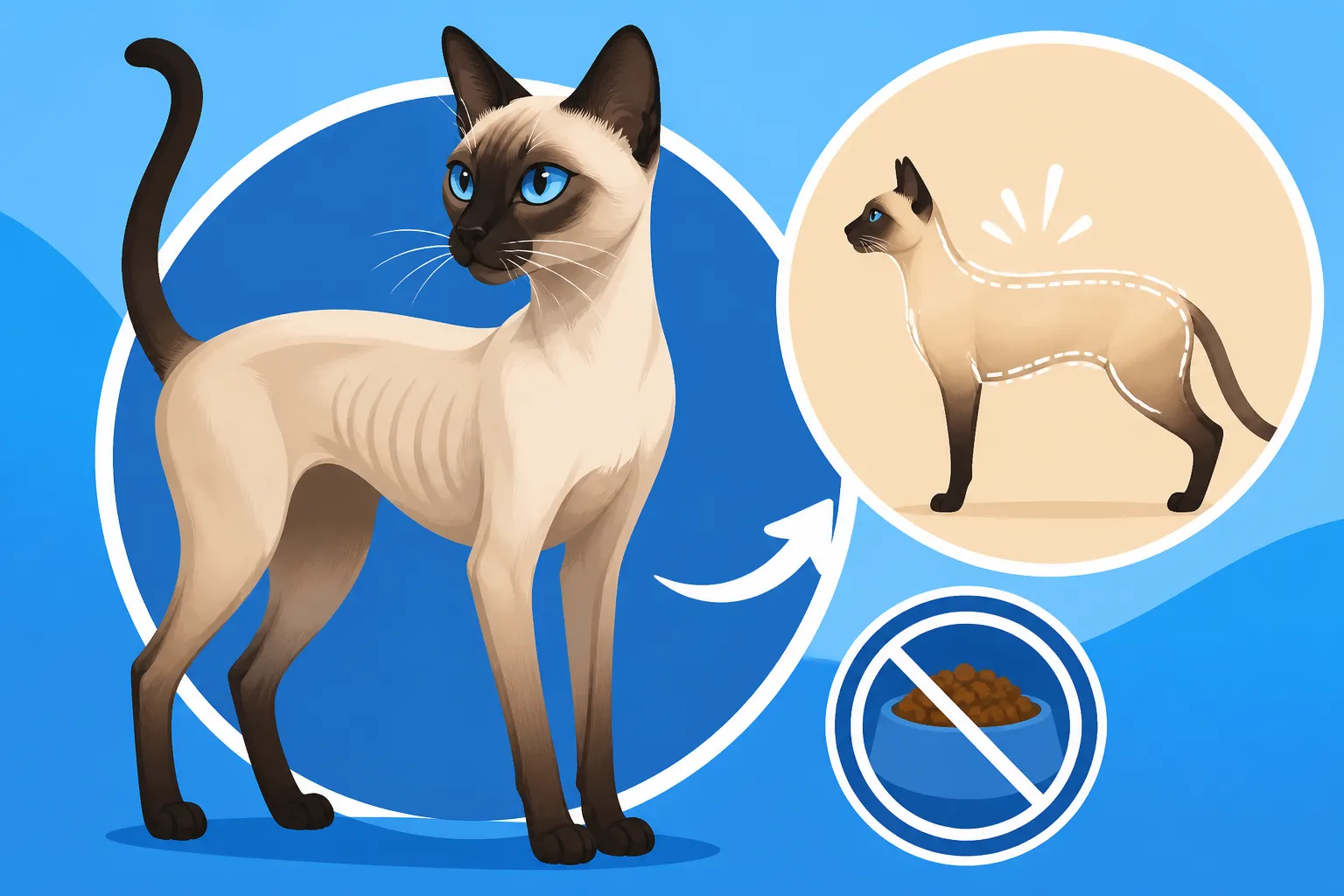
The Siamese is renowned for its elegant, svelte body, often described as tubular or lithe. This isn't a cat that carries a lot of excess padding. If you've ever felt a Siamese cat, you'll likely notice that you can easily feel their ribs, spine, and hip bones. For many first-time Siamese owners, this can be quite alarming, leading to constant worry about whether their cat is actually thriving. However, this is largely considered normal for the breed. Their long, lean muscles and fine bone structure contribute to this appearance. They are built for agility and speed, not for bulk, and their sleek, short coats do little to hide their natural contours, making every curve and bone more visible. It’s why people often comment that their cat feels rather "bony," which is often just a reflection of their athletic build.
Genetic Predisposition to Leanness
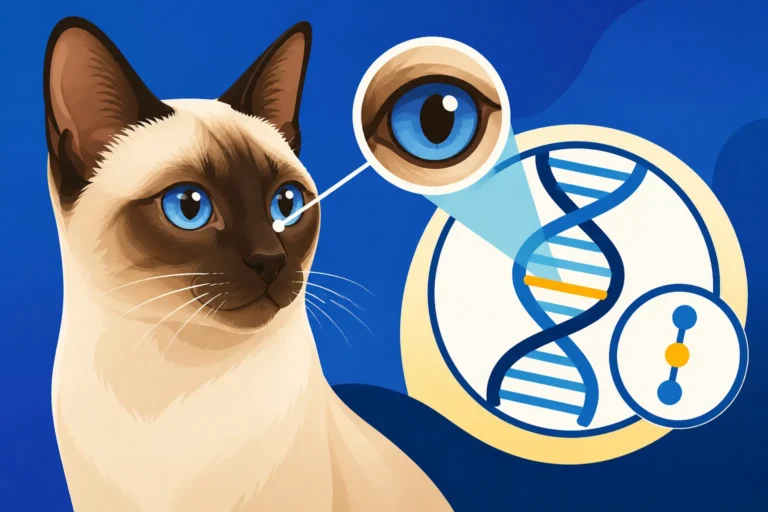
The genetic history of the Siamese cat plays a huge role in why they stay so thin. Originating from Thailand (formerly Siam), these cats evolved in a warm climate, which naturally favors a lighter build. Think of desert animals – they tend to be lean and long-limbed, and the Siamese carries some of those ancestral traits. They have a higher metabolic rate compared to many other domestic cat breeds, meaning their bodies process food and burn calories at an incredibly efficient pace. This genetic predisposition means that even a Siamese cat eating a perfectly appropriate amount of food for its size and activity level might still appear quite slender. It’s not necessarily a sign of malnourishment, but rather a reflection of their inherent breed characteristics. Many breeders and experienced Siamese owners will tell you that a slightly visible rib cage and a tucked-up abdomen are perfectly healthy signs for a fit Siamese.
The High-Octane Siamese Metabolism
If you've spent any time with a Siamese, you know they're not exactly couch potatoes. These cats are bundles of energy, constantly on the go, exploring, playing, and communicating. This relentless activity level is directly tied to their famously fast metabolism, which is a major factor in why they often stay so thin.
Burning Calories Like a Furnace
Imagine a tiny, furry furnace that never really turns off – that's often what it feels like living with a Siamese. Their metabolism is incredibly efficient and works at a higher rate than many other cat breeds. This means they burn through calories at an impressive speed, even when they appear to be relaxing. When you combine this inherent metabolic speed with their natural curiosity and high energy, it's a recipe for a cat that simply doesn't pack on the pounds easily. It’s similar to how some human athletes have naturally lean physiques despite eating a lot; their bodies are just wired differently. If your Siamese is constantly on the move, chasing toys, scaling cat trees, and vocalizing, rest assured that all that activity requires significant fuel. This metabolic characteristic also explains why it can be so hard for some Siamese owners to get their cat to gain weight, even when they're seemingly eating a lot. They might simply be burning off those calories faster than they can accumulate them. You might wonder, "Why a Siamese Cat Burns Calories Fast?" and the answer lies in centuries of genetic selection for an active, agile hunter.
Energy Levels and Constant Activity
A bored Siamese cat is a rare sight, and usually, it's because they're finding creative ways to entertain themselves, often involving you! These cats are incredibly intelligent and demand mental and physical stimulation. They're often described as dog-like in their playfulness and their desire for interaction. This constant engagement, whether it's playing fetch, exploring every nook and cranny of your home, or simply following you from room to room narrating their day, all contributes to their lean physique. A typical day for a Siamese might involve several intense play sessions, vertical exploration of cat trees and shelves, and continuous interaction with their humans. This high level of physical and mental exertion naturally expends a lot of energy, preventing the accumulation of fat stores that might make another cat appear more 'cuddly' or robust. If your Siamese is lively, engaged, and has a healthy appetite, their lean build is likely just a reflection of their vibrant, active lifestyle.
Dietary Needs for a Thin Siamese Cat
When your Siamese cat is naturally slender, it's easy to worry that you're not feeding them enough. However, it's not always about more food, but about the right food, provided in the right way, to support their unique metabolism and high energy levels.
Ensuring Adequate Caloric Intake
The key to feeding a naturally thin Siamese isn't necessarily to overfeed them, but to ensure they're receiving a consistent, appropriate amount of high-quality calories. These aren't cats that typically do well with sparse meals. Many Siamese cats thrive on multiple small meals throughout the day, or even a free-feeding approach if they self-regulate well and don't become overweight (which is rare for the breed!). You might find that your Siamese needs slightly more food per pound of body weight than other breeds of a similar size due to their high metabolism.
When considering how much an adult Siamese cat eats, pay attention to the feeding guidelines on your chosen cat food, but also observe your individual cat. Is their energy level consistent? Is their coat shiny and healthy? Are they maintaining their lean, muscular physique without looking emaciated? If you're consistently topping up a bowl that seems to empty quickly, it might be a sign they need more. A good rule of thumb is to look at your cat's body condition score. You should be able to feel their ribs without pressing hard, and they should have a visible waist when viewed from above. If their ribs are very prominent, or their waist is excessively pinched, it might be time to slightly increase their portions or calorie density.
The Importance of High-Quality Protein and Fat
For an active, lean breed like the Siamese, the quality of their diet is paramount. They require a diet rich in high-quality animal protein to support their muscular build and provide essential amino acids. Look for cat foods where meat is the first ingredient, not grains or fillers. Chicken, turkey, salmon, and beef are excellent protein sources.
Beyond protein, healthy fats are also crucial. Fats are a concentrated source of energy, providing more than double the calories per gram compared to protein or carbohydrates. Good fats, like those found in fish oil (omega-3 fatty acids), are not only calorie-dense but also vital for skin and coat health, and overall well-being. When selecting which food suits a Siamese cat, opt for formulas designed for active cats or those with higher protein and fat content. Avoid foods with excessive carbohydrates, as cats are obligate carnivores and don't process carbs as efficiently as protein and fat. If you're concerned about your cat's specific dietary needs or if they're particularly picky, a vet or a reputable pet nutritionist can help you tailor a diet plan. Insurance providers like Healthy Paws can be a lifesaver if your vet recommends specific prescription diets or extensive testing to rule out underlying issues related to diet or weight.
Behavioral Factors Influencing Weight
Sometimes, a Siamese cat's lean appearance isn't just about their genetics or metabolism, but also tied into their unique behavioral traits. These intelligent and sensitive creatures can be affected by stress, boredom, or even just plain pickiness, all of which can subtly impact their weight.
Stress, Anxiety, and Pica
Siamese cats are deeply attached to their human companions and thrive on routine and stability. Any disruption to their environment or their bond can induce stress and anxiety, which, just like in humans, can affect their appetite and metabolism. A move to a new home, the introduction of a new pet or family member, or even a change in your work schedule can lead to a stressed Siamese. Some cats might overeat when anxious, but many, particularly Siamese, will show a decreased appetite or develop unusual eating behaviors.
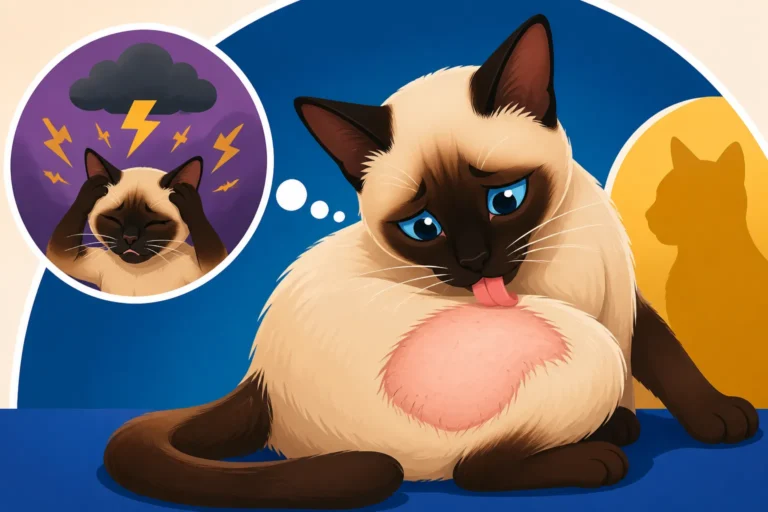
One notable behavioral quirk in Siamese cats is pica, an urge to eat non-food items like wool, blankets, or even plastic. While some cats who engage in pica might consume enough fabric to cause an intestinal blockage, leading to severe weight loss and necessitating emergency liver surgery, others might just chew without swallowing significant amounts. However, persistent pica can interfere with their normal eating habits, reduce their desire for actual food, or lead to gastrointestinal upset that prevents proper nutrient absorption, contributing to their naturally lean state. If you notice signs a Siamese cat has swallowed fabric, it's a serious medical concern. Furthermore, chronic stress can also manifest as psychogenic alopecia in a Siamese cat, where they excessively groom themselves to the point of bald patches, which can sometimes be accompanied by subtle weight changes due to altered routines and stress hormones. Providing a stable environment, plenty of enrichment, and consistent interaction can help mitigate these stress-related behaviors.
The Picky Eater Syndrome
Despite their high energy and seemingly insatiable appetites, some Siamese cats can be surprisingly picky eaters. It’s not uncommon for them to turn up their nose at a perfectly good meal if it’s not to their exact liking. This pickiness can stem from a variety of factors:
- Texture preference: Some prefer pate, others gravy, and some only kibble.
- Temperature: Cats generally prefer their food at room temperature, not cold from the fridge.
- Bowl type: Believe it or not, some Siamese are sensitive to their whiskers touching the sides of a deep bowl, preferring wide, shallow dishes.
- Novelty: They might get bored with the same food day in and day out, requiring a rotation of flavors or brands.
- Past experience: A bad experience with a particular food could lead to a lasting aversion.
If your Siamese is a picky eater, they might simply not consume enough calories to maintain even their natural lean body weight. This isn't necessarily a sign of a health problem, but rather a frustration for the owner trying to ensure their cat stays healthy. Offering a variety of high-quality foods, trying different textures, and ensuring fresh, clean water is always available can help. Consistency in feeding times can also help establish a routine. If the pickiness is extreme and leading to noticeable weight loss, discussing it with your vet is a good idea. They might suggest specific high-calorie supplements or recommend certain prescription diets if underlying issues are suspected.
| Factor | Impact on Weight | Common Signs | Intervention |
|---|---|---|---|
| High Metabolism | Burns calories quickly | Energetic, always playing, always seems hungry | Ensure high-quality, calorie-dense food. |
| High Activity Level | Expends significant energy | Constant movement, vocalization, interactive play | Provide ample enrichment, adjust food portions. |
| Stress/Anxiety | Decreased appetite, pica | Hiding, overgrooming, eating non-food items | Stable environment, enrichment, vet consult. |
| Picky Eating | Insufficient caloric intake | Refusal of food, preference for certain textures | Offer variety, warm food, wide bowls. |
| Underlying Health Issue | Unexplained weight loss, lethargy | Vomiting, diarrhea, increased thirst, lethargy | Prompt veterinary examination and diagnosis. |
When Thinness Signals a Health Concern
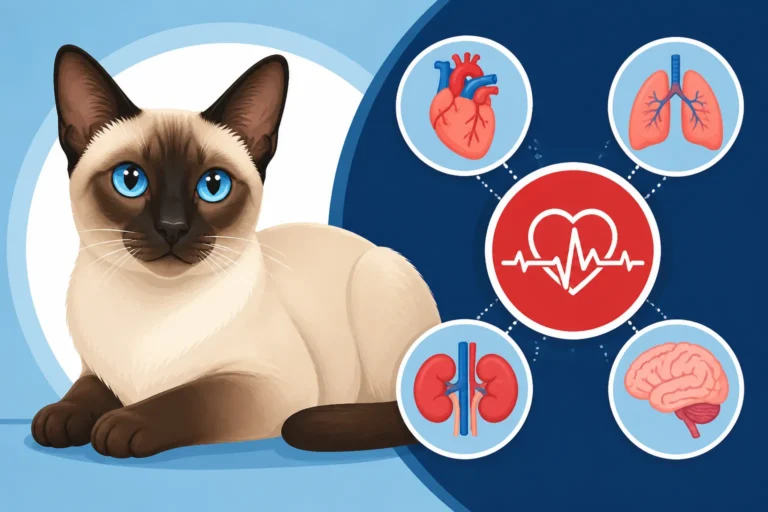
While a slender build is characteristic of the Siamese breed, there's a fine line between "naturally lean" and "unhealthily thin." It's crucial for owners to understand when their cat's weight might be indicating an underlying health problem that requires veterinary attention. Even the most stoic Siamese cat can be good at hiding pain and discomfort, so vigilance is key.
Common Health Issues That Cause Weight Loss
Unfortunately, despite their generally robust nature, Siamese cats are prone to certain health conditions that can lead to significant and unhealthy weight loss. Being aware of these can help you act quickly if you notice concerning changes:
- Hyperthyroidism: This is a common endocrine disorder in older cats, where the thyroid gland produces too much thyroid hormone, leading to an accelerated metabolism. Cats with hyperthyroidism often have a ravenous appetite but still lose weight dramatically. Other signs include increased thirst and urination, restlessness, and a poor coat. If you have an older Siamese cat, regular check-ups should include thyroid screening.
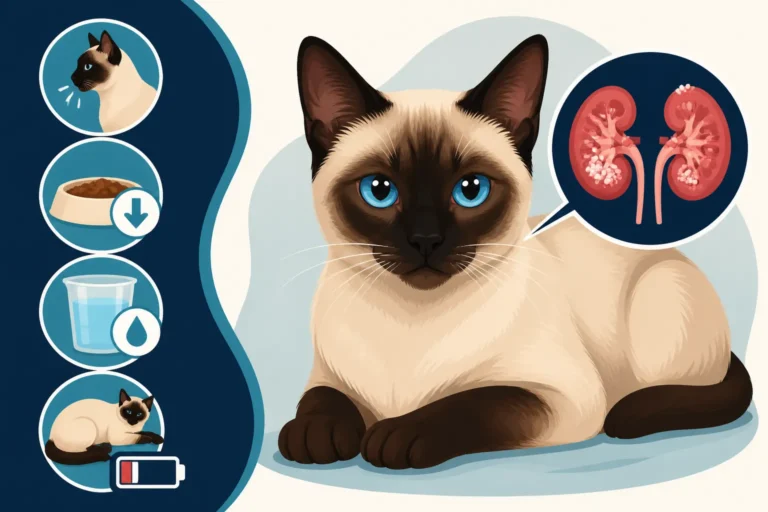
- Kidney Disease: Chronic kidney disease is another prevalent issue in older cats. Failing kidneys cannot properly filter waste products from the blood, leading to a buildup of toxins that can cause nausea and loss of appetite. Cats with kidney disease also tend to drink and urinate more frequently. Weight loss here is due to reduced food intake and muscle wasting.
- Dental Disease: It might seem minor, but severe dental disease in a Siamese cat can make eating incredibly painful. If your cat has gingivitis, tooth resorption, or other painful oral conditions, they might refuse to eat or eat only soft foods, leading to a gradual decline in weight. Regular dental care and vet check-ups are essential to prevent this.
- Inflammatory Bowel Disease (IBD): This chronic condition affects the gastrointestinal tract, causing inflammation that interferes with nutrient absorption. Symptoms can include chronic vomiting, diarrhea, and weight loss, even with a good appetite.
- Parasites: Internal parasites, though less common in strictly indoor cats, can steal nutrients and cause digestive upset, leading to weight loss. Regular deworming protocols, especially for cats who spend any time outdoors, are important.
- Cancer: Various forms of cancer can lead to cachexia (severe muscle wasting) and weight loss. Mediastinal lymphoma in a young Siamese cat, for example, can present with breathing difficulties and rapid weight loss.
- Amyloidosis: This is a particularly concerning inherited disease in Siamese cats where an abnormal protein (amyloid) builds up in organs, most commonly the liver and kidneys. Early stages might not show obvious signs, but advanced amyloidosis can lead to organ dysfunction, loss of appetite, and weight loss. For example, Signs a Siamese Cat Has Liver Amyloidosis include lethargy, jaundice, vomiting, and abdominal pain. Understanding What Amyloidosis Does to a Siamese Cat and recognizing these subtle changes is vital because a ruptured liver can be life-threatening. This is a critical area where early detection, even if difficult, can be supported by vigilant observation and regular veterinary care. Comprehensive pet insurance from providers like Healthy Paws can help manage the significant costs associated with diagnosing and treating these serious conditions, offering peace of mind when facing potentially debilitating diseases.
Recognizing Red Flags and Seeking Veterinary Advice
It's one thing to have a naturally lean Siamese; it's another to have one that's losing weight unexpectedly or showing other signs of illness. Here are some red flags that should prompt an immediate visit to your veterinarian:
- Sudden or Rapid Weight Loss: Any noticeable drop in weight over a short period, especially if your cat's eating habits haven't changed, is a major concern.
- Decreased Appetite or Anorexia: If your Siamese is usually food-motivated but suddenly becomes disinterested in food, or stops eating entirely, this is a serious red flag.
- Changes in Thirst or Urination: Increased drinking and peeing can indicate kidney disease, diabetes, or hyperthyroidism.
- Vomiting or Diarrhea: Persistent gastrointestinal upset suggests a problem with their digestive system, preventing nutrient absorption.
- Lethargy or Weakness: While Siamese are energetic, unusual sluggishness, hiding, or reluctance to play could signal illness.
- Changes in Coat Condition: A dull, unkempt, or greasy coat can be a sign of underlying health issues, as sick cats often stop grooming themselves.
- Difficulty Breathing or Coughing: These could be signs of respiratory issues or even conditions like mediastinal lymphoma.
- Jaundice (Yellowing of Skin/Eyes): This is a serious indicator of liver problems, often seen in advanced cases of amyloidosis.
If you observe any of these signs, don't delay. Schedule an appointment with your vet. Early diagnosis and intervention are critical for many feline diseases. Your vet will conduct a thorough physical examination, likely recommend bloodwork, a urinalysis, and possibly imaging (like X-rays or ultrasound) to pinpoint the cause of the weight loss. Knowing how a Siamese cat hides pain, it's always best to err on the side of caution when you notice any significant changes in their behavior or physical condition.
Practical Tips for Managing a Healthy Weight
Even if your Siamese cat is naturally thin, you want to ensure they're healthy and maintaining an optimal body condition. It's about proactive care, smart feeding strategies, and ensuring their environment supports their energetic nature.
Monitoring Weight and Body Condition Score
One of the best tools you have as a Siamese owner is regular monitoring. Don't just rely on how your cat looks; actually feel their body and, if possible, weigh them regularly.
- Monthly Weigh-Ins: Investing in a small pet scale, or simply weighing yourself, then weighing yourself holding your cat and subtracting the difference, can provide valuable data. Record their weight monthly. Consistent weight (even if it's on the lower end of the spectrum for cats) is usually a good sign. Any significant downward trend, even a few ounces, should be noted. For reference, What a Healthy Siamese Cat Weighs is typically between 6-12 pounds, with males often being slightly larger than females.
- Body Condition Scoring (BCS): This is a visual and tactile assessment of your cat's fat reserves. Vets use a 1-5 or 1-9 scale. For a Siamese, a BCS of 3/5 or 5/9 (lean but not emaciated) is often ideal.
- Ribs: You should easily feel the ribs without pressing hard, but they shouldn't be visibly prominent or feel sharp without any muscle or fat covering.
- Waist: When viewed from above, your Siamese should have a distinct waist behind the ribs.
- Abdominal Tuck: When viewed from the side, their abdomen should tuck up slightly behind the rib cage.
- If you can barely feel the ribs, or they look rounded, your cat might be getting a little chunky. If the ribs are extremely prominent and feel very sharp, or the waist is severely cinched, it's time to investigate further, as your cat may be underweight. This can help you determine Whether a Thin Siamese Cat Is Underweight or just naturally slender.
Environmental Enrichment and Feeding Strategies
Since Siamese cats are so intelligent and active, their environment and how you feed them can significantly impact their well-being and, consequently, their weight.
- Interactive Play: Provide ample opportunities for vigorous play. Wand toys, laser pointers (used responsibly, ending with a tangible catch), and even puzzle toys can engage their minds and bodies. Aim for multiple short play sessions throughout the day. This satisfies their natural hunting instincts and keeps their metabolism happily ticking over.
- Vertical Space: Siamese cats love to climb. Cat trees, shelves, and window perches provide essential vertical territory, allowing them to explore and expend energy.
- Puzzle Feeders: Instead of just putting food in a bowl, consider puzzle feeders. These slow down eating, provide mental stimulation, and can prevent scarfing down food too quickly. They also make mealtime an enriching activity rather than a quick grab-and-go.
- Multiple Feeding Stations: If you have multiple cats, or even if your Siamese is easily distracted, consider placing food bowls in different, quiet locations to ensure they can eat undisturbed.
- Wet Food Preference: Many Siamese cats benefit from a diet that includes a significant portion of wet food. It's often more palatable, contains higher moisture content (which is great for kidney health), and can be more calorie-dense than some dry kibbles. While some Siamese cats do well on dry food, for those who struggle to maintain weight, wet food can be a good option. If you're wondering, Whether a Siamese Cat Needs Prescription Food, this is something to discuss with your vet if they have specific health issues, otherwise a high-quality commercial diet is usually sufficient.
- Consult Your Vet: If you've tried adjusting diet and environment, and your Siamese is still losing weight or seems unusually thin, a vet visit is paramount. They can rule out underlying health issues and help you create a tailored plan to ensure your beloved Meezer stays healthy and happy for as long as possible. Understanding how long a Siamese cat lives on average can provide perspective, and proactive health management is key to helping them reach their full lifespan. Pet insurance plans from providers like Healthy Paws can be invaluable for unexpected vet visits and long-term health management, covering accidents, illnesses, and even emergency care should your cat's weight issues stem from a serious condition.
Disclaimer
This article is intended for informational purposes only and is not a substitute for professional veterinary advice. Always consult with a qualified veterinarian for any health concerns or before making any decisions related to your pet's care, diet, or treatment.