Whether a Siamese Cat Tolerates Anesthesia
It’s a common scenario that strikes fear into the heart of any pet parent: your beloved Siamese needs a procedure that requires anesthesia. Instantly, your mind races. Is it safe? Are Siamese cats more sensitive than other breeds? You worry about their unique traits, their lean build, their vocal nature, and wonder if these make them more vulnerable. This comprehensive guide will walk you through everything you need to know about Siamese cats and anesthesia, helping you understand the risks, the preparation, and what to expect so you can feel confident in your veterinarian's care.
Understanding the Unique Physiological Considerations for Siamese Cats
When it comes to anesthesia, many cat owners express a valid concern that their Siamese might be somehow "different" or more fragile. While modern veterinary medicine has made incredible strides in anesthetic safety for all felines, it’s true that certain breed characteristics, including those of the Siamese, might warrant a closer look and a tailored approach from your vet. It's not about being inherently "worse" at handling anesthesia, but about understanding their specific physiological makeup.
Genetic Predispositions and Anesthetic Sensitivity
Siamese cats are known for their elegant, slender build, their active metabolism, and their distinct vocalizations. These physical traits are often linked to their genetic lineage. While there isn't a widespread, scientifically proven blanket statement that Siamese cats are uniquely sensitive to all anesthetic agents compared to other breeds, their lean body mass does mean that drug dosages need to be meticulously calculated. Cats, in general, metabolize drugs differently than dogs, and a cat's individual metabolism can vary. A Siamese cat, with its often higher metabolic rate, might process certain drugs a little faster or slower, requiring careful titration by the veterinary team. Some older anecdotal claims about specific drug sensitivities in Siamese cats, often related to certain barbiturates, are largely outdated as these drugs are rarely used in modern feline anesthesia. Today’s anesthetic agents are much safer and more predictable, but careful monitoring remains paramount for any cat, especially one with a lean body mass where overdose could be a concern. Your veterinarian will always take their weight and body condition into account when formulating the anesthetic plan.
Respiratory and Cardiac Considerations
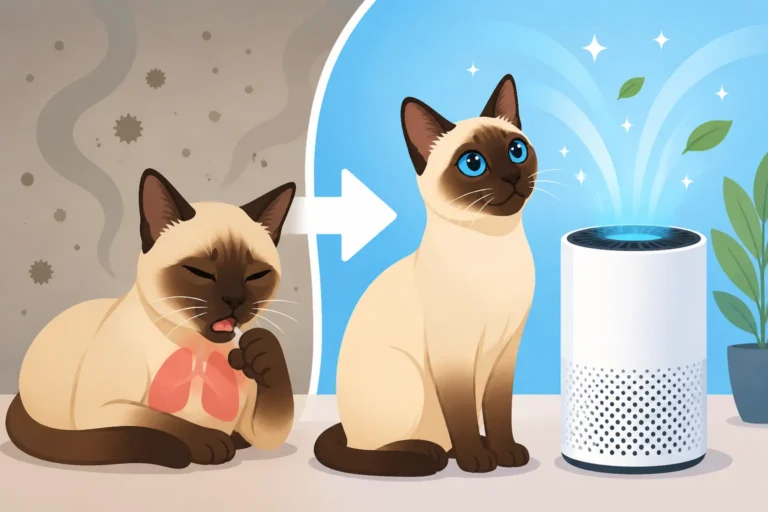
Siamese cats are generally a healthy breed, often enjoying a long lifespan, sometimes even reaching The Fifteen to Twenty Years a Siamese Cat Gets. However, like all breeds, they can be predisposed to certain health conditions that might impact anesthetic safety. For instance, some Siamese cats can be prone to respiratory issues like Asthma in a Siamese Cat. If your cat has a history of asthma or any other respiratory ailment, this would be a critical factor for your vet to consider. Anesthesia can affect respiratory function, and a cat with pre-existing conditions might require more intensive respiratory support during and after the procedure. Similarly, while not uniquely prevalent in Siamese cats, any feline can develop Heart Disease in a Siamese Cat. An undetected heart condition, such as hypertrophic cardiomyopathy (HCM), could increase the risks associated with anesthesia by affecting blood pressure and oxygen delivery. This is why a thorough pre-anesthetic evaluation, including careful auscultation of the heart and lungs, is non-negotiable for all cats, and particularly important if there's any suspicion of an underlying condition in a Siamese.
Comprehensive Pre-Anesthetic Evaluation: More Than Just a Check-Up
The cornerstone of safe anesthesia for any Siamese cat, or any cat for that matter, is a thorough pre-anesthetic evaluation. This isn't just a quick peek and a listen; it's a deep dive into your cat's health history and current physiological status to ensure they are as healthy as possible before undergoing a procedure. Skipping these crucial steps is simply not worth the risk, no matter how minor the procedure seems.
The Importance of Thorough Health Screening
Before any anesthetic procedure, your veterinarian will recommend a comprehensive pre-anesthetic workup. This typically includes a full physical examination, where they will check vital signs, listen to the heart and lungs, examine the eyes and ears, and palpate the abdomen. Beyond the physical, blood work is usually performed to assess organ function. This might include a complete blood count (CBC) to check for anemia, infection, or other blood disorders, and a chemistry panel to evaluate kidney and liver function. These tests are essential because the kidneys and liver are responsible for metabolizing and eliminating anesthetic drugs from the body. If these organs aren't functioning optimally, it can significantly impact how your cat handles anesthesia and recovers. If you’re ever wondering What a Siamese Cat's Yearly Bloodwork Should Cover, it’s exactly these kinds of crucial indicators that help vets make informed decisions. For older cats or those with suspected cardiac issues, further diagnostics like an electrocardiogram (ECG) or even an echocardiogram (an ultrasound of the heart) might be recommended to evaluate heart health, especially if you want to know Whether a Siamese Cat Needs an Echo. These screenings are vital for catching any hidden health issues that could pose a risk during anesthesia.
Tailoring the Anesthetic Protocol
Once your vet has a complete picture of your Siamese cat's health, they can then tailor an anesthetic protocol specifically for them. This isn't a one-size-fits-all approach. Factors like your cat's age, weight, existing medical conditions, and the type of procedure being performed all play a role in selecting the most appropriate combination of drugs. For instance, a young, healthy Siamese undergoing a routine dental cleaning will have a different protocol than an older cat with early kidney disease needing a mass removal. The vet will choose pre-medication drugs to help with anxiety and pain, induction agents to smoothly transition your cat into anesthesia, and maintenance drugs (often inhaled gas) to keep them asleep during the procedure. They'll consider drugs that are easily reversible or have minimal impact on vital organs, especially important for breeds like the Siamese that tend to be quite lean. Every decision is made with your individual cat's safety and comfort in mind, ensuring the anesthetic plan is as low-risk as possible given their unique profile.
Modern Anesthetic Protocols and Advanced Monitoring for Siamese Cats
The landscape of veterinary anesthesia has changed dramatically over the years. Gone are the days of minimal monitoring and generic drug cocktails. Today, modern anesthetic protocols combine advanced pharmaceuticals with sophisticated monitoring equipment, drastically improving safety for our feline friends. This is especially reassuring when your beloved Siamese is undergoing a procedure.
The Evolution of Veterinary Anesthesia
Veterinary anesthesia has undergone a revolution in recent decades, moving from a somewhat "one-size-fits-all" approach to highly individualized protocols. Anesthetic agents themselves have become much safer, with quicker induction and recovery times and fewer side effects. Older drugs that might have posed greater risks to a cat's cardiovascular or respiratory systems have largely been replaced by newer, more precise compounds. Additionally, the understanding of feline pain management has advanced significantly. This means that your Siamese will likely receive a combination of drugs designed not only to induce and maintain anesthesia but also to provide comprehensive pain relief before, during, and after the procedure. This multi-modal approach to pain management, often involving local nerve blocks in conjunction with systemic medications, further enhances their comfort and speeds recovery. Clinics are now equipped with dedicated anesthesia machines that deliver precise amounts of anesthetic gas and oxygen, far beyond what was available even a couple of decades ago, making the experience much smoother and safer for even a typically lean cat like a Siamese.
Close Monitoring During the Procedure
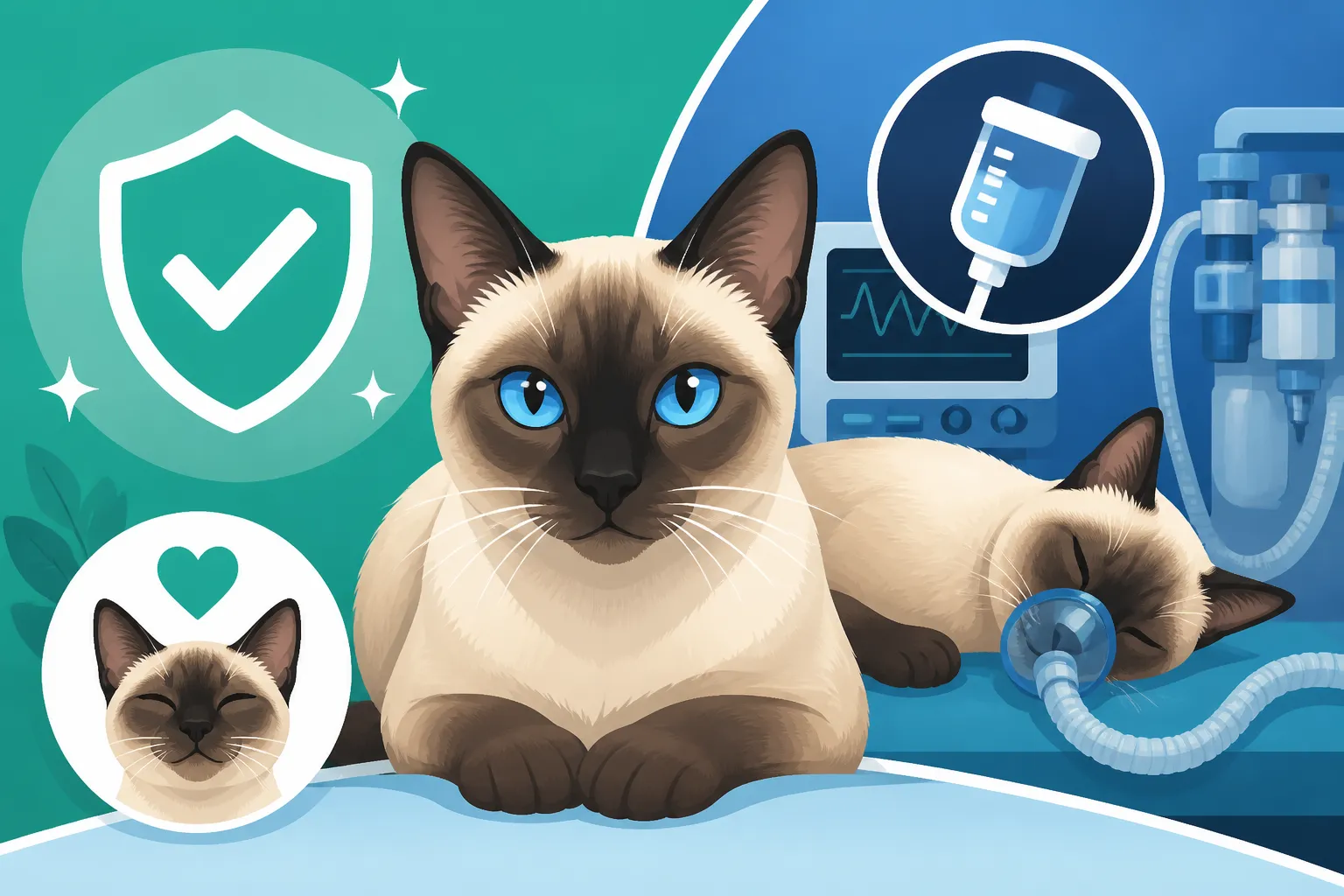
One of the most critical aspects of safe anesthesia is continuous, vigilant monitoring by a trained veterinary professional. During the entire procedure, from induction to recovery, a dedicated technician or veterinarian will be closely watching your Siamese cat's vital signs. This isn't just about occasionally checking a pulse; it involves a suite of advanced equipment providing real-time data. They'll monitor:
- Heart Rate and Rhythm: Using an ECG (electrocardiogram) to detect any arrhythmias or changes in heart function.
- Respiration Rate and Quality: Often observed directly and also measured by capnography, which monitors the carbon dioxide levels in exhaled breath, indicating how well your cat is ventilating.
- Blood Pressure: Crucial for ensuring adequate blood flow to vital organs.
- Oxygen Saturation: Measured by a pulse oximeter, ensuring your cat is getting enough oxygen.
- Body Temperature: Cats, especially lean ones like the Siamese (who some might say "feel bony"), can easily get cold under anesthesia, so maintaining a stable body temperature with warming blankets is essential to prevent hypothermia, which can delay recovery and affect drug metabolism.
This constant stream of information allows the veterinary team to make immediate adjustments to anesthetic depth or provide supportive care if any parameters deviate from the normal range. It's this level of meticulous monitoring that truly safeguards your Siamese during their procedure.
Navigating Potential Risks and Complications
While modern veterinary anesthesia is incredibly safe, it’s not entirely without risk. As a responsible Siamese cat owner, understanding the potential complications, however rare, and how your veterinary team prepares for them can offer immense peace of mind. It’s about being informed, not frightened.
Common Anesthetic Risks in Felines
Even in the most routine procedures, there are general anesthetic risks that apply to all cats, including our Siamese friends. These can include:
- Hypothermia: As mentioned, cats can get cold under anesthesia, leading to delayed recovery, slower drug metabolism, and other complications. Vets use warming pads and blankets to combat this.
- Hypotension: A drop in blood pressure can occur, potentially reducing blood flow to vital organs. Monitoring blood pressure closely and administering intravenous fluids are common strategies to prevent this.
- Bradycardia or Tachycardia: Abnormally slow or fast heart rates can be managed with medication or adjustments to anesthetic depth.
- Aspiration Pneumonia: Although rare in cats, vomiting during or after anesthesia can lead to inhalation of stomach contents into the lungs. Vets often fast cats before surgery to minimize this risk.
- Delayed Recovery: Sometimes a cat takes longer to wake up, which can be due to various factors including hypothermia, underlying health issues, or individual drug metabolism.
- Allergic Reactions: While uncommon, some cats can have an adverse reaction to a particular drug.
The good news is that veterinary teams are highly trained to anticipate, recognize, and manage these issues promptly, significantly reducing the likelihood of severe consequences.
Breed-Specific Concerns and Myths
Historically, some breeds were thought to be more prone to certain anesthetic complications. For Siamese cats, there were some older discussions about sensitivities to specific drugs, particularly in the barbiturate class. However, with the evolution of safer anesthetic agents, these concerns are largely historical. Today's veterinary anesthesiologists have a wide array of drugs at their disposal that are much gentler on a cat's system. There is no current scientific consensus indicating that healthy Siamese cats have a significantly higher risk profile under modern anesthesia compared to other healthy feline breeds.
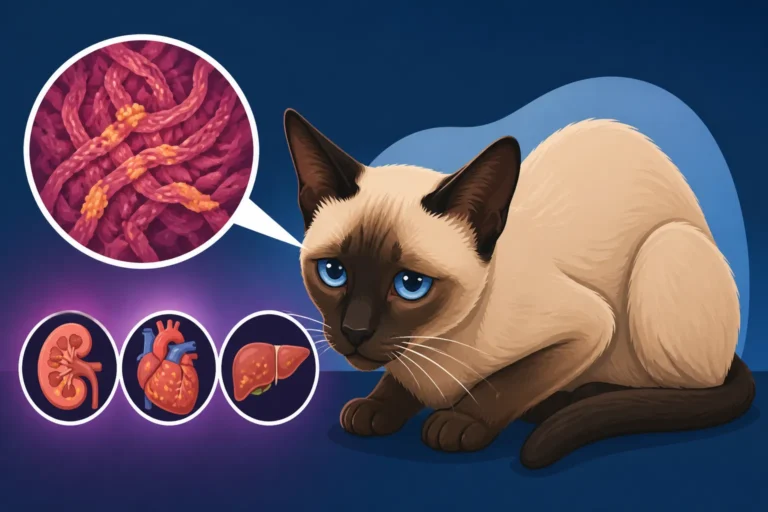
What is important for Siamese cats, as for any lean-bodied or active breed, is ensuring accurate weight-based drug calculations and meticulous temperature management. Their often slender frame means they have less insulating body fat, making them more susceptible to hypothermia during surgery. This is precisely why diligent temperature monitoring and active warming measures are standard practice. Concerns about genetic conditions like amyloidosis (which can affect liver and kidney function, as discussed in posts like Why a Siamese Cat's Liver Can Rupture Without Warning or What Amyloidosis Does to a Siamese Cat) are why comprehensive pre-anesthetic blood work is so important, allowing the vet to identify any organ compromise before it becomes an issue under anesthesia.
Recognizing and Managing Complications
A skilled veterinary team is constantly vigilant for any signs of complications. If a problem arises, they are prepared to act quickly. This might involve:
- Adjusting anesthetic depth: Lessening or increasing the amount of anesthetic gas.
- Administering emergency medications: To support heart rate, blood pressure, or breathing.
- Providing respiratory support: Manually assisting breathing or using a ventilator.
- Fluid therapy: Increasing intravenous fluids to support blood pressure and hydration.
- Blood transfusions: In very rare cases of severe bleeding or anemia, a transfusion might be necessary, though this is an extreme measure for major incidents. (Owners are often concerned about the cost of these, and having pet insurance like a comprehensive plan from Healthy Paws can be a lifesaver for unexpected emergency interventions, potentially covering a significant portion of what a blood transfusion costs a Siamese cat.)
The goal is always proactive management – anticipating potential issues and preventing them from escalating. The expertise of the veterinary staff, combined with advanced monitoring equipment, significantly minimizes the chance of a serious adverse event.
Post-Anesthetic Care and a Smooth Recovery at Home
The period immediately following anesthesia is just as crucial as the procedure itself. Your Siamese cat isn't out of the woods until they are fully awake, warm, and stable. Both the veterinary clinic's post-operative care and your at-home attention play vital roles in ensuring a smooth and complete recovery.
Immediate Post-Op Monitoring at the Clinic
Once the surgical procedure is complete and the anesthetic gas is turned off, your Siamese cat will be moved to a recovery area where monitoring continues. This isn't a "set it and forget it" phase; it's a critical time where the veterinary team watches for the cat to regain consciousness, vital signs to stabilize, and for any immediate post-anesthetic complications. They will continue to monitor:
- Body Temperature: As cats emerge from anesthesia, their body temperature can drop. The team will ensure your Siamese is kept warm with blankets or heated beds until their temperature returns to normal. This helps prevent delayed recovery and discomfort.
- Pain Levels: Pain management is a huge part of modern veterinary care. Your vet will ensure your cat receives appropriate pain relief, which might include injectable medications that last for several hours. They will assess your cat's demeanor and administer additional medication if there are any signs of discomfort.
- Breathing and Heart Rate: The team will continue to observe breathing patterns and heart rate, ensuring they normalize as the anesthetic drugs wear off.
- Consciousness and Mobility: They'll watch for signs of alertness, such as blinking, head lifting, and eventually trying to stand. Some cats might be wobbly or disoriented as they wake up, which is normal.
Your Siamese will typically only be discharged once they are fully awake, stable, and able to walk without significant assistance.
Home Care and What to Expect
Once your Siamese cat comes home, your role in their recovery becomes paramount. It's normal for them to be a little groggy, quiet, and perhaps not themselves for the first 12-24 hours. Here's what you should expect and how to provide the best care:
- A Quiet, Warm Space: Set up a comfortable, quiet, and warm spot for your cat to rest. This might be their favorite bed in a low-traffic area of the house. Ensure they have easy access to their litter box and water.
- Food and Water: Offer small amounts of water a few hours after they are home and fully awake. If they hold that down, you can offer a small, easily digestible meal (e.g., canned food or their usual kibble in a reduced quantity). Don't be alarmed if their appetite isn't back to normal immediately; this is quite common.
- Medication: If your vet prescribed any medications, such as pain relievers or antibiotics, follow the instructions carefully. Do not give human medications.
- Monitoring Incisions/Wounds: If there's a surgical incision, check it daily for any swelling, redness, discharge, or if it appears to be opening. Prevent your cat from licking or chewing at the site, which often means using an Elizabethan collar (e-collar).
- Observe Behavior: Watch for any concerning signs: persistent vomiting, refusal to eat or drink for more than 24 hours, difficulty breathing, excessive pain, lethargy that doesn't improve, or pale gums. If you see any of these, contact your vet immediately. Even though How Healthy the Siamese Cat Actually Is typically means they bounce back quickly, post-op care is crucial.
- Limited Activity: Encourage rest and limit strenuous activity for a few days, especially if they’ve had surgery. No jumping on high furniture or rough play.
By following these guidelines and maintaining open communication with your veterinary team, you'll help ensure your Siamese enjoys a smooth and speedy recovery back to their playful, vocal self.
Empowering Owners: Making Informed Decisions for Your Siamese
Facing the prospect of your Siamese cat needing anesthesia can be daunting. But by asking the right questions and understanding the resources available, you can feel much more empowered and confident in the decisions you make for their health.
Questions to Ask Your Veterinarian
Before any anesthetic procedure, don't hesitate to engage in a thorough conversation with your veterinarian. They are there to answer your questions and alleviate your concerns. Here’s a checklist of important questions you might want to ask:
- What pre-anesthetic blood work and diagnostics do you recommend, and why? Understand the purpose of each test.
- What specific anesthetic drugs will be used, and why are they chosen for my Siamese? This allows you to understand the tailored approach.
- Who will be monitoring my cat during the procedure, and what monitoring equipment will be used? Confirm that a dedicated person and modern tools will be employed.
- What are the potential risks involved for my individual cat, given their age and health status? Get a realistic assessment.
- How will pain be managed before, during, and after the procedure? Ensure a comprehensive pain control plan is in place.
- What is the recovery process like at the clinic, and what signs should I look for when my cat comes home? Get clear instructions for post-operative care.
- What are the estimated costs for the procedure, including anesthesia, monitoring, and post-operative care? Financial transparency is important, as veterinary bills can add up quickly.
Having these conversations will not only give you peace of mind but also demonstrate to your vet that you are an engaged and proactive pet parent. For more detailed questions about specific health issues that could arise, you might explore topics like Which Anesthetic Risks a Siamese Cat Carries to prepare yourself.
The Role of Pet Insurance in Anesthetic Procedures
Let's face it, veterinary care can be expensive, and emergency procedures or extensive diagnostics, like What a Siamese Cat's Emergency Ultrasound Costs or even specialized cardiac screenings, can quickly lead to significant bills. This is where pet insurance can be an absolute game-changer. Companies like Healthy Paws offer comprehensive pet insurance plans that can help offset the costs of unexpected illnesses, accidents, and even some scheduled procedures that require anesthesia.
Many pet parents wonder What Insuring a Siamese Cat Costs a Month, and while it varies, the peace of mind it offers is often invaluable. If your Siamese cat requires an emergency surgery or develops a condition like asthma that needs ongoing management and possibly anesthetic procedures for diagnostics, having a good insurance policy can prevent you from having to make difficult financial decisions during an already stressful time. A comprehensive policy can cover a large percentage of your vet bills, allowing you to focus on your cat's health rather than the financial strain. Pet insurance from providers like Healthy Paws often covers diagnostic tests, surgeries, medications, and emergency care related to covered conditions, making it a wise investment for any Siamese cat owner who wants to be prepared for the unexpected.
Comparative Overview of Anesthetic Risks in Cats
To put things into perspective, it's helpful to understand the overall risk profile for feline anesthesia. While no procedure is 100% risk-free, advancements have made it significantly safer.
| Risk Factor | General Feline Population | Healthy Siamese Cat | Older Siamese Cat / With Underlying Conditions |
|---|---|---|---|
| Overall Mortality Rate | Very Low (approx. 0.1-0.2%) | Very Low | Slightly Elevated |
| Hypothermia | Moderate | Moderate (due to lean build) | Higher |
| Hypotension | Low to Moderate | Low to Moderate | Moderate to High |
| Delayed Recovery | Low | Low | Moderate |
| Respiratory Complications | Low | Low (unless pre-existing asthma) | Moderate to High |
| Cardiac Complications | Low | Low | Moderate (if undetected heart disease) |
| Allergic Reactions | Very Low | Very Low | Very Low |
This table illustrates that while specific considerations for a lean-bodied cat like a Siamese exist, overall risks remain very low for healthy individuals under modern protocols. Pre-existing conditions or advanced age are the primary factors that increase risk, underscoring the importance of thorough pre-anesthetic screening.
Disclaimer
The information provided in this article is for general educational purposes only and should not be considered as professional veterinary advice. Always consult with a qualified veterinarian for any health concerns or before making any decisions related to your pet's care, especially concerning anesthesia or medical procedures.