Heart Disease in a Siamese Cat
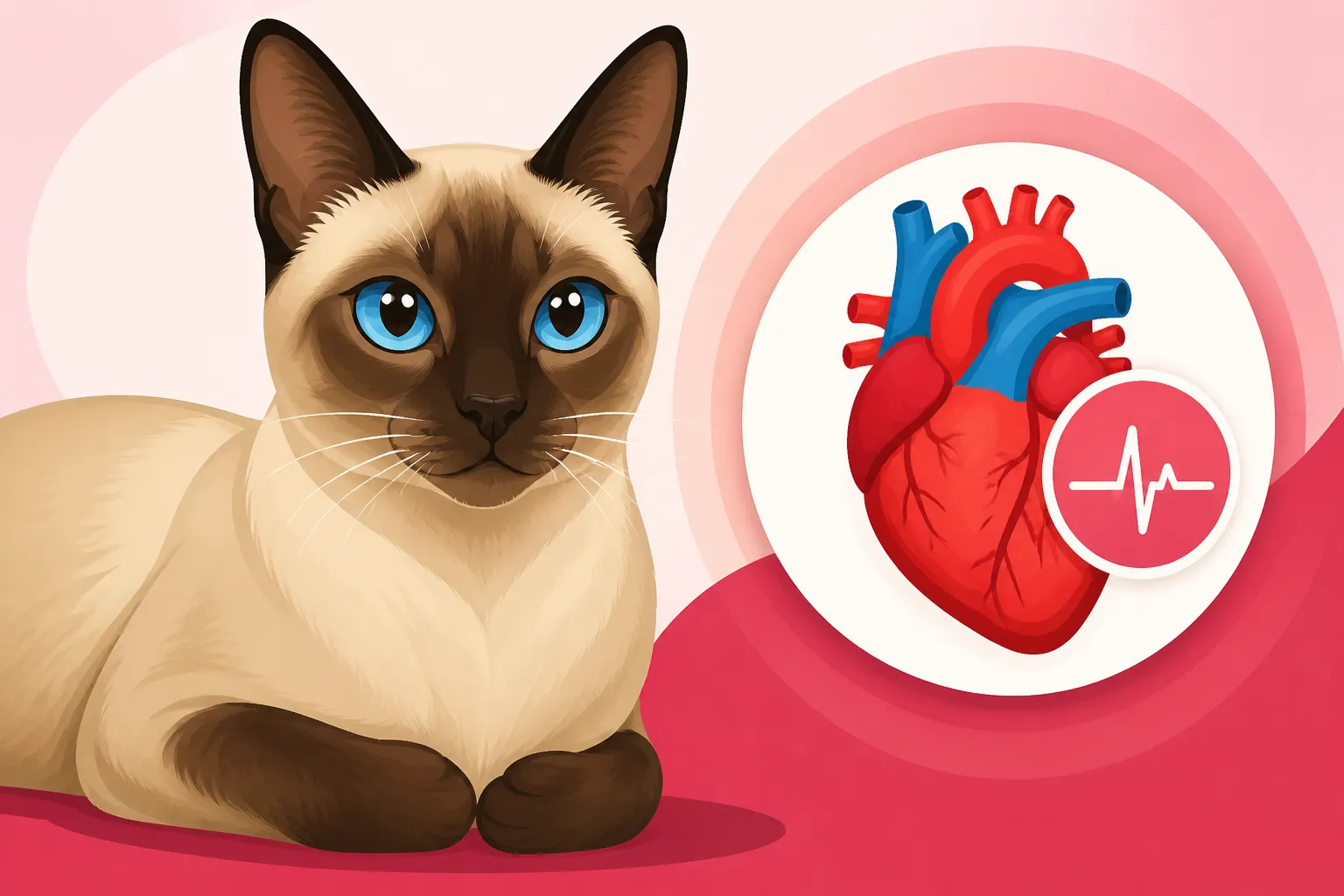
It’s a heartbreaking reality that our beloved Siamese cats, despite their vibrant personalities and often seemingly boundless energy, can be silently battling a serious health issue like heart disease. The cruel trick is that cats are masters of disguise when they’re unwell, often showing no obvious symptoms until their condition is quite advanced, leaving us feeling helpless and often caught off guard. This comprehensive guide aims to peel back the layers of feline heart disease, specifically within the Siamese breed, so you can be better equipped to understand, identify, and manage this challenging condition.
Understanding Heart Disease in Siamese Cats
When we talk about heart disease in cats, it's not a single condition but a blanket term for several issues affecting the heart's structure or function. For Siamese cats, in particular, there's a heightened awareness around certain types of heart conditions, partly due to their genetic lineage and how extensively their health has been studied over the years. Understanding the basics can make a world of difference in recognizing when something might be amiss.
The Most Common Feline Heart Condition: HCM
By far, the most frequently diagnosed heart condition in Siamese cats, and indeed in all domestic felines, is Hypertrophic Cardiomyopathy (HCM). This isn't just a minor issue; it's a significant thickening of the heart muscle walls, particularly the left ventricle. Imagine the heart as a powerful pump; when its walls become too thick, the chambers become smaller, leaving less space for blood to fill. This makes the heart work harder to pump blood around the body, leading to increased pressure and, eventually, a less efficient pump.
The real danger with HCM in Siamese cats, and generally in felines, is its insidious nature. Cats are very good at compensating for these changes, which means they often don't show any outward signs until the disease has progressed significantly. It's not uncommon for a cat to appear completely healthy one day and then suddenly collapse or develop severe breathing difficulties due to fluid in the lungs (congestive heart failure). The genetic component in certain breeds, including the Siamese, means that responsible breeders often screen for this, but it’s still something every owner needs to be aware of throughout their cat's life.
Other Heart Conditions Affecting Siamese Cats
While HCM hogs much of the spotlight, it's important to remember that Siamese cats aren't immune to other forms of heart disease. Though less common, conditions like dilated cardiomyopathy (DCM), restrictive cardiomyopathy (RCM), and congenital heart defects can also occur.
Dilated cardiomyopathy, or DCM, is essentially the opposite of HCM. Instead of the heart walls thickening, they become thin and stretched out, making the heart's pumping action weak and ineffective. Historically, DCM was more prevalent in cats due to taurine deficiency in their diets, but with improved commercial cat foods, its incidence has drastically reduced. Restrictive cardiomyopathy (RCM) involves the heart muscle becoming stiff and inflexible, preventing the heart from relaxing and filling properly with blood. This stiffness impairs blood flow, leading to increased pressure and potential fluid buildup. Congenital heart defects, on the other hand, are abnormalities present from birth. These can range from simple holes between heart chambers to complex malformations of valves or major blood vessels. While rare, a kitten showing signs of breathing difficulties or weakness from a very young age might be dealing with one of these issues. Early detection, especially for conditions like patent ductus arteriosus, can sometimes lead to successful surgical correction, but often these are more complex and carry a poorer prognosis.
Recognizing the Subtle Signs of Feline Heart Disease
This is often the hardest part for us cat parents. Our cats are notoriously stoic, and their evolutionary wiring tells them to hide any weakness. This means that by the time you notice something is truly wrong, the heart disease might have been present and slowly progressing for quite some time. It's like they're playing a long game of hide-and-seek with their own health, and we only catch them when they can no longer find a good hiding spot.
Why Symptoms Are So Easy to Miss
One of the biggest frustrations for cat owners is that the early signs of heart disease are so incredibly subtle, or even non-existent. A cat with mild heart disease might act completely normal, eating, playing, and interacting as usual. Their natural inclination to conserve energy means they might just seem a bit less active than they used to be, which many owners attribute to aging, especially as a Siamese cat gets older. It's often not until the heart begins to fail that symptoms become more pronounced and alarming.
Think about it: a human might complain of chest pain or shortness of breath. A dog might slow down on walks or cough. But a Siamese cat? They might just sleep a little more, or not zoom around the house quite as vigorously. These changes are so incremental, so easy to dismiss as normal cat behavior or simply "getting older," that they can slip by even the most vigilant owner. This is precisely why regular vet check-ups and paying close attention to any minor shifts in their routine or demeanor are absolutely critical. Knowing How a Siamese Cat Hides Pain is key here, as their instinct to appear healthy often works against them in a domestic setting where medical intervention is available.
What to Watch Out For
Despite their best efforts to hide it, there are a few key indicators that, when observed, should prompt an immediate call to your vet. These symptoms are typically signs that the heart disease is progressing towards or has already entered a stage of congestive heart failure.
- Changes in Breathing: This is perhaps the most critical symptom to monitor. If you notice your Siamese cat breathing faster than normal while at rest, or if their breathing seems labored, this is a red flag. Normal resting breath rates for cats are typically between 20-30 breaths per minute. Count their breaths while they're sleeping or resting peacefully. If it's consistently higher, or if you see their belly heaving with each breath, it could indicate fluid buildup in the lungs (pulmonary edema) or around the lungs (pleural effusion), both common complications of heart failure.
- Lethargy and Weakness: A sudden decrease in activity, a reluctance to play, jump, or even climb their favorite cat tree. They might seem more tired than usual, spending more time sleeping, or struggling with activities they once did with ease. This isn't just "getting old"; it's a significant change in their normal behavior. You might also notice them hiding more or being less interested in interaction. Any general decline in activity should be taken seriously as Signs a Siamese Cat Is Unwell are often subtle shifts.
- Loss of Appetite or Weight Loss: While not exclusive to heart disease, if your normally food-motivated Siamese starts turning up their nose at meals, or you notice them losing weight despite eating, it warrants investigation. Advanced heart disease can impact appetite and overall metabolism.
- Coughing (Rare but Serious): While cats with heart disease don't cough as frequently as dogs, if you do hear your Siamese coughing, especially a dry, hacking cough, it can be a very serious sign of fluid in the lungs, particularly if coupled with breathing difficulties. It's often confused with hairballs, but persistent coughing without producing a hairball should be checked by a vet immediately.
- Sudden Weakness or Collapse: This is an emergency. If your Siamese suddenly becomes weak, unable to stand, or collapses, it could indicate a severe cardiac event or a thromboembolism (blood clot) related to heart disease. A common, devastating complication of feline heart disease is an "saddle thrombus," where a blood clot lodges in the arteries supplying the hind legs, leading to sudden paralysis and extreme pain. This requires immediate veterinary attention.
- Heart Murmur or Gallop Rhythm: Your vet might detect a heart murmur during a routine check-up. A murmur is an abnormal sound caused by turbulent blood flow. While not all murmurs mean significant heart disease, and some cats can have "innocent" murmurs, any new or changing murmur should be thoroughly investigated. A "gallop rhythm" is another abnormal sound, more indicative of advanced heart disease, where the heart sounds like a galloping horse. Your vet might also note irregular heartbeats or a rapid heart rate (tachycardia).
It’s truly a testament to a Siamese cat’s resilience that they can mask these symptoms for so long. But as their human companions, it’s our job to be vigilant, to know their normal, and to act swiftly when their normal shifts.
Diagnosing Heart Disease in Your Siamese
If you or your vet suspect heart disease, the next step is a series of diagnostic tests to confirm the condition, determine its severity, and plan appropriate treatment. It's not usually a one-and-done process; rather, it’s a systematic approach to get the clearest picture possible of your cat's cardiac health.
Initial Veterinary Examination and Bloodwork
Your journey to a diagnosis will always start with a thorough physical examination by your veterinarian. They will listen to your cat's heart and lungs very carefully, checking for murmurs, gallop rhythms, or abnormal lung sounds that could indicate fluid. They'll also assess your cat's overall condition, checking their mucous membrane color, pulse quality, and looking for any signs of fluid retention in the abdomen.
Sometimes, a routine physical is where the first hint appears, especially if your cat has Heart Murmurs in a Siamese Cat that your vet picks up on. Blood tests, while not directly diagnosing heart disease, can provide crucial information about your cat's overall health and rule out other conditions that might mimic heart disease symptoms, like anemia or hyperthyroidism in older cats, which can both put a strain on the heart. Specific biomarkers, such as Pro-BNP (Brain Natriuretic Peptide), can also be measured. Elevated Pro-BNP levels indicate stretching of the heart muscle walls and can be a strong indicator of underlying heart disease, though it's usually followed up with more definitive imaging. Understanding What a Siamese Cat's Yearly Bloodwork Should Cover is essential for proactive care.
Advanced Diagnostic Imaging
Once a suspicion of heart disease is established, advanced imaging is necessary to definitively diagnose the condition and assess its severity. These tests provide detailed visuals of the heart and surrounding structures.
- Echocardiogram (Cardiac Ultrasound): This is the gold standard for diagnosing heart disease in cats. An echocardiogram uses sound waves to create real-time images of the heart's structure and function. It allows a veterinary cardiologist to measure the thickness of the heart walls, the size of the chambers, evaluate valve function, and assess blood flow. This detailed view is critical for differentiating between HCM, DCM, RCM, and other conditions. It's a non-invasive procedure, typically performed without sedation unless the cat is particularly anxious. If your vet recommends this, they'll likely discuss Whether a Siamese Cat Needs an Echo and why it's so important.
- Chest X-rays (Radiographs): Chest X-rays provide an image of the heart's overall size and shape within the chest cavity, as well as the lungs and surrounding structures. While they can’t show the internal structures of the heart in detail like an echo, they are invaluable for detecting signs of congestive heart failure, such as fluid buildup in or around the lungs (pulmonary edema or pleural effusion). X-rays are often performed first, especially if a cat is showing breathing difficulties, to assess for immediate life-threatening fluid accumulation. You might be surprised at What a Siamese Cat's Chest X Ray Costs, so understanding the expense involved is important.
- Electrocardiogram (ECG): An ECG measures the electrical activity of the heart. It's used to identify abnormal heart rhythms (arrhythmias) which can be a complication of underlying heart disease. While an ECG doesn't diagnose the structural changes of heart disease directly, it's crucial for understanding the electrical stability of the heart and guiding treatment if arrhythmias are present.
- Doppler Blood Pressure Measurement: High blood pressure (hypertension) can both cause and worsen heart disease. Measuring blood pressure is a routine part of a full cardiac workup, especially in older cats, as hypertension can lead to retinal detachment and kidney damage as well as cardiac issues.
These diagnostic tools, particularly the echocardiogram, are expensive but absolutely essential for a precise diagnosis and effective treatment plan. This is where having pet insurance, like a policy from Healthy Paws, can really make a difference, covering a significant portion of these crucial, often unexpected, veterinary costs, ensuring you can make decisions based on your cat's health, not just your wallet.
Managing a Siamese Cat with Heart Disease
Receiving a diagnosis of heart disease for your Siamese cat can be overwhelming. It’s natural to feel anxious, but it's important to remember that a diagnosis is the first step towards managing the condition and improving your cat’s quality of life. While there's no cure for most forms of feline heart disease, especially HCM, there are many ways to manage it effectively.
Medical Treatments and Medications
The goal of medical management for heart disease is primarily to slow its progression, prevent complications like congestive heart failure, and alleviate symptoms. The specific medications your veterinarian or cardiologist prescribes will depend entirely on the type and severity of your Siamese cat's heart disease.
- Diuretics: These are often the cornerstone of treatment for congestive heart failure. Drugs like furosemide help remove excess fluid from the body, particularly from the lungs, making it easier for your cat to breathe. This can be a huge relief for a cat struggling with pulmonary edema.
- ACE Inhibitors: Medications such as enalapril or benazepril help relax blood vessels and reduce the workload on the heart, making it easier for blood to be pumped throughout the body. They also help reduce fluid retention and can slow the progression of heart remodeling.
- Beta-Blockers and Calcium Channel Blockers: For HCM, these drugs (e.g., atenolol, diltiazem) are often used to slow the heart rate, allow the heart more time to fill with blood, and relax the stiff heart muscle. They can also help reduce the dynamic outflow tract obstruction that sometimes occurs in HCM, improving blood flow.
- Pimobendan: This is a relatively newer drug in feline cardiology that improves the heart's pumping ability and dilates blood vessels, reducing the heart's workload. It's often used in more advanced cases of heart failure or in DCM.
- Anticoagulants: If your Siamese cat is at high risk for blood clot formation (thromboembolism), particularly with advanced HCM, your vet may prescribe an anti-clotting medication like clopidogrel (Plavix). This is a crucial preventative measure to avoid the devastating and painful complication of an arterial clot.
- Aspirin (low dose): While not as common as clopidogrel, in some cases, a very low dose of aspirin may be recommended as an anti-platelet agent. However, aspirin use in cats requires extreme caution due to their sensitivity, and it should never be given without specific veterinary instruction.
It’s paramount to administer all medications exactly as prescribed and to never stop them suddenly without veterinary guidance. Regular follow-up appointments with your vet or a veterinary cardiologist will be necessary to monitor your cat’s response to treatment and adjust dosages as needed. This ongoing care, including follow-up echocardiograms and blood tests, can become quite costly, highlighting again the invaluable peace of mind that comprehensive pet insurance from a provider like Healthy Paws can offer, helping you manage these long-term expenses.
Lifestyle and Dietary Adjustments
Medical treatments go hand-in-hand with supportive care at home. Certain lifestyle and dietary adjustments can significantly contribute to your Siamese cat's comfort and well-being.
- Stress Reduction: Cats are highly sensitive to stress, and a calm environment is crucial for a cat with heart disease. Try to maintain a consistent routine, provide plenty of safe hiding spots, and ensure a peaceful home. Changes in routine, new pets, or loud noises can exacerbate symptoms.
- Dietary Considerations: While there isn't a "heart disease cure" diet, specific dietary changes can be beneficial, especially for cats in congestive heart failure. Your vet might recommend a low-sodium diet to help reduce fluid retention. These prescription diets are formulated to provide complete nutrition while minimizing ingredients that could worsen heart conditions. Always consult your vet before making any significant dietary changes. Ensuring your cat remains hydrated is also important; easy access to fresh water or even a water fountain can encourage drinking.
- Activity Monitoring: While encouraging gentle activity is good, avoid intense play sessions or situations that could overexert your cat. Monitor their breathing during and after any activity. The goal is a comfortable, relaxed existence, not a sedentary one, but knowing their limits is key.
- Weight Management: Maintaining a healthy weight is vital. Obesity puts extra strain on the heart, while being underweight can indicate disease progression or inadequate nutritional intake. Your vet can help you determine the ideal body condition for your Siamese and how to achieve it. Remember, Why a Siamese Cat Stays So Thin is often related to their high metabolism, but significant weight loss can be a symptom of illness.
- Monitoring at Home: Continue to closely monitor your cat for any changes in breathing, appetite, or activity level. Keeping a log of their resting respiratory rate can be incredibly helpful for your vet in tracking disease progression. If you notice any sudden worsening of symptoms, contact your vet immediately.
Emergency Situations and Prognosis
Knowing what constitutes an emergency can be life-saving. If your Siamese cat suddenly struggles to breathe, is breathing with an open mouth, collapses, or shows signs of hind limb paralysis, these are critical emergencies requiring immediate veterinary attention. These could indicate acute congestive heart failure or a life-threatening blood clot.
The prognosis for heart disease in Siamese cats varies greatly depending on the specific condition, its severity, and how early it was diagnosed. With proper management and a dedicated care team (you and your vet), many cats with heart disease can live for months or even years comfortably. However, it is a progressive disease, and unfortunately, it is one of What Most Siamese Cats Die Of. Regular check-ups are essential to adjust treatment as the disease progresses and ensure the best possible quality of life for as long as possible. For older cats, managing heart disease often becomes part of the broader care plan for Caring for an Old Siamese Cat.
Preventative Measures and Breeder Responsibility
While not all heart disease is preventable, especially genetically linked forms, there are certainly steps we can take as owners and things to look for from breeders to give our Siamese cats the best possible chance at a long, healthy life. Proactive care is always better than reactive crisis management.
The Role of Regular Veterinary Check-ups
This cannot be stressed enough: regular veterinary check-ups are your first line of defense against many silent diseases, including heart conditions. Even if your Siamese cat seems perfectly healthy, an annual (or biannual for seniors) vet visit allows your veterinarian to perform a thorough physical exam, listen to their heart, and catch subtle changes you might miss at home.
During these visits, your vet might detect a new heart murmur, an irregular rhythm, or a slightly elevated respiratory rate that, while not alarming in isolation, prompts further investigation. Early detection is key to slowing progression and extending quality of life. For Siamese cats, given their active nature and ability to hide illness, these check-ups are even more important. Discuss your cat's activity levels, appetite, and any minor behavioral changes with your vet, no matter how insignificant they might seem. These routine visits are the backbone of lifelong health for your feline companion, especially as they enter The Age a Siamese Cat Is Considered Senior and risks naturally increase.
Responsible Breeding Practices
For those considering getting a Siamese kitten, responsible breeding practices play a crucial role in minimizing the risk of inherited heart conditions. While there is currently no DNA test for HCM in Siamese cats specifically, breeders can and should still screen their breeding cats for the disease.
- Echocardiogram Screening: Reputable Siamese breeders will regularly screen their breeding cats with echocardiograms performed by a board-certified veterinary cardiologist. These screenings are typically done annually or biannually, especially for cats used in breeding programs. They are looking for any early signs of HCM or other cardiac abnormalities that could be passed down to kittens. Ask to see the results of these screenings for both parents of a kitten you are considering.
- Pedigree Research: A good breeder will also be transparent about the health history of their breeding lines. They should be able to discuss any instances of heart disease in the lineage, which is vital information when considering Which Health Tests a Siamese Cat Breeder Runs. While a clear echocardiogram for the parents is excellent, understanding the broader family history provides an even more comprehensive picture.
- Ethical Breeding Decisions: If a breeding cat is diagnosed with HCM or other inherited heart disease, a responsible breeder will remove that cat from their breeding program. They will also inform owners of any kittens already produced by that cat so they can monitor their cats more closely.
It’s tempting to choose a kitten based on appearance or price, but investing in a kitten from a breeder who prioritizes health screening and transparency is one of the best ways to reduce the risk of future heartbreak and significant veterinary bills. Remember, the initial cost of a kitten is often dwarfed by lifetime veterinary expenses, especially if chronic health conditions emerge. Prioritizing health at the outset makes a world of difference for The Fifteen to Twenty Years a Siamese Cat Gets.
Lifestyle Choices for Heart Health
Even for cats not directly from a screened lineage or those adopted later in life, certain lifestyle choices can support overall heart health.
| Category | Good Practices | Avoid/Monitor |
|---|---|---|
| Nutrition | High-quality, balanced cat food (wet food often recommended for hydration). | Low-quality foods, excessive treats, unmonitored diet changes. |
| Weight | Maintain a lean body condition; regular weight checks. | Obesity or unexplained weight loss. |
| Hydration | Constant access to fresh water; consider a cat fountain. | Stale water, insufficient water sources. |
| Environment | Low-stress home environment, consistent routine, safe spaces. | Loud noises, frequent changes, prolonged periods of isolation. |
| Play/Exercise | Encourage regular, moderate play (e.g., feather wands, laser pointers). | Overexertion, forced intense exercise, neglecting play entirely. |
| Hygiene | Regular dental care (brushing if tolerated, professional dental cleanings). | Untreated dental disease, which can impact systemic health. |
| Supplements | Only use supplements (e.g., taurine, L-carnitine, Omega-3s) under vet guidance. | Self-prescribing supplements without professional advice. |
Remember, while supplements like taurine and L-carnitine are sometimes used in conjunction with conventional treatments for specific cardiac conditions, they should always be discussed with your veterinarian. A high-quality diet generally provides all necessary nutrients, and excessive supplementation can sometimes be harmful. Giving your Siamese cat the best possible start and maintaining a vigilant eye on their health journey, supported by both your vet and potentially a robust pet insurance plan like those from Healthy Paws, is the best path forward.
Disclaimer
The information provided in this article is for general informational purposes only and is not a substitute for professional veterinary advice. Always seek the advice of your veterinarian or other qualified animal health provider with any questions you may have regarding a medical condition or the health and welfare of your pet.