What PRA Does to a Siamese Cat’s Sight
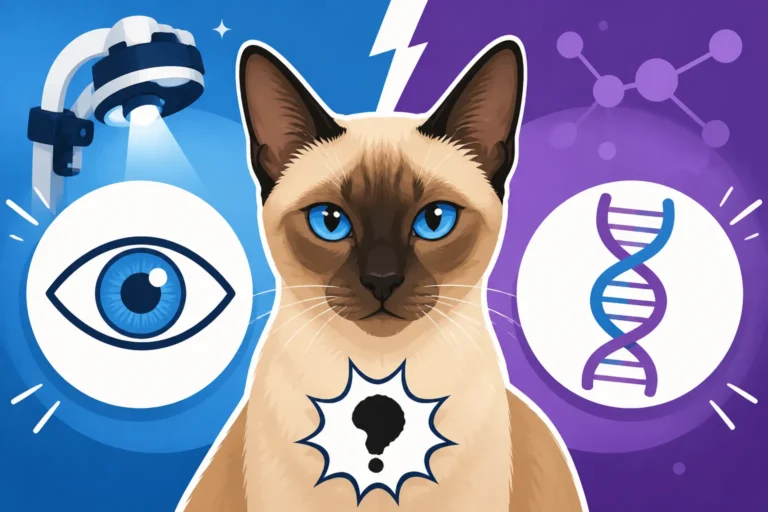
It's incredibly distressing to watch your beloved Siamese cat start to struggle with their vision, bumping into furniture, hesitating in dimly lit rooms, or just seeming generally disoriented. This can be a heartbreaking experience, especially when you suspect something serious might be at play. This comprehensive guide is here to shed light on Progressive Retinal Atrophy (PRA), a genetic eye condition that unfortunately affects many Siamese cats, explaining exactly what it does to their sight and how you can support them through it.
Understanding Progressive Retinal Atrophy (PRA) in Siamese Cats
Progressive Retinal Atrophy, or PRA, is a term that encompasses a group of genetic disorders affecting the retina, the light-sensitive tissue at the back of the eye. For Siamese cat owners, hearing this diagnosis can be terrifying, conjuring images of a sudden, irreversible loss of their cat's ability to see the world around them. Understanding what PRA truly means is the first step in navigating this challenging journey.
What Exactly is PRA?
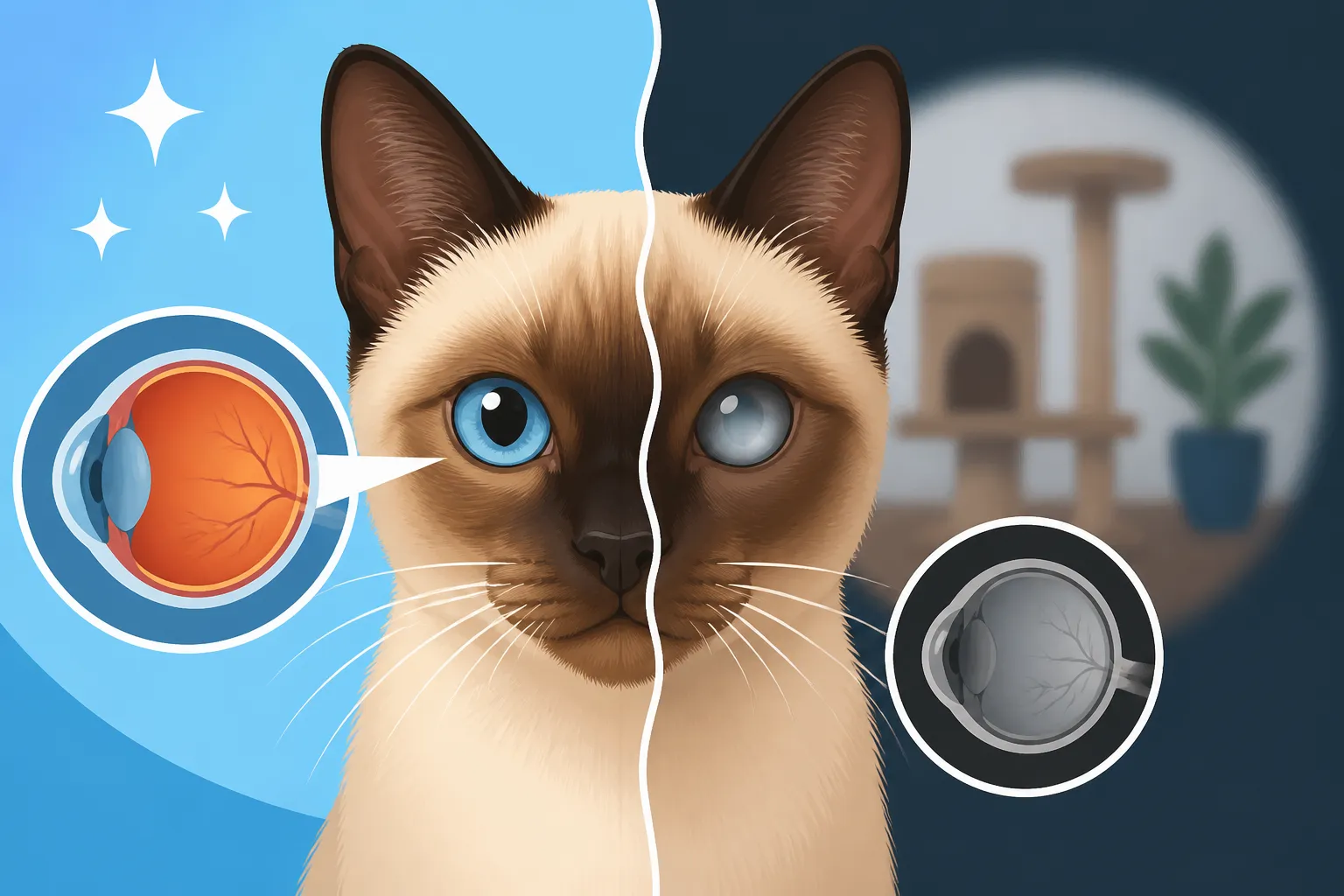
At its core, PRA is a degenerative disease. Think of your cat's retina as a tiny, intricate camera sensor. This sensor is packed with specialized cells called photoreceptors – rods and cones. Rods are responsible for vision in low light and detecting movement, while cones handle bright light vision and color perception. In cats with PRA, these vital photoreceptor cells don't function correctly or, over time, begin to deteriorate. It's a bit like a slow, insidious dimming of the lights, eventually leading to complete darkness.
Initially, the rods are often the first to be affected, which is why the earliest symptom owners usually notice is a loss of night vision. Your cat might become more hesitant to move around in the evening or refuse to go into dark rooms. As the disease progresses, the cones also begin to degrade, leading to a more profound loss of sight, including in daylight. This isn't a quick process, but a gradual one, and it's something that unfortunately cannot be reversed or cured with current veterinary medicine. The impact on a Siamese cat's vibrant personality, known for their keen observation and active play, can be particularly poignant for owners.
The Genetic Basis of PRA in Siamese Cats
One of the most frustrating aspects of PRA is its inherited nature. This isn't something your cat "catches" or that you could have prevented through diet or lifestyle. It's written in their genes. For Siamese cats specifically, a particular form of PRA, known as rod-cone dysplasia (rcd), has been identified. This means that a specific gene mutation is responsible for the disease. Typically, it’s an autosomal recessive condition, which means a cat needs to inherit two copies of the faulty gene (one from each parent) to develop the disease. A cat inheriting only one copy is considered a carrier; they won't develop PRA themselves, but they can pass the gene on to their offspring. This is why responsible breeding practices are so crucial.
The fact that it's genetic also means that even if a kitten appears perfectly healthy, they could carry the gene or be destined to develop PRA later in life. This hidden aspect makes it incredibly difficult for breeders and owners alike to feel confident about a cat's long-term eye health without proper screening. If you're looking into buying a Siamese, understanding Which Health Tests a Siamese Cat Breeder Runs is paramount, though it's important to remember that for some conditions, like some forms of PRA, testing can be complex. You might also want to explore Whether a PRA Carrier Siamese Cat Goes Blind.
Types of PRA Affecting Felines
While PRA is a broad term, in felines, and particularly in Siamese cats, specific types manifest differently. Beyond the general rod-cone degeneration, there are distinct categories based on the age of onset and the specific genetic mutation involved. Some forms are "early-onset," meaning kittens show signs of vision loss quite young, sometimes within their first year. Other forms are "late-onset," where a cat might live for many years with perfect vision before symptoms begin to appear, often in middle to senior age.
For Siamese cats, the rdAc mutation (a specific form of rod-cone degeneration) has been well-documented. This particular mutation causes the photoreceptor cells to develop abnormally and then degenerate over time. It’s important to note that while this specific mutation is often associated with the breed, not all Siamese cats will carry it, and there might be other, less common, genetic mutations at play causing similar symptoms. The specific mechanism of degeneration can vary, but the outcome for the cat is unfortunately the same: a gradual, irreversible loss of vision.
How PRA Progresses and Affects Vision
Watching a cat lose its sight is never easy. It's a slow, often insidious process, and because cats are masters at adapting and hiding their vulnerabilities, you might not even realize the full extent of their vision loss until it's quite advanced. Recognizing the stages of progression can help you intervene and make adjustments sooner, easing your cat's transition.
Early Signs and Night Blindness
The very first noticeable sign of PRA in a Siamese cat is almost always night blindness, also known as nyctalopia. This happens because the rod photoreceptors, which are essential for vision in dim light, are usually the first cells to be affected by the degeneration. Imagine trying to navigate your house in the dark without any vision aids – that's what your cat is experiencing. You might start noticing them bumping into furniture, walking more cautiously, or hesitating before jumping down from a sofa in the evenings. Their play habits might change, too; they might be less enthusiastic about chasing toys in low light or might struggle to find them.
Another subtle sign can be unusually dilated pupils, especially in normal or even bright light. The eyes are trying to compensate for the diminishing light-gathering capability of the retina by allowing more light in, much like opening the aperture on a camera in a dark setting. You might also notice a brighter "eyeshine" or tapetum lucidum reflection when light hits their eyes in the dark. This is because the retina is thinning, allowing more light to reflect off the underlying layers. Often, owners attribute these initial changes to their cat just getting older or being a bit clumsy, but if you have a Siamese cat, these are definite red flags that warrant a veterinary eye exam. You might be interested in learning about The Age a Siamese Cat First Loses Night Vision.
Progression to Daytime Vision Loss
As PRA progresses, the disease doesn't stop at night blindness. Eventually, the cone photoreceptors, responsible for daytime and color vision, also begin to degenerate. This is when the vision loss becomes much more profound and impacts your cat's daily life significantly. They might start struggling to see even in well-lit rooms. You could notice them walking with their head low to the ground, trying to use their whiskers and sense of smell to navigate. They might become startled more easily by sudden movements or noises, as they can no longer visually anticipate things.
Depth perception is another major casualty. Jumping on and off surfaces becomes risky, and they might misjudge distances, leading to falls or hesitant movements. Their once-confident strides might turn into a tentative shuffle. Grooming habits can sometimes change, too, as they might find it harder to see and clean certain areas. The timeframe for this progression varies wildly between individual cats and the specific type of PRA. Some cats lose all vision relatively quickly, within a year or two, while others might retain some limited vision for many years. It's an unpredictable journey, making regular vet check-ups important for monitoring. This is where pet insurance, like a plan from Healthy Paws, can be invaluable for covering ongoing diagnostic visits and specialist consultations.
Behavioral Changes as Sight Deteriorates
Beyond the physical signs, the emotional and behavioral impact of vision loss on a Siamese cat can be profound. Siamese cats are known for their intelligence, curiosity, and high energy. Losing their primary sense of exploring the world can be incredibly frustrating for them. They might become more clingy, seeking reassurance from their owners, or conversely, more withdrawn and less interactive. Anxiety and stress are common, manifesting as increased vocalization (the famous Siamese "meezer yowl" might become more frequent and distressed), changes in litter box habits, or even aggression if startled.
A cat that was once confident and playful might become hesitant and fearful, especially when introduced to new environments or if furniture is rearranged. They might sleep more, play less, and show signs of depression. It's crucial for owners to be highly observant of these changes and to provide a stable, predictable environment to help their cat cope. Their other senses, especially hearing and smell, will become heightened, and they will start relying on these more and more for navigation and understanding their surroundings. For more insights, you can read about How a Blind Siamese Cat Manages.
Diagnosing PRA in Your Siamese Cat
If you suspect your Siamese cat might be experiencing vision problems, getting a professional diagnosis is crucial. Early detection can help you prepare and make necessary adjustments to your home, ensuring your cat's safety and well-being as their sight diminishes. While there's no cure, understanding the condition allows for proactive care.
The Role of Veterinary Eye Exams
The journey to diagnosing PRA typically begins with a thorough veterinary eye exam. Your regular veterinarian can perform an initial assessment, looking for common signs like dilated pupils that don't respond normally to light, an abnormal tapetal reflection (the "eyeshine"), or changes in the structure of the retina visible through an ophthalmoscope. However, a definitive diagnosis often requires a visit to a veterinary ophthalmologist – a specialist in animal eye health. These specialists have advanced equipment, such as an indirect ophthalmoscope and slit lamp biomicroscope, which allow for a much more detailed examination of the retina and other eye structures.
The gold standard for diagnosing PRA and assessing retinal function is an electroretinogram (ERG). This non-invasive test measures the electrical responses of the retina's photoreceptor cells to light stimuli. Essentially, it records how well the rods and cones are "firing." A characteristic pattern of reduced or absent electrical activity on an ERG can confirm a diagnosis of PRA, even before clinical signs are obvious. An ERG can also help differentiate PRA from other conditions that might cause similar symptoms, and pinpoint What PRA Does to a Siamese Cat's Sight. These specialized tests can be costly, making a robust pet insurance policy like those offered by Healthy Paws a valuable asset. For additional information, consider reading Whether an Eye Exam Beats a DNA Test for a Siamese Cat.
Genetic Testing and Its Limitations
Given that PRA is a genetic condition, genetic testing plays a role in identification, particularly for breeders. For Siamese cats, a DNA test for the rdAc mutation is available from several veterinary genetic laboratories. This test involves a simple cheek swab and can determine if a cat is clear (does not carry the gene), a carrier (carries one copy but won't develop the disease), or affected (carries two copies and will likely develop PRA). This information is incredibly valuable for breeders looking to make informed decisions and prevent passing the gene to future generations. You can learn more about Which Lab Runs the Siamese Cat PRA Test.
However, it’s important to understand the limitations of genetic testing. While the rdAc test is specific to a known mutation in Siamese cats, not all forms of PRA are caused by this single mutation. A cat could test clear for rdAc but still develop a different, as-yet-undiscovered form of PRA. Therefore, a clear genetic test for rdAc does not guarantee a cat will never develop any form of PRA. Furthermore, while the test can identify cats likely to develop the disease, it doesn't predict the exact age of onset or rate of progression. For definitive diagnosis in a symptomatic cat, especially for treatment planning, a clinical eye exam and ERG remain paramount. It's a complex topic, and understanding Whether the rdAc DNA Test Works on a Siamese Cat is key.
Differentiating PRA from Other Eye Conditions
One of the reasons a specialized veterinary ophthalmologist is so important is their ability to differentiate PRA from other eye conditions that might present with similar symptoms. For instance, cataracts can also cause vision loss, but they involve clouding of the lens, not retinal degeneration. Glaucoma, a condition characterized by increased pressure within the eye, also causes pain and vision loss, but the underlying mechanism and treatment are entirely different. Nutritional deficiencies, certain infections, or even trauma can also affect a cat's vision.
A thorough eye exam, coupled with diagnostic tools like the ERG and potentially other tests like blood work to rule out systemic diseases, helps the specialist arrive at an accurate diagnosis. Misdiagnosis could lead to inappropriate or ineffective treatments, delaying proper care and causing unnecessary distress for your cat. The precise diagnosis of PRA, particularly in a Siamese cat, allows owners to manage expectations, make appropriate home modifications, and focus on supportive care tailored to their cat's specific needs.
Here's a quick comparison of common vision issues:
| Condition | Primary Cause | Key Symptoms | Treatment/Management | Prognosis for Vision |
|---|---|---|---|---|
| Progressive Retinal Atrophy | Genetic degeneration of photoreceptors | Night blindness, dilated pupils, progressive daytime loss | No cure; supportive care, environmental adaptation | Irreversible blindness |
| Cataracts | Clouding of the eye's lens | Cloudy appearance in pupil, blurred vision, night vision issues | Surgical removal (if suitable); visual aids | Can be reversible with surgery |
| Glaucoma | Increased pressure inside the eye | Pain, redness, cloudy cornea, dilated pupil, vision loss | Medications to reduce pressure, sometimes surgery | Vision loss often irreversible; painful |
| Retinal Detachment | Retina separates from underlying layers | Sudden vision loss, dilated pupil | Surgical reattachment (complex, not always successful) | Variable, depends on severity/timing |
| Nutritional Deficiency | Lack of taurine (essential amino acid) | Dilated pupils, poor night vision, heart issues | Dietary supplementation | May be reversible if caught early |
Living with a Siamese Cat Affected by PRA
Receiving a diagnosis of PRA for your Siamese cat can feel overwhelming. The thought of your vibrant companion losing their sight is heartbreaking. However, it's crucial to remember that blindness is a disability, not a death sentence, and cats are incredibly resilient. With thoughtful adjustments and plenty of love, your Siamese can continue to live a full and happy life.
Adapting Your Home Environment
The most immediate and impactful way to help a blind or vision-impaired Siamese cat is to adapt their home environment to ensure their safety and ease of navigation. The golden rule here is consistency. Once your cat has mapped out their surroundings using their other senses, avoid moving furniture or their essential items. Their food bowls, water fountain, and litter boxes should always remain in the same, easily accessible locations. For instance, if your cat's litter box is typically in a quiet corner of the kitchen, make sure it stays there indefinitely.
Blocking off potential hazards is also vital. Staircases can be dangerous, so consider using baby gates at the top and bottom. Sharp corners on furniture might need padding, and any small, easily moved objects should be kept off the floor to prevent tripping. Adding tactile cues, like small rugs or mats with different textures, near key areas like their food bowl or litter box can help them orient themselves. While they may still love to climb, consider making favorite elevated spots safer with ramps or by ensuring a clear, consistent pathway. Even something as simple as making sure their favorite window perch is always clear and easily reachable can make a huge difference. You can also explore specific tips on How to Rearrange a Home for a Blind Siamese Cat.
Maintaining Routine and Emotional Well-being
Cats thrive on routine, and for a blind Siamese, routine becomes their anchor in a world they can no longer see. Stick to consistent feeding times, playtimes, and even cuddle sessions. Predictability helps reduce anxiety and builds confidence. When you approach your cat, speak to them softly first so they know you're there and aren't startled. Touch them gently from the front or side rather than directly from above.
Enrichment is still incredibly important. While visual toys are out, engage their other heightened senses. Toys that crinkle, jingle, or contain catnip are excellent. Puzzle feeders that rely on scent can provide mental stimulation. Scented toys or blankets can help them locate their favorite sleeping spots. Spending quality time with your cat, through petting, talking, and gentle play, reinforces your bond and helps them feel secure and loved. Don't underestimate the power of your presence and calm demeanor in soothing their anxieties. Remember, their world is now one of sound, scent, and touch, and you are a huge part of their reassurance.
Support and Resources for Owners
Navigating life with a blind cat can be challenging, both practically and emotionally. You're not alone. There are numerous online communities and support groups for owners of blind or special needs cats. These forums offer a wealth of practical advice, emotional support, and shared experiences that can be incredibly comforting. Local veterinary clinics might also be able to connect you with resources or support networks in your area.
Don't hesitate to lean on your veterinary team, particularly if you've seen a veterinary ophthalmologist. They can offer advice on management strategies, monitor for secondary issues, and provide guidance on maintaining your cat's overall health. Learning about The Age a Siamese Cat Is Considered Senior, for instance, can help you prepare for age-related changes alongside vision loss. Additionally, considering pet insurance, such as Healthy Paws, early in your cat's life can provide a financial safety net for specialized diagnostic tests, follow-up appointments, or any unforeseen health issues that may arise as a result of their condition. It allows you to focus on care rather than cost during a stressful time.
The Outlook and Prevention
While a diagnosis of PRA in a Siamese cat is undeniably serious, it's important to understand the overall prognosis and, perhaps even more critically, how future cases can be prevented through responsible breeding practices. There's no cure for PRA, but understanding the disease empowers owners to provide the best quality of life.
Prognosis and Quality of Life
The unfortunate truth about PRA is that it's a progressive, irreversible condition, meaning there is no cure, and vision loss will continue until complete blindness. However, the good news is that PRA itself is not painful. While the degeneration of the retina is happening, your cat isn't experiencing physical discomfort from the disease process itself. The biggest challenge is the impact on their ability to navigate and interact with their environment. Most cats, including Siamese cats, are remarkably adaptable. Their other senses – hearing, smell, and touch (especially through their whiskers) – become incredibly acute, compensating for the lack of sight.
Many blind cats continue to live long, happy, and fulfilling lives. Their quality of life largely depends on the care and environment provided by their human companions. A stable, safe home, consistent routines, interactive play that engages their other senses, and plenty of affection can ensure they remain confident and content. The main health concerns become secondary issues related to accidental injuries from bumping into things or potential stress-related behaviors. Regular veterinary check-ups are still crucial to monitor overall health and address any emerging issues promptly.
The Importance of Responsible Breeding Practices
Since PRA is a genetic disease, prevention lies squarely in the hands of responsible breeders. The availability of DNA tests for specific PRA mutations, like the rdAc in Siamese cats, means that breeders can and should screen their breeding stock. Knowing a cat's genetic status (clear, carrier, or affected) allows breeders to make informed decisions to avoid producing affected kittens. A carrier cat, while not affected itself, can pass the gene to its offspring. Therefore, breeding two carriers together, or a carrier with an affected cat, significantly increases the likelihood of producing kittens that will eventually go blind.
Reputable breeders will openly share the genetic test results of their breeding cats and might even explain their breeding strategy to minimize genetic diseases. If you're considering getting a Siamese kitten, always ask about health screenings, particularly for eye conditions. This also ties into understanding What a Siamese Cat Breeder Should Have Screened. While there is No DNA Test for Siamese Cat Amyloidosis, for PRA, there are tools available. Choosing a breeder who actively tests for genetic conditions like PRA is one of the most powerful ways to support the long-term health and well-being of the breed and reduce the incidence of this heartbreaking condition.
Future Research and Hope
While there's no cure for PRA currently, the field of veterinary ophthalmology and genetic research is constantly advancing. Scientists are continuously working to identify new genetic markers for various forms of PRA, understand the disease mechanisms more thoroughly, and explore potential therapies. Gene therapy, for example, is a promising area of research that aims to replace or repair faulty genes in the retina, potentially halting or even reversing the degeneration process in the future. Stem cell therapy is another avenue being explored.
Though these advanced treatments are not yet widely available for pet cats with PRA, ongoing research offers hope for future generations. For now, the focus remains on early diagnosis, responsible breeding to reduce the prevalence of the disease, and providing exceptional supportive care to ensure affected cats live their best possible lives. As owners, staying informed and supporting ethical breeding practices is our contribution to a healthier future for the Siamese cat breed.
Disclaimer
This article is intended for informational purposes only and does not constitute veterinary advice. Always consult with a qualified veterinarian or veterinary ophthalmologist for any health concerns or before making any decisions about your pet's care.