How to Rearrange a Home for a Blind Siamese Cat
It’s truly heart-wrenching when you realize your beloved Siamese cat, once so agile and observant, is starting to struggle with their vision. The world they’ve always known becomes a confusing, sometimes frightening, place, and as their human, you feel a deep responsibility to make their home safe and navigable again. This guide is here to walk you through exactly how to rearrange and adapt your living space to help your blind Siamese cat thrive, ensuring they maintain their confidence and comfort.
Understanding Your Blind Siamese Cat's World
The idea of your cat losing its sight can feel overwhelming, but remember that cats are incredibly adaptable creatures, and their other senses are much more developed than ours. Your Siamese cat relies heavily on a mental map of their territory, built through scent, touch, and sound, long before their vision completely fades.
How Vision Loss Affects a Siamese Cat
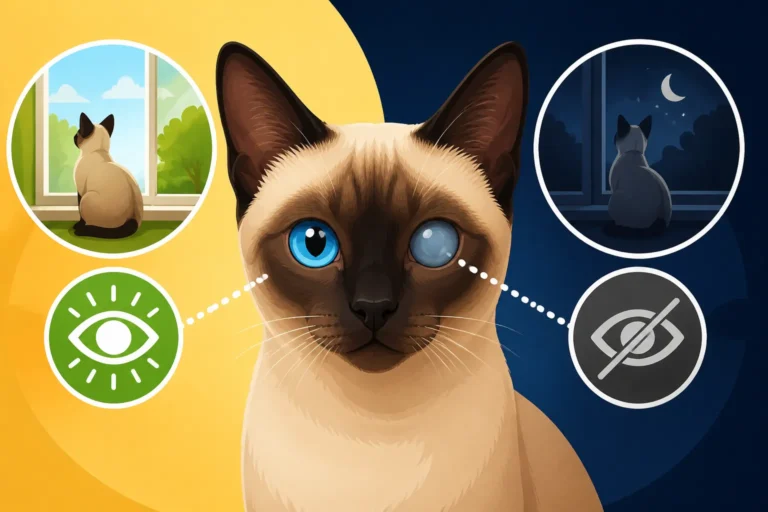
When a Siamese cat begins to lose its vision, it’s not usually an overnight event. Often, it's a gradual process, allowing them time to adjust and compensate. Initially, you might notice subtle changes: a little more hesitation before jumping, bumping into objects in dim light, or becoming more vocal as they navigate unfamiliar spaces. This can be due to conditions like progressive retinal atrophy (PRA), which can lead to a gradual decline in vision, often starting with night blindness. You might find yourself wondering at what age a Siamese cat with PRA goes blind, and while it varies, understanding this progression helps you prepare.
Their keen hearing becomes even sharper, picking up on the subtle sounds of your movements, the refrigerator humming, or the outdoor world. Their sense of smell, already a powerful tool, becomes their primary way of identifying people, other pets, and marking their territory. They rely on the unique scent profile of your home – the smell of your couch, their favorite bed, or even the distinct aroma near their food bowl. And their whiskers, those incredible sensory tools, become like tiny antennae, detecting nearby objects and helping them judge distances. They might start using their paws more to "feel" their way, tapping gently before stepping. It's a testament to their resilience, but it can be unnerving to witness, and you might feel a pang of guilt that you can't simply "fix" it.
Early Signs of Vision Impairment
Recognizing the early signs of vision impairment in your Siamese cat is crucial, not just for their safety, but for easing their transition. Cats are masters at hiding discomfort and weakness, a survival instinct that means you really have to pay attention. One of the first things you might notice is a change in their confidence, especially in new or dimly lit environments. They might hesitate at the top of stairs or avoid jumping onto their usual perch. You might see them bumping into furniture they’ve navigated flawlessly for years. Perhaps they're a little clumsier during playtime, missing toys they used to bat with precision.
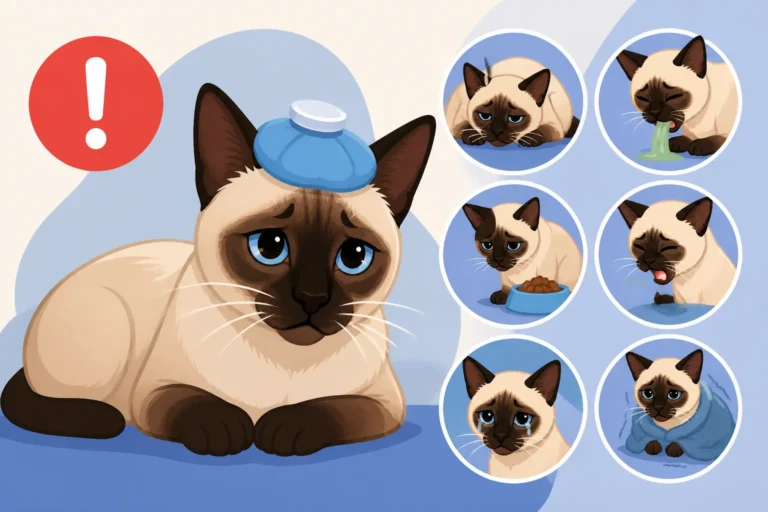
You might also observe changes in their eyes themselves, though this isn't always indicative of the severity of their vision loss. Their pupils might appear dilated more often, or they might seem a bit cloudy. If you suspect any vision issues, a trip to the vet is essential. They can perform an eye exam to confirm the diagnosis and rule out other underlying health issues. Sometimes, an eye exam beats a DNA test for a Siamese cat when it comes to immediate diagnosis of vision problems. Don't dismiss these early warning signs; they're your cat's way of telling you something is amiss, and prompt action can make a world of difference.
Creating a Safe and Predictable Environment
The cornerstone of supporting a blind Siamese cat is predictability. Their world becomes a mental map, and every shift in that map can cause confusion and anxiety. Your goal is to make their environment as stable and sensory-rich as possible.
Furniture Placement and Obstacle Removal
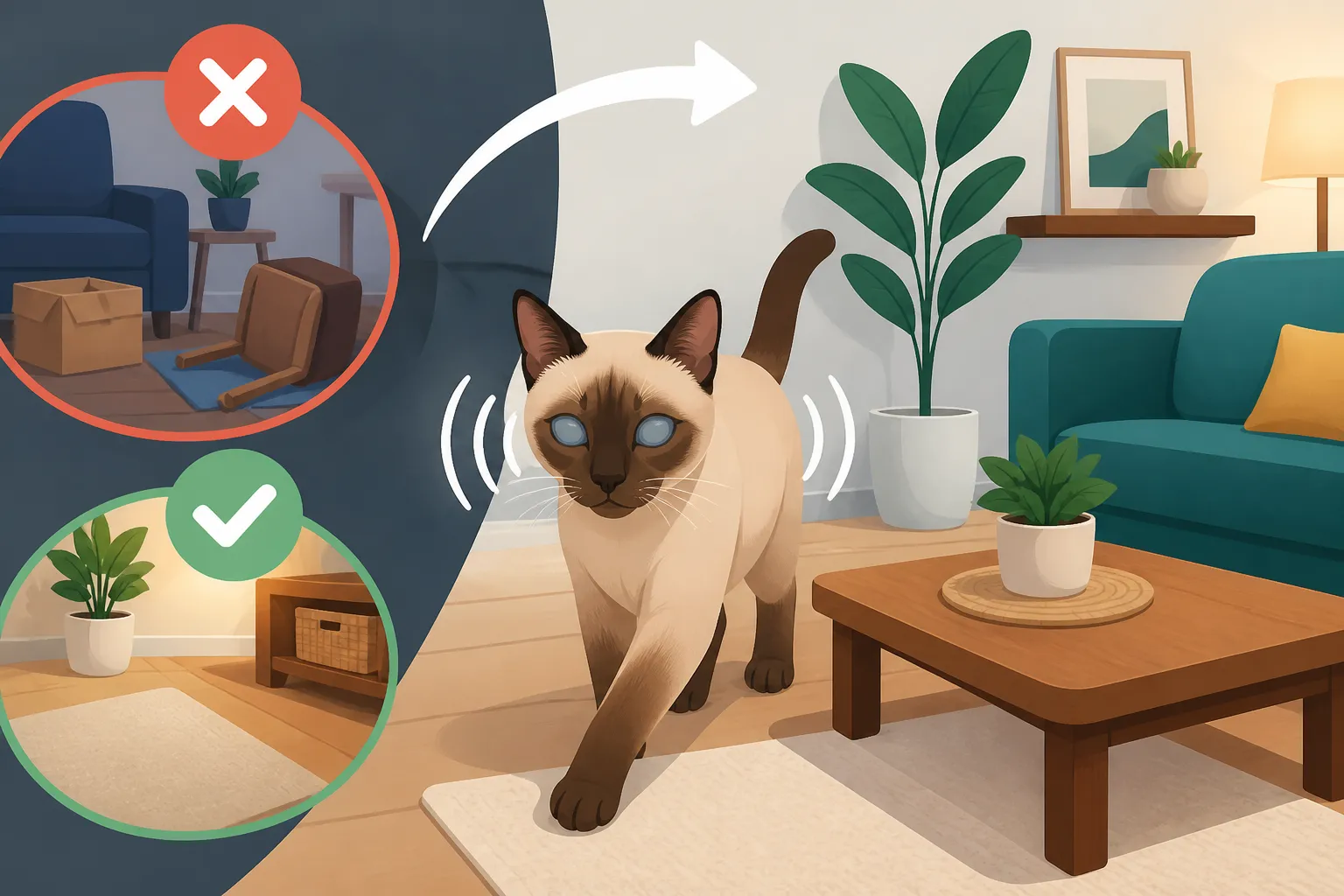
This is where the real work begins, and it's less about a grand overhaul and more about thoughtful consistency. The absolute golden rule for a home with a blind Siamese cat is: do not rearrange your furniture. Once they've built their mental map, moving a chair even a few inches can send them into a spiral of confusion and frustration, leading to unnecessary bumps and falls. Imagine navigating your own home in complete darkness after someone has subtly shifted everything – it's disorienting.
If you absolutely must move something, do it slowly and gradually, or better yet, avoid it if possible. Consider anchoring furniture that might be easily bumped or toppled, especially if your Siamese is a bit of a daredevil. Small, easily moved objects like laundry baskets, shoes, or children's toys become serious tripping hazards for a cat who can't see them. Make it a household rule that these items always return to their designated spots. Pay special attention to sharp corners or edges on furniture. While you don't need to wrap your entire house in bubble wrap, consider placing soft covers or bumpers on particularly hazardous spots where your cat might frequently brush against. For instance, the sharp edge of a coffee table can be brutal if they misjudge their turn.
Furthermore, ensure stairways are well-marked with a distinct rug at the top and bottom if they must use them, and consider blocking access to particularly dangerous flights of stairs if your cat struggles with them. It’s also wise to keep litter boxes, food, and water in consistent locations that are easy to access. A stable environment provides a profound sense of security for your visually impaired friend.
| Potential Household Hazard | Recommended Solution |
|---|---|
| Moved Furniture | Maintain consistent furniture layout; if moves are essential, do them gradually and introduce scent markers. |
| Small, Loose Objects | Establish a "no clutter" policy on floors, especially in high-traffic cat areas. Use storage bins. |
| Sharp Furniture Corners | Install child-safe corner protectors or soft padding on exposed sharp edges. |
| Open Doors/Windows | Keep internal doors consistently open or closed. Use child locks on windows to prevent accidental falls. |
| Stairways | Consider baby gates or distinct textured runners at top/bottom; supervise use or limit access if significant risk. |
| Area Rugs with Fringes | Secure fringes or remove rugs that could cause trips; ensure all rugs have non-slip backing. |
| Dangling Cords (Blinds, Electronics) | Secure all cords to walls or furniture; consider cord covers to prevent tangling or chewing. |
| New Pet Toys/Beds | Introduce new items slowly, allowing your cat to sniff and explore them without startling them. |
| Unfamiliar Guests | Alert guests to your cat's blindness and ask them to move slowly and speak softly, avoiding sudden movements or loud noises. |
Navigational Aids and Sensory Markers
Beyond simply keeping things static, you can actively introduce elements that enhance your Siamese cat's other senses, turning your home into a navigable sensory wonderland for them. Scent is a powerful tool. Try placing distinct, safe scents near important landmarks. A drop of vanilla essence on a cotton ball near their food bowl, a specific catnip spray on their favorite sleeping spot, or a citrus-scented cleaning product only used around their litter box can create a consistent olfactory map. Just be sure to use scents that are safe for cats and not overwhelming.
Texture also plays a significant role. Small, distinctive rugs or mats placed before a doorway, at the base of stairs, or leading to their feeding station can act as tactile markers. Your cat will learn to associate the feel of the rug under their paws with an upcoming change in their path or a specific destination. You might use a bumpy mat before their food bowl and a shaggy one near their litter box. Sound can also be utilized. Consider a small, quiet wind chime near a preferred window perch (if it's safe for them to access) or a soft-ticking clock near their bed. Some owners even attach small bells to their own shoes or to other pets to help their blind cat track them. However, be mindful not to create too much noise, as this can be overstimulating. The goal is subtle, consistent cues that help them orient themselves, not a sensory overload. Think of it as creating an invisible GPS system just for them.
Essential Adaptations for Daily Living
Making everyday routines easy and stress-free for your blind Siamese cat is paramount. This involves thoughtful placement and selection of their essential items, as well as adapting how you engage with them.
Food, Water, and Litter Box Stations
Consistency here is key. Food and water bowls should always be in the exact same spot, every single day. If you usually move them for cleaning, always return them to the identical position. For water, consider a pet fountain that provides a consistent sound cue, helping your Siamese locate it more easily. Some cats prefer ceramic bowls, which are heavier and less likely to slide around, providing stability. You might even place a mat with a distinct texture underneath the bowls so they feel it before they reach their dinner. Remember, How a Siamese cat finds the litter box is largely through memory and scent, so don't change its location!
For litter boxes, the "more is better" rule still applies, and ensuring they are easily accessible and never moved is critical. Imagine the distress of needing to go and not being able to find your toilet. Place them in quiet, low-traffic areas where your cat won't be startled. A simple, uncovered litter box might be better than a hooded one, as it reduces potential confusion about entry and exit. Some blind cats prefer a slightly lower-sided box as they might step over the edge rather than looking for an opening. Keeping the litter itself consistent – same brand, same type – helps maintain a familiar scent profile. Changing things up here can lead to accidents and distress, which is the last thing anyone wants.
Playtime and Enrichment
Just because your Siamese cat can't see doesn't mean they can't play! Their need for mental and physical stimulation remains incredibly strong, perhaps even more so as they adapt. The trick is to engage their other powerful senses. Toys that make noise are fantastic: crinkle balls, bells inside plush toys, or toys that emit a scent like catnip-filled mice. Interactive wand toys are still great, but instead of visually guiding it, you'll use the sound and movement of the toy on the floor to attract their attention. Drag a feather wand across a textured rug so they can feel the vibrations and hear the rustle.
Puzzle feeders are also wonderful tools for enrichment, engaging their sense of smell and problem-solving skills without relying on sight. You can hide treats in various places around a familiar room, calling their name gently to guide them, turning it into a scent-based treasure hunt. Don't forget the power of your own voice and touch. Regular petting, grooming, and gentle vocal interaction provide comfort and security. Consider supervised outdoor time in a secure catio, which can provide a wealth of new scents and sounds without the visual hazards of the wider world. Even without sight, a Siamese cat's world can remain rich and full of joy with a little creativity and effort.
Ongoing Care and Emotional Support
Caring for a blind Siamese cat is a journey, not a destination. There will be days of triumph and days of frustration, but with patience and consistent care, your cat can live a full and happy life.
Introducing New Items or Changes
Even in a meticulously maintained home, new items or necessary changes will inevitably arise. The key is a slow, deliberate introduction. Never just drop a new piece of furniture or a large box into your cat's path. Instead, bring the new item into the home and let it sit in a neutral area, allowing your cat to approach it at their own pace. Place it in the intended spot only after they've had a chance to sniff and explore it on their terms.
When placing it, perhaps position it in a corner or against a wall, rather than in the middle of a familiar pathway. Use positive reinforcement: gentle praise, treats, and reassuring words as they investigate. If you're bringing home a new bed, rub it with a blanket that smells like them to make it more inviting. Think about how you would introduce a new scent marker; the same principles apply. Any change, no matter how small, can cause anxiety, so your calm and reassuring presence is vital. Remember that while a Siamese cat might live to be fifteen to twenty years, their needs change as they age and if their senses decline.
Travel and Vet Visits
Traveling with a blind Siamese cat requires extra preparation to minimize stress. Their carrier should be a familiar, comforting space, not just something that appears when a scary trip is imminent. Leave it out in the home with soft bedding inside, perhaps with a treat or a favorite toy, so they associate it with positive experiences. When you do travel, cover the carrier with a blanket to reduce visual stimulation (even if they can't see, the light changes can be disorienting) and muffle sounds. Talk to them soothingly throughout the journey.
Vet visits are particularly stressful for any cat, but especially so for a blind one. The unfamiliar sounds, smells, and handling can be terrifying. Inform the veterinary staff about your cat's blindness ahead of time so they can be extra gentle and understanding. Ask for a quiet waiting area or if you can wait in your car until it's your turn. During the exam, keep reassuring your cat with your voice and touch. Good pet insurance, such as a plan from Healthy Paws, can certainly help ease the financial burden of regular check-ups or unexpected emergencies that might arise from their condition. They might need more frequent check-ups to monitor their overall health, so knowing how a Siamese cat behaves at the vet and how to prepare is important. Regularly scheduled wellness exams become even more crucial to catch any other developing health issues early.
A blind Siamese cat can lead a wonderfully rich and fulfilling life with your thoughtful assistance. It's about adapting your home and routines with empathy, patience, and a deep understanding of their unique needs, creating a safe, predictable, and loving environment where they can continue to thrive.
Disclaimer
This article is intended for informational purposes only and does not constitute veterinary advice. Always consult with a qualified veterinarian regarding your Siamese cat's health and any specific conditions or treatments.