Whether a Blind Siamese Cat Needs a Companion
When your beloved Siamese cat loses their sight, a whole new world of questions and concerns opens up. You worry about their safety, their ability to navigate, and perhaps most profoundly, whether they’ll feel lonely or isolated in their suddenly darker world. It’s a heartbreaking situation for any owner, and naturally, you want to do everything possible to ensure their happiness and well-being. This comprehensive guide will delve deep into the topic of companionship for blind Siamese cats, exploring the benefits, challenges, and practical steps to consider if you're thinking about adding another feline friend to their life.
Understanding Your Blind Siamese Cat's World
The shift to blindness is profound for any animal, and for a highly intelligent and sensitive breed like the Siamese, it brings a unique set of adjustments. It's only natural to wonder how they cope and what their new reality truly entails.
The Unique Sensory Experience of a Blind Siamese
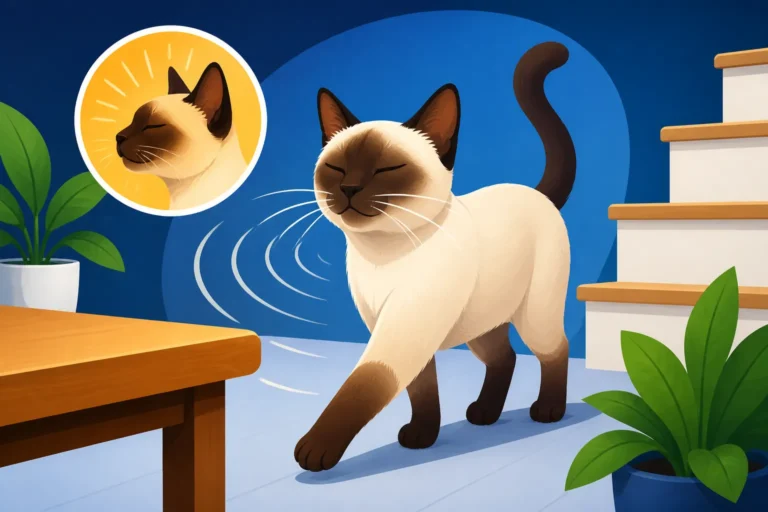
It's a common misconception that losing sight means a cat's world becomes completely dark and empty. In reality, cats are incredibly adaptable creatures, and their other senses often become heightened to compensate for the loss of vision. For a Siamese, known for their vocalizations and intense connection with their humans, this adaptation can be quite remarkable. They start to rely far more heavily on their hearing, using subtle sounds to map their environment and detect movement. Their sense of smell, already keen, becomes a crucial navigation tool, helping them identify familiar objects, people, and the boundaries of their territory.
Perhaps most fascinating is their use of whiskers and their tactile sense. A blind Siamese will "read" its surroundings with its whiskers, feeling for obstacles and changes in air currents. Their memory is also powerful; once they've learned a layout, they can navigate it with surprising confidence, as long as furniture isn't constantly rearranged. This means maintaining a consistent home environment is absolutely paramount for a blind cat's confidence and safety. Think about How a Blind Siamese Cat Manages to move around and how their internal maps become their new vision. While their world might be different, it's far from devoid of sensory input. They learn to interpret these other signals with incredible precision, constructing a rich, if different, understanding of their home.
Signs Your Blind Siamese Might Be Lonely or Stressed
Despite their incredible adaptability, a blind Siamese cat can absolutely experience loneliness or stress, especially given their inherently social nature. Siamese cats are famous for their strong bonds with their human companions and often thrive on interaction and communication. When their ability to visually track and interact is compromised, it can leave a void. If your blind Siamese is feeling isolated, they might start exhibiting certain behaviors that signal distress.
One of the most obvious signs is excessive vocalization. While Siamese cats are known for being chatty, an increase in their characteristic "Meezer yowl" or persistent, mournful meows, particularly when you're not actively engaging with them, could indicate loneliness. They might seem more clingy, constantly wanting to be near you, or conversely, they might withdraw and become lethargic, sleeping more than usual and showing less interest in play. Changes in appetite – eating less or, paradoxically, eating more out of boredom or anxiety – are also red flags. Furthermore, stress can manifest in physical ways, such as overgrooming (leading to bald patches, a condition known as psychogenic alopecia), or even inappropriate urination or defecation outside the litter box. It’s vital to recognize these cues; they're not just being "difficult" but are genuinely struggling with their emotional well-being. Keeping an eye out for these Signs a Siamese Cat Is Lonely can help you determine if companionship might be beneficial.
The Case for Companionship: Benefits and Considerations
The idea of adding another cat to the household when one is already vulnerable can feel daunting, but for many blind Siamese cats, a well-chosen companion can be a true blessing.
How Another Cat Can Enhance a Blind Siamese's Life
A carefully selected feline companion can offer a multitude of benefits for a blind Siamese cat. First and foremost, they provide comfort and security. Just having another warm body nearby, the scent of a friend, or the gentle rumble of a purr can significantly reduce feelings of anxiety and isolation. The companion cat can act as a kind of "seeing-eye" guide, subtly leading the blind cat around the house by sound or scent. Many owners observe their sighted cat waiting for their blind friend or gently nudging them in the right direction. This isn't just anecdotal; cats often form incredibly strong bonds, and the sighted cat can become a source of confidence for their sight-impaired buddy.
Beyond guidance, a companion can provide much-needed play and mental stimulation. While a blind cat's play might look different, they still need to exercise their hunting instincts and engage their minds. A gentle playmate can initiate games that rely on sound or scent, keeping the blind cat active and entertained. Think of it as enriching their world in a way a human sometimes cannot fully replicate. The presence of another cat can also help maintain routines, offering a sense of normalcy and stability that is incredibly reassuring to a creature whose world has changed so dramatically. Ultimately, a good companion can significantly improve a blind Siamese's quality of life, filling the emotional gaps left by their vision loss and helping them feel less alone.
Potential Challenges and How to Mitigate Them
While the benefits of companionship are clear, it’s crucial to acknowledge that introducing a new cat, especially to a vulnerable blind one, isn't without its potential pitfalls. The last thing you want to do is add more stress to your blind Siamese's life. One significant risk is incompatibility. If the new cat is too boisterous, dominant, or aggressive, it can overwhelm and frighten your blind Siamese, leading to increased anxiety, withdrawal, or even defensive aggression from the blind cat. Imagine being unable to see a threat approaching – it's a terrifying prospect. Resource guarding (over food, water, litter boxes, or favorite sleeping spots) can also become an issue, particularly if the blind cat struggles to find these essentials or feels pushed out.
To mitigate these challenges, careful planning and a slow, patient introduction process are absolutely essential. Never just "throw them in together" and hope for the best. You need to create separate safe spaces for each cat initially, allowing them to acclimate to each other's scents before any visual contact. Supervised interactions, kept short and positive, are key. Ensure there are always more resources than cats – multiple litter boxes, food bowls, water stations, and resting spots – to prevent competition. Observing their body language is paramount; look for signs of relaxation, curiosity, or discomfort. If you're wondering How to Introduce a Siamese Cat to a Resident Cat, remember that slow and steady wins the race, and patience is your greatest tool. It might take weeks or even months, but the goal is a harmonious co-existence, not instant friendship.
Choosing the Right Companion for Your Blind Siamese
Making the decision to bring another cat into your home for your blind Siamese is a big step, and choosing the right companion is paramount to its success. It’s not just about finding any cat; it’s about finding the right cat.
Ideal Companion Traits and Temperaments
When looking for a companion for your blind Siamese, temperament is everything. You're not just looking for a playmate; you're looking for a gentle, understanding, and reassuring presence. The ideal companion cat should be calm, confident, and perhaps a little on the submissive side. An overly dominant or aggressive cat will likely terrorize your blind Siamese, making them feel unsafe in their own home. A confident cat, however, can provide a steady presence, acting as a "seeing eye" guide without being pushy. They should be comfortable in their own skin and not easily stressed by the blind cat's potentially unusual movements or vocalizations.
Age is another critical factor. A kitten, while adorable, might be too energetic and playful for an adult blind cat, potentially overwhelming them. However, a kitten growing up with a blind cat may naturally learn to be gentle and accommodating. Conversely, a calm, older cat with a laid-back personality might be a perfect match, offering quiet companionship without too much stimulation. Consider rescue organizations like the Siamese Cat Rescue Center or local shelters, as they often have a good understanding of their cats' personalities and can help you find a suitable match. When thinking about Which Companion Suits a Siamese Cat, you might consider another Siamese if you love the breed's personality and they tend to get along well with their own kind, but a different breed known for its calm demeanor could also be an excellent choice. The goal is to find a cat that complements your blind Siamese's needs, offering comfort and security without adding stress.
When a Human Companion (or other pet) is Enough
It's important to remember that not every blind Siamese cat needs another feline companion. Many blind cats, especially those who maintain a very strong bond with their human family, can thrive perfectly well with increased human interaction and environmental enrichment. Siamese cats are deeply people-oriented, and if you are able to dedicate more time to them – through gentle play, consistent cuddles, and plenty of verbal reassurance – you might find that their emotional needs are fully met. Interactive toys that make sounds, puzzle feeders that engage their sense of smell and touch, and a consistent daily routine can all go a long way in keeping a blind Siamese mentally stimulated and happy.
In some rare cases, a very calm, cat-friendly dog could also serve as a companion, but this requires extreme caution and a very specific dog temperament. Dogs, with their louder movements and different play styles, can easily overwhelm or frighten a blind cat. This path should only be considered with professional guidance and if the dog has a proven history of being gentle and respectful with cats. Ultimately, the decision about companionship should always center on your individual cat's personality and comfort level. If you're consistently present, providing love and engagement, your blind Siamese may feel perfectly secure and cherished. And for any unexpected vet visits, perhaps due to stress-related issues or general health check-ups, having a comprehensive pet insurance plan like those offered by Healthy Paws can provide immense peace of mind. They can help cover those unforeseen costs, letting you focus on your cat's well-being.
Practical Steps for Introducing a Companion Cat
Bringing a new cat into a home with a blind Siamese requires a delicate approach. Patience, foresight, and a keen eye for your cats' reactions are your best allies.
The Gradual Introduction Process
Introducing a sighted companion to a blind Siamese is a process that absolutely cannot be rushed. The key is gradual, positive exposure, allowing both cats to adjust at their own pace. Start by confining the new cat to a separate room, complete with its own litter box, food, water, and bedding. This gives both cats time to acclimate to each other's scent without any stressful visual interaction. Scent swapping is your first crucial step: take a blanket or towel that smells like one cat and place it in the other's area. Repeat this for several days, allowing them to associate the new scent with positive experiences (like receiving treats).
Once they seem comfortable with each other's scents, you can move to supervised, brief visual introductions. Use a baby gate or crack a door slightly open for short periods, always with you present to monitor their reactions. Keep these initial meetings very short – just a few minutes – and end on a positive note. Offer high-value treats to both cats during these times to create positive associations. Never force interaction. Look for signs of relaxation (slow blinks, relaxed body posture) and signs of stress (hissing, growling, flattened ears, puffed tails). If things are going well, you can gradually increase the duration and frequency of these supervised visits. The goal is for them to feel safe and secure in each other's presence. Remember, consistency and positive reinforcement are critical throughout this delicate period.
Setting Up Your Home for Two Cats, One Blind
Preparing your home environment is just as important as the introduction process itself, particularly when one cat is blind. For your blind Siamese, consistency is sacred. Avoid rearranging furniture once they have mapped out their territory, as this can cause immense anxiety and confusion. When you introduce a second cat, you'll need to double up on resources and strategically place them.
Ensure you have at least one litter box per cat, plus one extra, and place them in easily accessible, consistent locations that your blind Siamese already knows. The same goes for food and water bowls. Consider using raised bowls for your blind cat to make eating more comfortable and less disorienting. Create multiple safe, elevated resting spots for both cats, ensuring your blind Siamese can easily reach theirs without needing to jump too high or navigate complex obstacles. Vertical space is still important for cats, but your blind cat will need gentle ramps or stairs rather than precarious ledges. Consider soft, audible toys for your blind Siamese, and ensure the companion has plenty of outlets for their energy that don't constantly involve pouncing on the blind cat. Adding a second cat can be a significant change, and unexpected health issues or difficulties during the adjustment period are always a possibility. Having pet insurance from a reliable provider like Healthy Paws can truly alleviate financial stress, ensuring you can prioritize your cats' health without worrying about the bill. For more ideas on how to optimize your living space, you can also explore tips on How to Rearrange a Home for a Blind Siamese Cat.
Here’s a quick overview of the pros and cons of getting a companion for your blind Siamese:
| Feature | Pros of a Companion | Cons of a Companion |
|---|---|---|
| Emotional Well-being | Reduces loneliness, provides comfort and security, decreases anxiety. | Potential for increased stress, fear, or withdrawal if compatibility is poor. |
| Physical Activity | Encourages play, provides gentle stimulation, helps maintain activity levels. | Overly energetic playmate might overwhelm or accidentally injure the blind cat. |
| Navigation & Guidance | A sighted companion can act as a "seeing eye" guide, leading the blind cat around. | Companion might be too boisterous or lead the blind cat into unsafe situations. |
| Mental Stimulation | Offers social interaction, new scents, and sounds, enriching their daily life. | A dominant companion could create constant tension, leading to mental distress. |
| Cost & Resources | No direct financial benefit, but potentially reduces future vet bills related to stress-induced illnesses. | Increased costs for food, litter, vet care (vaccines, check-ups), and potential emergency visits. |
| Owner's Role | Shared responsibility for companionship, potentially freeing up some of the owner's time while cats interact. | Requires significant time and patience for careful introduction and ongoing supervision. |
Deciding whether to get a companion for your blind Siamese cat is a deeply personal choice, and there's no single "right" answer. The most important thing is to observe your individual cat, understand their needs, and make decisions that prioritize their comfort and happiness above all else. With patience, careful planning, and a lot of love, you can create a safe, enriching environment for your special Siamese, whether they're solo or sharing their home with a new friend.
Disclaimer
This article is for general informational purposes only and does not constitute professional advice. Laws, prices and regulations vary by location and change over time. Consult a qualified professional for guidance on your specific situation.