The Age a Siamese Cat First Loses Night Vision
It’s heartbreaking to think that your beloved Siamese cat, with their striking blue eyes and intelligent gaze, might one day struggle to see, especially when the lights go down. Vision loss, particularly night blindness, can creep up subtly, leaving you wondering if your cat is just getting clumsy or if something more serious is at play. This guide is here to shed light on exactly when and how a Siamese cat might first start losing their night vision, what to look for, and how you can help them navigate a world that’s becoming a little dimmer.
Understanding Progressive Retinal Atrophy in Siamese Cats
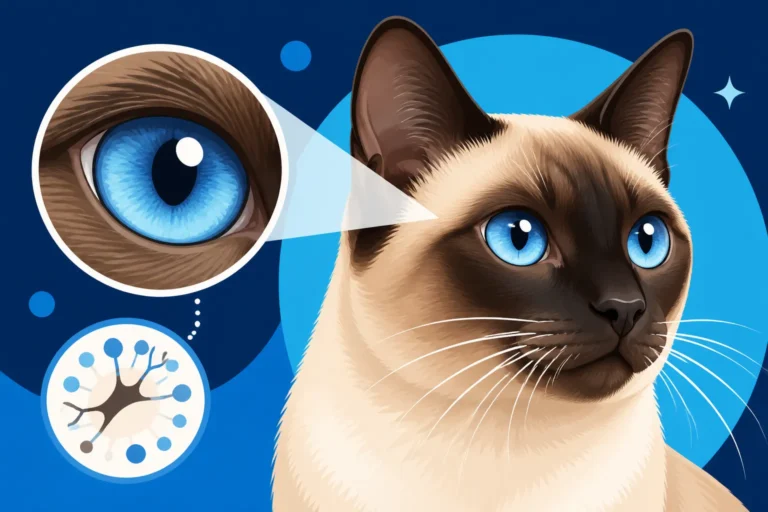
When we talk about vision loss in Siamese cats, especially the kind that starts with poor night vision, the primary culprit is often a genetic condition known as Progressive Retinal Atrophy (PRA). This isn't just a random aging process; it's a specific, inherited disease that slowly degrades the photoreceptor cells in the retina. Think of the retina as the film in a camera – it captures light and sends those images to the brain. When these cells, particularly the rod cells responsible for low-light vision, start to break down, night vision is usually the first casualty.
The initial stages of PRA can be incredibly insidious, making it hard for even the most vigilant cat parent to spot. Your cat might navigate your familiar home perfectly well during the day, jumping onto counters and chasing toys with their usual agility. However, once dusk settles, or if they venture into a dimly lit room, you might notice a subtle hesitation. This isn't them being dramatic; it's their world literally getting blurrier and darker than yours. It’s a frustrating reality for many Siamese owners because these cats are known for their athleticism and keen senses, and to see that fade is truly tough.
The Genetic Link to Early Vision Changes
The Siamese breed, unfortunately, carries a predisposition for certain forms of PRA. Specifically, there's a type of PRA that's been identified in Siamese cats, often referred to as rdAc. This is an autosomal recessive inherited disorder, meaning a cat needs to inherit two copies of the faulty gene (one from each parent) to be affected. If they only get one copy, they're carriers but won't typically show symptoms themselves. This genetic quirk means that even seemingly healthy parents can produce kittens that will eventually suffer from vision loss. It's a cruel twist of genetics that breeders have worked hard to understand and mitigate, though challenges remain. Understanding Which Gene Causes PRA in a Siamese Cat is a crucial first step for anyone trying to get a handle on this condition.
What makes PRA so challenging for Siamese cat owners is that the onset and progression can vary. There isn't a single, fixed age when every affected Siamese cat will begin to lose their night vision. However, general patterns do emerge. Unlike some forms of PRA that affect other breeds, which might show up in very young kittens, the form most commonly associated with Siamese cats tends to manifest a bit later, usually between one and five years of age. Some cats might show signs even earlier, around six months, while for others, it might not be noticeable until they are a few years old. This variability means constant vigilance is necessary throughout your Siamese cat's younger and middle years.
How PRA Progresses from Night Blindness
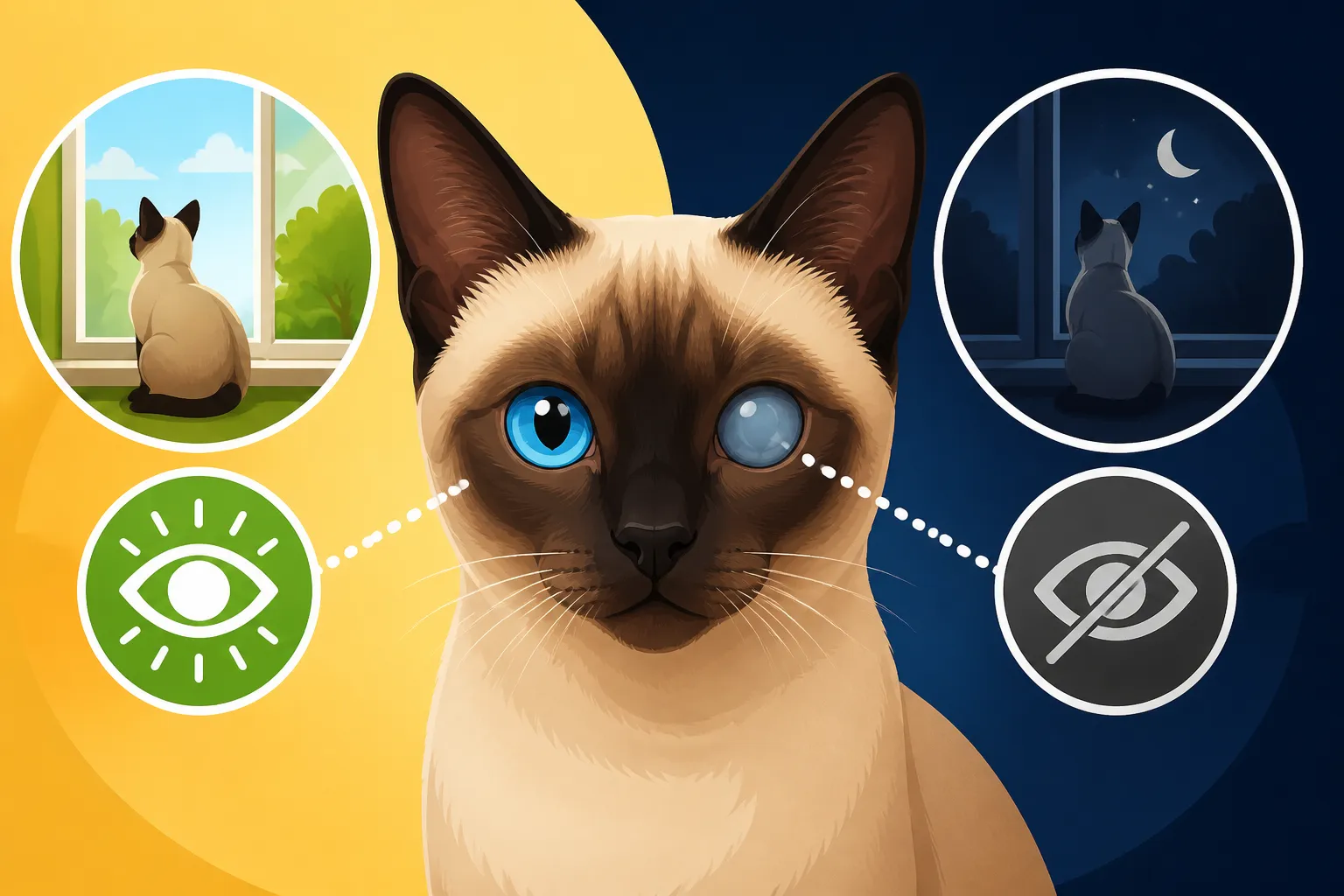
The journey of PRA usually starts with nyctalopia, which is the fancy medical term for night blindness. The rod photoreceptors, which are sensitive to low light, are typically affected first. This means your cat might still see perfectly fine in bright daylight conditions because the cone cells, responsible for daytime and color vision, are still functioning. But as twilight descends, or they move into a dark room, they’ll start to struggle. They might bump into furniture, misjudge jumps, or become more hesitant to explore.
As the disease progresses, the cone cells also begin to degenerate, leading to a more generalized vision loss. Eventually, affected cats may become completely blind, even in daylight. This transition from just night blindness to total blindness can take months or even years. It's not a sudden event but a slow, often agonizing, decline. Knowing What PRA Does to a Siamese Cat's Sight can help you prepare for these changes and understand what your cat is experiencing. It’s a progressive condition, meaning it only gets worse over time, which is why early detection and management are so important for maintaining your cat's quality of life.
Recognizing the Early Signs of Declining Night Vision
Spotting night vision loss in a Siamese cat can be tricky because cats are masters of adaptation. They rely heavily on their other senses – hearing, smell, and whiskers – to compensate for visual deficits. This means you might not notice anything amiss until the problem is quite advanced. However, if you know what to look for, you can often pick up on subtle clues that indicate their world is growing darker after sundown.
One of the first things you might observe is a change in their confidence in dim lighting. Your usually bold and adventurous Siamese might become more cautious, perhaps sticking closer to walls or moving more slowly through familiar spaces once the lights are low. They might hesitate before jumping onto a chair or navigating stairs in the evening. It's not always obvious, but if your cat suddenly seems less graceful or more hesitant in the dark, it's worth paying attention.
Behavioral Changes to Watch For
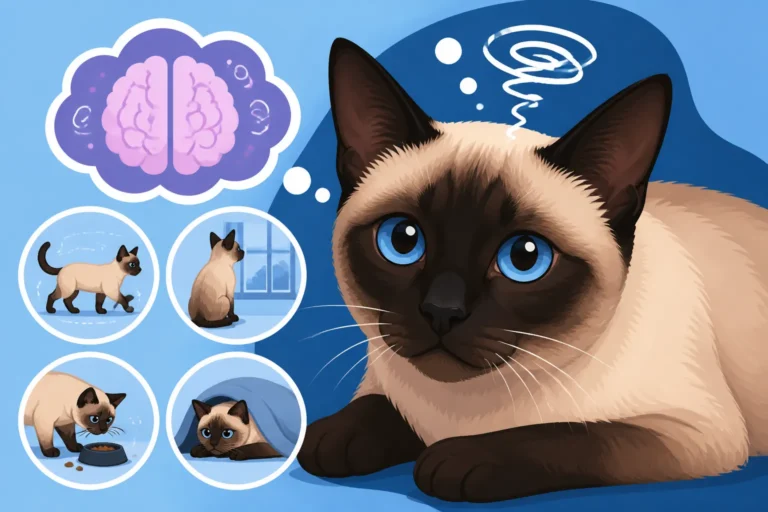
Beyond physical clumsiness, behavioral shifts are often the most telling indicators. Your Siamese might become more vocal or anxious in the evenings, as their primary sense is failing them. They might rely more on you, following you closely from room to room, especially after sunset. Some cats might startle more easily if approached from behind or if something suddenly moves into their peripheral vision, simply because they didn't see it coming.
Consider their play habits too. If your Siamese loves to chase laser pointers or interactive toys, you might notice they struggle to track them in dim light. They might miss toys they once effortlessly caught. Another subtle sign is if they start sleeping more during the day or prefer well-lit areas. They're naturally trying to maximize their time in environments where they can see best. These changes aren't always definitive proof of PRA, but they certainly warrant a closer look by a veterinarian. Remember, Signs a Siamese Cat Is Going Blind aren't always dramatic.
Observing Your Cat in Low-Light Environments
To truly test their night vision, you might need to observe your cat intentionally in low-light situations. Try turning off a few lights in a room they know well and watch how they move. Do they still confidently walk around, or do they hug the furniture, extend their paws to feel for obstacles, or seem more tentative? Pay attention to how they interact with their food and water bowls in dim light – do they bump their head against the rim, or seem to search for it more than usual?
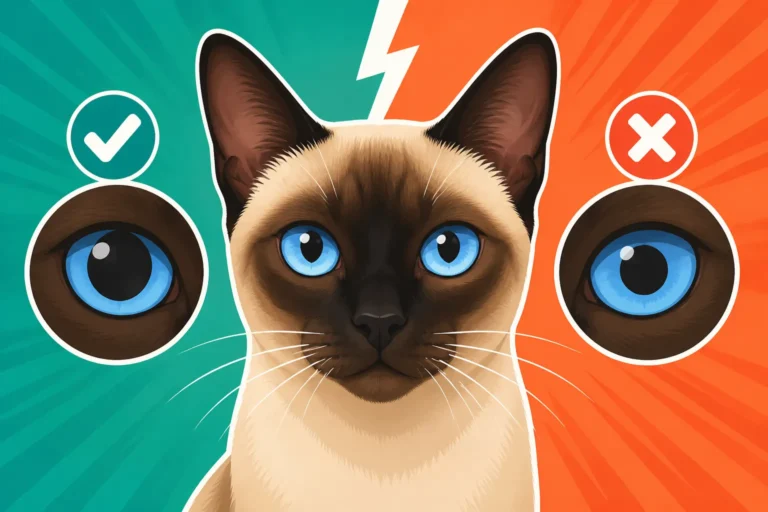
A key indicator can be pupillary response. In dim light, a cat's pupils should dilate fully to let in as much light as possible. If your cat's pupils don't dilate as much as they used to, or if they appear more dilated than usual even in moderate light (a condition called mydriasis), it could be a sign of retinal degeneration. A veterinarian can perform specific tests, like an ophthalmoscopic exam, to look at the retina directly and assess the health of the photoreceptors. This kind of specialized care might involve working with a veterinary ophthalmologist, and it's good to know that many pet insurance plans, like those offered by Healthy Paws, can help cover the costs of these diagnostic appointments and ongoing care.
| Sign of Night Vision Loss | Description | What to Observe |
|---|---|---|
| Hesitation in Dark | Your cat moves cautiously or freezes when entering dimly lit areas. | Observe them in hallways, at night, or in rooms with minimal light. |
| Bumping into Objects | Frequently trips, bumps into furniture, or misjudges distances in low light. | Note if they're less graceful than usual, especially in familiar surroundings after dark. |
| Increased Startle Reflex | Easily startled by sudden movements or noises, particularly from their blind spots. | Watch their reactions if you approach them unexpectedly in a dark room. |
| Reluctance to Play | Loses interest in interactive games, especially those involving tracking moving objects in low light. | Try playing with a feather wand or laser pointer in dim conditions. |
| Pupil Dilation | Pupils may appear unusually dilated even in moderate light, or fail to constrict properly in bright light. | Gently observe their pupil size in different lighting conditions. |
| Increased Vocalization/Anxiety | Shows signs of stress, meows more, or seeks more reassurance from you in the evenings. | Listen for changes in their usual vocal patterns or clinginess at night. |
| Closer Following | Sticks very close to you, using your movements as a guide, particularly at night. | Notice if they're shadowing you more than usual after dark. |
Diagnosing PRA and Supporting Your Siamese Cat
If you suspect your Siamese cat is losing their night vision, the very best thing you can do is schedule an appointment with your veterinarian as soon as possible. They can conduct a thorough eye examination and, if necessary, refer you to a veterinary ophthalmologist. Early diagnosis won't cure PRA, as there is currently no effective treatment to reverse retinal degeneration, but it will allow you to plan and implement strategies to improve your cat's quality of life as their vision declines.
A vet will typically perform a full ophthalmic examination, which includes looking at the retina with an ophthalmoscope. They might also recommend an electroretinogram (ERG), which is a specialized test that measures the electrical responses of the cells in the retina to light stimuli. An ERG can detect retinal degeneration even before clinical signs of vision loss are apparent. This is often the most definitive way to confirm a diagnosis of PRA. Learning How a Vet Confirms PRA in a Siamese Cat is key to understanding the diagnostic process. While DNA tests for some forms of PRA exist for other breeds, it's worth noting that Whether the rdAc DNA Test Works on a Siamese Cat is often a point of discussion, with some tests proving unreliable or not encompassing all forms of PRA in the breed.
Managing a Progressive Condition
Once diagnosed, the focus shifts to managing the condition and supporting your cat. Since PRA is progressive, meaning the vision loss will worsen over time, preparing your home environment is crucial. Cats are incredibly adaptable, and with a few modifications, a blind or visually impaired Siamese can live a full and happy life. One of the most important things is to keep furniture and litter boxes in consistent locations. Cats with vision loss rely on their spatial memory to navigate. Moving things around can cause anxiety and confusion.
Consider introducing ramps or steps to help them access their favorite perches safely. Ensuring all food, water, and litter stations are easily accessible and in predictable spots is paramount. For night-time navigation, you might want to use nightlights in key areas, or even install motion-activated lights, although some cats might find sudden light changes startling. Consistent routines also provide comfort and predictability. When you interact with your cat, always speak to them before touching them so you don't startle them. These simple steps can make a huge difference in their confidence and well-being. Knowing How to Rearrange a Home for a Blind Siamese Cat can provide invaluable practical advice.
The Role of Veterinary Support and Insurance
Regular veterinary check-ups are important to monitor their overall health and address any secondary issues that might arise. Your vet can offer advice on environmental enrichment that relies on sound, smell, and touch rather than sight. While there are no medications to stop PRA, supplements rich in antioxidants, like Vitamins E and C, Lutein, and Omega-3 fatty acids, are sometimes recommended, though their effectiveness in preventing or slowing PRA progression in cats is not definitively proven. Always discuss any supplements with your vet first.
The journey through a chronic condition like PRA can involve ongoing vet visits, specialized tests, and potentially adjustments to your home, all of which can add up financially. This is where pet insurance can be a real lifesaver. Companies like Healthy Paws offer comprehensive coverage that can help mitigate the costs associated with diagnostic procedures, veterinary consultations, and sometimes even assistive devices or special diets. Having a plan like Healthy Paws in place can give you peace of mind, allowing you to focus on providing the best possible care for your beloved Siamese without the added stress of overwhelming vet bills. It’s always worth investigating whether a particular policy covers inherited conditions like PRA, so be sure to check the details.
Preventing PRA and Understanding Breeding Ethics
While it's devastating to realize your Siamese cat might face vision loss, responsible breeding practices are key to minimizing the prevalence of PRA in the breed. Since the condition is inherited, careful screening of breeding cats is paramount. Unfortunately, this is where the waters get a bit murky for Siamese cats, unlike some other breeds where a clear genetic test is available.
For many years, the primary way to screen for PRA in breeding cats was through regular eye examinations by a board-certified veterinary ophthalmologist. These specialists can detect early changes in the retina that might indicate the presence of the disease, even before the cat shows obvious signs of night blindness. Breeders committed to the health of the breed will have their breeding stock examined annually and only breed cats that receive a clean bill of health. This doesn’t guarantee PRA-free offspring, but it significantly reduces the risk.
Challenges with Genetic Testing for Siamese PRA
The biggest hurdle in preventing PRA in Siamese cats is the complexity of the genetics involved. While some forms of PRA in other breeds have clear genetic markers, the specific gene (or genes) responsible for all forms of PRA in Siamese cats isn't always reliably identifiable through a simple commercial DNA test. There was a specific rdAc DNA test developed for some cat breeds, but its reliability for the Siamese breed has been questioned. This means that Why an rdAc Result Is Unreliable in a Siamese Cat is a critical piece of information for breeders and prospective owners. Without a definitive DNA test, breeders must rely on pedigree analysis and regular eye exams, making the selection process more challenging and less certain.
Ethical breeders will be transparent about their screening practices and the health history of their breeding lines. They should be able to provide documentation of ophthalmic exams for their breeding cats and discuss any known instances of PRA in the cat's lineage. While it's impossible to guarantee a kitten will never develop any health issues, a reputable breeder actively works to minimize known genetic risks. When considering a Siamese kitten, always ask about the health screening practices of the breeder and their knowledge of PRA in their lines.
Responsible Breeding and Future Outlook
The goal of responsible breeding is to reduce the incidence of inherited diseases while maintaining the health and characteristics of the breed. For PRA in Siamese cats, this involves a combination of careful pedigree research, regular ophthalmic examinations, and avoiding breeding cats that have produced affected offspring or are themselves affected. It’s a painstaking process that requires dedication and a long-term commitment.
Researchers continue to work on identifying the specific genetic mutations responsible for PRA in all cat breeds, including Siamese cats. Breakthroughs in genetic testing could one day provide a more definitive tool for breeders, allowing them to confidently screen out affected cats and carriers from their breeding programs. Until then, supporting breeders who prioritize health, transparency, and collaborate with veterinary ophthalmologists is essential. It’s a slow process, but with continued effort and advanced veterinary science, we can hope for a future where vision loss due to PRA becomes a rarer occurrence in our beloved Siamese companions. Knowing Which Health Tests a Siamese Cat Breeder Runs can empower you to ask the right questions and choose a responsible source for your kitten.
Disclaimer
This article is intended for informational purposes only and does not constitute veterinary advice. Always consult with a qualified veterinarian for any health concerns or before making any decisions about your pet's care.