Why Amyloidosis Runs in Siamese Cat Families
It's truly heartbreaking to learn that amyloidosis, a cruel and often fatal condition, seems to relentlessly stalk certain Siamese cat families, leaving a trail of grief and unanswered questions. As someone who has spent years in the Siamese cat community, I’ve heard countless stories from owners devastated by this insidious disease. This guide is here to shed light on why amyloidosis appears to have a strong inherited component within Siamese lines, helping you understand this challenging reality.
Understanding Amyloidosis in Siamese Cats
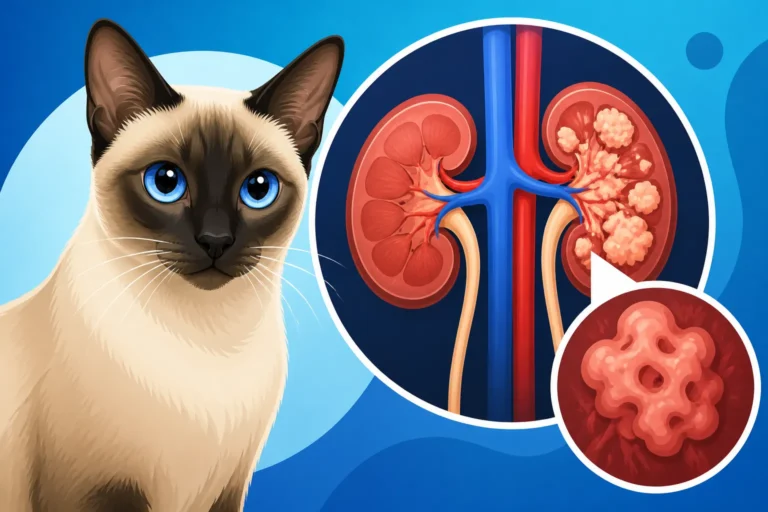
Amyloidosis is one of those words that sounds terribly scientific and intimidating, and frankly, it is. But at its heart, it’s a disease of abnormal protein. Imagine tiny, misfolded proteins that your cat's body just can't get rid of. Instead of being properly processed and excreted, these proteins start accumulating, forming deposits called amyloid in various tissues and organs. These deposits aren't just harmless clumps; they actually interfere with the normal function of the organs, slowly suffocating them from the inside out.
What Amyloidosis Actually Is
In Siamese cats, the primary villain is usually a type of protein known as AA amyloid. This isn't just a random occurrence; there's a specific genetic predisposition that makes these beautiful felines more susceptible. When these amyloid proteins start to pile up, they act like internal concrete, hardening and obstructing the delicate structures of vital organs. Initially, your cat might show no signs at all, making it a truly silent killer. But as the deposits grow, they compromise the organ's ability to do its job, leading to a slow, progressive decline in health.
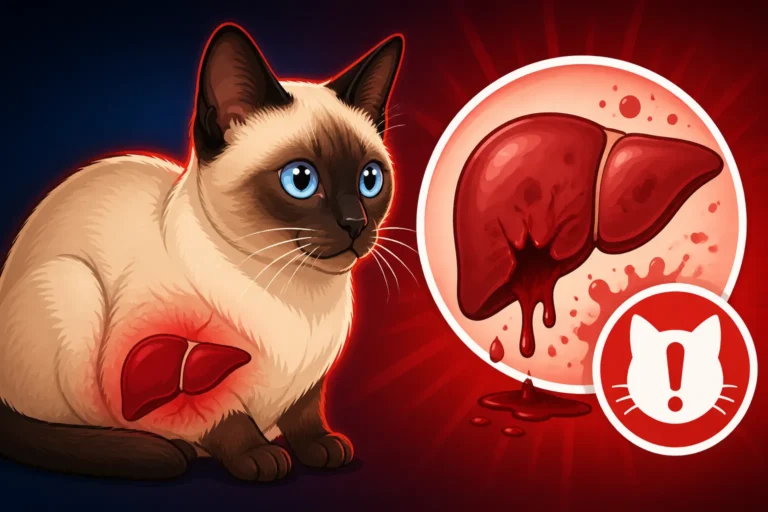
For Siamese cats, the liver is often the primary target, though the kidneys can also be affected. Imagine your cat's liver, normally a soft and sponge-like organ, slowly becoming stiff and brittle from these protein deposits. It's a truly terrible thought. This rigidness can lead to a host of problems, including liver failure. To learn more about where these deadly proteins can build up, you might find our article on Which Organs Amyloidosis Hits in a Siamese Cat particularly insightful.
The Distinct Siamese Connection
While amyloidosis can occur in any cat breed, or even other species, the form seen in Siamese cats is particularly notorious due to its prevalence and the specific organs it tends to attack. The predisposition in Siamese cats is so strong that it's considered a breed-specific disease. This isn't just bad luck; it's a deeply ingrained genetic vulnerability that differentiates them from, say, a Maine Coon or a Domestic Shorthair.
For many Siamese owners, the frustrating part is that their cats often look perfectly healthy until a crisis hits. The amyloid quietly builds up over months or even years. When the liver is heavily impacted, it can sometimes rupture, leading to sudden, catastrophic internal bleeding. This tragic outcome is what often makes amyloidosis so devastating – it can strike without much warning, leaving owners reeling. Understanding What Amyloidosis Does to a Siamese Cat can help prepare you for some of the cruel realities of this condition.
The Genetic Basis of Siamese Cat Amyloidosis
The question every heartbroken Siamese owner asks is, "Why my cat? Why my family line?" The overwhelming consensus among veterinary geneticists and breeders is that amyloidosis in Siamese cats is an inherited condition. However, pinpointing the exact genetic mechanism and the specific gene or genes responsible has been a frustratingly elusive quest.
Identifying the Inherited Trait
Despite extensive research, there is currently no specific DNA test available to identify cats at risk or to detect carriers of the amyloidosis gene in Siamese cats. This lack of a clear genetic marker is a huge hurdle for breeders trying to eradicate the disease from their lines. It means that even the most dedicated and responsible breeders are operating with a significant blind spot. They might unknowingly be breeding carriers because there's simply no way to test for it definitively before clinical signs appear. This uncertainty is precisely why this disease continues to plague the breed, running in certain family trees where the trait has been passed down for generations. The challenges of this situation are further explored in Why There Is No Siamese Cat Amyloidosis Gene Test.
Autosomal Recessive Suspicions
While the precise genetic mode of inheritance hasn't been definitively proven, many researchers and breed experts suspect that amyloidosis in Siamese cats follows an autosomal recessive pattern. What does that mean in plain English?
Imagine a particular gene has two copies, one from each parent. For an autosomal recessive trait to show up, a cat would need to inherit two copies of the "problem" gene – one from its mother and one from its father. If a cat inherits only one copy, it becomes a "carrier." A carrier doesn't show any signs of the disease itself, but it can pass that single problem gene on to its offspring.
This is where the real insidious nature of the disease comes into play for breeders. Two healthy-looking carrier cats, when bred together, have a 25% chance with each kitten of producing an affected kitten, a 50% chance of producing a carrier kitten, and a 25% chance of producing a completely clear kitten. Because the parent cats appear healthy, they continue to be bred, unknowingly perpetuating the amyloidosis gene through their lineage. This genetic "hide-and-seek" is why it's so difficult to get rid of and why you see it popping up repeatedly in certain family lines.
Implications for Breeding and Family Lines
The suspected autosomal recessive nature of Siamese amyloidosis creates a minefield for breeders and a heartbreaking lottery for prospective owners. The invisible presence of carrier cats means that this inherited trait can silently spread through breeding populations.
The Silent Carriers and Their Offspring
Consider a scenario where a beloved queen, a beautiful and healthy Siamese, has a fantastic temperament and perfect conformation. She's a wonderful mother, and her kittens are adored. If she happens to be a carrier for amyloidosis, and her mate is also a carrier (perhaps from a different line, but still carrying that same genetic vulnerability), then every single litter they produce carries the risk. Some kittens will develop the disease, often later in life, while others will be carriers themselves, looking perfectly healthy but capable of passing on the gene.
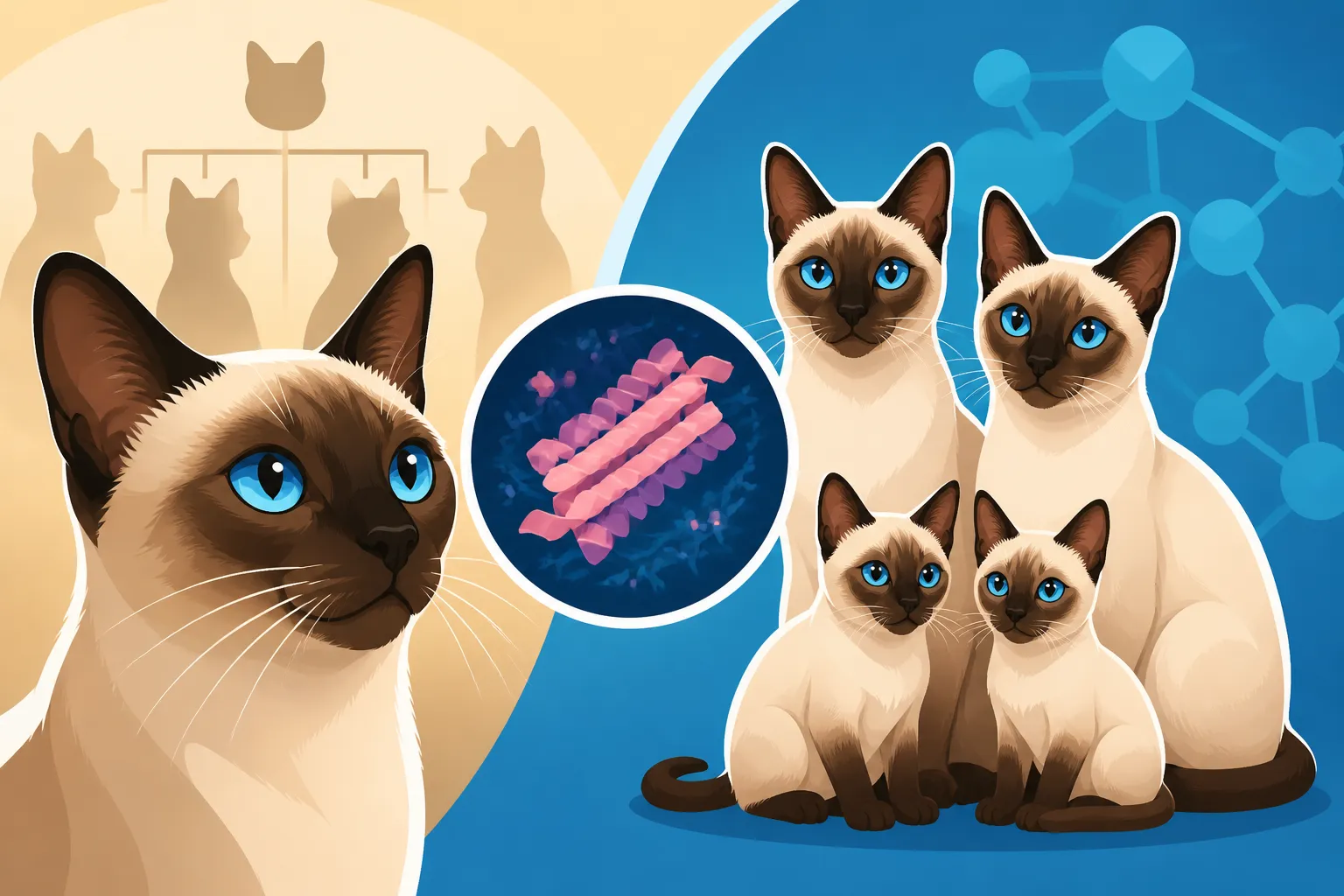
This is the ultimate frustration: you can't tell a carrier by looking at them. They don't look sickly, they don't act unwell, and they can live long, healthy lives themselves. But their genetic legacy can be devastating. This is why when one Siamese cat in a family develops amyloidosis, there's a strong likelihood that siblings, parents, or other close relatives might either be carriers or eventually develop the disease themselves. It paints a clear picture of why this condition truly "runs in families." This makes decisions about breeding relatives of an affected cat incredibly difficult, as explored in Whether an Affected Siamese Cat's Relatives Should Be Bred.
Why Familial History is Crucial
In the absence of a direct genetic test, the most powerful tool we have is detailed, honest family health history. Ethical breeders keep meticulous records, not just of wins and titles, but of health outcomes, causes of death, and any diagnoses of significant diseases, especially amyloidosis. When you're looking for a Siamese kitten, don't be shy about asking about the health of the parents, grandparents, and any siblings from previous litters. A responsible breeder will be transparent about any known cases of amyloidosis in their lines, even if it means admitting to difficult truths.
It's about understanding the lineage. If a breeder can tell you that their cats come from lines with no known history of amyloidosis for several generations, that's a positive sign, though never a guarantee. Conversely, if a breeder is evasive or dismissive about health history, it should raise a red flag. This kind of transparency is vital, not just for peace of mind, but also for practical matters like pet insurance. Companies like Healthy Paws, for instance, generally don't cover pre-existing conditions, so knowing a kitten's family health history before purchase and before any symptoms appear is incredibly important for future coverage. Our article on What a Siamese Cat Breeder Should Have Screened delves deeper into the essential health checks.
Here’s a simple table illustrating the difference between a known genetic test and the challenges of amyloidosis:
| Feature | Genetic Disease with Known Test (e.g., PRA in some breeds) | Amyloidosis in Siamese Cats (Suspected Recessive) |
|---|---|---|
| Genetic Marker Known? | Yes | No (gene not identified) |
| DNA Test Available? | Yes (can test for affected, carrier, clear) | No |
| Carrier Detection? | Yes, definitive | No, only suspected via pedigree/health history |
| Breeding Decisions | Clear guidance to avoid breeding carriers together | Based on risk assessment from family health history |
| Prevalence Management | Can be actively bred out over time | Very challenging due to silent carriers |
| Risk for Offspring | Predictable with testing | Hard to predict without extensive lineage data |
Looking Ahead: Research and Prevention
The fight against amyloidosis in Siamese cats is a long one, marked by both scientific challenges and dedicated efforts from the cat community. While progress can feel slow, every piece of information helps us move forward.
The Ongoing Search for a Genetic Marker
The frustration of not having a clear genetic test for Siamese amyloidosis is something that weighs heavily on both veterinary researchers and conscientious breeders. Imagine dedicating years to perfecting a breeding program, only to have a beloved cat fall victim to an inherited disease that you couldn't screen for. It's a truly heartbreaking situation. Scientists are actively working to identify the specific gene or genes responsible for this predisposition. Advances in feline genomics offer hope that one day we will have a definitive test, similar to those available for other genetic conditions. Until then, we rely on careful observation and diligent record-keeping within breeding lines. The challenges faced by researchers are detailed in There Is No DNA Test for Siamese Cat Amyloidosis.
Responsible Breeding Practices
Given the current limitations, responsible Siamese cat breeders carry a heavy burden. They must make difficult decisions based on observed patterns and family history. This often means, heartbreakingly, removing a beloved cat from a breeding program if several of its relatives have developed amyloidosis, even if the cat itself appears perfectly healthy. It's a tough call, as it can mean losing valuable lines and desired traits, but it's a necessary step to try and reduce the incidence of this devastating disease.
A breeder committed to the health of the Siamese breed will prioritize health over show wins or specific appearances. They will be transparent about any known issues in their lines and work closely with their veterinarians to monitor their cats. While no breeder can guarantee a cat will never develop any health problem, one that actively discusses amyloidosis and their strategies to mitigate risk is demonstrating true dedication. It’s not just about the upfront health screening for immediate issues, but a long-term commitment to improving the genetic health of the breed, as highlighted in Which Health Tests a Siamese Cat Breeder Runs.
Disclaimer
The information provided in this article is for general informational purposes only and does not constitute veterinary advice. Always consult with a qualified veterinarian for any health concerns or before making any decisions about your pet's health or treatment.