Whether Crossed Eyes Hurt a Siamese Cat
It’s a common sight: a beautiful Siamese cat with those striking blue eyes, and sometimes, those eyes seem to be looking in two different directions. Many new Siamese parents, or even experienced ones, often worry if this distinctive trait, known as strabismus, causes their beloved feline any discomfort or impacts their vision. This guide aims to thoroughly explore whether crossed eyes genuinely hurt a Siamese cat, delving into the genetics, the practical implications for their day-to-day life, and when it’s wise to consult your veterinarian.
Understanding Why Siamese Cats Often Have Crossed Eyes
The image of a Siamese cat with slightly crossed eyes is almost iconic, right up there with their vocal prowess and sleek physique. It’s not just a random quirk; it’s deeply rooted in their unique genetics and history. This condition, medically known as convergent strabismus, is particularly prevalent in the Siamese breed, and understanding its origins can help alleviate much of the worry it might cause.
The Genetic Link to Colorpoint Pigmentation
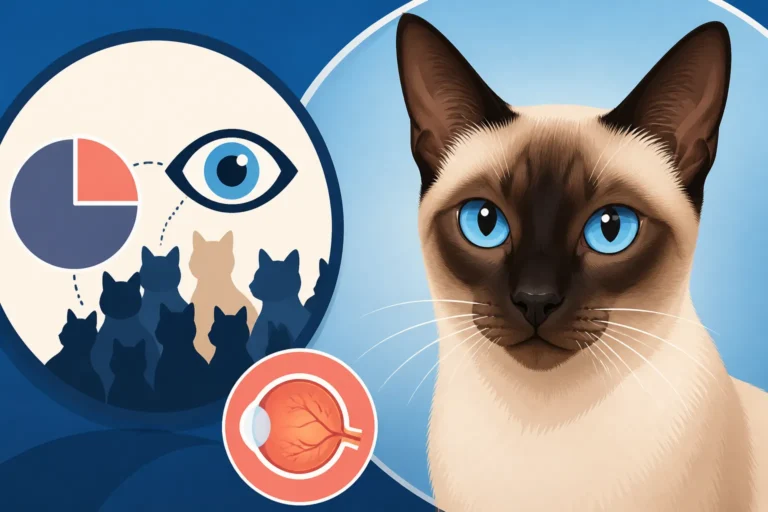
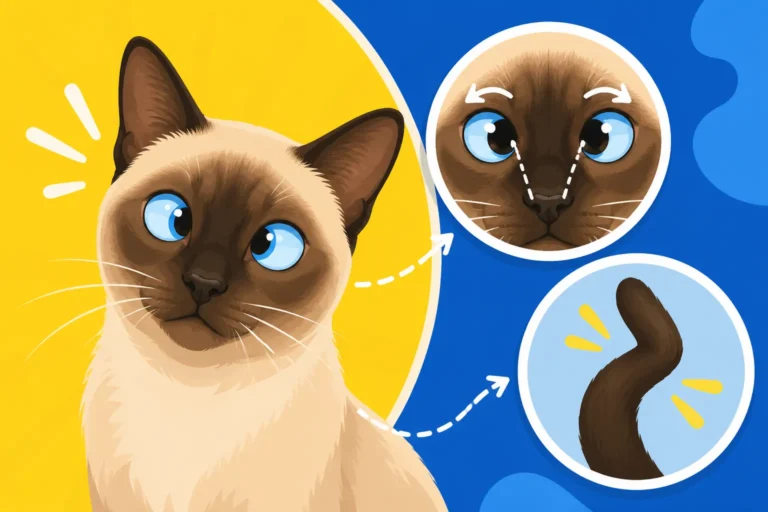
The fascinating truth behind a Siamese cat's crossed eyes is intrinsically linked to the very genes that give them their stunning colorpoint pattern. Unlike other cat breeds, Siamese cats carry a specific temperature-sensitive albino gene mutation that results in their darker points (ears, face, paws, tail) and lighter body. This same genetic mutation, which also gives them their striking blue eyes, actually affects the development of their optic nerves in a unique way. In a typical cat, the optic nerves from each eye cross over and provide visual information to both sides of the brain. However, in Siamese cats, a higher percentage of these nerve fibers cross over, leading to a misrouting of visual information. To compensate for this genetic wiring, their eyes naturally converge, or cross, to ensure their brain can properly process the images. It’s less of a defect and more of a clever biological workaround. This explains why a Siamese cat's eyes cross and its tail kinks, often appearing together as part of the breed's historical traits.
Historical Context and Breeding Standards
For centuries, crossed eyes were considered a normal, even desirable, trait in Siamese cats. Ancient texts and folklore from Siam (modern-day Thailand), where the breed originated, often depicted these cats with convergent strabismus, adding to their mystical allure. When Siamese cats were first introduced to the Western world in the late 19th century, crossed eyes were frequently observed and documented. However, as breeding standards evolved and the breed became more refined in show rings, some breeders began to select against this trait, viewing it as a fault. The desire for a "perfect" aesthetic led many to try and breed out the crossed eyes, often at the expense of ignoring the underlying genetic connection to their color. Despite these efforts, the trait persists in many lines, and it's a constant debate among enthusiasts whether crossed eyes are still bred out of Siamese cats. It's a testament to how deeply ingrained this characteristic is within the breed's genetic makeup.
Do Crossed Eyes Actually Hurt a Siamese Cat?
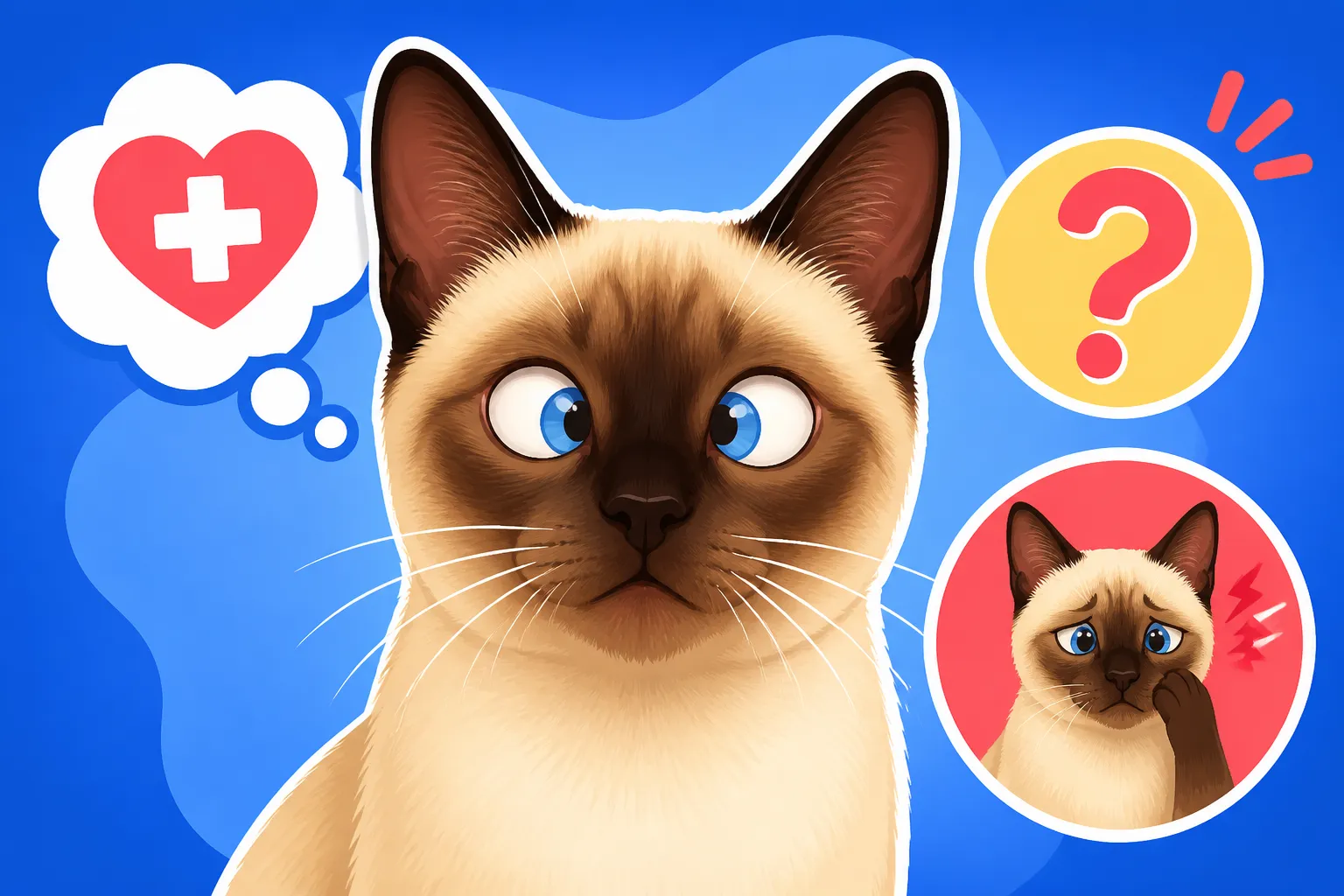
This is the million-dollar question for many cat owners. Seeing your beloved feline friend with eyes that don't quite align can be alarming, making you wonder if they're in pain or struggling to see the world around them. The good news is that for the vast majority of Siamese cats, crossed eyes do not cause pain, nor do they significantly impair their quality of life.
How Strabismus Affects Their Vision
While it might look disorienting to us, a Siamese cat with strabismus typically has adapted to its unique vision from birth. Their brain learns to process the slightly different visual input from each eye in a way that creates a functional, albeit distinct, perception of their environment. Think of it less as seeing double and more like having a different kind of visual field than a non-strabismic cat. While they might have a slightly reduced depth perception or a smaller area of binocular vision compared to other cats, their overall vision is usually perfectly adequate for navigating their world, hunting toys, and jumping onto high shelves. They often compensate by tilting their head slightly or relying more on their excellent peripheral vision and whiskers. It's truly remarkable how adaptable they are. For some, the visual pathway differences can sometimes also be linked to other minor optical anomalies, but these are rarely painful.
Impact on Daily Life and Behavior
You might observe your cross-eyed Siamese cat playing, pouncing, and exploring with all the vigor and grace of any other feline. Their crossed eyes rarely translate into a noticeable handicap in their daily activities. They still track moving objects, follow laser pointers, and navigate complex household layouts without bumping into things. If you're concerned about their coordination, consider how a blind Siamese cat manages – these animals are incredibly resilient and adaptive. Their other senses, particularly hearing and smell, are incredibly keen and further help them orient themselves. The biggest "impact" usually falls on the human observer, who might feel a moment of confusion or concern. In reality, your Siamese is likely completely unaware that their eyes are considered "crossed" by human standards. They just see the world as it's always been, and they do just fine. Remember that Siamese cats are known for their intelligence and agility, and these traits are typically unaffected.
When to Seek Veterinary Advice for Eye Concerns
While crossed eyes are generally benign for a Siamese cat, it’s always important to be vigilant about your cat's health. Not all eye conditions are harmless, and sometimes, a sudden change or a different type of eye issue can signal an underlying problem that requires professional attention. Having pet insurance like Healthy Paws can provide peace of mind for these unexpected vet visits, helping you cover costs for diagnostics or treatments.
Differentiating Normal Strabismus from Other Eye Issues
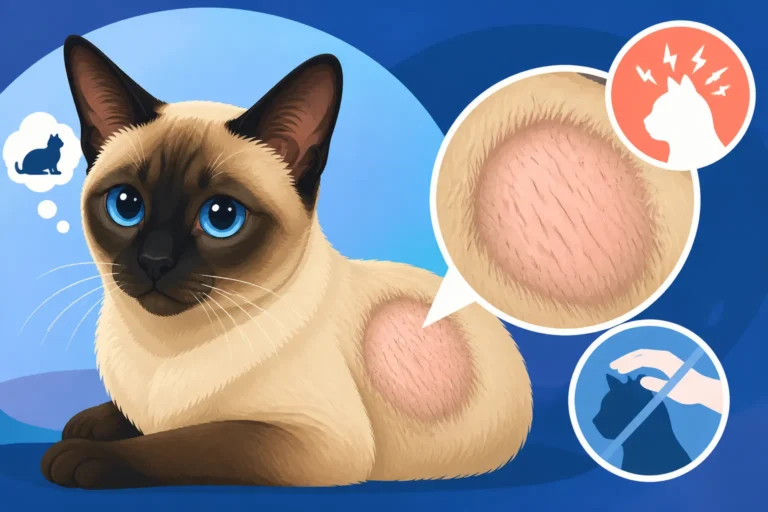
It's crucial to understand that while convergent strabismus (eyes crossing inwards) is common in Siamese cats, other forms of strabismus or different eye conditions are not necessarily normal or benign. If your cat's eyes suddenly start crossing, if they diverge (cross outwards), or if you notice rapid, involuntary eye movements (nystagmus), this is not typical and warrants immediate veterinary consultation. What Nystagmus Looks Like in a Siamese Cat can be quite distinct from simple strabismus and often points to neurological issues or inner ear problems. Similarly, any signs of pain like squinting, rubbing at the eyes, excessive tearing, redness, cloudiness, or changes in pupil size should be checked out. A healthy Siamese cat's eyes, even if crossed, should otherwise appear bright, clear, and free from discharge.
Diagnostic Procedures and Potential Treatments
If you do bring your Siamese to the vet for eye concerns, they will typically perform a thorough ophthalmic examination. This might include checking pupil reflexes, examining the internal structures of the eye with an ophthalmoscope, and potentially specialized tests like a Schirmer tear test or fluorescein stain to check for corneal ulcers. If a neurological cause is suspected, they might recommend blood tests or imaging like an MRI. In the vast majority of cases of congenital strabismus in Siamese cats, no treatment is needed because it doesn't cause pain or significantly impede their quality of life. However, if an underlying medical condition is found, treatment will depend on the diagnosis. This could range from medication for infections or inflammation to, in rare cases, surgical intervention for severe, debilitating forms of strabismus that genuinely impact vision or cause discomfort. For any diagnostic tests or treatments, remember that a good pet insurance plan from providers like Healthy Paws can be invaluable in managing unexpected expenses.
Living with a Cross-Eyed Siamese
Embracing the unique charm of a cross-eyed Siamese is part of the joy of owning this wonderful breed. They bring so much personality, affection, and vocal entertainment into a home. Rest assured that their crossed eyes are typically just another part of their distinctive appeal, not a cause for constant worry.
Providing a Safe and Enriching Environment
Even though their vision is generally good, ensuring a safe and predictable environment is always a good idea for any cat, especially one with slightly altered visual processing. Maintain consistent placement of furniture, litter boxes, and food and water bowls. While they might compensate well, sudden changes could cause temporary disorientation. Keep pathways clear and avoid leaving small, easily ingested items around, particularly if your Siamese is prone to investigating with their mouth. Engage them with toys that stimulate their other senses too, like crinkly balls or feather wands that make noise. A stimulating environment is key, because enrichment for a Siamese cat that gets bored in an hour is critical for their well-being. Regular play sessions also help them practice their coordination and keep them mentally sharp.
The Role of Regular Veterinary Check-ups
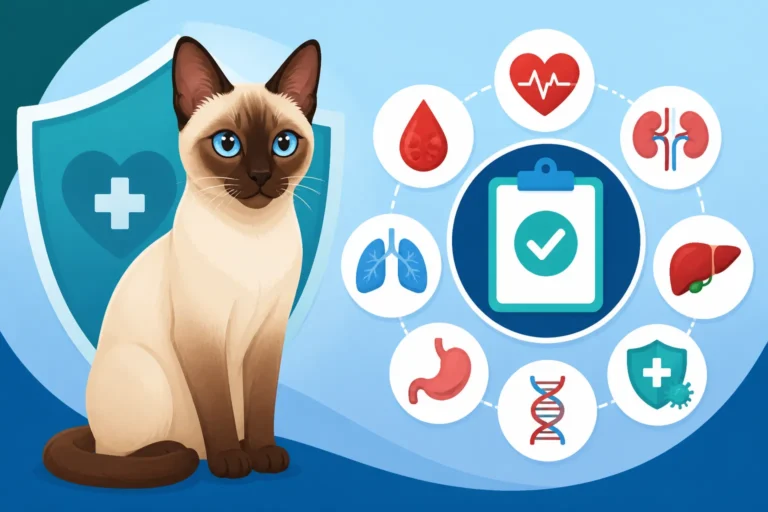
Even if your Siamese cat's crossed eyes are congenital and benign, routine veterinary check-ups are non-negotiable for their overall health. These annual visits allow your vet to monitor their eye health, detect any other potential age-related changes, or address breed-specific concerns such as dental disease or kidney issues, which Siamese cats can be prone to. During these exams, your vet can confirm that their strabismus is indeed benign and not indicative of a more serious neurological or ocular problem. They can also discuss any changes in your cat's behavior or vision that you might have observed. Many owners find that having pet insurance, such as Healthy Paws, allows them to be proactive about these regular wellness exams and to confidently pursue any recommended diagnostics or treatments without financial stress. It’s all part of ensuring your cherished Siamese lives the longest, healthiest, and happiest life possible, sometimes reaching a lifespan of The Fifteen to Twenty Years a Siamese Cat Gets.
Myths vs. Facts About Siamese Cat Crossed Eyes
Let's clear up some common misconceptions about this beloved trait.
| Feature | Myth | Fact |
|---|---|---|
| Pain/Discomfort | Crossed eyes cause headaches or eye strain. | For congenital strabismus in Siamese, there is typically no pain or discomfort. Their brains adapt from birth. |
| Vision Impairment | They are practically blind or have severe double vision. | While depth perception might be slightly affected, overall vision is usually functional for daily life, including hunting and navigation. |
| Breed Standard | All show Siamese cats must have perfectly straight eyes. | While many modern show standards prefer straight eyes, the genetic link means it's still common, and historically, it was an accepted, even revered, trait. |
| Contagious/Acquired | Cats can "catch" crossed eyes from other cats or develop them later in life. | Congenital strabismus in Siamese cats is genetic, present from birth. Acquired strabismus in any cat breed can indicate a serious medical problem and requires vet attention. |
| Fixable | It can always be surgically corrected for aesthetic reasons. | Surgery is rarely needed or recommended for typical Siamese strabismus unless it causes severe functional impairment, which is uncommon. |
Disclaimer
The information provided in this article is for general informational purposes only and is not a substitute for professional veterinary advice. Always consult with a qualified veterinarian for any health concerns or before making any decisions related to your cat's care.