Psychogenic Alopecia in a Siamese Cat
It’s truly disheartening to see your sleek, elegant Siamese cat start licking or chewing at their fur until bald patches appear. You might initially think it's fleas, allergies, or some other common skin irritation, especially when you can't see any obvious external culprits. This obsessive grooming, often dismissed as just a "quirk," can actually be a sign of psychogenic alopecia, a stress-induced condition common in our sensitive Meezers. This guide will walk you through understanding, identifying, and managing this challenging behavioral issue, helping you bring calm and comfort back to your beloved feline.
Understanding Psychogenic Alopecia in Siamese Cats
Psychogenic alopecia isn't just a fancy name for hair loss; it's a deeply rooted behavioral response to stress, anxiety, or even intense boredom in cats. When you see your Siamese obsessively grooming, it’s not always about a physical itch. Sometimes, it’s about a mental one.
What Psychogenic Alopecia Really Is
At its heart, psychogenic alopecia means "hair loss caused by the mind." It's a diagnosis of exclusion, meaning your vet will need to rule out every other possible medical reason for the hair loss before settling on this behavioral one. Think of it like this: when a cat is stressed or anxious, the act of licking releases endorphins, those feel-good chemicals in the brain. For some cats, especially highly intelligent and sensitive breeds like the Siamese, this licking can become a compulsive coping mechanism. They're not doing it to be naughty or to annoy you; they're genuinely trying to soothe themselves, often without even realizing the damage they're causing to their skin and coat. It’s a classic case of an internal emotional state manifesting in a physical, visible way. You might notice they engage in this behavior during specific stressful events, but over time, it can become habitual, even when the initial stressor isn't present.
Why Siamese Cats Are Prone to This Condition
Our Siamese cats are renowned for their striking looks, piercing blue eyes, and, let's be honest, their incredibly vocal personalities. But alongside their beauty and intelligence comes a highly sensitive and often anxious disposition. They form incredibly strong bonds with their human companions, almost dog-like in their loyalty, and thrive on routine and interaction. This deep connection, while wonderful, also makes them particularly susceptible to emotional distress. Any disruption to their world – a change in routine, a new person or pet, loud noises, or even just feeling ignored – can trigger anxiety.
Their short, fine coats also make the effects of overgrooming more immediately visible compared to cats with longer, denser fur. They don't have a thick undercoat to hide bald spots, so the moment they start licking a patch raw, it becomes noticeable. Their predisposition to being "chatty" also hints at their complex emotional landscape; they communicate a lot, and sometimes excessive licking is another form of communication, a silent plea for help when their world feels out of balance. This isn't to say other breeds don't experience it, but it seems to be particularly prevalent and noticeable in the Siamese. Understanding their unique temperament, as discussed in What a Siamese Cat's Temperament Is Really Like, is key to recognizing their vulnerabilities.
Recognizing the Signs and Symptoms
Identifying psychogenic alopecia involves more than just seeing hair loss. It's about observing the way your Siamese grooms and where the hair loss occurs, often coupled with a lack of other physical symptoms.
The Telltale Licking and Chewing Patterns
The most obvious sign is the excessive grooming itself. This isn't your average self-maintenance; it's intense, repetitive, and often focused. You might catch your Siamese licking furiously at a single spot for extended periods, far beyond what's necessary to clean themselves. This can involve not just licking, but also chewing, biting, and even pulling out clumps of fur. Owners often report a "trance-like" state during these episodes, where the cat seems oblivious to their surroundings, deeply engrossed in the act. They might stop momentarily if you interrupt them, only to resume once you're out of sight or when they feel safe again.
What's particularly telling is when these episodes occur. Some cats will groom excessively when you're home, almost seeking attention or expressing their distress overtly. Others might only do it when you're away, signaling What Separation Anxiety Looks Like in a Siamese Cat. Many owners discover the issue by finding tufts of fur around the house or hearing the constant slurping sound of intense licking, especially at night when the house is quiet. This compulsive behavior can lead to skin irritation, redness, and even secondary infections if left untreated, making it crucial to intervene.
Where Hair Loss Typically Occurs
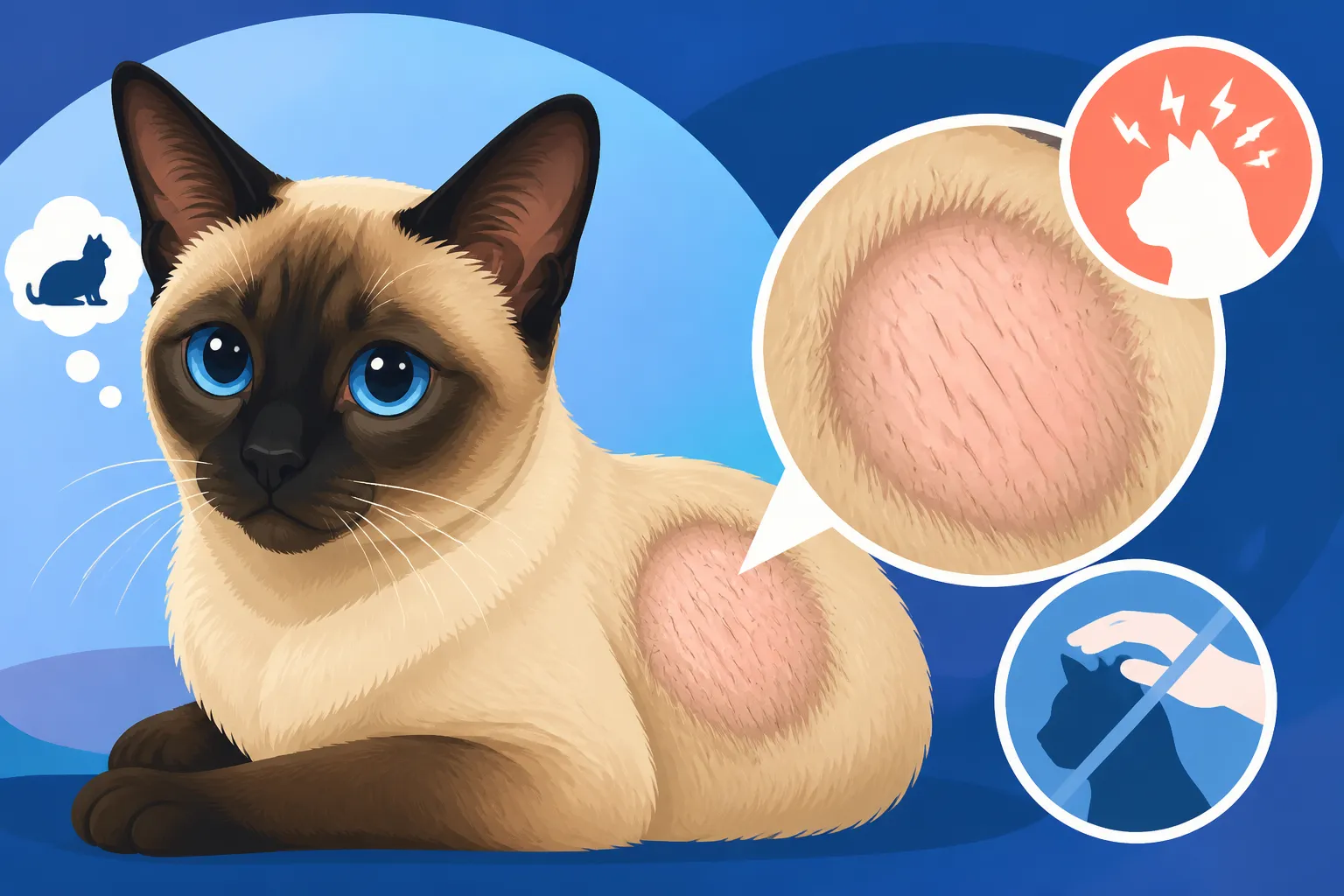
Psychogenic alopecia usually results in hair loss in predictable areas. The most common spots are easily accessible for licking and chewing: the abdomen, inner thighs, flanks, and sometimes the front legs. You might notice symmetrical bald patches on both sides of the belly or inner legs. The fur might be thinned rather than completely bald at first, progressing to complete hair loss in the affected area.
Crucially, the head and neck are typically not affected. If you see hair loss on the head or around the ears, it's a stronger indicator of a physical issue, such as mites, fleas, or allergies, which the cat can scratch at with their paws. With psychogenic alopecia, the skin underneath the bald patches often appears healthy, though it can become red or inflamed over time due to the constant irritation from licking. The hair itself might look broken off rather than falling out from the root, a clear sign of self-inflicted damage.
Differentiating From Other Skin Issues
This is where things get tricky, and why a vet visit is absolutely non-negotiable. Many conditions can cause hair loss in cats, and it’s easy to jump to conclusions. For instance, fleas are a huge culprit. Even if you don't see them, one tiny bite can trigger an allergic reaction that leads to intense itching and overgrooming, particularly at the base of the tail or flanks. Other parasites like mites or ringworm can also cause hair loss and irritation, though these often come with scabs, rashes, or flaky skin. Allergies – whether environmental, food-related, or contact allergies – are another common cause. These often present with generalized itching, redness, or bumps, not just localized hair loss from licking.
A key differentiator for psychogenic alopecia is the absence of primary skin lesions. If the skin is red, bumpy, crusty, or inflamed before the cat starts licking, it's likely a medical problem. If the skin only becomes irritated after the licking has started, that points more strongly towards psychogenic alopecia. A vet will perform a thorough examination, including skin scrapings, fungal cultures, and potentially allergy tests, to rule out these other conditions. Never assume it's just stress without a vet's confirmation, because overlooking a treatable medical issue can cause your cat unnecessary suffering.
Uncovering the Root Causes of Stress and Anxiety
Siamese cats are creatures of habit and sensitive souls. Anything that upsets their world can be a trigger for stress-related behaviors like psychogenic alopecia. Pinpointing these triggers is often the hardest part, but it's essential for successful management.
Environmental Triggers and Changes
Our homes, which we see as safe havens, can be minefields for a sensitive Siamese. Any shift in their environment, no matter how minor it seems to us, can be a major stressor for them. This could be something as obvious as a house move, a major renovation, or new furniture. But it can also be far more subtle. Think about changes in your daily routine: are you working longer hours? Has a family member moved in or out? Even moving a litter box, changing a brand of litter, or altering feeding times can throw a Siamese into a tailspin. Loud noises, like construction outside, persistent barking from a neighbor's dog, or even a new noisy appliance, can also contribute to their anxiety levels.
Another often overlooked environmental factor is a lack of perceived safety or control. Cats like to feel secure in their territory. If they feel exposed, or if resources like food, water, and litter boxes are in high-traffic or noisy areas, it can create chronic low-level stress. Providing vertical spaces, quiet retreats, and consistent access to their necessities away from disturbances can make a huge difference. Think about creating a serene environment, keeping their core resources stable, and considering tools like Feliway diffusers, which release calming pheromones.
Social and Emotional Stressors
Siamese cats are deeply social creatures, but their social dynamics are often complex and sensitive. Changes in household dynamics can be incredibly unsettling. The arrival of a new baby or a new pet can completely disrupt their sense of security and their position in the family hierarchy. Sometimes, even the loss of a beloved human or animal companion can trigger profound grief and anxiety, leading to obsessive grooming. This is particularly true for cats who have spent years as part of a bonded pair, making articles like Whether a Siamese Cat Grieves a Lost Companion highly relevant.
Beyond major life changes, everyday interactions can also be a source of stress. A Siamese cat needs consistent, positive attention. If they feel neglected, or if there's conflict in the home (even between humans), they can pick up on that tension. Being overly handled by children who don't understand cat body language, or constantly being chased by a playful dog, can also lead to chronic stress. It's about ensuring your Siamese feels loved, secure, and respected in their social environment. Sometimes, simply increasing your quality time with them, even through dedicated play or cuddle sessions, can reduce their anxiety.
The Role of Boredom and Lack of Enrichment
It might sound strange to link boredom with anxiety, but for intelligent breeds like the Siamese, a lack of mental and physical stimulation can be a huge stressor. These cats are bright, curious, and energetic. They need outlets for their minds and bodies. If they're left alone for long periods without anything to do, they can become profoundly bored, which quickly spirals into anxiety and destructive behaviors. This is particularly true if your Siamese is an indoor-only cat, as discussed in Enrichment for a Siamese Cat That Gets Bored in an Hour.
Imagine a smart, active individual stuck in a room with nothing to do. They'd probably start pacing, fidgeting, or developing habits to cope. Cats are no different. When under-stimulated, they might seek to create their own "entertainment," and obsessive grooming can become that outlet. This is especially relevant if you have a single cat. While a Siamese cat should not live alone if possible, a solitary cat requires even more engagement. Providing puzzle feeders, interactive toys, regular play sessions, and even vertical climbing spaces can help immensely. Leash training for safe outdoor adventures, or creating a catio, can also offer much-needed mental stimulation and a change of scenery.
Diagnosis and Veterinary Consultation
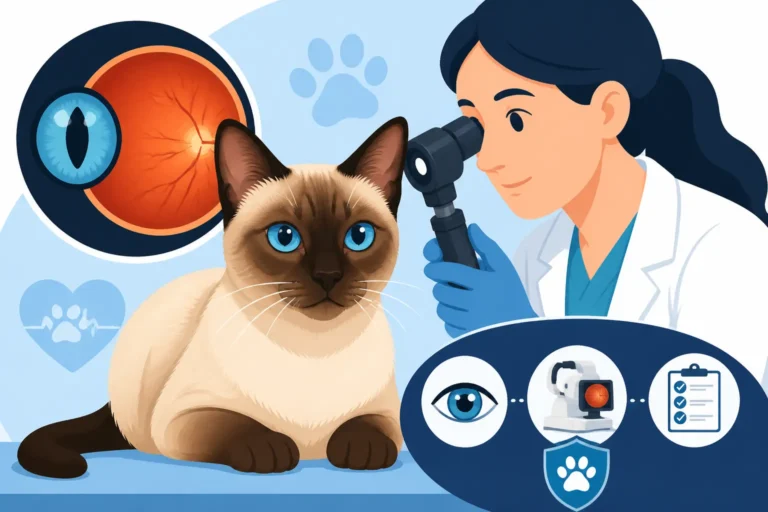
When you first notice your Siamese overgrooming or developing bald spots, your immediate first step should always be a visit to your veterinarian. Self-diagnosing psychogenic alopecia can lead to missing a serious underlying medical condition.
The Importance of Ruling Out Medical Conditions
As we've touched upon, psychogenic alopecia is a diagnosis of exclusion. This means your vet will systematically rule out every other possible physical cause for your cat's hair loss before concluding it's behavioral. This process is crucial because many medical conditions can mimic the symptoms of stress-related overgrooming. Common culprits include external parasites like fleas, ticks, and mites (mange), which can cause intense itching. Allergic reactions, whether to food, environmental allergens (pollen, dust mites), or even certain grooming products, are also high on the list. Bacterial or fungal infections (like ringworm) can cause localized hair loss and skin irritation.
Less common but equally important to rule out are underlying pain or discomfort. A cat might excessively lick a joint that's arthritic, an area with a urinary tract infection, or even a dental issue that causes general discomfort. Hormonal imbalances, like hyperthyroidism in older cats, can also lead to poor coat condition and excessive grooming. Your vet will perform a thorough physical exam, often including checking for parasites, assessing skin health, and looking for any signs of pain. Without this comprehensive medical workup, you could be treating a behavioral issue when the real problem is a physical one that needs a completely different approach. Remember, it's always better to be safe than sorry, and a good pet insurance plan like those offered by Healthy Paws can really help manage the costs of these diagnostic investigations.
Diagnostic Procedures Your Vet Might Perform
To effectively rule out medical causes, your vet might recommend several diagnostic tests. These typically include:
- Skin Scrapes and Trichograms: Skin scrapes involve gently scraping a small sample of skin to look for microscopic parasites like mites under a microscope. A trichogram involves plucking a few hairs to examine the hair shafts and follicles, checking for broken hairs (indicating self-inflicted damage) versus hairs falling out from the root, and looking for fungal spores.
- Fungal Cultures: If ringworm is suspected, a fungal culture (using a specialized medium) or a Wood's lamp examination might be performed.
- Flea Combing: Even if you use flea prevention, a thorough flea combing can reveal flea dirt (excrement) or actual fleas that might be missed by the naked eye.
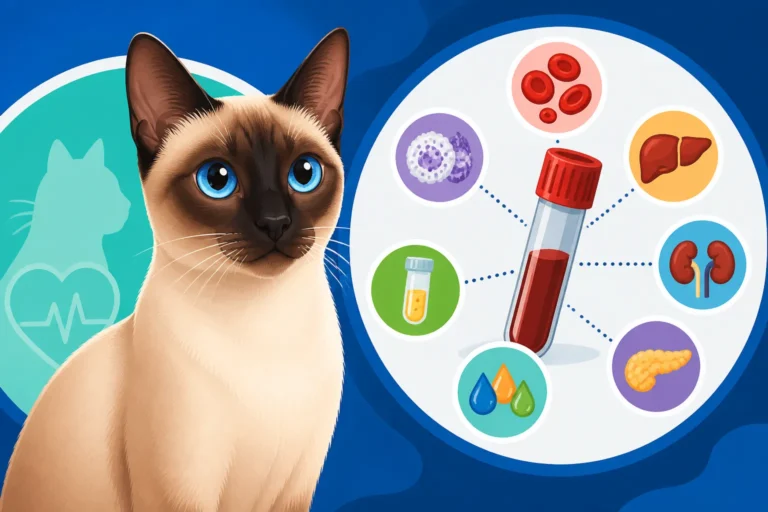
- Blood Work: A complete blood count and biochemistry panel can check for underlying systemic illnesses, organ dysfunction, or hormonal imbalances that could contribute to skin issues or general malaise. This is often part of a standard health panel, similar to What a Siamese Cat's Yearly Bloodwork Should Cover.
- Urinalysis: If licking in the genital area is prominent, a urinalysis can rule out urinary tract infections or bladder issues.
- Allergy Testing/Food Trials: If allergies are suspected, your vet might recommend a hypoallergenic food trial or discuss environmental allergy testing.
- Biopsy: In rare cases, if other tests are inconclusive and skin lesions persist, a skin biopsy might be performed to get a definitive diagnosis from a veterinary pathologist.
Only after a comprehensive investigation confirms the absence of physical ailments will your vet confidently diagnose psychogenic alopecia. This thoroughness ensures that you're treating the right problem and not just masking symptoms.
Effective Management Strategies and Treatments
Once psychogenic alopecia is diagnosed, the focus shifts to addressing the underlying stress and breaking the compulsive grooming cycle. This often requires a multi-faceted approach, combining environmental changes, behavioral therapy, and sometimes medication.
Environmental Enrichment and Behavior Modification
The cornerstone of managing psychogenic alopecia is reducing stress and increasing positive stimulation in your Siamese's life. This means taking a close look at their environment and daily routine. Start by identifying and minimizing potential stressors. Is there a new cat next door they can see? Block the window. Is their litter box too close to the washing machine? Move it to a quieter spot. Ensure they have safe, elevated perches where they can observe their territory without feeling vulnerable. Remember, a Siamese needs plenty of mental stimulation; they are not content to simply eat and sleep.
Introduce more interactive play sessions throughout the day. Feather wands, laser pointers (used responsibly, always ending with a tangible toy), and puzzle feeders that make them "work" for their food can do wonders. Consider installing bird feeders outside a window for entertainment, or even a catio for safe outdoor exposure. If your Siamese spends a lot of time alone, consider if they might benefit from a companion, keeping in mind Whether a Siamese Cat Is Happier in a Pair and the careful introduction protocols needed. Regular, predictable routines for feeding, playtime, and cuddles can also provide a sense of security and control, which reduces anxiety.
Dietary and Supplemental Support
While diet alone won't cure psychogenic alopecia, certain nutritional approaches and supplements can certainly help support your Siamese's overall well-being and potentially reduce anxiety. Some cats benefit from diets rich in L-tryptophan, an amino acid that's a precursor to serotonin, a neurotransmitter associated with feelings of calm and happiness. You can find this in some prescription calming diets or as a standalone supplement. Other supplements like alpha-casozepine (a milk protein hydrolysate) or L-theanine (found in green tea) are also known to have calming effects.
Beyond specific calming ingredients, ensuring your Siamese is on a high-quality, balanced diet is always important for their general health. If your cat has been experiencing chronic stress, their gut health might be affected, so a diet with prebiotics and probiotics could be beneficial. Always discuss any dietary changes or supplements with your vet to ensure they are appropriate for your cat and won't interact negatively with any other medications or conditions. Some pet owners find that a high-quality diet, combined with ample enrichment, can make a significant difference in their cat's mood and stress levels.
The Role of Medications When Necessary
Sometimes, environmental and behavioral changes aren't quite enough, especially if the obsessive grooming has become deeply ingrained or the anxiety is severe. In these cases, your vet might suggest a short-term course of medication to help break the cycle and allow the cat to respond better to behavioral modifications. These medications are not a "cure" but rather tools to help manage the anxiety.
Common medications include anti-anxiety drugs like fluoxetine (Prozac) or clomipramine. These are typically prescribed at low doses and gradually increased if needed, under close veterinary supervision. The goal is to reduce the cat's baseline anxiety to a level where they can learn new, healthier coping mechanisms and stop the compulsive grooming. These medications often take several weeks to show their full effect, so patience is key. Your vet will monitor your cat for side effects and adjust the dosage as necessary. It's important to remember that medication is most effective when used in conjunction with environmental and behavioral changes, not as a standalone solution. The costs associated with such treatments, from diagnosis to medication, highlight the value of pet insurance from providers like Healthy Paws in helping families manage these often unexpected expenses.
Living with and Preventing Recurrence
Managing psychogenic alopecia is often a long-term commitment, focusing on consistency and continuous adaptation to your Siamese's needs. The goal is not just to stop the current episode but to prevent future recurrences.
Long-Term Management and Monitoring
Once your Siamese's grooming behavior is under control, the journey isn't over. Long-term management involves continuous monitoring and proactive measures to maintain a low-stress environment. Keep a close eye on their grooming habits, even after the bald spots have grown back. Any subtle increase in licking, or a return to focused grooming in familiar spots, should be a red flag to re-evaluate their environment and stress levels. Many cats will need ongoing support, whether through consistent enrichment, specific calming supplements, or even low-dose maintenance medication.
It's also crucial to maintain regular veterinary check-ups. These appointments allow your vet to assess your cat's overall health, monitor for any changes, and discuss any emerging concerns. Building a strong relationship with your vet and being open about your cat's behavioral nuances is vital for their long-term well-being. Remember that managing a chronic condition, even a behavioral one, can have financial implications, so having pet insurance from a company like Healthy Paws can provide peace of mind for ongoing care. The aim is to create a lifestyle for your Siamese that minimizes stress and maximizes their sense of security and happiness.
Creating a Low-Stress Environment
The best defense against psychogenic alopecia recurrence is a consistently calm, predictable, and enriching home environment. Siamese cats thrive on routine. Stick to regular feeding times, play schedules, and consistent interactions. This predictability gives them a sense of control and reduces anxiety. Ensure they have plenty of high perches and hiding spots where they can retreat and feel safe, especially if you have a busy household or other pets.
Keep their core resources – food, water, and litter boxes – clean and in consistent locations, away from high-traffic areas. Use calming pheromone diffusers, such as Feliway, in areas where your cat spends a lot of time. Continue with daily interactive play sessions and provide a variety of puzzle toys and scratching posts. For some Siamese cats, the presence of a compatible feline companion can significantly reduce loneliness and boredom, as discussed in Whether a Siamese Cat Needs a Companion Cat, but this decision should be carefully considered and implemented. Be mindful of any changes in your own schedule or household that might affect your cat, and try to introduce changes gradually whenever possible. By proactively managing their environment, you can help your sensitive Siamese lead a happy, confident, and well-groomed life.
Disclaimer
This article is intended for informational purposes only and does not constitute medical advice. Always consult with a qualified veterinary professional for any health concerns or before making any decisions about your pet's health or treatment plan.