Why a Siamese Cat’s Eyes Turn Inward
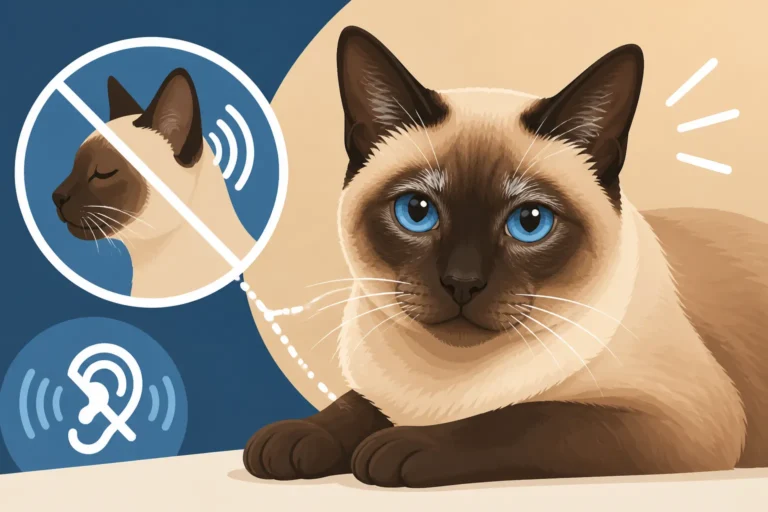
Many Siamese cat owners find themselves captivated by their feline friend's striking blue eyes, only to notice that sometimes, those beautiful eyes seem to turn inward, giving their beloved pet a distinctly "cross-eyed" look. This isn't just an adorable quirk; it's a genuine anatomical and neurological phenomenon called medial strabismus, and it's far more common in Siamese cats than in most other breeds. Understanding why this happens can help you appreciate your Meezer's unique characteristics and ensure you provide the best care for their vision.
The Distinctive Appearance of Siamese Cat Eyes
The Siamese cat's eyes are perhaps one of their most captivating features, an intense, sapphire blue that stands out dramatically against their pale coats and dark points. But there's more to their eyes than just color; their very structure and the way they perceive the world are intrinsically linked to their unique genetic makeup.
The Genetic Basis for Blue Eyes and Color Points
To truly understand why a Siamese cat's eyes sometimes turn inward, we first need to appreciate the fascinating genetics that give them their iconic appearance. Siamese cats possess a specific form of albinism, often referred to as partial albinism or temperature-sensitive albinism, which is caused by a mutation in the tyrosinase gene. This gene is crucial for producing melanin, the pigment responsible for color in skin, hair, and eyes. Because the mutated enzyme only functions at cooler temperatures, pigment production is restricted to the cooler extremities of the cat's body – the ears, paws, tail, and face, forming what we call "points." The warmer core body stays a creamy white or pale fawn.
This same genetic mutation also affects their eyes. Unlike most cats, whose eyes can be various shades of green, gold, or copper, all true Siamese cats have brilliant blue eyes. This is due to a lack of pigment in the iris, allowing us to see the blue light reflected from the back of the retina. It’s a stunning visual, but it's part of a larger genetic package that has other implications, including those for their vision. You can learn more about Why a Siamese Cat Has Blue Eyes at All However, it's not just the color; the way their optic nerves are wired is also part of this genetic blueprint.
Understanding Normal Siamese Eye Anatomy
While we might focus on the striking blue color, the internal wiring of a Siamese cat's eyes is what truly sets them apart and directly relates to the phenomenon of crossed eyes. In most mammals, including humans and other cat breeds, the optic nerves from each eye cross over in a structured way at a point called the optic chiasm. This crossover ensures that visual information from the left field of vision from both eyes goes to the right side of the brain, and vice-versa. This perfectly integrated system allows for binocular vision, depth perception, and a seamless visual field.
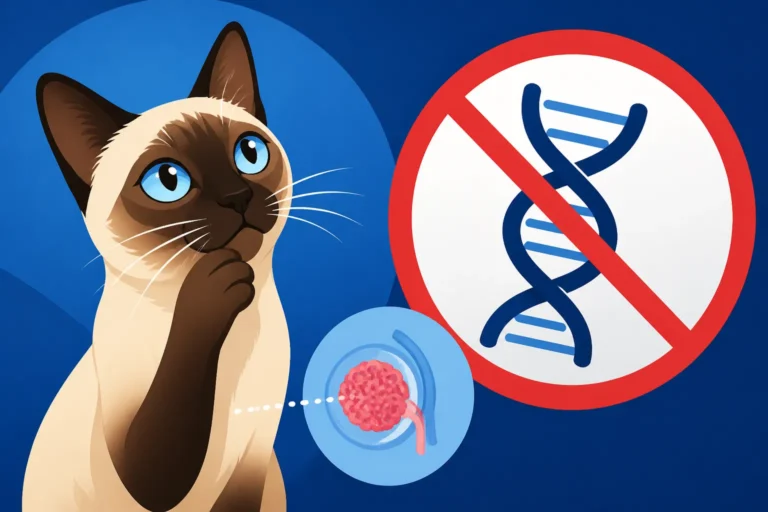
However, in Siamese cats, because of the same genetic mutation responsible for their point coloration, there's an abnormal routing of the optic nerves. More nerve fibers from each eye cross over to the opposite side of the brain than is typical. This means that if a Siamese cat didn't compensate for this miswiring, they would experience a significant gap or "blind spot" in their central vision. To correct this, their brains receive conflicting signals, and their eyes naturally adapt by rotating inward – they cross – to properly align the visual fields and allow the brain to process the information correctly. It's a compensatory mechanism, an ingenious workaround by nature to ensure they can still see effectively despite the initial miswiring.
Unraveling the Mystery of Crossed Eyes in Siamese Cats
The sight of a Siamese cat with slightly inward-turned eyes is a hallmark for many lovers of the breed, a defining characteristic that adds to their unique charm. But beyond the aesthetics, there's a fascinating neurological story behind this common trait, linking it directly to the breed's very essence.
What Exactly is Medial Strabismus?
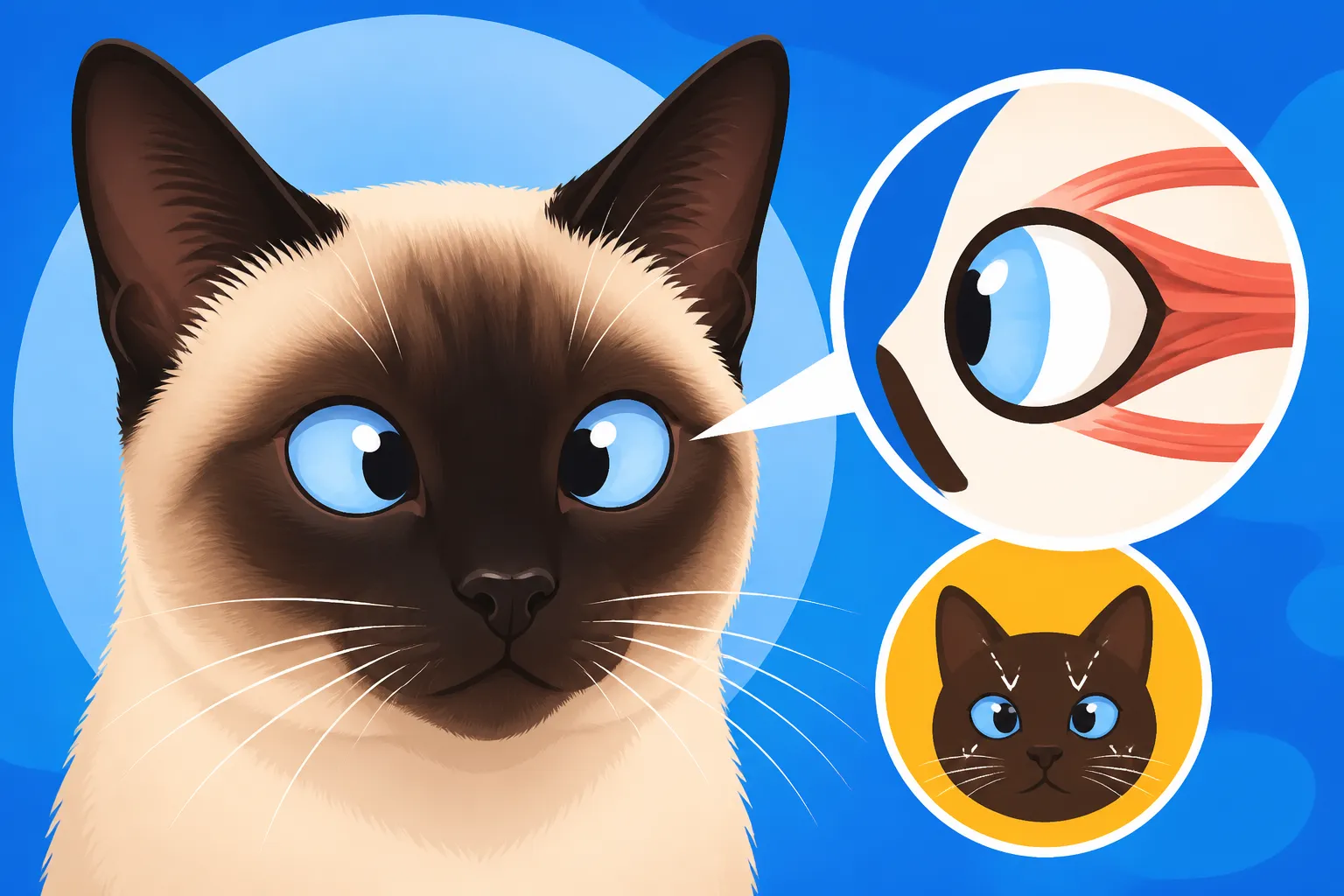
When we talk about a Siamese cat's eyes turning inward, the medical term for this is "medial strabismus." Strabismus, in general, refers to a condition where the eyes don't properly align with each other when looking at an object. It's sometimes called "crossed eyes" or "walleyes." In medial strabismus, specifically, one or both eyes deviate inward, towards the nose. This isn't just a random occurrence in Siamese cats; it's a genetically linked, neuro-ophthalmological phenomenon.
Unlike strabismus in other breeds, which might indicate a problem with the muscles controlling eye movement, nerve damage, or a more serious underlying health issue, in Siamese cats, it's often a direct consequence of their unique optic nerve development. It's crucial to distinguish this benign, breed-specific characteristic from other forms of strabismus that could indeed signal a problem. For example, some neurological conditions can cause rapid, involuntary eye movements, known as nystagmus, which is distinct from the static inward turn of strabismus. Owners should understand What Nystagmus Looks Like in a Siamese Cat. While medial strabismus in a Siamese is often benign, any sudden onset of crossed eyes, or if it appears alongside other concerning symptoms, warrants a vet visit.
The Neurological Connection to Siamese Genetics
The root cause of medial strabismus in Siamese cats lies deep within their genetic blueprint and how their visual system develops. As mentioned, the same gene responsible for their point coloration also influences the way the optic nerves from their eyes cross over to their brains. In most cats, roughly 70-75% of the optic nerve fibers from each eye cross to the opposite side of the brain at the optic chiasm, while the remaining 25-30% stay on the same side. This sophisticated arrangement allows the brain to create a unified, three-dimensional image of the world.
However, in Siamese cats, a significantly higher percentage of optic nerve fibers cross over – sometimes as much as 90-95%. This increased crossover leads to an imbalance in the visual signals being sent to each hemisphere of the brain. If their eyes remained perfectly straight, the cat's brain would receive a chaotic and incomplete visual input, resulting in severe visual impairment and large blind spots. To compensate for this miswiring, the cat's brain sends signals to the eye muscles, causing the eyes to turn inward. This physical adjustment helps to realign the visual fields, bringing the distorted images from each eye into a more coherent, albeit not perfectly normal, focus. It’s a remarkable example of neurological adaptation, allowing them to function effectively despite an atypical visual pathway.
Why Early Siamese Cats Often Had Crossed Eyes
If you look at old photographs or read historical accounts of Siamese cats, you'll often find descriptions and images of cats with very pronounced crossed eyes. This wasn't just a rare anomaly; it was an extremely common trait, almost a defining characteristic of the breed in its early days, particularly among the original imports from Siam (now Thailand). The genetic mutation causing the specific optic nerve misrouting was highly prevalent in the ancestral Siamese population.
Early breeders, before the science of genetics was fully understood or applied to cat breeding, often selected for other traits like body conformation, point color, and temperament, without specifically breeding out crossed eyes. In fact, for many, the crossed eyes and even the kinked tail (another common ancestral trait) were considered part of the exotic charm and authenticity of the "Royal Cat of Siam." There were even legends, such as temple cats guarding sacred vases with their tails wrapped around the base and their eyes fixed intently, causing them to kink and cross over time. While delightful folklore, the scientific reality is genetic. Over time, as selective breeding became more refined and focused on certain aesthetic standards, the prevalence and severity of crossed eyes began to decrease in some lines. This shift in breeding emphasis led to changes in what was considered desirable within the breed.
Living with a Siamese Cat That Has Crossed Eyes
So, your beautiful Siamese has those endearing crossed eyes. You might wonder if it affects them or if there's anything you need to do. For most Siamese cats, this unique trait is simply part of who they are, with minimal impact on their quality of life. However, being an informed and attentive owner is always key to ensuring their well-being.
Impact on Vision and Daily Life
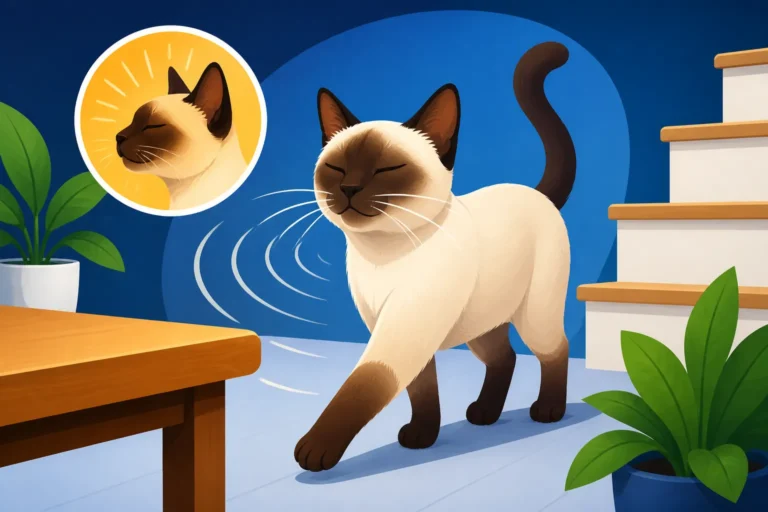
For the vast majority of Siamese cats with medial strabismus, the condition poses very little, if any, practical disadvantage in their daily lives. Remember, the crossed eyes are a compensatory mechanism. Their brain has essentially rewired itself to interpret the visual input they receive. This means that while their vision might be slightly different from a cat with "normal" optic nerve routing, they are typically able to navigate their environment, hunt toys, jump onto furniture, and interact with people and other pets without any apparent difficulty. They adapt incredibly well.
You might notice that their depth perception isn't always perfect, perhaps missing a toy occasionally when playing or misjudging a jump from time to time. However, cats are masters of adaptation, and they rely heavily on their other highly developed senses – hearing, smell, and touch (whiskers) – to compensate for any minor visual quirks. A Siamese cat's general health and zest for life are far more indicative of their well-being than whether their eyes are perfectly straight. These cats are known for being incredibly active, playful, and intelligent, and a touch of strabismus rarely slows them down. For comprehensive insights into their overall health, you might find it useful to read about How Healthy the Siamese Cat Actually Is.
When to Seek Veterinary Advice
While crossed eyes are often a normal, benign trait in Siamese cats, it's crucial for owners to understand when it might signify something more. If your Siamese cat has had crossed eyes since kittenhood and it's stable, consistent, and they're otherwise healthy and active, it's generally nothing to worry about. However, if you notice any sudden changes in their eyes, or if strabismus develops later in life, a visit to the veterinarian is definitely in order.
Here are some signs that warrant a professional check-up:
- Sudden onset of crossed eyes: If your adult Siamese suddenly develops strabismus, especially if their eyes were previously straight, this could indicate a neurological problem, trauma, or an underlying illness that needs urgent attention.
- Worsening strabismus: If the degree of crossing significantly increases over a short period.
- Associated symptoms: Watch for other signs like head tilting, loss of balance, walking in circles, stumbling, clumsiness, dilated pupils, changes in eye color, excessive tearing, squinting, or pawing at the eyes. These could point to conditions such as vestibular disease, inner ear infections, brain lesions, or other eye diseases.
- Vision impairment: While Siamese cats with congenital strabismus usually adapt, if your cat seems to be genuinely struggling to see, bumping into objects, or is hesitant to move around, it's a concern.
- Pain or discomfort: Any signs of pain, such as holding the eye shut, redness, swelling, or discharge, should be investigated immediately.
It’s always a good idea to discuss any concerns with your vet. A simple check-up can often provide peace of mind. Investing in pet insurance, like a plan from Healthy Paws, can also provide significant financial relief if unexpected veterinary care becomes necessary for conditions like acute trauma, infections, or other health issues that might manifest with eye symptoms.
Breeding Considerations and Ethical Practices
The history of the Siamese cat breed has seen a fascinating evolution in how certain traits, including crossed eyes, are viewed and managed within breeding programs. Historically, as we discussed, crossed eyes were very common and simply accepted as part of the breed's unique look. However, as the breed evolved and show standards became more stringent, many breeders began to actively select against this trait. Most modern show standards for the Siamese cat now consider crossed eyes a fault, meaning a cat exhibiting significant strabismus would likely be penalized in the show ring. This push towards "straightening" the eyes has led to a noticeable reduction in the prevalence and severity of strabismus in many contemporary Siamese lines.
Ethical breeding practices today emphasize not only adhering to breed standards but also promoting overall health and temperament. Breeders who are dedicated to the welfare of their cats will screen for a variety of health issues, and while there is no specific "cure" for the genetic predisposition to crossed eyes, careful selection can reduce its incidence. If you are considering getting a Siamese kitten, discussing family history and the prevalence of crossed eyes in the lineage with the breeder can be helpful. A responsible breeder will be transparent about their breeding goals and the health of their lines. Understanding Which Health Tests a Siamese Cat Breeder Runs can help you choose a reputable source. The goal is to produce healthy, well-adjusted cats that embody the breed's best qualities, whether their eyes are perfectly straight or possess that charming, inward gaze.
Managing and Monitoring Your Siamese Cat's Eye Health
For a Siamese cat with a mild case of medial strabismus that has been present since kittenhood, specific "treatment" isn't usually necessary, as it's a compensatory mechanism rather than a disease. Your primary role as a devoted cat parent is to ensure their overall eye health and watch for any changes that might indicate a problem.
Routine Eye Care and Observation
Keeping an eye on your Siamese cat's eyes (pun intended!) is a simple yet vital part of their routine care. Their striking blue eyes are generally quite healthy, but like all cats, they can be susceptible to common eye irritations or infections.
Here’s what to look for and how to maintain good eye hygiene:
- Cleanliness: Siamese cats often have large, expressive ears and a fine coat, but their eyes generally don't require extensive cleaning unless you notice discharge. If there's a little crusting in the corners, a soft, damp cloth can gently wipe it away. Always use a separate clean part of the cloth for each eye to prevent potential spread of infection.
- Discharge: A small amount of clear discharge can be normal, especially after sleep. However, if you see excessive tearing, thick, colored discharge (yellow, green), or discharge accompanied by redness or swelling, it’s time for a vet visit. These can be signs of infection, allergies, or an injury.
- Clarity: The surface of your cat’s eyes should be clear and bright. Any cloudiness, opacity, or change in the eye's appearance warrants professional attention.
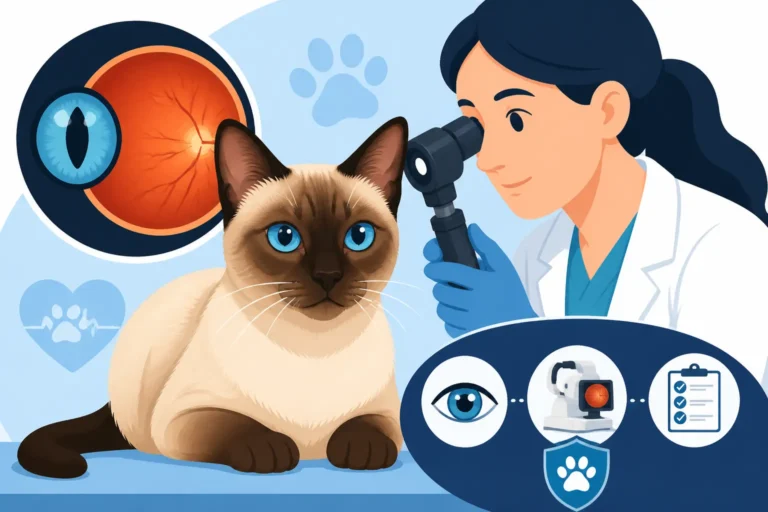
- Pupil Size and Reactivity: Both pupils should be equal in size and should constrict in bright light and dilate in dim light. Any asymmetry or lack of response could indicate a neurological issue.
- Eyelids: The eyelids should be clean and not appear inflamed or swollen. Excessive blinking or squinting is a sign of discomfort.
Regular observation during your daily interactions and grooming sessions will help you become familiar with what's normal for your particular cat. If you ever have concerns about your cat's eye health, especially if you think it's related to their distinctive eye characteristics, consulting your veterinarian is always the safest course of action. This proactive approach helps ensure that any potential issues are caught early, protecting your Siamese's precious sight throughout The Fifteen to Twenty Years a Siamese Cat Gets.
Potential Related Eye Conditions
While medial strabismus in Siamese cats is often benign, it doesn't mean they are immune to other eye conditions that can affect any cat. In fact, some genetic predispositions in purebred cats can unfortunately increase the risk of certain health problems, including those affecting the eyes. Understanding these can help you be vigilant.
Here are a few conditions to be aware of:
- Progressive Retinal Atrophy (PRA): This is a degenerative genetic disease that affects the photoreceptor cells in the retina, leading to gradual blindness. While there are DNA tests for some forms of PRA in certain breeds, the situation for Siamese cats can be complex regarding testing. It's an important condition to be aware of, especially as your cat ages.
- Glaucoma: This condition involves increased pressure within the eye, which can damage the optic nerve and lead to blindness if not treated promptly. Symptoms can include a cloudy eye, redness, pupil dilation, and pain.
- Cataracts: While less common in cats than in dogs, cataracts can occur, causing clouding of the lens and obstructing vision. They can be age-related or secondary to other conditions like diabetes.
- Conjunctivitis: Inflammation of the conjunctiva (the lining of the eyelids and part of the eyeball) is common and can be caused by infections (bacterial, viral), allergies, or irritants. Symptoms include redness, swelling, and discharge.
- Corneal Ulcers: These are open sores on the surface of the eye, often caused by trauma, infection, or foreign bodies. They are painful and require immediate veterinary attention to prevent further damage.
While it's important not to become overly anxious, knowing about these possibilities allows you to recognize symptoms early. If your Siamese cat shows any signs of vision changes or discomfort, don't hesitate to contact your veterinarian. Early diagnosis and treatment are critical for managing many eye conditions and can often preserve your cat's vision and comfort. Having pet insurance, like a plan from Healthy Paws, can certainly alleviate some of the financial stress associated with diagnosing and treating these kinds of complex or chronic conditions, offering peace of mind that you can afford the best care for your beloved companion.
Disclaimer
This article is intended for informational purposes only and is not a substitute for professional veterinary advice, diagnosis, or treatment. Always seek the advice of your veterinarian or other qualified health provider with any questions you may have regarding a medical condition.