Whether Crossed Eyes Are Still Bred Out of Siamese Cats
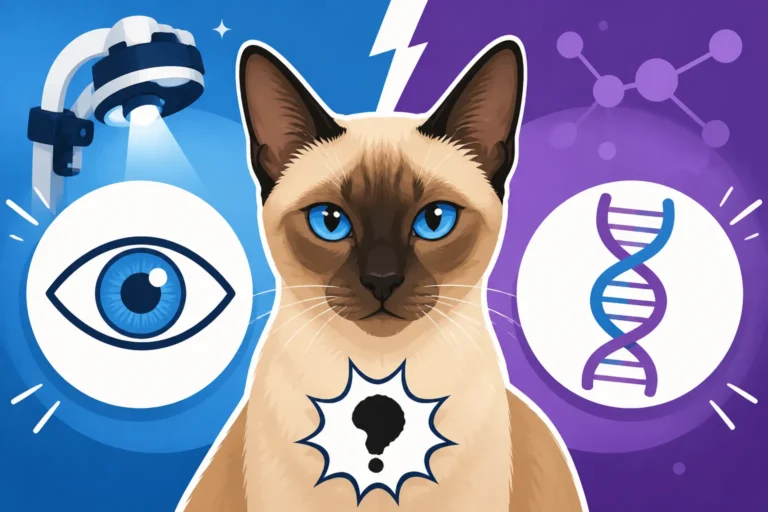
It’s a sight that’s both endearing and sometimes a little confusing: those beautiful, intense blue eyes of a Siamese cat, sometimes crossing inward, giving them a perpetually thoughtful or perhaps slightly mischievous look. Many of us remember the classic image of a Siamese with distinctly crossed eyes, but if you’re looking for a kitten today, you might notice it’s not as common. This shift often leaves potential owners wondering what changed, if this trait is a health concern, and whether breeders actively work to eliminate this unique feature. This guide will dive deep into the fascinating history, genetics, and modern breeding practices surrounding crossed eyes in Siamese cats, helping you understand why you see what you see (or don't see!) in these beloved felines.
The Historical Perception of Crossed Eyes in Siamese Cats
For centuries, the image of a Siamese cat was synonymous not just with its striking point coloration and vocal personality, but also with its distinctive physical quirks: a kinked tail and those captivating, crossed eyes. These traits weren't always seen as faults; in many ways, they were part of the breed's mystique.
A Hallmark of the Early Breed
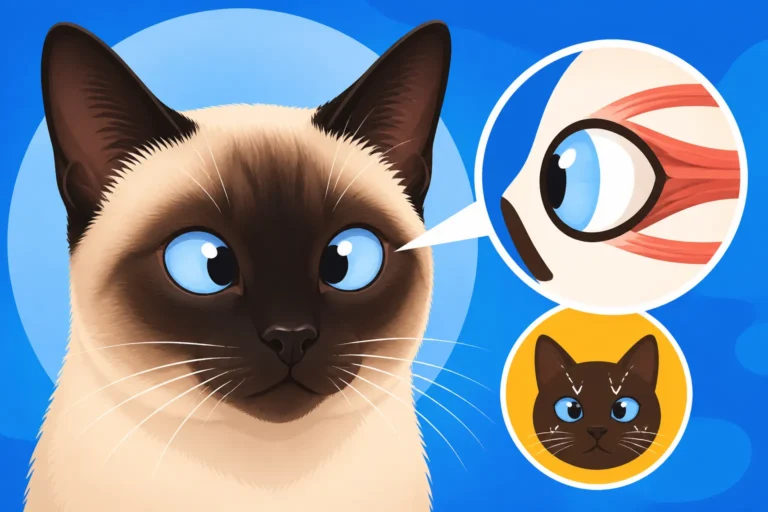
Imagine the first Siamese cats arriving from Siam (modern-day Thailand) in the late 19th century. They were truly exotic creatures, unlike any domestic cats seen in the Western world. Their pale bodies, dark points, and piercing blue eyes were captivating. And yes, many of these early imports sported noticeably crossed eyes, a condition technically known as esotropia or medial strabismus. It was so prevalent, in fact, that it became a recognized characteristic of the breed, often mentioned in early descriptions and even celebrated in folklore.
Some of the ancient legends surrounding Siamese cats even incorporated these physical traits. One popular tale suggests that Siamese cats were sacred temple guardians, tasked with protecting royal treasures. They were said to stare so intently at these precious artifacts that their eyes became permanently crossed. Another version of the legend, often linked to the kinked tail, suggested the cats wrapped their tails around the treasures, developing kinks, and then stared unblinkingly, crossing their eyes in the process. These stories painted these traits not as imperfections, but as badges of honor and signs of their unique heritage. For a long time, if a Siamese didn't have at least slightly crossed eyes, some might have even questioned its authenticity! You can read more about this in our article, Why a Siamese Cat's Eyes Cross and Its Tail Kinks.
The Shift in Breeding Ideals
As the breed gained popularity and formal breeding programs were established in Europe and America, a more standardized "look" began to emerge. Early cat fanciers and breeders, influenced by developing aesthetic ideals, started to move away from these "quirky" traits. The late 19th and early 20th centuries saw the formation of breed clubs and the establishment of written breed standards. These standards aimed to define the ideal Siamese cat, and in this pursuit of perfection, traits like kinked tails and crossed eyes began to be listed as "faults" or "disqualifications" in the show ring.
The focus shifted towards producing cats with perfectly aligned eyes, straight tails, and the sleek, elegant body type we associate with the modern Siamese. Breeders began to selectively breed away from cats exhibiting these traits, hoping to diminish their prevalence in future generations. It was a conscious effort to refine the breed according to evolving beauty standards, often prioritizing a more "Westernized" idea of feline elegance over the traditional appearance of their Siamese ancestors. This wasn't necessarily driven by health concerns – as we'll discuss, crossed eyes in Siamese cats rarely cause significant vision problems – but rather by a desire for a uniform and aesthetically "perfect" specimen for exhibition.
The Genetics Behind Crossed Eyes in Siamese Cats
Understanding why Siamese cats are prone to crossed eyes isn't just about historical preferences; it's rooted in their unique genetics, particularly the gene responsible for their iconic color. It’s a fascinating interplay between pigmentation and neural development.
The Albino Gene Connection
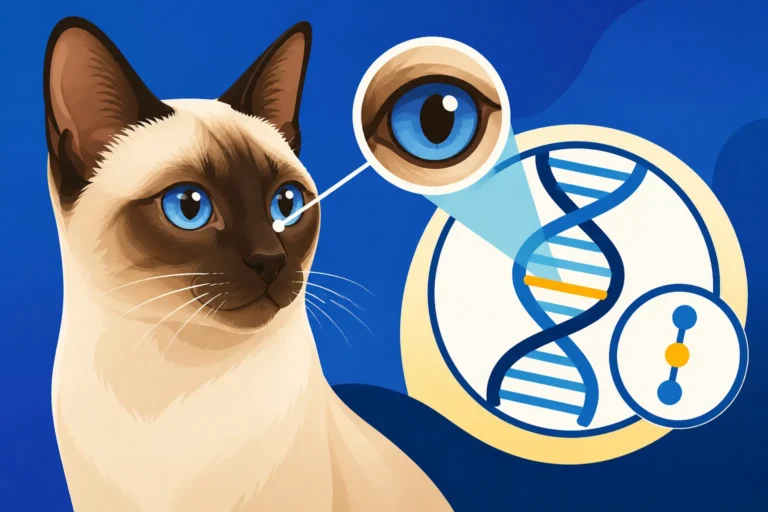
The distinctive point coloration of the Siamese cat, with darker fur on its extremities and a lighter body, is due to a form of temperature-sensitive albinism. This genetic mutation affects an enzyme called tyrosinase, which is crucial for melanin production (the pigment that gives fur its color). This enzyme only functions properly in cooler temperatures, hence why the cooler parts of the cat's body – the ears, face, paws, and tail – develop darker pigment.
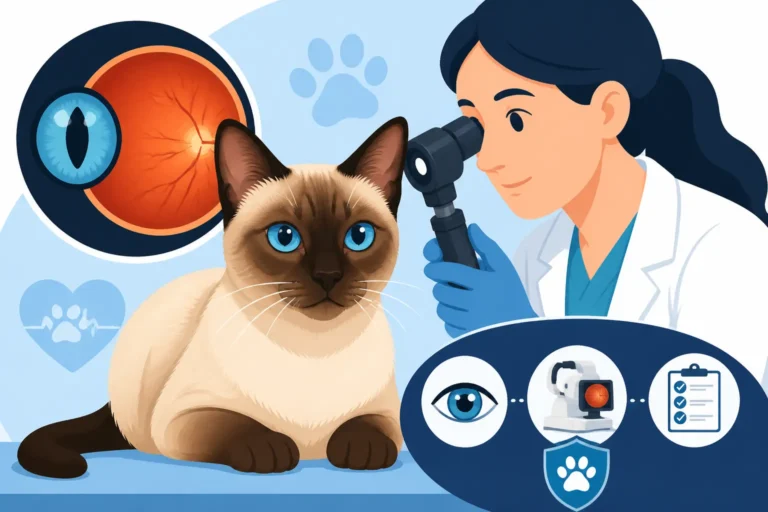
Now, here's where it gets interesting: this same genetic mutation isn't just about fur color. It also plays a role in the development of the visual pathways in the brain. In many albino animals, including Siamese cats, the optic nerves don't cross over and distribute information to the brain in the typical way. Instead of each eye sending roughly half its signals to one side of the brain and half to the other, the majority of the signals from each eye travel to the opposite side of the brain. This abnormal routing of visual information means the cat's brain has to work harder to properly integrate images from both eyes and achieve binocular vision. To compensate for this miswiring, the eyes often converge inward, causing them to appear crossed. It’s a physiological adaptation to a genetic quirk, not necessarily a defect that causes pain or severe impairment. This is why you'll find that Why a Siamese Cat's Eye Color Is Always Blue is intrinsically linked to these visual pathway differences.
Recessive Traits and Selective Breeding
Crossed eyes in Siamese cats are considered a polygenic trait, meaning it's influenced by multiple genes, but the primary genetic factor is strongly linked to the gene responsible for their point coloration. Since it's often a recessive trait, a cat needs to inherit two copies of certain genes to display noticeably crossed eyes. This means that even cats with straight eyes can carry the genes for strabismus and pass them on to their offspring.
This genetic complexity presents a challenge for breeders. If a breeder is trying to "breed out" crossed eyes, they need to be very careful with their breeding selections. Simply breeding two straight-eyed Siamese cats doesn't guarantee straight-eyed kittens, especially if both parents are carriers of the recessive genes. Conversely, breeding a cat with perfectly straight eyes to another with the same trait might reduce the incidence, but it also reduces the overall genetic pool if done too aggressively. Over-zealous selective breeding for a single trait, without considering broader genetic health, can sometimes inadvertently lead to other issues or reduce the breed's genetic diversity. Responsible breeders, supported by resources like Healthy Paws pet insurance, understand the importance of comprehensive health screening beyond just aesthetic traits, ensuring the overall well-being of their lines. They focus on maintaining the health and vigor of the breed, not just superficial characteristics.
Are Crossed Eyes Still Bred Out of Siamese Cats Today?
This is where things get a bit nuanced, as the world of Siamese cats isn't a monolith. There are different types of Siamese, championed by different groups, and their views on crossed eyes vary significantly.
Modern Show Standards vs. Traditional Preference
If you attend a cat show today, particularly one featuring "modern" or "wedge-head" Siamese cats, you'll notice a distinct absence of crossed eyes. In the highly competitive world of show breeding, crossed eyes are still generally considered a fault or even a disqualification in many major cat registries like the Cat Fanciers' Association (CFA) or The International Cat Association (TICA). The ideal modern Siamese is characterized by its extreme wedge-shaped head, large ears, slender body, and precisely aligned eyes. Breeders striving for these show standards rigorously select against any cat exhibiting strabismus. The pursuit of this "perfect" aesthetic means that many modern show-bred Siamese lines have successfully minimized or eliminated the incidence of crossed eyes. Our article on What a Siamese Cat Looks Like by the Standard elaborates on these detailed requirements.
However, the story is quite different for those who prefer the "traditional" or "applehead" Siamese. These enthusiasts and some breeders value the older, more rounded head shape and robust body type that harks back to the original imports from Siam. For them, the charm of the breed often includes these historical traits, and a touch of crossed eyes or a kinked tail is seen as an authentic characteristic rather than a flaw. In fact, some traditional Siamese registries or groups actively embrace these features as part of the breed's heritage. They are not "breeding them out"; if anything, they might tolerate them or view them as part of the unique appeal of an "old-style" Siamese. This divergence highlights how different segments of the cat fancy prioritize different aspects of the breed's appearance. You might want to explore How the Applehead Siamese Cat Became the Wedge for more context on these differing standards.
Health vs. Aesthetics
It's crucial to understand that for the vast majority of Siamese cats, crossed eyes are almost entirely an aesthetic concern, not a serious health issue. While their depth perception might be slightly altered, their overall vision is typically perfectly functional. They can navigate their environment, play, hunt, and live completely normal, happy lives. Think of it like a human with a mild lazy eye; it might be noticeable, but it doesn't necessarily hinder their day-to-day activities or quality of life. In fact, many cross-eyed Siamese cats are exceptionally agile and attentive, proving that their vision is more than adequate.
So, when breeders talk about "breeding out" crossed eyes, they are primarily addressing a cosmetic trait that is deemed undesirable by show standards. There isn't a widespread push to eliminate crossed eyes for medical reasons, unlike, for example, breeding out genetic diseases like Amyloidosis, which can be life-threatening. The health of a cat with crossed eyes is rarely compromised, and a good pet insurance provider like Healthy Paws would cover any actual vision issues that might arise, just as they would for any other cat. The debate around crossed eyes is less about welfare and more about adherence to a specific visual ideal.
The Role of Responsible Breeders
Responsible breeders, whether they lean towards modern or traditional types, always prioritize the overall health and temperament of their cats above all else. For a modern Siamese breeder, this often means selecting against crossed eyes to meet show standards, but they do so within the context of a robust health screening program. They will screen for inherited diseases and ensure their breeding cats are sound. Their aim is a healthy, type-conforming cat.
For traditional Siamese breeders, while they might not actively "breed out" crossed eyes, they still focus on overall feline well-being. They're not looking for cats with severe eye issues, but rather those whose crossed eyes are a benign characteristic of the breed's heritage. Both types of responsible breeders understand that a cat's health, longevity, and happy disposition are far more important than any single cosmetic trait. They engage in careful genetic planning to avoid inbreeding and maintain genetic diversity, ensuring the long-term health of their lines. They know that a cat's happiness isn't dependent on having perfectly aligned eyes, but on good health and a loving home.
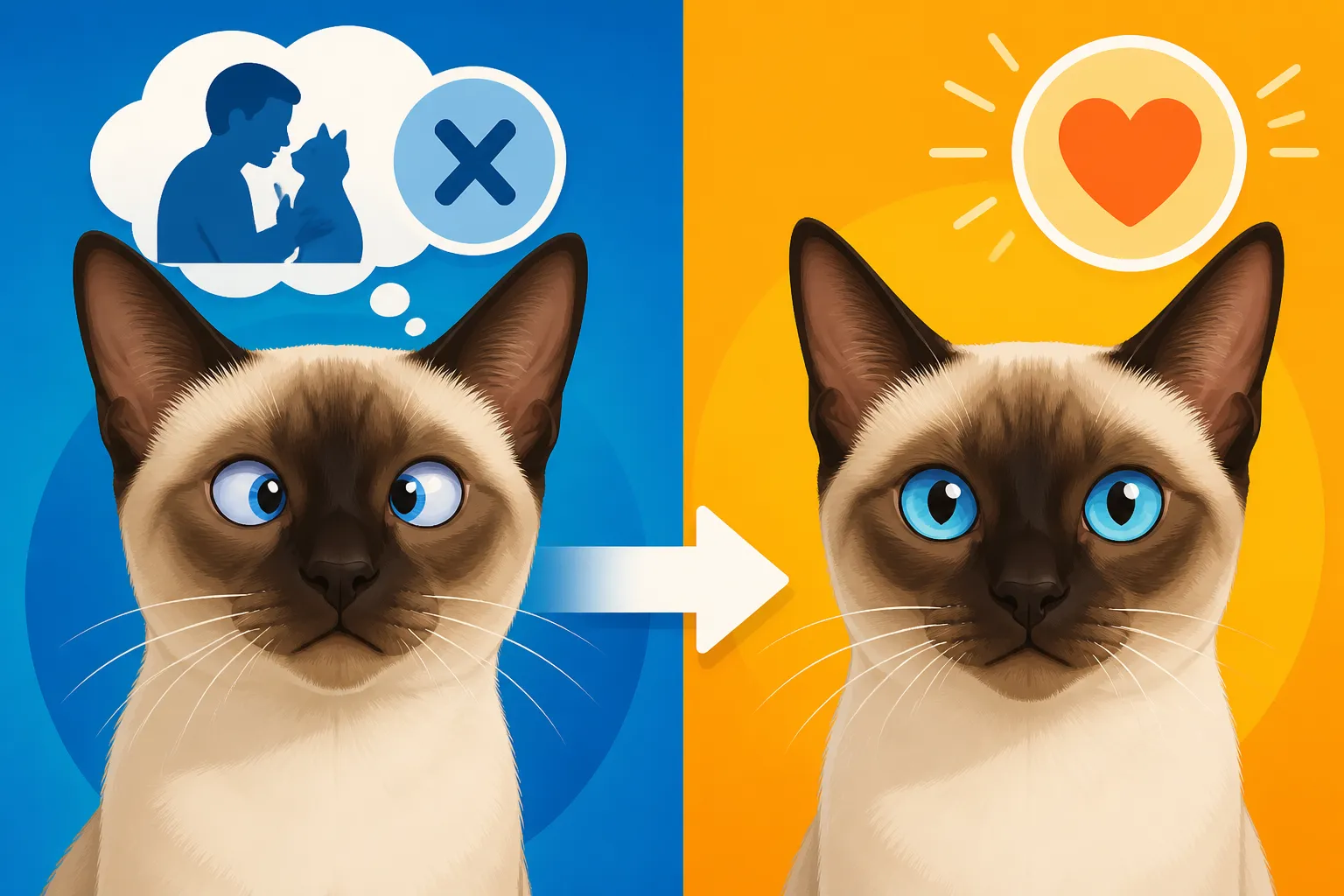
Ultimately, whether crossed eyes are still being bred out depends on the breeder and the specific breeding goals. In the show ring for modern Siamese, absolutely. In traditional lines or for pet homes, it's less of a priority and often celebrated as a unique charm.
Living with a Cross-Eyed Siamese Cat
If you're considering bringing a Siamese cat into your home, and you encounter one with crossed eyes, there's absolutely no need to hesitate due to this trait. These cats are just as wonderful, affectionate, and intelligent as their straight-eyed counterparts.
Adjustments and Quality of Life
It's a common misconception that crossed eyes imply poor vision. While a Siamese cat with strabismus might have slightly different depth perception, it’s generally not a handicap. Their brains adapt remarkably well to the altered visual input. They might be a tiny bit clumsier when judging distances for a jump or a toy, but most owners hardly notice any difference in their cat's abilities. Cats are incredibly adaptable creatures, relying on a combination of sight, hearing, and smell to navigate their world. A cross-eyed Siamese will still chase a laser pointer with gusto, scale your cat tree, and locate its food bowl without issue.
You might notice them tilting their head occasionally or using slightly different angles to look at things, but these are minor adjustments their brain makes. Most won't need any special accommodations beyond what any playful, intelligent Siamese requires: plenty of interactive toys, stimulating environments, and lots of human attention. Should you ever have concerns about your Siamese cat's vision, a vet visit is always recommended, and pet insurance like Healthy Paws can help cover diagnostic tests or specialized care, just in case. However, severe vision impairment due to simple strabismus is quite rare.
Embracing the Uniqueness
For many Siamese cat lovers, a pair of crossed eyes adds to the distinctive charm and personality of their feline companion. Far from being a flaw, it's often seen as a quirky characteristic that makes their cat even more special and memorable. It gives them a unique expression, a sort of perpetual "thinking deeply" look that is endearing. In a world where perfection is often sought, embracing these unique traits reminds us that beauty comes in many forms.
If you adopt a cross-eyed Siamese, you'll find yourself falling in love with its individual character, vocalizations, and affectionate nature, long before you even register its eye alignment. It's a hallmark of the breed's ancient lineage, a gentle nod to the temple cats of Siam, and a conversation starter for anyone who meets your unique feline friend. There is no evidence that Whether Crossed Eyes Hurt a Siamese Cat or detract from their overall well-being.
Here's a quick comparison of breeding attitudes towards crossed eyes:
| Feature/Characteristic | Modern "Wedge-Head" Siamese (Show Standard) | Traditional/Old-Style Siamese (Pet/Heritage Focus) |
|---|---|---|
| Head Shape | Long, lean wedge; large ears | Rounded "apple" head; smaller, more proportionate ears |
| Body Type | Svelte, tubular, athletic | Cobby, more robust, muscular |
| Eye Alignment | Straight, almond-shaped; crossed eyes are a fault/disqualification | Often tolerated, sometimes seen as a charming characteristic; not typically penalized |
| Breeding Goal | Adherence to extreme show standards, refined elegance | Preservation of original body type and historical traits, overall health |
| Primary Focus | Aesthetics for the show ring | Heritage, temperament, and robust health for pet homes |
Disclaimer
The information provided in this guide is intended for general informational purposes only and does not constitute professional veterinary advice. Always consult with a qualified veterinarian or animal health professional for any concerns about your Siamese cat's health, diagnosis, or treatment. Genetic information and breeding practices can be complex, and individual circumstances may vary.