Signs a Siamese Cat Is Having an Asthma Attack
It’s a heartbreaking sight to witness your usually energetic and vocal Siamese cat suddenly struggling to breathe, maybe even hunching over, making strange noises, and looking utterly terrified. That moment of panic, wondering if it's just a hairball or something far more serious, is something no cat parent ever wants to experience. This guide is here to walk you through the clear, unmistakable signs that your beloved Siamese is having an asthma attack, so you can act quickly and confidently when every second counts.
Understanding Feline Asthma and Why Siamese Cats Are Prone
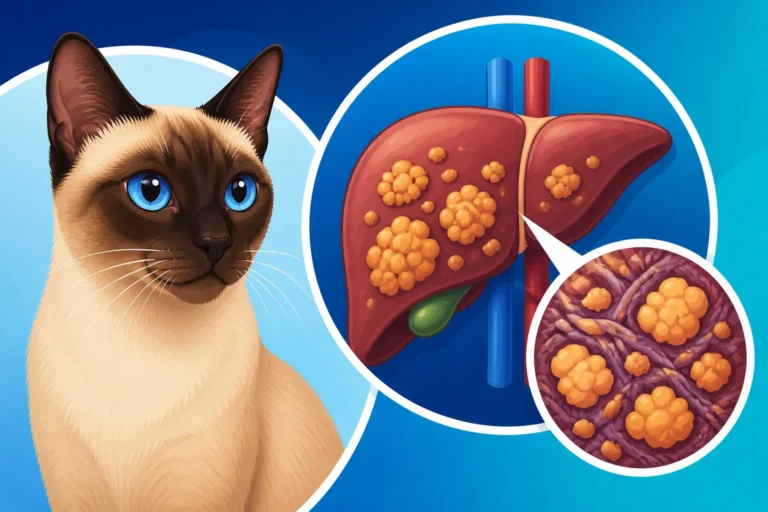
Feline asthma is a chronic inflammatory disease of the lower airways that affects cats of all breeds, but it does seem to strike Siamese cats with a particular frequency. It's essentially the same condition as human asthma, where the airways become inflamed, constrict, and produce excess mucus, making it incredibly difficult to breathe. Imagine trying to breathe through a straw that's getting narrower and narrower – that's what an asthma attack can feel like for your cat.
What Feline Asthma Actually Is
At its core, feline asthma is an allergic reaction. When your cat inhales an allergen – perhaps pollen, dust mites, certain types of cat litter, or even some cleaning product fumes – their immune system overreacts. This triggers a cascade of events in their lungs. The smooth muscles surrounding the bronchi (the main air passages in the lungs) go into spasm, constricting the airways. At the same time, the lining of these airways becomes inflamed and swells, and goblet cells within the airways start producing an excessive amount of thick, sticky mucus. All three of these factors combined severely reduce the space available for air to move in and out, leading to the distressing symptoms we associate with an asthma attack. It’s not just a momentary cough; it’s a serious respiratory event that can escalate quickly.
The Siamese Link to Asthma Susceptibility
It’s a curious and often frustrating fact for us Siamese parents: our beautiful, intelligent, and famously chatty companions seem to be predisposed to certain health conditions, and asthma is definitely one of them. While scientists are still working to pinpoint the exact genetic markers, anecdotal evidence from veterinarians and breeders alike strongly suggests that Siamese cats, along with closely related Oriental breeds, have a higher incidence of feline asthma. Some theories point to a genetic component that makes their immune systems more reactive or their airways naturally more sensitive to irritants. This means that while any cat can develop asthma, if you have a Siamese, it’s particularly crucial to be aware of the signs and potential triggers. Their lean build and often dramatic expressions can also make their struggle more apparent, adding to the urgency of understanding these symptoms. Knowing that your Siamese cat might be more at risk means you'll be extra vigilant, and that's half the battle won.
Recognizing the Early Warning Signs of an Attack
Sometimes, an asthma attack doesn't just come out of nowhere. There can be subtle hints, quiet warnings that, if you're observant, can clue you in that your Siamese might be heading for trouble. Catching these early signs can make a huge difference in managing the situation and potentially preventing a full-blown crisis. It's all about knowing your cat's normal behavior and spotting the deviations.
Subtle Changes in Breathing Patterns
Before the full-blown gasping and wheezing, your Siamese might show more subtle changes in their breathing. Keep an eye, or an ear, out for these:
- Increased Respiratory Rate: Count your cat’s breaths per minute when they’re resting peacefully. A normal resting respiratory rate for a cat is typically between 15 and 30 breaths per minute. If you notice it’s consistently higher, even when they’re calm, it could be a sign of underlying respiratory distress. This isn't just panting from exertion; it's a sustained, slightly faster rhythm of breathing without any obvious cause.
- Shallow Breathing: Instead of deep, relaxed breaths, you might notice your cat taking quick, shallow breaths. Their chest might not rise and fall as much as usual. This can indicate they're trying to limit the expansion of their inflamed lungs or that air isn't moving effectively.
- Abdominal Breathing: This is a crucial sign. Normally, a cat's breathing primarily involves the chest. If you see their abdomen visibly heaving or working hard with each breath, it means they are using their abdominal muscles to assist with respiration, a clear sign of increased effort. This is often described as "flank breathing" and is a definite red flag.
- Audible Breathing Sounds: While full wheezing is a later sign, you might hear very faint, high-pitched whistling sounds on exhalation, or even a soft rattling, if you listen closely to their chest when they're breathing. It's not always loud, but if you're next to them, you might just catch it.
- Persistent Coughing or Hacking: While a full-blown asthma attack often includes coughing, even a seemingly mild, persistent cough that isn't producing a hairball can be an early indicator. It might sound like they're trying to clear their throat, but nothing is coming up. For more insight, you might want to read our article on whether a Siamese cat's cough is asthma or a hairball. This distinction is vital!
Unusual Posture or Behavior
Beyond breathing, your Siamese might exhibit some peculiar behaviors or assume odd postures as they try to cope with restricted airflow. They're masters at hiding discomfort, so these signs can be very subtle.
- Crouching or Hunching: A cat experiencing respiratory distress might adopt a hunched-over posture, often with their neck extended slightly and their head held low, almost as if trying to open their airway. They might stretch their neck out as far as possible, making it look like they're concentrating intensely on breathing.
- Elbows Held Out: You might notice them standing or sitting with their elbows slightly abducted, or held away from their body. This posture, along with the extended neck, is another attempt to expand their chest cavity and make breathing easier.
- Reluctance to Move or Play: Even if they're usually playful and energetic, an asthmatic Siamese might suddenly become lethargic, preferring to lie down quietly rather than engage in their usual antics. They might avoid jumping or climbing, as these activities exacerbate their breathing difficulties.
- Increased Anxiety or Restlessness: While some cats become lethargic, others might become agitated. They might pace, unable to find a comfortable position, or seem unusually clingy or withdrawn. Their eyes might look wider, reflecting distress.
- Loss of Appetite or Thirst: If breathing becomes too difficult, even eating or drinking can feel like too much effort. You might notice a sudden disinterest in food or water bowls.
- Licking Lips or Swallowing: This can be an attempt to deal with excess mucus in their throat, or it could be a sign of nausea associated with stress or difficulty breathing.
Being keenly aware of your Siamese's normal habits is your superpower here. Any deviation, especially a combination of these subtle signs, warrants close attention and likely a call to your vet.
The Unmistakable Signs of a Full-Blown Asthma Attack
When an asthma attack really takes hold, the signs become much harder to miss. These are the moments that demand immediate attention and, often, emergency veterinary care. It’s scary to witness, but recognizing these severe symptoms is crucial for your cat's survival.
The Classic Coughing and Wheezing
These are perhaps the most well-known and distressing symptoms of a feline asthma attack. They are clear indicators that your cat is struggling significantly.
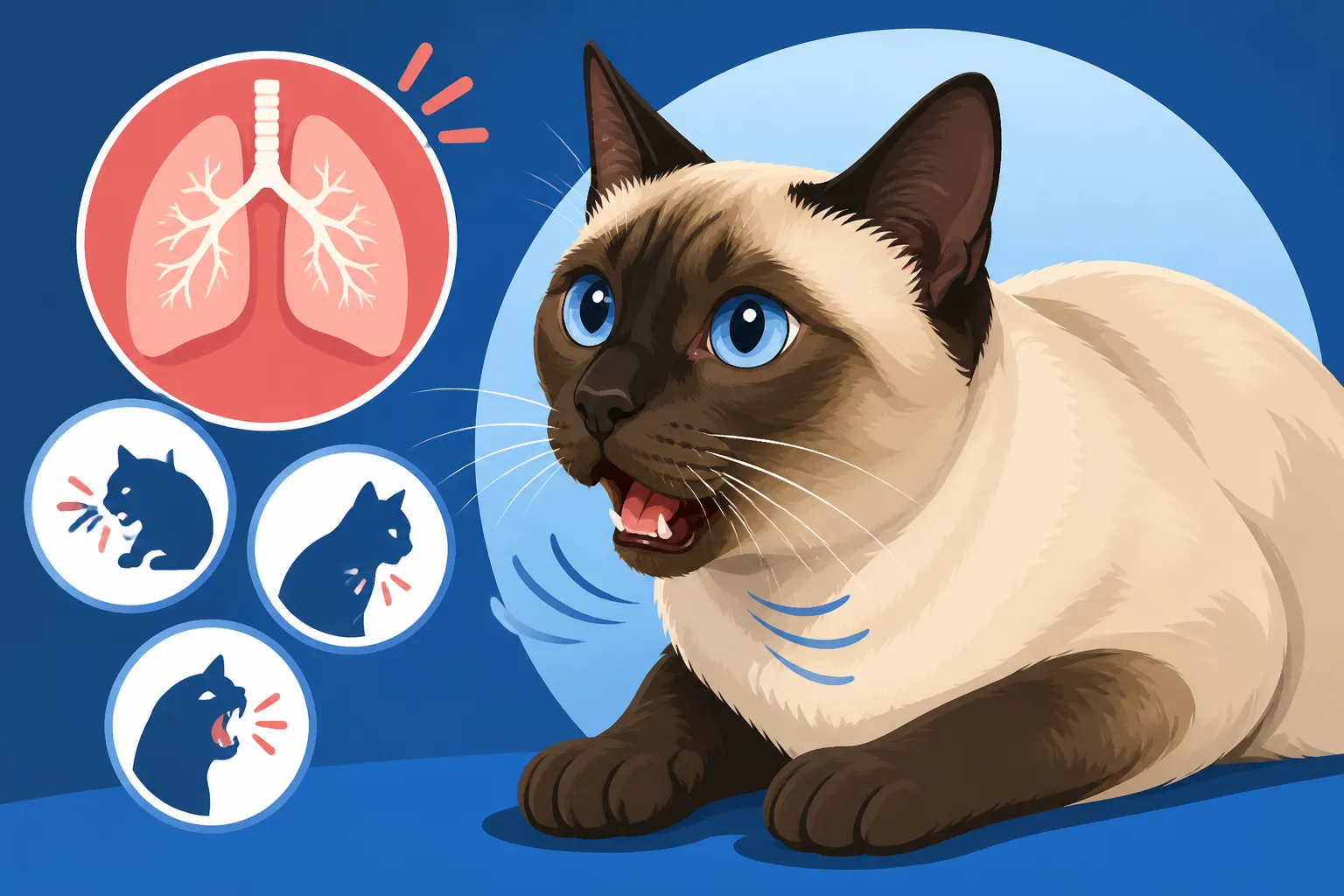
- Distinctive Asthma Cough: A cat's asthma cough is often described as a dry, persistent, hacking cough. It can sound like they are trying to bring up a hairball, but nothing comes out. The cat will often crouch down, extend their neck, and cough repeatedly, sometimes ending with a retch or gagging sound. This isn't the gentle, occasional "huff" of a healthy cat, but a deep, effortful expulsion of air. You might see their whole body convulse with the effort. A key difference from a hairball is the lack of actual hairball production, and the sustained nature of the coughing. For more detail, refer to our article on Asthma Symptoms in a Siamese Cat.
- Audible Wheezing: As the airways constrict further, you'll start to hear a distinct whistling or squeaking sound when your cat breathes, particularly on exhalation. This "wheeze" is caused by air being forced through narrowed passages. It can range from a soft, almost imperceptible whistle to a loud, grating sound that’s clearly audible across the room. It’s a sure sign that their lungs are not functioning effectively and air movement is severely restricted.
- Gagging or Retching: The effort of coughing and the presence of excess mucus can lead to gagging or retching. This can be particularly alarming because it looks very much like vomiting, but again, nothing or very little (perhaps some clear foamy liquid) actually comes up. This is their body’s desperate attempt to clear the inflamed and mucus-filled airways.
These signs, especially when combined, indicate a serious respiratory event. Don't dismiss them as just a minor cough; they are calls for help.
Severe Respiratory Distress and Open-Mouth Breathing
When an asthma attack progresses, your Siamese will move into a state of acute respiratory distress. This means their body is working extremely hard just to get enough oxygen, and it's a medical emergency.
- Labored Breathing (Dyspnea): This is characterized by obvious, forceful, and painful-looking breathing. Your cat's chest and abdomen will visibly heave with each breath, indicating they are putting immense effort into simply inhaling and exhaling. Their breathing rate will be very high, and each breath will look like a struggle.
- Open-Mouth Breathing: Cats are obligate nasal breathers, meaning they primarily breathe through their noses. Open-mouth breathing is never normal for a cat, especially when resting, and is a critical sign of severe respiratory distress. If your Siamese is panting like a dog, with their mouth open, it means they are desperate for air and cannot get enough oxygen through their nasal passages alone. This is an absolute emergency and requires immediate veterinary attention.
- Flared Nostrils: Just like with humans, a cat struggling for breath might flare their nostrils to try and take in more air. Observe if their nostrils are widening with each inhale.
- Blue or Purple Gums and Tongue (Cyanosis): This is the most alarming and life-threatening sign. If your cat’s gums, tongue, or the inside of their eyelids appear bluish or purple instead of their normal healthy pink, it means they are not getting enough oxygen into their bloodstream. This condition, called cyanosis, is a sign of severe hypoxia and indicates that your cat is literally suffocating. If you see this, you need to get to an emergency vet immediately. This is a critical situation that cannot wait.
- Collapse or Loss of Consciousness: In the most severe cases, a cat experiencing a prolonged and severe asthma attack might become so oxygen-deprived that they collapse or even lose consciousness. This is obviously a dire emergency and means immediate, life-saving intervention is required.
These are not signs to observe and wait; they are calls for urgent action. If you see any of these severe signs, especially open-mouth breathing or cyanosis, your cat needs emergency veterinary care right now.
What to Do When Your Siamese Cat Has an Asthma Attack
Witnessing your beloved Siamese struggle for breath can be terrifying, but knowing exactly what to do can make all the difference. Panicking won't help your cat, so take a deep breath yourself and follow these steps.
Immediate First Aid at Home
While an asthma attack is a medical emergency, there are a few things you can do immediately to help your cat before you can get them to the vet.
- Stay Calm: This is easier said than done, I know! But your cat can sense your stress, and it will only make their anxiety (and therefore their breathing) worse. Speak to them in a soft, reassuring voice.
- Remove Triggers: If you can identify an immediate trigger, remove it. Did you just light a candle? Spray air freshener? Is there a lot of dust in the air? Move your cat to a quiet, well-ventilated room where the air is as clean as possible. Close windows if outside pollen is a suspected trigger.
- Create a Steamy Environment: Sometimes, moist, warm air can help relax the airways and loosen mucus. Take your cat into a small bathroom, close the door, and turn on the shower with hot water, letting the room fill with steam. Do not put your cat in the shower, just let them breathe the steamy air for 10-15 minutes. Watch them carefully and ensure they don't get overheated.
- Minimize Stress and Handling: Avoid excessive petting or trying to cuddle them tightly, as this can restrict their breathing further and increase their stress. Offer a calm, safe space where they can feel secure.
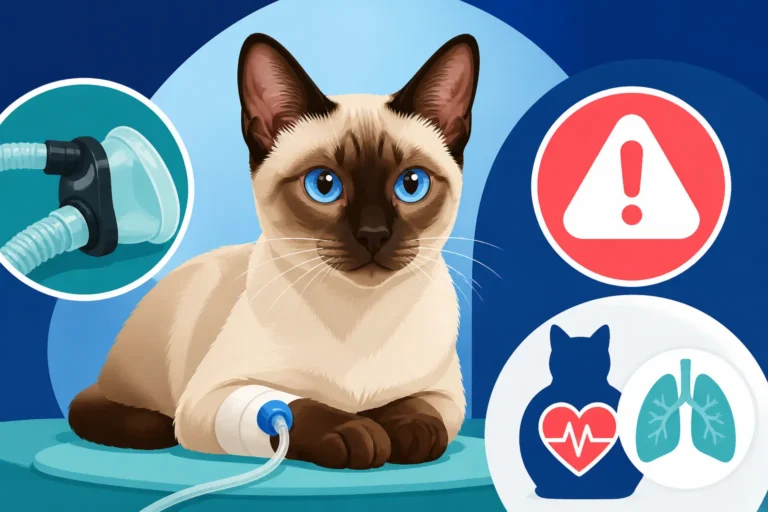
- Administer Rescue Medication (If Prescribed): If your Siamese has a diagnosed history of asthma and your vet has prescribed an emergency bronchodilator (like Albuterol, often given via an inhaler with a spacer like the AeroKat), this is the time to use it. Follow your vet's instructions precisely. This medication works quickly to open up the airways and can be life-saving. If you're unsure about the dosage or method, call your vet immediately. Many cat parents find that budgeting for a Siamese cat's asthma inhaler is a small price to pay for this peace of mind.
Remember, these are temporary measures to stabilize your cat. They do not replace professional veterinary care.
When to Seek Emergency Veterinary Care
There's a fine line between managing a mild flare-up at home and needing emergency intervention. When in doubt, always err on the side of caution and call your vet.
- Any Severe Signs: If your Siamese is exhibiting open-mouth breathing, flared nostrils, blue/purple gums, or collapsing, these are immediate emergency signals. Do not wait; get them to the nearest emergency veterinary clinic right away. Call ahead if possible, so they can prepare for your arrival.
- No Improvement with Home Care: If the subtle signs progress, or if your cat doesn't show significant improvement within 15-20 minutes of your home first aid measures (including rescue medication if applicable), it’s time to go to the vet.
- First-Time Attack: If you suspect your Siamese is having an asthma attack for the very first time, it's crucial to get a definitive diagnosis and treatment plan from a vet. Even if it seems mild, a proper diagnosis will help prevent future, potentially more severe, episodes.
- Repeated Attacks: If your cat is having frequent or increasingly severe attacks, their asthma may not be well-controlled, and they need a re-evaluation of their treatment plan.
When you arrive at the vet, they will likely provide oxygen therapy, administer fast-acting bronchodilators and corticosteroids, and monitor your cat's vital signs. Remember that services like Healthy Paws pet insurance can be a huge relief in these unexpected emergency situations, helping cover the costs of diagnostics and critical care. Knowing what a Siamese cat's asthma workup costs, you'll appreciate having that safety net.
Managing the Aftermath and Prevention
Once the immediate crisis has passed and your Siamese is stable, the next steps involve working with your vet to manage their asthma long-term and prevent future attacks.
- Follow Your Vet's Treatment Plan: This might include daily oral medications (like steroids or bronchodilators), inhalers, or a combination. Consistency is key. Our article on How a Siamese Cat's Asthma Is Treated provides more in-depth information on treatment options.
- Identify and Avoid Triggers: This is paramount. Keep a diary of when attacks occur and what might have precipitated them. Common triggers include:
- Dust from clay litter (consider low-dust or alternative litters like paper or corn, as explored in Which Litter Suits an Asthmatic Siamese Cat)
- Cigarette smoke
- Air fresheners, scented candles, diffusers
- Cleaning products with strong fumes
- Pollen (keep windows closed during high pollen counts)
- Dust mites (regular vacuuming, washing bedding)
- Strong perfumes or colognes
- Environmental Control: Using an air purifier can significantly reduce airborne allergens and irritants in your home. This is discussed in more detail in our article on Whether an Air Purifier Helps a Siamese Cat's Asthma. Regular cleaning, using HEPA filters in your vacuum cleaner, and washing pet bedding frequently can also help.
- Maintain a Healthy Weight: Obesity can exacerbate respiratory issues. Ensure your Siamese maintains a healthy, lean physique through appropriate diet and exercise.
- Regular Veterinary Check-ups: Even when stable, regular check-ups with your vet are essential to monitor your cat's condition, adjust medication as needed, and catch any potential issues early.
- Consider Pet Insurance: As mentioned, emergency vet visits and long-term medication can be costly. Pet insurance providers like Healthy Paws can provide financial assistance, making it easier to afford the best care for your asthmatic Siamese. It’s a worthwhile consideration for any cat owner, especially with breeds prone to certain conditions.
Proactive management and vigilance are crucial when caring for a Siamese cat with asthma. By understanding the signs and taking swift action, you can help your cherished companion live a comfortable, full life.
Distinguishing Asthma from Other Respiratory Conditions
It's easy to jump to conclusions when your cat starts coughing or struggling to breathe, especially with their dramatic nature. However, it's vital to remember that not every cough is asthma. Several other conditions can mimic asthma symptoms, and a correct diagnosis from your veterinarian is essential for effective treatment.
Asthma Versus Hairballs
This is perhaps the most common confusion point for cat owners, and it's totally understandable! Both asthma and hairballs involve coughing, gagging, and a hunched posture. However, there are some key differences that can help you distinguish between them before you rush to the vet.
| Symptom | Feline Asthma Attack | Hairball Episode |
|---|---|---|
| Primary Sound | Dry, hacking cough, often followed by distinct wheezing | Retching, gagging, often a "honking" sound |
| Productivity | Little to no material, sometimes clear foamy liquid | Often results in a hairball (cylindrical mass of fur/food) |
| Breathing Effort | Labored breathing, open-mouth breathing, abdominal heaving can be present, especially during or after attacks | Primarily focused on expelling the hairball, normal breathing returns quickly after expulsion |
| Duration of Episode | Can be sustained coughing fits, or prolonged periods of difficulty breathing. May last minutes to hours without relief | Typically brief (a few minutes), ends once hairball is expelled |
| Aftermath | May remain breathless, lethargic, or anxious | Usually returns to normal behavior immediately after expulsion |
| Associated Sounds | Wheezing, crackles, shortness of breath | Occasional hacking before the main event |
| Trigger | Allergens (dust, pollen, smoke, perfume) | Ingested fur, grooming habits |
While this table offers a good general guide, remember that a severely obstructed hairball can also cause significant distress. If your Siamese cat's struggle seems prolonged, if they are open-mouth breathing, or if their gums look blue, treat it as an emergency regardless of whether you suspect asthma or a hairball. Getting a proper diagnosis for your cat's cough is crucial, and you can explore this further in our detailed article, Whether a Siamese Cat's Cough Is Asthma or a Hairball.
Asthma Versus Heart Conditions
Another serious condition that can present with similar respiratory signs, particularly in older cats, is heart disease, specifically hypertrophic cardiomyopathy (HCM), which is prevalent in some purebred cats. The symptoms can be alarmingly similar, often including coughing, difficulty breathing, and lethargy. This is why a professional diagnosis is non-negotiable.
- Fluid in Lungs (Pulmonary Edema): In advanced heart disease, the heart may not pump blood effectively, leading to fluid backing up into the lungs. This fluid can cause coughing, rapid breathing, and labored breathing, much like an asthma attack. The cough associated with heart disease can sometimes sound "wet" compared to the dry cough of asthma, but this isn't always reliable.
- Lethargy and Weakness: Cats with heart conditions often display general lethargy, reduced appetite, and overall weakness, similar to an asthmatic cat struggling for oxygen.
- Distinguishing Diagnostics: A veterinarian will typically use a combination of diagnostics to differentiate between asthma and heart disease. This often includes:
- Chest X-rays: These are vital. Asthma usually shows characteristic patterns of bronchial thickening and lung overinflation. Heart disease, conversely, might show an enlarged heart, fluid in or around the lungs, or signs of pulmonary edema.
- Echocardiogram: An ultrasound of the heart is the definitive test for heart disease, allowing the vet to visualize the heart's structure and function.
- Blood Tests: While not directly diagnostic for asthma or heart disease, blood tests can rule out other underlying conditions or indicate systemic inflammation.
- Physical Exam: Your vet will listen to your cat's heart and lungs for murmurs, abnormal rhythms, or crackles, which can point towards heart or lung issues.
It's clear that while the symptoms can overlap, the underlying causes and treatments are vastly different. Never try to self-diagnose your cat based solely on symptoms. Always consult with your veterinarian. They have the expertise and diagnostic tools to accurately determine the cause of your Siamese's respiratory distress and get them the appropriate care. Remember that ensuring your pet is covered by a reliable insurance provider like Healthy Paws can also help alleviate the financial stress associated with these comprehensive diagnostic workups.
Living with an Asthmatic Siamese Cat
Bringing home a Siamese cat means committing to their health and well-being for their entire lifespan, which for this breed can be a wonderful The Fifteen to Twenty Years a Siamese Cat Gets. When they develop a chronic condition like asthma, it adds a layer of responsibility, but it doesn't mean a diminished quality of life. With proper management, asthmatic Siamese cats can lead happy, active lives.
The key really is understanding and commitment. This isn't a one-and-done solution; it's an ongoing journey of monitoring, trigger avoidance, and consistent medication. Your vet is your most important ally in this, and don't hesitate to ask them all your questions. Learn to administer medication confidently, whether it's a pill or an inhaler. Become an expert in your cat's normal breathing patterns and behavior, so you can spot even the most subtle changes.
Moreover, consider how your home environment impacts their health. Investing in good air filtration, using dust-free litter, and avoiding chemical irritants aren't just good practices; they become essential parts of your cat's daily care regimen. Creating a calm, predictable environment also helps, as stress can sometimes trigger or worsen asthma attacks.
Finally, remember that you're not alone. Many Siamese cat owners navigate the complexities of feline asthma. Forums, support groups, and even your veterinary team can offer invaluable advice and emotional support. With vigilance and love, your asthmatic Siamese can continue to be the vocal, affectionate, and utterly captivating companion you adore.
Disclaimer
This article is intended for informational purposes only and is not a substitute for professional veterinary advice, diagnosis, or treatment. Always seek the advice of your veterinarian or other qualified health provider with any questions you may have regarding a medical condition.