Whether a Thin Siamese Cat Is Underweight
It's a common worry for many Siamese cat parents: you look at your slender, elegant companion, and a little voice in the back of your head whispers, "Are they too thin?" Unlike chunkier, fluffier breeds, a Siamese cat's svelte physique can often make them appear bony, leading to genuine concern about their health and whether they're getting enough to eat. This guide is here to reassure you and help you differentiate between a healthy, naturally lean Siamese and one who might genuinely be underweight and in need of veterinary attention.
Understanding the Siamese Physique: Lean, Not Necessarily Underweight
Siamese cats are often described as feline supermodels, and for good reason! Their entire body structure is designed for sleekness and agility, a far cry from the more robust builds you see in many other cat breeds. It’s absolutely normal for a Siamese to feel quite bony to the touch, and this doesn't automatically mean they're starving or unwell.
The Naturally Lean and Muscular Build
When you first bring a Siamese cat into your life, or even if you've had them for years, it's easy to compare them to other cats you've known. Maybe you grew up with a fluffy Persian or a sturdy Tabby, and suddenly your Siamese looks like a completely different creature. This is because Siamese cats possess a unique body type. They have a long, tubular body, fine bone structure, and a short, close-lying coat that doesn't hide any extra padding. This combination makes every curve and contour of their musculature, and indeed their bones, quite visible and palpable.
Their active, almost restless nature also plays a huge role. Siamese cats are known for their boundless energy, their desire to play, explore, and often, their incredibly vocal "conversations" that can seem to go on all day! All this activity burns a lot of calories. They have a naturally high metabolism, which means they process food very efficiently and tend to stay lean. It's truly a characteristic of the breed, a part of what makes them so distinctive. Many owners will tell you that their Siamese cat eats like a horse but remains incredibly svelte, and this is perfectly normal for a healthy individual. If you've ever felt your Siamese and wondered why they feel so bony, rest assured you're not alone in that observation; in fact, it's often a sign of their breed's typical conformation.
How a Healthy Siamese Cat Weighs
When it comes to ideal weight, there isn't a single magic number for all Siamese cats, just like there isn't one for all humans. It really depends on their individual frame, sex, and age. However, we can provide some general ranges to give you a benchmark.
Typically, an adult female Siamese cat might weigh anywhere from 6 to 10 pounds (approximately 2.7 to 4.5 kg). Males, being generally larger, often fall into the 8 to 12-pound (approximately 3.6 to 5.4 kg) range. But here's the crucial part: simply looking at a number on a scale doesn't tell the whole story. What's far more important is their body condition score (BCS), which assesses the amount of fat and muscle on their frame. A healthy Siamese, even if they are on the lower end of the weight spectrum for their size, should still have a good muscle mass and not show signs of fat loss beyond what is typical for the breed. Don't panic if your cat is at the lighter end of these ranges, as long as other signs point to good health. Instead of focusing solely on the scale, pay attention to the overall picture – how your cat feels, looks, and acts.
Signs Your Thin Siamese Cat Might Actually Be Underweight
While a lean physique is standard for a Siamese, there's a definite difference between "lean and healthy" and "underweight and unhealthy." Knowing these distinctions is key to ensuring your beloved feline friend is thriving. It’s about more than just their appearance; it's about changes you might notice in their habits and overall well-being.
Visual Cues of Being Underweight
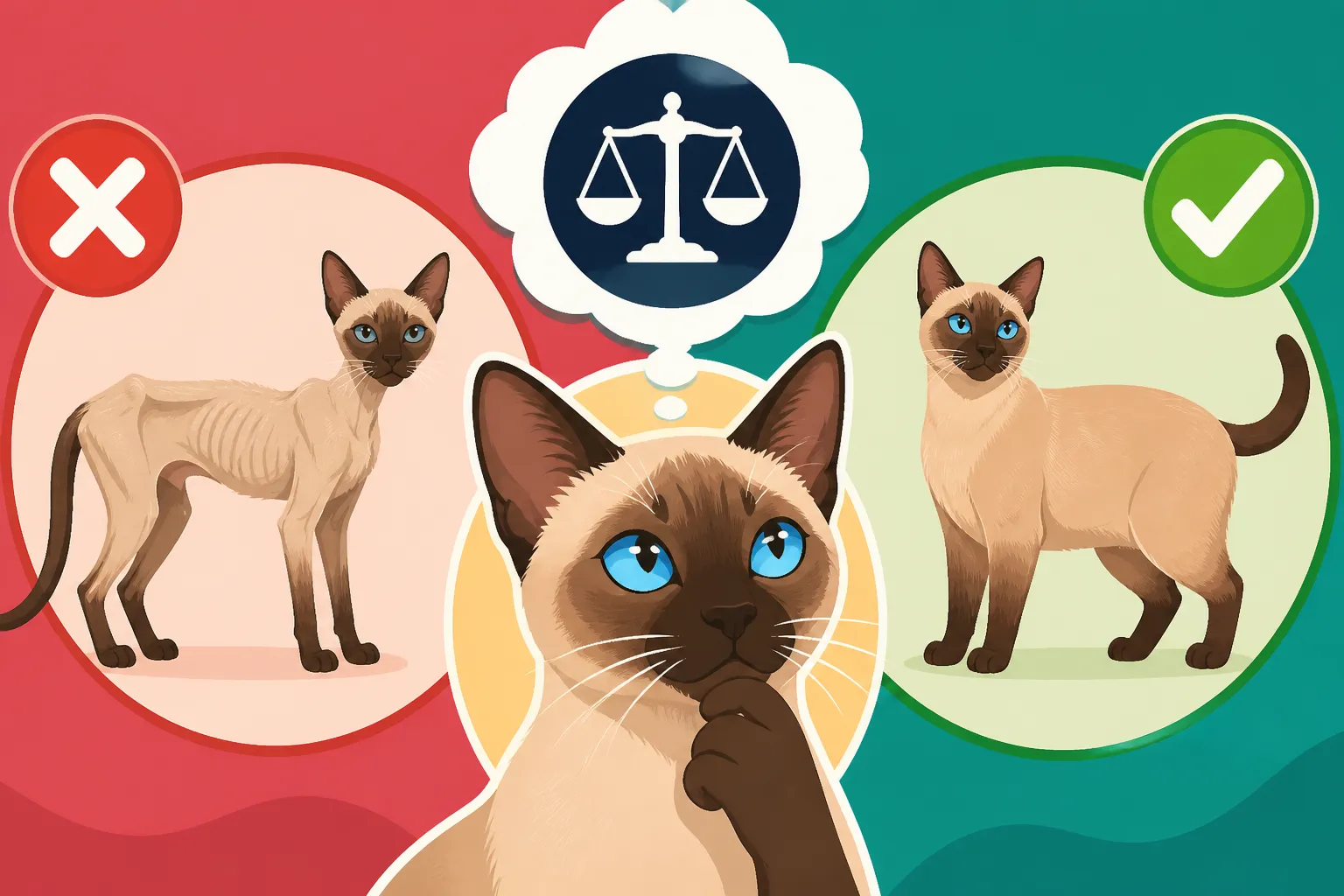
When a Siamese cat is truly underweight, the visual cues become much more pronounced than their usual sleekness. You might start to see bones that should only be easily felt. For instance, if you can clearly see individual ribs, their spine standing out like a row of beads under their skin, or their hip bones protruding sharply, these are strong indicators that your cat might be too thin. Think of it this way: with a healthy, lean Siamese, you should be able to run your hands along their sides and feel their ribs distinctly, but they shouldn't look like they're covered only by skin. There should still be a thin layer of muscle and a very slight fat covering.
Another critical visual cue is muscle wastage. Look at their hindquarters and along their back. If the muscles appear to have shrunk, looking sunken or less defined than usual, that's a red flag. A healthy Siamese, even a very slender one, should still have taut, well-developed muscles befitting their active lifestyle. The hollows above their eyes might become more noticeable, and their belly might appear excessively tucked up, almost concave, rather than just gracefully slender. It's a subtle but important difference that often comes down to the degree of protrusion and visibility of bones, as well as the presence of healthy muscle.
Behavioral and Health Indicators
Beyond what you can see, an underweight Siamese cat will often exhibit a range of behavioral and health changes that signal something is amiss. One of the most common observations is a noticeable dip in their energy levels. Your typically playful, mischievous Siamese might become lethargic, sleeping more than usual, showing less interest in their favorite toys, or not engaging in their characteristic vocal conversations. A reduction in their usual zest for life is always a concern.
Their coat condition can also be a tell-tale sign. A healthy Siamese has a short, sleek, shiny coat. If you notice their fur becoming dull, dry, brittle, or unkempt, it could indicate poor nutrition or an underlying health problem. Cats who aren't feeling well often neglect their grooming, leading to a scruffier appearance. Changes in appetite are another crucial indicator. While some underweight cats might refuse food, others might actually seem to eat more than usual but continue to lose weight. This scenario is particularly worrying as it often points to an underlying metabolic issue. This is why it’s so important to recognize when your cat is unwell, as the signs can sometimes be subtle.
If you observe any of these changes, it's absolutely essential to get your cat to the vet promptly. Early detection of health issues is paramount. Veterinary visits, especially unexpected ones, can be costly, and this is where having pet insurance from a reputable provider like Healthy Paws can be a real lifeline. They help cover the costs of these unforeseen medical expenses, allowing you to focus on your cat's recovery without the added financial stress.
When to Consult the Vet and What They'll Look For
Seeing your cat lose weight, or suspecting they might be underweight, can be incredibly stressful. The best thing you can do for your peace of mind and your cat's health is to schedule an appointment with your veterinarian. They are the experts who can truly differentiate between a naturally lean Siamese and one experiencing a health issue.
The Importance of a Professional Assessment
When you visit the vet, they won't just look at your cat and declare them "thin" or "fat." Vets use a standardized tool called the Body Condition Score (BCS) system, which typically ranges from 1 to 9, with 5 being the ideal. This system helps objectively assess your cat's body fat and muscle mass. They'll perform a thorough physical examination, feeling along your cat's ribs, spine, and hip bones, and checking for muscle definition, especially in the hindquarters. They'll also check their overall demeanor, coat condition, and oral health.
A vet can interpret these findings in the context of your cat's breed. They understand that a Siamese will naturally have a lower BCS compared to, say, a Maine Coon, while still being perfectly healthy. They'll take into account your cat's age, activity level, and any changes in behavior or appetite you've noticed. This objective assessment, coupled with your observations, provides the clearest picture of your Siamese cat's true health status. Don't hesitate to bring up all your concerns; no detail is too small when it comes to your cat's well-being.
Potential Underlying Health Issues
If your vet determines that your Siamese is indeed underweight, or if there's unexplained weight loss even with a good appetite, it signals that an underlying medical condition might be at play. Many health issues can lead to weight loss, and Siamese cats, while generally healthy, are not immune to these.
One common culprit, especially in older cats, is hyperthyroidism. This condition causes the thyroid gland to produce too much hormone, dramatically speeding up metabolism. Cats with hyperthyroidism often eat voraciously but lose weight rapidly. Dental disease, such as gingivitis or tooth resorption, can make eating painful, leading to a reduced intake of food, which then causes weight loss. It’s surprising how often seemingly unrelated issues like bad teeth can impact a cat’s overall body condition.
Intestinal parasites, while less common in indoor-only cats, can steal vital nutrients, leading to weight loss despite a good appetite. Chronic kidney disease is another significant concern, particularly as cats age. Failing kidneys can lead to a loss of appetite, nausea, and an inability to properly absorb nutrients, resulting in gradual weight loss. Similarly, inflammatory bowel disease (IBD) can impair nutrient absorption, while diabetes can cause weight loss if the body isn't processing glucose correctly.
To get to the bottom of things, your vet will likely recommend a series of diagnostic tests. This might include a complete blood count (CBC) and a biochemistry panel to check organ function and blood cell levels. A urinalysis might be performed to assess kidney health. In some cases, thyroid hormone testing, fecal exams for parasites, or even imaging like X-rays or ultrasound may be necessary to identify the root cause. These diagnostic steps are crucial for accurate diagnosis and treatment, and it’s during these times that many owners appreciate having comprehensive pet insurance, like a plan from Healthy Paws, to help manage the expenses of detailed medical investigations and ongoing care. Knowing what your Siamese cat's yearly bloodwork should cover can help you stay proactive in their health.
Helping Your Siamese Cat Maintain a Healthy Weight
Once your vet has given you a clear picture of your Siamese cat's health—whether they're perfectly lean or need to gain a little weight—you can take targeted steps to support them. It’s all about a holistic approach that combines good nutrition with a stimulating, low-stress environment.
Nutritional Strategies
If your Siamese is simply naturally lean and healthy, the goal is to maintain that ideal condition. This usually involves a high-quality, protein-rich diet that supports their muscular build and high energy levels. Look for reputable brands that list meat as the first ingredient. For cats who are genuinely underweight or need to gain a little, your vet might recommend a higher calorie, more palatable food. Sometimes, simply ensuring they're eating enough can be the challenge, especially with picky eaters.
Offering multiple small meals throughout the day can be more effective than two large ones. This mimics their natural hunting behavior and keeps their metabolism ticking over steadily. Some owners find success with puzzle feeders, which not only slow down eating for fast eaters but also provide mental enrichment. If your cat tends to graze, free-feeding a measured amount of high-quality dry kibble might work, supplemented by wet food for hydration and palatability. For those with specific underlying health conditions, your vet might prescribe a therapeutic diet formulated to address those needs. Remember, any significant dietary changes should always be discussed with your vet to ensure they are appropriate and won't exacerbate any existing issues.
Environmental Enrichment and Stress Reduction
Beyond diet, the environment plays a pivotal role in a Siamese cat's overall well-being and weight management. Siamese are incredibly intelligent and social creatures who thrive on interaction and stimulation. A bored or stressed Siamese cat can exhibit a range of behaviors, some of which might impact their appetite or digestion. Providing ample environmental enrichment is key. This means plenty of interactive toys, regular play sessions with you, and opportunities to climb and explore vertical spaces like cat trees or shelves. These activities help burn energy healthily and keep their minds active, which contributes to a robust metabolism and good appetite.
Stress can also be a silent enemy, sometimes leading to psychogenic alopecia where a cat licks themselves bald, or even impacting their gut health and appetite. Creating a calm, predictable environment with plenty of safe spaces is crucial. Routine is often comforting for Siamese cats. Ensure they have warm, cozy sleeping spots, as Siamese cats feel the cold quite keenly due to their short coats and lack of an undercoat. A heated cat bed or a soft blanket to snuggle under can make a big difference, especially in cooler climates or during winter months. A happy, engaged, and unstressed Siamese cat is far more likely to maintain a healthy weight and thrive in every aspect of their life.
| Feature | Naturally Lean Siamese Cat | Underweight Siamese Cat |
|---|---|---|
| Ribs | Easily felt, but not sharply visible. | Prominent, visible, and feel sharp to the touch. |
| Spine/Hip Bones | Easily felt, but not sharply visible or protruding. | Clearly visible and protruding, often feels bony. |
| Muscle Mass | Good, well-defined muscle, especially in hindquarters. | Noticeable muscle wastage, especially over the back and hips. |
| Belly | Gracefully tucked up, but not concave. | Excessively tucked up, hollow, or concave. |
| Coat Condition | Sleek, shiny, and well-groomed. | Dull, dry, brittle, or unkempt. |
| Energy Level | Active, playful, high energy. | Lethargic, reduced play, increased sleeping. |
| Appetite | Good, may eat a lot due to high metabolism. | Reduced or absent, OR voracious but still losing weight. |
| Overall Health | Alert, bright eyes, healthy demeanor. | May show other signs of illness (e.g., vomiting, diarrhea). |
Disclaimer
The information provided in this article is for general informational purposes only and is not intended as a substitute for professional veterinary advice. Always consult with a qualified veterinarian regarding any medical concerns or before making any decisions about your pet's health and treatment.