Hyperthyroidism in an Older Siamese Cat
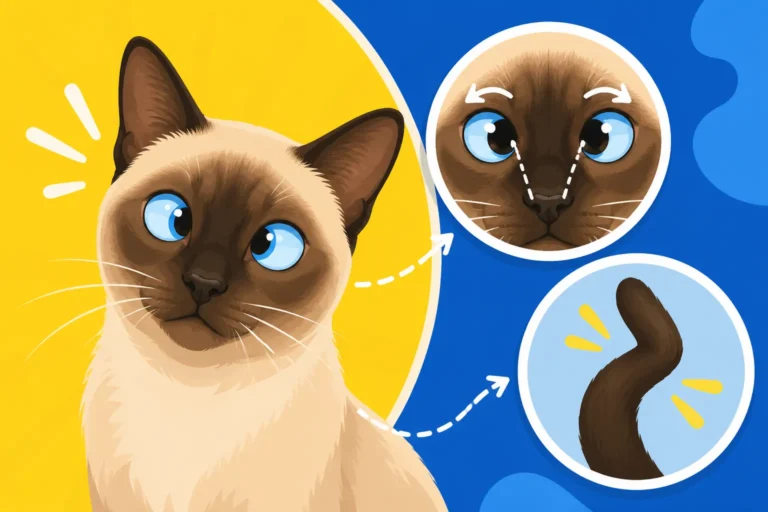
It’s truly disheartening when your beloved senior Siamese, who has always been a beacon of boundless energy and vibrant chatter, starts to change. You might notice them looking a bit bonier despite seemingly eating everything in sight, perhaps even more than usual. This perplexing combination of a ravenous appetite and unexplained weight loss, often coupled with an increase in their already legendary vocalizations, can be incredibly worrying for any cat parent. These are classic, albeit sometimes subtle, indicators that your older Siamese cat might be grappling with hyperthyroidism, a common endocrine disorder in felines that we'll demystify in this comprehensive guide.
Recognizing the Subtle Signs of Hyperthyroidism in Your Senior Siamese
Hyperthyroidism is a sneaky disease because its initial symptoms can be easily overlooked or even attributed to "just old age." As a Siamese cat owner, you're already used to a certain level of exuberance and vocal communication, so recognizing when these traits tip into something concerning requires a keen eye and a deep understanding of your feline friend.
The Classic Weight Loss Paradox
One of the most frustrating and often misunderstood signs of hyperthyroidism is significant weight loss that occurs even while your Siamese seems to be eating like there’s no tomorrow. It’s a real head-scratcher, isn't it? You see your cat devouring their meals, perhaps even demanding more frequently, and your first thought might be, "Great, they're enjoying their food!" However, the underlying issue is a massively accelerated metabolism caused by an overactive thyroid gland pumping out too much thyroid hormone. This hormone essentially puts your cat's body into overdrive, burning through calories at an alarming rate, far faster than they can consume them.
This phenomenon can be particularly tricky to spot in Siamese cats because they are naturally quite slender and athletic. You might already be accustomed to your cat's lean physique, often admiring their lithe, elegant lines. This natural thinness means that any further weight loss can be less obvious until it becomes quite advanced. It's not uncommon for owners to not realize how much weight has truly vanished until they pick up their cat and notice a shocking lightness, or feel ribs and a spine that were once more padded. While a Siamese cat is known for being Why a Siamese Cat Stays So Thin, sudden and dramatic leanness warrants a vet visit.
Behavioral Changes That Signal Trouble
Beyond the physical signs, hyperthyroidism can manifest in a whole host of behavioral quirks that can leave you feeling bewildered and a little helpless. Your once calm and predictable senior cat might transform into a whirlwind of nervous energy.
First, let's talk about their voice. Siamese cats are famous for their vocal prowess, often described as having a "Meezer yowl" that demands attention. But with hyperthyroidism, this can escalate. You might find your cat becoming incredibly vocal, meowing, crying, or even howling at all hours, seemingly without reason. They might pace endlessly, unable to settle, especially at night, disturbing your sleep and theirs. This restlessness and hyperactivity are direct results of the overactive thyroid gland overstimulating their nervous system.
Another common, yet concerning, behavioral shift is an increased thirst and urination. You might notice yourself refilling their water bowl more often, or cleaning out the litter box with greater frequency. This polydipsia (increased thirst) and polyuria (increased urination) are common symptoms of hyperthyroidism, though they can also be indicative of other serious conditions like diabetes or kidney disease. It's easy to dismiss a little extra drinking, but combined with other symptoms, it's a red flag. If you’re noticing your cat seems to be Why a Siamese Cat Drinks More With Age, especially in their golden years, it's definitely something to bring up with your vet.
Finally, you might observe changes in their grooming habits. Some hyperthyroid cats become unkempt, with a greasy, matted, or dull coat because they're too restless or unwell to groom properly. Others, paradoxically, might over-groom, leading to bald patches due to anxiety or skin irritation. These subtle alterations in their usually fastidious nature can be early indicators that something deeper is amiss.
Physical Clues to Watch For
While a vet will confirm the diagnosis, there are a few physical clues you can sometimes pick up on that might point towards hyperthyroidism.
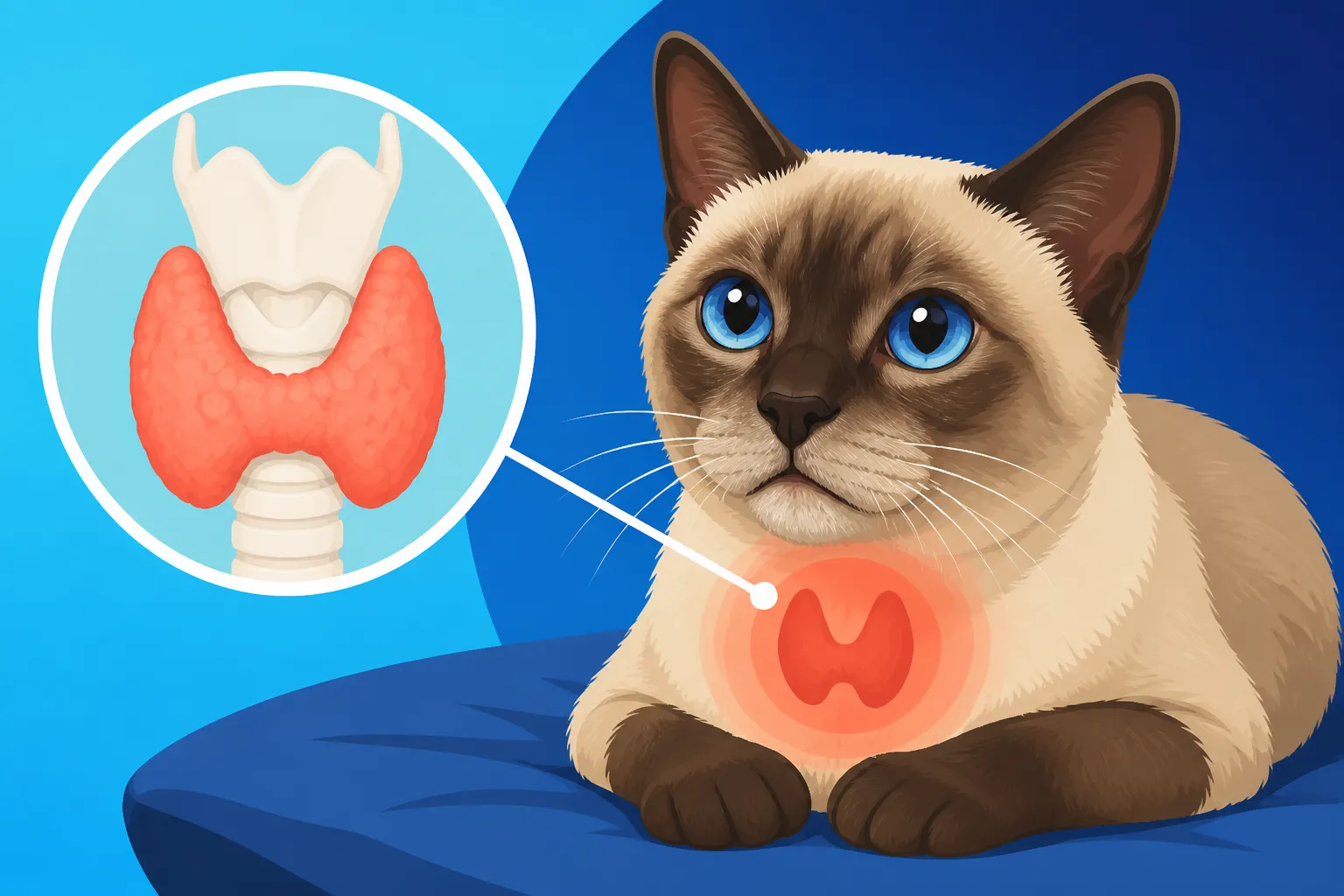
One of the most direct physical signs, though not always present or easily detectable by an untrained hand, is an enlarged thyroid gland, often referred to as a goiter. The thyroid glands are located on either side of your cat's windpipe in their neck. If you gently feel the area around their throat, just below the jawline, you might be able to detect a small, firm, pea-sized or larger lump that moves with the windpipe. However, it's crucial not to press too hard or try to "diagnose" this yourself, as you could cause discomfort or harm. Leave the definitive palpation to your veterinarian. They have the experience to distinguish a normal gland from an enlarged, overactive one.
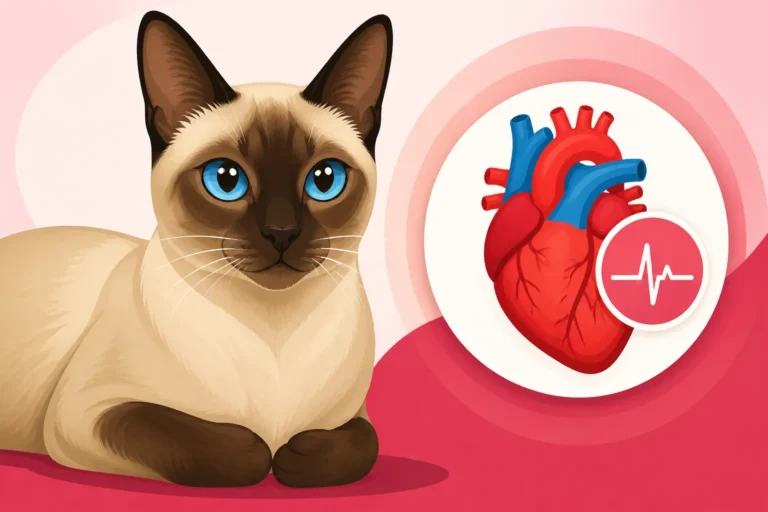
Another significant physical indicator is a change in heart rate. Due to the accelerated metabolism, hyperthyroid cats often develop tachycardia, meaning their heart beats much faster than normal. During a vet visit, your veterinarian will listen to your cat's heart and might detect an abnormally rapid beat, or even a heart murmur, which can be a secondary effect of the increased strain on the cardiovascular system.
Less common, but still possible, are gastrointestinal upsets such as vomiting or diarrhea. While these can be symptoms of countless feline ailments, in the context of other hyperthyroid signs, they add another piece to the diagnostic puzzle. Keep a mental note of any such changes in your cat's routine or physical presentation, as these details can be invaluable to your vet.
Diagnosing Hyperthyroidism: More Than Just a Blood Test
Getting a definitive diagnosis for hyperthyroidism involves a combination of careful observation, a thorough physical examination by your veterinarian, and specific laboratory tests. It's not just a one-and-done appointment; it's a detective story where every clue counts.
The Initial Veterinary Examination
Your journey to diagnosis will start with a comprehensive physical examination by your trusted veterinarian. This is where those subtle changes you've noticed at home become crucial. Be sure to share everything – from the increased appetite and weight loss, to the late-night yowling and changes in litter box habits. No detail is too small.
During the exam, your vet will meticulously palpate your cat's neck, specifically looking for an enlarged thyroid gland. They'll also listen to your cat's heart, checking for increased heart rate or murmurs. They'll assess your cat's overall body condition, noting any muscle wasting or an unkempt coat. This initial hands-on assessment helps your vet narrow down the possibilities and decide which diagnostic tests are most appropriate.
Bloodwork and Thyroid Hormones
The cornerstone of diagnosing hyperthyroidism is a simple blood test that measures the levels of thyroid hormones in your cat's bloodstream. The primary test is typically a total T4 (thyroxine) assay. This measures the total amount of thyroid hormone circulating in your cat's blood. In most cases of hyperthyroidism, the total T4 level will be significantly elevated. A normal range suggests your cat is likely not hyperthyroid, though there are exceptions.
Sometimes, however, the total T4 might come back within the high-normal or borderline range, especially in early cases or if your cat has another concurrent illness – a phenomenon known as "sick euthyroid syndrome." In these situations, the stress or illness can temporarily suppress thyroid hormone levels, masking the hyperthyroidism. If your vet strongly suspects hyperthyroidism based on clinical signs but the total T4 is ambiguous, they might recommend a free T4 test. This measures the unbound, biologically active form of the hormone and is often a more sensitive indicator, particularly in those tricky borderline cases. Getting What a Siamese Cat's Yearly Bloodwork Should Cover as they age is vital for catching conditions like this early.
It’s important to remember that blood tests are snapshots in time. Your vet may recommend repeat testing or additional diagnostics if the initial results are inconclusive but clinical signs persist.
Advanced Diagnostics When Needed
While blood tests are usually sufficient, there are instances where more advanced diagnostics become necessary, especially if the diagnosis remains elusive or if a specific treatment, like radioactive iodine therapy, is being considered.
Thyroid scintigraphy is a specialized imaging technique that can definitively confirm hyperthyroidism, pinpoint the exact location of the overactive thyroid tissue, and even detect ectopic (abnormally located) thyroid tissue that might be missed during a physical exam. This involves injecting a small amount of radioactive tracer (usually Technetium-99m pertechnetate) into your cat. The tracer is absorbed by active thyroid tissue, and a special camera then captures images that show "hot spots" where the thyroid is overactive. This is particularly useful in complex cases or to rule out a rare thyroid carcinoma (cancer).
This test provides a clear map of the thyroid activity, helping your vet tailor the most effective treatment plan. While not routinely performed for every suspected case, it's an invaluable tool for certain situations, ensuring a precise diagnosis and guiding curative therapies.
Treatment Options for an Older Siamese Cat with Hyperthyroidism
Once your Siamese cat has been diagnosed with hyperthyroidism, the good news is that several effective treatment options are available. The choice of treatment often depends on your cat's overall health, kidney function, your lifestyle, and your financial considerations.
Oral Medication: Methimazole (Tapazole, Felimazole)
Oral medication, typically methimazole (marketed as Tapazole or Felimazole), is the most common initial treatment for hyperthyroidism. This drug works by interfering with the thyroid gland's ability to produce excessive thyroid hormones. It’s not a cure, but rather a management tool, requiring lifelong administration.
The biggest challenge for many cat owners is daily pilling. We all know how clever and resistant our Siamese cats can be when it comes to medication! It can be a daily struggle, turning mealtime into a wrestling match. Fortunately, methimazole is also available in a transdermal gel form, which can be applied to your cat's inner ear flap. This alternative can be a lifesaver for cats who are impossible to pill, making treatment far less stressful for both you and your feline friend.
However, methimazole is not without its potential drawbacks. Side effects can include vomiting, lethargy, decreased appetite, and, less commonly but more seriously, blood disorders or liver issues. Regular blood monitoring is absolutely crucial, especially in the initial weeks of treatment, to ensure the medication is working effectively and not causing adverse reactions. Your vet will typically schedule follow-up blood tests to adjust the dosage and monitor kidney and liver values. The cost of methimazole and these frequent blood tests can add up over time, which is where having pet insurance, such as through Healthy Paws, can really alleviate some of the financial burden.
Radioactive Iodine Therapy (I-131)
Radioactive iodine (I-131) therapy is widely considered the "gold standard" and often the curative treatment for hyperthyroidism. The process involves injecting a single, small dose of radioactive iodine, which is selectively absorbed by the overactive thyroid tissue. The radiation then destroys the abnormal cells without harming the surrounding healthy tissue or other organs.
The primary advantage of I-131 is that it's often a one-time treatment, leading to a permanent cure in the vast majority of cases (over 95%). This eliminates the stress of daily medication and ongoing monitoring for many years. However, there are significant considerations. The treatment is expensive, usually costing several thousand dollars, and is only available at specialized veterinary facilities due to the radioactive nature of the treatment. After receiving I-131, your cat will need to be isolated at the facility for several days (typically 3-5, sometimes longer depending on local regulations) until their radiation levels drop to a safe limit. Upon returning home, you'll still need to follow strict handling guidelines for a few weeks to minimize radiation exposure to yourself and other pets.
Prior to I-131, a thorough pre-treatment workup is essential. This often includes blood tests, urinalysis, and sometimes imaging, to ensure your cat is a good candidate and doesn't have other underlying conditions that would make the treatment risky, particularly kidney disease. It's a common concern, as Kidney Disease in an Older Siamese Cat can be masked by hyperthyroidism and may become apparent once the thyroid condition is managed.
Therapeutic Diet: Hill's Prescription Diet y/d
Another increasingly popular treatment option is a prescription therapeutic diet specifically formulated to manage hyperthyroidism, most notably Hill's Prescription Diet y/d. This diet works on the principle of iodine restriction. Since iodine is a critical component for the production of thyroid hormones, severely limiting its intake can effectively reduce the overproduction of these hormones.
The main advantage of this diet is its non-invasive nature. There are no pills to administer, no injections, and no isolation period. For many cats, it's a palatable food that they readily eat. However, strict adherence is absolutely critical for this treatment to be effective. Your cat cannot eat any other food, treats, or table scraps. Even a small amount of iodine from other sources can negate the diet's benefits. This can be particularly challenging in multi-cat households where other cats need different food, or if your Siamese is an outdoor cat or has access to other food sources. If your Siamese cat needs Whether a Siamese Cat Needs Prescription Food, this is one of the more common reasons.
This diet is a good option for owners who cannot manage daily medication, or for cats whose health status (e.g., severe heart disease) makes I-131 therapy too risky. It's often less expensive than I-131 upfront, but the ongoing cost of the specialized food should be factored in.
Surgical Thyroidectomy (Rarely Performed)
Surgical removal of the overactive thyroid gland(s), known as a thyroidectomy, is another potential treatment option, though it is much less commonly performed now, especially with the widespread availability and success of I-131 therapy.
The procedure involves a veterinary surgeon carefully removing one or both of the affected thyroid glands. While it can be curative, it carries several risks. Anesthesia can be a concern for older cats, and Siamese cats, like many purebreds, can have specific sensitivities or conditions that elevate anesthetic risks. You should certainly review Which Anesthetic Risks a Siamese Cat Carries with your vet. There's also the risk of damaging the nearby parathyroid glands, which regulate calcium levels in the body, potentially leading to life-threatening hypocalcemia (low calcium). Additionally, there's a chance of recurrence if not all hyperactive thyroid tissue is removed, or if other parts of the thyroid become active later.
Due to the invasiveness, potential complications, and excellent success rates of I-131, surgery is usually reserved for very specific cases where other treatments are not feasible or have failed, or if thyroid cancer is suspected and needs to be physically removed.
Managing Your Hyperthyroid Siamese Cat at Home
Once a treatment plan is in place, consistent and diligent home care is paramount to your Siamese cat's well-being. This isn't a "set it and forget it" situation; it requires ongoing commitment from you, the dedicated cat parent.
Consistency is Key for Medication and Diet
If your Siamese is on oral medication like methimazole, establishing a consistent routine for administration is crucial. Cats thrive on routine, and knowing when their medication is coming can reduce stress. For pill-averse cats, consider using pill pockets or asking your vet about compounding pharmacies that can create flavored liquid medications or transdermal gels. Applying the gel to the inner ear flap often works wonders, as it's less invasive than forcing a pill. Remember, missing doses can lead to fluctuations in hormone levels, hindering effective management.
For those on the therapeutic y/d diet, absolute strictness is non-negotiable. This means no sneaking treats, no sharing food with other pets, and being vigilant about access to any other food sources. If you have multiple cats, you might need to feed them in separate rooms or use microchip-activated feeders to ensure only the hyperthyroid cat consumes the special diet. It might feel like a lot of work initially, but consistency here directly translates to your cat's health.
Regular Veterinary Check-ups and Monitoring
Even with successful treatment, ongoing veterinary oversight is non-negotiable. Your vet will schedule regular follow-up appointments, often every few months, to monitor your cat's progress. These visits typically include physical exams and blood tests to check thyroid hormone levels (T4), as well as kidney values (BUN, creatinine, SDMA) and liver enzymes. This monitoring allows your vet to adjust medication dosages as needed to keep thyroid levels in the optimal range.
It's particularly important to monitor kidney function closely. Hyperthyroidism can sometimes mask underlying kidney disease because the high blood pressure and increased blood flow associated with hyperthyroidism can temporarily improve kidney filtration. Once the hyperthyroidism is treated and blood pressure normalizes, kidney disease can become apparent or worsen. This is why many vets will "test-drive" methimazole first, even if I-131 is the ultimate goal, to see how the kidneys cope with normal thyroid function. Catching issues like What Changes in a Siamese Cat After Twelve early can make a huge difference in managing their overall health in their senior years. Regular wellness exams are key. For example, How Often a Siamese Cat Needs a Wellness Exam is typically recommended annually for younger cats, but often twice a year for seniors.
Nutritional Support and Environmental Enrichment
Beyond specific treatments, supporting your Siamese cat's overall well-being at home makes a significant difference. Ensure they always have access to fresh, clean water, which is even more vital for cats with increased thirst or those susceptible to kidney issues.
Maintain a comfortable, stress-free environment. A hyperthyroid cat can be restless and anxious, so providing quiet, safe spaces for them to relax is important. Despite their potential hyperactivity, they still need mental and physical stimulation. Continue engaging them in play with their favorite toys, feather wands, or puzzle feeders. Even an older Siamese cat benefits from How Much Play a Siamese Cat Needs, which can help manage their energy levels and provide comfort.
And let's be realistic: the ongoing costs of diagnostics, medication, or special diets can be substantial. This is where a good pet insurance plan, like those offered by Healthy Paws, can be incredibly beneficial. Knowing that a significant portion of your vet bills for recurring tests, medications, or even a one-time treatment like I-131 could be covered provides immense peace of mind and allows you to focus on getting your cat the best care without financial stress.
Prognosis and Long-Term Outlook
Receiving a diagnosis of hyperthyroidism for your older Siamese cat can be scary, but with proper treatment and dedicated care, the prognosis is generally very good. Most cats respond exceptionally well, and many go on to live comfortable, happy lives for many years following their diagnosis.
What to Expect Post-Treatment
Once treatment begins and thyroid hormone levels normalize, you should start to see your beloved Siamese cat returning to their old self. Their weight should stabilize, their appetite will likely normalize (meaning they won't be constantly begging for food), and their energy levels should become less frenetic. The excessive vocalizations should subside, and they should seem more relaxed and content.
However, it's important to understand that while hyperthyroidism treatment is highly effective, it can sometimes unmask or exacerbate other underlying conditions, particularly kidney disease, as mentioned earlier. It’s a delicate balance. High thyroid hormones can temporarily mask kidney issues, so once those hormones are brought under control, previously hidden kidney problems might become more apparent. Your vet will monitor kidney function closely, and if kidney disease emerges or worsens, it will need to be managed concurrently with the thyroid condition.
The goal is to extend your cat's life with good quality of life. This means accepting that ongoing management, whether it's daily medication, a strict diet, or continued monitoring after I-131, will be a part of their routine.
The Role of Early Detection
The importance of early detection cannot be overstated. Catching hyperthyroidism in its early stages, before it has caused significant strain on the heart, kidneys, and other organs, typically leads to better treatment outcomes and a longer, healthier life for your Siamese.
This is precisely why regular veterinary check-ups for senior cats are so critical. Even if your Siamese seems perfectly healthy on the surface, those yearly (or biannual, for older cats) wellness exams and routine bloodwork can flag subtle changes before they become serious problems. Don't wait until your cat is showing obvious signs of illness; by then, the disease may be more advanced and potentially caused more damage. Proactive care, combined with being keenly attuned to your Siamese cat's unique personality and habits, is your best defense in ensuring they live their fullest, longest life possible.
Here’s a quick overview of the treatment options to help you visualize the choices:
| Treatment Option | How It Works | Pros | Cons | Typical Cost (Approximate, varies widely) |
|---|---|---|---|---|
| Oral Medication | Blocks thyroid hormone production daily. | Non-invasive, widely available, relatively affordable initial cost, allows kidney function monitoring. | Lifelong daily administration, potential side effects, requires frequent blood tests, managing pill-averse cats, ongoing cost. | Initial: $30-$60/month (medication) + $100-$300 (initial bloodwork) Ongoing: $30-$60/month (medication) + $100-$200 (bloodwork every 3-6 months) |
| Radioactive Iodine (I-131) | Destroys overactive thyroid cells with targeted radiation. | Often curative (one-time treatment), highly effective, minimal side effects, targets diseased tissue. | High upfront cost, limited availability (specialized facilities), requires isolation at clinic, potential for post-treatment hypothyroidism. | $1,500 – $3,000+ (single treatment), not including pre-treatment diagnostics (can be $500-$1000+) |
| Therapeutic Diet | Severely restricts iodine intake, reducing hormone production. | Non-invasive, no medication administration, palatable for many cats. | Requires strict adherence (no other food/treats), challenging in multi-cat homes, not effective if compliance is poor, ongoing cost of food. | $40-$80/month (specialized food) |
| Surgical Thyroidectomy | Surgical removal of the overactive thyroid gland(s). | Can be curative. | Invasive, anesthesia risks for older cats, risk of parathyroid damage (calcium imbalance), potential for recurrence, rarely performed today. | $1,000 – $2,500+ (surgery), plus pre-operative tests and post-operative care. |
Disclaimer
The information provided in this guide is intended for educational purposes only and should not be considered a substitute for professional veterinary advice. Always consult with your veterinarian for any health concerns or before making any decisions related to your Siamese cat's medical care.