Whether HCM Affects Siamese Cats
It’s a truly frightening thought, isn't it? Our beloved Siamese cats, with their boundless energy and demanding personalities, seem like they’d be invincible. But beneath that sleek coat and those piercing blue eyes, lurking health concerns can weigh heavily on any owner’s mind. One of the scariest possibilities is heart disease, and specifically, something called Hypertrophic Cardiomyopathy (HCM). It’s natural to worry, and this guide is here to shed light on what HCM is, whether it specifically targets Siamese cats, and how you can be the best advocate for your Meezer’s heart health.
Decoding HCM: What Every Siamese Owner Needs to Know
When you hear "heart disease" in cats, more often than not, veterinarians are talking about Hypertrophic Cardiomyopathy. It’s a condition that can affect any cat, but it carries a particular weight of anxiety for owners who adore their feline companions. Understanding the basics is the first step toward easing some of that worry and being prepared.
What Exactly is Hypertrophic Cardiomyopathy?
Hypertrophic Cardiomyopathy, or HCM, is essentially a thickening of the heart muscle walls. Imagine your cat’s heart as a powerful pump, constantly working to circulate blood throughout their body. This pump has chambers, and the walls of these chambers need to be just the right thickness to function efficiently. In HCM, particularly the walls of the left ventricle – the main pumping chamber – become abnormally thick.
This thickening creates a cascade of problems. First, it makes it much harder for the heart to relax and fill with blood properly between beats. Think of it like a stiff, inflexible balloon that struggles to expand. If the heart can’t fill adequately, it can’t pump enough oxygen-rich blood out to the body. Secondly, the thickened muscle might also obstruct the outflow of blood, adding more strain to an already struggling organ. Over time, this leads to an increase in pressure within the heart, which can cause fluid to back up into the lungs (pulmonary edema) or around the lungs (pleural effusion), leading to respiratory distress. In severe cases, it can also lead to the formation of blood clots that travel to other parts of the body, most commonly causing acute paralysis and severe pain in the hind legs, a devastating condition known as a saddle thrombus.
The Silent Nature of Heart Disease in Felines
One of the most insidious aspects of HCM and other heart conditions in cats is their tendency to be silent. Unlike humans who might complain of chest pain or shortness of breath, our feline friends are masters of disguise. They instinctively hide illness and pain, a survival trait from their wild ancestors. This means that by the time you notice overt symptoms in your Siamese, the disease might already be quite advanced.
Often, the first sign an owner notices might be something seemingly minor, like a slight decrease in activity or a tendency to nap more, which can easily be dismissed as normal cat behavior, especially in an older cat. This stoicism is a double-edged sword; it’s admirable, but it also makes us, their devoted caregivers, work much harder to spot trouble. That’s why regular veterinary check-ups are absolutely crucial, even if your Siamese seems perfectly healthy. A vet might pick up on a subtle heart murmur during a routine physical exam long before your cat shows any outward signs of distress. It's truly a testament to their tough nature, but it places the burden of vigilance squarely on our shoulders.
Siamese Cats and HCM: Addressing the Specific Concerns
Given the prevalence of HCM in the general cat population, it’s completely understandable to wonder if your specific breed, the intelligent and energetic Siamese, is more prone to this condition. We love our Meezers fiercely, and we want to know every possible risk they might face.
Is HCM an Inherited Trait in Siamese?
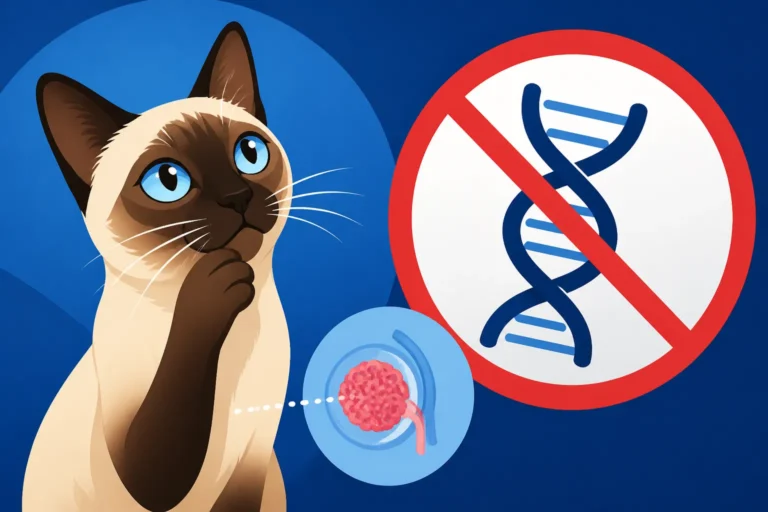
This is where the waters can get a little murky, and it’s a question that plagues many dedicated Siamese owners. Hypertrophic Cardiomyopathy is, in many breeds, a genetically inherited disease. For instance, breeds like the Maine Coon and Ragdoll have well-documented genetic mutations linked to HCM, and responsible breeders for these cats routinely screen their breeding animals with genetic tests and echocardiograms to try and eliminate the disease from their lines.
However, when we look at the Siamese cat, the situation is a bit different. While HCM can and does affect Siamese cats, just as it can affect any cat, scientific research has not identified a specific genetic mutation or a strong breed-specific predisposition for HCM within the Siamese breed in the same way it has for Maine Coons or Ragdolls. This isn't to say it's impossible for an individual Siamese to inherit a propensity for heart issues, or that future research might uncover something. It simply means that currently, Siamese cats are not considered one of the high-risk breeds with a known, identifiable genetic marker for HCM. This distinction is important; it means that while your Siamese isn't immune to HCM, they aren't statistically more likely to develop it due to their breed genetics alone, compared to the general cat population, which might bring a small measure of relief. It’s a good idea to always discuss any health concerns, including heart health, with your breeder if you purchased your Siamese from one, as they should be transparent about their lines' health history.
Spotting the Subtle Distress Signals in Your Vocal Companion
Siamese cats are renowned for their personalities: intelligent, playful, and incredibly vocal. They'll tell you about everything, from an empty food bowl to the injustice of a closed door. This makes them wonderful companions, but their strong personalities can also make detecting illness tricky. Because they're so active and demanding, a slight dip in energy might be overlooked, or their natural vocalizations might mask a new, concerning sound.
Here are some subtle (and sometimes not-so-subtle) signs of heart trouble in a Siamese cat that you absolutely need to be aware of:
- Changes in Breathing: This is perhaps the most critical sign. Notice if your cat is breathing faster than usual, even at rest or while sleeping (a normal resting respiratory rate is typically 20-30 breaths per minute). Look for open-mouth breathing, labored breathing (where their belly visibly heaves with each breath), or rapid, shallow breaths. These are emergencies and warrant immediate veterinary attention. You might be interested in our article on Asthma Symptoms in a Siamese Cat as sometimes respiratory issues can be mistaken for other conditions.
- Lethargy or Reduced Activity: Your usually zoomy Siamese suddenly spending more time sleeping, less time playing, or not greeting you at the door with their usual enthusiasm could be a red flag. They might even just be slightly less playful than usual, or tiring out faster during playtime.
- Reduced Appetite or Weight Loss: Any change in eating habits is always a concern. While a Siamese Cat Stays So Thin, unexplained weight loss without a change in diet could indicate an underlying health problem, including heart issues affecting their overall well-being.
- Coughing: While less common in cats with heart disease than in dogs, coughing can occur if the heart failure is severe enough to cause significant fluid buildup in the lungs. It’s often a soft, hacking cough.
- Weakness or Paralysis in Hind Limbs: This is an acute and devastating symptom, indicating a thromboembolism (blood clot) has likely formed in the heart and traveled to block blood flow to the legs. This is a veterinary emergency requiring immediate intervention.
- Hiding or Changes in Disposition: A typically social Siamese suddenly becoming withdrawn, hiding more, or seeming less interactive could be signaling discomfort or pain. Remember, a Siamese Cat Hides Pain.
Any of these signs, especially when observed together, should prompt a prompt visit to your veterinarian. Early detection truly can make a difference in managing HCM and improving your cat's quality of life.
From Diagnosis to Daily Life: Managing HCM in Your Siamese
Receiving a diagnosis of HCM for your beloved Siamese can be terrifying. It's a lot to process, but understanding the steps involved in diagnosis and the available management strategies can empower you as a pet parent.
Navigating the Veterinary Diagnostic Journey
When you bring your Siamese to the vet with concerns about their heart, your vet will start with a thorough physical examination. They’ll listen to your cat’s heart for murmurs – abnormal whooshing sounds caused by turbulent blood flow – or a "gallop rhythm," which can indicate abnormal heart function. They’ll also check their lung sounds, pulse, and overall condition.
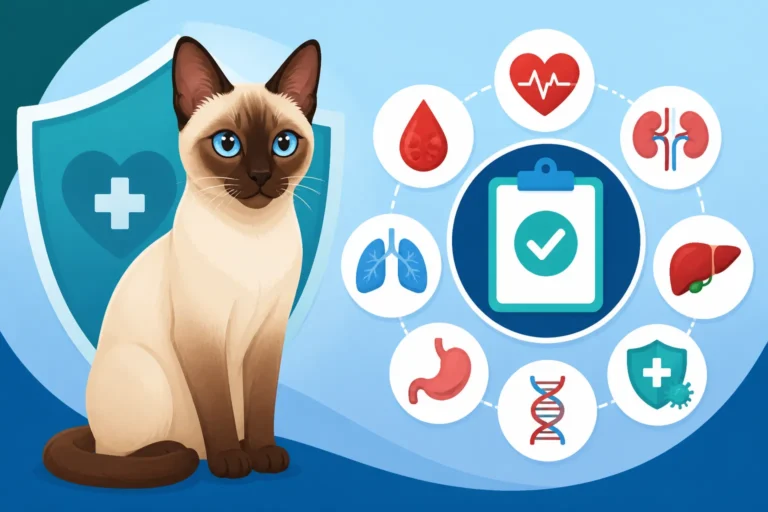
If a heart issue is suspected, your vet will likely recommend further diagnostic tests. The gold standard for diagnosing HCM is an echocardiogram, which is essentially an ultrasound of the heart. This non-invasive procedure allows a veterinary cardiologist to visualize the heart's chambers, measure the thickness of the muscle walls, assess blood flow, and evaluate overall heart function. It's the definitive test that confirms an HCM diagnosis.
Other important tests might include:
- Chest X-rays: These can reveal if there's fluid buildup in or around the lungs, which is a sign of congestive heart failure.
- Blood tests: A general wellness panel, including What a Siamese Cat's Yearly Bloodwork Should Cover, can rule out other conditions like hyperthyroidism, which can mimic or worsen heart disease. A specific blood test called proBNP can also be very helpful; elevated levels indicate stress on the heart muscle.
- Electrocardiogram (ECG): This measures the electrical activity of the heart and can detect arrhythmias (irregular heartbeats).
It’s a comprehensive approach, and while it might feel overwhelming, each test provides a crucial piece of the puzzle. Getting an accurate diagnosis is the cornerstone of developing an effective management plan for your Siamese.
Living with HCM: Treatment, Lifestyle Adjustments, and Financial Considerations
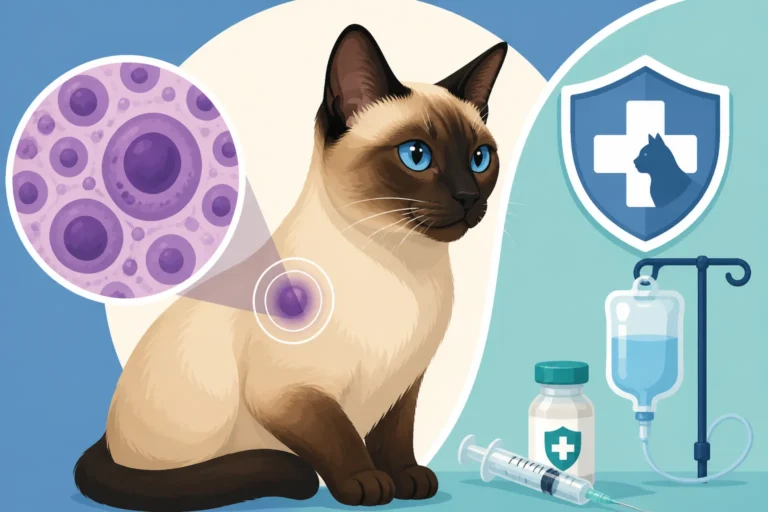
The hard truth about HCM is that there is currently no cure. However, that doesn't mean there's no hope. The good news is that with proper management, many cats with HCM can live comfortably for extended periods, maintaining a good quality of life. The goal of treatment is to slow the progression of the disease, alleviate symptoms, and prevent complications like blood clots.
Treatment typically involves a combination of medications tailored to your cat's specific condition:
- Beta-blockers or calcium channel blockers: These help the heart relax more effectively, reduce heart rate, and improve blood flow.
- ACE inhibitors: These medications help reduce blood pressure and decrease the workload on the heart.
- Diuretics: If congestive heart failure (fluid in the lungs) is present, diuretics help remove excess fluid from the body, making it easier for your cat to breathe.
- Anti-clotting medications: For cats at risk of blood clot formation, drugs like clopidogrel are often prescribed to prevent this life-threatening complication.
Beyond medication, lifestyle adjustments play a role. Keeping your Siamese at a healthy weight is vital, as obesity puts extra strain on the heart. While regular exercise is important, your vet might recommend moderating intensity, especially if your cat is experiencing symptoms. A low-sodium diet might also be suggested to help manage fluid retention.
Financially, managing a chronic condition like HCM can be a significant commitment. Medications, regular vet visits, and follow-up echocardiograms can add up. This is where a good pet insurance plan, like those offered by Healthy Paws, can be an absolute lifesaver. They can help cover a substantial portion of the ongoing costs, providing peace of mind and ensuring you can provide the best possible care without undue financial stress. Knowing that you have support for these unexpected, yet often long-term, expenses makes the journey a little less daunting. Our article on What Insuring a Siamese Cat Costs a Month dives deeper into the financial aspects.
Proactive Heart Care: Ensuring a Long and Happy Life for Your Meezer
The journey with a Siamese cat is one filled with joy, personality, and often, a lot of conversation! As their devoted companions, our biggest wish is for them to live out The Fifteen to Twenty Years a Siamese Cat Gets in the best health possible. Proactive care is truly the key, especially when it comes to something as vital as heart health.
The Crucial Role of Regular Check-ups and Preventative Measures
I cannot stress this enough: regular veterinary check-ups are your first and best line of defense against serious health issues, including HCM. Even if your Siamese cat appears to be in peak condition, those annual (or biannual, for older cats) visits are non-negotiable. During these appointments, your vet isn't just giving vaccines; they're performing a thorough physical examination, listening intently to that tiny heart, feeling for abnormalities, and assessing your cat's overall well-being.
Your vet might catch a subtle heart murmur that you'd never notice at home. This early detection doesn't mean your cat has HCM, but it's a signal to investigate further with an echocardiogram before symptoms ever appear. Think of it as preventative maintenance for your most cherished possession. For older Siamese cats, in particular, Caring for an Old Siamese Cat involves paying even closer attention to these regular health screens, as age can bring about changes that require a more vigilant eye. Discuss with your veterinarian about specific preventative screenings they might recommend for senior cats, such as regular blood pressure checks or routine blood tests that can flag potential issues like Hyperthyroidism in an Older Siamese Cat, which can impact heart health.
Building a Support System for Your Cat's Long-term Health
Beyond regular vet visits, creating a supportive and healthy environment for your Siamese contributes immensely to their overall well-being and, by extension, their heart health.
- Optimal Nutrition: Provide a high-quality, balanced diet appropriate for your cat's age and activity level. Avoid foods with excessive sodium, especially if your cat has any diagnosed heart issues. If you have concerns about their weight or diet, your vet can offer specific recommendations.
- Weight Management: Keeping your Siamese at a lean, healthy weight is crucial. Obesity puts unnecessary strain on their entire system, including their heart. Monitor their weight regularly and adjust food portions or activity levels as needed. Remember, Why a Siamese Cat Feels Bony is usually normal, but truly underweight or overweight is not.
- Stress Reduction: Siamese cats thrive on routine and interaction. Sudden changes, lack of mental stimulation, or prolonged loneliness can lead to stress. A stressed cat is a cat whose immune system might be compromised, and whose overall health could decline. Ensure they have plenty of enrichment, playtime, and consistent affection.
- Pet Insurance: This circles back to the practical realities of managing potential health challenges. Having a comprehensive pet insurance plan from a reputable provider like Healthy Paws means that if your Siamese does develop HCM or any other serious condition, you can focus on making the best medical decisions without the added burden of overwhelming costs. This kind of financial safety net truly empowers you to act swiftly and decisively for your cat’s health, knowing that expensive diagnostics and long-term medication are largely covered. It’s an investment in their future and your peace of mind.
Ultimately, caring for a Siamese cat, like any beloved pet, is about partnership. You’re their advocate, their protector, and their best friend. By being informed, proactive, and attuned to their subtle cues, you can help ensure your Siamese enjoys a long, vibrant life, full of their characteristic meows and endless affection.
Disclaimer
This article is intended for informational purposes only and is not a substitute for professional veterinary advice. Always consult with a qualified veterinarian for any health concerns or before making any decisions related to your cat's medical care.