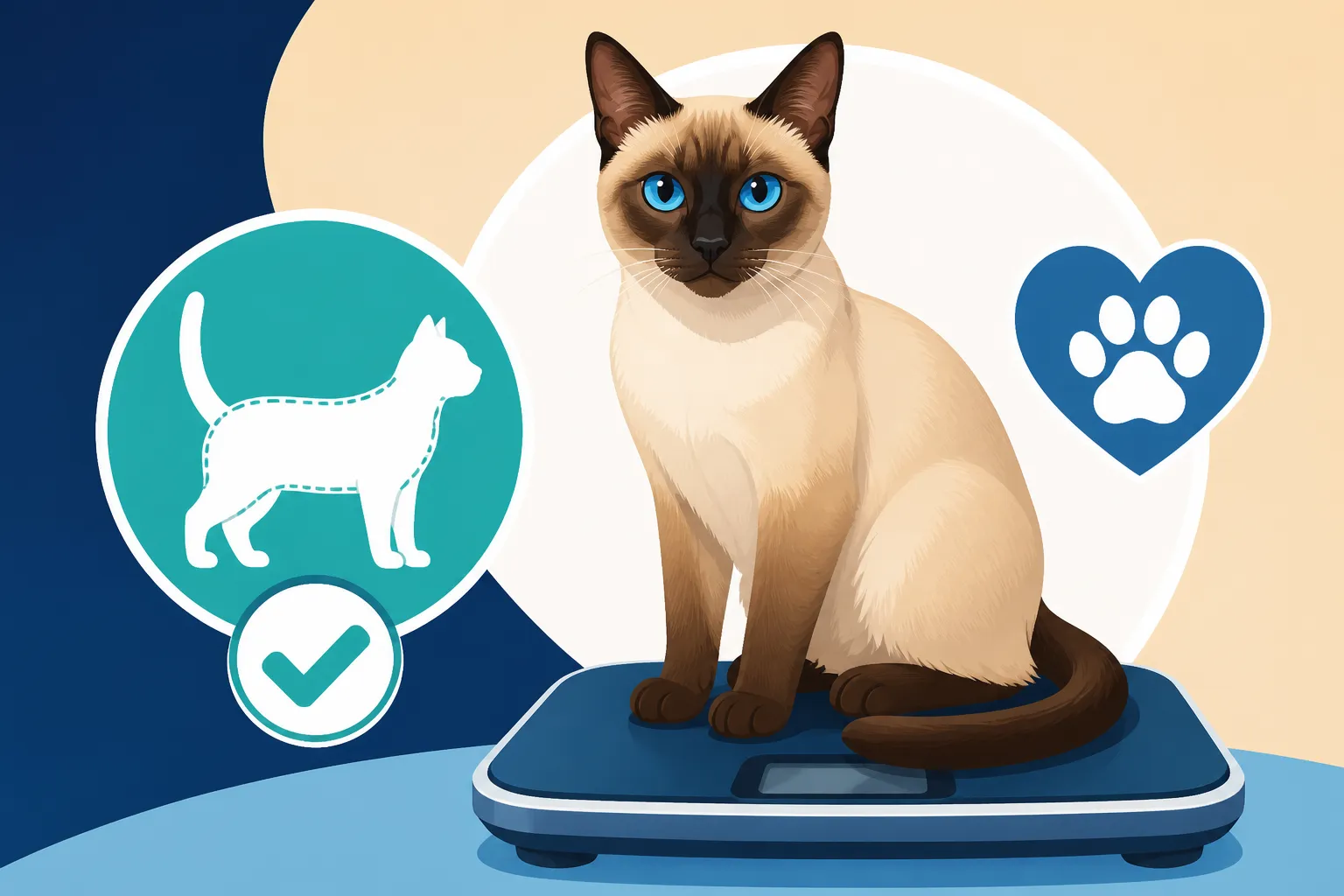
What a Healthy Siamese Cat Weighs
It's incredibly common for Siamese cat owners to look at their svelte, elegant companions and worry, "Are they too thin?" These beautiful cats are naturally lean, sometimes even appearing bony, which can lead to a lot of anxiety about their health. This comprehensive guide is here to reassure you and provide detailed insights into what constitutes a healthy weight for a Siamese cat, helping you distinguish between natural slenderness and a genuine health concern.
The Siamese Cat's Naturally Lean Physique
One of the most striking features of the Siamese cat is their incredibly athletic and slender build. They are the supermodels of the feline world, boasting long, graceful lines that often cause owners to wonder if they're feeding their furry friend enough. But rest assured, this lean appearance is typically by design, a hallmark of the breed's genetics and high metabolism.
Why Siamese Cats Look So Slender
The distinct "wedge" head, long tapering tail, and lithe body are not just aesthetic traits; they are fundamental to the Siamese breed standard. Unlike many domestic shorthairs or chunkier breeds like a British Shorthair, Siamese cats lack a significant undercoat, which contributes to their sleek profile. This absence of fluff means their body contours are more visible, making them appear even more slender than they might actually be. Their bone structure is fine, and their muscles are long and toned, not bulky. This natural athleticism is a big part of Why a Siamese Cat Stays So Thin. They're often constantly on the move, burning calories with their endless curiosity and playful antics, contributing to their high metabolism.
When you feel along your Siamese cat's body, you might easily feel their ribs, spine, and hip bones. For many other cat breeds, this would immediately signal an underweight problem. However, for a Siamese, it's often perfectly normal, provided these bones aren't sharply protruding without any muscle or fat covering. Their naturally tucked abdomen also enhances this svelte look, rather than indicating malnourishment.
The Importance of Body Condition Score Over Raw Weight
While weighing your cat is a useful tool, relying solely on a number on the scale for a Siamese can be misleading and lead to unnecessary worry. A much more effective and accurate method for assessing a Siamese cat's health and appropriate weight is through a Body Condition Score (BCS). This visual and tactile assessment helps you, and your veterinarian, determine if your cat is at an ideal weight, regardless of what the scales might say.
The BCS system typically uses a scale of 1 to 9, where 1 is emaciated and 9 is morbidly obese, with 5 being the ideal. For a Siamese cat, an ideal BCS means you can easily feel their ribs with a slight fat covering, but you can't see them protruding. Their waist should be evident when viewed from above, and their abdomen should tuck up nicely when viewed from the side. You should also be able to feel their spine and hip bones without them feeling sharp or jagged. If you're concerned about Why a Siamese Cat Feels Bony, checking their BCS is the best approach. A cat with a BCS of 4 or 5 is generally considered healthy for this breed, even if their ribs are easily palpable.
Understanding BCS helps prevent the common mistake of overfeeding a naturally lean Siamese cat in an attempt to "fatten them up." Overfeeding can lead to its own set of health problems, even in a breed known for its high metabolism. Always consult your vet if you're unsure about your cat's BCS or overall health.
Here's a quick reference table for understanding Body Condition Score (BCS) in cats, adapted for a lean breed like the Siamese:
| BCS Score | Description | Siamese Cat Interpretation (Ideal for this breed is 4-5) |
|---|---|---|
| 1 (Emaciated) | Ribs, spine, and hip bones clearly visible and easily felt with no fat or muscle. Severe abdominal tuck. | Dangerously thin. Ribs, spine, hips visible even with their lean build. No fat, minimal muscle. Requires immediate veterinary attention. |
| 2 (Very Thin) | Ribs, spine, and hip bones easily visible and felt. Very little fat and muscle. Obvious abdominal tuck. | Underweight. Ribs, spine, hips very prominent. Some muscle wasting may be apparent. Likely needs vet assessment and a tailored feeding plan. |
| 3 (Thin) | Ribs easily felt, minimal fat covering. Waist easily noted, obvious abdominal tuck. | Lean but potentially still too thin. Ribs felt easily, minimal fat. May be acceptable for very active individuals, but watch for further loss. |
| 4 (Underweight Ideal) | Ribs easily felt with a slight fat covering. Waist easily noted, slight abdominal tuck. | Lean & Healthy! Ribs felt easily, minimal fat. Good muscle definition. This is often the lean end of healthy for many Siamese cats. |
| 5 (Ideal) | Ribs felt with a thin fat covering. Waist and abdominal tuck evident. | Perfect! Ribs felt but not seen. Smooth waistline. Optimal for most healthy Siamese cats. |
| 6 (Overweight) | Ribs felt with difficulty due to moderate fat covering. Waist still discernable but not prominent. | Slightly chunky. Ribs harder to feel. Waist rounding out. Start monitoring food intake and increasing play. |
| 7 (Heavy) | Ribs difficult to feel due to heavy fat covering. No waist, abdomen rounded. | Overweight. Ribs very hard to feel. No waist definition. Risk for health issues increasing. Vet visit recommended for weight management. |
| 8 (Obese) | Ribs not palpable. Heavy fat deposits over back, tail base. No waist. Distended abdomen. | Obese. Significant health risks. Immediate vet intervention needed for a comprehensive weight loss program. |
| 9 (Grossly Obese) | Massive fat deposits throughout. Severe abdominal distension. | Extremely Obese. Critical health risks. Intensive veterinary care and long-term management required. |
Healthy Weight Ranges for Adult Siamese Cats
Even within the generally lean Siamese breed, there's a range of healthy weights. Factors like sex, individual bone structure, and even specific Siamese sub-types (like the more traditional "applehead" versus the modern "wedge") can influence their ideal weight. Knowing these general ranges can provide a good benchmark, but always remember to cross-reference with the Body Condition Score.
Average Weight for a Male Siamese Cat
Generally speaking, an adult male Siamese cat will typically weigh more than a female, often falling into a range of about 8 to 12 pounds (approximately 3.6 to 5.4 kg). This isn't a hard and fast rule, of course; a particularly large-boned male might weigh a bit more and still be perfectly healthy, while a finer-boned male could be at the lower end of this spectrum. What's crucial is that within this weight, they maintain an ideal Body Condition Score.
When considering How Much a Male Siamese Cat Weighs, remember that individual genetics play a huge role. Some lines naturally produce larger cats, while others are consistently more delicate. As long as your male Siamese is active, has a good appetite, and his vet confirms a healthy BCS, then his specific weight within this range is likely appropriate for him. Consistent weight fluctuations outside of this range, especially without a change in diet or activity, should prompt a conversation with your veterinarian.
Average Weight for a Female Siamese Cat
Female Siamese cats, true to their graceful nature, are typically daintier than their male counterparts. Their healthy weight usually ranges from about 6 to 10 pounds (approximately 2.7 to 4.5 kg). Again, this is an average, and there will always be exceptions. A very small female could comfortably sit below this, while a larger-boned female might be slightly above and still be in peak condition.
When trying to determine How Much a Female Siamese Cat Weighs, observing her overall vitality and energy levels is just as important as the number on the scale. Is she playful? Does she engage with toys and her environment? Does her coat look shiny and healthy? These are all indicators of a well-nourished cat, regardless of whether she's 6 pounds or 9 pounds. If a female Siamese is on the lower end of the weight spectrum but is otherwise thriving, playful, and has a good BCS, there's generally no cause for concern.
When a Siamese Cat Reaches Full Size
Most Siamese cats will reach their full height and length by about 12 months of age, but they can continue to "fill out" and gain a small amount of muscle mass or subtle body weight until they are around 18 months to 2 years old. This filling out isn't usually a significant increase in weight but rather a maturing of their musculature and overall body composition. So, if you're wondering When a Siamese Cat Reaches Full Size, expect physical growth to largely complete by their first birthday, with a bit more fine-tuning in the subsequent months.
During this period of maturity, it's important to continue monitoring their BCS. Rapid growth spurts followed by periods of slower development are normal for kittens and young adults. Providing a high-quality, balanced diet specifically formulated for adult cats once they reach about a year old is key to supporting their mature physique without encouraging excess weight gain.
Identifying Underweight vs. Healthy Lean in Siamese Cats
The line between a healthy, lean Siamese and one that's genuinely underweight can feel blurry. It's easy to second-guess yourself, especially when comparing your elegant Siamese to other, stockier cat breeds. However, there are clear signs to help you distinguish between a naturally svelte physique and a cat whose health might be compromised due to being too thin.
Signs Your Siamese Cat Might Be Too Thin
While a healthy Siamese will naturally have palpable ribs, spine, and hip bones, an underweight Siamese will exhibit these bones far more prominently, often visible to the eye without needing to be felt. Look for ribs that protrude sharply, a spine that stands out like a row of beads, and hip bones that are starkly visible. Beyond the skeletal appearance, there are other tell-tale signs. An underweight cat might have a dull, lackluster coat, and their overall muscle mass will appear significantly reduced, giving them a frail appearance. You might notice them acting less energetic, sleeping more, or showing reduced interest in play or interaction.
Other red flags include changes in eating habits – either a complete loss of appetite or, paradoxically, eating a lot but still losing weight, which can indicate an underlying issue. Consistent vomiting, diarrhea, or a noticeable decrease in activity levels alongside weight loss are all strong indicators that your cat needs veterinary attention. If you're pondering How to Tell If a Siamese Cat Is Too Thin, these are the key visual and behavioral cues to watch for closely. Don't dismiss a collection of these signs as simply "being a Siamese."
Potential Causes for Underweight Siamese Cats
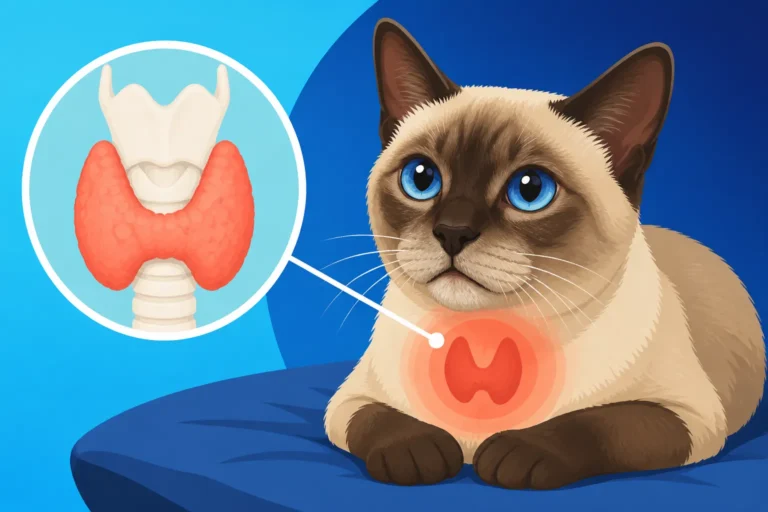
If your Siamese cat is genuinely underweight, it's crucial to understand that it's often a symptom of an underlying issue, not just a matter of "not eating enough." Medical conditions are a common culprit. For older Siamese cats, conditions like Hyperthyroidism in an Older Siamese Cat can cause rapid weight loss despite a ravenous appetite due to an overactive thyroid. Chronic kidney disease, inflammatory bowel disease, or even common parasites can prevent nutrient absorption, leading to a cat that struggles to maintain weight. Dental Disease in a Siamese Cat is another often overlooked cause; pain in the mouth can make eating difficult and lead to a significant drop in food intake.
Beyond medical issues, environmental and behavioral factors can play a role. Stress, whether from a change in routine, a new pet, or even just boredom, can suppress appetite. Competition for food in multi-cat households can also lead to one cat not getting enough to eat. Some Siamese cats are prone to pica, such as wool sucking and eating non-food items, which can sometimes lead to intestinal blockages and malabsorption, preventing them from getting adequate nutrition. In any case of unexplained weight loss, a visit to the vet is paramount. Investing in pet insurance, like a plan from Healthy Paws, can be incredibly helpful for covering the diagnostic tests and treatments needed to uncover and address these underlying health concerns, providing peace of mind during a stressful time.
Healthy Weight Gain Strategies
Once the underlying cause of an underweight Siamese has been identified and addressed by a veterinarian, implementing a healthy weight gain strategy can begin. This isn't about simply force-feeding them but rather providing optimal nutrition in an easily digestible format. Your vet might recommend a high-calorie, highly palatable diet, or a prescription food tailored to their specific medical needs. Often, feeding smaller, more frequent meals throughout the day can be more effective than two large meals, as it's easier on their digestive system and keeps their metabolism steadily fueled. You might find guidance in an article like Feeding a Lean Siamese Cat That Burns Everything.
For cats struggling with stress or competition, ensuring a quiet, safe eating space away from other pets is essential. Using puzzle feeders or interactive toys can also stimulate appetite for some cats. If dental issues were the cause, ensuring they have appropriate pain management and dental care will be key. Remember, any weight gain plan should be gradual and supervised by your vet to avoid overwhelming their system or putting undue strain on their organs. A steady, healthy increase is always preferable to rapid weight gain.
The Risks of Overweight Siamese Cats
While it’s true that Siamese cats are typically lean and less prone to obesity than some other breeds, it’s a misconception to think they can’t become overweight. Modern lifestyles, where cats are often exclusively indoors with less active play and readily available food, can challenge even the most naturally svelte feline. An overweight Siamese faces many of the same health risks as any other overweight cat, and these risks can significantly impact their quality of life and longevity.
Why Overweight Siamese Cats Are Less Common But Still a Concern
Siamese cats are known for their high energy levels and a metabolism that often seems to burn through calories faster than a wildfire. This is why you often hear owners say things like, "My Siamese eats so much, but he never gains an ounce!" Indeed, their genetics predispose them to a more active and lean body type. However, this natural advantage isn't a free pass. A sedentary indoor lifestyle, coupled with unlimited access to high-calorie food and an abundance of treats, can still tip the scales.
Just like us, a cat's metabolism can slow down with age or if they become less active due to joint pain or other health issues. When calories in consistently exceed calories out, even a Siamese can start to pack on the pounds. It's a less common sight, but a plump Siamese isn't unheard of, and it’s important to acknowledge that Whether a Siamese Cat Can Become Overweight is a definite yes. Vigilance from owners is key to recognizing when this lean machine starts to lose its sleek silhouette.
Health Consequences of Excess Weight
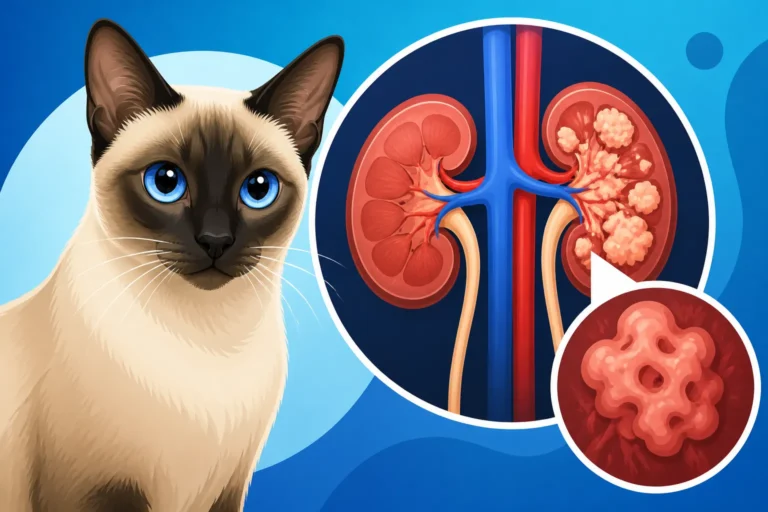
The health consequences of an overweight Siamese cat are serious and can significantly shorten their lifespan. Excess weight puts immense strain on a cat's joints, leading to or worsening conditions like arthritis, making movement painful and reducing their willingness to play and exercise. This creates a vicious cycle where reduced activity further contributes to weight gain. Beyond mobility issues, obesity significantly increases the risk of developing several life-threatening diseases.
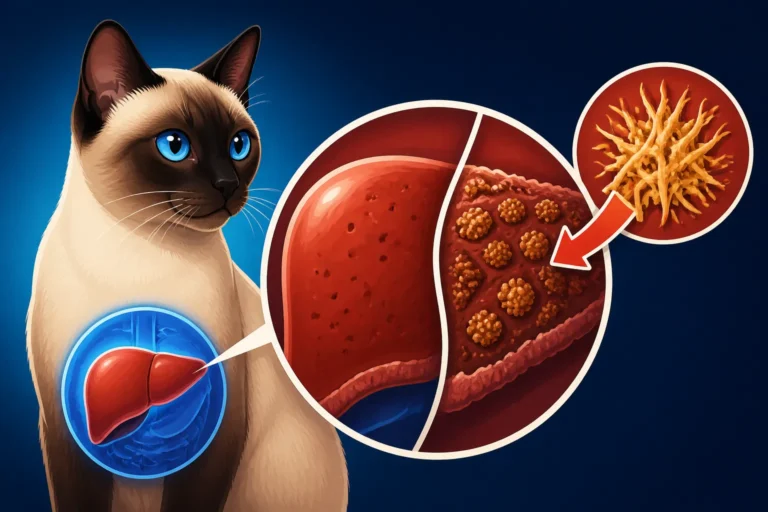
Overweight cats are at a much higher risk for Diabetes in a Siamese Cat, requiring daily insulin injections and careful dietary management. Heart Disease in a Siamese Cat can be exacerbated by the extra workload placed on the cardiovascular system. They are also more prone to certain types of cancer, liver disease, and urinary tract issues. Grooming can become difficult for an obese cat, leading to skin infections and matted fur. These complications can drastically impact The Fifteen to Twenty Years a Siamese Cat Gets, making their golden years far less comfortable.
Managing a Siamese Cat's Weight
If your Siamese cat has started to gain too much weight, the good news is that it’s often manageable with dedication and a plan. The first step is always a visit to your veterinarian to rule out any underlying medical conditions that might contribute to weight gain, and to help devise a safe and effective weight loss program. This program will typically involve a combination of dietary adjustments and increased physical activity. Your vet might recommend a specific low-calorie, high-fiber prescription diet designed to help cats lose weight safely while feeling full.
Portion control is absolutely critical; free-feeding should be eliminated, and meals should be measured precisely. For engaging their active minds and bodies, interactive play is essential. Investing in puzzle feeders can slow down eating and provide mental stimulation. Regular, enthusiastic play sessions with wand toys, laser pointers (used carefully to avoid frustration), and even leash training if your cat enjoys it, can significantly boost their calorie expenditure. Regular vet check-ups are vital to monitor progress and adjust the plan as needed. A robust pet insurance plan, such as one from Healthy Paws, can also be beneficial in covering the costs of ongoing vet visits and any health issues that might arise from or be related to weight management.
Disclaimer
This article is intended for informational purposes only and is not a substitute for professional veterinary advice, diagnosis, or treatment. Always seek the advice of your veterinarian or other qualified health provider with any questions you may have regarding a medical condition or the health and welfare of your pet.