Diabetes in a Siamese Cat
Finding out your beloved Siamese cat has diabetes can feel like a punch to the gut. Suddenly, you're faced with daily injections, dietary changes, and a mountain of new information, all while worrying about your furry friend's health and future. It’s completely natural to feel overwhelmed, but the good news is that feline diabetes is a manageable condition, and with understanding and commitment, your Siamese can continue to live a full and happy life. This guide is here to walk you through everything you need to know about diabetes in Siamese cats, from recognizing the subtle signs to navigating treatment and daily care.
Understanding Feline Diabetes in Siamese Cats
Diabetes mellitus, often simply called diabetes, is a serious but manageable condition that affects a cat's ability to regulate blood sugar (glucose) levels. It's not uncommon in felines, and unfortunately, our smart and vocal Siamese friends can be particularly susceptible.
What is Feline Diabetes and Why are Siamese Cats Susceptible?
At its core, feline diabetes occurs when a cat's body either doesn't produce enough insulin or can't properly use the insulin it does produce. Insulin is a hormone created by the pancreas that acts like a key, allowing glucose from food to enter the body's cells, where it's used for energy. Without enough effective insulin, glucose builds up in the bloodstream, leading to high blood sugar levels (hyperglycemia).
There are two main types of diabetes:
- Type 1 Diabetes: This is rare in cats and occurs when the pancreas produces little to no insulin.
- Type 2 Diabetes: This is by far the most common form in cats, accounting for 80-95% of cases. With Type 2, the pancreas may produce some insulin, but the body's cells become resistant to its effects, or the pancreas simply can't produce enough to keep up with demand.
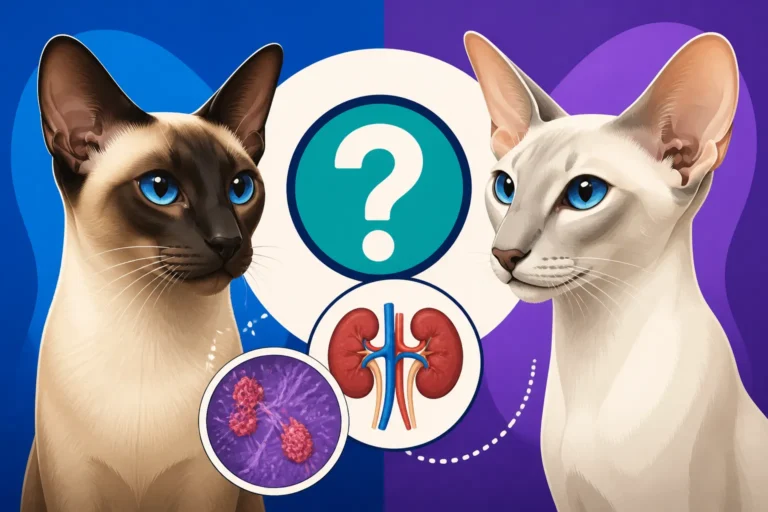
Siamese cats, along with breeds like Burmese and Norwegian Forest Cats, are often observed to have a genetic predisposition to developing diabetes. While research is ongoing to pinpoint the exact genetic markers, it's believed that certain metabolic traits inherent to the breed might make them more prone to insulin resistance. This means even if they maintain a healthy weight, their bodies might struggle more than other breeds to process glucose efficiently. Factors like obesity, a high-carbohydrate diet, chronic pancreatitis, and certain medications (like corticosteroids) can also significantly increase a Siamese cat's risk. If you're wondering about other health conditions, you might find our post on how healthy the Siamese cat actually is insightful.
Common Symptoms and Early Warning Signs
The signs of diabetes in cats can sometimes be subtle, especially in the early stages, making it easy to miss if you're not paying close attention. However, recognizing these indicators quickly is crucial for starting treatment and improving your cat's prognosis.
The classic signs of feline diabetes are often referred to as the "three P's":
- Polyuria (Increased Urination): When there's too much glucose in the bloodstream, the kidneys try to flush it out through urine. This means your cat will produce more urine than usual. You might notice larger clumps in the litter box, or your cat might start having accidents outside the box. It’s also important to consider if your Siamese cat is drinking more with age, as this can be a sign of various conditions, including kidney disease in an older Siamese cat.
- Polydipsia (Increased Thirst): Because your cat is urinating more frequently and losing more fluids, they become dehydrated and will drink much more water to compensate. You might find yourself refilling their water bowl more often, or even seeing them drink from unusual sources like the shower or toilet.
- Polyphagia (Increased Hunger): Despite eating more, the cells in a diabetic cat's body aren't getting the glucose they need for energy. This tricks the body into thinking it's starving, leading to a persistent feeling of hunger. Your typically reserved Siamese might start begging for food constantly or even trying to steal it.
Beyond the three P's, you might also observe:
- Weight Loss: This is a particularly concerning symptom. Even with an increased appetite, diabetic cats often lose weight because their bodies can't utilize glucose for energy and start breaking down fat and muscle instead. If you're concerned about your cat's physique, understanding why a Siamese cat stays so thin can provide more context.
- Lethargy and Weakness: Without proper energy, your cat might seem less playful, sleep more, or just generally appear tired and lacking their usual Siamese zest. You might notice them struggling to jump or climb.
- Poor Coat Condition: A diabetic cat's coat might become dull, greasy, or unkempt due to dehydration and a general decline in health. They might stop grooming themselves as meticulously as Siamese cats usually do.
- Diabetic Neuropathy: In some cases, prolonged high blood sugar can damage nerves, leading to weakness, particularly in the hind legs. You might notice your cat walking with a "plantigrade" stance, where they walk flat-footed on their hocks rather than on their toes.
It's vital to remember that these symptoms can also indicate other serious health problems, so if you notice any of them, it’s imperative to schedule a vet visit immediately. Early diagnosis and intervention can make a world of difference in managing the condition and improving your Siamese cat's long-term health. Knowing the signs a Siamese cat is unwell can guide your observations.
| Symptom Category | Early/Moderate Diabetes Signs | Severe Diabetes (Possible DKA) Signs |
|---|---|---|
| Urination | Increased frequency and volume (polyuria) | Strong, sweet-smelling urine; cessation of urination (late stage) |
| Thirst | Excessive drinking (polydipsia) | Severe dehydration, sunken eyes |
| Appetite | Increased hunger (polyphagia) | Anorexia (loss of appetite), nausea, vomiting |
| Weight | Unexplained weight loss despite increased eating | Rapid, significant weight loss |
| Energy/Behavior | Lethargy, reduced playfulness, increased sleeping | Extreme weakness, collapse, unresponsiveness |
| Other | Dull coat, occasional vomiting, hind leg weakness (neuropathy) | Labored breathing, sweet/fruity breath odor, abdominal pain |
Diagnosing and Managing Diabetes in Your Siamese Cat
Getting a diabetes diagnosis for your Siamese cat can be a lot to process, but knowing how vets confirm the condition and the management options available will empower you to take the best possible care of your feline companion.
How Vets Diagnose Diabetes
The diagnostic process for feline diabetes typically involves a combination of tests, as one single test isn't always conclusive, especially given the unique physiology of cats.
- Blood Glucose Test: This is the most direct way to measure the amount of sugar in your cat's blood. A single high blood glucose reading can be a strong indicator, but it needs to be interpreted carefully in cats. Cats, especially Siamese, are notorious for developing "stress-induced hyperglycemia" – their blood sugar can spike simply from the anxiety of a vet visit. To differentiate between stress and true diabetes, your vet might recommend additional testing.
- Fructosamine Test: This blood test provides an average blood glucose level over the past 1 to 3 weeks. Unlike a single blood glucose reading, fructosamine levels are not significantly affected by short-term stress, making it a much more reliable indicator of long-term blood sugar control. If both a high blood glucose and a high fructosamine level are present, a diabetes diagnosis is usually confirmed.
- Urine Tests: Your vet will typically check a urine sample for the presence of glucose and ketones. Glucose in the urine (glycosuria) is a classic sign of diabetes, as the kidneys start to excrete excess sugar when blood sugar levels are too high. Ketones in the urine can indicate a more severe form of diabetes called diabetic ketoacidosis (DKA), which is a medical emergency.
Regular wellness exams are paramount for catching these issues early. Our article on what a Siamese cat's yearly bloodwork should cover can give you a deeper understanding of routine health checks that might flag potential problems before they become critical.
Treatment Options: Insulin Therapy
For most diabetic Siamese cats, insulin therapy is the cornerstone of treatment. While it might sound intimidating, administering insulin injections becomes routine very quickly.
- Why Insulin is Necessary: In Type 2 diabetes, the goal is to reduce the burden on the pancreas and help the body's cells become more responsive to insulin again. For many cats, this means supplementing with exogenous (external) insulin.
- Types of Insulin: Vets commonly prescribe long-acting insulins such as glargine (Lantus) or protamine zinc insulin (PZI) for cats. These insulins provide a steady release over many hours, helping to keep blood sugar levels stable throughout the day. Your vet will determine the most appropriate type and starting dose based on your cat's specific needs.
- Insulin Injections: Demystified: Insulin is administered via a small, fine needle (often an insulin syringe) under the skin, usually along the scruff of the neck or flank. Your vet or veterinary technician will demonstrate the proper technique, including how to draw the correct dose, find the injection site, and ensure the needle goes in smoothly. Consistency is key: insulin must be given at the same time every day, typically twice daily, usually right after meals. Don't worry, your cat will barely feel it, and most owners quickly become adept at giving injections.
Dietary Management and Lifestyle Adjustments
Beyond insulin, diet plays a massive role in managing feline diabetes, and it's an area where you have significant control.
- High Protein, Low Carbohydrate Diet: The general recommendation for diabetic cats is a diet that is high in protein and very low in carbohydrates. This type of diet helps to stabilize blood sugar levels and can even lead to diabetic remission in some cats. Many commercial prescription diets are specifically formulated for diabetic felines, such as Purina DM, Royal Canin GlycoBalance, or Hill's m/d. Always consult your vet for the best dietary recommendations for your individual cat.
- Consistent Meal Times: Feeding meals at consistent times, typically just before or at the time of insulin injections, is crucial. This ensures that the insulin has glucose to act on, preventing dangerous drops in blood sugar. Our guide on how much a Siamese cat eats a month can help you plan meal portions.
- Weight Management and Exercise: Obesity is a significant risk factor for feline diabetes and can make the condition harder to manage. If your Siamese cat is overweight, working with your vet to achieve a healthy weight is paramount. Encourage gentle exercise and play to help burn calories and improve insulin sensitivity. It's often difficult to tell if a Siamese cat is underweight or overweight given their naturally slender build, so refer to what a healthy Siamese cat weighs for guidance.
Living with a Diabetic Siamese Cat
A diabetes diagnosis means a lifelong commitment to care, but it doesn't mean a diminished life for your Siamese. With consistent monitoring and communication with your vet, your cat can thrive.
Monitoring at Home
Your role as an owner in monitoring your diabetic Siamese cat's health is incredibly important. Regular observation and some simple home tests can provide valuable information to your vet and help prevent complications.
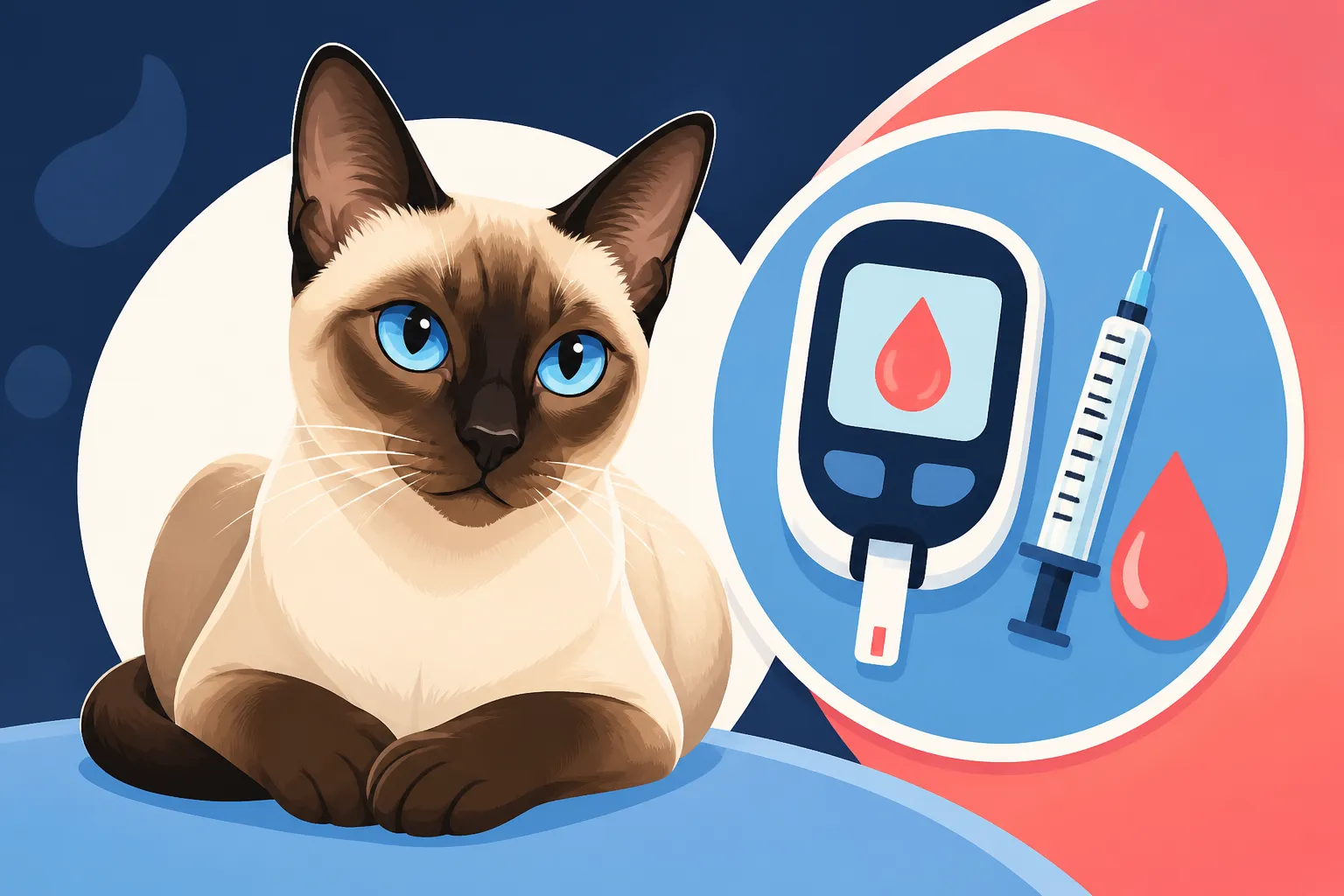
- Home Blood Glucose Monitoring: This is a game-changer for many diabetic cat owners. Using a pet-specific glucometer (which can be purchased online or through your vet, often from brands like AlphaTrak 2) allows you to measure your cat's blood sugar levels at home. This provides a more accurate picture of their daily glucose fluctuations than vet visits alone, as your cat is relaxed in their own environment. Many vets also use continuous glucose monitors (CGMs) like the FreeStyle Libre, which can be placed on the cat's fur and monitored with a smartphone for several days, providing a full glucose curve without repeated blood draws. Your vet can teach you how to do this safely and effectively.
- Urine Glucose Strips: These strips can test for glucose in your cat's urine. While not as precise as blood glucose readings, they can alert you to very high sugar levels. Some owners find them helpful, but they don't give a full picture of blood sugar control.
- Observing Behavioral Changes and Appetite: Continue to keep a close eye on your cat's water intake, urination habits, appetite, energy levels, and overall demeanor. Any significant changes should be noted and discussed with your vet. Pay attention to how a Siamese cat hides pain, as this breed can be quite stoic.
- Keeping a Log: Maintain a detailed log of your cat's insulin doses, feeding times, approximate water intake, urination frequency, and any blood or urine glucose readings. This log is invaluable for your vet to adjust insulin doses and assess the effectiveness of the treatment plan.
Potential Complications and What to Watch For
Despite diligent care, complications can sometimes arise. Knowing what to watch for can help you act quickly and potentially save your cat's life.
- Hypoglycemia (Low Blood Sugar): This is perhaps the most immediate danger. If your cat receives too much insulin, misses a meal, or exercises excessively, their blood sugar can drop dangerously low. Symptoms include weakness, lethargy, disorientation, trembling, staggering, seizures, and even coma. If you suspect hypoglycemia, rub a small amount of corn syrup (Karo syrup) or honey on your cat's gums and seek immediate veterinary attention. This is a terrifying experience, and understanding the risks is why many owners consider pet insurance. Plans from providers like Healthy Paws can offer significant relief when emergency care is needed.
- Diabetic Ketoacidosis (DKA): This severe and life-threatening complication occurs when the body, unable to use glucose for energy, starts breaking down fat too rapidly, producing ketones as a byproduct. High levels of ketones are toxic. Symptoms of DKA include severe lethargy, anorexia, vomiting, diarrhea, dehydration, and a distinctive sweet or fruity smell on your cat's breath. DKA requires immediate emergency veterinary care.
- Diabetic Neuropathy: As mentioned earlier, chronic high blood sugar can damage nerves, leading to weakness, particularly in the hind legs. While often reversible with good glucose control, it can be a challenging symptom to manage.
Long-Term Outlook and Quality of Life
Living with a diabetic Siamese cat is a journey, not a sprint. It requires dedication, but the rewards of seeing your cherished companion thrive are immeasurable.
- Remission Potential: While not all cats achieve remission, many diabetic cats, especially those diagnosed early and put on a strict diet and insulin regimen, can go into remission. This means they no longer require insulin injections and can maintain normal blood sugar levels through diet alone. However, they will always be "diabetic-prone" and require careful monitoring and diet adherence to prevent recurrence.
- Owner Commitment: Managing feline diabetes is a significant commitment. It means twice-daily injections, strict feeding schedules, regular vet visits, and vigilant monitoring. However, with consistency and love, it quickly becomes part of your daily routine. Many owners report that the bond with their cat strengthens through this shared experience.
- A Full and Happy Life: The excellent news is that most diabetic cats, with proper management, go on to live long, happy, and fulfilling lives. The goal isn't just to manage the disease, but to ensure a good quality of life for your cat. Your Siamese will still be that vocal, playful, and intelligent companion you adore, perhaps even more so with their improved health. Caring for a Siamese cat past twelve, even with diabetes, is entirely possible with dedicated care.
Disclaimer
This article is intended for informational purposes only and does not constitute medical advice. Always consult with a qualified veterinarian for any health concerns or before making any decisions related to your pet's medical care.