Kidney Disease in an Older Siamese Cat
Finding out your beloved older Siamese cat has kidney disease can be absolutely devastating. It's a common, heartbreaking diagnosis that leaves many of us feeling overwhelmed, confused, and desperate to do everything we can for our feline family members. This comprehensive guide is here to walk you through understanding kidney disease, recognizing its subtle signs, exploring management options, and helping you provide the best possible quality of life for your cherished Siamese.
Understanding Kidney Disease in Your Older Siamese Cat
It's a stark reality that as our feline companions age, their bodies, much like our own, start to experience wear and tear. One of the most common and challenging conditions affecting senior cats, including our elegant Siamese, is chronic kidney disease, often abbreviated as CKD. This isn't a sudden, acute illness, but rather a slow, insidious decline in kidney function over time, and it’s a condition that can truly blindside even the most attentive cat parent.
The Silent Progression of Chronic Kidney Disease
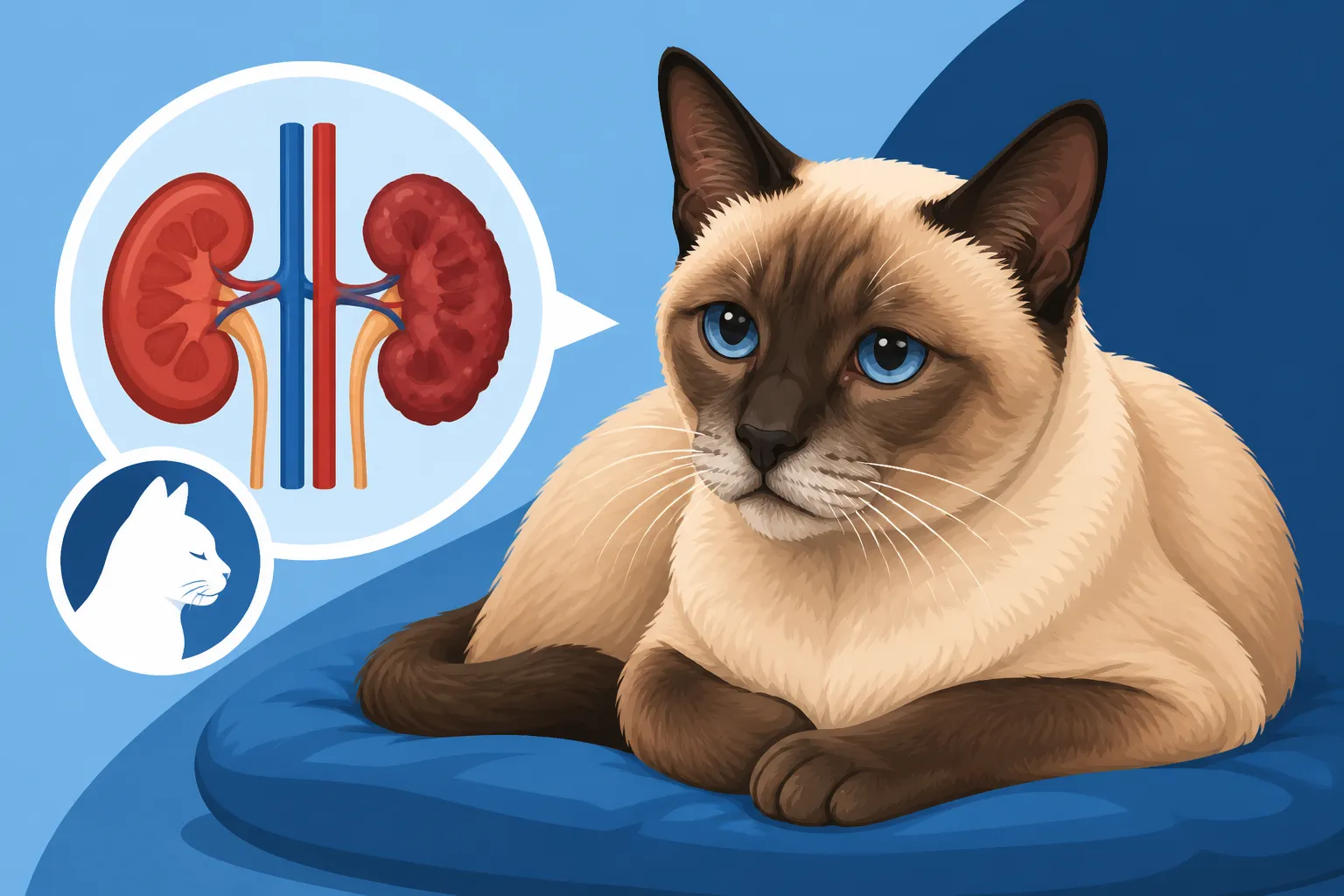
Imagine a complex filtration system in your home that slowly starts to clog up. That’s a bit like what happens with chronic kidney disease. Your cat’s kidneys are vital organs, working tirelessly to filter waste products from the blood, regulate blood pressure, produce hormones, and maintain a healthy balance of electrolytes and water in the body. When they're functioning optimally, they're amazing multi-taskers. However, CKD means these tiny, intricate filters, called nephrons, are gradually dying off and losing their ability to do their job efficiently. The scary part? Cats are masters at hiding illness, and their bodies are remarkably adaptable. They can compensate for a significant loss of kidney function – sometimes up to 75% – before we even see outward signs of a problem. This means by the time symptoms become obvious, the disease is often quite advanced, making early intervention all the more crucial.
Why Senior Cats, Including Siamese, Are So Susceptible
While CKD can affect cats of any age, it overwhelmingly impacts older felines. As a Siamese cat approaches The Age a Siamese Cat Is Considered Senior, typically around 10-12 years, the risk of developing kidney disease significantly increases. It’s simply a consequence of aging; kidneys, like other organs, accumulate damage over a lifetime. Factors like genetics, diet, and environmental stressors can play a role, but age is truly the biggest culprit. Siamese cats are known for their impressive longevity, often living to be The Fifteen to Twenty Years a Siamese Cat Gets. While this is wonderful, it also means they have more years for age-related conditions like kidney disease to develop and progress. There isn't a specific genetic predisposition to CKD identified in Siamese cats like there is for some other inherited conditions, but their extended lifespan naturally puts them in the high-risk category simply by living long enough to experience the common ailments of advanced age.
Spotting the Subtle Red Flags Your Siamese Might Be Showing
One of the most frustrating aspects of feline health is how adept cats are at masking pain and illness. Your Siamese, with their intelligent and often stoic nature, might be showing subtle cues that you could easily miss if you're not paying close attention. These early signs of kidney disease can be so mild that they might just seem like normal aging behaviors, but recognizing them can make all the difference in getting a timely diagnosis and starting treatment. This is where understanding How a Siamese Cat Hides Pain becomes incredibly important.
Changes in Thirst and Urination Habits
The kidneys' primary job involves managing water balance and filtering waste. When they start to fail, they lose their ability to concentrate urine. This means your Siamese will produce more diluted urine to try and flush out toxins, which then leads to increased thirst. You might notice your cat spending more time at the water bowl, asking for fresh water more frequently, or even drinking from unusual places like the sink or shower. Concurrently, because they're drinking more, they'll also be urinating more. This can manifest as larger clumps in the litter box, needing to clean the box more often, or, frustratingly, accidents outside the litter box because they simply can't hold it as long. My friend's Seal Point Siamese, Mittens, started peeing right next to her box, which was entirely out of character and the first major red flag that something was wrong. This increased thirst is often one of the earliest and most telling signs, and it's essential not to dismiss it as just an "old cat thing." Understanding Why a Siamese Cat Drinks More With Age is crucial here.
Dietary Shifts and General Malaise
As kidney function declines, waste products build up in the bloodstream. This accumulation of toxins, known as uremia, can make your cat feel nauseous and generally unwell. You might observe a decrease in appetite, a sudden pickiness about food they once loved, or even outright refusal to eat. Many cats with CKD also experience weight loss, which can be hard to spot in an already naturally slender breed like the Siamese. They might also have episodes of vomiting or diarrhea. Beyond eating habits, watch for general changes in their demeanor. An otherwise energetic and vocal Siamese might become more withdrawn, sleep more, and show less interest in play or interaction. They might seem lethargic, weak, or generally "off." My own Siamese, Oscar, became incredibly quiet, which for a chatterbox like him was a huge red flag that something serious was amiss. These subtle shifts can easily be mistaken for normal aging, but in combination, they paint a concerning picture.
The Challenge of Early Detection in Stoic Siamese
The nature of Siamese cats, often described as stoic and independent despite their affectionate side, means they are incredibly skilled at concealing discomfort. It's a survival instinct ingrained in felines to avoid showing weakness, and our beloved Siamese are no exception. This makes early detection of conditions like CKD particularly challenging. By the time they display overt symptoms like significant weight loss, severe lethargy, or frequent vomiting, the disease has often progressed considerably. This is why regular veterinary check-ups, especially for senior cats, are paramount. Your vet can perform routine blood and urine tests that can reveal changes in kidney values, such as elevated creatinine and BUN, or dilute urine specific gravity, long before your cat appears visibly ill. These early screenings, part of What a Siamese Cat's Yearly Bloodwork Should Cover, are often the only way to catch kidney disease in its nascent stages, allowing for earlier intervention and potentially slowing its progression, giving your Siamese more comfortable years.
| Stage of Kidney Disease (IRIS Staging) | Key Characteristics & Symptoms | Treatment Goals |
|---|---|---|
| Stage 1: Mild | No obvious clinical signs; lab abnormalities (e.g., dilute urine, elevated SDMA). | Identify and treat underlying causes; monitor progression. |
| Stage 2: Mild to Moderate | Subtle signs (increased thirst/urination, mild weight loss); blood values slightly elevated. | Diet modification, manage dehydration, control blood pressure. |
| Stage 3: Moderate | More noticeable signs (lethargy, decreased appetite, vomiting); significant blood value changes. | Aggressive dietary management, fluid therapy (subcutaneous), phosphorus binders. |
| Stage 4: Severe | Crisis situation (anorexia, severe lethargy, uremic breath, collapse); very high blood values. | Intensive care, aggressive fluid therapy, medication to manage symptoms. |
Navigating Treatment Options and Daily Care for Your Kidney Cat
Once your Siamese cat receives a kidney disease diagnosis, it can feel like your world has been turned upside down. But please know that a diagnosis is not a death sentence, especially if caught early. While there's no cure for chronic kidney disease, there are many effective ways to manage it, slow its progression, and significantly improve your cat's quality of life. This will involve a close partnership with your veterinarian and a dedicated approach to daily care at home.
Dietary Management: The Cornerstone of Kidney Care
One of the most impactful changes you can make for a Siamese cat with kidney disease is adjusting their diet. Kidney-specific prescription diets are formulated to be lower in phosphorus, controlled in protein, and often have higher levels of omega-3 fatty acids and antioxidants. The rationale behind this is crucial:
- Phosphorus Restriction: Damaged kidneys struggle to excrete phosphorus, leading to high levels in the blood (hyperphosphatemia), which further damages the kidneys and can cause other health issues. Lowering dietary phosphorus is key to slowing disease progression.
- Controlled Protein: While protein isn't the enemy, high protein levels produce more waste products that the kidneys have to filter. A controlled (not necessarily low) amount of high-quality protein reduces this workload while ensuring your cat maintains muscle mass. You may notice Why an Old Siamese Cat Loses Muscle as the disease progresses, making good protein important.
- Omega-3 Fatty Acids & Antioxidants: These ingredients help reduce inflammation and oxidative stress, which can contribute to kidney damage.
Transitioning to a new diet can be tricky, especially for a finicky Siamese. Do it slowly, mixing small amounts of the new food with their old food and gradually increasing the proportion over several days or even weeks. If your cat absolutely refuses prescription kidney food, discuss other options with your vet, such as phosphorus binders that can be added to their regular food. Every bite they eat, especially of the right food, makes a difference.
Hydration and Medication Protocols
Maintaining excellent hydration is critical for kidney cats. Since their kidneys are constantly trying to flush out toxins with diluted urine, they're at a higher risk of dehydration.
- Water Access: Ensure multiple fresh water sources around the house. Water fountains can encourage some Siamese to drink more.
- Wet Food: Feeding wet food is highly recommended as it provides significant moisture. If your cat is currently on dry food, gradually transition them to wet.
- Subcutaneous Fluids: For cats in more advanced stages or those prone to dehydration, your vet might recommend administering subcutaneous (under the skin) fluids at home. While it sounds intimidating, many owners find it surprisingly easy to learn, and it can make a huge difference in how your cat feels.
Beyond diet and hydration, your vet might prescribe several medications:
- Phosphorus Binders: If dietary restriction isn't enough, these oral medications (e.g., aluminum hydroxide) bind to phosphorus in the gut, preventing its absorption.
- Blood Pressure Medications: High blood pressure (hypertension) is common in kidney cats and can further damage the kidneys. Amlodipine is a common choice.
- Anti-Nausea Medications: To combat the uremia-induced nausea and encourage eating.
- Potassium Supplements: Some kidney cats develop low potassium (hypokalemia), which needs to be corrected.
Administering medications can be a daily challenge, but consistency is key. Work with your vet to find methods that minimize stress for both you and your Siamese. This ongoing medical care is a significant part of Caring for a Siamese Cat Past Twelve.
Creating a Comfortable and Supportive Home Environment
Beyond the medical and dietary aspects, creating a nurturing and stress-free environment is vital for your kidney cat's overall well-being.
- Warmth: Cats with CKD can sometimes have difficulty regulating their body temperature and may feel cold easily. Provide warm, soft beds, perhaps near a gentle heat source, or even a heated cat bed. Siamese cats, with their short coats, are particularly susceptible to feeling the cold.
- Accessibility: Ensure their food, water, and litter boxes are easily accessible, especially if they are getting stiff or arthritic as part of What Changes in a Siamese Cat After Twelve. Consider low-sided litter boxes.
- Cleanliness: Maintain impeccable hygiene for litter boxes to encourage use and prevent accidents. Cats are fastidious creatures, and an unkempt box can deter them from doing their business.
- Quiet and Calm: Minimize stress and loud noises. A peaceful environment supports their recovery and comfort. Regular, gentle interaction and reassurance are also incredibly important for their mental health.
Preparing for the Journey: Long-Term Outlook and Support
Living with a cat diagnosed with kidney disease is a journey, not a sprint. It requires patience, diligence, and a lot of love. Understanding the long-term outlook and preparing for the emotional and financial realities will help you navigate this challenging but rewarding path.
Understanding the Stages of Kidney Disease and Prognosis
Veterinarians use a staging system developed by the International Renal Interest Society (IRIS) to categorize CKD from Stage 1 (very mild) to Stage 4 (severe). This staging is based on blood creatinine and SDMA levels, along with urine protein levels and blood pressure. The stage helps predict prognosis and guides treatment. Generally, the earlier the diagnosis, the better the prognosis, as treatment can begin before extensive damage occurs. While CKD is progressive, aggressive management can slow its advancement significantly, allowing many cats to live comfortably for months or even years post-diagnosis. However, each cat is an individual, and the rate of progression varies widely. Regular check-ups, typically every 3-6 months, are crucial to monitor blood and urine values, adjust medications, and catch any new developments. These regular evaluations are critical because Signs a Siamese Cat Is Unwell can be so subtle.
The Emotional and Financial Realities of Ongoing Care
There's no sugarcoating it: managing chronic kidney disease in a cat can be emotionally and financially draining. The constant worry, the meticulous care, and the difficult decisions can take a toll. It’s natural to feel overwhelmed. Don't hesitate to seek support from your vet, online communities, or friends who have gone through similar experiences. You are not alone.
Financially, the costs can add up. Prescription kidney diets, medications (some of which are lifelong), regular blood work, and potential subcutaneous fluid supplies can create a significant burden. This is where pet insurance can be a lifesaver. Companies like Healthy Paws often cover a substantial portion of chronic illness treatments, provided the condition wasn't pre-existing. If you have pet insurance, thoroughly review your policy to understand what's covered. If you don't, discuss payment plans or more budget-friendly treatment options with your vet. The financial aspect of pet care is something many owners grapple with, especially when considering Whether a Siamese Cat Is Expensive to Own over their lifetime. Planning ahead, if possible, can ease some of this stress.
When to Prioritize Comfort and Quality of Life
As the disease progresses, there may come a point where treatment becomes less about extending life and more about maintaining comfort and dignity. This is perhaps the hardest part of the journey. Your vet can help you assess your Siamese's quality of life. Key indicators include:
- Appetite and Hydration: Is your cat eating and drinking enough?
- Pain Management: Are they comfortable and free from pain?
- Mobility: Can they move around easily?
- Interaction: Are they still engaging with you and their environment, even if it's just a purr or a head bump?
- Happy Days vs. Bad Days: Are there more good days than bad?
It's a deeply personal decision, but prioritizing their comfort and peace when their quality of life significantly diminishes is an act of profound love. Knowing when to say goodbye is one of the most agonizing decisions a pet parent faces, but it's ultimately about preventing prolonged suffering. Cherish every moment with your special Siamese.
Disclaimer
This article is intended for informational purposes only and does not constitute medical advice. Always consult with a qualified veterinarian for any health concerns or before making any decisions about your pet's health or treatment plan.