Whether the Oriental Shorthair Shares Siamese Cat Amyloidosis
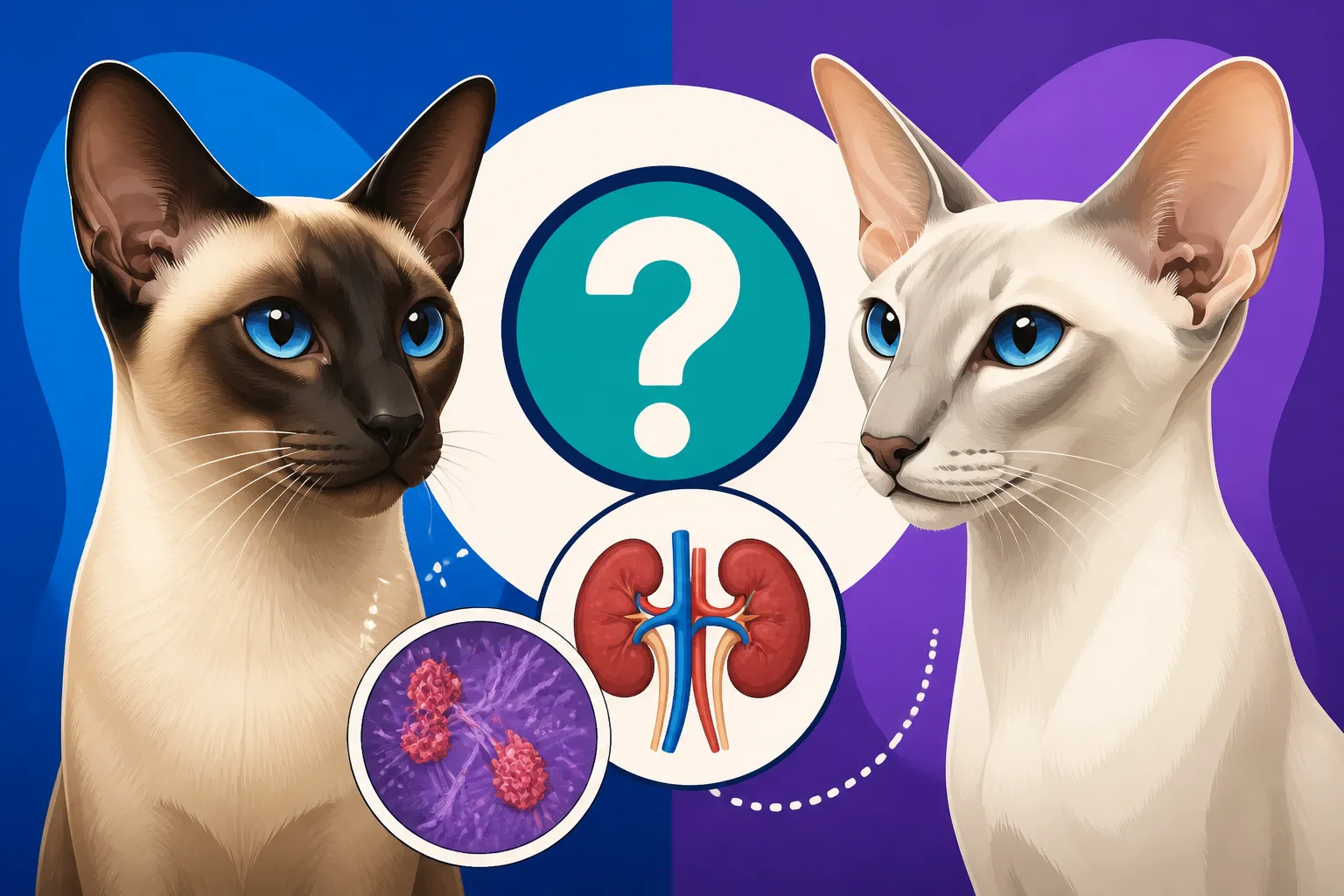
It’s a truly frightening thought to consider that your beloved feline companion might be predisposed to a silent, debilitating genetic disease. For many of us who adore the Siamese cat and its close relatives, the concern over amyloidosis, a cruel and often fatal condition, is very real. This comprehensive guide will delve deep into the question of whether the elegant Oriental Shorthair shares the same genetic vulnerability to amyloidosis as its Siamese cousins, helping you understand the lineage, the risks, and how to best protect your cherished pet.
The Genetic Connection Between Siamese and Oriental Shorthairs
When you look at an Oriental Shorthair, it’s hard not to see the striking resemblance to a Siamese, albeit in a kaleidoscope of colors and patterns. This isn’t a coincidence; it's by design. Understanding this deep genetic connection is crucial to grasping why concerns about shared health predispositions like amyloidosis even arise.
A Shared Ancestry and Genetic Blueprint
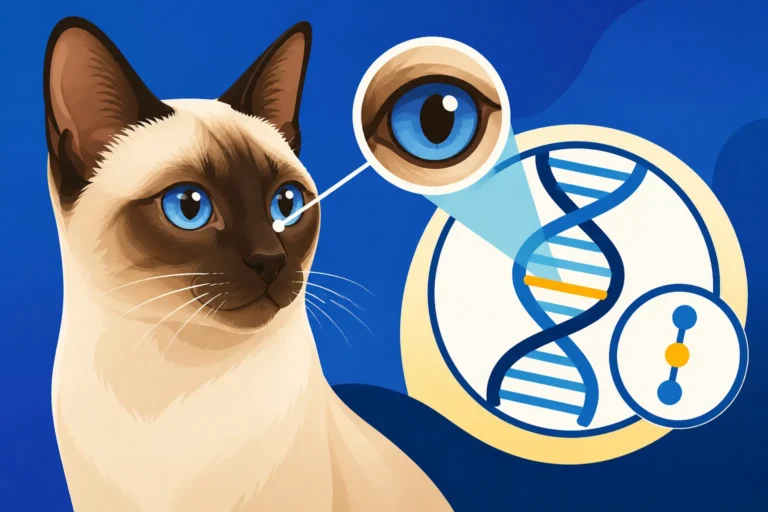
The Oriental Shorthair is, in essence, a Siamese with a different coat. Imagine a family tree where the Siamese is the ancient, foundational root stock. Breeders, smitten with the Siamese’s svelte body, intelligent eyes, and vocal personality, but desiring a wider array of coat colors and patterns beyond the traditional point coloration, began to experiment. They used the Siamese as the primary genetic blueprint, adding other domestic shorthairs into the mix initially to introduce new colors, and then carefully back-crossing to purebred Siamese lines. This meticulous breeding strategy means that the vast majority of the Oriental Shorthair's genetic makeup is still fundamentally Siamese. They share not just physical traits, like the long, lean body, large ears, and almond-shaped blue eyes (though Orientals can have green or odd eyes), but also many aspects of their temperament – their famous chattiness, their intense need for companionship, and their intelligence. It stands to reason, then, that if a condition is deeply embedded within the Siamese genetic code, there’s a strong possibility it could also exist within the Oriental Shorthair lines.
How Oriental Shorthairs Were Developed
The development of the Oriental Shorthair truly took off in the 1950s and 60s, particularly in the UK and North America. Breeders wanted to create a cat with the "Siamese type" – that distinctive, elegant body and head shape – but without the temperature-sensitive point coloration. They achieved this by outcrossing Siamese cats with other shorthaired breeds, such as British Shorthairs and Abyssinians, to introduce genes for solid colors, tabbies, and bi-colors. After these initial outcrosses, the resulting kittens were then bred back to Siamese cats for several generations. This intensive back-crossing was done to refine the body type, head shape, and overall conformation to match the Siamese standard as closely as possible. It ensured the Siamese "look" and personality were retained. However, this process also meant that any genetic predispositions present in the original Siamese stock, whether desirable or undesirable, had a high chance of being reintroduced and perpetuated within the emerging Oriental Shorthair breed. So, while you might see an Ebony Oriental Shorthair with green eyes, its ancestors are largely Siamese, carrying much of the same inherent genetic baggage, both good and bad.
Understanding Amyloidosis in Siamese Cats
To truly appreciate the concern surrounding Oriental Shorthairs and amyloidosis, we first need to understand the devastating impact this disease has on Siamese cats. It's not just a minor ailment; it's a silent killer that has plagued the breed for generations.
The Silent Threat of Amyloid Deposits
Amyloidosis in Siamese cats is a condition where abnormal proteins, called amyloid fibrils, deposit in various organs and tissues, disrupting their normal function. Unlike many diseases that present with obvious early symptoms, amyloidosis is notoriously insidious. It’s like a silent clock ticking away, with these tiny protein deposits slowly accumulating, causing microscopic damage that can go unnoticed for a long time. Owners often don't realize anything is wrong until the disease has progressed significantly, reaching a critical stage. This makes "Whether Siamese Cat Amyloidosis Can Be Caught Early" a heartbreaking question, as it's often only discovered when the cat is already gravely ill or, tragically, during a post-mortem examination. The slow, cumulative nature of the disease is what makes it such a frustrating and heartbreaking challenge for Siamese cat owners and veterinarians alike.
Organs Most Affected in Siamese Cats
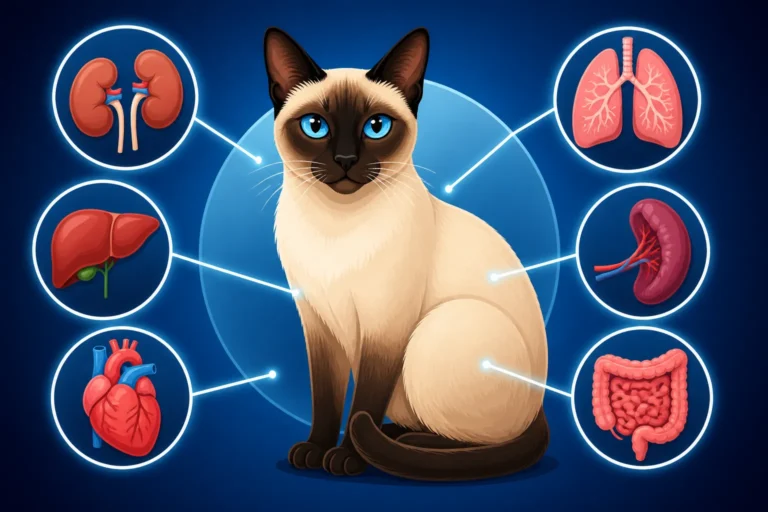
While amyloid can deposit in various parts of the body, in Siamese cats, it has a particularly cruel affinity for the liver and, less commonly but still significantly, the kidneys. The liver is typically the primary target. As amyloid builds up, it causes the liver tissue to become rigid and fragile. This structural compromise can lead to a sudden and catastrophic event: a ruptured liver. When this happens, the cat experiences massive internal bleeding, and without immediate, intensive veterinary intervention, it can be rapidly fatal. Many dedicated Siamese owners have faced the horrifying reality of "Why a Siamese Cat's Liver Can Rupture Without Warning", often with no prior indication of illness. Kidney involvement can lead to chronic kidney disease, which, while also progressive and ultimately fatal, usually has a more prolonged course, allowing for some management. The selective targeting of these vital organs underscores the severity and specific genetic component of amyloidosis in the Siamese breed. To understand more about the impact on specific organs, you might want to read "Which Organs Amyloidosis Hits in a Siamese Cat."
The Inherited Nature of Siamese Amyloidosis
One of the most frustrating aspects of amyloidosis in Siamese cats is its undeniably inherited nature. It's a genetic predisposition, meaning it's passed down from parent to offspring, though the exact mode of inheritance is still not fully understood. Despite years of research and the heartache it causes, "Why There Is No Siamese Cat Amyloidosis Gene Test" remains a bitter truth. This lack of a specific genetic marker means breeders cannot screen their breeding cats to definitively identify carriers or affected individuals before symptoms appear. This leaves responsible breeders in a very difficult position, relying on extensive pedigree research, tracking the health and longevity of relatives, and making tough decisions about breeding lines where amyloidosis has appeared. The genetic puzzle makes it a deeply challenging disease to eradicate from the breed, perpetuating the risk for future generations, and fueling the concerns of owners wondering "Why Siamese Cat Amyloidosis Is Inherited."
Amyloidosis and the Oriental Shorthair: What the Science Says
Given the close genetic ties, it’s natural to wonder if Oriental Shorthairs carry the same amyloidosis risk. While the picture isn't as clear-cut as with Siamese, there are important distinctions and considerations.
The Current Understanding in Oriental Shorthairs
The good news for Oriental Shorthair owners is that systemic amyloidosis, particularly the fatal liver form prevalent in Siamese, does not appear to be as widespread or as well-documented as a distinct breed-specific genetic disease in Oriental Shorthairs. While individual cases of amyloidosis have been reported in Oriental Shorthairs, they don't seem to exhibit the same high incidence or strong breed predisposition that characterizes the Siamese. This difference might be attributed to several factors. Firstly, the initial outcrossing to other breeds during the Oriental Shorthair's development could have introduced genetic diversity that diluted or even removed the specific gene or genes responsible for amyloidosis in some lines. Secondly, the selection pressures from breeders, even if not explicitly for amyloidosis, might have inadvertently favored lines less prone to the condition. It’s important to note that any cat can theoretically develop amyloidosis, but the specific genetic, inherited form seen in Siamese is a particular concern. For Oriental Shorthairs, while the potential for it exists due to shared ancestry, it hasn't emerged as a defining health crisis for the breed in the same way.
Clinical Observations and Breeder Experiences
From a clinical perspective, veterinarians generally don't encounter amyloidosis in Oriental Shorthairs with the same frequency or suspicion as they do with Siamese cats presenting with liver issues. In discussions with breeders who work with both Siamese and Oriental Shorthairs, there's a consensus that while they remain vigilant about all genetic health issues, amyloidosis is not considered a primary health concern for their Oriental Shorthair lines in the way it is for their Siamese. This isn't to say it never happens; isolated cases can and do occur. However, these are often sporadic rather than indicative of a widespread breed-specific problem. It highlights the importance of understanding the individual cat's pedigree and the specific health history of its family line, rather than making broad assumptions based solely on breed relation. A responsible breeder will be transparent about any known health issues in their lines, regardless of how rare they might be for the breed overall.
Why the Genetic Link Isn't Always a Direct One
Even with shared ancestry, genetic diseases don't always manifest identically across closely related breeds. Genetics are complex. The specific gene or set of genes responsible for Siamese amyloidosis might have varying penetrance or expression, or perhaps there are modifying genes present in some Oriental Shorthair lines that mitigate the disease's effects. It's possible that the "amyloidosis gene" (or genes) from the original Siamese population was not uniformly passed into all Oriental Shorthair lines during their development, or perhaps early breeders of Orientals happened to select for lines free of this particular predisposition. Another factor could be the influence of the non-Siamese breeds used in the Oriental's initial outcrosses; these breeds might have contributed protective genetic factors. This nuance in genetic expression is why you can have two closely related breeds, like the Siamese and the Oriental Shorthair, where one carries a significant burden of a specific inherited disease, while the other, despite its shared heritage, does not experience it with the same prevalence or severity. This is part of the ongoing mystery of feline genetics and why dedicated research is so vital.
Managing Genetic Health Risks in Oriental Shorthairs
Even if amyloidosis isn't a primary concern for Oriental Shorthairs, a responsible owner always remains proactive about their cat's health. Understanding general genetic risks and how to manage them is key to a long and happy life for your feline friend.
Prioritizing Health Screening and Breeder Diligence
The cornerstone of managing genetic health risks for any purebred cat, including the Oriental Shorthair, is rigorous health screening by breeders and diligent research by prospective owners. While there's no specific DNA test for Siamese cat amyloidosis that breeders can use, this means asking pointed questions about family health history becomes even more critical. You should always seek out breeders who are transparent about the health of their breeding lines, including the longevity and causes of death of their cats' ancestors. They should be able to discuss the health of their queens and studs, provide veterinary records, and ideally offer health guarantees for their kittens. Look for breeders who openly discuss potential issues, not just the positives. Inquire about the prevalence of common feline diseases in their cattery and whether they track the health outcomes of their kittens in their new homes. This proactive approach by breeders, focusing on comprehensive well-being rather than just conformation, is your best defense against inherited conditions. Understanding "What a Siamese Cat Breeder Should Have Screened" can help you form the right questions.
Vigilant Care and Early Detection
Even for diseases not considered highly prevalent in a breed, vigilance from an owner is paramount. Regular veterinary check-ups are non-negotiable, and you should always bring up any subtle changes in your Oriental Shorthair's behavior, appetite, or energy levels with your vet. Oriental Shorthairs, like Siamese, are often quite expressive, and any deviation from their normal chatty, playful selves warrants attention. Pay close attention to signs that could indicate underlying issues, such as unexplained weight loss, changes in thirst or urination patterns, lethargy, or vomiting. While these aren't specific to amyloidosis, they are general indicators of potential illness. For instance, knowing the "Signs a Siamese Cat Has Liver Amyloidosis" can make you more aware of general hepatic issues, even if the primary cause might differ in an Oriental Shorthair. Early detection of any health problem, genetic or otherwise, significantly improves the prognosis and available treatment options. Don't hesitate to seek a second opinion or specialist consultation if your concerns persist.
The Role of Pet Insurance
Considering the potential for unexpected health issues, investing in a robust pet insurance plan is a smart decision for any cat owner, especially those with purebreds like Oriental Shorthairs. Even if amyloidosis isn't a primary concern, these lean, active cats can be prone to other conditions, or simply have accidents that require costly veterinary care. A good pet insurance policy, such as those offered by providers like Healthy Paws, can provide immense peace of mind, allowing you to make medical decisions based on what's best for your cat, rather than being constrained by financial worries. When an unexpected emergency arises, like a sudden illness or injury, having a plan from Healthy Paws can cover a significant portion of the veterinary bills, from diagnostics to treatments and medications. It's truly comforting to know that if your cherished Oriental Shorthair ever faces a serious health challenge, Healthy Paws can help ensure they receive the best possible care without you having to dip into emergency savings. It’s an investment in your cat’s long-term well-being and your own financial security.
| Condition / Trait | Siamese Cat | Oriental Shorthair | Notes |
|---|---|---|---|
| Amyloidosis | Significant genetic predisposition (liver/kidney) | Low to moderate risk, not primary concern | While Oriental Shorthairs share ancestry, the specific, high-prevalence inherited form seen in Siamese is not as well-documented or common in Orientals. |
| Pica (Wool Sucking) | Common genetic predisposition | Can occur, but less widely reported than Siamese | Both breeds share a propensity for obsessive behaviors, but pica is particularly well-known in Siamese. |
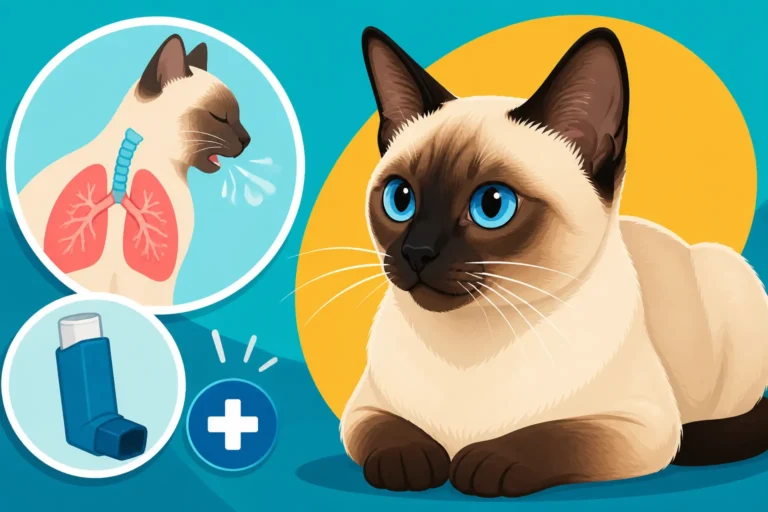
| Asthma | Moderate predisposition | Moderate predisposition | Respiratory issues, including asthma, can affect both breeds due to shared underlying conformation and sensitivities. See "Asthma Symptoms in a Siamese Cat" for signs that are similar in Orientals. |
| Dental Disease | Common due to crowded mouths | Common due to crowded mouths | The fine bone structure and often crowded dentition can lead to early onset dental problems in both breeds. |
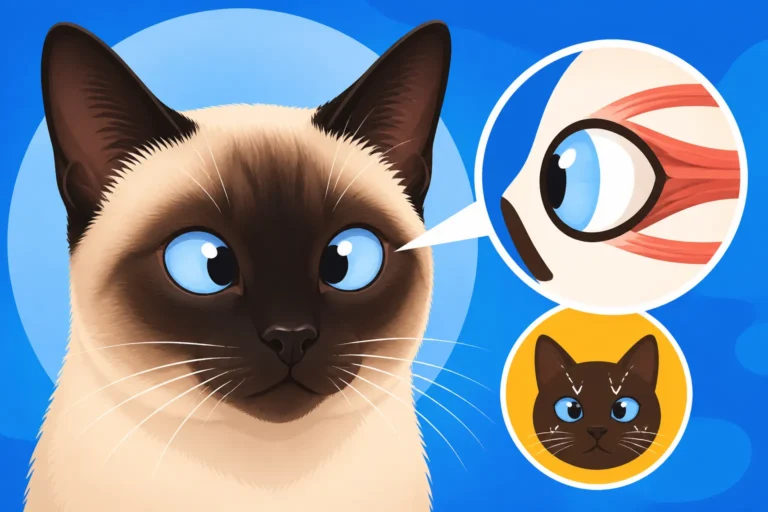
| Progressive Retinal Atrophy (PRA) | Known genetic risk in certain lines | Known genetic risk in certain lines | While specific genetic tests exist for certain forms of PRA, both breeds share the potential for inherited eye conditions due to shared genetic pool. For more details on this, check out "PRA and the Siamese Cat Eye Test That Does Not Settle It" which applies to the broader Siamese family. |
| Type | Extreme wedge head, lean, muscular | Extreme wedge head, lean, muscular | Physically, they are almost identical in body type, the key difference being coat color. |
| Temperament | Highly vocal, intelligent, companion-oriented | Highly vocal, intelligent, companion-oriented | Share the same "Meezer" personality traits. |
Disclaimer
This article is intended for informational purposes only and does not constitute veterinary advice. Always consult with a qualified veterinarian for any health concerns or before making any decisions about your pet's care. Genetic health risks can vary, and individual cats may have unique needs.