Whether Insurance Covers a Siamese Cat That Eats Fabric
Finding out your beloved Siamese has developed a habit of eating fabric is incredibly distressing, and the worry about potential health emergencies and the astronomical vet bills that can follow is very real. It’s natural to wonder if your pet insurance, which you diligently pay for, will actually step up when your quirky feline decides to munch on your favorite blanket or sweater. This guide will walk you through the ins and outs of pet insurance coverage for fabric ingestion, what to look out for, and how to prepare for such an unpredictable situation.
Understanding Pica and Fabric Eating in Siamese Cats
Siamese cats are known for their strong personalities, their vocal nature, and sometimes, their unusual habits. One such habit that can be particularly dangerous is pica, which is the compulsive eating of non-food items. While many cats might occasionally lick or mouth something they shouldn't, a Siamese with true pica will actively seek out, chew, and ingest things like wool, blankets, socks, plastic, or even electrical cords. This isn't just a quirky phase; it's a genuine behavioral or medical issue that needs to be addressed.
Why Siamese Cats Develop Pica
The truth is, no one has a definitive, single answer for why some Siamese cats develop pica. It’s often a complex mix of genetics, environment, and sometimes, underlying health conditions. Many researchers believe there's a strong genetic predisposition in Oriental breeds, including the Siamese, making them more prone to wool sucking and pica. It’s as if there’s an ancient instinct that gets triggered in some individuals. Beyond genetics, early weaning from their mother, nutritional deficiencies, or gastrointestinal issues can also play a role. However, a significant driver is often stress, anxiety, or boredom. A highly intelligent and active breed like the Siamese thrives on interaction and stimulation. If they’re left alone for long periods, or their environment isn't engaging enough, they might turn to fabric eating as a self-soothing mechanism, similar to how a person might chew their nails. It’s a sad reality when their natural exuberance leads to such destructive and dangerous behavior. If you're wondering Why a Siamese Cat Sucks Wool, there's a lot more to explore on that topic.
The Dangers of Fabric Ingestion
The immediate and most terrifying danger of a Siamese cat eating fabric is the risk of an intestinal blockage. Unlike hairballs, which cats can often pass or vomit up, fabric doesn't break down in the digestive system. A piece of fabric, especially a long, stringy one, can become lodged in the stomach or intestines, preventing food and water from passing through. This is an emergency situation. Symptoms can escalate quickly from mild discomfort to severe vomiting, lethargy, abdominal pain, and a complete loss of appetite. Without prompt veterinary intervention, a complete blockage can lead to tissue death in the intestines, rupture, peritonitis (a severe abdominal infection), and even death. It’s not just blockages either; the fabric can sometimes be toxic if treated with certain dyes or chemicals. Even if it passes, it can cause chronic irritation or damage to the digestive lining. Recognizing Signs a Siamese Cat Has an Intestinal Blockage is crucial for quick action.
How Pet Insurance Works for Unexpected Health Issues
Pet insurance is designed to provide a financial safety net for these very kinds of unforeseen health emergencies. It helps mitigate the financial blow when your cat needs expensive diagnostics, surgery, or ongoing treatment. However, not all policies are created equal, and understanding the nuances of your plan is key to knowing what to expect when your Siamese faces a fabric-eating crisis.
Types of Pet Insurance Coverage
When you're looking at pet insurance, you'll generally find a few main types of plans:
- Accident-Only Plans: These are the most basic and usually the cheapest. They cover injuries like broken bones, bites, or accidents that happen suddenly. They typically do not cover illnesses or behavioral issues. If your Siamese eats fabric and needs surgery, an accident-only plan might cover it if it's considered an "accident," but often pica is seen as an illness or behavioral condition, so coverage can be murky.
- Accident and Illness Plans: This is the most common and comprehensive type of plan. It covers accidents, illnesses (like infections, cancer, diabetes), and often includes diagnostics, surgery, hospitalization, and medication. This is where you're most likely to find coverage for problems arising from fabric ingestion.
- Wellness Plans: These are add-ons or separate plans that cover routine care like vaccinations, annual check-ups, and flea/tick prevention. They are not insurance in the traditional sense and would not cover emergency treatment for fabric ingestion.
For a Siamese cat with a propensity for pica, an accident and illness plan is almost certainly what you need. Companies like Healthy Paws offer these comprehensive plans, but it's vital to read their specific terms on behavioral conditions.
What "Accident and Illness" Plans Typically Cover
A good accident and illness plan will generally cover the lion's share of costs associated with diagnosing and treating an intestinal blockage or other health issues caused by eating fabric. This often includes:
- Veterinary Exams: The initial consultation fee when you rush your cat to the vet.
- Diagnostic Tests: X-rays, ultrasounds (which are often crucial for confirming a foreign body), blood work to check for dehydration or other complications. Whether an Ultrasound Finds Siamese Cat Amyloidosis is a similar diagnostic concern for another common Siamese illness.
- Emergency Treatment: IV fluids, medications for pain or nausea, hospitalization.
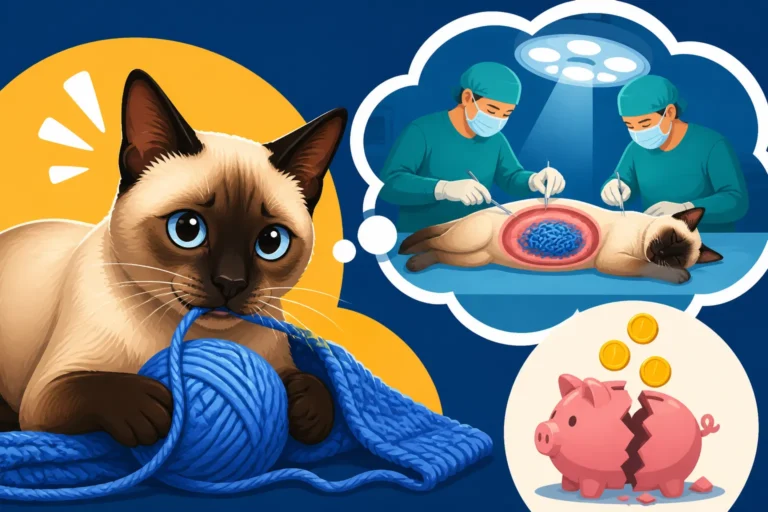
- Surgery: If your Siamese needs emergency surgery to remove the fabric, this is usually a major cost and a primary reason to have insurance. What Blockage Surgery Involves for a Siamese Cat can be a complex and expensive procedure.
- Post-Operative Care: Follow-up exams, medications, and sometimes special diets during recovery.
It's important to remember that most policies have a deductible you'll need to pay first, and then the insurance will reimburse a percentage of the remaining eligible costs (e.g., 70-90%). There might also be annual limits to reimbursement. When researching pet insurance, pay close attention to the details concerning foreign body ingestion, emergency surgeries, and any clauses related to behavioral issues or pre-existing conditions.
Navigating Insurance Claims for Ingested Foreign Objects
Even with a comprehensive policy, filing a claim for something as specific as fabric ingestion can have its own set of hurdles. It's not always as straightforward as a broken bone. Understanding potential exclusions and the claims process will save you a lot of headache and heartache during an already stressful time.
Common Exclusions and Waiting Periods
One of the biggest areas of concern with pet insurance is pre-existing conditions. If your Siamese had a documented history of pica or fabric eating before you purchased or enrolled in the insurance policy, the insurer might deny coverage for future incidents related to this behavior. This is why it's so important to get insurance early in your pet's life, ideally before any health issues arise.
Most pet insurance policies also have a waiting period – a specific amount of time after you enroll (usually 14-30 days for illnesses, sometimes shorter for accidents) before coverage kicks in. If your cat ingests fabric and needs treatment during this waiting period, the costs will likely not be covered. It's a common frustration for new pet owners, but it's a standard industry practice to prevent people from buying insurance only when a problem arises.
Beyond these, some policies might have exclusions for behavioral conditions if pica is specifically classified as such and explicitly excluded. However, if the fabric ingestion leads to a physical injury (like a blockage), many comprehensive plans will cover the treatment of the injury, even if the underlying behavioral cause (pica) is not directly covered as a "behavioral issue." Always clarify this with the insurer directly before you commit to a plan. Some plans, for instance, might cover the surgery but not behavioral therapy or medication for the pica itself.
The Claims Process and Necessary Documentation
When your Siamese has an emergency due to fabric ingestion, the first step is always to get them to the vet. Don't delay treatment waiting to consult your insurance company. Once your cat has received care, you'll need to submit a claim.
The process typically involves:
- Paying the Vet Bill Upfront: Most pet insurance plans operate on a reimbursement model. You pay the veterinary clinic directly at the time of service.
- Submitting the Claim Form: You'll fill out a claim form, often available on your insurer's website or app. This form will ask for details about the incident, your cat's diagnosis, and the treatment received.
- Providing Veterinary Records: This is critical. You'll need to submit detailed invoices from the vet outlining all services, medications, and diagnostics performed. Your vet's notes from the examination, X-rays, and ultrasound reports will also be necessary to prove the foreign body ingestion and the medical necessity of the treatment. For example, if you have a policy from Healthy Paws, they'll usually have a straightforward online portal for uploading these documents.
- Waiting for Reimbursement: The insurance company will review your claim and records. If approved, they will reimburse you the covered percentage of the eligible costs, after your deductible has been met. This process can take a few days to a few weeks, depending on the insurer and the complexity of the claim.
Being organized and keeping detailed records of all vet visits, especially if your cat has a history of pica, will make the claims process much smoother.
Here's a quick comparison of what to look for:
| Feature | Accident-Only Plan | Accident & Illness Plan |
|---|---|---|
| Pica-Related Surgery | Potentially, if deemed an "accident" | Likely covered (most comprehensive) |
| Behavioral Therapy | No | Rarely, some plans might offer add-ons |
| Diagnostics (X-ray, US) | Potentially, for accident diagnosis | Yes |
| Hospitalization | Potentially, for accident recovery | Yes |
| Pre-Existing Conditions | Excluded | Excluded |
| Waiting Periods | Typically shorter for accidents, longer for illness | Standard waiting periods for both accidents and illnesses |
| Cost | Lower | Higher, but offers more protection |
Minimizing Risk and Managing Costs Beyond Insurance
While pet insurance is a fantastic tool for managing the financial shock of an emergency, prevention is always the best medicine. For a Siamese cat prone to eating fabric, a multi-faceted approach involving environmental management, enrichment, and careful budgeting is essential.
Preventative Measures at Home
The most direct way to protect your Siamese from fabric ingestion is to minimize access to tempting items. This means a thorough "cat-proofing" of your home. Put away blankets, scarves, socks, and other soft items that could be chewed. Secure laundry baskets, close closet doors, and if your cat targets specific furniture, consider deterrent sprays or covers. This can feel like living in a constant state of vigilance, but it’s crucial. For example, rather than leaving a pile of soft towels on the floor, keep them in a closed cabinet. If you find your cat chewing on specific materials, removing them from their environment is the immediate solution.
Beyond removal, enriching your Siamese's environment can help redirect their energy. Remember, boredom and stress are huge triggers for pica. Provide plenty of appropriate toys, interactive feeders, and scratching posts. Daily dedicated play sessions with wand toys or laser pointers can burn off excess energy and satisfy their hunting instincts. Consider puzzle feeders from brands like Chewy to engage their intelligent minds. Some Siamese cats respond well to vertical space like cat trees or shelves, which give them vantage points and exercise. Ensuring your Siamese has enough mental and physical stimulation can significantly reduce the urge to chew on inappropriate items. You might find more helpful tips in How to Stop a Siamese Cat Eating Fabric.
Budgeting for the Unpredictable
Even with insurance, you'll still have out-of-pocket expenses like deductibles, co-pays, and potential non-covered costs. Therefore, having an emergency fund specifically for your cat is a smart move. Setting aside a small amount each month into a dedicated savings account can build up a substantial buffer over time. This fund can cover those initial vet visits, medication not fully reimbursed, or any ongoing care for the underlying pica that insurance might not cover.
Beyond emergency costs, remember the routine expenses. Feeding a high-quality diet, for instance, is important for overall health, and ensuring any diet addresses potential nutritional deficiencies linked to pica should be discussed with your vet. Consider the full scope of What a Siamese Cat Costs Over Twenty Years, as proactive care can often prevent more expensive emergency interventions.
A Siamese cat is a unique and wonderful companion, but their quirks, like pica, can bring unforeseen challenges. By understanding how pet insurance works, taking preventative measures, and budgeting wisely, you can ensure you’re as prepared as possible to give your beloved feline the best care when the unexpected happens.
Disclaimer
This article is for general informational purposes only and does not constitute professional advice. Laws, prices and regulations vary by location and change over time. Consult a qualified professional for guidance on your specific situation.