Why a Siamese Cat Sucks Wool
It can be incredibly disheartening, and frankly, a little baffling, when you walk into a room only to find your beloved Siamese cat intently sucking on your favorite wool blanket, a soft sweater, or even a shoelace. You might wonder if it's just a strange habit, a form of comfort, or something more serious. This comprehensive guide is here to unravel the mystery of wool sucking in Siamese cats, exploring its roots, potential dangers, and practical solutions to help both you and your feline friend.
Understanding Wool Sucking: More Than Just a Quirk
When your Siamese starts persistently kneading and sucking on non-food items, it’s not just an odd preference for textiles. This behavior, often called wool sucking, is a specific manifestation of a broader condition known as pica. It’s important to understand what this really means for your cat, as it’s often a sign of something deeper going on.
What is Wool Sucking and Pica?
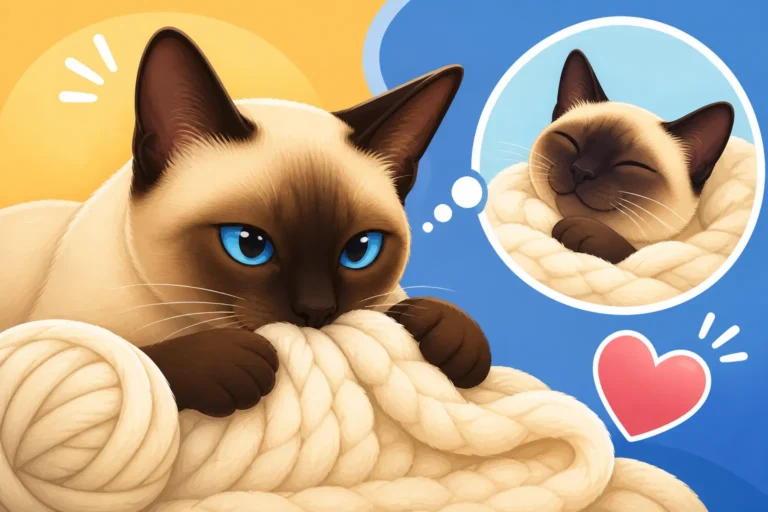
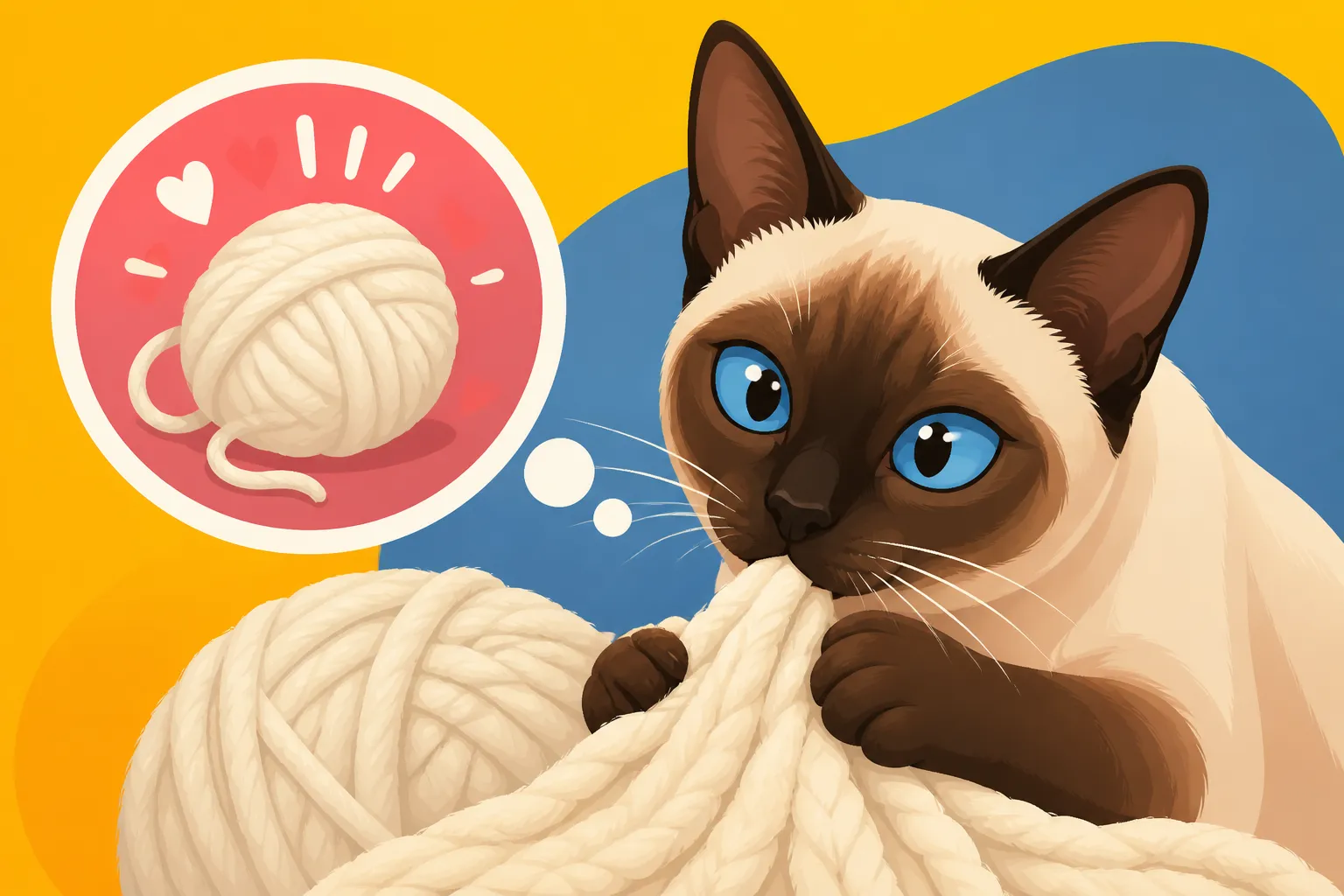
At its core, pica is the compulsive eating or sucking of non-nutritive substances. While some cats might only suck, others will chew and actually ingest the fabric, which can lead to serious health issues. Wool sucking, specifically, describes this behavior when directed towards wool, fleece, or other soft, fibrous materials. Imagine your cat settling down, kneading rhythmically with their paws, and then systematically sucking on a corner of a blanket or the cuff of a sweater. It’s not just a momentary lick; it's a sustained, almost trance-like activity that can go on for minutes.
This isn't a normal part of feline behavior, even for an oral-fixated breed like the Siamese. While kittens might mouth objects as they explore their world, persistent, dedicated wool sucking beyond kittenhood, especially with attempts to ingest the material, crosses into the realm of pica. Owners often describe the frustration of buying expensive, new throws only for them to become a target, or finding tiny threads missing from their favorite garments. It’s a habit that can feel impossible to break, leaving you feeling helpless.
The range of items a Siamese cat might target is surprisingly broad. Blankets and sweaters are common, but some cats develop a fondness for bath mats, shoelaces, curtains, or even synthetic fabrics. The texture often seems to be a key factor – soft, yielding, and often warm materials are preferred, perhaps mimicking the comfort of a mother's belly or nipple. This behavior isn't just a quirky habit; it's often a coping mechanism for underlying stress, boredom, or a genetic predisposition unique to the breed.
Why is it More Common in Siamese Cats?
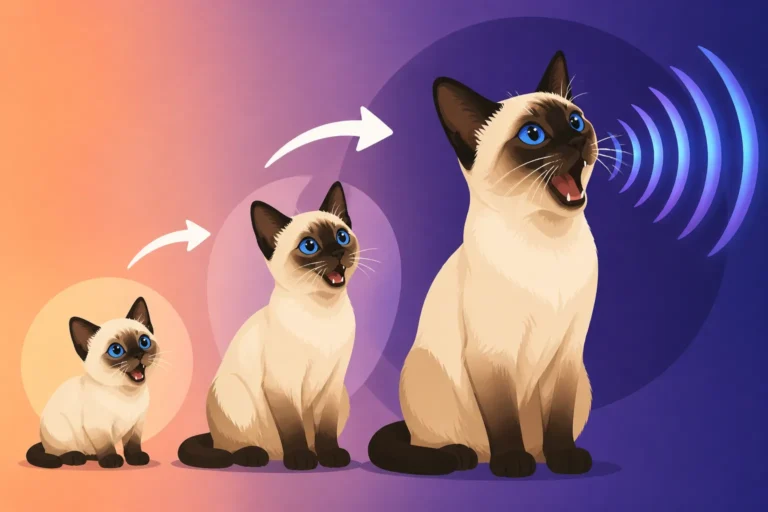
If you own a Siamese, you might have noticed they tend to be more vocal, more demanding, and yes, more prone to certain unusual behaviors than other breeds. Wool sucking is one of those traits that seems to disproportionately affect Siamese cats, as well as their close relatives like Oriental Shorthairs and Burmese. It’s not just anecdotal; many veterinarians and feline behaviorists recognize this breed-specific tendency. The prevailing theory points towards a genetic predisposition that makes these cats more susceptible to developing the habit.
Think about it: while any cat can develop pica, it's far less common to see it as an ingrained, widespread behavior across entire breed lines in, say, a Persian or a Maine Coon. For Siamese cats, it's almost a hallmark, a known "quirk" that breeders and owners are often aware of. This suggests that there's something in their genetic makeup that lowers their threshold for developing compulsive behaviors, especially those involving oral fixation. It's almost as if their highly intelligent and sensitive nature, combined with a particular genetic blueprint, makes them more prone to seeking comfort or stimulation through wool sucking. You can learn more about this specific behavior in Why a Siamese Cat Sucks and Chews Wool.
It’s not simply a learned behavior in most cases, although environmental factors can certainly exacerbate it. If a cat is genetically inclined, even minor stressors or insufficient enrichment can push them over the edge into developing wool sucking. This genetic component is what makes it so challenging to fully "cure," as you're working against an inherent predisposition, not just a simple bad habit. This doesn't mean you're doomed, but it does mean a deeper understanding and a multi-faceted approach are necessary to manage it effectively.
The Age Wool Sucking Typically Starts
For many Siamese cat owners, the first signs of wool sucking often appear when their cat is still quite young, typically during kittenhood or early adolescence. It's not usually a behavior that suddenly manifests in an older, well-adjusted adult cat without a prior history or a significant life change. This early onset further supports the idea that it's often linked to developmental factors and genetic predispositions.
Kittens learn many behaviors from their mothers and littermates, and nursing is a fundamental comfort and nutritional activity. If a kitten is separated from its mother too early, or if it didn't get sufficient nursing time, it might develop an oral fixation as a compensatory mechanism. This isn't to say every wool-sucking cat was weaned too early, but it's a significant contributing theory. The comfort derived from sucking, which would normally be provided by the mother, is then sought from soft fabrics. You might notice it begin subtly—a bit of kneading and mouthing on a blanket before it escalates into full-blown sucking. The Age Wool Sucking Starts in a Siamese Cat provides more details on this.
It's common to see this behavior emerge around the age when a kitten would typically be fully weaned and exploring independence, perhaps between two to six months old. If left unaddressed, or if the underlying causes persist, the behavior can become deeply ingrained and continue well into adulthood. For some, it might be an occasional habit, while for others, it becomes a daily compulsion, highlighting the spectrum of severity and the challenge many Siamese owners face.
The Genetic Roots of Wool Sucking
Delving into why some Siamese cats seem hardwired for wool sucking brings us face-to-face with the complexities of genetics and early development. It’s not about blaming the cat; it’s about understanding the unique predispositions of this wonderful, yet sometimes quirky, breed.
The Theory of a Genetic Predisposition
The strongest evidence for wool sucking being more than just a behavioral quirk in Siamese cats points directly to genetics. While the specific gene or genes haven't been definitively isolated (and it's likely polygenic, meaning multiple genes are involved), the breed's consistent tendency towards this and other compulsive behaviors strongly suggests an inherited component. It’s a fascinating, if frustrating, aspect of Siamese cat ownership.
Consider how certain dog breeds are predisposed to hip dysplasia or specific cancers. Similarly, certain cat breeds seem predisposed to particular behavioral traits or compulsive disorders. For Siamese cats, this includes wool sucking, excessive vocalization, and sometimes even obsessive grooming. This doesn't mean every Siamese will exhibit these behaviors, but the probability is significantly higher than in the general cat population. If you talk to Siamese breeders, many will acknowledge that wool sucking can run in certain lines, further supporting the genetic theory. It’s like a hidden instruction in their DNA that, under the right environmental triggers, can manifest as a powerful urge to suck on fabrics.
This genetic inclination can mean that even in ideal environments, some Siamese cats might still develop the habit. It’s not necessarily a reflection of poor care or an unhappy cat, but rather an expression of their unique genetic blueprint. This makes it particularly challenging for owners, as traditional behavioral modification techniques might only address the symptoms, not the deeply ingrained predisposition. Understanding this helps set realistic expectations for management and emphasizes the need for a comprehensive approach that considers both nature and nurture.
How Early Weaning Plays a Role
While genetics might load the gun, environmental factors often pull the trigger. One of the most frequently cited environmental contributors to wool sucking in Siamese cats is early weaning or insufficient nursing. The theory is compelling: nursing isn't just about nutrition for a kitten; it's also a profound source of comfort, security, and bonding with their mother.
Kittens separated from their mothers too soon – perhaps before 8-12 weeks – or those in large litters where they might not get adequate access to nursing, can develop an oral fixation. This is because they miss out on crucial developmental stages where nursing fulfills their innate need to suck and knead. When this primary comfort mechanism is cut short, they instinctively seek other ways to satisfy that urge. Soft, yielding fabrics mimic the texture of a mother cat's belly and nipples, making them ideal substitutes for these unfulfilled infant needs. Whether Early Weaning Causes Siamese Cat Wool Sucking delves deeper into this connection.
It's important to note that "early weaning" isn't always intentional or the fault of a breeder. Sometimes, circumstances dictate a kitten's early separation. However, responsible breeders understand the critical importance of a full nursing period for emotional and physical development. If a kitten exhibits wool sucking tendencies, it's worth considering their early history, as addressing this foundational need, even in adulthood through surrogate comfort items or focused positive interaction, can sometimes help mitigate the behavior.
Stress and Anxiety as Triggers
Siamese cats are known for their sensitive and intelligent personalities, which often makes them more susceptible to stress and anxiety than some other breeds. These emotional states can act as powerful triggers, exacerbating an existing genetic predisposition to wool sucking or even initiating the behavior in a vulnerable cat. A cat who feels anxious might turn to a self-soothing behavior, much like a child might suck their thumb.
Think about the myriad stressors a cat can face in a domestic environment: changes in routine, a new pet, a new baby, moving house, loud noises, even simply boredom or feeling ignored. For a highly bonded and sensitive Siamese, even a perceived lack of attention from their favorite human can be incredibly unsettling. When these feelings of unease or insecurity bubble up, the repetitive, rhythmic action of wool sucking can provide a temporary escape or a sense of control, making it a coping mechanism. This is particularly true for What Separation Anxiety Looks Like in a Siamese Cat, where the absence of their primary caregiver can lead to distress and subsequent wool sucking.
An owner might notice their Siamese starts wool sucking more frequently or intensely after a stressful event. For example, if you've recently moved to a new home, your cat might cling to a familiar blanket and suck on it for comfort. Or, if your work schedule has changed, leaving your Siamese alone for longer periods, the boredom and loneliness could trigger increased wool sucking. Recognizing these triggers is the first step in managing the behavior, as addressing the underlying stress can significantly reduce the compulsion to suck wool.
Behavioral and Environmental Factors
Beyond genetics and early life, a Siamese cat's day-to-day environment and their specific behavioral needs play a huge role in the manifestation and persistence of wool sucking. Understanding these factors is key to crafting an effective management plan.
The Search for Comfort and Security
At its heart, for many Siamese cats, wool sucking is a deeply ingrained search for comfort and security. It's not malicious, nor is it defiance; it's often a desperate attempt to self-soothe when feeling anxious, bored, or simply needing to fulfill an unmet oral need. The analogy to a child sucking their thumb is remarkably apt here, as the behavior often provides a similar psychological release.
When a Siamese cat kneads and sucks on a soft blanket, the tactile sensation and the rhythmic action can release endorphins, creating a calming effect. It’s a powerful internal reward system that reinforces the behavior. The soft, warm texture of wool or fleece can mimic the feeling of their mother’s fur and the act of nursing, bringing them back to a primal state of safety and contentment. This deep connection to early comfort is why it can be so hard to break the habit – you're asking them to give up a fundamental coping mechanism. Whether Wool Sucking Comforts a Siamese Cat explores this aspect in more detail.
This isn't to say we should just let them suck on anything and everything. The key is to acknowledge the underlying need for comfort and then redirect it towards safer, more appropriate outlets. Providing a soft, designated "sucking blanket" or safe chew toys, alongside plenty of positive interaction, can help them feel secure without resorting to potentially harmful fabric ingestion. It's about meeting the need, not just suppressing the behavior.
Boredom and Lack of Stimulation
Siamese cats are famously intelligent, energetic, and curious. They are not content to simply lounge around all day; their minds and bodies crave engagement. When a Siamese cat doesn't receive enough mental and physical stimulation, boredom can quickly set in, leading to destructive or compulsive behaviors, with wool sucking being a prime example. An under-stimulated Siamese is a problem waiting to happen.
Imagine a highly intelligent person locked in a room with nothing to do. They'd likely find something, anything, to occupy themselves, even if it's counting ceiling tiles or picking at loose threads. For a Siamese, wool sucking can become their self-invented "game" or distraction. The texture, the taste, the repetitive action – it all provides a form of stimulation that fills the void of boredom. This is why you often see wool-sucking incidents increase when owners are busy, away from home, or simply not engaging with their cat sufficiently.
To combat this, you need to become your Siamese's personal entertainment director. Interactive play, puzzle feeders, regular training sessions, and plenty of vertical climbing spaces are essential. A cat that's physically tired and mentally engaged is less likely to resort to self-soothing behaviors out of sheer boredom. Enrichment for a Siamese Cat That Gets Bored in an Hour is a fantastic resource for ideas on keeping these clever cats entertained. Providing a stimulating environment isn't just good for their behavior; it's fundamental to their overall well-being.
Attention Seeking Behavior
Let's be honest, Siamese cats are masters of manipulation, in the most charming way possible, of course! They thrive on human interaction and can quickly learn what behaviors get your attention, whether that attention is positive or negative. Sometimes, wool sucking can become a learned behavior for simply getting you to notice them.
Think about it: you see your Siamese happily lounging, and you might not pay much mind. But the moment you spot them with a mouthful of your favorite cashmere scarf, you're instantly there, probably exclaiming, grabbing the scarf, or otherwise engaging with them. From the cat's perspective, this interaction, even if it's a scolding, is still attention. It registers as: "When I suck on this, my human comes over and interacts with me!" This creates a powerful, albeit unintended, positive reinforcement loop.
Breaking this cycle requires a two-pronged approach. First, try to avoid reacting dramatically when you catch them in the act. A calm, firm "no" and immediate redirection to an appropriate toy or activity is more effective than a loud scolding. Second, and crucially, proactively provide plenty of positive attention when they are not sucking wool. This means regular play sessions, petting, talking to them, and simply spending quality time together. By flooding them with positive attention for desirable behaviors, you diminish the incentive to seek attention through less desirable means.
The Dangers and Health Implications of Wool Sucking
While wool sucking might seem like a harmless, if annoying, habit, it carries significant health risks, especially if your Siamese is ingesting the fabric. As a responsible cat owner, understanding these dangers is crucial for their long-term well-being.
Gastrointestinal Issues and Blockages
This is, without a doubt, the most serious and potentially life-threatening danger associated with wool sucking. When a cat ingests fabric, their digestive system isn't equipped to break it down. Unlike hairballs, which are often passed or vomited, fabric can accumulate in the stomach or intestines, forming a blockage. This foreign body can obstruct the passage of food and waste, leading to a medical emergency.
Symptoms of a gastrointestinal blockage can include persistent vomiting (especially after eating or drinking), loss of appetite, lethargy, abdominal pain (your cat might flinch or resist being touched around the belly), constipation, or straining to defecate without success. Signs a Siamese Cat Has an Intestinal Blockage provides a detailed list of what to look out for. If you notice any of these signs, it's critical to seek veterinary attention immediately. A blockage can quickly become fatal if not addressed.
Treatment for a fabric blockage almost always involves surgery to remove the foreign material. This is a major abdominal surgery, which comes with significant risks and costs. Even if the cat survives, there can be complications during recovery. This stark reality underscores why preventing fabric ingestion is paramount for any Siamese cat that exhibits wool-sucking behavior. It’s not just about saving your blankets; it’s about saving your cat’s life.
Nutritional Deficiencies
While less common than blockages, chronic and severe wool sucking can, in some instances, lead to nutritional deficiencies. If a cat is consistently filling its stomach with indigestible fabric, it might be reducing the amount of actual food it consumes. This is particularly concerning if the cat is a kitten or an already underweight adult.
Cats have specific dietary needs, requiring a balance of proteins, fats, vitamins, and minerals. If their appetite for real food is suppressed by a stomach full of fabric, or if they're constantly feeling nauseous from ingesting foreign materials, they might not be getting the essential nutrients they need. Over time, this could lead to weight loss, a dull coat, reduced energy, and a weakened immune system. While most cats that suck wool still eat their regular meals, if the behavior is extreme and consistent, it's a factor to consider.
It’s always a good idea to discuss your cat’s wool sucking with your veterinarian. They can help assess their overall health and nutrition, ensuring they are getting everything they need. They might recommend specific food types or supplements if they suspect a deficiency. Which Food Suits a Siamese Cat offers insights into appropriate dietary choices for Siamese cats, which can indirectly help by ensuring they are otherwise well-nourished and satisfied.
Dental Damage and Other Risks
Beyond the life-threatening risk of blockages, wool sucking can also lead to other, less immediate but still significant, health problems. One common issue is dental damage. Constant chewing and sucking on fabrics, especially coarser ones, can cause excessive wear and tear on a cat's teeth.
Over time, the friction can erode tooth enamel, leading to sensitivity, pain, and an increased risk of cavities or infections. In severe cases, it might even lead to fractured teeth. This is particularly true for cats that not only suck but also aggressively chew and tear at fabrics. Such dental issues can be painful and require expensive veterinary dental procedures, including extractions, which are no fun for anyone involved.
Furthermore, there's the potential for ingesting harmful chemicals. Many fabrics, especially those not designed for pets, can be treated with dyes, flame retardants, or other chemicals that are not safe for ingestion. While a single exposure might not be harmful, chronic ingestion could lead to long-term health problems. There's also the minor but present risk of choking on larger pieces of fabric if a cat manages to tear off a chunk. While rarer, it's another reason to take wool sucking seriously and provide safe alternatives.
Effective Strategies to Manage and Reduce Wool Sucking
Managing wool sucking in a Siamese cat requires patience, consistency, and a multi-pronged approach. There’s no magic bullet, but by addressing the underlying causes and modifying the environment, you can significantly reduce the behavior and its associated risks.
Environmental Modifications and Enrichment
The first and often most effective step is to make changes to your cat's environment. This involves both removing temptations and adding appropriate stimulation. It's about setting your Siamese up for success by making it harder to engage in the undesirable behavior and easier to engage in desirable ones.
Start by identifying the target items. Are they wool blankets, specific sweaters, bath mats, or curtains? If possible, remove these items from your cat's access. Store wool blankets in closed cupboards, put away laundry promptly, and consider using fabric protectors or covers on furniture if that's a target. This might sound obvious, but many owners underestimate how thoroughly they need to "cat-proof" their environment. For more ideas on how to secure your home, check out How to Cat Proof a Home for a Siamese Cat.
Next, replace the undesirable with desirable. Provide plenty of appropriate chew toys that are safe for cats and durable. Look for toys made from natural materials or specifically designed for strong chewers. You can find a good selection of enrichment items on platforms like Amazon, from interactive feeders to chew toys. Puzzle feeders are excellent for mental stimulation, as they make your cat "work" for their food, channeling their intelligence into a productive activity. Regular, vigorous play sessions with wand toys, laser pointers (with a solid "catch" at the end!), or even simple crumpled paper balls can burn off excess energy and satisfy their predatory instincts, reducing boredom.
Dietary Adjustments and Supplements
While diet isn't usually the primary cause of wool sucking, in some cases, certain dietary adjustments might offer some benefit, particularly if there's a suspected nutritional imbalance or if the cat is ingesting fabric due to a feeling of emptiness. It’s always best to discuss any significant dietary changes with your veterinarian.
One theory suggests that a lack of fiber in the diet might contribute to pica in some cats, as fiber can help them feel full and satisfied. Adding small amounts of cat-safe fiber, such as canned pumpkin (not pie filling!) or specific veterinary-approved fiber supplements, might be something to explore. However, it's crucial not to overdo it, as too much fiber can cause digestive upset. You can read more about this in Whether More Fiber Stops a Siamese Cat's Pica.
Some owners and veterinarians also consider foods formulated for sensitive stomachs or those with higher protein content, believing that a more satiating diet might reduce the urge to seek non-food items. If your cat is frequently vomiting due to ingested fabric, a highly digestible diet might be recommended to ease their digestive burden. While there's no "pica cure" diet, ensuring your Siamese is on a high-quality, nutritionally complete diet tailored to their age and activity level is always a good foundation for overall health and well-being.
Behavioral Training and Redirection
Managing wool sucking also involves a consistent and patient approach to behavioral training and redirection. The goal isn't to punish the cat, but to teach them what is acceptable and to redirect their compulsive energy towards healthier outlets.
When you catch your Siamese in the act of wool sucking, avoid yelling or dramatic reactions, as this can inadvertently reinforce the behavior by providing attention. Instead, use a calm, neutral "no" or a soft, sharp sound (like a clap or a hiss) to interrupt the behavior. Immediately after the interruption, redirect their attention to an appropriate toy, a puzzle feeder, or engage them in a short play session. For example, if they're sucking on your sweater, gently remove the sweater, then immediately present them with a catnip-filled toy or a wand toy for play. This teaches them: "Sucking on that stops the fun, but playing with this starts the fun." Whether a Chew Toy Redirects a Siamese Cat provides excellent advice on this strategy.
Consistency is absolutely vital. Every time you see the behavior, you need to intervene and redirect. If you're inconsistent, your cat will get mixed signals, and the behavior will be harder to extinguish. You might also consider clicker training to teach your Siamese alternative behaviors, like "sit" or "stay," and reward them heavily for engaging with appropriate toys. Building a strong bond through positive reinforcement and consistent interaction will go a long way in managing this challenging habit.
When to Seek Professional Help
While many cases of wool sucking can be managed with diligent home efforts, there are times when professional intervention is necessary. Knowing when to reach out to a vet or a behaviorist can make a significant difference in your cat's health and your peace of mind.
Consulting Your Veterinarian
Your veterinarian should always be your first point of contact if your Siamese cat exhibits wool sucking, especially if it's a new behavior or if your cat is actually ingesting fabric. The primary concern, as discussed, is the risk of gastrointestinal blockage, which is a life-threatening emergency.
If you notice any signs of a blockage – repeated vomiting, lethargy, loss of appetite, abdominal pain, or changes in bowel habits – do not hesitate to take your cat to the vet immediately. They will perform a physical exam and may recommend X-rays or an ultrasound to determine if a foreign body is present. Early detection can save your cat's life and potentially minimize the invasiveness of treatment. Your vet can also rule out any underlying medical conditions that might be contributing to the pica, such as nutritional deficiencies, dental pain, or other systemic diseases that cause nausea or discomfort.
Beyond acute emergencies, your vet can also discuss the possibility of pharmacological intervention if behavioral and environmental changes aren't sufficient. In severe, intractable cases of compulsive wool sucking, anti-anxiety medications or selective serotonin reuptake inhibitors (SSRIs) might be prescribed. These aren't a "cure-all" but can help reduce the compulsive urge, making behavioral modification more effective. Whether Medication Helps a Siamese Cat's Pica offers more insight into this option, which is usually considered a last resort after other strategies have been exhausted.
Working with a Feline Behaviorist
If your veterinarian has ruled out medical causes, and you've consistently implemented environmental and behavioral strategies without significant improvement, the next step should be to consult a certified feline behaviorist. These professionals specialize in understanding and modifying cat behavior and can offer tailored advice that goes beyond general recommendations.
A behaviorist will conduct a thorough assessment of your cat's history, environment, routine, and your interactions. They'll look for subtle stressors, unmet needs, or reinforcement patterns that you might have overlooked. They can help you identify the specific triggers for your cat's wool sucking and develop a highly individualized behavior modification plan. This might involve more sophisticated enrichment strategies, precise timing of interactions, or even counter-conditioning techniques.
Working with a behaviorist can be incredibly valuable, especially for complex or deeply ingrained behaviors like wool sucking, which often have multiple contributing factors. They can provide new perspectives and teach you advanced techniques to help your Siamese cope with their compulsions in healthier ways. It's an investment in your cat's long-term well-being and can save you a lot of frustration and worry in the long run.
Long-Term Outlook and Management
It’s important to approach wool sucking with a realistic long-term perspective. For many Siamese cats, especially those with a strong genetic predisposition, it might be a behavior that requires lifelong management rather than a complete "cure." This isn't to say you'll always be battling it, but rather that vigilance and consistent application of management strategies will likely be necessary.
Accepting that your Siamese might always have the potential to revert to wool sucking, particularly under stress or boredom, can help you manage your expectations and avoid frustration. The goal shifts from eradication to effective management and harm reduction. This means continuing to provide a stimulating environment, ensuring plenty of play and interaction, and keeping tempting fabrics out of reach. It also means staying attuned to your cat’s emotional state, recognizing signs of stress or boredom, and proactively addressing them.
Patience is key. You might have setbacks, and some days will be better than others. The bond you share with your Siamese is a powerful tool in this journey. By understanding their unique needs and challenges, and by consistently providing a safe, enriching, and loving environment, you can help your Siamese lead a happy, fulfilling life, even with their quirky wool-sucking habit under control.
Preventative Measures for Kittens and New Owners
For those considering bringing a Siamese cat into their home, or for new kitten owners, understanding preventative measures can significantly reduce the likelihood or severity of wool sucking. An ounce of prevention is truly worth a pound of cure when it comes to this behavior.
Choosing a Reputable Breeder
One of the most impactful preventative steps you can take is to choose a reputable Siamese breeder. A good breeder prioritizes the health and temperament of their kittens, which includes taking steps to minimize the risk of behavioral issues like wool sucking. They'll be transparent about their breeding practices and the health history of their lines.
When speaking with breeders, don't be afraid to ask direct questions about wool sucking. Inquire if they have any history of wool sucking in their breeding lines or among previous litters. While not every breeder tracks this behavior explicitly, an experienced breeder might have anecdotal knowledge. More importantly, ask about their kitten-rearing practices: At what age are their kittens weaned? How much time do kittens spend with their mothers? Are they handled regularly and exposed to various stimuli? Kittens that are well-socialized, given ample time to nurse, and raised in a stimulating environment with their mother and littermates are less likely to develop compulsive oral fixations. While not explicitly about wool sucking, general questions about breed health and history are valuable; for instance, Which Questions to Ask a Siamese Cat Breeder About Liver Disease demonstrates the type of in-depth inquiry you should make about a breeder's practices and their cats' health and tendencies.
A responsible breeder will also keep kittens for an appropriate period (typically at least 12 weeks), allowing them to fully develop socially and emotionally under their mother's guidance. This extended time is crucial for preventing early weaning-related behavioral issues.
Providing a Stimulating and Secure Environment from Day One
Once you bring your Siamese kitten home, the environment you create for them is paramount in shaping their behavior. A stimulating and secure environment from day one can significantly reduce anxiety and boredom, two major triggers for wool sucking.
Think about designing your home from a cat's perspective. Siamese cats love to climb, explore, and observe from high vantage points. Provide plenty of vertical space with tall cat trees, wall-mounted shelves, and access to window perches. These opportunities for climbing and surveying their territory fulfill an innate need and provide mental stimulation. Offer a variety of toys, rotating them regularly to keep things fresh and engaging. Interactive toys, puzzle feeders (easily found on Amazon), and daily play sessions are non-negotiable for a clever and energetic Siamese. Establishing a consistent daily routine for feeding, play, and cuddle time also provides a sense of security and predictability, which is especially important for sensitive cats. For general stress management and preventing behavioral issues, principles like those in How to Prepare a Siamese Cat for a Return to the Office can be adapted to ensure your kitten feels secure and entertained.
Equally important is providing a sense of security. Ensure your cat has safe, quiet retreats where they can rest undisturbed, whether it's a cozy bed in a secluded corner or a soft blanket inside a carrier. Minimizing sudden loud noises and providing a calm atmosphere can help reduce anxiety. By proactively meeting their needs for mental engagement, physical activity, and emotional security, you create a foundation that discourages the development of compulsive behaviors like wool sucking.
The Role of a Companion Cat
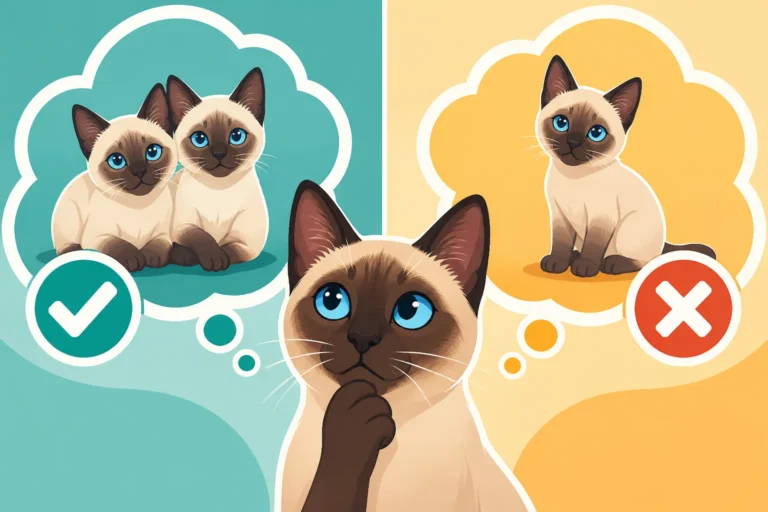
For many Siamese cats, known for their social and demanding nature, a companion can be a wonderful preventative measure against boredom and loneliness, which are common triggers for wool sucking and separation anxiety. Siamese cats thrive on interaction, and if their human isn't always available, another feline friend can step in to fill that void.
A companion cat can provide constant company, engaging in play, mutual grooming, and simply existing together. This can dramatically reduce the hours a Siamese might spend alone, staring at walls, or turning to inappropriate behaviors for entertainment. It's not a guaranteed solution, as some cats prefer solitary existence, but for many Siamese, a feline companion can be a genuine blessing. However, it's crucial to introduce cats properly to ensure a harmonious relationship. You can find more information about this in Whether a Siamese Cat Needs a Companion Cat.
When considering a companion, think about a cat with a similar energy level and play style. Another Siamese or a similarly active, social breed like an Oriental Shorthair often makes a good match. The companionship can alleviate the stress of loneliness, provide an outlet for their high energy, and reduce the overall psychological pressure that might otherwise lead to compulsive behaviors. While it's an additional commitment, the benefits for a lonely or bored Siamese can be profound, potentially preventing or significantly reducing problematic behaviors like wool sucking.
Comparative Overview of Wool Sucking Factors
To summarize, here's a table outlining the common factors contributing to wool sucking in Siamese cats and the corresponding management strategies.
| Factor | Description | Contributing to Wool Sucking | Management Strategies |
|---|---|---|---|
| Genetics | Inherited predisposition common in Siamese and Oriental breeds. | Lowered threshold for compulsive behaviors, inherent oral fixation. | Choose reputable breeders. Lifelong management, not a "cure." |
| Early Weaning | Separation from mother too soon, or inadequate nursing. | Unfulfilled oral comfort needs, seeking substitutes for nursing. | Ensure kittens nurse adequately. Provide designated comfort items. |
| Stress/Anxiety | Environmental changes, routine disruption, loneliness, new pets/people. | Self-soothing mechanism to cope with unease, insecurity. | Identify and minimize stressors. Provide consistent routine, safe spaces. |
| Boredom | Lack of mental and physical stimulation, especially for intelligent, energetic Siamese. | Seeking self-entertainment, repetitive action as a distraction. | Increase interactive play, puzzle feeders, vertical spaces. |
| Attention Seeking | Learned behavior reinforced by owner's reaction (even negative attention). | Seeking human interaction through noticeable (even undesirable) actions. | Avoid dramatic reactions. Redirect to appropriate activities. Provide proactive positive attention. |
| Dietary Issues | (Less common) Potential nutritional deficiencies or lack of fiber. | Feeling of emptiness, seeking non-food items to fill stomach. | Consult vet. Ensure high-quality diet, discuss fiber supplements if indicated. |
| Fabric Access | Availability of tempting wool, fleece, or other soft materials. | Opportunity to engage in the compulsive behavior. | Remove or restrict access to target fabrics. Cat-proof home thoroughly. |
Disclaimer
This article is for general informational purposes only and does not constitute professional advice. Laws, prices and regulations vary by location and change over time. Consult a qualified professional for guidance on your specific situation.