Why a Siamese Cat Needs More Dentals Than Other Cats
Bringing home a graceful, vocal Siamese cat is an absolute joy, filled with playful antics and endless conversation. But many owners are often surprised to learn that their beloved Meezers seem to need more dental care, and more frequent professional cleanings, than other cat breeds. It's a common concern, and frankly, a costly one. This guide will explore the specific reasons behind Siamese cats' predisposition to dental issues and offer practical strategies to help keep their mouths healthy.
Genetic Predisposition to Dental Challenges
It's a tough pill to swallow when you realize your furry family member is facing more health hurdles than you anticipated, and for Siamese cats, dental issues often fall into this category. It's not just bad luck; there are some inherent characteristics in the breed that unfortunately make them more susceptible to problems in their mouths. Think of it like certain human families being more prone to cavities – it's just how they're built, and our Siamese friends are no different. Understanding these underlying genetic factors can help us be more proactive in their care.
Inherited Tooth and Jaw Structures
One of the primary reasons Siamese cats are so often in the dentist's chair (or on the vet's dental table, rather) is their unique oral anatomy. While we adore their sleek, elegant appearance, their finely chiselled heads and often narrow muzzles can contribute to dental crowding. Imagine trying to fit all your teeth into a mouth that's a little too small – it's going to lead to some tight squeezes! This crowding means teeth can overlap, rotate, or be too close together, creating nooks and crannies that are incredibly difficult for natural chewing or even diligent brushing to reach. These tight spots become perfect breeding grounds for plaque and tartar accumulation.
This anatomical quirk also means they might be more prone to malocclusions, where the upper and lower jaws don't align perfectly. This isn't just an aesthetic issue; it can lead to abnormal wear on certain teeth, making them more vulnerable to damage, chipping, or even early tooth loss. Sometimes, these misalignments can also affect how they chew, potentially contributing to uneven plaque buildup or making it harder to naturally clean their teeth. It's a complex interplay of genetics and physical structure that predisposes them to these issues right from the start.
Unique Inflammatory Responses
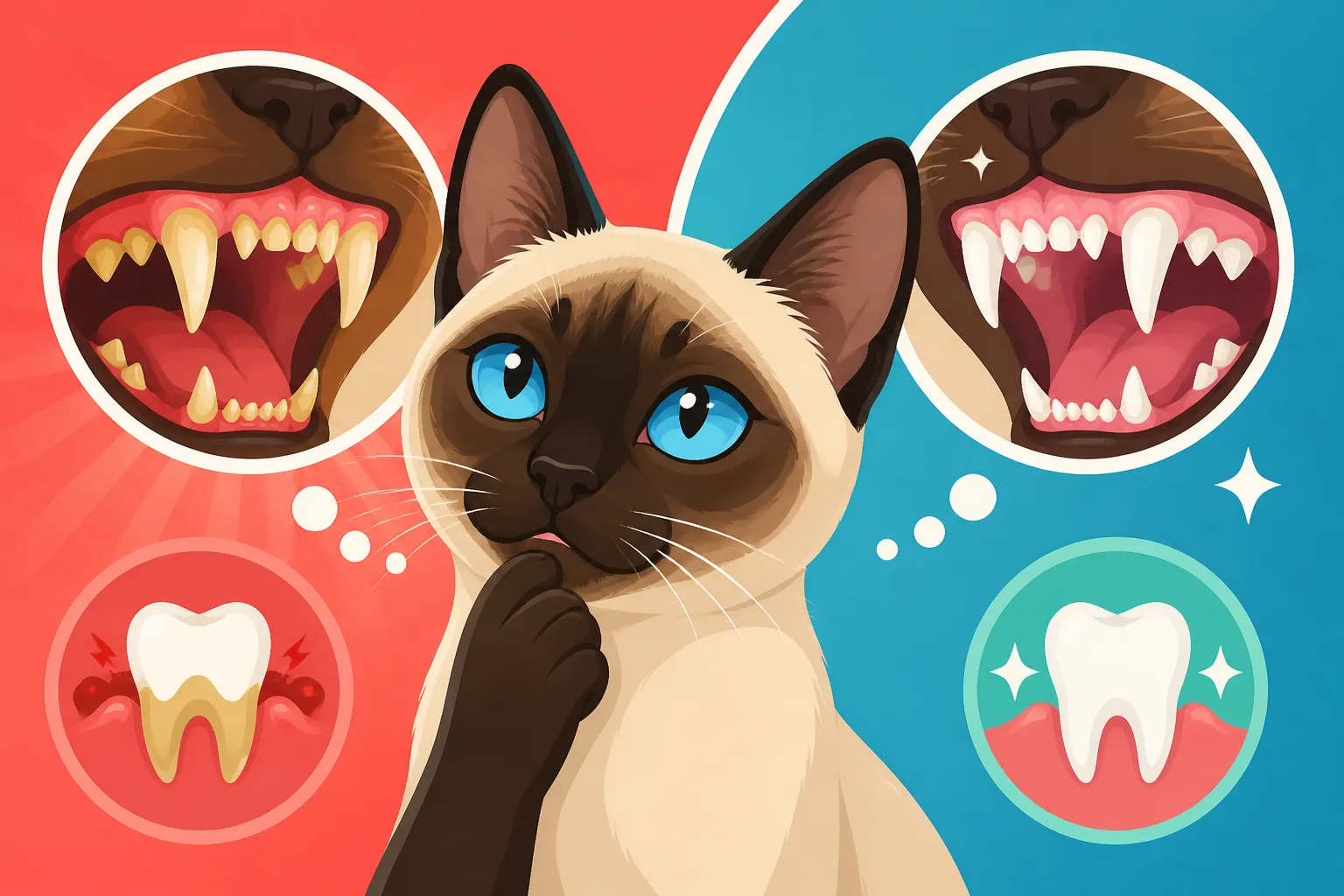
Beyond the physical structure of their mouths, Siamese cats also seem to have a particular immune system response that can heighten their risk for severe gum disease. Many Siamese, and indeed other purebred cats, appear to have a more exaggerated inflammatory reaction to plaque bacteria compared to some other breeds. What might be a mild gingivitis in another cat can quickly escalate into something much more serious in a Siamese, often involving their immune system overreacting to the presence of bacteria on their teeth.
This heightened inflammatory response can manifest as painful stomatitis, a widespread inflammation of the oral cavity, or severe periodontitis, which can aggressively attack the supportive structures around the teeth. These conditions are not only incredibly painful but can lead to irreversible bone loss around the teeth and necessitate multiple extractions. It's heartbreaking to see, and it means that for our Siamese, even a small amount of plaque can trigger a cascade of events that requires immediate and comprehensive veterinary intervention. This particular genetic predisposition is a significant reason why Dental Disease in a Siamese Cat can progress so rapidly.
Lifestyle and Behavioral Factors Influencing Oral Health
While genetics lay the groundwork, our Siamese cats' daily lives and unique behaviors also play a huge role in their dental health. It's not just about what's inside their mouths, but also what goes into them and how they interact with their environment. As responsible owners, understanding these factors gives us powerful tools to help manage their risk. It's about creating a dental-friendly lifestyle for these chatty companions.
Dietary Impact on Dental Health
What your Siamese eats every day is perhaps one of the biggest controllable factors affecting their dental health. Many commercial dry kibbles are often marketed as "dental care" foods, and while some are genuinely designed to help scrape plaque, many merely shatter upon impact, offering little abrasive cleaning action. For a breed already prone to plaque buildup due to crowded teeth, relying solely on standard dry food might not be enough. The truth is, a diet heavy in carbohydrates and sticky ingredients can actually contribute to plaque formation, just like sugary snacks do for us.
Conversely, while wet food is excellent for hydration and kidney health, it typically offers no abrasive benefit for cleaning teeth. If your Siamese is exclusively on a wet food diet, it's even more crucial to implement other dental care strategies. The key is to look for foods that promote natural chewing or to supplement their diet with dental-specific treats or chews that actually work to reduce plaque. Regular chewing on appropriate items can be a natural way to help prevent the quick accumulation of tartar, but it needs to be the right kind of chew. For more on general nutrition, you might want to read Which Food Suits a Siamese Cat.
Grooming Habits and Pica Connection
Siamese cats are generally fastidious groomers, but unlike a dog that might gnaw on a bone, their self-grooming doesn't typically involve much in the way of teeth cleaning. They're far more likely to groom their fur than actively try to clean between their molars. In fact, some Siamese cats exhibit a peculiar behavior called pica, which involves chewing and ingesting non-food items, often wool, blankets, or even plastic. While this is primarily a behavioral issue, it has indirect implications for dental health.
Cats with pica might be putting unusual stress on their teeth by chewing inappropriate items, potentially leading to chips, fractures, or excessive wear. More importantly, the focus on chewing non-food items means they aren't engaging in behaviors that do promote dental health, such as chewing on species-appropriate dental toys or treats. If your Siamese is prone to Why a Siamese Cat Chews Wool and Swallows It, addressing this behavior might indirectly protect their teeth from damage and redirect their chewing instincts toward more beneficial outlets.
Recognizing the Signs and Proactive Care Strategies
It can feel overwhelming to know that your Siamese is genetically predisposed to dental woes, but the good news is that we, as their human companions, have a significant role to play in mitigating these risks. The first step is learning to spot the subtle cues that something isn't right, and the second is to commit to a consistent, proactive dental health plan. It’s all about early detection and diligent prevention to keep their mouths comfortable and healthy for as long as possible.
Subtle Symptoms of Oral Pain
Siamese cats are incredibly stoic, a trait common among many feline breeds. This means they are masters at hiding pain, including dental pain. You might not see them limping or crying out like a dog would. Instead, the signs are often subtle and can easily be overlooked or attributed to "just being a cat." Look for changes in their eating habits: perhaps they chew only on one side of their mouth, drop food, or become pickier about their meal texture. They might hesitate before eating hard kibble, or even approach their bowl, sniff, and walk away.
Beyond eating, behavioral changes can also signal discomfort. An increase in drooling, pawing at the mouth, or excessive grooming around the face can be red flags. Some cats might become more irritable, withdraw from social interaction, or even stop grooming themselves as meticulously due to the pain. Foul breath, or halitosis, is never normal for a cat and is a strong indicator of bacterial overgrowth and dental disease. If you notice any of these signs, don't wait. A visit to the vet is crucial. Remember, How a Siamese Cat Hides Pain makes it imperative for owners to be vigilant.
A Lifelong Dental Health Plan
Because of their unique susceptibility, Siamese cats truly benefit from a lifelong, multi-pronged approach to dental care. It starts at home, ideally from kittenhood, with regular tooth brushing. Yes, I know, it sounds daunting, but even a few seconds a day with a feline-specific toothbrush and enzymatic toothpaste can make a huge difference in preventing plaque buildup. How Often a Siamese Cat Needs Brushing is a common question, and the answer is as often as you can manage, ideally daily.
Beyond brushing, incorporating vet-approved dental treats or water additives can offer supplementary benefits. Look for products with the Veterinary Oral Health Council (VOHC) seal, which indicates they meet standards for plaque and/or tartar control. Online retailers like Chewy offer a vast array of dental treats, toothbrushes, and enzymatic toothpastes that can help. Regular veterinary check-ups are non-negotiable, as your vet can assess their oral health and recommend professional cleanings under anesthesia when necessary. These cleanings are vital for removing tartar below the gum line and addressing issues that at-home care can't reach. Many dedicated Siamese owners find value in pet insurance providers like Healthy Paws to help cover the costs of these routine and sometimes emergency dental procedures, as What a Siamese Cat's First Dental Costs can be substantial. It's not just a one-off; How Often a Siamese Cat Needs a Dental is often more frequent than for other breeds.
Here's a general guide to a proactive dental care schedule for your Siamese cat:
| Activity | Frequency | Notes |
|---|---|---|
| At-Home Tooth Brushing | Daily, if possible | Use feline-specific toothpaste (never human!) and brush gently. |
| Dental Treats/Chews | Daily to a few times a week | Choose VOHC-approved products to ensure efficacy. |
| Water Additives | Daily (in drinking water) | Ensure your cat drinks it; monitor for taste aversion. |
| Veterinary Oral Exam | Annually (during wellness check) | Your vet will check for signs of disease and tartar buildup. |
| Professional Dental Cleaning | Every 1-3 years, or as advised | Crucial for subgingival cleaning and addressing existing disease. |
| Monitor for Symptoms | Daily (during interaction) | Look for bad breath, pawing, eating changes, mood shifts. |
Implementing a comprehensive dental health plan is an investment in your Siamese cat's overall well-being and can help prevent more severe and costly problems down the line. It's about being prepared for Why a Siamese Cat Loses Teeth Young and doing everything you can to keep their beautiful smiles intact.
Disclaimer
This article is for general informational purposes only and does not constitute professional advice. Laws, prices and regulations vary by location and change over time. Consult a qualified professional for guidance on your specific situation.