Why a Siamese Cat Chews Wool and Swallows It
It's incredibly distressing, and frankly, quite alarming, when you notice your beloved Siamese cat isn't just playing with soft things, but actually chewing on them, and sometimes even swallowing pieces. This isn't just a quirky habit; it's a real behavioral and health concern known as pica or wool sucking, and it can lead to some serious problems for our vocal, intelligent companions. This guide is here to unravel why your Siamese might be engaging in this peculiar and potentially dangerous behavior, and what you can do to help them.
Understanding Wool Sucking and Pica in Siamese Cats
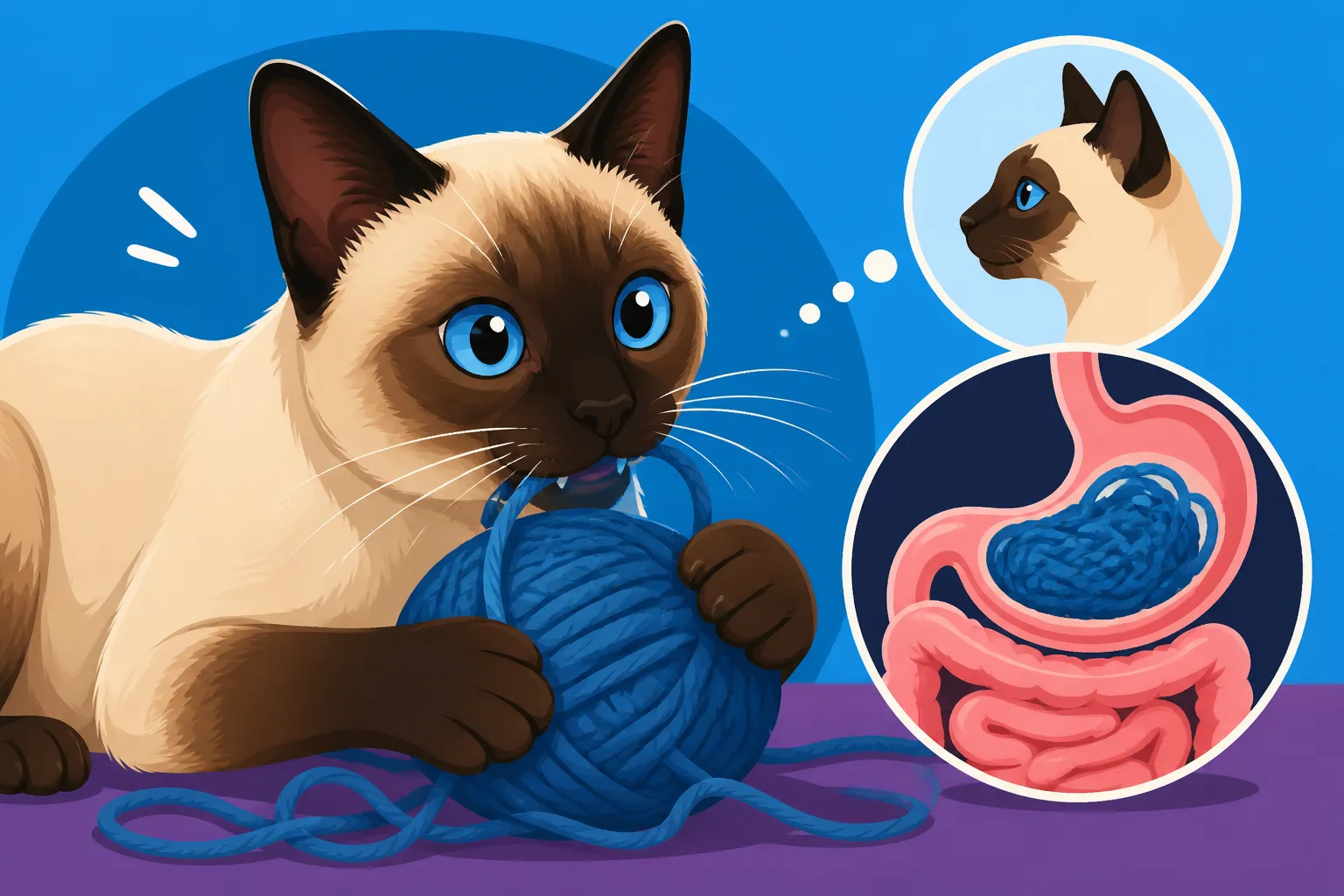
When we talk about a Siamese cat chewing and swallowing non-food items, we're usually referring to two closely related behaviors: wool sucking and pica. Wool sucking is a specific type of pica where the cat is fixated on textiles, often wool, but it can extend to blankets, clothing, carpet, or even shoelaces. Pica is the broader term for eating or licking non-nutritive substances. It’s important to distinguish this from a cat merely playing with a toy or batting at a loose thread; with pica, there’s a clear intent to ingest the item.
Many Siamese cat owners, myself included, have experienced that heart-stopping moment when you realize a chunk of your favorite sweater has gone missing, only to find your cat looking guilty with a piece of yarn hanging from their mouth. It's not just an inconvenience for your wardrobe; it’s a genuine health risk. Siamese cats, along with their Oriental relatives, seem particularly predisposed to this behavior, making it a topic every Meezer parent needs to understand deeply. The frustration often comes from not knowing why they do it, or how to make them stop, especially when the behavior is so ingrained. It's not about them being "bad"; it's a complex issue stemming from various factors.
What Does Wool Sucking Look Like
Wool sucking in a Siamese cat isn't always obvious at first glance. It can range from subtle nibbling to vigorous chewing and swallowing. You might notice your cat kneading a blanket intently, but instead of just purring happily, they begin to mouth, lick, and then chew the fabric. Some cats will suckle on the fabric for an extended period, almost like a kitten nursing, while others will tear off pieces and swallow them quickly. The chosen materials are usually soft and fibrous, like wool, fleece, cotton blends, or even synthetic fabrics. I've had a Siamese who would methodically deconstruct an entire throw blanket, strand by strand, leaving a trail of fluffy destruction.
This behavior can occur at any time, but it's often observed when the cat is relaxed, anxious, or seeking comfort. For some, it’s a morning ritual, while others might do it quietly in a secluded corner. You might not see them in the act, but you’ll certainly notice the evidence: frayed edges on blankets, holes in clothing, or a tell-tale lump in the litter box (which, let's be honest, is not where you want to find fabric). If you're wondering, you can learn more about The Age Wool Sucking Starts in a Siamese Cat, which often begins early in life.
The Dangers of Ingesting Fabric
While a small piece of yarn might pass through a cat's system without issue, ingesting larger or more fibrous materials can lead to severe and life-threatening complications. The most significant danger is an intestinal blockage. Unlike some other foreign objects that might pass, fabric, especially linear items like string or thread, can bunch up or "accordion" the intestines, causing a partial or complete obstruction. This is a medical emergency that requires immediate veterinary attention.
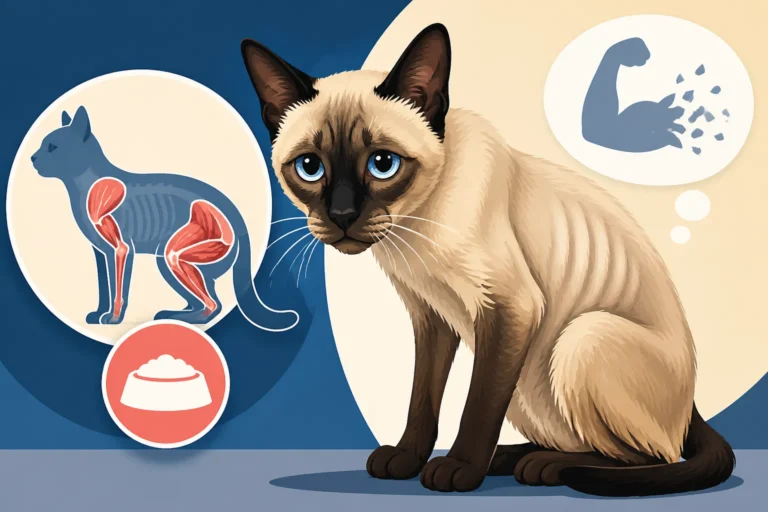
Beyond blockages, continuous ingestion of foreign materials can irritate the digestive tract, leading to chronic vomiting, diarrhea, loss of appetite, and weight loss. The fabric can also absorb stomach acids, leading to digestive upset or even gastric ulcers. In the worst-case scenario, the intestinal wall can perforate, spilling intestinal contents into the abdominal cavity, leading to peritonitis – a deadly infection. This isn't something to take lightly; these situations can quickly become critical. It's one of those scenarios where proactive management is far better than reactive, emergency intervention.
Why Siamese Cats Develop This Habit
The question of Why a Siamese Cat Sucks Wool is complex, with no single, definitive answer. Instead, it's believed to be a multifactorial issue, combining genetic predispositions with environmental triggers and behavioral factors. It's like a puzzle with many pieces, and understanding each one can help us to better support our cats.
One thing is certain: it's not simply a "bad habit" that your cat can easily choose to stop. It's often deeply rooted in their biology and psychology, making it a challenging behavior to manage for many owners. It's not uncommon for owners to feel frustrated or even guilty, wondering if they've done something wrong, but it's important to remember that this is a breed-specific tendency.
Genetic Predisposition
The strongest link to wool sucking in Siamese cats is genetics. It’s widely observed that Siamese, along with their close relatives like Oriental Shorthairs, Himalayans, and Burmese, are significantly more prone to pica and wool sucking than other breeds. This suggests an inherited component, though the exact gene or genes responsible haven't been definitively identified. Some researchers believe it might be linked to the same genes responsible for their distinctive color points or other neurological traits.
This genetic vulnerability means that even in the best of environments, a Siamese might still develop the behavior. It’s not a flaw in their character but a part of their unique breed make-up. Knowing this can help owners approach the problem with more empathy and less blame, understanding that their cat isn't "acting out" but rather expressing a hardwired predisposition. If you've ever wondered Whether Wool Sucking in a Siamese Cat Is Genetic, the answer appears to be a resounding yes.
Early Weaning and Maternal Deprivation
Another commonly cited factor is early weaning or insufficient nursing time as a kitten. Kittens naturally suckle for comfort and nutrition. If they are separated from their mothers too early, or if the mother cat isn't able to provide adequate nursing, kittens might seek out alternative sources of oral comfort, such as fabric. This oral fixation can persist into adulthood, manifesting as wool sucking. It's a way for them to self-soothe, mimicking the comforting sensation of nursing.
However, it's important to note that not all wool-sucking Siamese cats were early weaned, and not all early-weaned cats develop pica. It's likely that this factor interacts with the genetic predisposition, making some genetically vulnerable cats even more susceptible if they also experienced early weaning trauma. Responsible breeders strive to ensure kittens stay with their mothers for an appropriate amount of time, typically at least 12-16 weeks, to minimize such behavioral issues.
Stress, Anxiety, and Boredom
Siamese cats are known for their intelligence, high energy, and intense social needs. This combination can make them particularly susceptible to stress, anxiety, and boredom, all of which can trigger or exacerbate pica. A bored Siamese cat, left alone for long periods without adequate mental or physical stimulation, might turn to wool sucking as a way to cope with their under-stimulation. It becomes a self-comforting, self-stimulating activity.
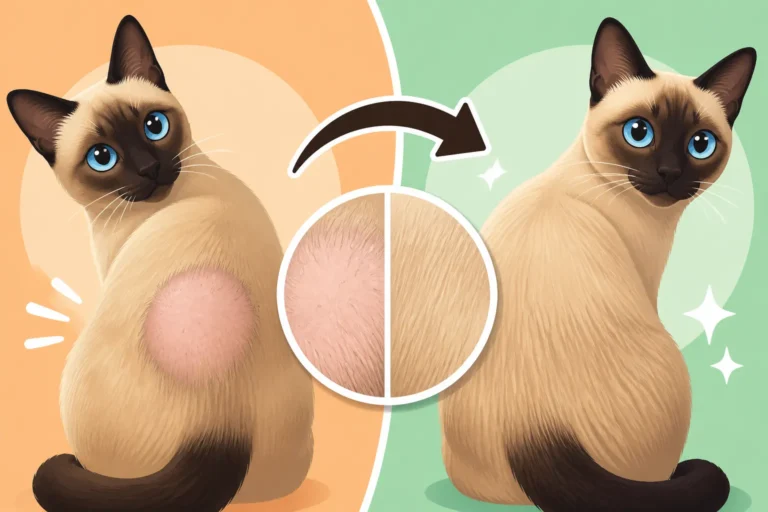
Changes in routine, a new pet or person in the home, moving to a new environment, or even perceived neglect can induce stress and anxiety in these sensitive felines. If you notice your cat suddenly starts or increases their wool sucking, it’s worth looking at recent changes in their environment or routine. This behavior is often a clear sign that something is amiss in their emotional world, similar to Why a Stressed Siamese Cat Licks Itself Bald or other compulsive behaviors.
Nutritional Deficiencies or Gastrointestinal Issues
While less common as a primary cause in well-fed cats, some theories suggest that nutritional deficiencies could play a role in pica. Cats might instinctively try to ingest non-food items if they're lacking certain vitamins, minerals, or fiber in their diet. However, for most cats on a high-quality commercial diet, this is unlikely to be the sole reason.
More plausibly, underlying gastrointestinal discomfort or pain might lead a cat to engage in pica. They might chew on fabric as a way to self-medicate, distract themselves from pain, or even induce vomiting to relieve an upset stomach. If pica starts suddenly or is accompanied by other digestive symptoms, a veterinary check-up is crucial to rule out any underlying medical conditions.
Managing and Preventing Wool Sucking
Dealing with a Siamese cat who chews and swallows wool requires a multi-faceted approach, focusing on environmental management, enrichment, dietary adjustments, and sometimes, veterinary intervention. The goal isn't just to stop the behavior, but to address the underlying reasons for it, promoting a happier, healthier cat.
It's a marathon, not a sprint. Consistency and patience are key. You're trying to redirect a deeply ingrained behavior, which takes time and dedication. Don't get discouraged if you don't see immediate results; keep trying different strategies until you find what works for your unique feline friend.
Environmental Management and Deterrents
The most immediate step is to remove or restrict access to tempting fabrics. This means tidying up clothes, putting away blankets (or choosing materials your cat doesn't prefer), and making sure laundry baskets are inaccessible. It might feel like you're cat-proofing your home against a small furry thief, but it's essential for their safety.
Consider using deterrents on items that cannot be removed. Bitter apple sprays or similar products can make fabric taste unpleasant, discouraging chewing. Some cats, however, are undeterred by these. Another option is placing aluminum foil over furniture or using sticky tape, as most cats dislike the texture. The aim is to make the forbidden objects less appealing, not to punish the cat. Remember, the goal is to How to Stop a Siamese Cat Eating Fabric.
Enrichment and Mental Stimulation
Since boredom and stress are major contributors, providing ample environmental enrichment is crucial. Siamese cats thrive on interaction and mental challenges. This means:
- Interactive Play: Dedicate at least two 15-minute play sessions daily with wand toys, laser pointers (always end with a treat or physical toy to prevent frustration), or puzzle toys.
- Puzzle Feeders: Instead of just putting food in a bowl, use puzzle feeders that make your cat "work" for their meals. This engages their hunting instincts and provides mental stimulation.
- Vertical Space: Cats love to climb. Provide cat trees, shelves, or catio access where they can observe their territory from a high vantage point.
- Companion Animals: For highly social Siamese cats, a compatible companion cat can sometimes reduce loneliness and anxiety, especially if you're away from home for long periods. Just be sure to introduce them slowly and properly. If you're considering this, remember that A Siamese Cat Should Not Live Alone.
- "Cat TV": A window perch with a view of birds or squirrels can provide hours of entertainment.
Dietary Adjustments
While dietary deficiencies are rarely the primary cause, ensuring a balanced diet is always important. Some owners report success with increasing dietary fiber, either through specific foods or supplements, as this can create a feeling of fullness and potentially reduce the urge to chew. Whether a Siamese Cat Needs Prescription Food is a question best answered by your vet, especially if gastrointestinal issues are suspected.
Consider a diet rich in protein and moisture, such as high-quality wet food. Some anecdotal evidence suggests that cats on dry-food-only diets might be more prone to pica, possibly due to a lack of satisfaction or dental stimulation. A consultation with your veterinarian or a veterinary nutritionist can help you determine the best diet for your cat's specific needs.
Professional Help and Medical Interventions
If behavioral strategies aren't enough, or if the pica is severe and frequent, it’s time to consult your veterinarian. They can rule out any underlying medical conditions, such as gastrointestinal disease, dental issues, or hyperthyroidism, that might be contributing to the behavior. They might also suggest behavioral modification techniques or refer you to a veterinary behaviorist.
In some cases, especially where anxiety is a strong factor, medication might be considered. Anti-anxiety medications, often used in conjunction with behavioral therapy, can help reduce the compulsive urge to suck or chew. This is typically a last resort, but for some cats, it can significantly improve their quality of life and prevent dangerous ingestions.
The Financial Reality of Blockage Surgery
It's not pleasant to think about, but one of the most serious consequences of a Siamese cat chewing and swallowing wool is the potential for an intestinal blockage, which often requires emergency surgery. And let me tell you, those emergency vet bills can be absolutely crippling. This is where preparing for potential health issues becomes incredibly important, not just for your cat's well-being but also for your financial peace of mind.
I've known people who have faced thousands of dollars in unexpected veterinary costs because their cat ingested something dangerous. It's a stark reminder that loving a pet means preparing for the unexpected.
Recognizing the Signs of an Intestinal Blockage
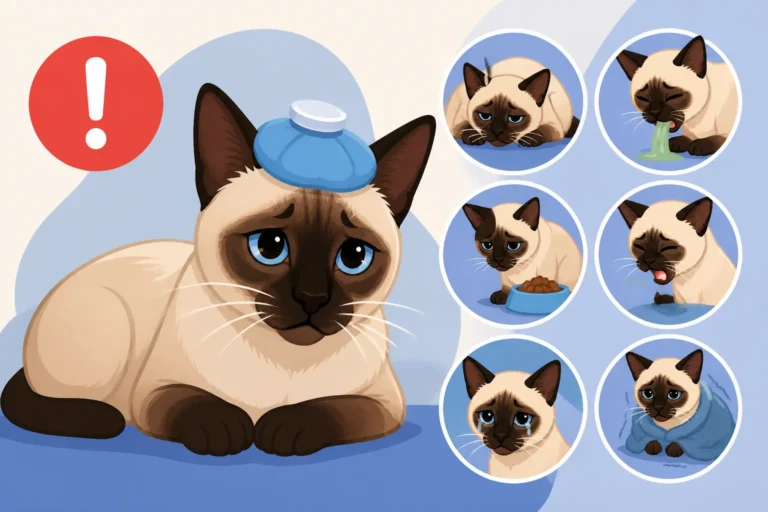
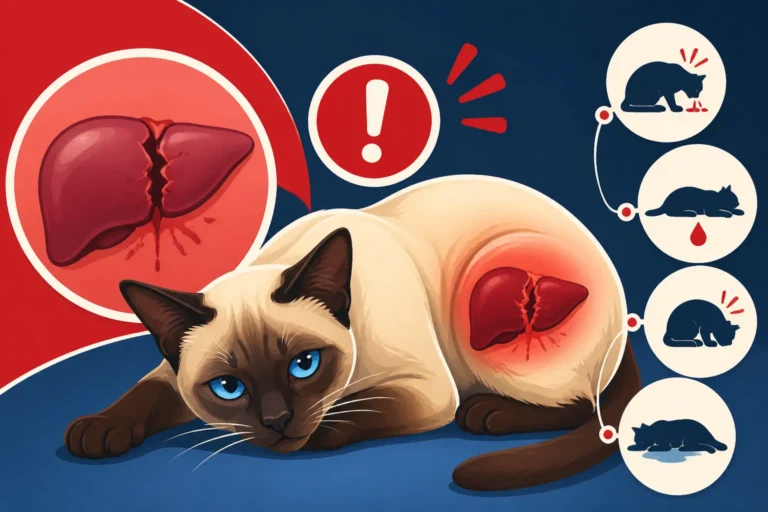
Knowing the Signs a Siamese Cat Has an Intestinal Blockage is critical for early intervention and improving the chances of a successful outcome. Common signs include:
- Repeated vomiting: This is often the first and most obvious sign. The cat might vomit after eating or drinking, or even on an empty stomach.
- Loss of appetite or refusal to eat: A cat with a blockage will typically lose interest in food.
- Lethargy and weakness: They might seem unusually tired, withdrawn, and less active.
- Abdominal pain: Your cat might cry out when picked up or when their abdomen is touched.
- Straining to defecate or absence of feces: Even if they try, they might not be able to pass stool, or only pass very small amounts of diarrhea.
- Dehydration: Due to vomiting and inability to keep water down.
If you observe any of these symptoms, especially if your cat has a known history of pica, do not hesitate to contact your vet immediately. Time is of the essence in these situations.
What Blockage Surgery Entails and Its Costs
If your vet suspects a blockage, they'll usually start with diagnostic tests like X-rays (which might show the blockage, though fabric can be hard to see) and often an ultrasound. Bloodwork will also be done to check for dehydration, infection, and overall health. If a blockage is confirmed or highly suspected, surgery is usually the only option.
What Blockage Surgery Involves for a Siamese Cat typically includes:
- Anesthesia: Your cat will be put under general anesthesia.
- Abdominal Incision: The surgeon will make an incision in the abdomen to access the intestines.
- Foreign Body Removal: The affected section of the intestine will be carefully opened, and the foreign object removed.
- Intestinal Resection (if needed): If the intestine is severely damaged or perforated, a section might need to be removed, and the healthy ends reconnected. This is more complex and carries higher risks.
- Closure: The incisions are then closed in layers.
Post-operative care involves pain management, intravenous fluids, and close monitoring. Recovery can be several days in the hospital and weeks at home.
The cost of this type of emergency surgery can be substantial, often ranging from $2,000 to $7,000 or more, depending on your location, the complexity of the surgery (e.g., if intestinal resection is needed), and the length of hospitalization. This estimate typically includes diagnostics, surgery, anesthesia, medication, and post-operative care. It's a financial burden that catches many owners by surprise. To give you a better idea of the potential expenses, here's a rough breakdown:
| Service | Estimated Cost Range (USD) | Notes |
|---|---|---|
| Emergency Exam & Consultation | $100 – $250 | Initial visit to assess symptoms. |
| X-rays / Ultrasound | $300 – $800 | Imaging to locate and identify the foreign body. |
| Bloodwork | $150 – $400 | Pre-surgical evaluation and checking for complications. |
| Surgery (Foreign Body Removal) | $1,500 – $4,500 | Includes surgeon's fees, anesthesia, surgical supplies. |
| Intestinal Resection (Add-on) | $500 – $2,000 | If a portion of the intestine needs to be removed. |
| Hospitalization (per day) | $200 – $600 | Post-operative monitoring, IV fluids, medication. Often 2-5 days. |
| Medications (post-op) | $50 – $200 | Pain relief, antibiotics, anti-nausea meds for at-home care. |
| Total Estimated Cost | $2,300 – $8,750+ | These are rough estimates and can vary significantly by region and clinic. |
This table underscores why proactive management of pica is so important.
The Role of Pet Insurance in Managing Costs
Given the high costs associated with emergency surgeries like those for intestinal blockages, pet insurance becomes a real lifeline. A good pet insurance policy can cover a significant portion of these unexpected veterinary expenses, giving you peace of mind and allowing you to make medical decisions based on what's best for your cat, not just what you can afford out-of-pocket. Companies like Healthy Paws are well-regarded for their comprehensive accident and illness plans, which typically cover emergency surgeries, diagnostics, and hospitalization for conditions like blockages.
When choosing pet insurance, pay close attention to the deductible, reimbursement percentage, and annual limits. It’s also crucial to understand waiting periods and any exclusions for pre-existing conditions. For a Siamese cat with a history of wool sucking, a policy that covers future incidents (if the pica isn't deemed a pre-existing condition before coverage starts) would be incredibly valuable. While Whether Insurance Covers a Siamese Cat That Eats Fabric can depend on specific policy details and when the behavior began, having a solid plan from a provider like Healthy Paws in place before any major issues arise is a wise decision for any pet parent.
Disclaimer
The information provided in this article is for general informational purposes only and does not constitute veterinary advice. Always consult with a qualified veterinarian for any health concerns or before making any decisions related to your pet's care.