How Often a Siamese Cat Needs Brushing
It’s a common misconception that because Siamese cats have such short, sleek coats, they don’t really need much grooming. Many new Siamese owners, or even those who’ve had them for years, might feel a bit lost wondering if they should be brushing their svelte companions at all, or how often to bother. The truth is, while they might not need the daily commitment of a Persian, regular brushing is still a fantastic habit for your Siamese, offering more benefits than just keeping their fur looking sharp. This comprehensive guide will walk you through exactly why and how often you should be brushing your Siamese, and how to make it a pleasant experience for both of you.
Understanding Your Siamese Cat's Unique Coat
Before we dive into the nitty-gritty of brushing schedules, it helps to truly understand the beautiful coat your Siamese cat sports. It's not just "short" – it's quite specific, and knowing its characteristics will help you appreciate why certain grooming practices are beneficial.
The Short, Sleek Reality
Unlike many other cat breeds with fluffy, long, or dense coats, the Siamese boasts a strikingly short, fine, and close-lying single coat. If you run your hand over your Siamese, you'll notice how incredibly smooth and soft it feels, almost like silk. This isn't accidental; it's a hallmark of the breed, contributing to their elegant, lithe appearance. This sleekness means their fur doesn't typically tangle or form mats in the way a long-haired cat's might, which is often where the idea that they don't need much grooming comes from. It's truly a magnificent feature, one that many owners adore for its low-maintenance appeal at first glance. You can feel the distinct quality of their fur; it’s one of the things that makes them so special. What a Siamese Cat's Coat Feels Like is something truly unique to the breed.
Why They Don't Have an Undercoat
Here's a key distinction that sets the Siamese apart: they primarily have a single coat, meaning they lack the dense, insulating undercoat found in many other breeds. Think of breeds like Maine Coons or even many domestic shorthairs – they have a plush, fuzzy layer beneath their longer guard hairs that provides warmth and protection. Siamese cats, however, largely go without this. Why a Siamese Cat Has No Undercoat is tied to their genetic makeup and contributes to their slender physique and often a greater sensitivity to cold. Because they don't have this thick underlayer, they shed differently and don't experience the same kind of "blow out" shedding seasons that some double-coated breeds do. This also impacts the types of brushes that are most effective for them, as you won't be trying to rake through a thick undercoat.
The Myth of the "Hypoallergenic" Siamese
While some people mistakenly believe that Siamese cats are hypoallergenic due to their short fur, this isn't quite accurate. No cat is truly 100% hypoallergenic, as the allergens are primarily found in their dander, saliva, and urine, not just the fur itself. However, because Siamese cats have less fur to shed and less dander that gets trapped in a dense coat, they can be better tolerated by some individuals with mild cat allergies. It's often about the amount of dander and loose hair dispersed in the environment. Regular brushing, even for a Siamese, plays a crucial role in managing this, as it helps remove loose hairs and dander before they settle on your furniture or float through the air. So, while they might not be a magical cure for allergies, their coat characteristics do mean they might cause less of a reaction for some sensitive people. Whether a Siamese Cat Is Hypoallergenic is a common question, and grooming can certainly help.
Beyond Shedding: Why Brushing Matters for Siamese Cats
It's tempting to think of brushing as solely a tool for managing shedding. And while it certainly helps with that, especially given that How Much a Siamese Cat Sheds can still be surprising for such short-haired felines, there are several other vital reasons why incorporating brushing into your Siamese cat's routine is incredibly beneficial.
Preventing Hairballs, Even with Short Hair
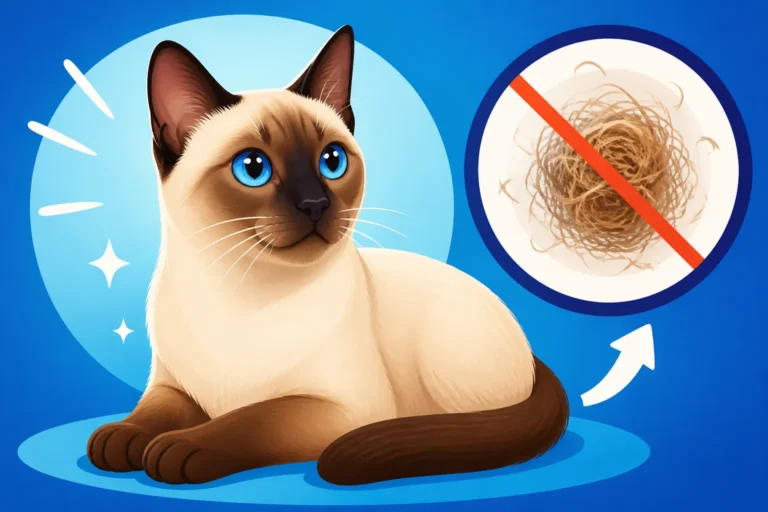
Even with their short, fine fur, Siamese cats can and do get hairballs. Cats are fastidious groomers, spending a significant portion of their waking hours meticulously cleaning themselves. During this self-grooming process, they inevitably ingest loose fur. While a short-haired cat might not ingest as much as a long-haired one, that ingested fur can still accumulate in their digestive tract, leading to those unpleasant hairball regurgitations. Regular brushing acts as a preventative measure, removing dead and loose hairs from their coat before your Siamese can swallow them. This significantly reduces the amount of fur entering their system, thus cutting down on the frequency and severity of hairballs. It's a simple step that can spare both you and your feline friend some discomfort.
Skin Health and Circulation Boost
Brushing isn't just about the fur; it's a fantastic workout for your cat's skin. The gentle massage of a brush stimulates blood circulation to the skin, which in turn promotes a healthy coat from the inside out. Better circulation means improved nutrient delivery to hair follicles, leading to stronger, shinier fur. Furthermore, brushing helps to distribute natural skin oils evenly across the coat. These oils are essential for maintaining skin hydration and the natural luster of their fur. Regular grooming sessions also allow you to get a good look at your cat's skin, making it easier to spot any potential issues early, such as dry patches, flakes, bumps, fleas, or other parasites that might otherwise go unnoticed beneath their pristine coat. It's a proactive health check wrapped up in a pampering session.
The Bonding Experience
Beyond the practical benefits, brushing offers a wonderful opportunity for you and your Siamese to bond. These highly intelligent and social cats thrive on interaction with their humans. A gentle brushing session can be a calming, enjoyable experience for both of you, strengthening your relationship and building trust. Many Siamese cats genuinely enjoy the attention and physical contact that comes with being brushed, often purring contentedly and leaning into the strokes. It's a moment of quiet connection, a ritual that can become a cherished part of your daily or weekly routine. For a breed that thrives on companionship, these one-on-one moments are incredibly valuable for their emotional well-being, fostering a sense of security and affection.
How Often is Really Enough?
So, with all these benefits in mind, what's the magic number for how often a Siamese cat needs brushing? The answer, as with many things in pet care, isn't a one-size-fits-all, hard-and-fast rule, but rather a guideline that can be adapted to your individual cat and circumstances.
The Standard Recommendation vs. Reality
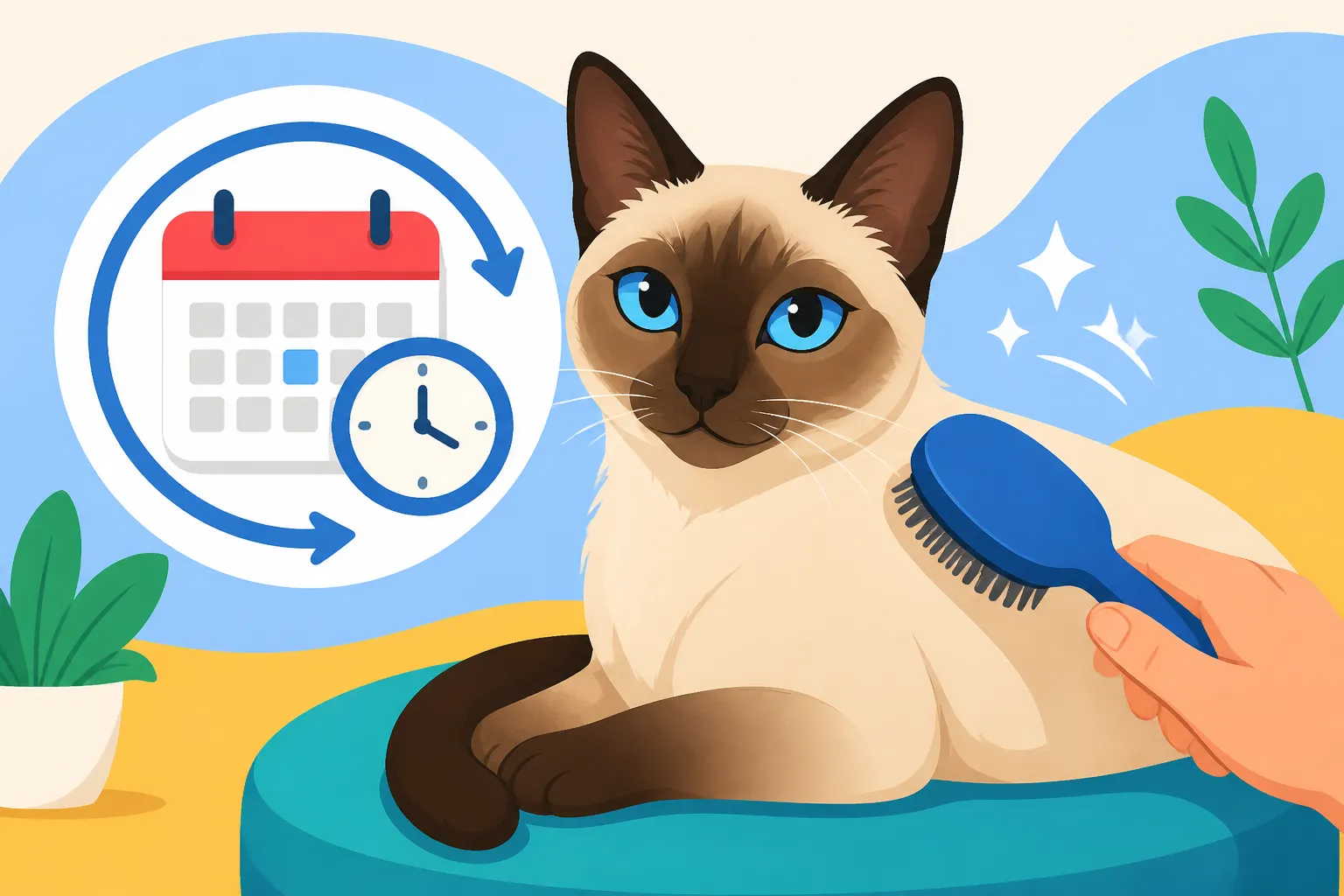
Generally speaking, for a Siamese cat with their short, single coat, a recommendation of once or twice a week is a good starting point. This frequency is usually enough to capture loose hair, distribute oils, and provide the skin stimulation we discussed without being overly taxing on either you or your cat. For many Siamese, this schedule is perfectly adequate to keep their coat in prime condition and minimize hairballs. You might even find that Grooming a Siamese Cat Takes Five Minutes a Week when you stick to this routine.
However, "reality" often means adapting. Some Siamese cats might genuinely need less, perhaps a quick brush every two weeks if they are meticulous self-groomers and don't seem to shed much. Others, particularly those who are a bit less fastidious in their own grooming or perhaps experiencing a higher shedding phase, might benefit from more frequent sessions, even every other day. It’s about observation and understanding your specific cat's needs rather than adhering rigidly to a calendar.
Factors That Influence Brushing Frequency
Several factors can influence how often your Siamese truly needs to be brushed. Thinking about these can help you tailor a routine that works best for your furry friend:
- Shedding Cycle: While Siamese cats don't have dramatic "shedding seasons" like some breeds, they still shed. You might notice slightly more shedding during changes in season (spring and fall) or if your cat spends time in environments with fluctuating temperatures. During these times, increasing brushing to three or four times a week can be very helpful.
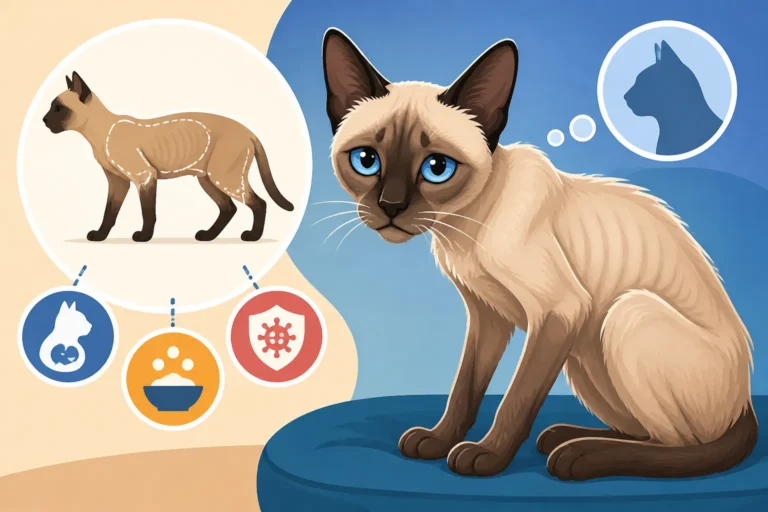
- Age: Younger, healthy Siamese kittens and adult cats typically have very efficient self-grooming habits and vibrant coats. As your Siamese ages, their grooming habits might decline due to arthritis, dental issues, or simply less flexibility. Older cats, particularly those considered senior, may need more frequent brushing to keep their coats clean and prevent tangles or matting that can occur even in short fur if neglected. What an Aging Siamese Cat's Coat Looks Like can change, and you might need to step up your grooming game.
- Health Status: A cat's coat can be a great indicator of their overall health. If your Siamese is unwell, stressed, or experiencing certain medical conditions, their coat might become dull, greasy, or shed excessively. During recovery or ongoing management of a health issue, more frequent, gentle brushing can help them feel better and maintain coat hygiene. Similarly, if your cat is prone to skin sensitivities, regular gentle brushing can help remove irritants.
- Diet: A high-quality, balanced diet contributes significantly to a healthy coat. Cats on a less-than-optimal diet might have drier skin and a duller, more prone-to-shedding coat, which could necessitate more frequent brushing.
- Environment: Cats living in warmer climates might shed a little more consistently throughout the year, whereas those in cooler indoor environments might maintain a more stable shedding pattern. The general cleanliness of your home can also play a small role – less dust and debris means less chance for it to get trapped in fur.
Recognizing When Your Siamese Needs More Brushing
Your Siamese will often give you clues when they could use a little extra grooming attention. Pay close attention to these subtle signs:
- Increased Shedding: If you're finding more fur on your clothes, furniture, or seeing little tufts rolling across the floor, it's a clear sign your cat is shedding more than usual, and brushing can help manage it.
- Dull or Oily Coat: A healthy Siamese coat should be sleek and have a natural sheen. If it starts looking dull, greasy, or even a bit flaky, more frequent brushing can help distribute natural oils and stimulate the skin to improve its condition.
- Early Signs of Matting: While How Rarely a Siamese Cat Mats is true, it's not impossible, especially behind their ears, under their "armpits," or around their hindquarters if they're older or overweight and struggling to reach. If you feel any small clumps or stickiness, it's time for more focused brushing.
- More Frequent Hairballs: If your Siamese starts bringing up hairballs more often, it's a strong indicator that you need to be removing more loose fur directly from their coat through brushing.
- Reluctance to Groom Themselves: An older Siamese or one in discomfort might suddenly show less interest in self-grooming. If you notice a decline in their personal hygiene habits, you'll need to step in with more regular brushing to compensate. Why an Aging Siamese Cat Stops Grooming can be due to various health issues, making your intervention crucial.
Choosing the Right Tools for the Job
Having the right tools makes all the difference when grooming your Siamese cat. Their short, delicate fur and sensitive skin mean you'll want to avoid anything too harsh. Focusing on gentle yet effective options will make the experience enjoyable for both of you. You can typically find these grooming tools at local pet stores or through online retailers like Chewy or Amazon.
Best Brushes for a Siamese Cat's Fine Fur
When it comes to selecting a brush for your Siamese, think gentle and efficient. You’re not trying to de-matt a long coat, but rather remove loose hairs and stimulate the skin.
- Rubber Curry Brush or Grooming Mitt: These are often the best choice for a Siamese. The rubber nubs are soft and flexible, making them gentle on sensitive skin. They effectively attract and remove loose fur, almost like a magnet, and provide a lovely massage that most cats adore. A grooming mitt, which you wear on your hand, allows you to "pet" your cat while brushing, making the experience feel very natural and comforting. It's fantastic for distributing natural oils and boosting circulation.
- Soft Bristle Brush: A brush with soft, natural bristles can be a good option for a final polish or for very sensitive cats. It's excellent for removing fine dust and giving the coat a beautiful shine, but it might not be as effective at removing significant amounts of loose hair as a rubber brush.
- Slicker Brush (with caution): While slicker brushes (those with fine, bent wire pins) are popular for many breeds, they should be used with extreme caution, if at all, on a Siamese cat. Their delicate skin can be easily scratched or irritated by the sharp pins if you apply too much pressure. If you do opt for one, choose one with very soft, coated tips and use the lightest touch possible, reserving it for specific areas if needed. This type of brush is rarely necessary for a Siamese's coat type.
Here’s a quick comparison of popular brush types and their suitability:
| Brush Type | Description | Pros for Siamese Cats | Cons for Siamese Cats |
|---|---|---|---|
| Rubber Curry Brush | Flexible rubber nubs, often shaped like a mitt. | Gentle massage, excellent for removing loose hair, promotes circulation. | Less effective on deeper tangles (which are rare anyway). |
| Soft Bristle Brush | Natural or synthetic soft bristles. | Adds shine, good for light shedding, gentle. | May not remove heavier loose fur as effectively. |
| Slicker Brush | Fine, bent wire pins. | Can be effective for some shedding. | Risk of skin irritation due to sharp pins, generally too harsh. |
| Fine-toothed Comb | Metal or plastic, closely spaced teeth. | Good for checking for fleas or fine debris. | Can pull on fur if not used gently, not for general brushing. |
This table can help guide your selection, emphasizing that for a Siamese, gentleness and efficiency are key. Which Brush a Siamese Cat Needs often comes down to personal preference, but rubber brushes are a top recommendation.
Gentle Grooming Gloves and Mitts
These handy tools deserve their own mention because they are often a huge hit with Siamese cats. A grooming glove or mitt typically has rubber or silicone nubs on the palm side, allowing you to simply pet your cat while simultaneously collecting loose fur. The beauty of these is that they mimic the sensation of being petted, so many cats, even those initially wary of traditional brushes, readily accept them.
They're incredibly effective for removing surface shedding, distributing natural oils, and providing a soothing massage. You can easily reach all areas of your cat's body, including those trickier spots like the belly or hind legs. Plus, they're easy to clean – often, the collected fur peels right off in one sheet. If you're looking for a low-stress way to introduce brushing or maintain a regular routine, a quality grooming glove purchased from sites like Amazon can be a game-changer.
The Importance of a Good Comb
While a comb isn't your primary brushing tool for a Siamese, a fine-toothed comb can still be a valuable addition to your grooming kit. It's not for general daily deshedding, but rather for specific tasks:
- Checking for Fleas: A fine-toothed flea comb is indispensable for checking for and removing fleas and flea dirt, especially if your cat spends any time outdoors or interacts with other animals.
- Targeting Small Areas: If your Siamese does develop a tiny tangle (perhaps behind an ear, which can occasionally happen), a comb can gently work it out, provided you're extremely careful and patient.
- Inspecting for Skin Issues: The comb's fine teeth allow you to part the fur and get a closer look at the skin for any redness, bumps, or dry patches that might indicate a problem.
Always use a comb very gently, especially around sensitive areas. It's more of an inspection tool than a brushing tool for this breed, but a necessary one for thorough care.
Making Brushing a Positive Experience
For brushing to be effective and consistent, it needs to be something your Siamese cat tolerates, or ideally, even enjoys. These intelligent and often opinionated felines respond best to positive reinforcement and a calm approach.
Starting Early with Kittens
The absolute best time to introduce grooming is when your Siamese is a kitten. Kittens are generally more adaptable and curious, and they're more likely to accept new experiences if they're introduced gently and positively.
- Short, Sweet Sessions: Begin with very brief grooming sessions, just a minute or two at a time. The goal isn't to get every loose hair, but to create a positive association.
- Gentle Tools: Use the softest brush or a grooming mitt. Avoid anything that could scratch or pull.
- Treats and Praise: Make it rain treats and praise during and immediately after the session. Let your kitten associate the brush with delicious rewards and your happy voice.
- Consistency: Try to do these short sessions regularly, even daily, to build a routine. The more accustomed they become, the easier it will be as they grow.
By starting early, you're essentially programming them to see grooming as a pleasant part of their life, rather than something to be feared or fought. This foundation will save you a lot of stress down the line.
Positive Reinforcement and Treats
Whether you have a kitten or an adult Siamese, positive reinforcement is your most powerful tool. Siamese cats are incredibly intelligent and respond well to rewards and consistent training. How Trainable a Siamese Cat Really Is is quite surprising for many first-time owners!
- High-Value Rewards: Have some truly irresistible treats on hand – think small pieces of cooked chicken, salmon, or their favorite soft treats.
- Reward Success, Not Just Completion: Don't just wait until the end of the session to give a treat. If your cat tolerates a few strokes, give a treat. If they stay still for a moment, treat. Break down the behavior into small, achievable steps and reward each one.
- Verbal Praise: Use a calm, reassuring, and happy tone of voice. "Good kitty!" or "Such a brave cat!" can go a long way in reinforcing positive behavior.
- Playtime After: Some cats enjoy a short play session after grooming as a final reward and a way to burn off any lingering nervous energy. A feather wand or laser pointer (used safely) can be a great incentive.
The idea is to create a strong positive association: "Brush comes out, I get yummy treats and happy attention!"
Dealing with a Reluctant Adult Siamese
If you've adopted an adult Siamese who isn't thrilled about brushing, or if your long-term companion has suddenly developed an aversion, don't despair. It might take more patience, but it's usually possible to turn things around.
- Identify the Cause: First, try to figure out why they dislike it. Is it the brush type? Is it painful? Are they just not used to it? Sometimes, a change in brush (e.g., switching to a soft rubber mitt from a wire brush) can make all the difference. Always rule out pain by having a vet check them for skin conditions or hidden injuries if the aversion is sudden.
- Slow and Steady Wins the Race: Don't force it. Start by simply having the brush visible near their favorite napping spot. Let them sniff it. Place a treat on it. Then, very gently, just a single stroke, followed immediately by a treat and praise.
- Short Sessions, Frequent Breaks: Keep sessions extremely short, perhaps 30 seconds at first. End on a positive note, even if you've only done a few strokes. Gradually increase the duration as they become more comfortable.
- Timing is Key: Try grooming when your cat is already relaxed, perhaps after a meal or a good play session when they're sleepy and mellow. Avoid trying to brush them when they're highly energetic or stressed.
- Respect Their Boundaries: If your cat gives clear signals of discomfort (tail swishing, ear flattening, growling, hissing), stop immediately. Pushing them too far will only reinforce their negative association. You want them to feel safe and in control.
It’s about building trust and showing them that grooming isn't a threat. Consistency and kindness will slowly but surely turn the tide.
Addressing Common Brushing Challenges
Even with the best intentions, you might run into a few bumps along the road when it comes to grooming your Siamese. Here's how to navigate some common challenges.
When Your Siamese Hates Being Brushed
It can be truly frustrating when your otherwise affectionate Siamese turns into a bristling ball of fury the moment the brush appears. This is a common challenge, especially with adult cats who haven't been socialized to grooming early on, or those with sensitive skin.
First, as mentioned before, always rule out pain or discomfort. A vet check can confirm there are no underlying skin conditions, parasites, or sore spots making brushing uncomfortable. Once pain is ruled out, consider your approach. Are you using a brush that's too harsh? Many cats dislike the feel of wire slicker brushes. Switching to a soft rubber curry brush or a grooming glove from Chewy could completely change their reaction. These tools feel more like a gentle massage than an abrasive scraping.
Introduce the brush very slowly. Leave it near their food bowl or sleeping area for a few days so they get used to its presence. Then, try associating it with positive things. Offer a treat, then gently touch the brush to their fur for a second, then another treat. Build up gradually, day by day, focusing on areas they tolerate first, like their cheeks or back. Never force it; if they resist, stop and try again later. Patience is your greatest ally here, and transforming their perception of the brush into a treat-dispensing massage tool can take time, but it's worth the effort for their long-term health and your peace of mind.
Dealing with Matting (Rare, but Possible)
While it's true that How Rarely a Siamese Cat Mats is a defining characteristic of their short coat, it's not entirely impossible. Matting can occur in specific situations, even with short-haired cats:
- Elderly or Ill Cats: As cats age or become unwell, their self-grooming habits often decline. Arthritis can make it difficult to reach certain areas, and illness can sap their energy. This neglect can lead to small mats forming, especially in hard-to-reach spots like behind the ears, under the legs, or around the hindquarters.
- Overweight Cats: Similar to elderly cats, overweight Siamese cats may struggle to groom their entire bodies, particularly their lower backs and tails, leading to neglected patches.
- Post-Surgery/Injury: If a cat has had a cone of shame or was unable to groom a specific area due to an injury, fur can sometimes tangle there.
- Sticky Substances: If your cat gets something sticky in their fur (sap, gum, or other household products), it can quickly create a matted clump.
If you find a mat, never try to cut it out with scissors unless you are absolutely confident and have appropriate blunt-tipped grooming scissors. Cat skin is incredibly thin and loose, making it extremely easy to accidentally cut them. The safest approach for a small, loose mat is to try to gently tease it apart with your fingers, starting from the outer edge, or use a fine-toothed comb with extreme care. If the mat is tight, large, or close to the skin, it's always best to consult your veterinarian or a professional groomer. They have the right tools and expertise to safely remove mats without causing injury or distress to your Siamese.
The Older Siamese Cat and Grooming Needs
As our beloved Siamese companions age, their needs evolve, and grooming is no exception. An aging Siamese cat might become less flexible, their joints might ache, and their skin can become more delicate. This often means they'll need more help with grooming, not less. Why an Aging Siamese Cat Stops Grooming can be due to a variety of factors, from dental pain to arthritis, making your role even more crucial.
- Increased Frequency, Gentler Touch: You might find yourself brushing your senior Siamese more frequently, perhaps every other day, but with an even gentler touch. Focus on making it a comfortable, soothing experience.
- Special Attention to Problem Areas: Pay extra attention to areas they might struggle to reach, like their lower back, hindquarters, and behind the ears. These are common spots where mats can form on an older cat.
- Warmth and Comfort: Ensure your grooming area is warm and comfortable for your older cat. A soft blanket on your lap or on a table can make a big difference. They might also appreciate a warm towel wrap after a session if they tolerate it.
- Dental Care Integration: While not directly brushing, remember that an aging Siamese is more prone to dental issues. Integrate a quick check of their mouth during grooming sessions, looking for signs of pain or inflammation. How Often a Siamese Cat's Teeth Need Brushing becomes even more important with age.
- Observe for Discomfort: Watch carefully for any signs of pain or stiffness when you're grooming. If they flinch when you touch a certain area, investigate it gently and consider a vet check to rule out underlying issues like arthritis.
- Regular Nail Trims: Older cats are also less active, meaning their nails might not wear down as naturally. Regularly How Often a Siamese Cat's Nails Need Trimming is vital to prevent them from growing too long and causing discomfort or getting caught.
Caring for an older Siamese cat's coat is a wonderful way to continue bonding and ensure their comfort and dignity in their golden years.
Disclaimer
This article is for general informational purposes only and does not constitute professional advice. Laws, prices and regulations vary by location and change over time. Consult a qualified professional for guidance on your specific situation.