What Treats Add to a Siamese Cat’s Yearly Bill
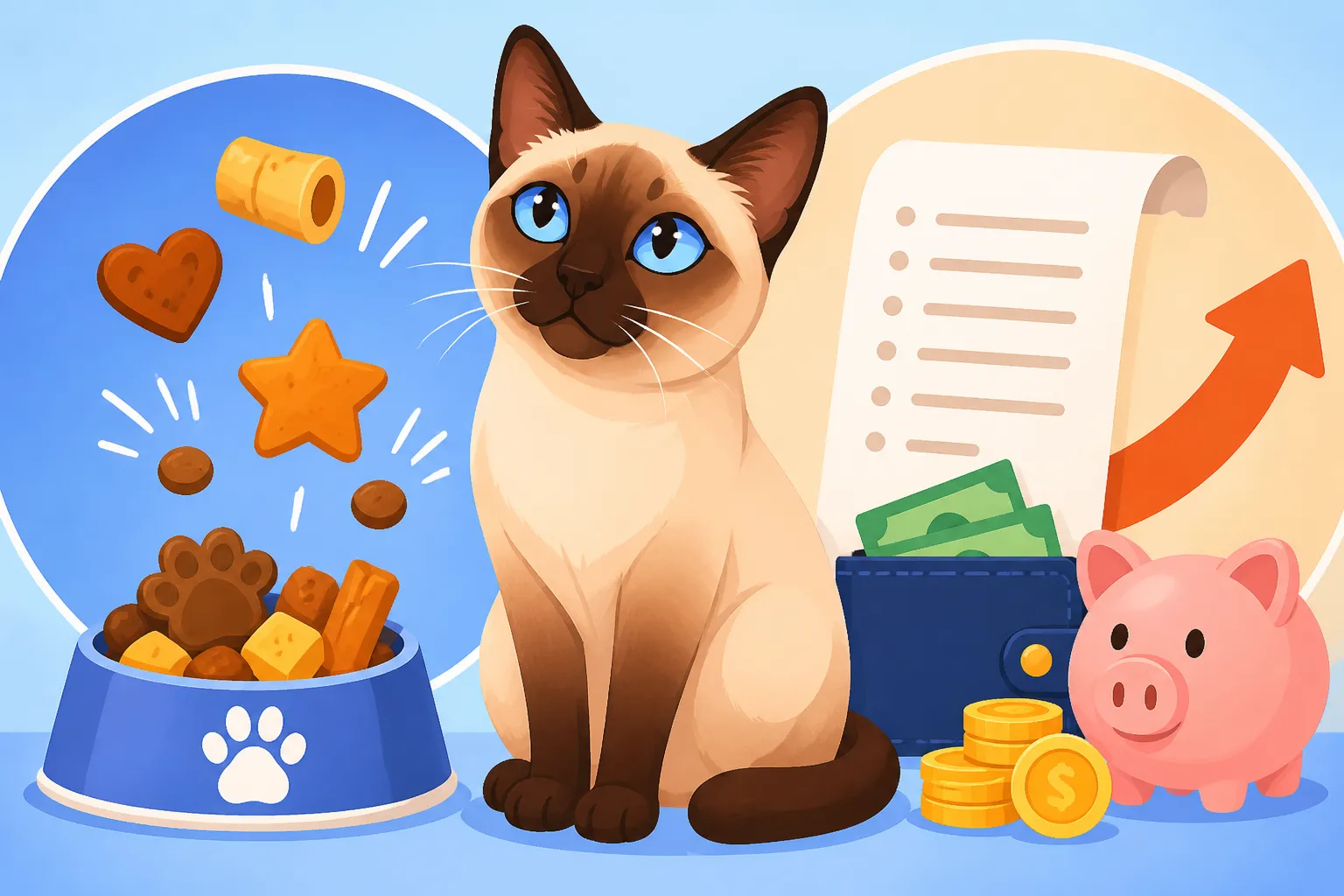
It’s easy to think of cat treats as a small, negligible expense, a little indulgence that barely registers in the grand scheme of pet ownership. But for those of us who share our homes with intelligent, vocal, and often very persuasive Siamese cats, those little bags and pouches can quickly add up, turning into a surprisingly significant portion of the yearly budget. This guide will help you understand the true cost implications of treating your Siamese, exploring different types of treats, budgeting strategies, and how to balance indulgence with your cat's health and your wallet.
The Irresistible Appeal of Treats for Your Siamese
Let's be honest, those big blue eyes and insistent meows are hard to resist, especially when your Siamese has learned exactly how to "ask" for a treat. Siamese cats are known for their strong personalities and their knack for training us rather than the other way around. This means treats often become a regular part of their day, whether for training, bonding, or simply giving in to their charming demands.
Why Siamese Cats Are So Good at Getting Treats
Siamese cats aren't just pretty faces; they're incredibly smart and communicative. They learn routines quickly, and if a routine involves a treat after you get home, or a treat before bed, they'll be there to remind you. Their vocal nature means they’ll let you know, often loudly, when they feel a treat is due. This isn't necessarily a bad thing – it’s part of their wonderful personality – but it definitely means you might find yourself reaching for the treat bag more often than you originally planned. They're masters of observation, quickly associating the rustle of a bag or the opening of a cupboard with a tasty reward.
It's a common scenario: you walk into the kitchen, and suddenly your Siamese is winding around your legs, giving you that piercing stare, maybe even a little "mrow?" that clearly means "where's mine?" If you've ever found yourself explaining to your cat that it's "not treat time," you know the power they hold. This isn't just about food; it's about interaction and the bond you share. Treats can be a powerful tool for positive reinforcement, but their frequent use can certainly inflate your yearly spending.
The Psychological Impact on Owners
Beyond their cats' charming persistence, many owners find giving treats to be a genuine source of joy. It’s a small way to pamper our feline companions, to show affection, and to strengthen that unique bond. After a long day, a simple moment of sharing a treat can feel incredibly rewarding for both of you. This emotional connection means that treats aren't just a commodity; they're a part of the daily ritual and emotional landscape of living with a Siamese.
However, this also means we can sometimes overlook the cumulative cost. A single bag of treats might seem inexpensive, but if you're buying a new bag every week, or even every few days, that seemingly small expenditure quickly multiplies. The pleasure derived from giving a treat can sometimes overshadow the financial reality, making it harder to track or even acknowledge how much is truly being spent annually.
Deconstructing the Treat Aisle: Types and Costs
The world of cat treats is vast, ranging from simple crunchy bits to gourmet freeze-dried options. Understanding the different categories and their typical price points can help you make more informed decisions about what you're actually adding to your Siamese cat's yearly bill.
Everyday Crunchy Treats
These are the most common type of treats you'll find, often coming in a variety of shapes, flavors, and textures. Think of brands like Temptations or Greenies. They are usually quite affordable per bag, making them a popular choice for daily rewards.
While a single bag might cost just a few dollars, the consumption rate for a treat-motivated Siamese can be surprisingly high. If your cat gets, say, 10-15 pieces a day, a small bag might last only a week or two. Over a year, this can easily amount to dozens of bags, pushing the total into the hundreds of dollars. For instance, if you're going through two bags a month, that's 24 bags annually. Even at a modest price, this can become a significant line item in your pet budget. These are often great for general rewards and quick positive reinforcement, but their high palatability can lead to overfeeding if you're not careful.
Soft and Chewy Treats
These treats offer a different texture and are often appealing to cats who might have dental sensitivities or just prefer something less rigid. Brands like Churu or certain varieties from Feline Greenies offer these softer options. They can be a bit more expensive per serving compared to crunchy treats, especially the paste-like squeeze tubes which are often marketed as high-value rewards or a way to administer medication.
Soft treats are fantastic for specific situations, like distracting your cat during nail trims or when administering medicine, because they're so highly desired. However, because they are often larger or consumed more slowly, they can be more calorie-dense. If used too frequently, they can contribute to weight gain. Their higher individual cost and potential for faster consumption means they can add up faster than crunchy treats if not managed. Imagine buying a multi-pack of Churu every two weeks; that's a substantial recurring expense that can fly under the radar.
Dental Treats and Supplements
Many treats are specifically designed to help with dental health, like certain varieties of Greenies, or to provide supplemental nutrients. While these serve a dual purpose (treat and health benefit), they often come at a premium price.
The benefit here is that you're potentially reducing future dental bills, which can be quite hefty for Siamese cats who are often prone to Dental Disease in a Siamese Cat. So, while the upfront cost per bag might be higher, the long-term value could be considerable. However, it's important to remember that they are still treats and contribute to caloric intake. Relying solely on dental treats for oral hygiene isn't a substitute for regular brushing or professional veterinary dental cleanings. These specialized treats can easily be 1.5 to 2 times the price of everyday crunchy treats, and if you're buying them consistently, they’ll certainly impact that yearly total.
Freeze-Dried and Natural Treats
These treats are often made from a single ingredient, such as chicken, salmon, or liver, and are freeze-dried to preserve their nutrients and flavor. They are usually the most expensive option per ounce, but they are also often considered the healthiest because of their minimal processing and lack of artificial ingredients. Brands like PureBites or offerings found on Chewy's natural pet food sections fit this category.
For owners looking for high-quality, guilt-free treats, these are an excellent choice. They are particularly good for cats with allergies or sensitivities to common treat ingredients. However, the price point can be significantly higher. A small bag can cost as much as a large bag of crunchy treats. If you have a Siamese who absolutely adores these, and many do because of their intense flavor, you might find yourself spending a considerable amount. For a cat that gets one or two small pieces a day, a bag might last a while, but if you're generous with them, the annual cost can be substantial.
Here's a quick comparison of general treat categories and what to expect:
| Treat Type | Typical Form | Price Point (per oz/serving) | Primary Benefit | Considerations |
|---|---|---|---|---|
| Everyday Crunchy | Small, hard kibble-like pieces | Low | General reward, variety of flavors | Can be high in calories, easy to overfeed |
| Soft & Chewy | Soft morsels, squeeze tubes | Medium | Palatable, good for medication, sensory appeal | Higher moisture, can be calorie-dense |
| Dental Treats | Textured kibble, chews | Medium-High | Oral health, tartar reduction | Not a substitute for vet care, still adds calories |
| Freeze-Dried/Natural | Single-ingredient, dehydrated | High | High protein, minimal ingredients, very palatable | Most expensive, rich flavor may lead to begging |
Smart Strategies for Managing Treat Costs
It's entirely possible to spoil your Siamese with treats without breaking the bank. The key lies in mindful purchasing and strategic usage.
Bulk Buying and Sales
Just like with human groceries, buying pet treats in larger quantities or taking advantage of sales can significantly reduce your overall expenditure. Keep an eye out for promotions at your local pet store or online retailers like Chewy, which often have deals on multi-packs or larger bags. Signing up for email newsletters from your favorite brands or pet supply stores can alert you to upcoming sales.
Consider buying a large container of your Siamese's favorite crunchy treat, which usually comes with a lower price per ounce. While the initial outlay might be higher, it amortizes over time and means fewer trips to the store. This also applies to multi-packs of softer treats or dental chews. Before you click "add to cart," always calculate the unit price (price per ounce or per serving) to ensure you're truly getting the best deal.
Homemade Treats
If you're feeling a little adventurous in the kitchen, making your own cat treats can be a cost-effective and healthy alternative. You have complete control over the ingredients, ensuring there are no unwanted fillers, artificial colors, or preservatives. Simple options include baking small pieces of cooked chicken or fish until crispy, or blending tuna with a little oat flour and baking it.
This approach allows you to tailor treats to any dietary needs your Siamese might have, such as those with sensitivities. While it takes a little time, the cost of raw ingredients like a chicken breast is often far less than a gourmet bag of freeze-dried treats. Just be sure to research cat-safe ingredients and recipes, and always consult with your vet about any major dietary changes. You can prepare a batch and freeze portions for later, ensuring a steady supply.
Limiting Quantity and Frequency
This might sound obvious, but it’s often the hardest part when faced with a demanding Siamese. Establishing clear rules around treat time can help manage both cost and your cat's weight. Instead of reaching for the bag whenever your Siamese asks, set specific times of day or specific scenarios for treat giving. For example, a treat after playtime, or one at bedtime.
Using treats sparingly also makes them higher value for your cat, increasing their effectiveness for training or special occasions. If your Siamese is always getting treats, they might become less exciting. If your cat tends to finish How Many Calories a Siamese Cat Needs a Day from their regular food, you need to be especially careful about adding extra calories through treats. A good rule of thumb is that treats should make up no more than 10% of your cat's daily caloric intake. This conscious limitation will naturally reduce your yearly treat bill and contribute to your cat's overall health.
Beyond the Bag: Hidden "Treat" Costs and Health Considerations
Sometimes the "treat" bill extends beyond the literal bag of goodies. There are other aspects of Siamese cat ownership where the concept of rewarding them, or issues arising from treats, can incur costs.
Veterinary Bills from Over-Treating
While treats are a joy, excessive indulgence can lead to health problems, particularly weight gain. An overweight Siamese is at higher risk for conditions like diabetes, joint issues, and certain types of heart disease. These conditions often require ongoing veterinary care, prescription medications, and potentially special diets, all of which come with significant costs.
Imagine the scenario: your beloved Siamese, always asking for more, starts packing on the pounds. Soon, vet visits become more frequent, discussions shift to weight management, and suddenly, those inexpensive crunchy treats are indirectly costing you far more in medication and special weight-loss kibble. This is where companies like Healthy Paws, an insurance provider, become incredibly important. While they might cover unexpected illnesses, prevention is always the best approach. Investing in high-quality, measured treats now, rather than over-indulging, can save you a fortune in future veterinary bills.
Dental Health Implications
Not all treats are created equal when it comes to dental health. While some are specifically designed to clean teeth, others can actually contribute to plaque buildup, especially sticky, sugary varieties. Poor dental hygiene can lead to painful dental disease, requiring professional cleanings, extractions, and antibiotics – procedures that can be quite expensive. How Often a Siamese Cat Needs a Dental is a question many owners face, and treat choices can definitely influence the answer.
Even if you choose dental-specific treats, they are not a magic bullet. Regular tooth brushing remains the gold standard for feline dental care. If you find yourself consistently buying dental treats but neglecting brushing, you might still face significant dental costs down the line. A healthy balance of appropriate treats, good oral hygiene practices, and regular vet check-ups is crucial for keeping your Siamese's teeth (and your wallet) in good shape.
The Cost of Alternative Enrichment
Sometimes, what your Siamese is really asking for isn't just a treat, but attention or enrichment. A bored Siamese can be a destructive Siamese, and sometimes a treat is an easy way to deflect that energy. But there are other ways to engage their intelligent minds that don't always involve food.
Puzzle feeders, for example, can turn mealtime or treat time into a mental game, making a smaller quantity of treats last longer and providing valuable stimulation. Investing in robust cat trees, interactive toys, or even just dedicated playtime can satisfy your Siamese's needs for engagement without always resorting to food. Companies like Chewy offer a vast array of enrichment toys that can provide hours of entertainment for your Siamese, potentially reducing their perceived “need” for constant food rewards. These upfront investments in enrichment might seem like an added cost, but they can pay dividends in reducing treat consumption and preventing behavioral issues stemming from boredom.
The Bottom Line on Siamese Cat Treats
So, what do treats actually add to a Siamese cat's yearly bill? The honest answer is: it varies widely, anywhere from a minimal amount to hundreds of dollars, depending on your choices, your cat's demands, and your willingness to say "no" (or find an alternative!).
A truly budget-conscious owner who opts for value-size crunchy treats, uses them sparingly, and perhaps makes some homemade options, might spend as little as $50-$100 a year. On the other hand, an owner who regularly purchases premium freeze-dried treats, uses high-value soft treats daily, and over-indulges a persistent Siamese could easily find themselves spending $300-$500 or more annually.
The most important takeaway is awareness. By understanding the different types of treats, their associated costs, and the potential health implications of over-treating, you can make informed decisions that benefit both your Siamese cat's well-being and your household budget. It's about finding that sweet spot where you can show your beloved feline companion affection and reward good behavior without inadvertently incurring unnecessary expenses or health risks. A happy, healthy Siamese is truly the best reward of all, and with a little planning, you can ensure treats remain a joyful, rather than a financially burdensome, part of your shared life.
Disclaimer
This article is for general informational purposes only and does not constitute professional advice. Laws, prices and regulations vary by location and change over time. Consult a qualified professional for guidance on your specific situation.