What a Siamese Cat’s Emergency Ultrasound Costs
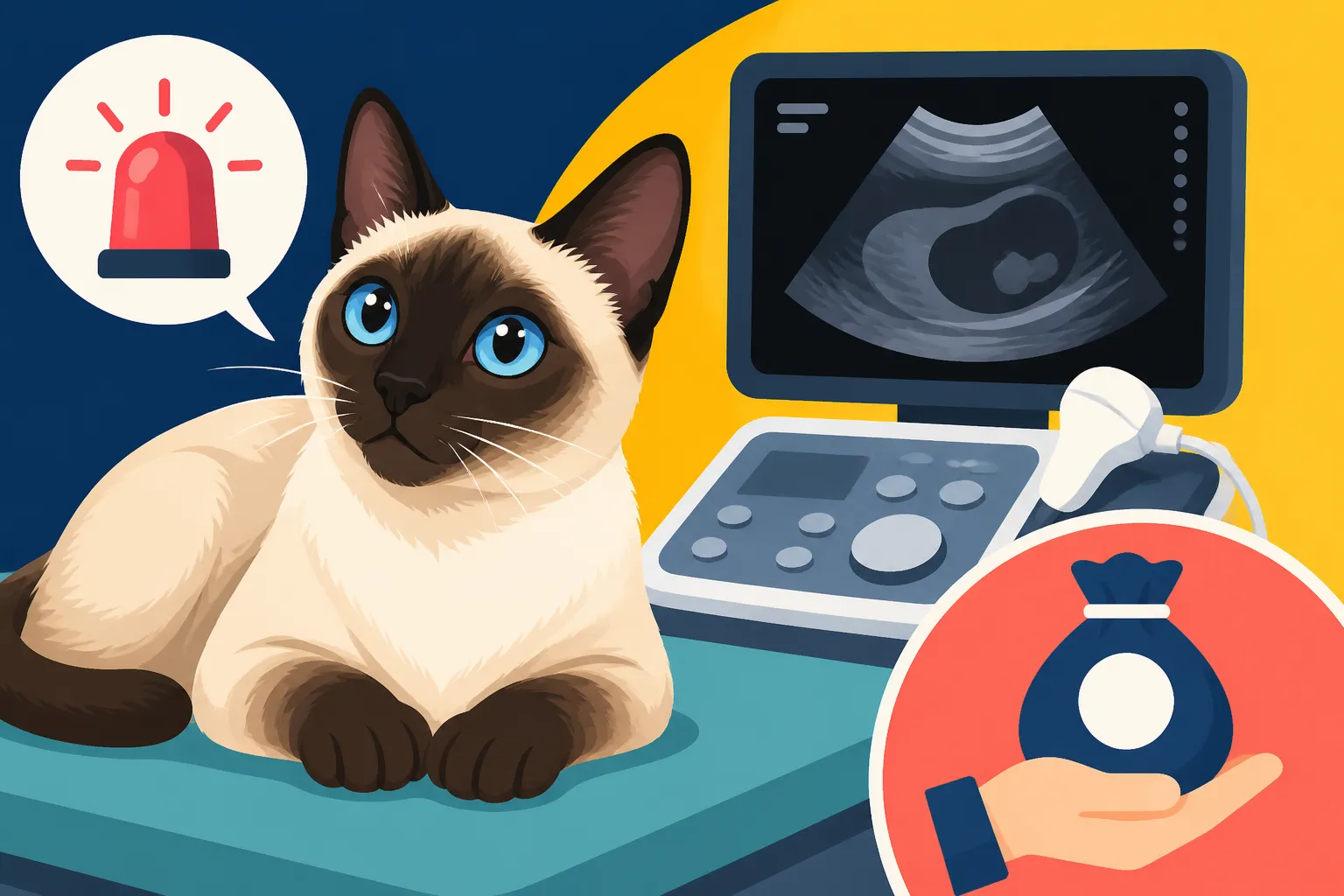
It’s a situation no Siamese cat owner ever wants to face: your normally vivacious, talkative companion suddenly seems unwell. Perhaps they're hiding, refusing food, or worse, showing signs of acute pain or distress. Your heart sinks, and the immediate thought is a rush to the emergency vet. In these terrifying moments, a veterinarian might recommend an emergency ultrasound, a diagnostic tool that can feel both life-saving and incredibly daunting when you start to think about the financial implications. This guide will walk you through what an emergency ultrasound for your Siamese might entail and help you understand the potential costs involved, so you can navigate these stressful times with a little more clarity.
When an Emergency Ultrasound Becomes Necessary for Your Siamese
You know your Siamese cat better than anyone. Their usual demanding meows, their constant shadow, their playful antics – when these suddenly cease or change dramatically, it’s a blaring alarm. Unlike dogs, cats are masters of disguise when it comes to illness, often hiding symptoms until a condition is quite advanced. This makes emergency situations particularly frightening, and veterinarians often need powerful diagnostic tools to figure out what's really going on inside.
Sudden Abdominal Distress and Pain
One of the most common reasons for an emergency ultrasound in a Siamese cat is sudden abdominal distress. This can manifest in a myriad of ways, from incessant vomiting and diarrhea to an obvious reluctance to move, a swollen abdomen, or even crying out when touched. Your vet will first perform a thorough physical exam, which might include palpating your cat’s belly, but often, the internal structures need a closer look that X-rays simply can't provide with enough detail.
Imagine your beautiful Siamese, usually prancing around the house, is now hunched in a corner, refusing their favorite salmon treat. You notice they’re making repeated attempts to vomit, but nothing comes up, or perhaps they're passing only small amounts of liquid stool. This could be a sign of anything from a severe gastrointestinal upset to a foreign body obstruction, or even something as serious as internal bleeding or organ torsion. An ultrasound allows the vet to visualize the soft tissues of the abdomen – the stomach, intestines, liver, kidneys, pancreas, and bladder – in real-time. They can see if there’s a blockage, assess organ health, detect abnormal fluid accumulation, or identify masses. It's often the quickest way to pinpoint the problem and decide on immediate treatment, which could range from supportive care to emergency surgery. For instance, if you suspect your Siamese is suffering from Signs a Siamese Cat Has Liver Amyloidosis, an ultrasound is often the first non-invasive step to assess liver changes.
Unexplained Weakness, Lethargy, or Collapse
Another critical scenario calling for an emergency ultrasound is when your Siamese cat experiences unexplained weakness, profound lethargy, or even collapses. This is terrifying for any pet owner. While blood tests can give clues about organ function and hydration, they don't show the physical state of internal organs or the presence of internal bleeding, which can be life-threatening.
Consider a situation where your normally energetic Siamese, who usually greets you with an enthusiastic What the Siamese Cat's Meezer Yowl Sounds Like, is now listless and struggles to stand. Their gums might be pale, and their breathing shallow. This could point to conditions like severe anemia, heart issues, or internal hemorrhage. A rapid ultrasound scan, often called a FAST (Focused Assessment with Sonography for Trauma/Triage) scan, can quickly check for free fluid in the abdomen or around the heart, indicating potential bleeding or significant organ distress. For a Siamese cat, certain inherited conditions can predispose them to sudden internal issues, such as a liver rupture, which would definitely warrant an immediate ultrasound to confirm Signs a Siamese Cat's Liver Has Ruptured and assess the severity. It’s a vital tool in these high-stakes moments where time is of the essence.
Breaking Down the Costs: What Goes Into a Siamese Cat's Emergency Ultrasound Bill?
When your beloved Siamese needs an emergency ultrasound, the last thing you want to think about is the cost. However, understanding what contributes to the bill can help you feel a bit more prepared. Emergency veterinary care, by its very nature, tends to be more expensive than routine check-ups because it involves specialized equipment, highly trained staff available around the clock, and the urgency of immediate diagnosis and treatment.
Initial Emergency Assessment and Stabilization
Before any ultrasound happens, your Siamese will undergo an emergency assessment. This isn't just a quick peek; it's a comprehensive evaluation by the emergency veterinary team. This initial fee covers the immediate examination by a veterinarian or veterinary specialist, vital signs monitoring, pain assessment, and any preliminary diagnostics deemed necessary before the ultrasound itself.
This could include things like basic blood work (a CBC and chemistry panel to check for infection, anemia, and organ function), urinalysis, or even initial X-rays if the vet suspects a broken bone or needs a general overview before focusing on soft tissues with an ultrasound. You might also see charges for intravenous (IV) catheter placement, IV fluids to combat dehydration or shock, and any emergency medications given to stabilize your cat. For example, if your Siamese is experiencing severe pain or a rapidly progressing issue like a suspected How Amyloid Weakens a Siamese Cat's Liver Wall, stabilizing them first is paramount. These initial steps are crucial to ensure your cat is as safe as possible for further diagnostics and can be a significant portion of the overall emergency visit cost, even before the ultrasound begins.
The Ultrasound Procedure Itself and Interpretation
The cost of the emergency ultrasound is generally multifaceted, covering the use of the specialized equipment, the time of the veterinary professional performing the scan, and the interpretation of the images.
Here’s a breakdown of what typically influences this charge:
- Technician vs. Specialist: In many emergency clinics, a veterinary technician or an emergency vet may perform a screening ultrasound (like a FAST scan) to look for major issues quickly. For a more detailed, comprehensive abdominal ultrasound, a board-certified veterinary radiologist or an internal medicine specialist often performs the scan. Their expertise in identifying subtle changes and diagnosing complex conditions commands a higher fee.
- Time of Day: Emergency services naturally incur higher costs. An ultrasound performed in the middle of the night or on a holiday will almost certainly be more expensive than one done during regular business hours at a general practice.
- Sedation: While many cats tolerate ultrasounds well, some anxious or painful Siamese may require light sedation to ensure they lie still and allow for a thorough examination. This adds to the cost, including the drugs themselves and the monitoring by a veterinary nurse.
- Radiologist Report: Even if the emergency vet performs the scan, the images are often sent to a veterinary radiologist for a formal, detailed report. This specialist interpretation fee ensures the most accurate diagnosis. This report provides a comprehensive analysis of the findings, which is crucial for determining the best course of action. For complex cases, like investigating Whether an Ultrasound Finds Siamese Cat Amyloidosis, a radiologist's expertise is invaluable.
The variation in these factors means there isn’t a single, fixed price for an emergency ultrasound. It truly depends on the specific clinic, the urgency, and the level of expertise required.
| Cost Component | Description | Average Impact on Bill |
|---|---|---|
| Emergency Exam Fee | Initial assessment, physical exam, triage by ER vet. | Moderate to High |
| Stabilization (IV, meds) | IV catheter, fluids, pain meds, anti-nausea drugs, etc. | Moderate to High |
| Ultrasound (Technician/Vet) | Performing the actual scan, basic interpretation. | Moderate |
| Ultrasound (Specialist) | Scan performed by a board-certified radiologist or internal medicine specialist for detailed diagnosis. | High |
| Sedation & Monitoring | Medication costs and veterinary staff time for sedation if needed. | Low to Moderate |
| Radiologist Interpretation | Formal review and report by a specialist, often off-site. | Moderate |
| Other Diagnostics | Blood tests, X-rays, urinalysis, etc., done alongside the ultrasound. | Variable |
It’s completely understandable to feel overwhelmed by these potential costs, especially when your cat is in distress. Many clinics will provide an estimate before proceeding, and it's always okay to ask for a breakdown.
Navigating the Financial Strain: Options for Managing Emergency Vet Bills
The shock of seeing your Siamese unwell is compounded by the stress of an unexpected, potentially high veterinary bill. It’s a common frustration that quality emergency care comes at a price. Thankfully, there are several avenues you can explore to help manage the financial strain of an emergency ultrasound and subsequent treatment.
The Role of Pet Insurance
Pet insurance can be a literal lifesaver in emergency situations. For many Siamese owners, deciding on pet insurance isn't about saving money on routine visits, but about ensuring that they can afford critical, unexpected care without having to make agonizing choices based on finances. If you’ve been proactive and enrolled your Siamese earlier in life, your policy might cover a significant portion of the emergency ultrasound and any related treatments.
Companies like Healthy Paws offer various plans that can reimburse you for a percentage of your vet bills after you meet your deductible. This means that while you’ll still pay upfront, you’ll get a substantial amount back. It's crucial to understand your policy's terms, including deductibles, reimbursement percentages, and any exclusions for pre-existing conditions. For instance, if your Siamese cat needed emergency care for something like What a Siamese Cat's Emergency Liver Bleed Costs due to an inherited condition, you'd want to know Whether Insurance Covers a Siamese Cat's Liver Rupture. While insurance won't prevent the initial sticker shock, it provides a crucial safety net that allows you to focus on your cat's recovery rather than your wallet. If you're considering insurance, it's worth researching What Insuring a Siamese Cat Costs a Month to find a plan that fits your budget and needs.
Other Financial Avenues
Even without pet insurance, you're not entirely without options. Many veterinary emergency hospitals understand the financial burden and have systems in place to help.
- Payment Plans and Credit: Many clinics work with third-party financing companies that offer deferred interest plans or payment options over several months. These plans can break a large bill into more manageable monthly payments. It’s essentially a line of credit specifically for veterinary expenses. Always read the terms carefully to understand interest rates and repayment schedules.
- Emergency Fund: This is often preached, but less often practiced. Having a dedicated emergency fund, even a modest one, specifically for your Siamese cat’s unexpected medical needs can make a world of difference. Even setting aside a small amount each month can build up over time.
- Veterinary Care Assistance Programs: There are numerous non-profit organizations and foundations dedicated to helping pet owners afford emergency veterinary care. Organizations like The Pet Fund, RedRover, and some breed-specific rescues might offer grants or financial aid for qualifying situations. These usually require an application and have specific criteria, so it's best to research them before an emergency if possible, but the emergency clinic staff might also be able to point you to local resources.
- Crowdfunding: While not a guaranteed solution, online crowdfunding platforms have become a popular way for pet owners to raise funds from their communities and beyond. Sharing your Siamese cat's story can often rally support.
Dealing with an emergency is stressful enough. Knowing these financial options exist can provide a little peace of mind when your Siamese needs urgent care, whether it's for an unknown abdominal issue or something like Signs a Siamese Cat Has an Intestinal Blockage.
Preparation is Key: Minimizing the Impact of Future Emergencies
While we can never fully predict when an emergency will strike, we can certainly take steps to prepare ourselves and our beloved Siamese cats. Being proactive about their health and your financial readiness can dramatically reduce stress and potentially save lives when urgent care, such as an emergency ultrasound, is required.
Proactive Health Management and Preventative Care
Preventative care is your first line of defense against many emergency situations. Regular veterinary check-ups are non-negotiable for a Siamese cat, as they allow your vet to catch potential issues early, often before they escalate into emergencies requiring expensive diagnostics.
During these routine visits, your vet will perform a thorough physical examination, listen to their heart and lungs, check their teeth (dental issues can lead to systemic problems), and discuss any behavioral changes you've noticed. For example, knowing How Often a Siamese Cat Needs a Wellness Exam and sticking to that schedule can help detect subtle signs of illness. Early intervention for conditions like dental disease or even monitoring for signs of stress can prevent more serious complications down the line. Discussing What a Siamese Cat's Yearly Bloodwork Should Cover can provide a baseline for your cat's health and flag internal issues before they become critical. Additionally, a high-quality diet plays a huge role in overall health. Fresh, high-quality food can support a strong immune system and healthy digestion, potentially reducing the likelihood of gastrointestinal upsets that might otherwise lead to an emergency ultrasound. Similarly, ensuring your Siamese has access to appropriate enrichment, such as interactive toys and climbing structures (which you can find readily on platforms like Chewy), can prevent stress-induced behaviors like pica, which might lead to foreign body ingestion and blockages that necessitate an ultrasound.
Building Your Emergency Safety Net
Beyond preventative veterinary care, setting up a financial safety net is one of the most responsible things you can do as a Siamese cat owner. Emergencies are often sudden, unexpected, and costly, and having funds readily available can alleviate a huge burden during a crisis.
- Dedicated Emergency Savings: As mentioned before, establishing a separate savings account specifically for your cat's medical emergencies is highly recommended. Even putting away a small amount, like $20-$50, each month can accumulate into a substantial fund over a few years. This fund is meant for those truly unexpected, urgent situations, like suddenly needing to determine Why a Siamese Cat With Amyloidosis Bleeds Internally or What Blockage Surgery Involves for a Siamese Cat.
- Pet Insurance Re-evaluation: If you already have pet insurance, take the time to review your policy annually. Are the deductibles still manageable? Is the reimbursement percentage sufficient? Are there any changes in your cat’s health that might warrant an adjustment to your plan or a discussion with your provider about coverage? If you don't have pet insurance, now is always a good time to research options from providers like Healthy Paws, understanding that there's typically a waiting period before coverage kicks in for new conditions.
- Knowing Your Resources: Familiarize yourself with local emergency veterinary clinics and their typical procedures. Know their hours, location, and whether they offer any payment plans or accept specific third-party financing. Having this information on hand before an emergency strikes means you can act quickly and decisively when every second counts for your beloved Siamese. It’s about being prepared, not just for the emotional toll, but for the practical realities of getting your cat the urgent care they need. The peace of mind that comes from knowing you have options, both medically and financially, is truly invaluable for any Siamese cat parent.
Disclaimer
This article is for general informational purposes only and does not constitute professional advice. Laws, prices and regulations vary by location and change over time. Consult a qualified professional for guidance on your specific situation.