How Much Litter a Siamese Cat Gets Through
Bringing a Siamese cat into your life is an absolute joy, but let's be honest, there are some practical realities that hit you pretty quickly. One of the questions that often surprises new owners, or even seasoned ones looking to optimize their routine, is just how much litter your vocal, active Siamese will actually go through. It's not just about filling the box once; it's an ongoing, surprisingly significant part of their care budget and your daily routine. This guide will walk you through what influences your Siamese cat's litter consumption, how to realistically estimate your monthly needs, and practical tips for managing it all.
Understanding Your Siamese Cat's Litter Habits
Siamese cats, with their intelligent and often demanding personalities, tend to have very specific preferences and behaviors when it comes to their litter boxes. Understanding these nuances is the first step in figuring out just how much litter you'll be cycling through.
Factors Affecting Litter Usage
Several key elements play into how quickly you'll find yourself needing to replenish the litter supply. It's more than just a simple calculation; it's a dynamic interplay of your cat's unique characteristics and your household management.
- Size and Metabolism: While Siamese cats are generally lean and athletic, they have a robust metabolism. This means they eat efficiently, and yes, they also produce waste efficiently. A larger, more active Siamese might naturally produce more waste than a tiny, sedentary older cat, directly correlating to how much litter is absorbed and removed. You might observe changes in their output based on their activity levels and even the weather. A cat that's staying well-hydrated, which is vital for their kidney health (and something to keep an eye on as they age, given conditions like Kidney Disease in an Older Siamese Cat), will also produce a good volume of urine.
- Dietary Habits: What you feed your Siamese has a direct impact on their digestive health and, consequently, their litter box output. A high-quality diet with appropriate fiber content can lead to smaller, firmer stools, which are easier to scoop and tend to absorb less litter. Conversely, a diet that's not quite right for your cat, perhaps causing digestive upset or loose stools, can necessitate more frequent, more thorough scooping, and therefore, more litter usage. If you're using a premium food, you might find their digestive system runs a bit more smoothly, potentially leading to less 'wasteful' scooping. It’s a delicate balance, and sometimes changes in litter box habits are the first sign that something isn't quite right with their food.
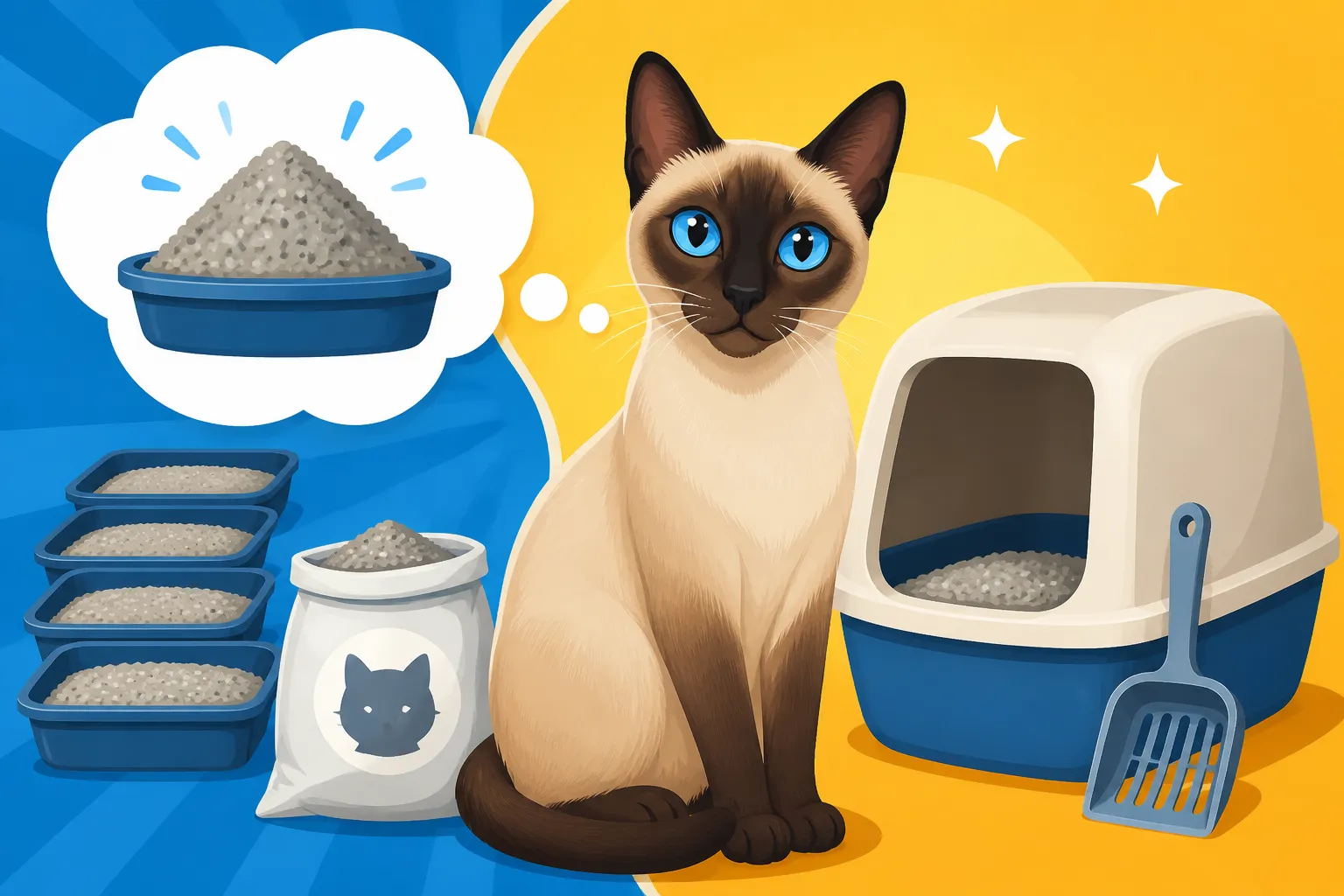
- Number and Location of Litter Boxes: This is a big one. The general rule of thumb is one litter box per cat, plus one extra. So, for a single Siamese, you should ideally have two boxes. If you have two Siamese cats, you're looking at three boxes. More boxes mean more places for your cat to go, distributing the usage, but also meaning more boxes to maintain. If you have fewer boxes than recommended, they will fill up faster, leading to a cat who might hold it or, worse, decide to find a cleaner spot elsewhere in your home. Location also matters; a box in a quiet, low-traffic area is more likely to be used consistently than one tucked away in a noisy laundry room. Remember, a comfortable, clean environment encourages proper elimination habits, which in turn impacts how consistently litter is used and scooped. How Many Litter Boxes a Siamese Cat Household Needs delves deeper into this often-underestimated aspect of cat care.
- Scooping Frequency: This is perhaps the most controllable factor. The more often you scoop, the less overall litter you might use per month, surprisingly. Why? Because clean litter encourages usage, preventing your Siamese from "holding it" or finding alternatives. When waste sits in the box, the odor can permeate the remaining litter, making it less appealing, and forcing you to dump and replace the entire box more frequently. Daily, or even twice-daily, scooping helps keep the litter fresh, allowing you to top it off rather than completely replace it as often. This consistent maintenance also helps you monitor your cat's health, as changes in urine or stool can be early Signs a Siamese Cat Is Unwell.
Siamese Cat Specific Tendencies
Our beautiful Meezers have a few traits that can uniquely influence their litter use. They're not just any cat, after all!
- Picky About Cleanliness: Siamese cats are often described as fastidious, bordering on obsessive when it comes to their litter boxes. If a box isn't up to their pristine standards, they may simply refuse to use it. This isn't out of spite; it's just their nature. This pickiness means you must scoop frequently, or risk them finding a more agreeable 'bathroom' spot, which could be your rug, your laundry pile, or somewhere equally inconvenient. This fastidiousness, while sometimes frustrating, is a good indicator of their overall comfort and well-being.
- High Energy and Curiosity: A bored or stressed Siamese can sometimes develop behavioral issues, including inappropriate elimination. While not directly about litter consumption, it ties into where they use the litter and if they’re using it at all. A stimulating environment can help prevent stress-related behaviors like refusing a perfectly good litter box. What Psychogenic Alopecia Does to a Siamese Cat touches on how stress can manifest in physical ways, and litter box issues are another common stress indicator.
- Vocal Opinions: You know how Siamese cats love to express themselves? They'll let you know if their litter box isn't to their liking. A dramatic yowl or a pointed stare at their soiled box might be their way of telling you it's time for a scoop. This constant communication can be a blessing in disguise, reminding you to keep things fresh, thereby optimizing litter usage by preventing more drastic measures like full litter changes due to severe neglect.
Calculating Your Monthly Litter Consumption
Now that we understand the 'whys,' let's get into the 'how much.' Estimating your actual litter usage can save you money and ensure you never run out unexpectedly.
Average Litter Needs for a Single Siamese
For a typical adult Siamese cat, living in a household with at least two litter boxes that are scooped daily (or twice daily), you can generally expect to go through a certain amount of litter.
- The Baseline: A good starting point for a single, healthy adult Siamese is roughly 10-20 pounds of clumping clay litter per month. This accounts for daily scooping of urine clumps and solid waste, plus a weekly or bi-weekly top-off to maintain an adequate depth of 3-4 inches in the box. If you're using a premium clumping litter, which forms very solid, easy-to-remove clumps, you might find you use slightly less because less "good" litter is accidentally discarded with the waste.
- The 'Top-Off' Factor: Most litter instructions recommend maintaining a certain depth in the box. As you scoop, the volume decreases. You're not just replacing what's soiled; you're also adding to keep the depth ideal for digging and covering. This continuous topping off adds up over the month. For instance, if you start with two boxes, each filled with about 10-15 pounds of litter, and scoop religiously, you might add 5-10 pounds across both boxes over the month. Then, you'll likely do a full dump and clean of each box once a month or every other month, which uses another 10-15 pounds per box. It quickly becomes clear that a 20-pound bag might not last you as long as you initially thought!
Impact of Litter Type on Consumption
The type of litter you choose drastically affects how much you use and how often you need to buy more. Each has its pros and cons in terms of absorption, odor control, and how much is scooped away with waste.
| Litter Type | Key Features | Pros | Cons | Estimated Monthly Usage (Single Siamese) |
|---|---|---|---|---|
| Clumping Clay | Forms solid clumps, good odor control | Easy to scoop, traps odors, widely available | Dusty, heavy, not environmentally friendly, can track | 10-20 lbs |
| Non-Clumping Clay | Absorbs urine, needs frequent full changes | Cheaper upfront, readily available | Doesn't clump, can smell quickly, requires frequent full box changes, less hygienic | 20-30 lbs (or more) |
| Silica Gel (Crystal) | Absorbs moisture, dehydrates solids, good odor control | Excellent odor control, low dust, less frequent scooping of urine | Can be expensive, some cats dislike texture, solid waste still needs daily removal | 5-10 lbs (urine), plus solid waste |
| Pine/Wood Pellets | Natural, absorbs odors, turns to sawdust | Eco-friendly, natural odor control, can be flushable (some types) | Can be messy as pellets break down, some cats don't like texture, requires special sifting box | 10-15 lbs |
| Corn/Wheat/Grass | Natural, clumping, good odor control | Biodegradable, flushable (some types), good clumping, lighter | Can be more expensive, may attract pests if not stored properly, can track, potential allergens | 10-20 lbs |
As you can see, opting for non-clumping litter might seem cheaper initially, but you'll end up using far more of it because it needs to be completely replaced much more frequently. Clumping litters, despite often being a higher price per bag, can actually be more cost-effective over time because you only remove the soiled portions.
Smart Strategies for Managing Litter Use
It’s completely normal to feel like you’re constantly buying litter. But there are definitely ways to get a handle on it, both for your budget and your sanity.
Optimizing Your Scooping Routine
Consistent and correct scooping is your best friend when it comes to maximizing litter longevity and keeping your home smelling fresh.
- The Daily Ritual: Make scooping a non-negotiable part of your daily routine. Twice a day is ideal, once in the morning and once in the evening, especially if you have an active Siamese. By removing waste promptly, you prevent odors from building up and lessen the chance of your fastidious cat finding an alternative spot. This frequent removal also ensures that the remaining clean litter stays fresh and effective for longer, reducing the need for complete litter changes. Think of it as investing a few minutes each day to save money and hassle later on.
- Maintaining Depth: Always keep 3-4 inches of litter in the box. This allows your Siamese to dig properly and fully cover their waste. When the litter is too shallow, urine can soak to the bottom of the box, creating a hard-to-clean mess and wasting litter that essentially gets "glued" to the pan. Regularly topping up the litter ensures efficient clumping and easier scooping. Some folks even keep a small, sealed container of fresh litter right next to each box for easy top-offs after scooping, making the process seamless.
Choosing and Using Litter Wisely
Selecting the right litter and using it effectively can significantly reduce how much you go through each month. It's about finding the balance between cost, performance, and your cat's preferences.
- Quality Over Quantity (Sometimes): While a cheaper litter might seem appealing, it often clumps poorly, leads to more dust, and doesn't control odor effectively. This means you end up scooping out more clean litter with the soiled bits, or you have to dump the entire box more often. Investing in a good quality clumping litter, even if it costs a bit more upfront, can often save you money in the long run because you use less of it. Many cat owners find that premium clumping litters from brands available on Chewy, for example, offer superior odor control and tighter clumps, making them more economical.
- Litter Mats and Track-Proofing: Siamese cats, with their fine fur, can sometimes track litter around the house. This isn't just annoying; it means you're literally losing litter. Placing a good quality litter mat with deep grooves or a mesh design outside each litter box can drastically reduce tracking. High-sided or hooded litter boxes can also help contain scatter, keeping more litter where it belongs. This simple addition can prevent you from sweeping up and discarding perfectly good litter from around the house, making your bag last longer.
- Bulk Buying and Storage: If you've got the storage space, buying litter in larger quantities or in bulk can lead to significant savings per pound. Many online retailers or pet supply stores offer discounts for bigger bags or multi-packs. Just ensure you store it in a cool, dry place to prevent moisture absorption, which can ruin clumping litters, and keep it in a sealed container to deter any pests. A large, airtight bin works wonders for keeping litter fresh and ready to use.
Beyond the Scoop: Choosing the Right Litter and Setup
It’s not just about the litter itself, but the whole experience for your Siamese. A poor setup can lead to waste, stress, and even health issues.
Selecting the Best Litter for Your Siamese
Your Siamese cat's preferences, combined with your priorities, should guide your litter choice. What works for one cat might be a total no-go for another.
- Odor Control is Key: Siamese cats are often housed indoors, making odor control a top priority for most owners. Litters with activated charcoal or baking soda can be very effective. Silica gel litters, also known as crystal litters, are often lauded for their superior odor absorption and ability to dehydrate waste, meaning you remove less material overall. If odor is a constant battle, experimenting with these options can be a game-changer. Just be mindful that some cats are sensitive to strong scents in perfumed litters.
- Texture and Comfort: Some Siamese cats are incredibly particular about the texture of their litter. Fine-grained clay litters often mimic sand, which many cats prefer for digging and covering. Others might tolerate, or even prefer, the larger pellets of pine or paper litter. If your cat is suddenly avoiding the box or digging excessively outside of it, the litter texture might be the culprit. A sudden change in litter can cause a cat to feel uncomfortable, so always introduce new litter gradually by mixing it with their old favorite over a week or two.
- Dust Levels and Respiratory Health: Siamese cats, like all cats, can be sensitive to dust. High-dust litters can exacerbate respiratory issues, such as asthma. Asthma in a Siamese Cat is a serious concern, and a dusty environment from litter can trigger attacks. Look for "99% dust-free" or low-dust formulas, especially if you or your cat have sensitivities. Natural litters like pine, corn, or grass can also be excellent low-dust alternatives, but again, introduce them slowly.
Ensuring an Optimal Litter Box Environment
Even the best litter won't save a bad litter box setup. The environment around the box is crucial for your Siamese's comfort and proper usage.
- Size Matters: The litter box itself should be generously sized – ideally, at least 1.5 times the length of your cat from nose to tail base. Siamese cats are long and elegant, and they need ample space to turn around, dig, and position themselves comfortably. A cramped box can deter them from using it, leading to accidents outside. For an older Siamese, a lower-sided box might be necessary for easier access, especially if they are starting to develop joint stiffness, as mentioned in Caring for an Old Siamese Cat.
- Privacy and Safety: Cats appreciate a sense of security when doing their business. Place litter boxes in quiet, accessible locations where your Siamese won't feel ambushed by children, other pets, or loud household appliances. While some cats prefer open boxes, others might appreciate a covered box for a sense of privacy. However, ensure covered boxes are well-ventilated to prevent odor buildup inside, which can also deter use. The goal is to make the litter box a stress-free zone. Remember that a stressed cat might show signs like Whether a Siamese Cat Urinates When Stressed, so a secure litter box environment is critical.
- Regular Deep Cleans: Even with daily scooping, litter boxes need a thorough cleaning periodically. For clumping litters, a full dump, wash, and refill once a month (or every 2-3 months if you're very diligent with scooping and topping off) is a good rule of thumb. For non-clumping litters, this will be much more frequent, perhaps weekly. Use mild, unscented soap and water; harsh chemicals or strong perfumes can deter your sensitive Siamese from using the box. This deep clean is vital for hygiene, odor control, and preventing bacteria buildup, contributing to a healthier environment for your feline friend.
Disclaimer
This article is for general informational purposes only and does not constitute professional advice. Laws, prices and regulations vary by location and change over time. Consult a qualified professional for guidance on your specific situation.