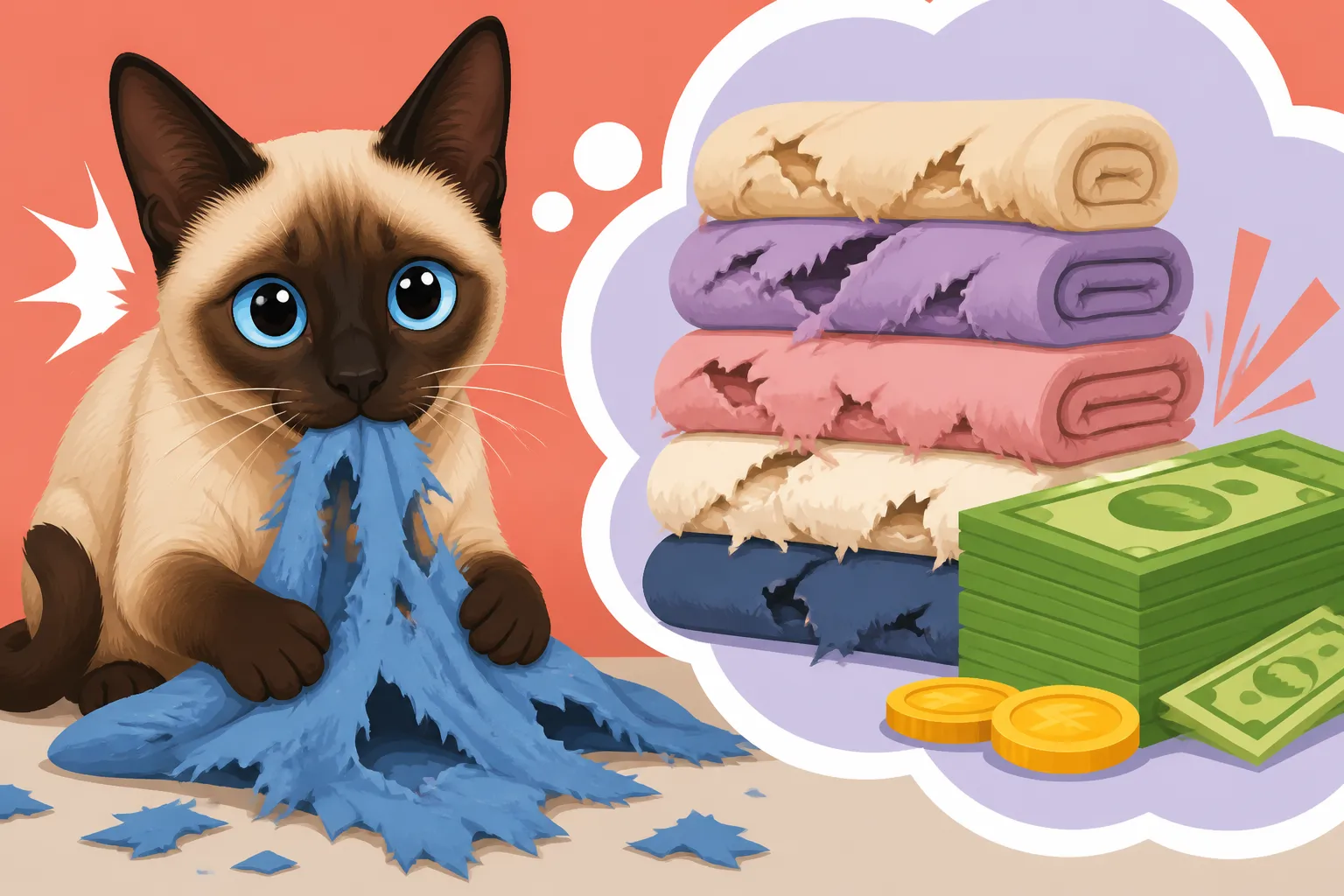
What Replacing Chewed Blankets Costs a Siamese Cat Owner
It’s a tale as old as time for many Siamese cat owners: you lovingly arrange a soft, cozy blanket for your feline companion, only to find it later riddled with tiny holes, shredded threads, or even completely torn apart. This habit of chewing and sometimes ingesting fabric isn't just annoying; it can be surprisingly expensive and even dangerous for your cherished Siamese. This guide will delve into why your Siamese might be turning your textiles into confetti, the real costs involved in replacing those chewed-up blankets, and practical strategies to manage this unique (and costly) behavior.
Why Your Siamese Cat Chews Blankets in the First Place
Before we even get to the cost of replacing those unfortunate blankets, it’s helpful to understand why your Siamese is doing this. It's rarely out of malice, but rather a complex mix of instinct, comfort, and sometimes even medical or behavioral issues unique to their breed.
Instinctive Behavior and Pica
Many Siamese cats have a well-documented genetic predisposition to a behavior called pica, which is the craving and chewing of non-food items. For Siamese cats, this often manifests as wool sucking or fabric chewing. It’s not just a cute quirk; it can be deeply ingrained, perhaps stemming from being weaned too early, or it might just be a breed trait. They might seek out specific textures, like wool, fleece, or even certain blends, finding comfort in the oral sensation. Imagine a human needing a fidget toy, but for a cat, that fidget toy is your favorite cashmere throw. This can be particularly prevalent in kittens, but many carry the habit well into adulthood. You might notice them kneading the fabric first, purring, and then slowly starting to mouth and chew, almost as if they're still nursing. This isn't just destructive; it's a deep-seated comfort mechanism for them. For a deeper dive, check out Why a Siamese Cat Sucks Wool.
Stress, Anxiety, and Boredom
Siamese cats are incredibly intelligent, sensitive, and emotionally complex creatures. They thrive on interaction and mental stimulation. When they're not getting enough attention, feeling stressed by a change in routine, or simply bored stiff, they can turn to destructive behaviors as an outlet. Chewing on blankets can be a self-soothing mechanism, much like a child sucking their thumb. If you've been particularly busy, or if there's been a new addition to the household – a new baby, another pet, or even just rearranged furniture – your Siamese might be expressing their unease through their teeth. A bored Siamese is a mischievous Siamese, and they'll find something to occupy themselves with, often to the detriment of your household items. This is especially true if they are left alone for long periods without adequate enrichment.
Medical Explanations
While less common than behavioral reasons, sometimes blanket chewing can have a medical root. Dental issues, such as painful teeth or gums, might lead a cat to chew on soft objects to relieve discomfort. They might also be experiencing gastrointestinal upset, nutrient deficiencies, or even certain neurological conditions that manifest as unusual cravings or behaviors. It's always a good idea to rule out underlying health problems, especially if the chewing behavior is new, sudden, or accompanied by other worrying symptoms like vomiting, lethargy, or changes in appetite. If you suspect any medical issue, a vet visit is crucial. After all, a healthy cat is a happy cat, and a happy cat is less likely to destroy your duvet.
The Hidden Costs of Blanket Chewing
It might seem like a minor inconvenience – just a blanket, right? But the costs of this specific Siamese cat habit can quickly add up, both directly and indirectly.
Direct Replacement Costs
Let's talk about the obvious first: buying new blankets. Depending on your taste and the type of blankets your Siamese prefers to destroy, this can range significantly. A cheap fleece throw might only set you back a few dollars, but if your cat has a penchant for cashmere, wool, or high-quality decorative throws, you could be looking at a substantial bill each time. And it's rarely a one-off event. This isn't just about replacing the chewed item, but often replacing it with something sturdier or less appealing for chewing, which might mean a different type of fabric or an item that doesn't quite match your decor. If your cat targets a favorite quilt or a beloved family heirloom, the emotional cost can be even higher than the financial one.
| Blanket Type | Typical Cost (Example) | Durability Against Chewing | Replenishment Frequency |
|---|---|---|---|
| Thin Fleece Throw | Low | Very Low | Monthly |
| Cotton Knit Blanket | Moderate | Low to Moderate | Bi-monthly |
| Wool Throw | High | Moderate | Quarterly |
| Designer/Patterned | High | Low | Annually (or less) |
| Heavy Denim/Canvas | Moderate | High | Rarely |
This table illustrates that while a cheap fleece might be easy to replace, you'll be replacing it constantly. Investing in a more durable (and potentially less appealing) material upfront might save you money and frustration in the long run.
Indirect Costs and Damages
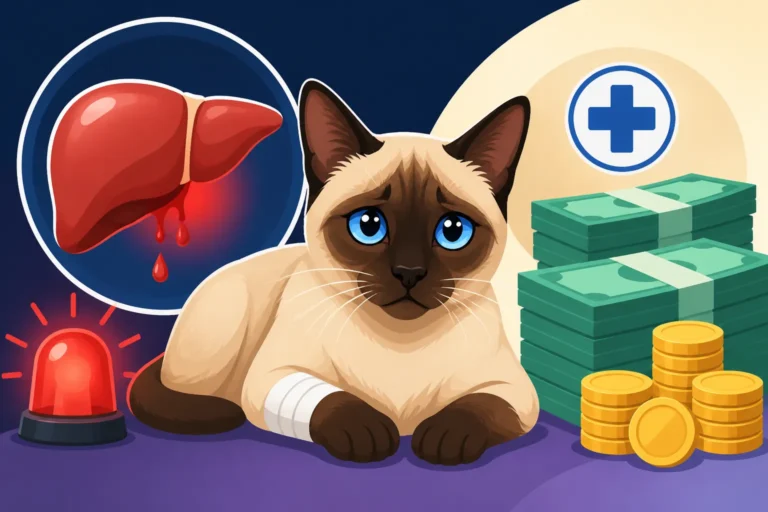
The direct cost of replacing blankets is just the tip of the iceberg. What about the sofa throw that now has a giant hole in it? Or the decorative pillow shredded beyond recognition? Siamese cats, once they get into a chewing habit, often don't discriminate. Your favorite sweater, the corner of a carpet, or even drapes might become targets. Think about the wear and tear on your furniture or other fabric items around the house. Beyond household items, there are potential medical costs. If your Siamese actually ingests significant pieces of fabric, this can lead to serious gastrointestinal blockages. These are veterinary emergencies that can be incredibly expensive, often requiring ultrasounds, X-rays, and potentially surgery. Signs a Siamese Cat Has an Intestinal Blockage are crucial to recognize. Emergency vet visits and surgery for a blockage can run into thousands of dollars, making the cost of a few destroyed blankets pale in comparison. Having pet insurance from a provider like Healthy Paws can certainly help mitigate these unexpected and hefty bills.
Strategies to Minimize Blanket Chewing and Costs
So, what can a frustrated Siamese owner do? The good news is there are several strategies you can employ to redirect this behavior, protect your belongings, and keep your beloved Meezer safe and happy.
Environmental Enrichment and Redirection
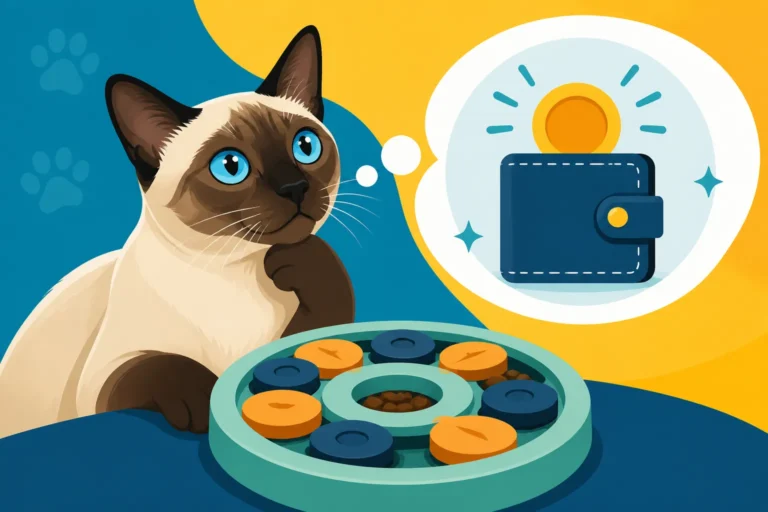
A bored Siamese is a destructive Siamese. Providing ample mental and physical stimulation is paramount. This means interactive play sessions with wand toys, laser pointers, or even crumpled paper balls for at least 15-20 minutes, several times a day. Puzzle feeders are fantastic for engaging their clever minds and making them work for their food, which can be immensely satisfying for them and distract them from chewing. Many owners find success by offering appropriate chew toys designed for cats. Look for durable rubber or silicone toys, or even specific dental chews. Some cats respond well to toys infused with catnip or silvervine. Online retailers like Chewy offer a wide selection of cat-safe toys and puzzle feeders that can keep your Siamese engaged. Consider getting a companion animal for your Siamese, especially if they spend a lot of time alone. A Siamese Cat Should Not Live Alone and a compatible feline friend can provide endless entertainment and companionship, reducing anxiety and boredom-induced chewing.
Material Choices and Protection
If your Siamese has a particular "type" of fabric they love to chew, try to eliminate it from their reach or replace it with less appealing alternatives. For instance, if they target wool, switch to throws made of sturdy denim, canvas, or tightly woven cotton that are less satisfying to chew and harder to shred. You can also try bitter sprays designed to deter pets from chewing, though results can vary from cat to cat. For cherished items, consider storing them away when you're not supervising your cat, or using furniture covers made of durable, non-chewable materials. Providing designated, appropriate chewing outlets can also help. Some cats enjoy chewing on silvervine sticks or even dried meat treats designed for dental health. The goal is to make the undesirable items unappealing and the desirable items readily available. You might even discover your cat prefers a completely different texture to chew on, like cardboard boxes or certain plant-based toys.
When to Seek Professional Help
If despite your best efforts, the blanket chewing persists, or if your cat is ingesting fabric, it's time to seek professional help. Your veterinarian is the first port of call. They can rule out any underlying medical conditions, such as dental pain or nutritional deficiencies, that might be driving the behavior. If medical issues are cleared, a veterinary behaviorist or a certified feline behavior consultant can provide tailored advice and strategies. They can help identify specific triggers for the pica or anxiety and develop a comprehensive behavior modification plan. This might involve environmental changes, new routines, or even anti-anxiety medication in severe cases, often prescribed in conjunction with behavioral therapy. Remember, this isn't a sign of a "bad" cat; it's a call for help, and addressing it professionally can save you money, frustration, and potentially your cat's life by preventing dangerous intestinal blockages. Whether Pica Is a Medical Problem in a Siamese Cat is a good resource to help you understand the severity of this behavior.
Disclaimer
This article is for general informational purposes only and does not constitute professional advice. Laws, prices and regulations vary by location and change over time. Consult a qualified professional for guidance on your specific situation.