Whether a Siamese Cat Can Be Left With a Neighbor
The thought of leaving your beloved Siamese cat when you need to travel can be a source of real anxiety for any owner. We all want the best for our feline family members, and finding reliable, loving care is paramount. While the idea of a trusted neighbor stepping in often seems like the simplest solution, it's crucial to understand the unique personality and needs of a Siamese cat to determine if this arrangement truly is the right fit for them, and for your neighbor. This guide will explore the specific considerations and practical steps to take if you're thinking about neighbor care for your Siamese.
Understanding the Siamese Cat's Unique Needs
Siamese cats aren't just any ordinary housecats; they come with a personality that's as striking as their appearance. Their deep-rooted emotional needs and specific behavioral patterns mean that a casual pet-sitting arrangement might not always cut it. Ignoring these traits can lead to a stressed-out cat, a bewildered neighbor, and a worried you.
Emotional Attachment and Social Nature
One of the most defining characteristics of a Siamese cat is their intense emotional attachment to their human companions. These aren't the aloof, independent cats you might read about; they crave interaction, conversation, and physical affection. Many owners describe their Siamese as dog-like in their loyalty and need for companionship.
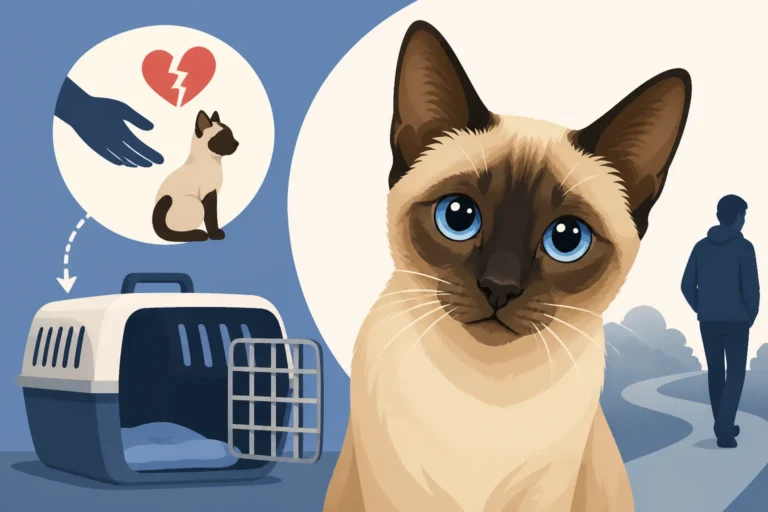
When their primary human is away, especially for an extended period, a Siamese can quickly develop feelings of loneliness or even What Separation Anxiety Looks Like in a Siamese Cat. This isn't just a matter of missing a meal; it's a deep emotional void. A neighbor who simply pops in once a day to feed them and scoop the litter might find your Siamese greeting them with an immediate demand for attention, rather than a polite acknowledgment. This intense need means that a mere five-minute drop-in might not be sufficient to keep their spirits up. They thrive on routine and constant reassurance, and a disruption can make them feel abandoned.
Vocal Communication and Attention Seeking
If you own a Siamese, you know their voice is legendary. They are renowned for their loud, distinctive "Meezer yowl" and their habit of carrying on full conversations with their humans. This isn't just random noise; it's how they express their feelings, demand attention, and voice their opinions on everything from an empty food bowl to the state of world affairs. Why a Siamese Cat Meows So Much isn't just a quirk; it's a fundamental part of their being.
Consider how your neighbor might react to this. Are they prepared for a cat that will loudly lament your absence, follow them from room to room with persistent chirps and trills, and vocalize its every need or perceived slight? While you might find your Siamese's chatter endearing, a neighbor who isn't used to it could find it overwhelming or even alarming. What sounds like a normal conversation to you could sound like distress to someone else. It's vital to prepare your neighbor for the sheer volume and persistence of your Siamese's vocalizations, explaining that it's often just their way of interacting, not necessarily a sign of an emergency (though a sudden change in vocalizations could be!).
Routine Sensitivity
Siamese cats are creatures of habit. They thrive on predictable routines, from the exact time their meals are served to the schedule of their playtime and cuddle sessions. A sudden change in their environment or daily rhythm can be incredibly upsetting for them, leading to stress, anxiety, and even behavioral issues like inappropriate urination or increased wool-sucking (a common stress-related behavior in the breed).
When a neighbor steps in, even with the best intentions, maintaining this precise routine can be challenging. They might have their own work schedule, family commitments, or simply a different idea of what constitutes "on time" for a cat's dinner. For a Siamese, a meal that's an hour late can feel like an eternity, and a missed play session can lead to pent-up energy and frustration. It's not enough for the neighbor to just show up; they need to commit to following your cat's schedule as closely as possible, ensuring consistency in feeding times, litter box maintenance, and dedicated interaction slots. This level of precision is often overlooked but is absolutely critical for a sensitive Siamese.
Evaluating Your Neighbor as a Cat Sitter
Handing over the care of your Siamese to a neighbor means entrusting them with a truly unique and often demanding creature. It's not a decision to be taken lightly, and a thorough assessment of your neighbor's capabilities and willingness is crucial for the well-being of your cat.
Experience with Cats, Especially Siamese
This is perhaps the most important factor. Has your neighbor ever owned a cat before? More specifically, have they ever had experience with a Siamese or a similarly intelligent, vocal, and needy breed? Someone who has only cared for independent outdoor cats or quiet, less demanding breeds might be completely unprepared for the full-on personality of a Siamese.
An experienced cat owner will understand the subtle cues of feline behavior, know how to interpret a particular meow, and recognize signs of stress or illness. They'll know not to leave tempting fabrics out if your Siamese is prone to Why a Siamese Cat Sucks Wool, and they'll understand the importance of interactive play to keep a smart cat like yours engaged. If your neighbor lacks this specific experience, they might misinterpret your Siamese's attempts at communication as aggression or annoyance, or miss crucial signs that your cat isn't doing well. A brief explanation from you might not be enough to impart years of experience. Consider if your neighbor is truly capable of appreciating, and not just tolerating, your Siamese's vivacious nature.
Time Commitment and Availability
As we've established, a Siamese cat is not a low-maintenance pet, even when you're just looking for someone to "check in." They don't just need food and a clean litter box; they need companionship, conversation, and consistent play. A Siamese can quickly feel Signs a Siamese Cat Is Lonely if left without sufficient interaction. Your neighbor needs to be willing and able to dedicate quality time to your cat, beyond the basic care tasks.
Think about your neighbor's typical daily schedule. Do they work long hours? Do they travel frequently themselves? Do they have young children or other demanding pets that might limit their availability to focus on your cat? It's not fair to expect them to put their lives on hold for your feline. A good neighbor sitter for a Siamese should ideally be able to visit multiple times a day, or at least spend a significant block of time during their single visit, actively engaging with your cat. This means playing with wand toys, offering lap time, and simply chatting with them. If your neighbor can only manage a quick pop-in, it might not be enough to prevent your Siamese from feeling neglected.
Reliability and Emergency Preparedness
Life happens, and sometimes things go wrong. What if your Siamese suddenly becomes ill or injured while you're away? Will your neighbor know what to do, and more importantly, will they be able to act quickly and responsibly? This isn't just about feeding schedules; it's about potentially critical situations.
Your chosen neighbor should be someone you trust implicitly to follow instructions, communicate effectively, and handle unforeseen circumstances. This means knowing where your vet's contact information is, having access to your pet insurance details (like Healthy Paws, for instance, which can be invaluable in an emergency), and understanding your wishes regarding medical care. They should know how to get your cat into a carrier, transport them to the vet, and communicate with the veterinary staff. Discussing hypothetical emergencies, such as a sudden refusal to eat or signs of distress, can help gauge their readiness. A reliable neighbor won't hesitate to call you immediately if something seems off, rather than waiting or trying to self-diagnose.
Preparing Your Siamese Cat for Neighbor Care
Even if you have the most amazing, cat-loving neighbor on the planet, proper preparation is the key to ensuring a smooth experience for your Siamese. Remember, these cats are creatures of habit and can be sensitive to change, so introducing your neighbor and setting up the routine in advance is paramount.
Pre-Visit Introductions and Acclimation
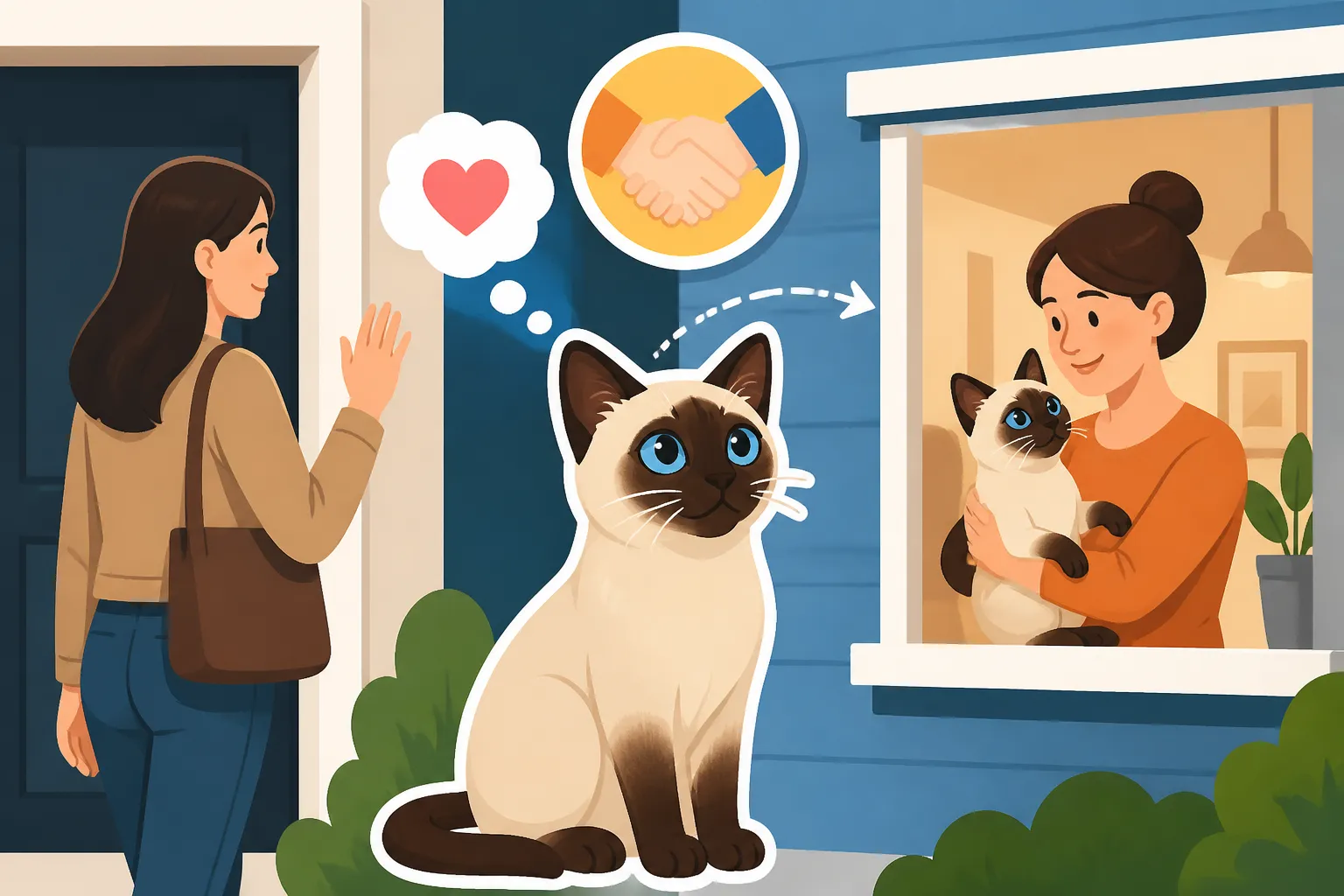
You wouldn't just drop a new person into your Siamese's territory without a proper introduction, would you? The same goes for their temporary caregiver. Before you leave, arrange for your neighbor to visit your home several times while you are present. Let them interact with your Siamese, offer treats, engage in playtime, and even handle some of the routine tasks like feeding or scooping the litter box.
This gradual acclimation helps your Siamese associate your neighbor with positive experiences and familiarizes them with the neighbor's scent, voice, and presence. It helps reduce the shock of a stranger suddenly taking over when you're gone. During these visits, your cat will likely exhibit What a Siamese Cat's Temperament Is Really Like, showcasing their vocalizations and demanding nature. This gives your neighbor a realistic preview of what to expect and allows them to practice handling your cat's unique personality. It also gives you a chance to observe their interactions and ensure everyone is comfortable.
Detailed Instructions and Emergency Contacts
Never assume your neighbor knows everything about caring for a cat, let alone a Siamese. You need to create a comprehensive, easy-to-follow guide that covers every aspect of your cat's care. This document should be placed in a prominent, easily accessible location.
Your guide should include:
- Feeding schedule: Specific times, exact food portions, brand preferences (e.g., specific wet food from Chewy, or a certain dry kibble).
- Water sources: Where fresh water is kept, whether they use a fountain, and how often it needs cleaning.
- Litter box routine: How often to scoop, where to dispose of waste, and what type of litter to use.
- Playtime preferences: Your Siamese's favorite toys, games, and how long they typically play.
- Medication schedule: If applicable, detailed instructions on dosage and administration.
- Emergency contacts: Your cell phone number, an alternative contact person, your veterinarian's office number, and the number for the nearest emergency veterinary clinic. Make sure your vet has a note on file authorizing your neighbor to bring your cat in and discuss care if needed.
- House instructions: How to lock up, alarm codes, where basic supplies are kept.
A clear, detailed list leaves no room for guesswork and significantly reduces the stress for both your cat and your neighbor.
Setting Up the Home Environment
Your home is your Siamese's sanctuary, and maintaining familiarity is key. Before you leave, ensure everything is set up to support your cat's comfort and routine.
- Food and Water Stations: Keep food and water bowls in their usual spots. If your cat is used to a water fountain, ensure it's clean and functioning.
- Litter Boxes: Scoop them thoroughly before you go and show your neighbor where the scoop and disposal bags are. Have extra litter readily available.
- Comfort Zones: Ensure access to all your Siamese's favorite napping spots, cat trees, and perches. Don't close off rooms they usually frequent. If your cat likes to sleep with you, provide a cozy, familiar blanket or bed in your bedroom.
- Toys and Enrichment: Leave out a variety of toys, especially interactive ones that your Siamese loves. Puzzle feeders can be a great way to provide mental stimulation and slow down eating, which might be helpful if your neighbor is only visiting once a day. For their social needs, even having the TV or radio on for some background noise can help combat How Long a Siamese Cat Copes Alone. If you use a pet camera, ensure it's set up and functioning so you can check in.
The goal is to minimize any changes to their environment, making your absence less disruptive. This also means making sure your neighbor knows where everything is – from the cat's favorite wand toy to the bag of treats.
Pros and Cons of Neighbor Care for a Siamese Cat
Deciding on the best care for your Siamese while you're away involves weighing the benefits against the potential challenges. While a neighbor can be a convenient option, it's essential to consider it from both your cat's and your neighbor's perspective.
Advantages for the Cat and Owner
Keeping your Siamese in their familiar home environment is often the top reason owners consider neighbor care. Cats are notoriously territorial and generally prefer to stay in their own space, rather than being moved to a boarding facility. This continuity helps to reduce stress, as they maintain access to their usual hiding spots, toys, and scents. How a Siamese Cat Handles a House Move can be very stressful for them, so avoiding any relocation is a big plus.
From a practical standpoint, neighbor care can also be more cost-effective than professional pet sitters or boarding kennels. While a thoughtful owner might offer a small payment or gift, it's often less than the fees charged by dedicated pet care services. Plus, if your neighbor is truly a friend, there's an inherent level of trust and familiarity that can be reassuring. They're also usually nearby, making it easy for them to pop over quickly if an unforeseen issue arises, potentially even faster than a professional who might have multiple clients across town.
Potential Drawbacks and Risks
Despite the advantages, there are significant downsides, especially when dealing with a Siamese cat's specific needs. The biggest risk is the potential for insufficient socialization and interaction. As we've discussed, Siamese cats are intensely social. A neighbor, however well-meaning, might not be able to provide the sustained attention and companionship your Siamese truly needs. This can lead to increased vocalizations, destructive behaviors out of boredom or anxiety, or even withdrawal. While Whether a Cat Sitter Is Enough for a Siamese Cat might be true for some breeds, a casual neighbor visit might not cut it for the highly social Siamese.
Another major concern is a lack of specialized experience. A neighbor might not recognize subtle signs of illness or distress that an experienced pet sitter or a vet tech at a boarding facility would immediately pick up on. If your Siamese is known for specific quirks like Psychogenic Alopecia in a Siamese Cat when stressed, or has a tendency towards Why a Siamese Cat Chews Wool and Swallows It, your neighbor might not be equipped to manage these complex behaviors or understand their implications. There's also the burden on your neighbor; what starts as a kind favor can quickly become a significant responsibility, especially if your cat requires more attention than anticipated or if an emergency occurs. This can strain the neighborly relationship.
Finally, while having your cat stay at home is ideal, the quality of care is paramount. If your neighbor is inconsistent with feeding times, misses litter box scoops, or doesn't engage with your cat, the "familiar environment" benefit is quickly negated by a decline in their well-being. It’s always a good idea to ensure you have a backup plan, or to seriously consider professional alternatives if your neighbor can't commit to the high level of care your Siamese demands.
| Feature | Neighbor Care (for Siamese) | Professional Pet Sitter (for Siamese) | Boarding Facility (for Siamese) |
|---|---|---|---|
| Familiarity of Environment | High (cat stays home) | High (cat stays home) | Low (new environment) |
| Emotional Interaction | Varies widely (depends on neighbor's availability/interest) | High (dedicated professional attention) | Varies (staff attention split among many animals) |
| Adherence to Routine | Varies (depends on neighbor's schedule/commitment) | High (specific instructions followed) | Moderate (facility's routine may differ from home) |
| Cost | Low (often a favor or small payment) | Moderate to High | Moderate to High |
| Experience Level | Varies (often limited cat-specific experience) | High (trained in animal behavior/care) | High (trained staff, vet on call) |
| Emergency Response | Varies (depends on neighbor's knowledge/availability) | High (protocols in place, experienced in crises) | High (on-site veterinary care/access) |
| Cat's Stress Level | Moderate to High (due to owner absence, potential lack of interaction) | Low to Moderate (familiar home, consistent interaction) | Moderate to High (new environment, many other animals) |
| Owner Peace of Mind | Varies (depends on trust in neighbor) | High (professional, insured, experienced) | Moderate (can check in, but cat is not home) |
Disclaimer
This article is for general informational purposes only and does not constitute professional advice. Laws, prices and regulations vary by location and change over time. Consult a qualified professional for guidance on your specific situation.