A Siamese Cat Should Not Live Alone
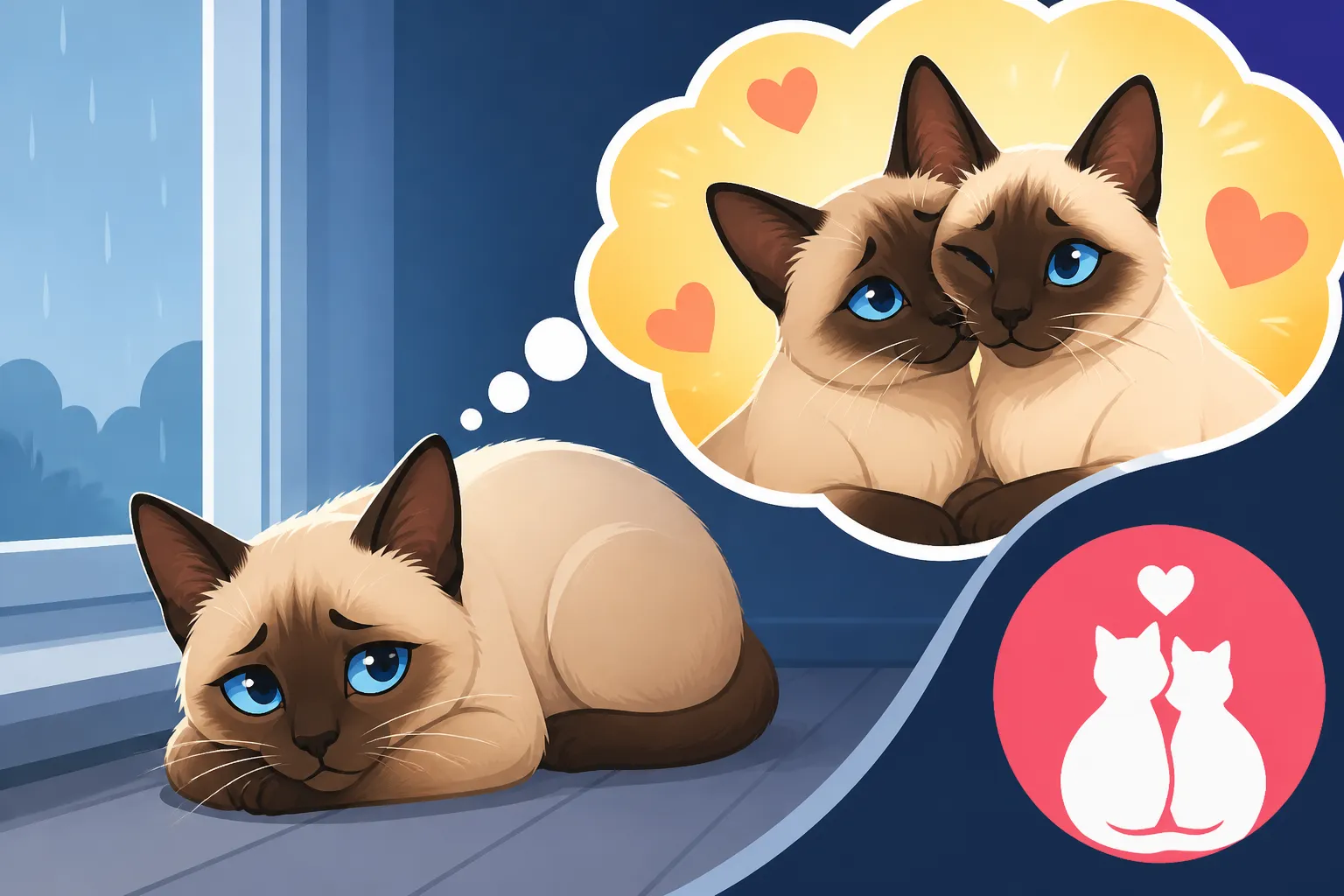
It's a common misconception that all cats are solitary creatures, content to nap the day away without much human interaction. But if you're a Siamese cat owner, or considering becoming one, you've likely already sensed that this simply isn't true for our vocal, intelligent, and incredibly social feline friends. Leaving a Siamese cat alone for extended periods can lead to deep unhappiness and a host of behavioral issues, making it crucial to understand their unique social needs and how best to meet them for a truly happy, well-adjusted companion.
Understanding the Siamese Cat's Deep Need for Connection
Siamese cats aren't just pets; they're family members who demand and thrive on interaction. Their lineage as "royal cats of Siam" suggests a history of close companionship with humans, and that deeply ingrained trait persists today. Unlike some other breeds that might tolerate solitude with a shrug, a Siamese craves connection with an intensity that can surprise first-time owners.
The Siamese Personality: More Dog Than Cat
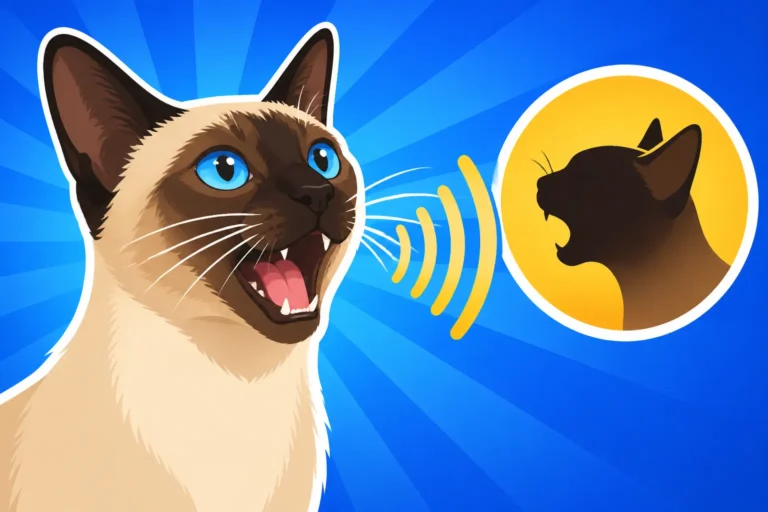
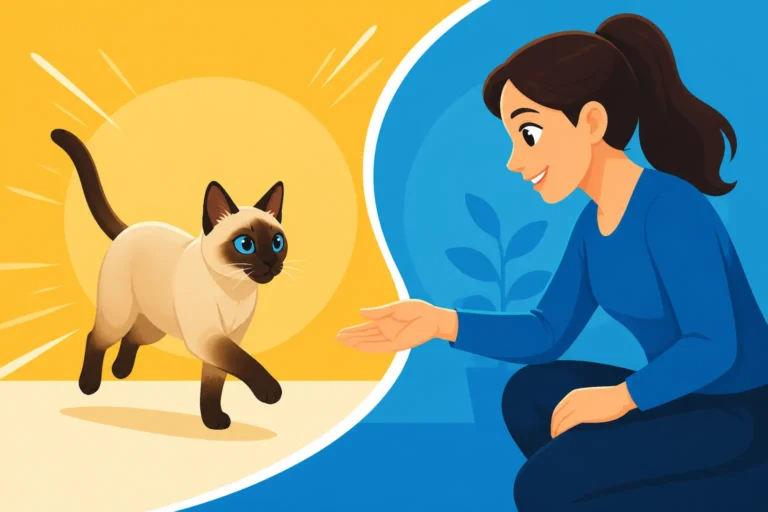
Many Siamese owners will tell you that their cats are "more like dogs" in their personality, and there's a lot of truth to that. They often form incredibly strong bonds with one or two primary caregivers, following them from room to room, supervising their daily activities, and even engaging in games of fetch. This isn't just a quirky habit; it's a fundamental aspect of their emotional makeup. They thrive on being involved, on being the center of your universe, and on communicating their needs and observations with their distinctive, often loud, vocalizations. This constant "conversation" is their way of connecting, and when that connection is missing, they feel it profoundly. The Siamese Cat Talks and Expects an Answer is a core truth for anyone sharing their life with one of these wonderful cats.
Imagine a highly intelligent, intensely loyal friend who has an insatiable curiosity and boundless energy. Now imagine leaving that friend in an empty house for hours on end, day after day. That's essentially what it's like for a Siamese cat who doesn't have sufficient social interaction. Their active minds and affectionate natures mean they need mental stimulation and emotional reciprocation. They don't just want to be in the same room; they want to be with you, interacting, playing, or simply curled up close, purring their loud, rumbling purr. This isn't neediness; it's just who they are, and understanding this is the first step to ensuring their well-being.
Why Loneliness Hits a Siamese Cat Harder
The unique genetic makeup and historical context of the Siamese breed have cultivated a cat that is intrinsically designed for companionship. They are known for their high intelligence, which means they get bored easily if not given adequate mental challenges. Combine this with their extremely affectionate and vocal nature, and you have a recipe for distress when left alone. A bored or lonely Siamese isn't just a bit sad; they can become genuinely distraught.
This isn't merely about feeling a bit wistful; it's about a deep, instinctual longing for engagement. When a Siamese doesn't receive the attention they need, their natural inclination to communicate often turns into excessive yowling or meowing, a desperate attempt to summon interaction. This constant vocalization can be incredibly frustrating for owners, but it's a direct symptom of unmet social needs, not an act of defiance. Their energetic tendencies can also manifest destructively, as they seek outlets for their pent-up energy and frustration, perhaps by scratching furniture or knocking items off shelves. They are problem-solvers by nature, and if their "problem" is boredom or loneliness, they will find their own (often unwelcome) solutions.
The Risks of Leaving a Siamese Cat Alone for Too Long
While it might seem convenient to think of cats as self-sufficient, a Siamese cat left alone for extended periods can develop serious behavioral and psychological issues that impact both their quality of life and your relationship with them. This isn't merely about feeling neglected; it's about their fundamental needs not being met, leading to genuine distress.
Behavioral Problems Stemming from Solitude
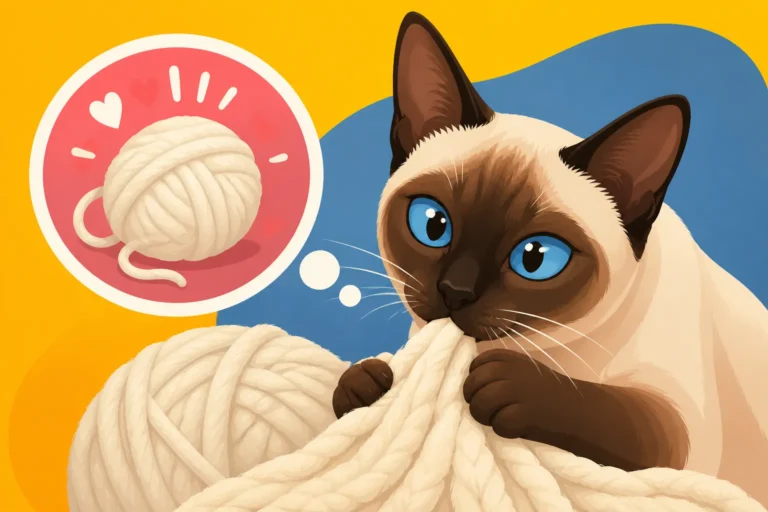
A Siamese cat with too much alone time can quickly fall into destructive patterns. They are incredibly clever and require constant mental and physical engagement. Without it, their natural curiosity turns into mischief, and their energy into frantic activity. You might come home to find your carefully arranged shelves ransacked, or your favorite houseplants nibbled to shreds. This isn't spite; it's a deeply bored cat creating its own entertainment. They might start What a Bored Siamese Cat Destroys as a desperate attempt to alleviate their boredom.
Another common manifestation of loneliness is redirected aggression. A cat that isn't receiving enough positive interaction might become overly stimulated or frustrated, leading to nipping or scratching during play that feels more intense than usual. They might also start to demand attention in ways that are hard to ignore, like persistently pawing at you or even preventing you from working or sleeping, because they've learned that negative attention is still attention. This can become a vicious cycle where the cat's desperate pleas for interaction are met with frustration, further exacerbating the problem.
The Toll of Stress and Anxiety
Beyond behavioral issues, prolonged solitude can inflict significant emotional and physical stress on a Siamese cat. They are creatures of routine and strong attachments. When their primary source of companionship (you!) is absent for long stretches, they can develop genuine What Separation Anxiety Looks Like in a Siamese Cat. This isn't just a convenient label; it's a recognized condition in pets, and Siamese cats are particularly susceptible.
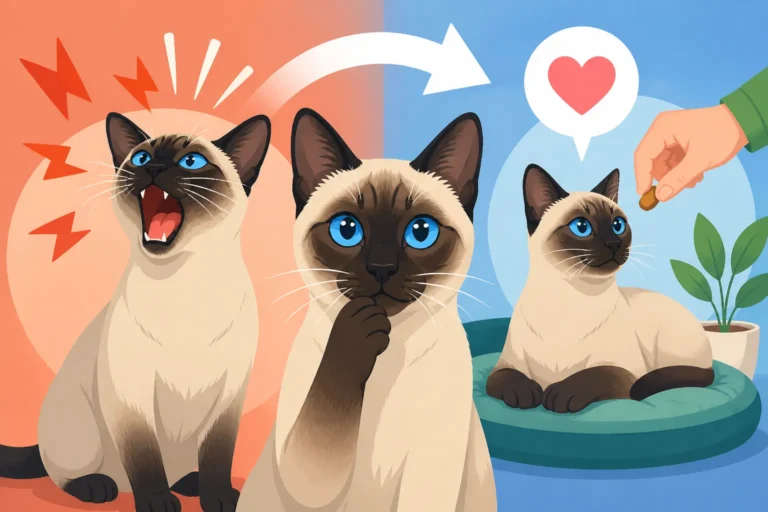
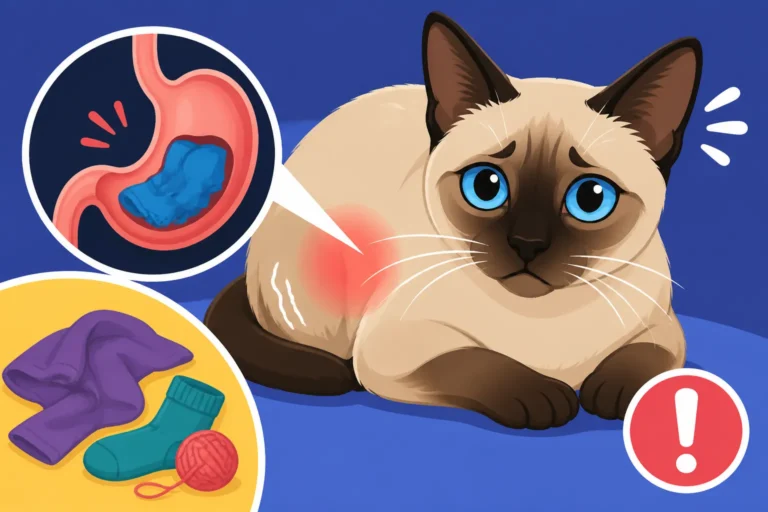
The constant anxiety can lead to a range of stress-induced behaviors. Some cats might over-groom, leading to bald patches or skin irritation, a condition known as Why a Stressed Siamese Cat Licks Itself Bald. Others might develop inappropriate urination or defecation outside the litter box, which is a clear cry for help rather than a sign of defiance. Chronic stress can also weaken their immune system, making them more susceptible to illness, or it can exacerbate existing health conditions. A Siamese cat's vibrant personality can dull under the weight of loneliness, turning a playful, interactive companion into a withdrawn or anxious shadow of their former self. This emotional toll is perhaps the most heartbreaking consequence of an otherwise well-meaning owner misunderstanding their Siamese's profound need for company.
Recognizing the Signs of Loneliness and Separation Anxiety
It's easy to miss the subtle cues our pets give us, especially when we're busy. But for a Siamese cat, those cues can quickly escalate into undeniable signs of distress. Knowing what to look for can make all the difference in addressing their needs before problems become entrenched.
Key Indicators of a Lonely Siamese
A lonely Siamese cat will often exhibit a change in their typical demeanor or habits. One of the most obvious signs is excessive vocalization. While Siamese cats are known for being chatty, a lonely cat might yowl constantly, even when fed, clean, and healthy. This isn't their usual conversational chirps; it's a plaintive, drawn-out call for attention that can start as soon as you leave and continue until you return. You might notice this if neighbors mention the noise, or if you use a pet camera while you're out.
Beyond vocalizations, a lonely Siamese might become overly clingy when you are home, following you relentlessly, demanding constant petting, or refusing to let you out of their sight. They might also lose interest in play or their usual routines, appearing lethargic or withdrawn, or conversely, become hyperactive and destructive. A change in appetite, either eating too much or too little, can also be a red flag. Pay attention to Signs a Siamese Cat Is Lonely and don't dismiss them as mere quirks.
Differentiating Loneliness from Separation Anxiety
While often intertwined, it's helpful to understand the nuances between general loneliness and clinical separation anxiety in Siamese cats. Loneliness is a feeling of sadness or emptiness due to lack of companionship, which can lead to the behaviors mentioned above. Separation anxiety, however, is a more intense, fear-based response to being left alone, often rooted in an unhealthy over-attachment to a specific person or people.
Here's a table to help distinguish between them:
| Symptom | General Loneliness | Separation Anxiety |
|---|---|---|
| Vocalization | Increased, plaintive meowing/yowling while alone. | Intense, frantic, often non-stop vocalization immediately upon your departure. |
| Destructive Behavior | Chewing, scratching, knocking things over out of boredom. | Often directed at exit points (doors, windows) in an attempt to escape or follow you. |
| Urination/Defecation | May happen due to neglect or stress, but not consistently linked to your absence. | Occurs only when left alone, specifically in your absence, often near the door you left from. |
| Clinginess | May seek more attention when you are present. | Exaggerated greetings upon return, follows you everywhere, panicked if you leave their sight even when home. |
| Appetite | Can be affected, but not always a primary symptom. | May refuse to eat or drink when left alone, even if food is available. |
| Distress Level | Sadness, boredom, frustration. | Panic, fear, genuine distress, sometimes self-injury. |
If you suspect your Siamese is suffering from separation anxiety, it's really important to consult with your vet or a feline behaviorist. They can help rule out underlying medical conditions and provide guidance on behavior modification techniques, and possibly even medication if necessary, to help How Psychogenic Alopecia in a Siamese Cat Is Treated or other stress responses.
Why a Companion Cat is Often the Best Solution
For many Siamese cat owners, the most effective way to combat loneliness and ensure their cat's happiness is to bring another feline friend into the home. It’s not a magic bullet, but for this incredibly social breed, another cat can provide the constant companionship and interaction that a human, no matter how devoted, simply cannot offer 24/7.
The Benefits of a Second Cat for a Siamese
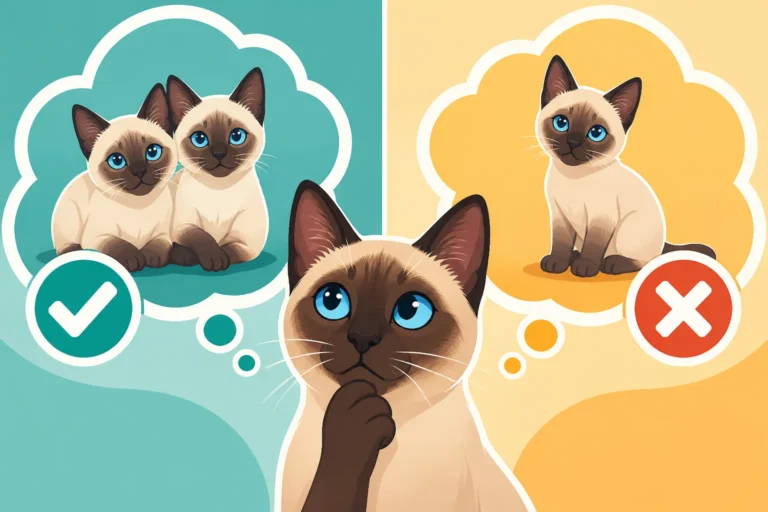
Having another cat, especially another Siamese or a similarly energetic and intelligent breed, can be transformative. The immediate benefit is constant companionship. While you're at work or running errands, your two cats can keep each other entertained, groomed, and engaged. They can play together, chase each other through the house, or simply nap side-by-side, providing that essential social connection that wards off loneliness. This significantly reduces the chances of your Siamese developing the destructive behaviors or anxiety we discussed earlier. When a Siamese Cat Needs a Second Cat is often when their human's schedule simply doesn't allow for enough one-on-one time.
Beyond just preventing negative behaviors, a companion cat enriches their lives in positive ways. They learn from each other, engage in social grooming, and fulfill each other's innate need for feline interaction. Watching two Siamese cats wrestle, groom, and communicate with each other is a joy, and it’s clear they derive immense pleasure from each other's company. It's a natural way for them to express their inherent sociability and satisfy their high play drive.
Choosing the Right Companion for Your Siamese
Introducing a second cat requires careful consideration to ensure a harmonious household. The ideal companion for a Siamese is often another Siamese cat, or a breed with a similar temperament and energy level, like an Oriental Shorthair or a Tonkinese. These breeds share the Siamese's intelligence, playfulness, and vocal nature, making them more likely to bond and engage in reciprocal play. A shy, quiet cat might be overwhelmed by a boisterous Siamese, leading to stress for both. Which Companion Suits a Siamese Cat often comes down to matching personalities and energy.
It's also generally recommended to consider a cat of a similar age. A young, energetic Siamese kitten might be too much for an older, more sedate cat, while a senior Siamese might not appreciate the boundless energy of a kitten. Introducing a cat of the opposite sex, if both are spayed/neutered, can sometimes lead to an easier integration, as same-sex aggression can occasionally occur. When considering bringing home a second cat, look for signs that your existing Siamese might actually appreciate a friend, rather than feeling threatened.
When it comes to the actual introduction, patience is key. Don't just plop the new cat down in front of your resident Siamese. Gradual introductions, using scent swapping, controlled visual contact, and supervised interactions, will set everyone up for success. This process can take weeks, or even months, but investing the time upfront will prevent long-term stress for all your furry family members.
Alternative Ways to Provide Enrichment and Combat Solitude
While a companion cat is often the ideal solution for a Siamese, it's not always feasible. Perhaps you live in a small space, or your current Siamese simply doesn't tolerate other animals. In these cases, it becomes even more critical to find alternative ways to provide the mental and physical stimulation your highly intelligent and active Siamese needs to thrive.
Maximizing Human-Cat Interaction
Even if you can't be home all day, the time you are home is golden for your Siamese. Make every interaction count. Dedicate specific, consistent playtimes each day. Siamese cats absolutely adore interactive toys like feather wands, laser pointers (with a physical "catch" at the end to prevent frustration), or crinkle balls that they can chase and "hunt." How Much Play a Siamese Cat Needs is often underestimated; they thrive on structured play sessions that mimic hunting, helping them burn off energy and satisfy their predatory instincts.
Engage them in conversation. Remember, these are highly vocal cats who genuinely seem to understand and respond to human speech. Talk to them as you go about your day, acknowledge their meows, and reassure them with your voice and touch. Physical affection, like petting, cuddling, and grooming, also deepens your bond and provides comfort. Even a few minutes of focused, positive attention several times a day can make a significant difference to their emotional well-being.
Environmental Enrichment for Alone Time
When you're out, your home needs to become an engaging playground to prevent boredom. Think vertically: cat trees, shelves, and window perches provide vantage points and opportunities for climbing and exploration. Look for durable, multi-level cat trees on platforms like Amazon that offer scratching surfaces, hiding spots, and elevated napping areas. These structures can fulfill their need to survey their territory and burn energy.
Puzzle feeders are another fantastic tool for mental stimulation. Instead of simply putting food in a bowl, make your Siamese "work" for their meals. These feeders dispense treats or kibble only when manipulated correctly, engaging their problem-solving skills and slowing down their eating. You can find a wide variety of puzzle feeders on Amazon, from simple treat balls to more complex contraptions. Leaving out a variety of rotating toys can also help, ensuring there's always something new and interesting to bat around. Consider an automated toy that moves unpredictably, or even a bird feeder outside a window for some "cat TV." For a deeper dive into preventing boredom, check out Enrichment for a Siamese Cat That Gets Bored in an Hour.
Technology and Professional Help
Modern technology offers some interesting solutions for pet parents. Pet cameras with two-way audio allow you to check in on your Siamese and even talk to them while you're away. Some advanced cameras even have treat dispensers, letting you reward good behavior remotely. These can provide a sense of connection and help alleviate anxiety, both for you and your cat.
If your schedule means long hours away, consider hiring a professional pet sitter or having a trusted friend or family member visit your Siamese once or twice a day. This isn't just about feeding them; it's about providing that crucial human interaction and play session. A good pet sitter will engage with your cat, offer cuddles, and ensure they're not just existing, but truly living. While it's an added expense, the peace of mind and the positive impact on your Siamese's well-being are immeasurable.
Preparing Your Home and Routine for a Social Siamese
Bringing a Siamese cat into your life is an incredible joy, but it also comes with the responsibility of meeting their specific needs. Because they are so highly social, preparing your home and establishing a routine that supports their emotional well-being is paramount. It’s not just about providing food and shelter; it’s about creating an environment where their vibrant personality can truly shine.
Establishing a Consistent Routine
Siamese cats thrive on predictability. A consistent daily routine provides a sense of security and reduces anxiety, especially for a cat that might otherwise feel vulnerable when left alone. This means consistent feeding times, regular play sessions, and predictable interaction windows. For example, waking up and playing with your Siamese for 15-20 minutes before breakfast, another play session when you get home from work, and a final cuddle before bed.
Knowing when to expect attention helps them manage their time alone. If they know that dedicated playtime and cuddles are coming, they might be more content to nap or entertain themselves during your absence. Try to avoid dramatic shifts in your schedule when possible. If your work hours change, gradually adjust their routine to minimize disruption. A predictable routine for a Siamese is like a sturdy anchor in their emotional world, keeping them grounded and secure.
Cat-Proofing and Safe Spaces
Given their intelligence and mischievous nature, cat-proofing your home for a Siamese is a bit like child-proofing for a very clever toddler. Secure cabinets, put away fragile items, and ensure any toxic plants are out of reach. Remember, a bored Siamese will explore every nook and cranny. Beyond safety, creating designated "safe spaces" is crucial. This could be a cozy cat bed in a quiet corner, a cat cave, or even a high perch where they can retreat if they feel overwhelmed or just need a quiet nap.
These safe havens should be theirs alone, offering comfort and security. Ensure they have access to fresh water (a flowing water fountain can be very enticing for Siamese cats) and clean litter boxes at all times. For highly social cats, even having multiple litter boxes in different, easily accessible locations can reduce stress, especially if you have more than one cat. Think about creating a stimulating environment for How Long a Siamese Cat Can Be Left Alone to prevent destructive boredom.
Engaging Through Toys and Interactive Play
Don't underestimate the power of play. Siamese cats are incredibly intelligent and retain a kitten-like playfulness well into adulthood. They don't just like to play; they need to play to exercise their minds and bodies. Invest in a variety of high-quality, durable toys. Think about a rotation of feather wands, interactive laser pointers (always ending with a physical treat or toy for them to "catch"), crinkle balls, and soft mice. Many excellent options are available on platforms like Amazon.
Beyond physical toys, consider brain games. Puzzle feeders (as mentioned earlier) are fantastic, turning mealtime into a mental workout. Teaching them tricks, like "sit," "stay," or even fetch, can be incredibly rewarding for both of you. Siamese cats are highly trainable and enjoy the challenge of learning new things. These interactive sessions strengthen your bond and satisfy their intellectual curiosity, making them happier and more content companions overall.
Dispelling Myths About Siamese Cats and Solitude
It's common for general assumptions about cats to be applied universally, but Siamese cats often break the mold. Their unique characteristics mean that conventional wisdom about feline independence simply doesn't apply. Understanding and challenging these myths is crucial for providing them with the best possible care.
"Cats Are Independent, They Don't Need Company"
This is perhaps the most pervasive myth that can harm a Siamese cat. While some cat breeds might indeed be more aloof or self-sufficient, the Siamese is decidedly not one of them. Their intense loyalty, vocal nature, and constant desire for interaction are hallmarks of the breed. To assume a Siamese is content to be left alone for 8-10 hours a day is to fundamentally misunderstand their nature. They were bred for companionship and thrive on it.
A truly independent cat might greet you with a casual rub against your legs; a Siamese might greet you with a full-blown conversation, a demanding yowl, and follow you around until they feel adequately acknowledged. They don't just tolerate human presence; they actively seek and demand it. The idea that they can simply entertain themselves indefinitely is a dangerous misconception that leads to bored, anxious, and sometimes destructive cats. Their need for social interaction is as fundamental as their need for food and water.
"They'll Just Sleep All Day Anyway"
While cats do sleep a lot, that doesn't mean a Siamese cat is simply going to curl up and snooze through your entire workday. Their sleep patterns are often broken into shorter naps, and when they're awake, they are active. Especially in a young or middle-aged Siamese, there are significant periods of wakefulness where they need stimulation. If that stimulation isn't provided, either by a human or another cat, they will find their own ways to occupy themselves, and those ways might not be what you prefer.
Consider What a Siamese Cat Does While You Are Out. They might explore, climb, watch out the window, or engage with toys. But without interaction, the novelty quickly wears off. A Siamese is smart enough to realize when they're truly alone and without a playmate. Their intelligence can be a double-edged sword: it makes them wonderful companions, but it also means they need more mental engagement than many other breeds. A truly bored Siamese can become incredibly destructive, turning your home into their personal playground and chewing or clawing at things they shouldn't.
"One Cat is Easier Than Two"
While adding a second cat does mean more responsibility (two sets of vet bills, twice the food and litter, potentially Whether Two Siamese Cats Are Louder), for a Siamese cat, the benefits often outweigh these perceived difficulties. For the human, having two cats might actually be easier because the cats keep each other entertained, reducing your Siamese's reliance on you for constant stimulation. This can mean less destructive behavior, less incessant meowing, and ultimately, a happier household.
Of course, a proper introduction and careful selection of a companion are crucial. But many Siamese owners find that the effort of bringing a second cat into their home is richly rewarded with two contented, well-adjusted feline friends who provide each other with the social interaction they both crave. It’s an investment in their happiness that often pays dividends in a more peaceful and harmonious home environment.
Disclaimer
This article is for general informational purposes only and does not constitute professional advice. Laws, prices and regulations vary by location and change over time. Consult a qualified professional for guidance on your specific situation.