Whether Pica Is a Medical Problem in a Siamese Cat
It's incredibly frustrating, and often quite scary, to catch your beloved Siamese cat chewing on or even ingesting things they absolutely shouldn't – blankets, plastic bags, electrical cords, you name it. This peculiar habit, known as pica, leaves many Siamese owners wondering if their cat is just quirky or if there's a serious underlying issue at play. This guide will walk you through the nuances of pica in Siamese cats, helping you understand when it's a behavioral quirk and when it signals a genuine medical problem that needs professional attention.
Understanding Pica in Siamese Cats
Pica isn't just a strange habit; it's a specific term used by veterinarians to describe the compulsive eating of non-food items. For Siamese cats, this behavior is notably more common than in many other breeds, often leaving their human companions scratching their heads and worrying about their feline friend's health. It’s a multifaceted issue, often stemming from a mix of genetic predispositions, environmental factors, and sometimes, even underlying medical conditions.
What Pica Actually Is
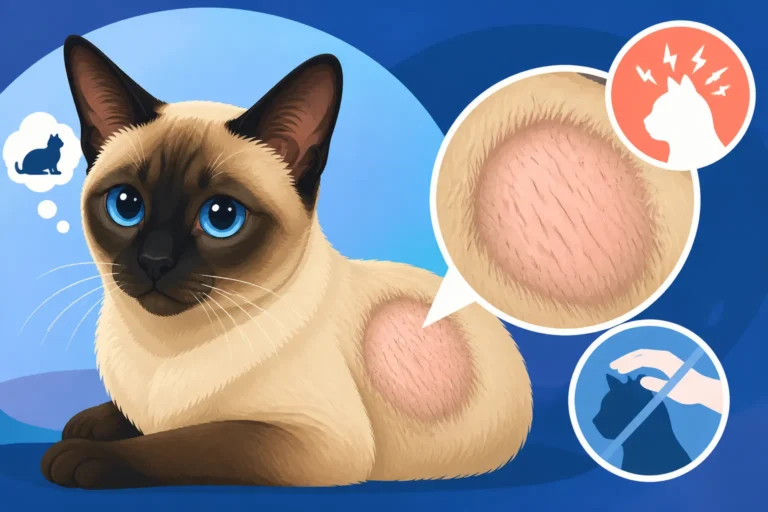
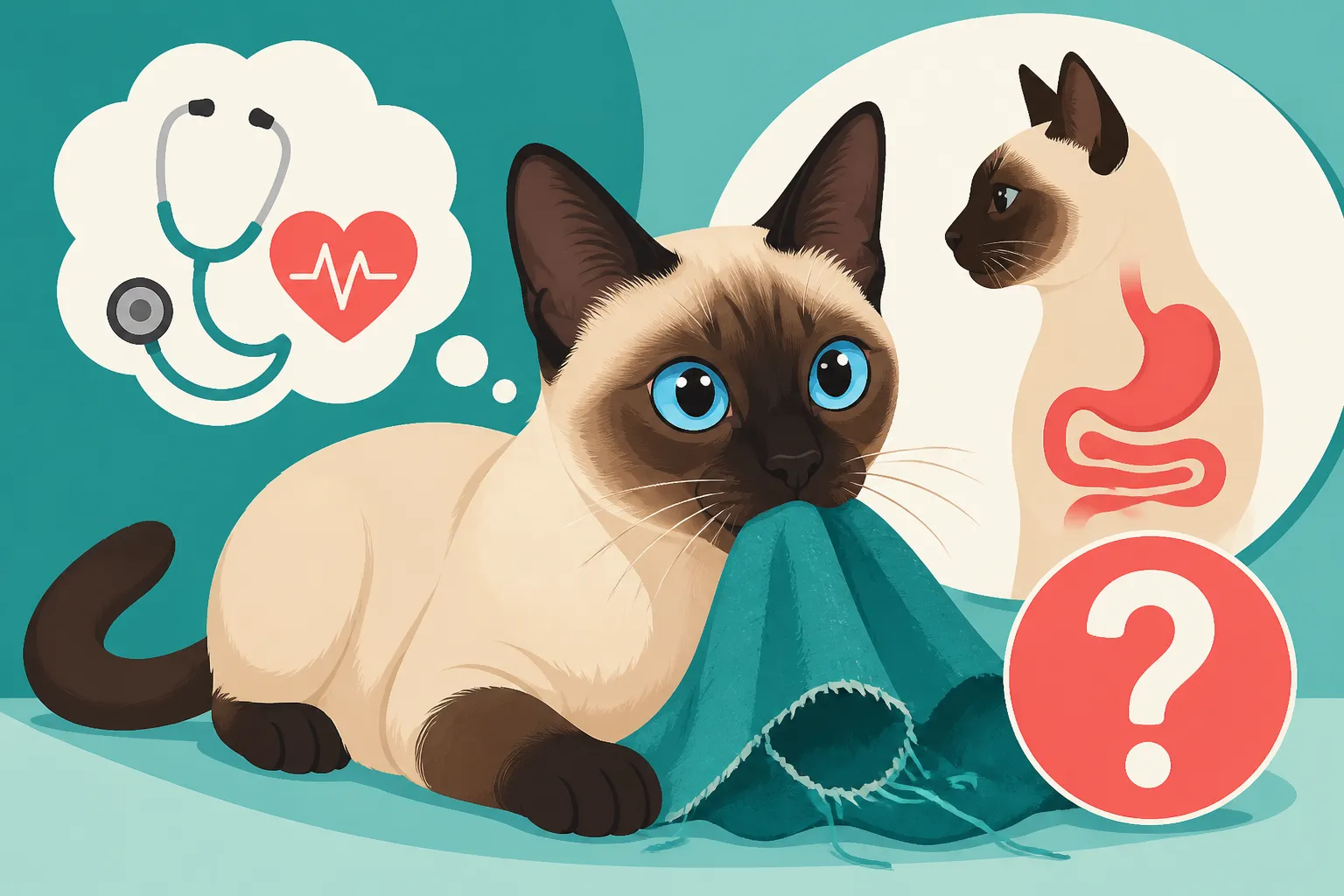
At its core, pica is the persistent craving and consumption of non-nutritive substances. While some cats might simply chew and then drop an item, those with true pica will actually ingest it. In Siamese cats, this often manifests as "wool sucking" or fabric chewing, but it can extend to a wide array of unusual items. Imagine coming home to find a chunk missing from your favorite wool sweater, or discovering that your cat has been systematically shredding and eating bits of your fleece blanket. This isn't just mischievousness; it's a deep-seated compulsion. We've seen Siamese cats target anything from socks, shoelaces, and bath mats to plastic bags, cardboard, and even houseplants. The age this behavior typically starts can vary, but it's often observed in kittens or young adult cats, sometimes escalating as they grow. This specific type of behavior is often distinct from occasional exploration of textures, as the cat genuinely attempts to consume the item.
Why Siamese Cats Are Prone to Pica
So, why do Siamese cats seem to have a particular penchant for eating things that aren't food? It's a question many owners grapple with, and there isn't a single, simple answer. One of the strongest theories points to a genetic predisposition. Oriental breeds, including the Siamese, are thought to carry a genetic component that makes them more susceptible to pica, especially wool sucking. This isn't something they choose to do; it's almost hardwired into some individuals.
Beyond genetics, early weaning practices have long been implicated. Kittens who are separated from their mothers too soon might develop an oral fixation, trying to replicate the comforting suckling motion by chewing on fabrics. However, this theory is debated, as many well-weaned Siamese cats still develop pica. Boredom and anxiety are huge contributing factors. Siamese cats are incredibly intelligent, active, and social creatures. If they're not adequately stimulated, either physically or mentally, they can easily become bored. Boredom, in turn, can lead to stress and anxiety, and pica can become a self-soothing mechanism, much like nail-biting in humans. A cat left alone for long periods without sufficient interaction or enrichment might turn to chewing and ingesting inappropriate items out of sheer loneliness or pent-up energy. Understanding Why a Siamese Cat Sucks Wool provides even more context into this specific manifestation of pica.
When Pica Becomes a Medical Problem
While some instances of pica might be mild, causing little more than a ruined blanket or two, there are very real and severe medical implications when a Siamese cat habitually ingests non-food items. It’s crucial for owners to understand when this quirky behavior crosses the line into a dangerous health threat.
Physical Dangers and Complications
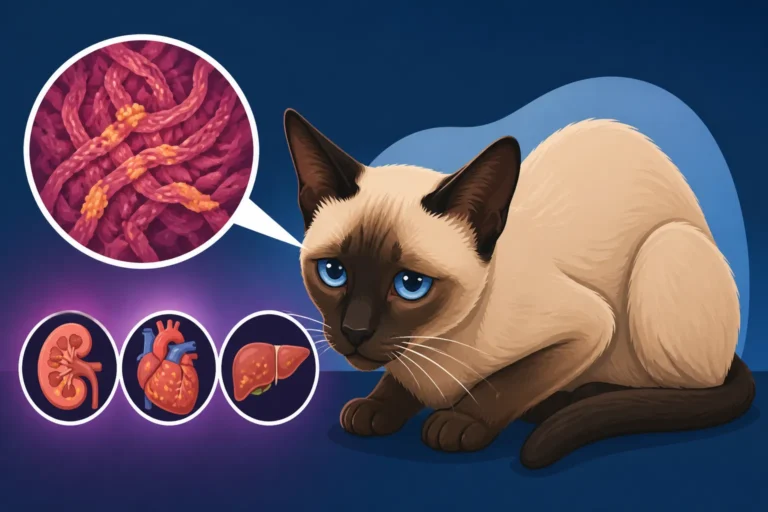
The most immediate and terrifying concern with pica is the risk of internal injury or blockage. Imagine your Siamese, with its long, slender body, trying to pass a piece of indigestible fabric. It’s not a pretty thought. Objects like string, fabric, rubber bands, or plastic can easily become lodged in the gastrointestinal tract, leading to a partial or complete intestinal blockage. This is an emergency situation that can quickly become life-threatening. The foreign material can cause excruciating pain, damage the intestinal lining, and even lead to rupture if not addressed promptly. Furthermore, there's always the risk of choking, particularly with smaller, oddly shaped items. Beyond blockages, ingesting certain substances can introduce toxins into your cat's system. Houseplants, cleaning supplies, or even certain types of plastic can contain chemicals that are harmful or poisonous to cats, leading to a whole host of other medical problems. If you ever see Signs a Siamese Cat Has Swallowed Fabric, immediate veterinary attention is critical.
Underlying Medical Conditions
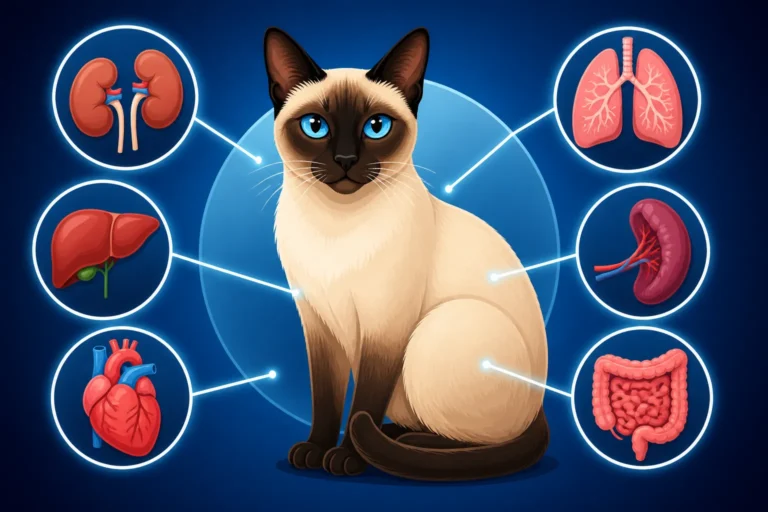
It's tempting to categorize all pica as purely behavioral, but that's not always the case. Sometimes, pica can be a symptom of an underlying medical condition. For instance, while less common in adequately fed cats, nutritional deficiencies could theoretically trigger a cat to seek out non-food items, though this is rare with commercial cat foods. Dental pain or other oral issues can also cause a cat to chew inappropriately. If their teeth hurt, they might try to gnaw on softer items to relieve discomfort or because eating their regular food is painful. We've also seen pica associated with more serious internal diseases. Conditions like inflammatory bowel disease (IBD), certain types of gastrointestinal parasites, or even some forms of cancer can alter a cat's metabolism or make them feel nauseous, leading to unusual eating habits. Metabolic disorders such as hyperthyroidism can also manifest with increased appetite and odd cravings, sometimes including pica. In very rare cases, neurological issues or brain lesions might cause compulsive behaviors like pica. This is why a thorough veterinary check-up is paramount when pica becomes persistent or concerning.
Differentiating Between Behavioral and Medical Pica
It can feel like a guessing game trying to figure out if your Siamese cat's fabric-eating habit is just a stress-induced quirk or something more sinister. The key lies in careful observation and, crucially, knowing when to call your vet. Don't fall into the trap of thinking it will just go away; sometimes, early detection can make all the difference.
Signs Your Siamese Cat's Pica Is Serious
While casual chewing might be annoying, certain signs should immediately raise a red flag. If your Siamese is acting differently after a pica episode, it's time to worry. Look for changes in their normal routine and behavior. Vomiting, especially repeated vomiting or vomiting undigested food, is a major indicator of a potential blockage. You might notice your cat straining to defecate, or perhaps their stool is absent or unusual. Lethargy, a noticeable decrease in energy, and a reluctance to play are also serious signs. They might hide more than usual, become withdrawn, or seem unusually quiet.
Another critical symptom is a change in appetite. If they suddenly refuse food or water, or only pick at their meals, this could signal an issue. Pain can also manifest as abdominal sensitivity – if you gently touch their tummy and they react with discomfort, it's a sign of trouble. Drooling, pacing, or an inability to get comfortable are also indicators that something is seriously wrong. These are all urgent symptoms that demand immediate veterinary attention, as a foreign body obstruction can quickly become a life-threatening emergency. Knowing Signs a Siamese Cat Has an Intestinal Blockage can help you act quickly.
The Vet's Role in Diagnosis
When you arrive at the vet with a concern about pica, be prepared to be completely open about what your cat has been eating. Your vet will start with a thorough physical examination, palpating your cat's abdomen to feel for any signs of pain or a foreign object. Don't be surprised if they ask a lot of questions about your cat's diet, living environment, daily routine, and any other symptoms you've noticed.
Bloodwork is often the next step. A complete blood count (CBC) and biochemistry panel can help rule out underlying conditions like hyperthyroidism (a common cause of increased appetite and weight loss in older cats, which could also lead to unusual cravings) or kidney disease. They’ll also check for signs of inflammation or infection. If a blockage is suspected, imaging is essential. X-rays can sometimes reveal foreign objects, but often, soft tissues like fabric don't show up clearly. This is where an ultrasound comes in handy, providing a more detailed view of the gastrointestinal tract and allowing the vet to see if there's an obstruction, how severe it is, and whether the intestines are still viable. In some cases, a barium study might be performed, where your cat ingests a liquid that shows up on X-rays, allowing the vet to track its movement through the digestive system and identify any blockages. For severe cases, endoscopic examination might be considered to retrieve the foreign body or biopsy the area. If your cat does need surgery, understanding What Blockage Surgery Involves for a Siamese Cat can help you prepare for the process. During these stressful times, having pet insurance like Healthy Paws can be a huge relief, helping to cover the often substantial costs of diagnostics and emergency procedures.
Managing and Treating Pica
Dealing with pica in your Siamese can feel like an endless battle, especially when you're constantly monitoring them and trying to keep tempting items out of reach. But there are proactive steps you can take, combining environmental enrichment with potential dietary or medical interventions, to help your beloved feline overcome this challenging behavior.
Environmental Enrichment and Behavioral Modification
Since boredom and stress are significant triggers for pica in Siamese cats, the first line of defense is often to amp up their daily enrichment. These intelligent and active cats thrive on interaction and mental stimulation. Schedule dedicated play sessions at least twice a day, using interactive toys like feather wands, laser pointers, or fishing pole toys. Rotate toys frequently to keep things novel and exciting. Many Siamese cats love to play fetch. Providing vertical space with cat trees, shelves, or wall-mounted perches can give them a sense of territory and adventure. A cat tree, for example, allows them to climb, observe their environment from a safe height, and scratch appropriately, diverting attention from inappropriate chewing.
Consider puzzle feeders, which make your cat work for their meals, engaging their minds and slowing down their eating. This can mimic the natural hunting behavior that cats instinctually crave. If your Siamese is often left alone, especially if they exhibit signs of Separation Anxiety in a Siamese Cat, getting a companion animal, particularly another cat, might be beneficial. Just be sure to choose a companion that suits a Siamese cat's personality, as two highly vocal and energetic cats could be a lot to handle! You might find that Whether a Siamese Cat Is Happier in a Pair is a question worth exploring. Redirecting their chewing tendencies towards appropriate outlets is also key. Offer safe chew toys specifically designed for cats, though finding one that appeals to a pica-prone Siamese can sometimes be a challenge. Catnip-filled toys, crinkly balls, or even tough rubber toys can sometimes satisfy that oral fixation. Ensuring your home is thoroughly cat-proofed, removing all tempting fabrics, plastics, and plants, is an ongoing but vital task. You can read more about How to Cat Proof a Home for a Siamese Cat for detailed strategies.
Dietary Adjustments and Medical Interventions
Sometimes, simple behavioral changes aren't enough, and addressing pica might require looking at their diet or even medical treatments. Some vets suggest increasing dietary fiber in cats with pica, as it can help them feel fuller and potentially deter the ingestion of non-food items. High-fiber foods or fiber supplements (like psyllium husk, under veterinary guidance) can be explored. You might consider Whether More Fiber Stops a Siamese Cat's Pica as a potential strategy.
For Siamese cats that frequently ingest items leading to gastrointestinal upset or blockages, switching to a prescription diet specifically formulated for digestive health might be recommended. These foods are often highly digestible and can help regulate gut motility. In cases where pica is strongly linked to anxiety or compulsive behavior, medication might be necessary. Your vet might prescribe anti-anxiety medications, like fluoxetine (Prozac) or clomipramine, to help manage the underlying emotional triggers. These aren't quick fixes but can be highly effective when combined with behavioral modification strategies.
If there's an identified underlying medical condition, like hyperthyroidism or dental disease, treating that condition directly is paramount. For example, addressing Dental Disease in a Siamese Cat could alleviate oral pain that contributes to chewing. Similarly, managing Hyperthyroidism in an Older Siamese Cat with medication or other therapies could resolve the associated pica. Regular check-ups are important, and if your cat has a history of pica leading to emergency vet visits, pet insurance like Healthy Paws can be a lifesaver for covering those unexpected costs, making it easier to afford the best care for your furry family member.
Here’s a quick overview to help you differentiate and respond to pica:
| Symptom Category | Potential Behavioral Pica (Mild) | Potential Medical Pica (Serious) |
|---|---|---|
| Ingestion | Chews, sometimes swallows small bits; no immediate distress. | Compulsively eats large amounts; attempts to swallow indigestible items. |
| Energy Level | Normal, playful. | Lethargic, withdrawn, hides. |
| Appetite | Normal, eats regular food. | Refuses food/water, decreased appetite. |
| Vomiting | Rare, occasional hairball. | Frequent, repeated, may contain ingested material. |
| Litter Box | Normal urination/defecation. | Straining to defecate, no stool, diarrhea. |
| Abdominal | Soft, non-painful. | Painful to touch, firm, distended. |
| Other Signs | Increased vocalization, seeking attention. | Drooling, pacing, weakness, fever. |
Disclaimer
This article is for general informational purposes only and does not constitute professional advice. Laws, prices and regulations vary by location and change over time. Consult a qualified professional for guidance on your specific situation.