Whether a Siamese Cat Is Returned for Meowing
Bringing a new Siamese cat into your home is an exciting time, filled with dreams of a devoted, playful companion. But for many, the reality of their famous vocalizations can quickly turn that excitement into overwhelming frustration. Owners often find themselves asking, "Is this normal?" and for some, the relentless, often piercing meows can unfortunately lead to the heartbreaking decision to return their beloved feline. This comprehensive guide will delve into the nuances of Siamese vocalizations, explore why they might lead to returns, and offer insights into managing this unique trait.
The Distinctive Symphony of a Siamese Cat
Before we even get to the idea of returns, it's crucial to understand what makes a Siamese cat's voice so distinctive. These aren't your average, quiet house cats. Siamese cats are legendary for their conversational nature, their loud "Meezer yowl," and their expectation that you'll respond to their every utterance. It’s part of their charm for some, and a constant challenge for others.
Why Siamese Cats Are So Vocal
It's not just a stereotype; Siamese cats are inherently more vocal than most other breeds. This isn't a flaw in their personality; it's a fundamental aspect of their breed genetics and temperament. They were bred to communicate, and they take that job very seriously. From a tiny chirp to a full-blown caterwaul, they use a wide range of sounds to express themselves, their needs, and their opinions on literally everything happening around them.
Think of it this way: for many cat breeds, a meow is a specific request – "feed me," "let me out," "pet me." For a Siamese, a meow, or rather, a torrent of meows, is more like a running commentary on life itself. They might be telling you about the fly buzzing by the window, their intense hunger even though they just ate, or simply that they love you and need your undivided attention right now. What the Siamese Cat's Meezer Yowl Sounds Like is a sound that, once heard, is never forgotten. It can be surprisingly deep and resonant, or a high-pitched, almost baby-like cry. This unique vocal range often catches new owners off guard, especially if they're used to quieter breeds.
Understanding the Different Calls
It's tempting to think of all Siamese vocalizations as just "meowing," but there's a whole dictionary of sounds they use, each with its own meaning. Learning to interpret these can make a huge difference in your relationship with your chatty companion.
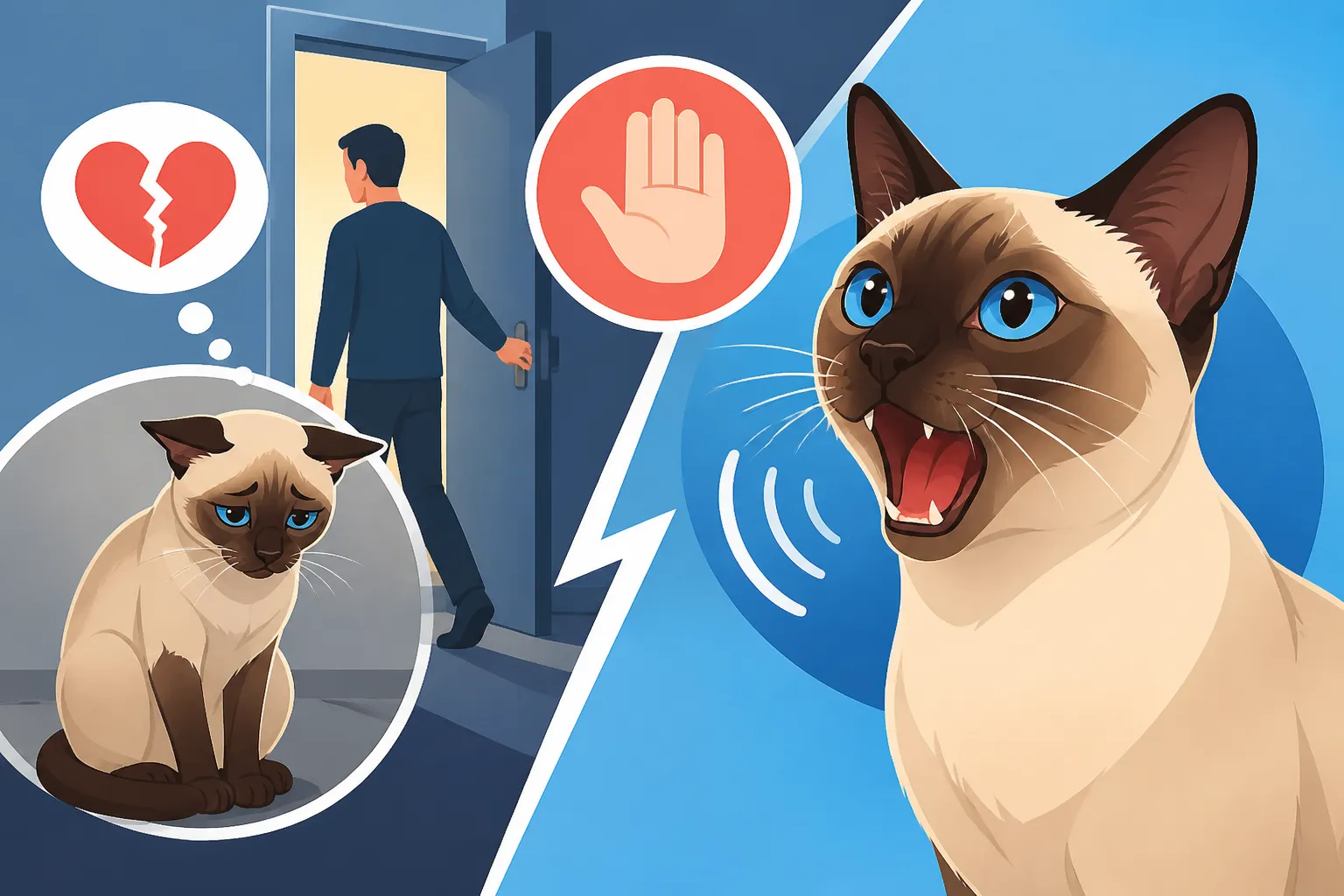
- The Demanding Yowl: This is the one that often drives owners to distraction. It's loud, insistent, and often sounds distressed or angry. It usually means, "I want something, and I want it NOW!" This could be food, attention, play, or simply access to a room with a closed door. A Siamese cat will not be ignored.
- The Conversational Chirp/Trill: These are softer, often rising-and-falling sounds that Siamese cats use to greet you, acknowledge your presence, or just engage in a back-and-forth chat. They often respond directly when you talk to them, making it feel like a genuine conversation.
- The "I'm Bored" Whine: A slightly less intense but equally persistent vocalization that signals they need mental or physical stimulation. If you've ever thought your Siamese sounds like a child complaining, this might be it. They are highly intelligent and get bored quickly.
- The Distress Call: While Siamese cats are generally loud, a sudden, unusual, or incessant cry might indicate pain or fear. This is distinct from their usual conversational volume and warrants immediate investigation.
It's this constant soundtrack to life with a Siamese that makes them such unique companions, but it's also the very trait that can become overwhelming for those unprepared for it.
When Vocalizations Lead to Returns: The Owner's Perspective
The decision to return a pet is agonizing for any owner, and it’s never taken lightly. When it comes to Siamese cats, their vocal nature is often cited as a primary reason for rehoming. It’s not just about noise; it’s about the impact that constant, loud vocalizations can have on a household, mental well-being, and even relationships.
The Impact on Daily Life
Imagine trying to work from home with a cat persistently yowling beside you, or attempting to get a good night's sleep when your feline friend decides 3 AM is prime time for a solo concert. The sheer volume and frequency of a Siamese cat's meows can be incredibly disruptive. How Loud a Siamese Cat Is isn't just a fun fact; it's a daily reality that can wear down even the most patient owner. Many people envision a calm, quiet presence, and the reality of a Siamese is often quite different.
This constant communication can lead to sleep deprivation, heightened stress levels, and even tension within a household, especially if partners or housemates have differing tolerances for noise. Owners might find themselves constantly trying to quiet their cat, feeling guilty when they don't respond, or frustrated when nothing seems to work. The initial charm can quickly turn into exasperation, making every day a challenge rather than a joy. It’s an emotional rollercoaster no one expects when they bring home a kitten.
Unmet Expectations and Misunderstandings
Often, the problem isn't the cat, but the owner's lack of understanding or preparation. Many people fall in love with the striking appearance of a Siamese cat – those vivid blue eyes and elegant, slender body – without fully grasping their demanding personality. They might not realize Why a Siamese Cat Meows So Much isn't just a phase; it's who they are.
This mismatch between expectation and reality is a significant factor in returns. Owners might expect a cat that fits quietly into their life, only to find they've adopted a feline alarm clock, conversationalist, and shadow all rolled into one. When attempts to quiet the cat fail, owners can feel helpless and overwhelmed. They might try ignoring the cat, only to find the vocalizations intensify, leading to an impossible situation. They might also worry that the cat is unhappy, even when all its needs are met, simply because it's so expressive. This can lead to a cycle of anxiety for both cat and owner.
Specific Triggers for Increased Vocalization and Potential Returns
While Siamese cats are naturally vocal, certain situations can exacerbate their meowing to a point where it becomes truly unbearable for an owner. Understanding these triggers is key.
- Loneliness and Lack of Stimulation: Siamese cats are incredibly social and intelligent. They crave interaction and mental engagement. If left alone for long periods or deprived of sufficient play and enrichment, they can become bored and lonely, expressing their discontent through incessant yowling. They might follow you from room to room, demanding attention. A Siamese Cat Should Not Live Alone is often repeated advice for a reason. Imagine leaving a highly intelligent toddler alone in a room with nothing to do; a Siamese can be much the same. This can happen especially when owners return to work after a period of being home, leading to What Separation Anxiety Looks Like in a Siamese Cat.
- Medical Issues: A sudden increase in vocalizations, or a change in the type of vocalization, should always prompt a vet visit. Cats are masters at hiding pain, and increased meowing can be a sign of discomfort, illness, or even cognitive dysfunction in older cats. Kidney disease, hyperthyroidism, dental pain, or even simple infections can all cause a cat to vocalize more. For any unexplained change in behavior, contacting your vet is paramount. This is where having pet insurance like Healthy Paws can truly alleviate some financial stress if diagnostic tests or ongoing treatments are needed.
- Environmental Changes: Siamese cats are creatures of habit and can be sensitive to changes in their environment. A new home, a new family member, a new pet, or even a change in furniture can cause stress, leading to more vocalizations. They are deeply attached to their routines and surroundings.
- Hunger and Thirst: Of course, the most basic needs. A Siamese cat will absolutely let you know if their bowl is empty, even if it was just full five minutes ago. They can be incredibly insistent about meal times. Providing food from an automatic feeder, or incorporating puzzle feeders available from retailers like Chewy, can sometimes help manage this behavior by making mealtime more engaging and less about demanding instant gratification.
- Aging: As Siamese cats get older, some develop cognitive dysfunction (feline dementia), which can manifest as disorientation and increased vocalization, particularly at night. They might also experience vision or hearing loss, leading to confusion and louder meows. Why an Old Siamese Cat Yowls More is a common concern for owners of senior felines.
| Reason for Surrender (General Cats) | Likelihood for Siamese Cats | Explanation for Siamese Context |
|---|---|---|
| Behavioral Issues | High | Very High, especially due to excessive vocalization, demanding nature, and need for constant interaction. Can also include destructive behaviors if bored. |
| Owner Health/Lifestyle Changes | Moderate | Universal for all breeds, but a highly demanding Siamese might be harder to rehome if an owner's circumstances change (e.g., job loss, moving to a no-pet apartment, health issues preventing proper care). |
| Allergies | Low-Moderate | Siamese are often touted as "less allergenic" but they are not hypoallergenic. Owners who hoped for a miracle might find their allergies still triggered, potentially leading to return. |
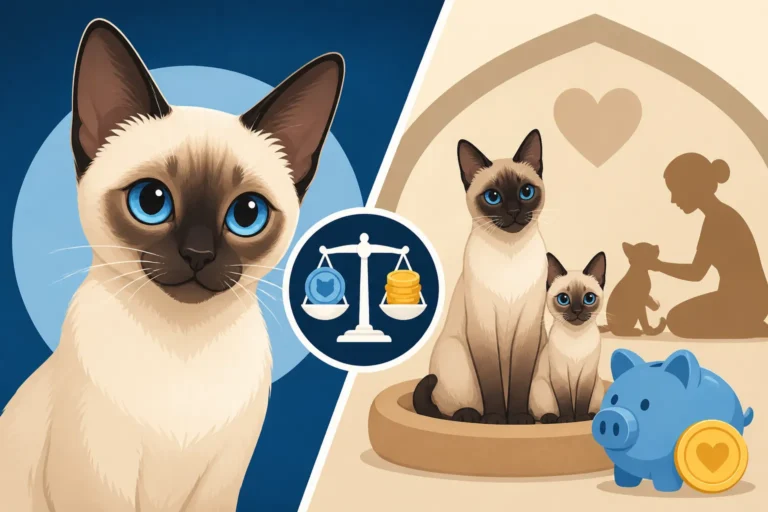
| Cost of Care | Moderate-High | While not always the initial reason, unexpected vet bills for health issues common in the breed (like amyloidosis or dental problems) can add financial strain, especially if combined with the stress of behavioral challenges. What a Siamese Cat Costs Over Twenty Years can be substantial. |
| Housing Restrictions | Moderate | Moving to a rental with strict noise policies or no-pet rules can force owners to make difficult choices, and a vocal Siamese might be seen as less adaptable to such environments. |
Living with a Vocal Siamese: Strategies for Harmony
The good news is that for many Siamese cats, their vocalizations can be managed, understood, and even appreciated with the right approach. The key is often prevention, early intervention, and a deep understanding of your cat's needs.
Enrichment and Engagement
Since boredom and loneliness are huge drivers of Siamese vocalizations, ensuring your cat has plenty of mental and physical stimulation is non-negotiable. These cats need to do things.
- Interactive Play: Aim for at least two to three dedicated play sessions a day, each lasting 10-15 minutes. Use wand toys, laser pointers (with a treat at the end to "catch" the dot), and feather teasers. This helps burn off energy and satisfies their predatory instincts.
- Puzzle Feeders: Instead of just putting food in a bowl, make your Siamese work for it. Puzzle feeders from stores like Chewy or even homemade ones can keep their minds engaged and slow down eating, which can reduce food-related yowling.
- Vertical Space: Siamese cats love to climb and observe their kingdom from above. Provide tall cat trees, wall-mounted shelves, and window perches. These give them vantage points and a sense of security.
- Rotational Toys: Cats, especially intelligent ones, get bored with the same toys quickly. Rotate their toys every few days to keep things fresh and exciting. You can find a vast selection of durable and stimulating toys on platforms like Chewy.
A stimulated cat is often a happier, and therefore, a quieter cat.
Understanding and Responding Appropriately
It's a common misconception that ignoring a vocal Siamese will make them stop. Often, it just makes them try harder, leading to an even louder, more insistent chorus. While you shouldn't reward every meow, you also shouldn't completely ignore your cat.
- Identify the Cause: Before responding, try to figure out why your cat is meowing. Are they asking for food, attention, playtime, or access to something? Check their litter box, water bowl, and look for signs of discomfort.
- Scheduled Interaction: Instead of reacting to every demand, try to preempt it. Institute a routine for play, petting, and feeding. If your cat knows they will get attention at certain times, they might be less prone to demand it constantly.
- Positive Reinforcement for Quiet Behavior: When your Siamese is quiet, especially when you're busy, reward them with a treat or gentle praise. This helps them associate quietness with positive outcomes. You can also try to How to Train a Siamese Cat to Meow Less by using a clicker and rewarding silence.
- Avoid Reinforcing Demands: If your cat is yowling for attention, wait for a brief moment of silence before engaging with them. This teaches them that quietness gets a response, not incessant noise. However, completely ignoring a highly social Siamese can lead to stress and escalate the behavior, so it’s a delicate balance. Whether Answering a Siamese Cat Makes It Worse often depends on how you answer.
- Rule Out Pain: As mentioned, any sudden change in vocalization warrants a vet visit. It's an owner's responsibility to rule out underlying medical issues first. When a Siamese Cat's Meowing Means Pain can look different from their usual chatty self.
Seeking Professional Help
Sometimes, even with the best intentions and consistent effort, a Siamese cat's vocalizations can remain overwhelming. This is when it's time to call in the cavalry.
- Veterinarian Check-up: Always the first step. Rule out any pain, illness, or cognitive issues. Your vet can provide guidance and, if necessary, refer you to a specialist. They might recommend blood work or other diagnostics.
- Feline Behaviorist: A certified feline behaviorist can assess your cat's specific situation, identify triggers, and develop a tailored behavior modification plan. They can offer strategies that you might not have considered and help you implement them effectively. They understand the nuances of cat communication and can offer insights into what your Siamese is truly trying to tell you.
- Medication: In severe cases, especially if anxiety or stress is a primary driver for excessive vocalization, a vet might prescribe anti-anxiety medication. This is usually a last resort, used in conjunction with behavioral modification, to help the cat (and owner) cope.
Ensuring your Siamese cat has a high-quality, nutritious diet can also contribute to their overall well-being and might have a subtle positive impact on their behavior by supporting their physical health. A healthy cat is a more balanced cat.
The Reality of Rehoming: What Happens Next?
While the aim is always to prevent rehoming, it's a harsh reality that some owners find themselves facing. Understanding the implications and options available can help in making the best, most humane decision for a Siamese cat if a return becomes inevitable.
Why Owners Give Up a Siamese Cat
The reasons for surrendering any pet are varied, but for Siamese cats, the vocalizations truly do play a significant role. It's not just "annoyance"; it's a profound inability to cope with the constant noise, often compounded by other behavioral challenges that stem from their high intelligence and social needs, such as destructive behaviors if bored. Why Owners Give Up a Siamese Cat often boils down to a fundamental incompatibility between the cat's innate nature and the owner's lifestyle or expectations.
Other factors can also contribute, like financial constraints for unexpected medical issues, allergies, or major life changes (moving, new baby, etc.). Sometimes, a highly vocal cat simply doesn't fit into an apartment building with thin walls, leading to neighbor complaints. Whether a Siamese Cat Is Returned for Meowing is a question with a sad answer: yes, they are, more often than we'd like to admit.
The Journey for a Returned Siamese
When a Siamese cat is returned to a breeder, a rescue, or a shelter, their journey can be stressful and uncertain.
- Breeder Returns: Reputable breeders often have clauses in their contracts requiring the return of a cat if an owner can no longer keep it. This is often the best outcome, as the breeder knows the cat's lineage and temperament, and can find a suitable new home. They are invested in the lifelong welfare of their animals.
- Rescue Organizations: Dedicated Siamese cat rescues are a fantastic resource. They understand the breed's unique personality and vocal tendencies. They are equipped to handle these traits and focus on finding homes that are specifically prepared for a chatty companion. Whether a Rescue Siamese Cat Comes Vocal is almost a given; these organizations are well aware of the breed's nature. They can also offer advice and support to potential adopters.
- Animal Shelters: General animal shelters can be a very challenging environment for a highly vocal and sensitive Siamese. The noise and unfamiliarity of the shelter can exacerbate their stress, leading to more vocalizations, which can unfortunately make them seem "difficult" to potential adopters. This can prolong their stay and reduce their chances of adoption.
It's a heartbreaking situation for both the cat and the owner, highlighting the critical importance of thoroughly researching a breed's temperament before bringing them home. Understanding What a Siamese Cat's Temperament Is Really Like is vital for a successful, lifelong adoption.
Finding the Right Forever Home
For a Siamese cat that has been returned due to vocalization, the next home needs to be carefully chosen. Ideal adopters are those who:
- Are Educated About the Breed: They understand and appreciate the Siamese cat's need to communicate and thrive on interaction.
- Have Time for Engagement: They are prepared to dedicate significant time each day to play, interaction, and mental enrichment.
- Have a High Tolerance for Noise: They aren't seeking a quiet, aloof companion but rather an active, conversational family member.
- Are Patient and Empathetic: They are willing to work through any initial behavioral challenges with patience and consistency.
- Consider a Companion: For many Siamese, having another cat (especially another Siamese or a similarly playful breed) can greatly reduce loneliness and excessive vocalization. Whether Two Siamese Cats Are Louder is a common question, but often the shared companionship leads to a more contented, if still conversational, household.
The decision to adopt a Siamese cat should be a well-informed one, taking into account their unique and often loud personality. While their vocalizations can be challenging, for the right owner, they are also a source of endless charm, conversation, and deep companionship.
Disclaimer
This article is for general informational purposes only and does not constitute professional advice. Laws, prices and regulations vary by location and change over time. Consult a qualified professional for guidance on your specific situation.