What a Siamese Cat’s Temperament Is Really Like
Oh, the Siamese cat temperament! If you're wondering what it's really like to share your life with one of these stunning felines, you're not alone. Many people are captivated by their striking blue eyes and elegant form, but underestimate the sheer force of personality that comes with the package. This isn't a wallflower cat; this is a cat that demands your attention, your conversation, and often, your entire living room. This guide will peel back the layers of myth and anecdote to reveal the true, vibrant, and sometimes wonderfully challenging nature of the Siamese cat, helping you understand if this iconic breed is truly the right fit for your home and lifestyle.
The Siamese Cat: A Personality You Can't Ignore
When you bring a Siamese cat into your home, you're not just getting a pet; you're adopting a very opinionated, highly intelligent, and incredibly social member of the family. They don't blend into the background. They are the background, the foreground, and the main event all at once. It's a personality that utterly consumes a space, filling it with their presence, their vocalizations, and their insatiable curiosity. If you've ever felt that your current cat is a bit aloof, prepare for a complete paradigm shift with a Siamese.
More Than Just a Pretty Face: The Core Traits
Beyond their undeniable beauty – those piercing blue eyes, sleek body, and distinct point coloration – lies a personality that is simply legendary. Siamese cats are often described as "dog-like" because of their loyalty, their desire to be involved in everything you do, and their surprising capacity for training. They thrive on interaction and connection, forming incredibly strong bonds with their chosen humans. Think of them as your shadow, your confidante, and your personal assistant, all rolled into one lithe, meowing package. They will follow you from room to room, supervise your cooking, and "help" you read your book by sitting squarely on top of it. This isn't a cat that just tolerates your presence; they actively seek it out, demand it, and often orchestrate it. Why a Siamese Cat Follows You Room to Room touches on this delightful (and sometimes overwhelming) trait.
This intense sociability means they crave attention. They don't just want to be in the room; they want to be involved in whatever you're doing. If you're on the computer, expect them on your lap or shoulder, purring loudly into your ear. If you're watching TV, they'll likely snuggle right up, sometimes even nudging your hand for pets. They thrive on this constant interaction, and without it, they can become quite unhappy, exhibiting behaviors that signal boredom or distress. It’s a commitment, yes, but for those who love a highly engaged pet, it’s an incredibly rewarding one.
The Myth vs. The Reality of Siamese Temperament
There are so many tales about Siamese cats – that they're mean, that they're too loud, that they're destructive. Let's be real: some of these are rooted in truth, but often exaggerated or misunderstood. The "mean" reputation usually comes from their tendency to be fiercely loyal to their people and sometimes wary of strangers. They aren't typically aggressive, but they won't hesitate to voice their displeasure or protect their territory if they feel threatened. This isn't malice; it's confidence and a strong sense of self.
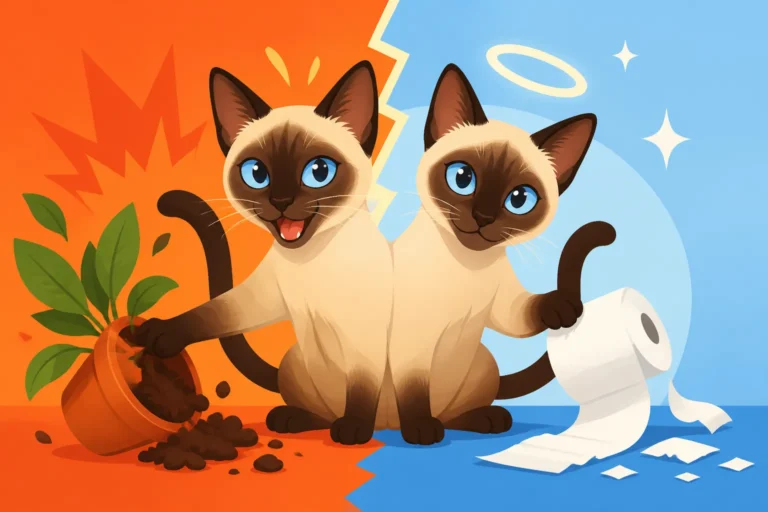
The reality is that their intelligence, combined with their social needs, can lead to what some perceive as "naughty" behavior. A bored Siamese is a destructive Siamese. They're too clever to just sit around and watch the dust bunnies drift by. If they don't get enough mental and physical stimulation, they will find ways to entertain themselves, and those ways might involve systematically knocking items off shelves, exploring forbidden cupboards, or vocalizing non-stop. The "loud" part? Oh, that's definitely real. But it's not just noise; it's communication. They talk with you, not just at you. They have an impressive vocabulary of meows, chirps, trills, and those famous yowls. How Loud a Siamese Cat Is offers a deep dive into their vocal prowess. So, while some myths might make them sound like troublesome terrors, the reality is a cat with an outsized personality that simply needs the right environment and engagement to flourish.
Living with a Talkative Companion: Understanding the Siamese Voice
If you appreciate a quiet home, a Siamese cat might challenge your definition of "quiet." Their vocalizations are perhaps the most famous (or infamous) aspect of their temperament. They are not merely chatty; they are conversationalists, critics, and sometimes, divas. Their voices are unique, often described as a "Meezer yowl," a sound unlike any other cat breed. It's a deep, resonant, almost human-like cry that can be quite startling if you're not prepared for it.
Why the Vocalizations are Constant (and Loud!)
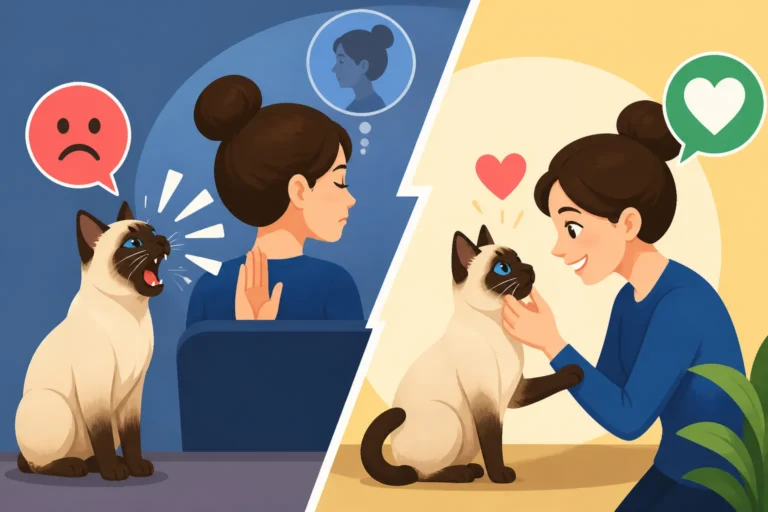
The constant chattering isn't just random noise; it's fundamentally how a Siamese interacts with the world and with you. They're expressive creatures, and their voice is their primary tool for getting attention, communicating desires, and even expressing emotions. Did you just walk into the room? Expect a detailed report on their day and probably a request for a head scratch. Is their food bowl even slightly visible at the bottom? Prepare for a dramatic declaration of imminent starvation. Did you dare to close a door between yourself and them? The yowl will begin.
This isn't a trait you can easily train out of them, nor should you necessarily try to suppress it entirely. It's an integral part of What a Siamese Cat's Temperament Is Really Like. Instead, it’s about understanding why they're vocalizing and responding appropriately. Sometimes it's a genuine need, sometimes it's just wanting to hear themselves talk, and often, it's just a heartfelt "hello." While it can be intense, many Siamese owners find it endearing, a sign of their cat's deep engagement and connection. But be warned, it's a sound that travels, so Whether a Siamese Cat Suits an Apartment Building is a serious consideration.
Deciphering the Meezer Yowl and Other Sounds
Beyond the infamous yowl, Siamese cats have a whole repertoire of sounds. They chirp when they're bird-watching, trill when they're happy or greeting you, and have a range of meows that convey everything from "feed me" to "play with me" to "I am utterly displeased with your life choices." The "Meezer yowl" itself isn't a single sound; it varies in intensity and tone depending on the message. A soft, mournful yowl might signal loneliness, while a sharp, insistent one is usually a demand. What a Siamese Cat's Yowl Means offers a deeper dive into these complex vocalizations.
It's a process of learning your individual cat's language. Just like humans have different inflections and tones, so do Siamese cats. You'll quickly learn the difference between the "I'm hungry" meow and the "I'm bored, entertain me now" yowl. They are remarkably clear in their communication once you tune into their frequency. It truly feels like they're trying to have a conversation, and they absolutely expect you to participate! Ignoring them can sometimes lead to an increase in vocalization as they try harder to get their point across.
The Velcro Cat: Affection, Attention, and Separation
If you've heard the term "Velcro cat," it was probably coined with a Siamese in mind. These cats are not just affectionate; they are deeply attached and possessive of their humans. They want to be involved in every aspect of your life, from your morning routine to your bedtime rituals. This intense bond is one of the most beloved (and sometimes challenging) aspects of their temperament.
Bonding Deeply: Who They Attach To
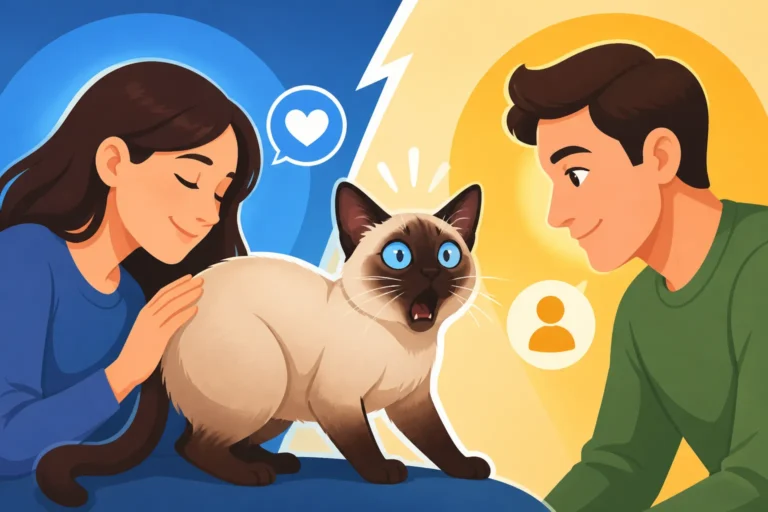
Siamese cats tend to bond intensely with one or two primary people in the household, though they can certainly be friendly with everyone. This primary bond is often described as almost dog-like in its loyalty and devotion. They will choose their person and consider it their life's mission to be by that person's side, on that person's lap, or wrapped around that person's neck. This isn't a cat that's happy to just coexist in the same house; they want to be physically close, constantly. They thrive on touch, on being petted, stroked, and held.
This strong attachment means they become highly attuned to your moods and routines. If you're sad, they'll often come to offer comfort. If you're busy, they'll find subtle (or not-so-subtle) ways to insert themselves into your activities. It's a truly reciprocal relationship, where their happiness is deeply intertwined with their human connection. This depth of bond is what makes them such special companions, but it also means they have significant emotional needs that must be met.
The Challenges of Alone Time and Separation Anxiety
Given their deep need for connection, it's probably no surprise that Siamese cats generally do not cope well with being left alone for extended periods. They can develop Signs a Siamese Cat Has Separation Anxiety, which can manifest in various ways, from excessive vocalization to destructive behaviors, and even inappropriate urination or defecation. They literally miss you when you're gone, and their distress can be palpable.
For owners who work long hours or travel frequently, this can be a significant challenge. A single Siamese cat left alone all day might become bored, lonely, and anxious. This is why many experienced Siamese owners advocate for having two Siamese cats, or at least another companion animal, to provide company. While another cat won't replace human interaction, it can certainly alleviate some of the loneliness and boredom. Ensuring they have plenty of engaging toys, perhaps a puzzle feeder found on Amazon, and scheduled playtimes before and after you leave can also help. The key is never to underestimate their need for companionship.
Playful, Intelligent, and a Little Mischievous
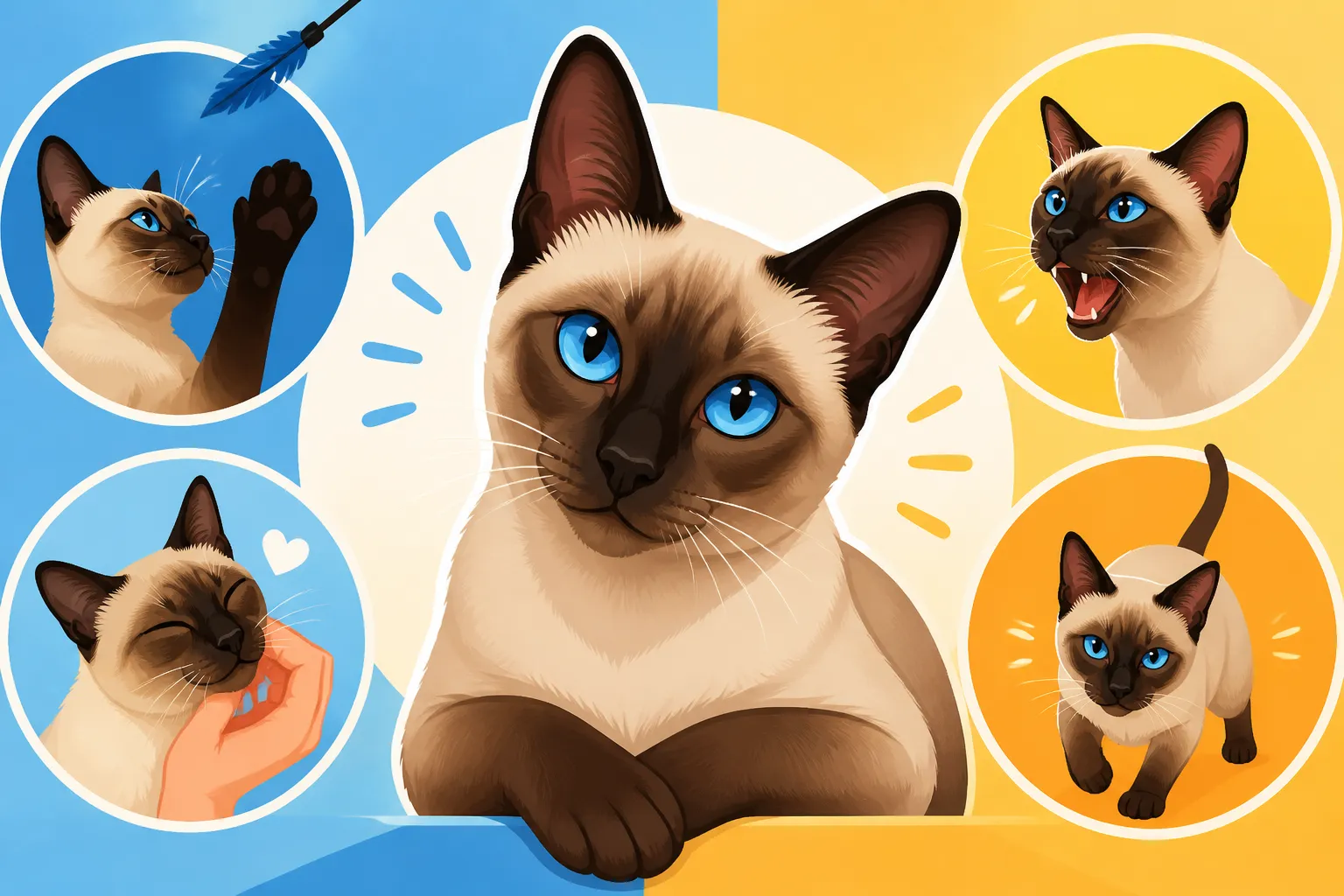
Siamese cats are often described as having kitten-like energy their entire lives. They are endlessly curious, incredibly playful, and possess a sharp intelligence that can be both a joy and a challenge to live with. They thrive on mental and physical stimulation, and if they don't get enough, they'll create their own fun – often to your detriment!
Keeping a Siamese Cat Entertained
A bored Siamese cat is a mischievous Siamese cat. Their high energy levels and keen intellect mean they need more than just a few random toys scattered on the floor. They require interactive play sessions, challenging puzzle toys, and plenty of vertical space to explore. Think wand toys that mimic prey, laser pointers (used responsibly, of course), and anything that allows them to "hunt" and "catch." A tall cat tree or shelves strategically placed for climbing are essential to satisfy their need for elevation and observation. Enrichment for a Siamese Cat That Gets Bored in an Hour is not an exaggeration – their attention span for static toys can be quite short.
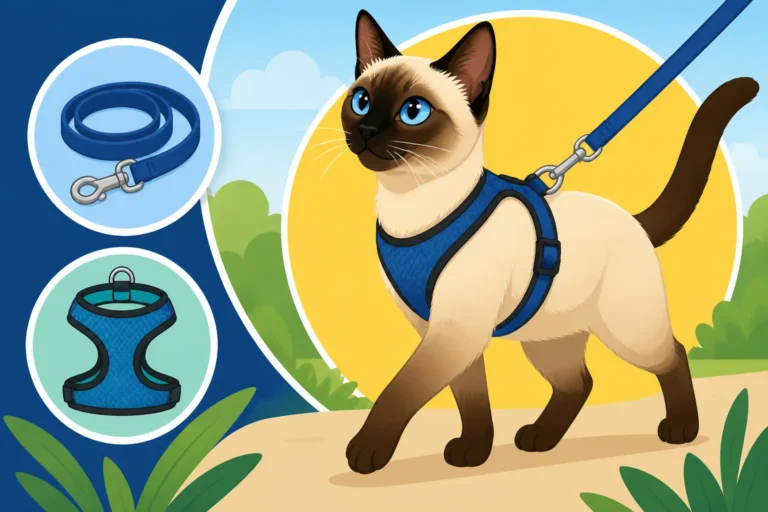
Many Siamese cats enjoy playing fetch, and some can even be taught to walk on a leash. This breed truly thrives when given opportunities to engage their minds and bodies. Without adequate stimulation, they might resort to behaviors like counter-surfing, opening cupboards, or even chewing on inappropriate items out of sheer boredom. Investing in a good variety of toys and rotating them regularly can help keep their interest piqued. Look for interactive toys on Amazon that encourage problem-solving.
Their Cleverness Can Be a Double-Edged Sword
Their intelligence is genuinely impressive. Siamese cats are fast learners, picking up tricks, routines, and even understanding complex commands. They can solve puzzle feeders with ease, learn how to open doors, and figure out how to get to those "forbidden" spaces you thought were cat-proof. This makes them incredibly fun to train and interact with, as they genuinely seem to understand and engage. How Clever a Siamese Cat Is highlights their mental prowess.
However, this same intelligence can be a double-edged sword. A Siamese who isn't sufficiently challenged or entertained will use that cleverness to get into trouble. They'll quickly learn your habits, anticipating when you're about to leave the house or when you're engrossed in a task, making it the perfect opportunity for some unauthorized exploration or attention-seeking antics. They can be incredibly persistent when they want something, using their smarts to outwit you or simply wear you down with their vocalizations and antics. Setting clear boundaries and providing consistent enrichment is key to channeling their intelligence positively.
Adapting to Your Household: Siamese Cats with Others
Integrating a Siamese cat into a bustling household or a quiet one requires an understanding of their social dynamics and strong personality. They are not always the easiest cat to introduce, but once settled, they can be incredibly loyal and adaptable, as long as their core needs are met.
Children, Dogs, and Other Felines
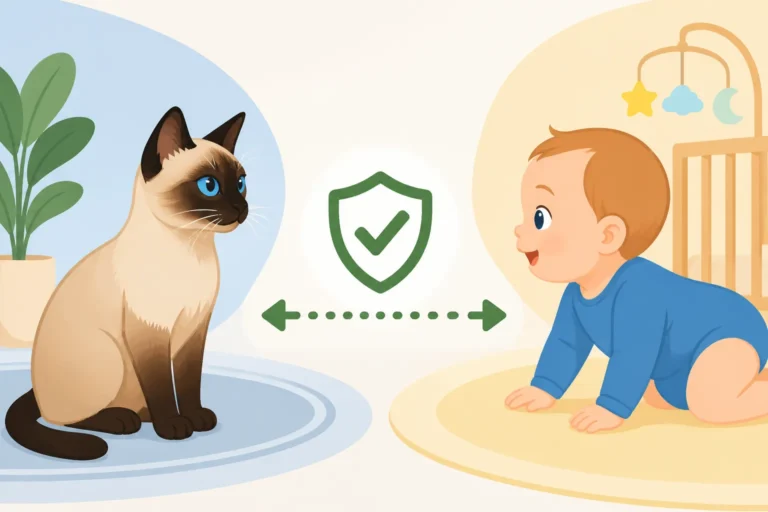
Siamese cats generally do very well with respectful children. Because they are so playful and enjoy interaction, they can form strong bonds with kids who understand how to interact with cats gently. They're often tolerant of children's antics and may even enjoy participating in games. However, it’s crucial to teach children proper boundaries and how to read a cat’s body language to avoid overwhelming the cat. A Siamese won't hesitate to let you know if they're unhappy, but they rarely resort to aggression without warning. How a Siamese Cat Behaves With Children emphasizes the importance of supervision and teaching respect.
When it comes to other pets, the situation can be more nuanced. Siamese cats can live harmoniously with dogs, especially if introduced properly and if the dog is cat-friendly and respectful. They often enjoy chasing and playing with dogs, sometimes even establishing themselves as the dominant figure! With other cats, it often depends on the individual personalities. A Siamese might bully a shyer, more passive cat, as they tend to be quite confident and assertive. They generally do best with another cat that can match their energy and playfulness. Many Siamese owners find that two Siamese cats are the ideal combination, as they can entertain each other and truly understand each other's unique energy.
Are They a Good Fit for First-Time Owners?
This is a question many prospective owners grapple with, and the answer isn't a simple yes or no. A Siamese cat is not a low-maintenance pet. Their intense need for interaction, their vocal nature, and their high intelligence mean they require a dedicated owner who is prepared to invest significant time and energy. For a first-time owner who is truly committed to understanding and meeting these needs, a Siamese can be an incredibly rewarding companion. They are endlessly entertaining, deeply affectionate, and form bonds that last a lifetime. Whether a Siamese Cat Is Right for You is a question that requires honest self-assessment.
However, for someone seeking a quiet, independent, or hands-off pet, a Siamese would likely be a poor match. They demand engagement, and if they don't get it, both cat and owner can become frustrated. They are definitely a commitment, a furry, loud, and incredibly charming commitment. If you're willing to embrace their unique personality, engage with their intelligence, and appreciate their constant chatter, then a Siamese cat could be the most wonderful companion you've ever had. If you're looking for a cat that minds its own business and occasionally graces you with its presence, you might want to consider another breed.
To summarize the key aspects of the Siamese temperament:
| Trait | Description | Owner Experience |
|---|---|---|
| Vocal | Highly communicative with a distinct, often loud "Meezer yowl" and a wide range of other sounds. They converse with their humans, expressing desires, opinions, and emotions. | Expect constant chatter and be prepared to "talk back." Not suitable for quiet homes or easily disturbed neighbors. |
| Affectionate | Extremely devoted and attached to their chosen humans. Often called "Velcro cats" due to their desire for constant physical proximity and involvement in all activities. | Will follow you everywhere, demand lap time, and seek out interaction. Great for those who want a deeply bonded, engaged pet. |
| Intelligent | Very clever and quick learners. Can be taught tricks, walk on a leash, and solve complex puzzles. | Requires mental stimulation to prevent boredom and mischief. Training can be fun and rewarding, but they can also outsmart you. |
| Playful | High energy and retains a kitten-like playfulness throughout their lives. Loves interactive games and climbing. | Needs regular, intense play sessions and plenty of vertical space. A bored Siamese can be destructive. |
| Social | Thrives on companionship and interaction. Does not do well when left alone for long periods and can develop separation anxiety. | May need a companion animal (another Siamese often works best) if left alone for many hours daily. Demands attention, not just presence. |
| Mischievous | Their intelligence and energy, if not properly channeled, can lead to exploring forbidden areas, knocking items over, or other "naughty" behaviors. What a Bored Siamese Cat Destroys can be quite extensive! | Requires consistent boundaries and a commitment to enrichment. Prepare for a cat that actively seeks out entertainment. |
Ultimately, living with a Siamese cat is an adventure. They will charm you, challenge you, and keep you constantly entertained. They're not for everyone, but for those who are ready for a cat with a huge personality and an even bigger heart, the Siamese offers an unparalleled companionship. They’re a demanding but incredibly rewarding breed, and their unique temperament is what makes them so utterly unforgettable.
Disclaimer
This article is for general informational purposes only and does not constitute professional advice. Laws, prices and regulations vary by location and change over time. Consult a qualified professional for guidance on your specific situation.