Why an Old Siamese Cat Yowls More
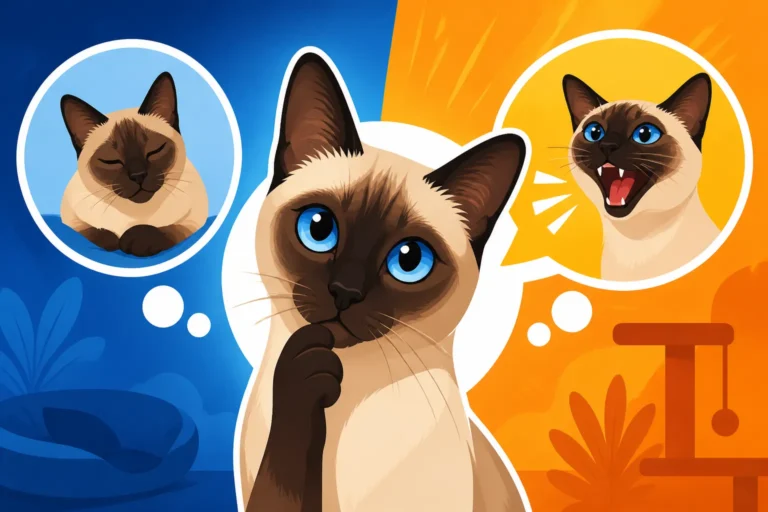
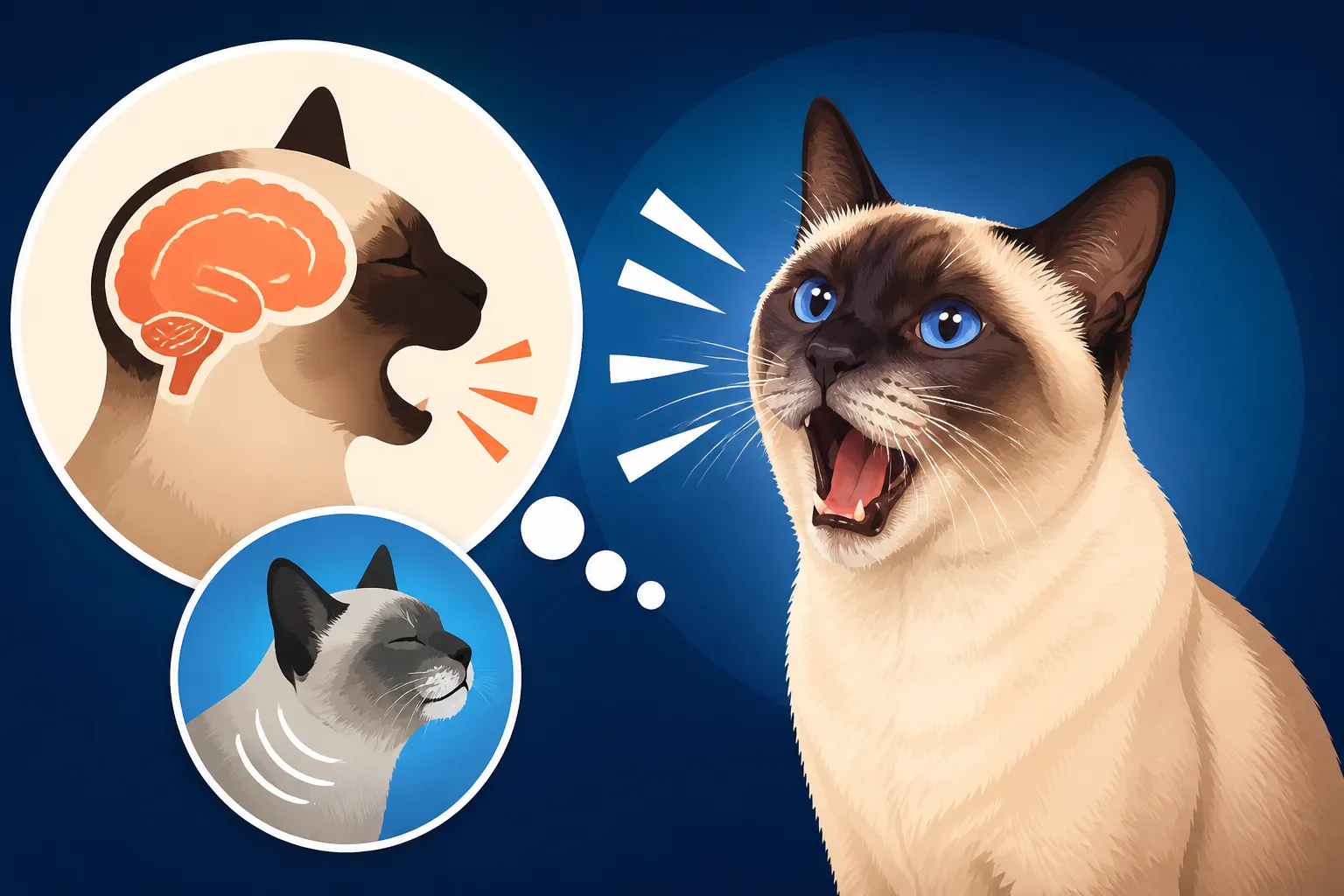
If you're living with an older Siamese cat, you've probably noticed a shift in their vocal habits. What might have once been a charming, chatty demeanor can sometimes transform into a more insistent, even relentless, yowling, especially as they age. It's truly heartbreaking when your beloved Meezer, who has been a constant companion for years, starts crying out more, seemingly for no reason. This guide is here to shed light on why your old Siamese cat might be becoming more vocal, exploring the common age-related changes, potential medical issues, and environmental factors at play, and offering practical strategies to help your feline friend.
The Inner World of an Aging Siamese Cat: Cognitive and Sensory Changes
It’s easy to dismiss increased yowling as just "being old," but for a Siamese cat, getting older brings with it a host of internal changes that can be deeply confusing and even frightening for them. Their world, once so predictable and navigable, can become a maze of fading senses and unfamiliar feelings. This shift often manifests as increased vocalization, a cry for help or reassurance from a confused elder.
Feline Cognitive Dysfunction Syndrome (FCDS)
Just like humans, cats can experience cognitive decline, often referred to as feline dementia. This isn't just about forgetting where the litter box is; it's a profound change in their brain function that can alter their entire personality and perception of reality. An old Siamese cat with FCDS might become disoriented, especially in the evening or night, a phenomenon often called "sundowning." They might wander aimlessly, stare blankly at walls, or seem lost in familiar surroundings. Imagine suddenly not recognizing your own home or feeling completely alone even when surrounded by loved ones. This profound disorientation often triggers loud, repetitive yowling, as they call out for something they can no longer quite grasp, or for a comfort they can't find. It's a distress signal, a verbal manifestation of their confusion and anxiety. You might notice this distress particularly after a long nap, when they wake up and can't immediately remember where they are or what they were doing. They might even fail to recognize you for a moment, leading to a plaintive cry. Recognizing the signs of this condition is crucial for managing their comfort and providing appropriate support. Signs of Dementia in an Old Siamese Cat can offer more insight into these challenging behaviors.
Sensory Decline: Hearing and Vision Loss
Another major factor contributing to increased vocalization in older Siamese cats is the gradual loss of their keen senses, particularly hearing and vision. When a cat starts to lose their hearing, their world becomes quieter, and they may not realize how loudly they are meowing or yowling. They might be calling out to you and not hearing your response, leading them to vocalize even louder and more frequently out of frustration or a desire for connection. It’s not uncommon for a deaf senior cat to develop a much louder voice, simply because they can't modulate it anymore. Similarly, declining vision can make them feel vulnerable and anxious, especially in low light conditions or if the furniture has been rearranged. A cat that can no longer see clearly might yowl when they bump into something, when they can't find their way, or simply because they feel exposed and uncertain. They may call out for reassurance that someone is there, or to announce their presence in a space they can no longer navigate with confidence. This is particularly true for cats who were once very confident explorers; losing that ability can be incredibly distressing. Deafness in an Aging Siamese Cat covers more on supporting a cat through this change.
Increased Anxiety and Insecurity
As Siamese cats age, they can become more sensitive to changes in their environment and routine, leading to heightened anxiety and insecurity. Their once bold and curious nature might give way to a need for more predictability and comfort. Small changes—like a new piece of furniture, a different schedule for feeding, or even a new person visiting—can be profoundly unsettling. This heightened state of anxiety often manifests as excessive vocalization. They might yowl as a way to express their discomfort, to seek reassurance, or to try and regain a sense of control over a world that feels increasingly unpredictable. This can be especially true for cats who have always been very bonded to their humans. As they feel more vulnerable, they lean more heavily on you for comfort, and if they perceive a lack of attention, even for a moment, their anxiety can bubble over into loud, insistent calls. They're essentially telling you, "I'm scared, I need you, and I don't know what's happening!"
Medical Conditions Behind the Persistent Meezer Yowl
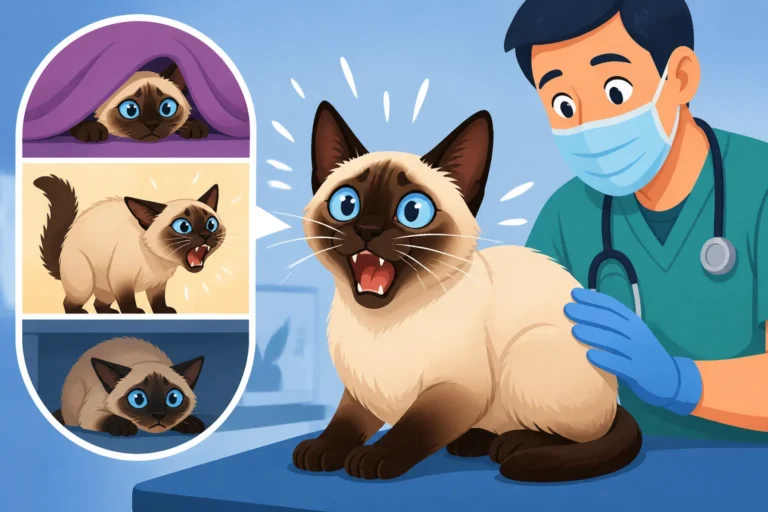
It's tempting to attribute every new behavior in an older cat to "just getting old," but as a seasoned Siamese cat owner, you know better. A sudden or significant increase in vocalization from an older Siamese cat should always trigger a visit to the vet. This isn't just about their comfort; it could be a vital clue to an underlying medical condition that requires attention. Siamese cats are known for their expressiveness, and a change in their vocal patterns is often their only way of telling you that something is seriously wrong. It's important to remember that How a Siamese Cat Hides Pain is a common trait, and increased vocalization might be one of the few overt signs.
Chronic Pain and Discomfort
One of the most common, yet often overlooked, reasons for increased yowling in senior cats is chronic pain. Just like us, cats can develop arthritis as they age, making movement painful. Imagine having stiff, aching joints and trying to jump onto your favorite perch, only for a sharp pain to shoot through you. A cat experiencing this might yowl during movement, when trying to get comfortable, or simply out of constant, low-level discomfort. Dental disease is another huge culprit. Many older cats suffer from painful teeth, inflamed gums (gingivitis), or even tooth resorption, where the tooth structure erodes. Eating can become excruciating, and the pain can lead to persistent vocalization, even outside of meal times. They might not stop eating, making it harder to spot, but the discomfort is very real. Any source of chronic pain, from old injuries to internal organ discomfort, can cause an older cat to yowl more as they try to communicate their suffering. Dental Disease in a Siamese Cat is a common issue that often goes unnoticed until it's severe.
Hyperthyroidism: An Overactive Gland
Hyperthyroidism is a relatively common endocrine disorder in older cats, where the thyroid gland produces too much thyroid hormone. This condition essentially puts their metabolism into overdrive, leading to a host of symptoms that include weight loss despite a ravenous appetite, increased thirst and urination, restlessness, and, yes, increased vocalization. A cat with hyperthyroidism can become agitated, anxious, and disoriented, particularly at night. The internal overdrive can make them feel constantly on edge, and their heightened energy, combined with confusion, can lead to prolonged periods of loud, insistent yowling. It’s a bit like having too much caffeine all the time; their system is revved up, and their vocal cords are no exception. This condition is diagnosable with a simple blood test and is often very treatable, making a vet visit essential if you suspect it. You can learn more about this specific condition in Hyperthyroidism in an Older Siamese Cat.
Kidney Disease and Hypertension
Kidney disease is another unfortunately common condition in aging Siamese cats, where the kidneys gradually lose their ability to filter waste products from the blood effectively. While early signs can be subtle, advanced kidney disease can lead to dehydration, nausea, weakness, and a general feeling of unwellness. Cats with kidney disease might drink more water and urinate more frequently, but they can also become disoriented and uncomfortable, leading to increased yowling. They might be crying out because they feel unwell, or because the accumulation of toxins in their system is causing neurological symptoms.
In conjunction with kidney disease or even independently, hypertension (high blood pressure) can also affect older cats. High blood pressure can cause headaches, changes in vision, and even lead to neurological issues, stroke-like episodes, or sudden blindness. A cat experiencing discomfort or disorientation from hypertension might vocalize more, especially if their head hurts or their vision is suddenly compromised. These conditions contribute to a general feeling of malaise and anxiety, which a Siamese cat will often express through their signature vocalizations. For more details on this crucial topic, read Kidney Disease in an Older Siamese Cat.
Neurological Issues
Beyond cognitive dysfunction, other neurological problems can arise in older Siamese cats and lead to increased vocalization. Brain tumors, strokes, or other degenerative neurological conditions can impact their cognitive function, coordination, and overall sense of well-being. These conditions can cause pain, confusion, seizures, or even simply a persistent feeling of unease that the cat expresses through loud, often uncharacteristic, yowling. They might also develop conditions like Vestibular disease, which, while more common in kittens, can sometimes affect older cats, causing balance issues, head tilts, and disorientation that could trigger vocal distress. Any sudden change in behavior, especially vocalization combined with balance problems or unusual movements, warrants immediate veterinary attention.
Environmental and Behavioral Factors Contributing to Vocalization
While underlying health issues are paramount, don't overlook the impact of your home environment and your Siamese cat's inherent behavioral traits on their increasing vocalizations. Even healthy senior cats can become more vocal due to changes in their daily life or a simple craving for more attention. Understanding these factors can help you adjust their world to better suit their evolving needs.
The Need for Connection and Attention
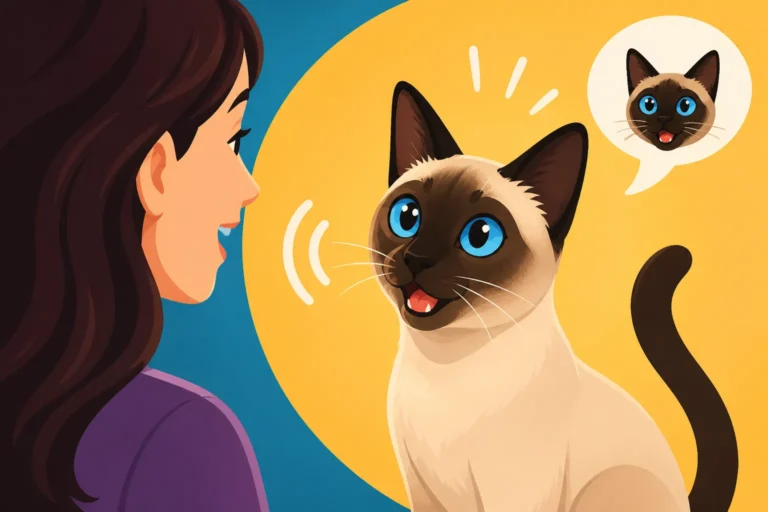
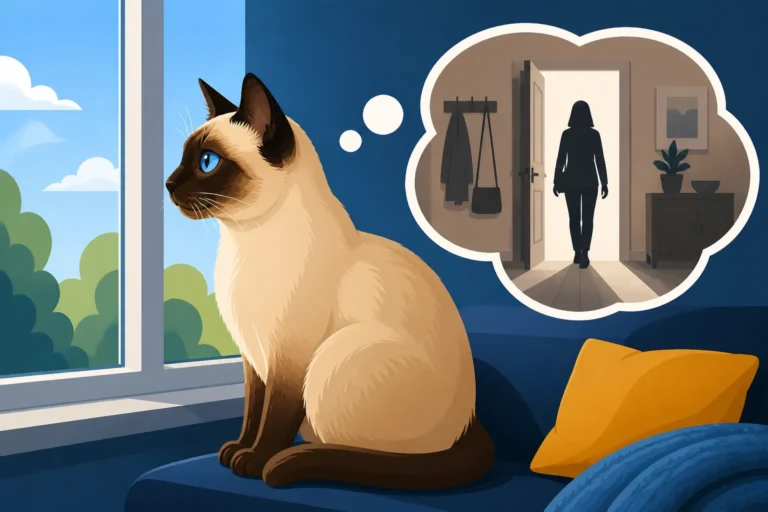
Siamese cats are renowned for their incredibly strong bond with their human companions. They are, by nature, highly communicative and attention-seeking. As they age, this need for interaction and reassurance can intensify. If they perceive a lack of attention, or if your routine changes (e.g., you start working longer hours, or a family member moves out), they might increase their vocalizations to demand your presence and affection. They might yowl when you leave a room, when you’re on the phone, or even when you're simply not looking at them. It's their way of saying, "Hey! I'm here! And I need you to be here with me, right now!" This isn't necessarily a negative behavior; it's an inherent part of A Siamese Cat Will Not Be Ignored, and it becomes more pronounced when they feel vulnerable in their golden years. They might also become more dependent, following you from room to room and loudly announcing their presence.
Changes in Routine and Environment
Older cats thrive on routine and stability. They find comfort in knowing when they'll be fed, when you'll play with them, and where their favorite sleeping spots are. Any disruption to this established rhythm can be a significant source of stress, leading to increased yowling. This could be something as major as moving to a new home or as subtle as changing their feeding time by an hour. Even rearranging furniture can throw a senior cat off, especially if their vision isn't as sharp as it once was. Their yowling, in these cases, is a protest, a plea for the predictability they crave. It's a way of expressing their displeasure and attempting to communicate their desire for things to return to "normal." This is especially true for a Siamese cat, whose sensitive nature means they are often more attuned to these small environmental shifts than other breeds.
Loneliness and Lack of Enrichment
Despite their independent reputation, cats, especially social breeds like the Siamese, can experience loneliness. If an older Siamese cat is left alone for long periods, or if their companion (human or animal) passes away, they can become deeply distressed. This distress often manifests as persistent, mournful yowling. They might be calling out for their lost friend or simply expressing their profound sadness and isolation. Even if they have company, a lack of mental and physical enrichment can lead to boredom and frustration, which can be vented through vocalization. An older cat still needs stimulation, even if it's gentler than in their youth. Without enough appropriate interaction, their sharp minds can become restless, and their voices can become louder. For a breed that thrives on interaction and problem-solving, a dull day can lead to a noisy night. Enrichment for a Siamese Cat That Gets Bored in an Hour is vital even for older felines.
How to Manage and Support Your Yowling Senior Siamese
When your beloved senior Siamese starts yowling more, it's a call to action. You can't just ignore it or hope it goes away. Addressing this change requires a combination of veterinary care, environmental adjustments, and plenty of patience and love. Your goal is to understand why they're vocalizing and then provide the comfort and solutions they need.
The Essential Veterinary Check-Up
Your first and most critical step is to schedule a comprehensive veterinary check-up. As we've discussed, many medical conditions can cause increased vocalization in older cats. Your vet can perform a thorough physical examination, blood tests (to check for hyperthyroidism, kidney disease, etc.), urine tests, and possibly blood pressure checks or imaging like X-rays. It's so important not to skip this, because if there's an underlying medical issue, early diagnosis and treatment can significantly improve your cat's quality of life and potentially quiet their yowls. Your vet might suggest tests to cover What a Siamese Cat's Yearly Bloodwork Should Cover or explore Which Health Tests a Siamese Cat Breeder Runs if you have concerns about inherited conditions. Be honest about all the changes you've observed, no matter how small; every piece of information helps paint a clearer picture.
Creating a Calming and Predictable Environment
Once medical causes are ruled out or managed, focus on creating a supportive home environment for your aging Siamese.
Consistent Routine
Maintain a strict and predictable daily routine for feeding, playtime, and sleep. This consistency provides a sense of security that can greatly reduce anxiety. Try to feed them at the same times each day, and make sure their litter boxes are always accessible and clean.
Safe Spaces
Ensure your cat has several comfortable, easily accessible, and quiet "safe spaces" where they can retreat and feel secure. These might be soft beds in low-traffic areas, cat trees with easily climbable ramps (especially if they have arthritis), or even a cozy box. Consider a heated bed, which can be a real comfort for an older cat who might feel the cold more easily. You can often find excellent options on Amazon. Keeping a Siamese Cat Warm becomes more important as they age.
Nighttime Security
If sundowning is an issue, consider leaving a soft nightlight on to help with disorientation. You might also try a diffuser with calming feline pheromones, which many owners find helpful in reducing anxiety.
Enriching Their Golden Years
Even older cats need mental and physical stimulation, albeit usually in gentler forms.
Gentle Play
Engage in short, frequent play sessions with toys that don't require too much exertion, like feather wands they can bat at from a comfortable position, or soft balls they can chase for a short distance. Interactive play reinforces your bond and provides mental stimulation.
Puzzle Feeders
These can keep their minds active during meal times. Instead of just putting food in a bowl, use a puzzle feeder. This makes eating a bit more of a challenge and can prevent boredom. Many varieties are available on Amazon for all levels of feline dexterity.
Companionship
Spend quality time with your cat. Pet them, talk to them, and simply be present. For a Siamese, your attention is the most valuable form of enrichment. If they are an only cat, consider if a calm, older companion animal might be a good fit, though this is a big decision for a senior cat. You can find more advice in Caring for a Siamese Cat Past Twelve.
When to Consult a Feline Behaviorist
If, despite ruling out medical issues and implementing environmental and routine changes, your Siamese cat’s vocalization remains a significant problem, it might be time to consult a feline behaviorist. These professionals specialize in understanding and modifying cat behavior and can offer tailored strategies.
Understanding Behavioral Therapy
A behaviorist will conduct a detailed history of your cat's behavior, their environment, and your routine. They can identify subtle triggers you might have missed and develop a specific plan. This plan might include advanced environmental modifications, specific training techniques, or even discuss if anti-anxiety medication could be appropriate in conjunction with behavioral modification. This isn't about "punishing" your cat; it's about understanding their underlying motivations and providing solutions that meet their needs while restoring peace to your home. How to Quiet a Siamese Cat might involve some expert input.
Medication as a Last Resort
In some cases, particularly with severe cognitive dysfunction or anxiety that isn't responding to other interventions, your vet or a behaviorist might suggest medication. This is usually considered a last resort and is always combined with environmental and behavioral management. Medications can help to reduce anxiety, improve cognitive function, or alleviate pain that contributes to the vocalization. The goal is always to improve your cat's quality of life and reduce their distress, not just to silence them.
A Lifetime of Love and the Changing Voice of a Siamese
Living with an older Siamese cat who yowls more can be challenging, even frustrating, but it's important to approach it with empathy and understanding. Their increased vocalizations are almost always a symptom of an underlying need or discomfort, whether it's medical, sensory, cognitive, or emotional. You've shared so many years with your Siamese cat, and their golden years are when they need your patience and proactive care the most.
By taking them to the vet, creating a stable and comforting environment, providing appropriate enrichment, and seeking professional help when needed, you can help them navigate the complexities of aging with grace. Your Siamese cat has brought so much joy and conversation into your life; now it’s your turn to listen to their changing voice and respond with the unwavering love they deserve. Remember, The Fifteen to Twenty Years a Siamese Cat Gets are precious, and every one of those years, and every meow, holds meaning.
Disclaimer
This article is for general informational purposes only and does not constitute professional advice. Laws, prices and regulations vary by location and change over time. Consult a qualified professional for guidance on your specific situation.