What a Siamese Cat’s Chirp Means
If you share your home with a Siamese cat, you’ve undoubtedly experienced their extensive vocabulary. Beyond the famed loud yowl and the insistent meow, there's another, often softer, vocalization that can leave new owners wondering: the chirp. This unique sound isn't just a quirky habit; it's a specific form of communication, and understanding what your Siamese cat's chirp means can give you incredible insight into their thoughts and needs. This guide will dive deep into the world of Siamese chirps, helping you decipher these fascinating messages.
The Distinctive Sound of a Siamese Cat's Chirp
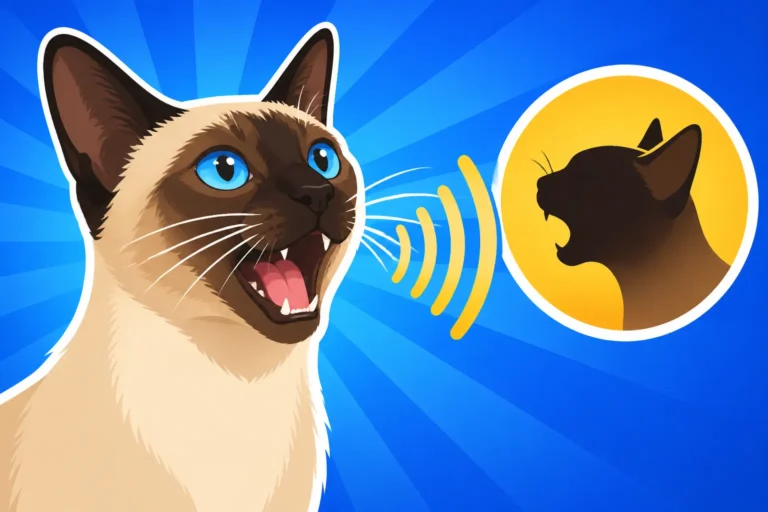
The Siamese cat is renowned for its vocal prowess, but the chirp stands out from its more commonly known calls. It's not a full-throated meow or the deep, guttural yowl. Instead, it's a short, high-pitched, often trilling sound that can be quite enchanting, and sometimes even startling in its suddenness. This distinct vocalization is rooted in their natural instincts and serves several purposes in their complex communication repertoire.
What Exactly Does a Chirp Sound Like?
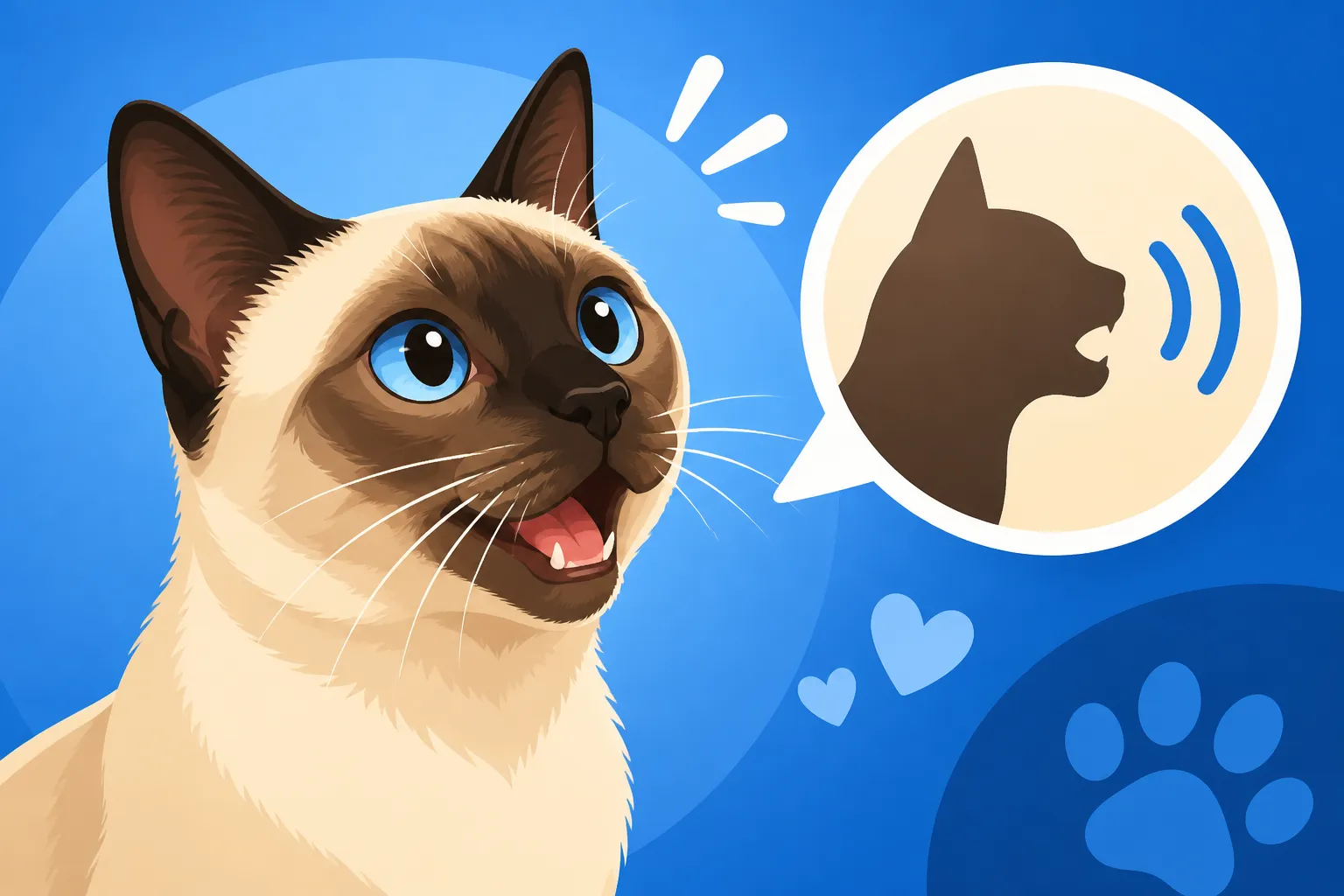
Imagine a bird's soft song, but with a distinctly feline timbre. A Siamese cat's chirp is typically a quick burst of sound, often with a rising inflection. It can sometimes be accompanied by a chattering motion of their jaw, particularly when they are focused on something outside a window. The sound might be a single "churp" or a series of rapid "churp-churp-churp" sounds, often escalating in intensity depending on what has captured their attention. It's less demanding than a meow, and certainly less urgent than a What the Siamese Cat's Meezer Yowl Sounds Like. It has a playful, almost questioning quality to it, making it quite endearing.
It's a sound that many cat owners, especially those new to the Siamese breed, might not even recognize as coming from a cat at first. It's often soft enough not to be overly intrusive, yet distinctive enough to make you turn your head and investigate. This quiet intensity is part of what makes the chirp such a unique and intriguing aspect of Siamese communication.
Chirp Versus Other Vocalizations
To truly understand the chirp, it helps to distinguish it from the other sounds your Siamese cat makes. Your Siamese has an entire language, and each sound carries a different weight and message. While a meow is typically a direct address to you, often indicating a desire for food, attention, or a door opened, and a yowl is a much louder, more drawn-out cry that can signal distress, territory marking, or intense seeking of a mate, the chirp is different.
The chirp is often more internal, or at least less directly demanding of a human response, though it can certainly be a form of invitation. It’s less about a direct request and more about an expression of their current state or observation. Think of it as commentary, rather than a command. Learning to differentiate these sounds is key to truly understanding your feline companion's inner world, and it will definitely help you respond appropriately to their needs. How Many Sounds a Siamese Cat Makes really is impressive once you start listening.
Here's a quick overview of how the chirp stacks up against some other common Siamese vocalizations:
| Vocalization | Sound Characteristics | Common Intent | Typical Triggers |
|---|---|---|---|
| Chirp | Short, high-pitched, often trilling; sometimes jaw chattering. | Observation, excitement, mild frustration, calling attention. | Birds, squirrels, interesting visual stimuli, greeting, inviting play. |
| Meow | Varied pitch and length; can be insistent or soft. | Requesting, demanding attention, greeting, complaint. | Hunger, desire to go outside, wanting pets, saying hello. |
| Yowl | Loud, long, mournful or piercing; deep and resonant. | Distress, mating call, territorial claim, deep-seated complaint. | Being locked out, pain, heat cycle, perceived threat, extreme loneliness. |
| Trill | A rolling, purr-like vocalization, often rising in pitch. | Greeting, affection, invitation to follow, maternal call. | Approaching owner, leading to food, calling kittens. |
Why Do Siamese Cats Chirp? Deciphering the Message
The reasons behind a Siamese cat's chirp are as varied and fascinating as the cats themselves. While it's often associated with specific scenarios, it's important to remember that each cat is an individual, and their chirps might carry slightly different nuances. However, some common themes emerge that help us understand this particular vocalization.
Hunting Instincts and Prey Observation
Perhaps the most classic scenario for a Siamese cat's chirp is when they are observing prey. You've likely seen it: your Siamese is perched on a windowsill, eyes locked on a bird fluttering outside, or a squirrel scampering up a tree. Their body is tense, their tail might twitch, and then, the jaw starts to chatter, producing those distinct chirping sounds. This isn't just random noise; it's a clear manifestation of their strong hunting drive.
The prevailing theory is that this "chattering" or chirping is an involuntary expression of their intense predatory focus and suppressed hunting instincts. They can see the prey, they want to catch it, but they can't physically reach it. This internal conflict, this surge of adrenaline with no outlet, manifests as the chirp. It's almost like a practice bite, a frustrated vocalization of their desire to pounce. It's a truly primal sound, connecting your sophisticated house cat to their wild ancestors stalking prey in the jungle.
Communication and Greeting
Beyond hunting, the chirp is also a key component of a Siamese cat's social communication, both with other cats and with their human companions. It can be a gentle way to get your attention or to signal a friendly greeting. If your Siamese approaches you with a soft chirp, perhaps rubbing against your legs, they're likely saying hello or inviting you to interact with them. It’s their way of initiating conversation without being too demanding.
Many Siamese owners report their cats chirping when they enter a room, as if to acknowledge their presence or to ask "What are you up to?" This form of chirping is often accompanied by relaxed body language, a soft gaze, and perhaps an invitation for a head scratch. It's a wonderful sign of their affection and engagement, showing that A Siamese Cat Will Not Be Ignored, but in a gentle, welcoming way. It’s a softer alternative to the insistent meow for attention, often reserved for moments of comfortable connection.
Excitement and Frustration
Siamese cats are highly intelligent and incredibly sensitive creatures. Their chirps can also be a direct indicator of their emotional state, particularly excitement or frustration. If your Siamese is chirping vigorously while watching you prepare their meal, or when you pull out their favorite wand toy, it's a sign of pure excitement. They're anticipating something wonderful and can't quite contain their enthusiasm. It's a joyous sound, full of eager expectation.
Conversely, chirping can also signal a mild form of frustration. Imagine your Siamese wanting to get into a closed closet where they know their toys are kept. They might chirp at the door, trying to communicate their desire to you. Or perhaps they see something they want to investigate, but a barrier, like a glass door, prevents them. The chirp in these instances is their way of expressing "I see it, I want it, why can't I have it?!" It's a less aggressive frustration than a yowl or hiss, more akin to a grumble or an impatient sigh. Recognizing this distinction helps you understand their needs and possibly alleviate their minor frustrations.
How to Respond to Your Siamese Cat's Chirp
Understanding the meaning behind your Siamese cat's chirp is the first step; knowing how to respond is the next. Given their high intelligence and deep need for interaction, ignoring their vocalizations can lead to frustration for both of you. Thoughtful responses can strengthen your bond and ensure their needs are met.
Deciphering the Message and Offering Appropriate Interaction
When your Siamese chirps, take a moment to observe the context. Is it directed at a bird outside? Then it's likely a hunting chirp, and simply acknowledging their focus with a gentle word can be enough. You might even join them at the window for a moment, observing the "prey" together. If the chirp is directed at you, it’s often an invitation. This is a perfect opportunity for a loving interaction.
Consider what your cat might be asking for. If they're chirping at you in the morning, they might be saying "Good morning, time for breakfast!" If they chirp while rubbing against your legs, they're probably asking for pets and affection. A chirp leading you towards a specific area, like their food bowl or a closed door, is a clear indication of a request. Pay attention to their body language, tail position, and gaze; these cues will provide additional clarity. The Siamese Cat Talks and Expects an Answer is very true!
Enrichment to Address Frustration Chirps
If you notice your Siamese frequently chirping out of frustration – perhaps at objects they can’t reach, or when they seem bored – it's a sign they need more mental and physical enrichment. Siamese cats are incredibly clever and active, and a lack of stimulation can lead to boredom, stress, and destructive behaviors. Providing outlets for their natural instincts can greatly reduce these frustrated vocalizations.
Think about interactive toys that mimic prey. Wand toys, feather teasers, or even small, crinkly balls can provide hours of entertainment. Puzzle feeders are fantastic for engaging their minds and satisfying their hunting instincts by making them "work" for their food. You can find a great selection of these on Amazon, often with reviews from other Siamese owners who know how particular these cats can be. A tall cat tree or window perch can also give them elevated vantage points to observe their world, turning their "prey-watching" chirps into a more satisfying experience. Remember, a bored Siamese is often a vocal Siamese, and sometimes a destructive one, too. You might want to explore topics like Which Toys a Siamese Cat Actually Plays With and How Much Play a Siamese Cat Needs for more ideas.
When to Consult a Veterinarian
While most chirping is a normal and healthy part of Siamese communication, any sudden, drastic, or unusual change in your cat's vocalizations warrants a closer look. If your typically quiet cat suddenly starts chirping incessantly, or if their chirps sound strained, painful, or are accompanied by other symptoms like lethargy, loss of appetite, or difficulty breathing, it's always best to consult your veterinarian. Cats are masters at hiding pain, and a change in vocalization can sometimes be an early indicator of an underlying health issue.
For example, increased vocalization, including chirps, could potentially be a sign of discomfort, anxiety, or even cognitive decline in older cats. A vet check-up can rule out any medical causes and provide peace of mind. While it's rare for chirping itself to be a symptom, an informed owner always errs on the side of caution when it comes to their beloved pet's health. You may also want to consider if When a Siamese Cat's Meowing Means Pain could be relevant if the chirping seems out of character.
Ultimately, your Siamese cat's chirp is a precious part of their unique personality and their way of sharing their world with you. By understanding its nuances and responding with care and appropriate enrichment, you'll deepen the incredible bond you share with these intelligent and vocal felines. Consider investing in some new interactive toys from Amazon to keep their clever minds engaged!
Disclaimer
This article is for general informational purposes only and does not constitute professional advice. Laws, prices and regulations vary by location and change over time. Consult a qualified professional for guidance on your specific situation.