Whether a Siamese Cat Travels Well
Many cat owners grapple with the daunting question of whether their beloved feline companions can handle the stress and unfamiliarity of travel. For those of us with Siamese cats, this question carries an extra layer of complexity, given their famously vocal and highly social personalities. You might wonder if your chatty Meezer will yowl the entire car ride or if they'll turn into a terrified shadow on a plane. This guide is here to shed light on whether a Siamese cat truly travels well, what makes them unique travelers, and how you can prepare them for a journey that's as smooth and calm as possible.
The Siamese Personality and Travel Readiness
Let's face it, Siamese cats are not your average, aloof felines. They are incredibly unique creatures with a personality that's often described as dog-like in its loyalty and vocalizations. This distinct temperament plays a huge role in how they might react to the concept of travel. Understanding these traits is the first step in deciding if hitting the road (or the skies) with your Siamese is a good idea.
High Intelligence and Trainability
One of the Siamese cat's most remarkable traits is their intelligence. These are smart cookies, truly, and they pick up on routines and cues faster than many other breeds. This can be a huge advantage when it comes to travel. Unlike some cats who might be entirely resistant to new experiences, a Siamese can often be trained and acclimatized to certain aspects of travel.
Imagine trying to get a less intelligent or more stubborn cat into a carrier; it can be a wrestling match of epic proportions. With a Siamese, consistent, positive reinforcement training can make a significant difference. You can teach them that the carrier isn't a scary trap, but a cozy, safe den. Start by leaving the carrier out with treats and toys inside, letting them explore it on their own terms. Gradually, introduce short periods inside the carrier, then carry them around the house, slowly building up to car rides. Their clever minds allow them to associate the carrier and car with pleasant experiences, or at least neutral ones, rather than terrifying unknowns. This trainability is a huge asset in the travel department, making the seemingly impossible task of traveling with a cat a bit more manageable. You can even use clicker training to make the carrier a positive place. For more on their cognitive abilities, check out How Intelligent a Siamese Cat Is Compared to Other Cats.
Deep Attachment and Separation Anxiety
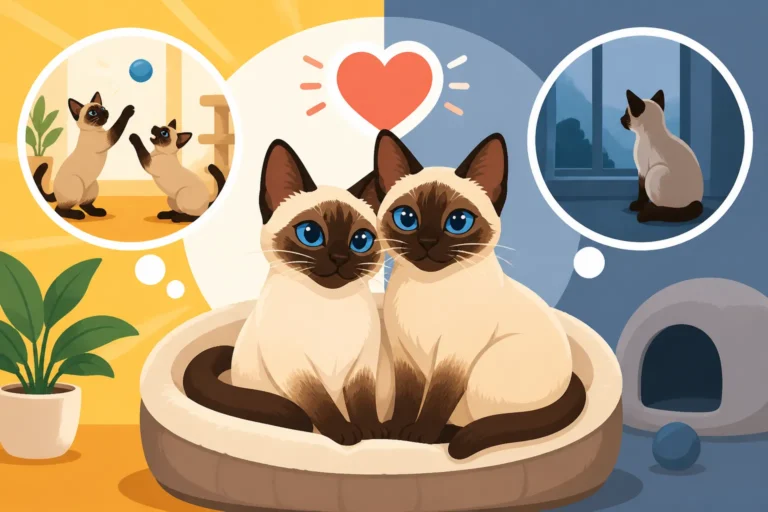
Siamese cats form incredibly strong bonds with their human companions. They are often described as "velcro cats," constantly seeking proximity and interaction. While this deep attachment is one of the most endearing qualities, it can make travel a bit tricky. Being separated from their person, even just by a carrier door or a temporary absence, can trigger anxiety.
For many Siamese cats, being left alone, even for short periods, can lead to distress. If your Siamese already shows signs of being overly dependent or stressed when you're not around, then a journey that involves being in an unfamiliar environment or away from you for extended periods could be very upsetting for them. This intense attachment means they thrive on consistency and familiarity. A sudden change in environment, routine, or even just the constant motion of a vehicle, can be incredibly unsettling. If you've ever wondered about their emotional state, What Separation Anxiety Looks Like in a Siamese Cat might offer some insights. They might express their anxiety through excessive vocalization, destructive behavior, or even inappropriate urination. The key here is acknowledging this deep bond and finding ways to maintain as much familiarity and reassurance as possible throughout the travel process.
The Famous Siamese Voice
Ah, the legendary Siamese voice! It's one of their most defining characteristics – a loud, insistent, sometimes mournful yowl that demands attention. While charmingly communicative in the comfort of your home, this vocal prowess can become a serious challenge when traveling, especially in shared spaces like planes or trains, or even just in your car.
A Siamese cat who is stressed, confused, or simply unhappy about being confined or in a new environment will not hesitate to let you, and everyone else within earshot, know about it. This isn't just a soft meow; it can be a piercing yowl that is difficult to ignore. Imagine a long-haul flight with a Siamese belting out their operatic laments from under the seat! Understanding What the Siamese Cat's Meezer Yowl Sounds Like can give you an idea of what you might be in for. This isn't to say all Siamese cats will yowl incessantly, but it's a significant possibility to prepare for. Mitigating this requires careful planning, calming techniques, and perhaps even consultation with your vet about anti-anxiety medications for travel. Ignoring them will rarely work, and may only exacerbate their cries.
Preparing Your Siamese Cat for a Journey
Deciding to travel with your Siamese is a big commitment, and success largely hinges on thorough preparation. You can't just spring a trip on them and expect them to be thrilled. Instead, a phased approach focusing on familiarity, comfort, and professional advice will pave the way for a less stressful experience for everyone involved.
Carrier Training is Non-Negotiable
This isn't just about getting your cat into the carrier; it's about making the carrier a safe, positive, and familiar space long before travel day. Start months, if not weeks, in advance. Leave the carrier open with soft bedding inside, perhaps a favorite toy, and some high-value treats. Make it part of their everyday environment, not something that only appears when a vet visit or trip is imminent.
Encourage them to explore it, nap in it, and even eat meals near or inside it. Use positive reinforcement when they voluntarily enter. Once they're comfortable just being in it, start closing the door for very short periods, gradually increasing the duration. Then, pick up the carrier and carry them around the house. Eventually, introduce short car rides, starting with just sitting in the parked car, then short drives around the block. The goal is to desensitize them to the carrier and the motion of a vehicle, making it a "known" rather than a "scary unknown." You can find excellent travel carriers, including airline-approved options, on Amazon, often featuring soft inserts and multiple entry points to make the experience more appealing.
Vet Check-Up and Calming Aids
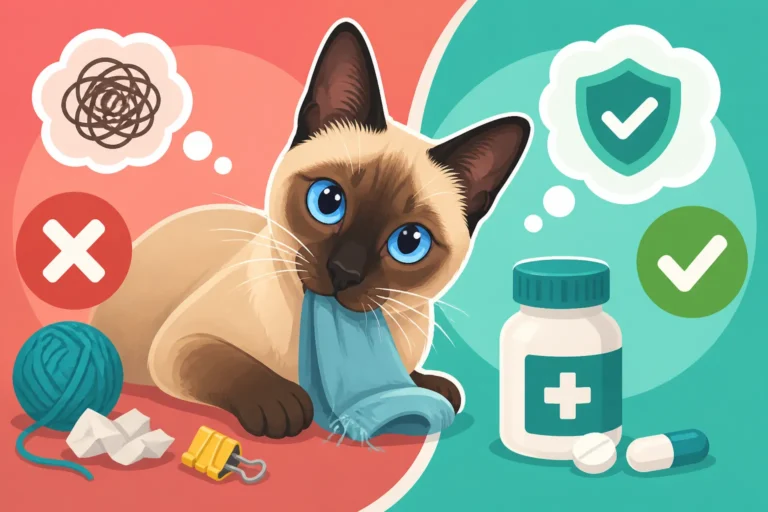
Before any significant travel, a visit to your veterinarian is crucial. This isn't just about ensuring your Siamese is healthy enough for the journey, but also about discussing potential stress-relief options. Your vet can provide a health certificate if needed for airline travel or crossing borders, and can also discuss motion sickness medication or mild sedatives if your cat is particularly anxious.
Don't wait until the last minute to discuss these options. Some medications need to be tested at home first to see how your cat reacts. Besides prescription options, there are over-the-counter calming aids like pheromone sprays or diffusers (Feliway is a popular one) that can be sprayed in the carrier or used in the car. These mimic natural feline calming pheromones and can help reduce anxiety. Some cats also respond well to calming treats or supplements. Your vet can guide you on the best approach for your individual cat's needs. For insights into their general health, consider How Healthy the Siamese Cat Actually Is.
Different Modes of Travel: What to Expect
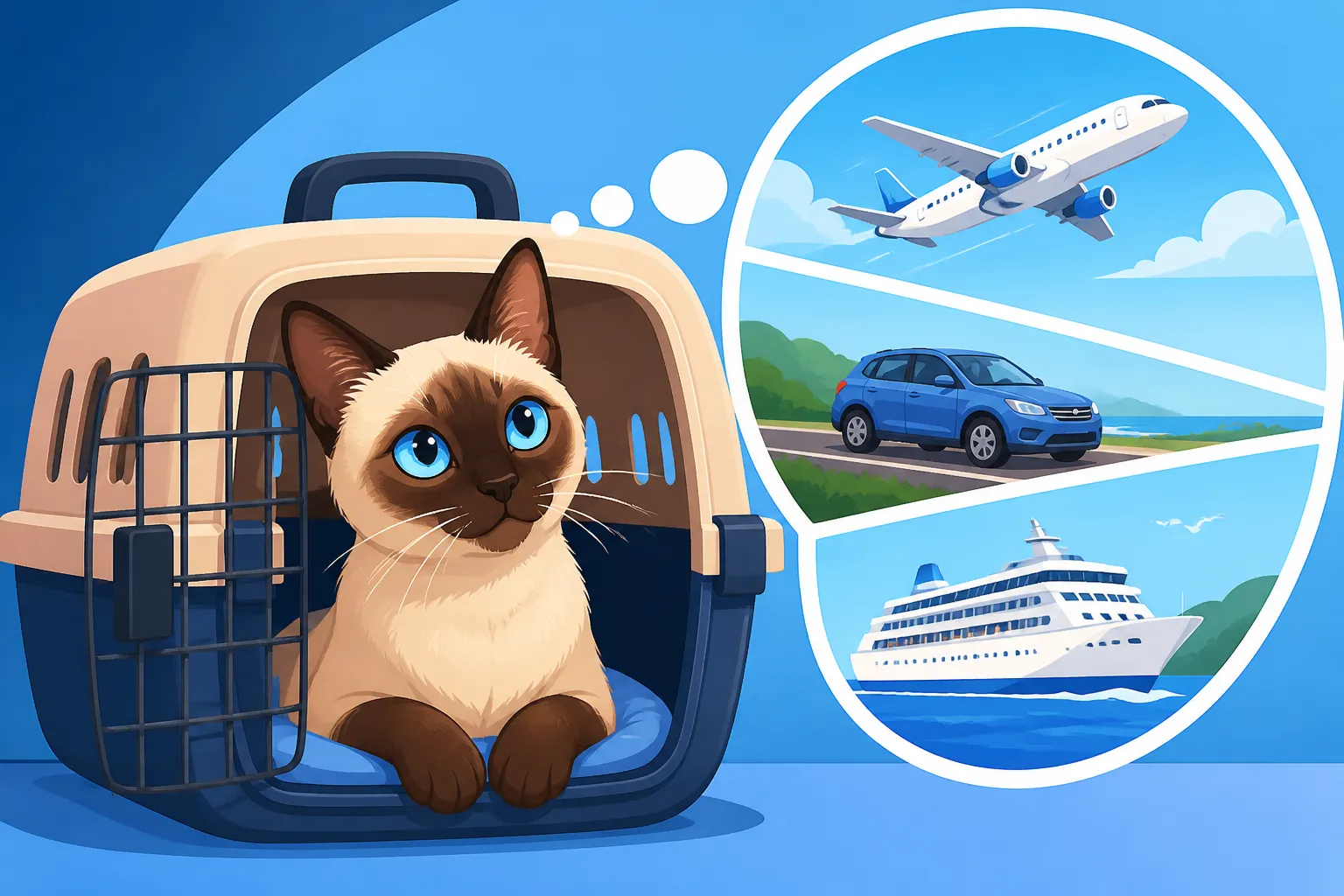
The type of travel you undertake dramatically impacts how your Siamese will cope. A short car ride to the vet is one thing, a cross-country flight quite another. Each mode of transport presents its own set of challenges and requires specific considerations for your sensitive feline friend.
Car Travel with a Siamese
Car travel is perhaps the most common way people transport their cats. For a Siamese, it can be a mixed bag. Their strong bond with you means they might tolerate it better if you're right there, but their vocal nature can make for a noisy journey. A well-secured carrier is paramount for their safety and yours. Never let your Siamese roam freely in the car; it's a huge distraction and incredibly dangerous if you have to stop suddenly.
Ensure the carrier is in a stable position, perhaps belted into a seat, so it doesn't slide around. Cover the carrier with a light blanket to create a den-like feel, which can reduce visual stimulation and make them feel more secure. Keep the car's temperature comfortable and consider short, frequent breaks for longer journeys, allowing for water and litter box access in a safe, contained environment (like a pet tent or large carrier outside the car). Remember, even if they're usually good, the stress of a long trip might bring out behaviors you haven't seen before. If they get particularly agitated, you might understand Why a Siamese Cat Yowls in the Car better than you ever wanted to!
Air Travel with a Siamese
Air travel with a Siamese cat is generally more complicated and often more stressful for both of you. Most airlines allow small cats to travel in the cabin under the seat in front of you, provided the carrier meets specific dimensions and your cat meets weight requirements. This is usually the preferred option, as it means your cat is with you, providing some comfort.
However, the cabin environment is still noisy, crowded, and unfamiliar. Your Siamese might be highly vocal throughout, which can be challenging for you and fellow passengers. If traveling in cargo is the only option (for larger cats or international travel), it's a decision that requires serious consideration. Cargo travel is incredibly stressful due to temperature fluctuations, noise, and separation. Always consult with your vet and the airline well in advance to understand all requirements and potential risks. For an international trip, you'll also need to consider complex health certificates and possibly quarantine.
Other Forms of Transport
While less common, some people might consider train travel or even bus travel with their Siamese. Similar principles apply: a secure, comfortable carrier is essential. Check the specific policies of the transport provider regarding pets. Trains often offer more space and a less turbulent journey than planes or cars, which can be a gentler experience.
However, the noise, vibrations, and constant presence of strangers can still be overwhelming for a sensitive Siamese. A covered carrier, familiar bedding, and perhaps a pheromone spray can help create a sense of calm. Always ensure you have enough food, water, and waste disposal options for the duration of the journey. For any journey, short or long, always have a small travel litter box ready. You can find collapsible, travel-friendly litter boxes, as well as compact bowls for food and water, on platforms like Amazon.
Here's a quick overview of how Siamese cats might fare in different travel scenarios:
| Travel Mode | Siamese Pros | Siamese Cons | Preparation Tips |
|---|---|---|---|
| Car | With owner, familiar sights (eventually) | Vocalizations, motion sickness, confinement distress | Carrier training, short trips first, familiar items, calming spray, vet consult |
| Air (Cabin) | With owner, under seat, direct supervision | Confined space, loud noises, strangers, vocalizations | Airline-approved carrier, vet certificate, calming aids, consider sedatives |
| Air (Cargo) | No inherent Siamese pros for this mode | Extreme stress, noise, temperature, separation | Generally not recommended for Siamese due to anxiety and vocal nature. |
| Train/Bus | Often less turbulent than air/car, more space (train) | Noise, crowds, confinement, new smells/sounds | Carrier training, cover carrier, calming aids, ample food/water/litter provisions |
Making Travel Less Stressful for Your Siamese
Even with the most meticulous planning, travel can be inherently stressful for cats. Your goal is to minimize that stress and make the experience as tolerable, or even positive, as possible for your Siamese. A little foresight and a lot of patience go a long way.
Familiarity and Comfort Items
Cats, especially Siamese, find immense comfort in the familiar. When traveling, bring along items that smell like home and you. This could be their favorite blanket, a small towel you've slept with, or a well-loved toy. Place these items inside their carrier. The familiar scent acts as an anchor, a small piece of their secure world in a sea of new sensations.
Think about their usual routine, too. While it's impossible to replicate entirely, maintaining elements like feeding times or a quiet period can help. Having a small, portable litter box available, along with their usual food and water bowls (or travel versions), will reduce anxiety related to basic needs. This helps them understand that even though the scenery is changing, some fundamental comforts remain constant. Having their usual scratching post or a small cat tree at the destination can also help them settle in faster. For ideas on enriching their environment, even in travel, see Enrichment for a Siamese Cat That Gets Bored in an Hour.
Gradual Exposure and Positive Reinforcement
This ties back to carrier training but extends to the entire travel experience. Don't let the first time your Siamese experiences a car ride be a two-hour journey. Start with short, positive exposures. Take them in the car for five minutes, praise them, give them a treat, and bring them back inside. Gradually increase the duration.
Use positive reinforcement heavily. Any calm behavior in the carrier or during a short trip should be rewarded. Never scold or punish them for vocalizing or being anxious; this will only increase their stress and negative association with travel. Your patience and calm demeanor will communicate reassurance to your Siamese, helping them to feel more secure. If your Siamese is particularly prone to anxiety, you might also consider introducing them to new people or environments gradually, as discussed in How a Siamese Cat Greets a Stranger, to build their confidence in unfamiliar situations.
Environmental Control and Contingency Planning
Wherever you travel, try to maintain a comfortable and predictable environment for your Siamese. Keep the carrier covered if they seem overwhelmed by sights. Ensure a consistent, comfortable temperature. At your destination, set up their "base camp" – carrier, litter box, food, water, and familiar bedding – in a quiet, secure room before letting them explore.
Have a contingency plan for unexpected events. What if they refuse to eat? What if they have an accident outside the litter box? What if they become overly distressed? Knowing who to call (your vet, or a vet at your destination), having emergency supplies, and understanding their individual signs of stress are vital. Be prepared that not every trip will go perfectly, and flexibility is key. Sometimes, the best plan is to realize that your Siamese truly doesn't travel well and to consider alternatives like a trusted pet sitter or boarding facility, as explored in How a Siamese Cat Copes With Boarding.
Ultimately, whether a Siamese cat travels well isn't a simple yes or no answer. It depends heavily on their individual personality, your preparation, and the type of travel. While their intelligence and attachment can be leveraged for training and comfort, their vocal nature and potential for separation anxiety mean travel often requires extra effort and patience. With the right approach, many Siamese cats can learn to tolerate, and perhaps even enjoy, the adventure of traveling with their beloved humans.
Disclaimer
This article is for general informational purposes only and does not constitute professional advice. Laws, prices and regulations vary by location and change over time. Consult a qualified professional for guidance on your specific situation.