A Siamese Cat Will Not Be Ignored
If you've ever felt like your Siamese cat has an internal alarm clock set specifically to demand your attention, you're certainly not alone. These talkative, intelligent, and deeply affectionate felines are notorious for making sure their presence is known, often with a persistence that can wear down even the most devoted owner. This guide is here to help you understand why your Siamese cat won't be ignored, how to interpret their insistent communication, and effective ways to manage their demanding nature in a way that fosters a stronger, happier bond for both of you.
The Inherent Demand for Attention
Siamese cats aren't just pets; they're active participants in your life, and they expect you to acknowledge that fact at all times. Their breed history and genetic makeup have endowed them with a personality that thrives on interaction, making them one of the most demanding yet rewarding feline companions. Understanding this intrinsic need is the first step toward a harmonious household.
A Breed Built for Interaction
Historically, Siamese cats were companions to royalty and temple dwellers in Siam, revered for their striking appearance and intelligent demeanor. They weren't left to merely exist in the background; they were part of the daily life, interacting closely with their human caretakers. This deep-seated need for connection and participation has been bred into them for centuries. They simply haven't evolved to be aloof, independent creatures that merely tolerate your presence. Instead, they see themselves as central figures in your world and expect to be treated as such, often with an air of entitlement that is both endearing and utterly exhausting.
Think of it this way: your Siamese isn't just a cat; they're a miniature, highly vocal shadow. They want to know what you're doing, where you're going, and why you're not paying attention to them right now. This constant engagement is hardwired. They often bond fiercely with one or two people in the household, making those individuals the primary targets of their affections and demands. This isn't a flaw in their character; it's the very essence of being a Siamese cat.
The Intelligence Factor
One of the defining traits of the Siamese cat is their incredible intelligence. They are problem-solvers, observers, and masters of manipulation (in the cutest way possible, of course). This high level of intellect means they get bored easily and require constant mental stimulation. A bored Siamese is a demanding Siamese, and they will absolutely find ways to entertain themselves if you don't provide sufficient outlets – often to your detriment. They learn very quickly what gets your attention, whether it's a polite nudge, a plaintive meow, or batting an item off a shelf.
Their cleverness also means they understand routines and expectations with remarkable clarity. If you've accidentally taught them that yowling at 3 AM gets you out of bed to feed them, they'll remember and repeat that behavior indefinitely. This isn't stubbornness; it's simply a testament to their keen observational skills and ability to adapt their strategies to achieve their desired outcome. Providing them with intellectual challenges and consistent training is crucial to channeling this intelligence productively.
Bonding and Attachment
The bond a Siamese cat forms with their human family is often described as dog-like in its intensity and loyalty. They thrive on companionship and suffer greatly from loneliness or perceived neglect. This deep attachment is why they follow you from room to room, sit on your keyboard while you work, or insist on sleeping under the covers with you. They genuinely want to be near you and involved in your activities.
This strong bond means they are highly sensitive to your moods and changes in the household. A new schedule, a prolonged absence, or even just feeling overlooked can trigger their attention-seeking behaviors. They're not being vindictive; they're seeking reassurance and connection. For a Siamese, you are their world, and they expect to be yours too. They crave that close, intimate relationship, and if they feel a disconnect, they'll do everything in their power to re-establish it.
Decoding the Siamese Cat's Communication
Understanding your Siamese cat isn't always about hearing what they say, but interpreting how they say it. Their rich vocalizations are just one part of a complex communication system that includes intricate body language and even subtle environmental cues. Learning to read these signals can help you address their needs before they escalate into persistent demands.
The Vocal Repertoire
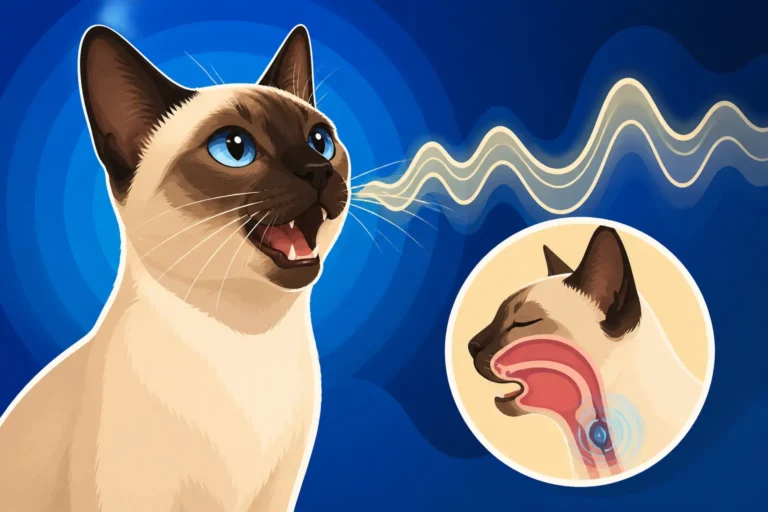
If there's one thing a Siamese cat is famous for, it's their voice. They possess an incredibly diverse vocal repertoire that goes far beyond a simple "meow." You'll hear everything from soft chirps and trills to full-blown "meezer yowls" that can sound surprisingly human-like, sometimes even like a baby crying. Each sound often carries a specific meaning, and learning to differentiate them is key to understanding your cat's immediate needs. For instance, a soft trill might be a greeting or an invitation to play, while a prolonged, urgent yowl usually signifies a demand for food, attention, or a complaint about a closed door.
It's common for owners to describe their Siamese as "talking" to them because these cats genuinely engage in vocal back-and-forth. They expect The Siamese Cat Talks and Expects An Answer when they speak to you, and they'll often adjust their volume and tone based on your responses. This makes them wonderfully interactive, but also means they won't simply accept silence as an answer. They'll keep up their vocalizations, often increasing in intensity, until they get a satisfactory response from you. It's truly a unique and captivating aspect of their personality, but one that requires a patient and understanding human.
Body Language Speaks Volumes
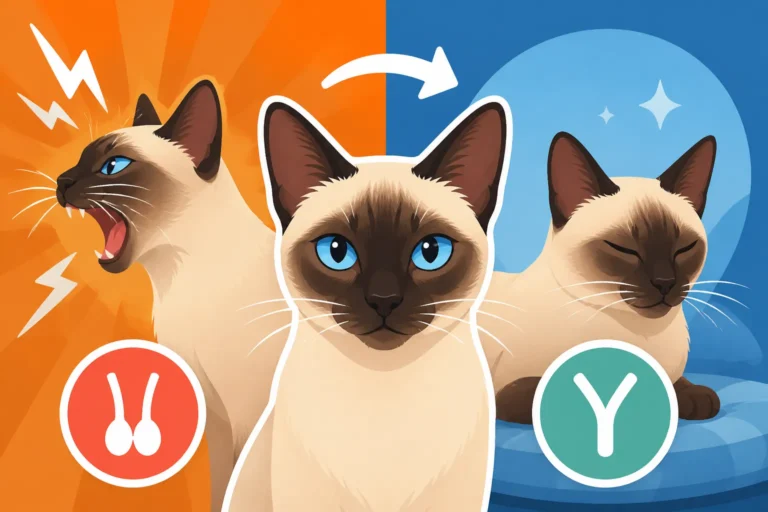
While their voice is prominent, a Siamese cat's body language is equally expressive and can often preempt their vocal demands. Pay close attention to their ears, tail, fur, and overall posture. Ears flattened or swiveling can indicate irritation or intense focus, while a tail held high with a slight curl at the tip is generally a sign of happiness and confidence. Piloerection (fur standing on end) signals fear or aggression. A direct, unblinking stare is often a silent demand for attention, especially if they follow it up with a slow blink, which is a sign of trust and affection.
For example, if your Siamese is sitting near you, staring intently, and then nudges your hand with their head or paw, they're not subtly hinting; they're directly asking for pets or interaction. If they're pacing back and forth near the kitchen counter or the door to a specific room, they're telling you they want something from that area – perhaps food or access. Learning to recognize these non-verbal cues allows you to respond to their needs earlier, potentially avoiding a full-blown vocal protest.
The Silent Demands
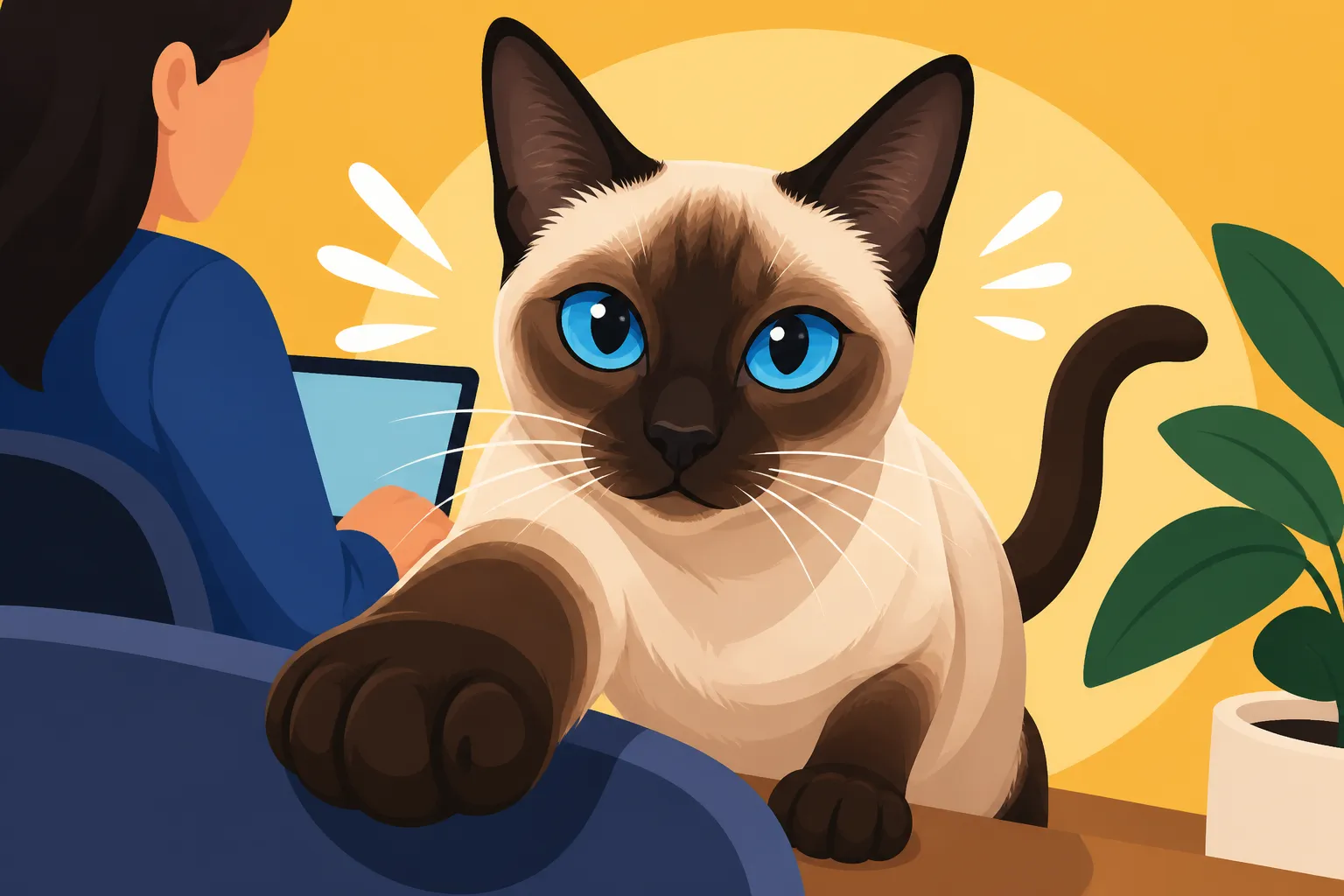
Beyond obvious meows and expressive body language, Siamese cats also employ more subtle, "silent" demands that are no less insistent. These can include prolonged staring with intense blue eyes, often accompanied by a slow blink that transitions into an unwavering gaze. They might sit directly in your line of sight, perhaps on your laptop keyboard or directly in front of your television, effectively blocking your view until you acknowledge them.
Another common silent demand is the "follow." Your Siamese will become your personal shadow, trailing you from room to room, often weaving through your legs or jumping onto surfaces near you. They might also gently bat at an object on a table, or push their head into your hand while you're trying to read or work. These actions, while not overtly loud, are a clear communication: "I am here, and I expect you to engage with me." Ignoring these early signals often leads to the escalation of demands, eventually culminating in What the Siamese Cat's Meezer Yowl Sounds Like.
When Attention-Seeking Becomes Problematic
While a Siamese cat's demanding nature is part of their charm, there are times when their pursuit of attention can cross the line from endearing to genuinely problematic. These behaviors often stem from boredom, stress, or a lack of appropriate outlets, and if left unaddressed, they can become deeply ingrained habits that strain the relationship between you and your feline friend.
Destructive Behaviors
A Siamese cat who isn't getting enough mental or physical stimulation will often find their own ways to entertain themselves, and these activities are rarely what you'd prefer. This can manifest as destructive behaviors such as excessive scratching of furniture, chewing on household items (especially fabrics or plastics), or knocking items off shelves and counters. It's not out of spite; it's often a desperate plea for engagement or a release of pent-up energy. They learn quickly that a vase crashing to the floor will certainly get your attention, even if it's negative attention.
Sometimes, this destruction is linked to anxiety or frustration. If they're demanding to play and you're consistently too busy, they might lash out at a sofa arm or a curtain, trying to exert control over their environment and solicit a reaction. It's crucial to distinguish between normal cat behavior (like scratching on an appropriate post) and behavior that indicates a deeper issue. If your cat is consistently ruining things, it's a strong indicator that their need for interaction and enrichment isn't being met.
Excessive Vocalization
The Siamese cat is known for being vocal, but there's a difference between their characteristic chattiness and truly excessive, non-stop vocalization. If your cat is constantly yowling, meowing, or crying even after all their basic needs (food, water, litter box) have been met, it could be a sign of extreme attention-seeking, boredom, or even an underlying medical issue. This is especially true if How Often a Siamese Cat Meows at Night, disrupting your sleep and overall household peace.
This constant noise can be incredibly frustrating and can lead to owners feeling overwhelmed and exhausted. Sometimes, owners inadvertently reinforce this behavior by giving in to the demands just to make the noise stop. Unfortunately, this teaches the cat that persistent vocalization works. Addressing excessive vocalization requires a consistent strategy of redirection, ignoring unwanted noise, and providing ample positive outlets for their energy.
Inappropriate Eliminations
While less common purely as an attention-seeking behavior, inappropriate urination or defecation outside the litter box can sometimes be a cry for help from a stressed or attention-deprived Siamese cat. Before attributing it to a behavioral issue, always, always rule out medical causes first. Any sudden change in litter box habits warrants an immediate vet visit, as it could indicate a urinary tract infection, kidney issues, or other health problems.
Once medical causes are ruled out, if your Siamese is consistently eliminating outside the box, especially in prominent locations, it might be their way of signaling distress, anxiety, or a desperate need for your focus. This is often seen in cats experiencing separation anxiety or significant environmental changes. It's a high-stakes form of communication that says, "I am unhappy, and I need you to notice." This behavior, more than any other, often requires a multi-faceted approach, potentially involving environmental adjustments, increased interaction, and sometimes even a vet-prescribed anxiety medication.
Proactive Strategies for Engagement
The best way to prevent your Siamese cat from becoming overly demanding is to proactively meet their needs for interaction and stimulation. By establishing routines, providing enriching activities, and engaging with them on their terms, you can foster a happier, more balanced cat who feels seen and heard without resorting to constant pleas.
Establishing a Routine
Siamese cats thrive on predictability. Establishing a consistent daily routine for feeding, play, and cuddle times can significantly reduce their anxiety and their need to constantly demand your attention. When they know when they can expect interaction, they are often more content to wait patiently, rather than feeling the need to pester you throughout the day. Try to schedule dedicated play sessions around the same time each day, perhaps once in the morning and once in the evening, ideally before meal times to mimic their natural hunting cycle.
Consistency is key. If you always feed them at 7 AM and 7 PM, they will learn this. If you always have a 15-minute laser pointer or wand toy session after dinner, they will anticipate it. This doesn't mean you can't be flexible, but a general framework provides them with a sense of security and understanding. When routines are unpredictable, they might feel the need to constantly remind you of their needs because they're unsure when their next opportunity for interaction will arise.
Targeted Play Sessions
Siamese cats require a lot of play, not just for physical exercise but for mental stimulation. Short, frequent, and intense play sessions are far more beneficial than sporadic, half-hearted attempts. Aim for at least two 10-15 minute sessions per day where you are actively engaged with your cat, using interactive toys like wand toys, laser pointers (with a treat at the end!), or feather teasers. These sessions should mimic hunting behavior: stalk, chase, pounce, and "kill" the prey (let them catch the toy!).
These targeted play sessions help burn off excess energy and satisfy their predatory instincts. A tired cat is a happy cat, and a happy cat is less likely to feel the urge to demand attention through less desirable means. Remember, Siamese cats are highly intelligent and get bored quickly, so rotate toys and introduce new challenges to keep their interest piqued. You can find a vast array of stimulating toys on Amazon, ranging from simple feather wands to complex electronic mouse toys.
Interactive Feeding
Beyond play, mealtime can also be a fantastic opportunity for mental enrichment. Instead of simply putting food in a bowl, consider using puzzle feeders or hiding small portions of their dry food around the house. This makes them "work" for their meal, engaging their problem-solving skills and satisfying their natural foraging instincts. It transforms a mundane activity into an exciting mental challenge, which can go a long way in keeping a clever Siamese occupied.
There are many different types of puzzle feeders available on Amazon, from simple slow-feeder bowls to intricate toys that require pawing and pushing to release kibble. Start with easier puzzles and gradually introduce more complex ones as your cat becomes proficient. This not only keeps them mentally stimulated but also slows down their eating, which can be beneficial for digestion. When they're busy "hunting" for their dinner, they're less likely to be demanding your attention in other ways.
Managing Excessive Demands
Even with proactive engagement, there will be times when your Siamese cat's demands feel overwhelming. Learning how to effectively manage these moments without inadvertently reinforcing the behavior is crucial. It requires consistency, patience, and a clear understanding of what you want to encourage and what you want to diminish.
Ignoring Inappropriate Behavior
This is often the hardest, but most effective, strategy. If your Siamese is yowling, pawing at you, or engaging in destructive behavior specifically to get your attention, the best response is often to completely ignore it. This means no eye contact, no speaking, no touching, and no reaction whatsoever. As soon as the behavior stops, and your cat is calm, then you can offer attention, praise, or a treat. This teaches them that calm, quiet behavior gets them what they want, while demanding behavior does not.
Be warned: when you first start ignoring, the behavior will likely get worse before it gets better. This is called an "extinction burst," where the cat tries even harder to get a reaction because their usual methods aren't working. You must be prepared to weather this storm. If you give in during an extinction burst, you've inadvertently taught them that if they just try harder, they'll eventually get their way, making the problem even more entrenched. Consistency is your superpower here.
Redirecting Undesirable Actions
Sometimes, simply ignoring isn't enough, especially if the behavior is destructive or potentially harmful. In these cases, redirection is a powerful tool. If your Siamese is scratching the sofa, gently pick them up and place them on an appropriate scratching post, then praise and reward them when they use it. If they're chewing on a dangerous item, remove it and immediately offer an acceptable chew toy or a play session. The key is to swiftly interrupt the unwanted behavior and immediately provide an appropriate alternative.
For persistent attention-seeking, like constant meowing when you're busy, you can try redirecting their energy. Instead of engaging with the meowing, calmly stand up, walk to their favorite toy, and initiate a brief play session. The interaction is given, but it's on your terms and at your initiation, not as a direct response to their demands. This subtly shifts the power dynamic, teaching them that you are the one who decides when attention is given, not their insistent vocalizations.
Positive Reinforcement
Positive reinforcement is your best friend when training a Siamese cat. Whenever your cat exhibits calm, quiet, or independent behavior, reward them! This could be a small treat, a gentle stroke, or a soft word of praise. For example, if your cat is sitting quietly next to you while you read, periodically reach down and give them a pet and say, "Good quiet cat." This reinforces the desirable behavior. Over time, they will associate being calm and independent with positive outcomes.
You can also use positive reinforcement to teach specific commands, as Which Tricks a Siamese Cat Can Learn is quite impressive. Teaching them to "sit" or "stay" can be useful for managing moments of high demand. If they're demanding attention, ask them to sit, reward them for sitting, and then give them attention. This establishes a sequence where they perform a desired action before receiving their reward, giving you more control over the interaction.
The Role of Companionship in a Siamese Cat's Life
One of the most frequent questions Siamese cat owners grapple with is whether their demanding cat might benefit from a feline companion. Given their highly social nature, it's a valid consideration, but it's not a one-size-fits-all solution.
Single Cat vs. Multi-Cat Households
Siamese cats are inherently social and often thrive in multi-cat households, especially if they are left alone for significant periods during the day. A companion can provide much-needed play, grooming, and social interaction, which can greatly reduce their reliance on you for constant entertainment. If your Siamese cat exhibits signs of What Separation Anxiety Looks Like in a Siamese Cat or is excessively demanding when you are home, a well-matched feline friend might be exactly what they need to feel more secure and stimulated.
However, a second cat isn't a magical cure-all, nor is it suitable for every Siamese. Some Siamese cats prefer to be the sole focus of attention and may not welcome a newcomer. The decision should be based on your cat's individual personality, your lifestyle, and your ability to introduce cats carefully and patiently. If your Siamese is already exhibiting signs of territoriality or aggression towards other animals, introducing another cat could create more stress than relief.
Introducing a New Feline Friend
If you decide to introduce a second cat, particularly another Siamese or a similarly social breed, a slow and deliberate introduction process is paramount. Rushing it can lead to long-term animosity between the cats, making the situation worse for everyone. Start with scent swapping, feeding on opposite sides of a closed door, and gradually progress to supervised visual contact through a gate.
The goal is to create positive associations with the new cat's presence. Reward both cats for calm behavior during their interactions. It might take weeks or even months for them to fully accept each other, but the investment in a harmonious household can be well worth it. Many owners report that Whether a Siamese Cat Is Happier in a Pair, especially if they are compatible playmates. Always ensure each cat has their own resources (food bowls, litter boxes, sleeping spots) to reduce competition.
Human-Cat Bond as Primary
Even if you have a multi-cat household, remember that your bond with your Siamese remains paramount. A feline companion can alleviate some of the pressure on you for constant entertainment, but it won't replace the unique human-cat connection your Siamese craves. They will still want your attention, your cuddles, and your interactive play. The companion acts as a supplementary source of interaction, not a replacement for your role.
It's important to continue dedicating one-on-one time with each cat, ensuring that both feel loved and valued. A second cat should enhance your Siamese's life, not diminish their connection with you. The idea is to reduce the intensity of their demands on you by spreading their social needs across multiple sources, rather than shifting their affections entirely.
Enrichment: The Key to a Happy, Engaged Siamese
A stimulated Siamese is a content Siamese. Providing a rich and varied environment that appeals to their natural instincts for climbing, exploring, hunting, and playing is fundamental to managing their demanding nature. This proactive approach ensures they have plenty of engaging activities to occupy their intelligent minds, reducing their need to constantly seek your attention through undesirable means.
Vertical Space and Exploration
Siamese cats love to climb and observe their world from high vantage points. Providing ample vertical space is essential for their mental and physical well-being. Invest in tall cat trees, wall-mounted shelves, and window perches where they can survey their territory. These spaces offer a sense of security, an outlet for their climbing instincts, and a new perspective on their environment, which can keep them entertained for hours.
Consider placing cat trees near windows so they can watch birds and squirrels, offering natural entertainment. A "catio" or secure outdoor enclosure can also be a fantastic way to provide safe outdoor exploration, stimulating their senses with fresh air, new smells, and changing scenery. The more opportunities they have to explore and move in a three-dimensional space, the less likely they are to become bored and demanding.
Puzzle Toys and Feeders
As highly intelligent cats, Siamese thrive on mental challenges. Puzzle toys and interactive feeders are excellent tools to keep their minds engaged, especially when you can't actively play with them. These toys require your cat to use their problem-solving skills to retrieve treats or kibble, transforming mealtime into a stimulating "hunt." This activity can provide significant mental enrichment and help stave off boredom. Many varieties are available, from treat-dispensing balls to more complex mazes you can find on Amazon.
Rotating these toys regularly can keep them fresh and exciting. Don't put all their puzzle toys out at once; introduce one or two, and then swap them out every few days. You can also hide treats around the house, turning your home into a scavenger hunt, which appeals to their natural foraging instincts. This kind of enrichment helps satisfy their clever minds and reduces the need for them to create their own (often destructive) games.
Outdoor Access (Safe Options)
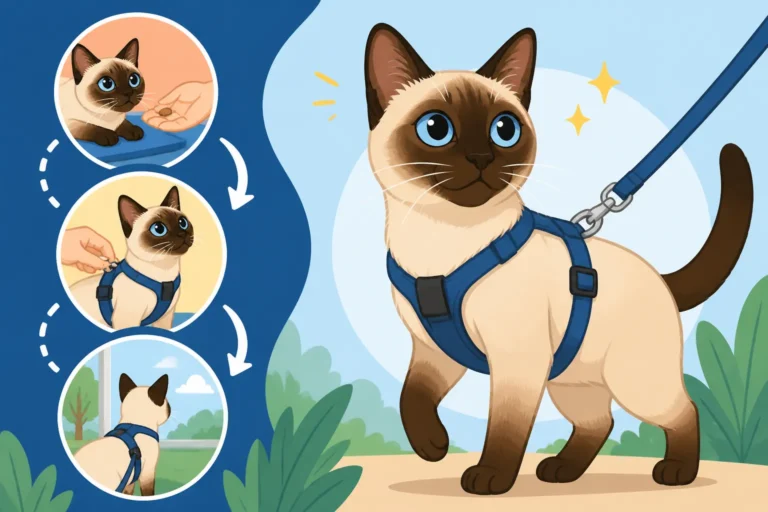
While an indoor-only lifestyle is generally safest for cats, many Siamese cats crave some form of outdoor stimulation. Safely providing this can be a huge boost to their overall well-being and significantly reduce their indoor demands. Leash training your Siamese is a viable option, as How to Leash Train a Siamese Cat is quite possible for these intelligent felines. A daily supervised walk can provide a wealth of new sights, sounds, and smells that indoor environments simply cannot replicate.
Alternatively, building or investing in a secure catio allows them to experience the outdoors safely without the risks associated with free-roaming. Even a securely screened window or balcony can offer valuable sensory input. The novelty and stimulation of the outdoor world, even from a safe vantage point, can dramatically improve their mood and temper their demanding behaviors indoors, by providing a fulfilling outlet for their curiosity and energy.
When to Seek Professional Help
While many attention-seeking behaviors can be managed with consistent training and environmental enrichment, there are instances when professional intervention is necessary. Recognizing these signals and knowing when to consult a veterinarian or a certified feline behaviorist can prevent issues from escalating and ensure your Siamese cat receives the care they need.
Persistent Behavioral Issues
If you've implemented various strategies for managing your Siamese cat's demands – consistent routines, ample play, enrichment, and ignoring inappropriate behaviors – and you're still facing persistent, unresolved issues, it's time to seek expert help. Behaviors such as relentless excessive vocalization despite all needs being met, consistent destructive behavior that can't be redirected, or ongoing aggression linked to attention-seeking are signs that you might be dealing with something beyond simple stubbornness.
A professional feline behaviorist can provide an unbiased assessment of your cat's situation, identify underlying causes that you might have missed, and develop a tailored behavior modification plan. They have expertise in understanding feline communication and psychology, offering strategies that might be more advanced or specific to your cat's unique temperament.
Sudden Changes in Behavior
Any sudden, drastic change in your Siamese cat's behavior, especially an increase in attention-seeking, aggression, or a change in vocalization patterns, should always prompt a visit to the veterinarian first. Cats are masters at hiding pain and illness, and often the first sign of a medical problem is a behavioral shift. For example, increased vocalization could indicate pain, discomfort, hyperthyroidism (common in older cats), or even early stages of cognitive dysfunction. Similarly, a sudden onset of destructive behavior could be a response to undiagnosed pain or a neurological issue.
Your vet will conduct a thorough physical exam and potentially recommend diagnostic tests (bloodwork, urinalysis, X-rays) to rule out any underlying health conditions. It's impossible to address a behavioral problem effectively if its root cause is a medical issue, so this step is non-negotiable. Don't ever assume a behavioral change is "just being a demanding Siamese" without a clean bill of health from your vet.
Consulting a Vet or Behaviorist
When you do consult a professional, be prepared to provide a detailed history of your cat's behavior, including when the issues started, what triggers them, how you've responded, and what other symptoms (if any) you've noticed. It can be helpful to keep a journal of these behaviors for a week or two before your appointment.
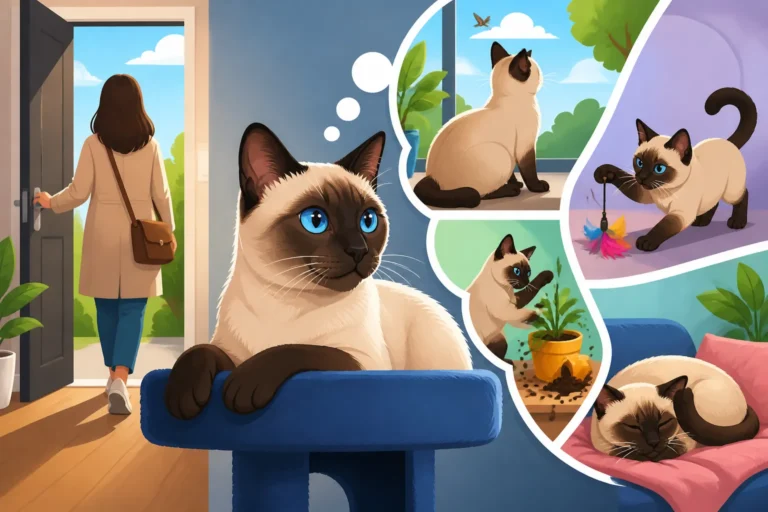
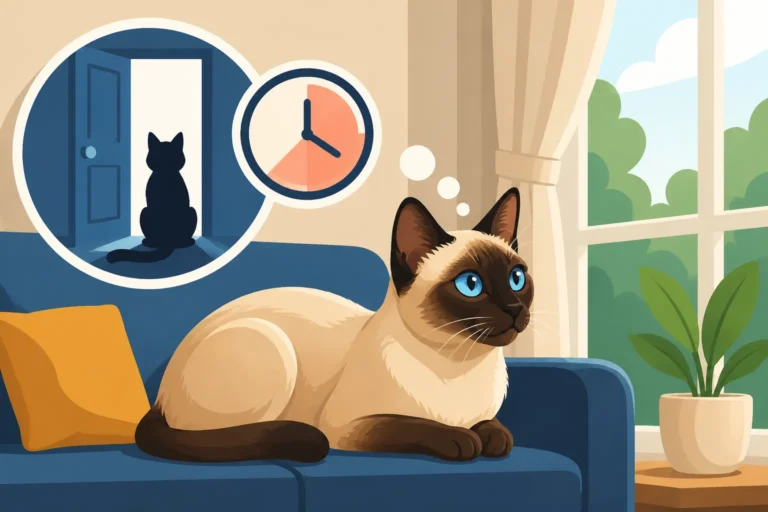
A veterinarian, after ruling out medical issues, might suggest certain medications to help manage anxiety or stress, which can often fuel demanding behaviors. If the issue is purely behavioral, they may refer you to a certified feline behaviorist or a veterinary behaviorist who specializes in animal psychology. These experts can assess your home environment, your interactions with your cat, and help you implement a comprehensive plan to modify undesirable behaviors and foster more positive interactions. They can also provide guidance on What a Siamese Cat Does While You Are Out and how to improve their alone time.
Understanding and Addressing Siamese Cat Demands
| Behavior Type | Common Manifestations | Potential Underlying Causes | Initial Management Strategies | When to Seek Professional Help |
|---|---|---|---|---|
| Vocal Demands | Excessive meowing, yowling, chirping | Boredom, seeking attention, hunger, anxiety, medical issue, learned behavior | Consistent routine, targeted play, ignore demands, reward quiet | If medical issues ruled out & persists despite strategies |
| Physical Demands | Pawing, nudging, jumping on you, blocking view | Seeking affection, play, food, reassurance | Redirect to appropriate play, give attention when calm, establish boundaries | If aggressive or destructive alongside physical demands |
| Destructive Acts | Scratching furniture, knocking items over, chewing | Boredom, anxiety, lack of appropriate outlets | Provide scratching posts, interactive toys, puzzle feeders, cat trees | If extreme destruction, self-harm, or non-responsive to enrichment |
| Inappropriate Elimination | Urinating/defecating outside litter box | Stress, anxiety, litter box aversion, medical issue | Vet check-up first, clean litter box, reduce stress, positive associations | Always after ruling out medical causes, if persistent |
| Following/Shadowing | Constantly trailing you, never leaving your side | Strong bond, seeking interaction, security | Scheduled play/cuddle time, independent play options, vertical spaces | If accompanied by anxiety or extreme distress when left alone |
Disclaimer
This article is for general informational purposes only and does not constitute professional advice. Laws, prices and regulations vary by location and change over time. Consult a qualified professional for guidance on your specific situation.