How to Introduce a Siamese Cat to a Resident Cat
Bringing a new cat into a home where another feline already reigns can feel like walking on eggshells – or perhaps, more accurately, like trying to merge two highly opinionated, furry little monarchs. And when one of those monarchs is a Siamese cat, known for their strong personalities and territorial streaks, the stakes can feel even higher. This guide will walk you through a thoughtful, step-by-step process to help your existing Siamese and a new furry friend learn to coexist peacefully, minimizing stress and maximizing the chances of a happy, multi-cat household.
Understanding the Siamese Cat's Temperament in Introductions
Before you even think about bringing a new cat home, it’s crucial to truly understand the resident Siamese cat's unique personality. These aren't your typical aloof, independent felines. Siamese cats are often described as "dog-like" in their devotion, their need for interaction, and their vocal nature. This means they form very strong bonds with their human companions and can be quite sensitive to changes in their environment or routine.
Their Strong Bonds and Territorial Nature
Siamese cats tend to be incredibly attached to their people and their territory. They see their home as their domain, and the presence of a new cat can feel like a direct invasion. This isn't necessarily aggression, but rather a profound sense of "This is mine, and who are you?" They might show their displeasure through increased vocalization – that famous "Meezer yowl" – or even by marking territory. It's not about being mean; it's about their deep-seated instinct to protect what they perceive as theirs.
A Siamese cat who has been the sole focus of your attention for years might struggle with suddenly having to share. They thrive on companionship, but usually on their terms, which often means being the center of attention. When you're thinking about adding a second cat, consider if your Siamese genuinely needs a companion or if they are perfectly content as your one and only. Sometimes, a Siamese cat really thrives with a buddy, especially if they're left alone for long periods, as explored in A Siamese Cat Should Not Live Alone and When a Siamese Cat Needs a Second Cat. However, a poorly managed introduction can backfire, causing stress for all parties.
Vocalizations and Stress Signals
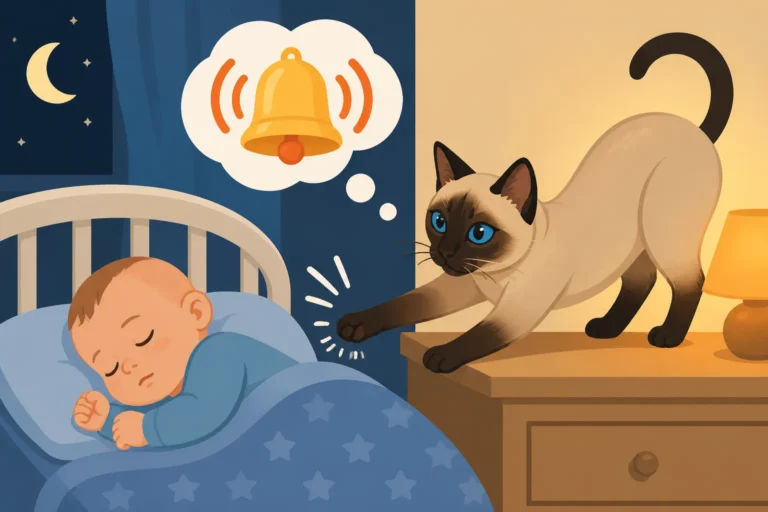
Siamese cats are legendary for their voices, and they aren't shy about using them. During an introduction, their vocalizations might increase significantly. This could range from insistent chirps to full-blown yowls expressing displeasure or anxiety. It's important not to punish these vocalizations, as they are a form of communication. Instead, try to understand what your cat is trying to tell you. Are they stressed? Annoyed? Confused? Their body language, combined with their voice, will give you clues.
Beyond vocalizations, watch for other stress signals. These can include flattened ears, dilated pupils, a puffed-up tail, hissing, growling, swatting, or even hiding. Some cats might overgroom themselves, while others might stop eating or using the litter box reliably. Understanding What a Siamese Cat's Temperament Is Really Like will help you differentiate between typical Siamese antics and genuine distress. Your goal during introductions is to keep stress levels as low as possible for both cats.
The Preparation Phase: Setting Up for Success
You wouldn't throw two strangers into a ring and expect them to become best friends, right? The same goes for cats. Preparation is absolutely key to a successful introduction, especially with a Siamese cat. Skipping these vital steps almost guarantees a bumpy, stressful road ahead.
Creating Separate Safe Spaces
This is non-negotiable. Both your resident Siamese and the new cat need their own completely separate territories, at least for the first few days or even weeks. The new cat should have their own room – a spare bedroom, a bathroom, or even a large kennel if absolutely necessary. This room needs everything: a litter box, food and water bowls, a comfortable bed, and some toys. This gives the new cat a secure base to decompress and prevents your resident Siamese from feeling immediately threatened by a direct invasion.
For your resident Siamese, ensure their favorite spots, food bowls, and litter boxes remain exclusively theirs. Don't move anything or let the new cat access their established resources. In fact, providing extra resources for both cats can help reduce competition later on. Think about things like elevated cat trees, available on Amazon, where both cats can feel safe and observe their surroundings from a height. Having multiple scratching posts and resting spots can significantly ease tension.
The Power of Scent Swapping
Cats communicate heavily through scent. Before they ever see each other, they need to get used to each other's smell. This is called scent swapping, and it’s a crucial first step.
Here's how to do it:
- Swap Bedding: Take a blanket or towel that the new cat has slept on and place it in your Siamese's main living area. Do the same with a blanket from your Siamese for the new cat's room. Observe their reactions. Are they sniffing curiously? Hissing? Ignoring it?
- Rubbing Technique: Gently rub a clean cloth on one cat's cheeks and head (where their scent glands are), then offer it to the other cat. Repeat this process, swapping the cloths daily. You can even try rubbing the cloth on furniture or doorframes in each cat's space to help blend their scents.
- Feliway Diffusers: Consider using pheromone diffusers like Feliway, which mimic natural cat appeasing pheromones. Placing one in each cat's primary area can help create a calmer environment and reduce anxiety for both felines. You can often find these easily on Amazon.
This gradual introduction to each other's scent helps them understand that the "new" smell isn't necessarily a threat, but just another cat. It's about normalization before visualization.
Resource Management and Enrichment
Beyond the basics, think about all the things cats need and provide more than enough for both. This means having at least one litter box per cat, plus one extra, spread throughout the house. So, for two cats, you'd want at least three litter boxes. Ensure food and water bowls are in separate locations, especially initially. Don't make them eat side-by-side right away.
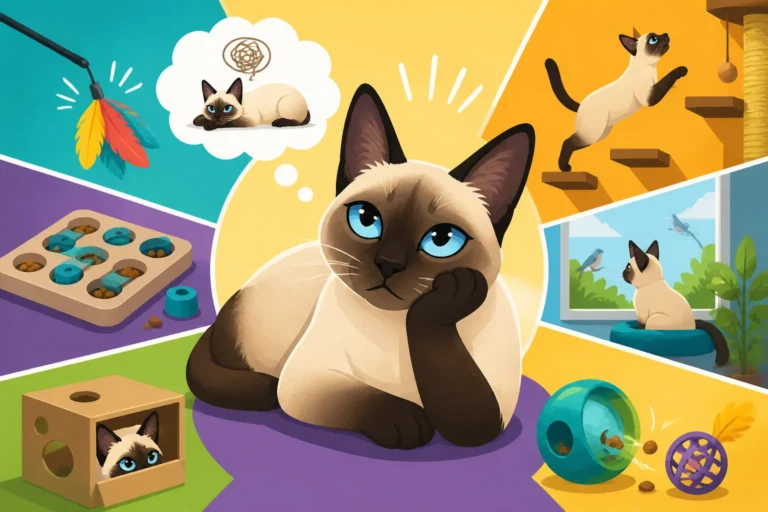
For a Siamese cat, who can get bored quickly, enrichment is vital during this time. Puzzle feeders, a variety of toys, and scheduled playtimes are critical. A bored or under-stimulated Siamese can become destructive or more reactive, as discussed in What a Bored Siamese Cat Destroys. Offer plenty of vertical space like cat trees or shelves, which are great for both observation and escape routes. A window perch where they can watch birds might seem simple, but it can provide hours of mental stimulation. This helps keep your resident cat's mind occupied and happy, rather than fixating on the new arrival.
The Introduction Process: Step-by-Step
This is where the real work begins, and patience is your absolute best friend. Rushing things will almost always lead to setbacks. Think of it like a slow dance rather than a sprint.
Phase 1: Controlled Visual Contact
Once scent swapping has been going on for a few days to a week, and both cats seem calm about each other's smells, it's time for visual contact.
- Crack the Door: Start by simply cracking open the new cat's door a tiny bit – just enough for them to sniff each other through the gap, but not enough to slip through. Do this during feeding times, placing each cat's food bowl on opposite sides of the door. This creates a positive association with the other cat's presence.
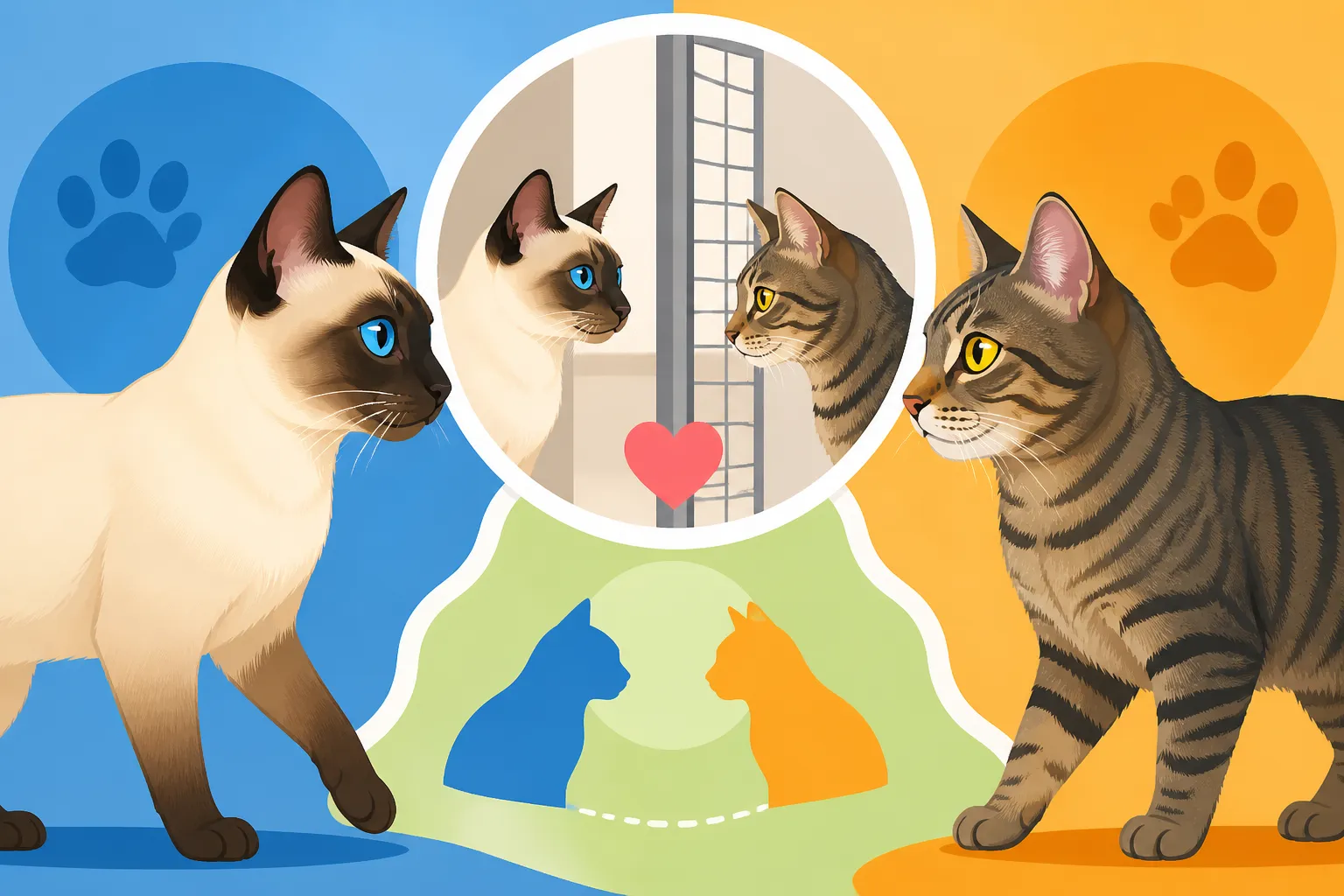
- Barrier Method: A better option, if possible, is to use a baby gate or screen door to allow visual and limited physical contact (they can swat, but not fully engage). This way, they can see each other, sniff, and observe without direct confrontation. Again, do this during positive experiences like feeding or play. If hissing or growling occurs, simply put a towel over the barrier to block direct sight, but keep the door open for scent.
- Short, Supervised Sessions: Begin with very short periods of visual contact, maybe 5-10 minutes, several times a day. Gradually increase the duration as long as both cats remain calm. Always end on a positive note, before any tension escalates.
During these initial visual sessions, engage both cats with individual playtime or treats. You want them to associate the presence of the other cat with good things happening. If your Siamese is particularly vocal, don't worry too much unless it turns aggressive. You might find some tips in How to Quiet a Siamese Cat useful if the vocalizations become excessive.
Phase 2: Supervised Physical Interactions
After successful visual contact sessions where both cats are eating calmly and showing minimal stress (no excessive hissing, growling, or puffed tails), you can move to supervised physical interactions.
- Neutral Territory: Choose a neutral room in the house, if possible, that isn't heavily claimed by either cat. This can reduce territorial defensiveness.
- Keep it Brief and Positive: Open the barrier and allow them to be in the same room for a very short time, perhaps 5 minutes. Distract them immediately with treats or toys. A feather wand or a laser pointer (used carefully, never pointed directly at eyes) can engage both cats in a positive activity, shifting their focus from each other to the play. This is where you really want to see if your Siamese will accept a kitten or another adult cat.
- Observe and Intervene: Watch their body language intently. Are they relaxed? Curious? Tense? If one cat is stalking, growling, or overly focused on the other, gently distract them or end the session. Never force interaction. If things get tense, separate them calmly and try again later. It's better to have many short, positive interactions than one long, negative one.
- Mealtime Together: As they become more comfortable, try feeding them in the same room, but still with a good distance between bowls. Gradually move the bowls closer as tolerance grows. The goal is for them to feel safe eating in each other's presence.
Remember, every cat is different, and some introductions take weeks, while others can take months. Do not get discouraged if you have to take a step back. It's completely normal to have good days and bad days. The idea that Whether Two Siamese Cats Are Twice the Trouble regarding introductions is a common concern, but with patience, it's manageable.
Phase 3: Gradual Integration
Once both cats are consistently calm during supervised sessions, you can begin allowing more unsupervised time.
- Short Unsupervised Periods: Start with leaving them together for very short periods, perhaps while you're in another room nearby, always with an eye (or ear) on them. Ensure they still have access to their separate safe spaces if they need a break.
- Overnight Introductions (Optional): Only when you are absolutely confident that they are comfortable and safe together should you consider leaving them out overnight. Even then, make sure each cat has multiple escape routes, high perches, and access to all necessary resources.
- Continue Enrichment: Even after they're integrated, continue to provide ample enrichment for both cats. Shared play, individual attention, and plenty of toys keep them happy and reduce the chances of conflict. A new cat tree or a puzzle feeder from Amazon can be a great way to mark this new phase of coexistence.
The final goal isn't necessarily for them to be best friends, though that's wonderful if it happens! It's for them to tolerate each other, feel safe, and coexist peacefully. Your Siamese might always prefer your lap, but they might also enjoy the company of another feline, as many Siamese owners have found that A Siamese Cat Should Not Live Alone is often true for their chatty companions.
Troubleshooting and When to Seek Help
Even with the best intentions and meticulous planning, cat introductions can hit snags. It's important to know what signs indicate trouble and when it's time to call in the experts.
Common Setbacks and How to Address Them
- Hissing and Growling: A little hissing or growling isn't necessarily a deal-breaker. It's a cat's way of saying "back off." If it's occasional and doesn't escalate, it can be part of the communication process. However, if it's constant or escalates to swatting and fighting, you've moved too fast. Go back a step or two in the introduction process.
- Chasing and Bullying: If one cat (often the resident Siamese, being more confident in their territory) consistently chases, ambushes, or bullies the new cat, you have a problem. This might indicate that Whether a Siamese Cat Bullies a Quieter Cat is playing out in your home. Immediately separate them and go back to scent swapping and barrier introductions. You may need to provide more vertical space for the bullied cat to escape.
- Inappropriate Urination/Defecation: This is a huge red flag for stress. If either cat starts peeing or pooping outside the litter box, it's a clear sign they are very unhappy or fearful. This is a common stress response, often seen during significant changes, similar to how A Siamese Cat Handles a House Move. Consult your vet to rule out medical issues first, then reassess your introduction strategy.
- Hiding and Refusal to Engage: If the new cat remains constantly hidden, refuses to eat, or shows no signs of curiosity or interaction even during positive sessions, they might be extremely stressed or fearful. This cat needs more time in their safe room before re-attempting visual contact. Ensure their safe room has plenty of hiding spots.
Knowing When to Call a Professional
Sometimes, despite your best efforts, things just don't click. Don't feel like a failure; cat behavior can be complex.
- Persistent Aggression: If either cat is consistently aggressive (hissing, growling, swatting, fighting) despite slow introductions, or if actual injuries occur, it's time for professional help.
- Extreme Fear: If one cat is constantly terrified, hiding, refusing to eat, or exhibiting other extreme stress behaviors for an extended period, it's not fair to them to continue.
- Behavioral Changes: If you notice sudden, significant changes in your Siamese's behavior that you can't attribute to the introduction, such as lethargy, changes in appetite, or unusual vocalizations, it might be a sign that Signs a Siamese Cat Is Unwell are present, and a vet check is prudent.
- Prolonged Setbacks: If you keep taking steps back, or if months pass without significant progress towards peaceful coexistence, a certified feline behaviorist can offer tailored advice and strategies. They can observe your specific situation and identify underlying issues you might be missing.
Remember, the goal is for both your resident Siamese and your new feline companion to live happy, healthy lives. If that means they never become best friends but simply tolerate each other, that's a success. And if, after exhausting all options, it becomes clear that it's just not going to work, rehoming the new cat to a more suitable environment might be the kindest choice for everyone involved. While Siamese cats often thrive with companionship, sometimes it's simply not the right match, and that's okay.
| Behavior Trait | Signs of Stress / Discomfort | Signs of Acceptance / Comfort |
|---|---|---|
| Body Language | Crouching, flattened ears, dilated pupils, puffed tail, piloerection (hair standing up), stiff posture | Relaxed posture, ears forward, tail relaxed or gently wagging, slow blink, rubbing on objects |
| Vocalizations | Hissing, growling, yowling, low rumbling | Purring, chirping, trilling, soft meows |
| Interaction | Avoiding eye contact, hiding, swatting, chasing, staring, blocking exits | Mutual sniffing (nose-to-nose or rear-end), parallel play, gentle grooming, resting near each other |
| Eating/Drinking | Refusal to eat in presence of other cat, gulping food, guarding food | Eating calmly with other cat in room (even at distance), sharing water bowls |
| Litter Box Use | Inappropriate elimination outside the box, spraying, guarding the box | Consistent use of litter box, no territorial marking |
| Grooming | Excessive grooming (psychogenic alopecia), poor grooming | Regular grooming, mutual grooming |
| Play | Aggressive play (no turn-taking, injuries), no play | Chasing and wrestling (with breaks, no injuries), taking turns, engaging in toys |
Disclaimer
This article is for general informational purposes only and does not constitute professional advice. Laws, prices and regulations vary by location and change over time. Consult a qualified professional for guidance on your specific situation.