What a Siamese Cat’s Trill Means
It can be so perplexing when your beloved Siamese cat makes a sound you haven't quite categorized yet. Beyond the infamous "Meezer yowl" and purr, there's often a softer, rolling vocalization that leaves many owners wondering, "What was that?" This guide is here to shed light on the unique Siamese cat trill, helping you understand its meaning and strengthen the incredible bond you share with your vocal companion.
Deciphering the Siamese Cat's Vocal Repertoire Beyond the Yowl
Siamese cats are legendary for their vocal prowess. They're often described as "talkative" or "opinionated," and for good reason! Their voices are a significant part of their charm and personality, distinguishing them from many other, quieter feline breeds. But reducing their communication to just loud meows or intense yowls misses a whole symphony of nuanced sounds they use to interact with us. Understanding this rich vocabulary is key to truly connecting with your Siamese.
The Spectrum of Siamese Cat Sounds
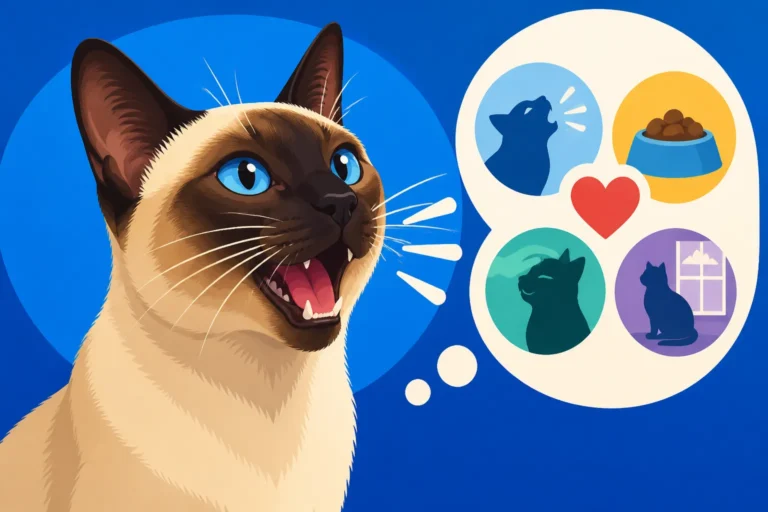
When you live with a Siamese, you quickly realize they have a sound for almost every occasion. From soft chirps that sound like a bird greeting the morning sun, to demanding meows when the food bowl is suspiciously empty, their vocal range is impressive. Then there’s the deep, rumbling purr, a clear indicator of contentment, and, of course, the distinctive yowl that can sometimes be mistaken for a baby crying. It's a broad spectrum, and each sound carries its own specific weight and intention. Our furry friends are constantly trying to tell us something, and it's up to us to learn their language. You might be surprised at How Many Sounds a Siamese Cat Makes once you start paying close attention.
What Exactly is a Trill?
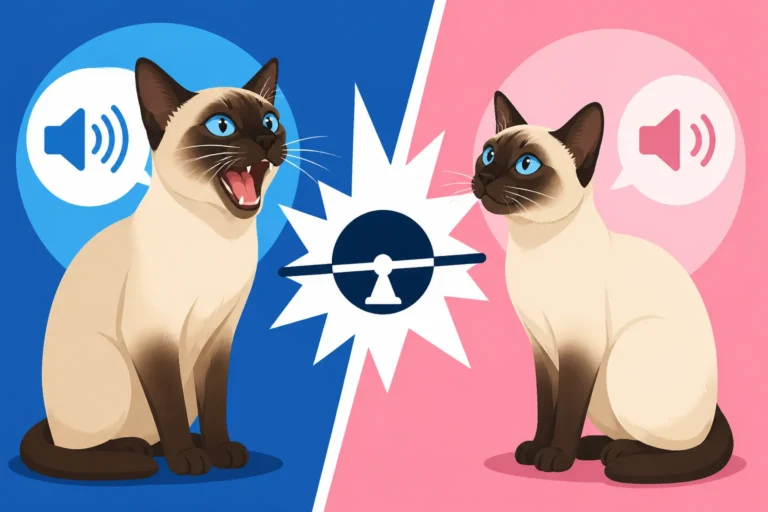
The trill is one of the more subtle, yet incredibly charming, vocalizations in the Siamese cat's repertoire. Imagine a soft, rolling "prrrrt" sound, often delivered with a closed mouth. It’s like a purr that’s been compressed and then released quickly, often rising slightly in pitch at the end. It's not a full-blown meow, which typically involves an open mouth and a more drawn-out vocalization. Nor is it quite the same as a What a Siamese Cat's Chirp Means, which is usually shorter and more bird-like. A trill is distinctly different from the continuous rumble of a purr, which is usually a sign of deep relaxation or happiness. Instead, a trill is usually a specific, intentional communication, a brief vocal gesture rather than an ongoing state. It's often used when a cat is moving towards you, or trying to get your attention without being overly demanding.
Common Meanings Behind a Siamese Cat's Trill
The beauty of the Siamese cat's trill is its versatility. While it almost always carries a positive connotation, the precise meaning can vary slightly depending on the situation and your cat’s immediate intentions. Think of it as a conversational interjection, a polite and friendly way for your Siamese to engage with the world around them.
The "Hello, Friend!" Trill
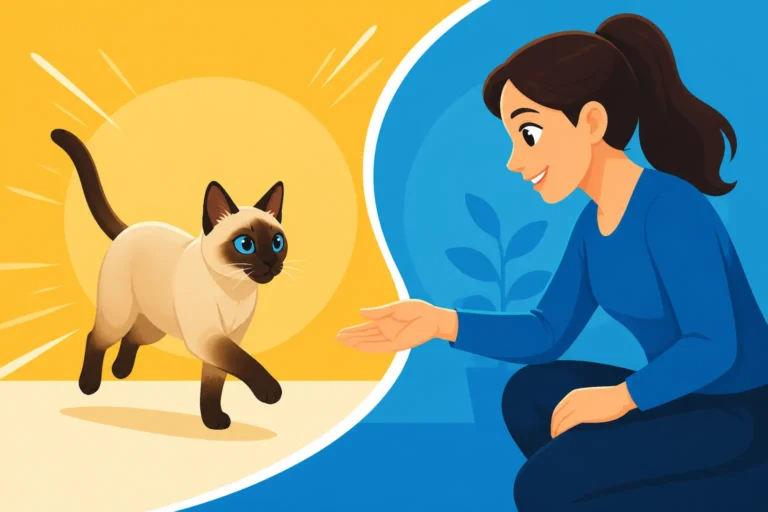
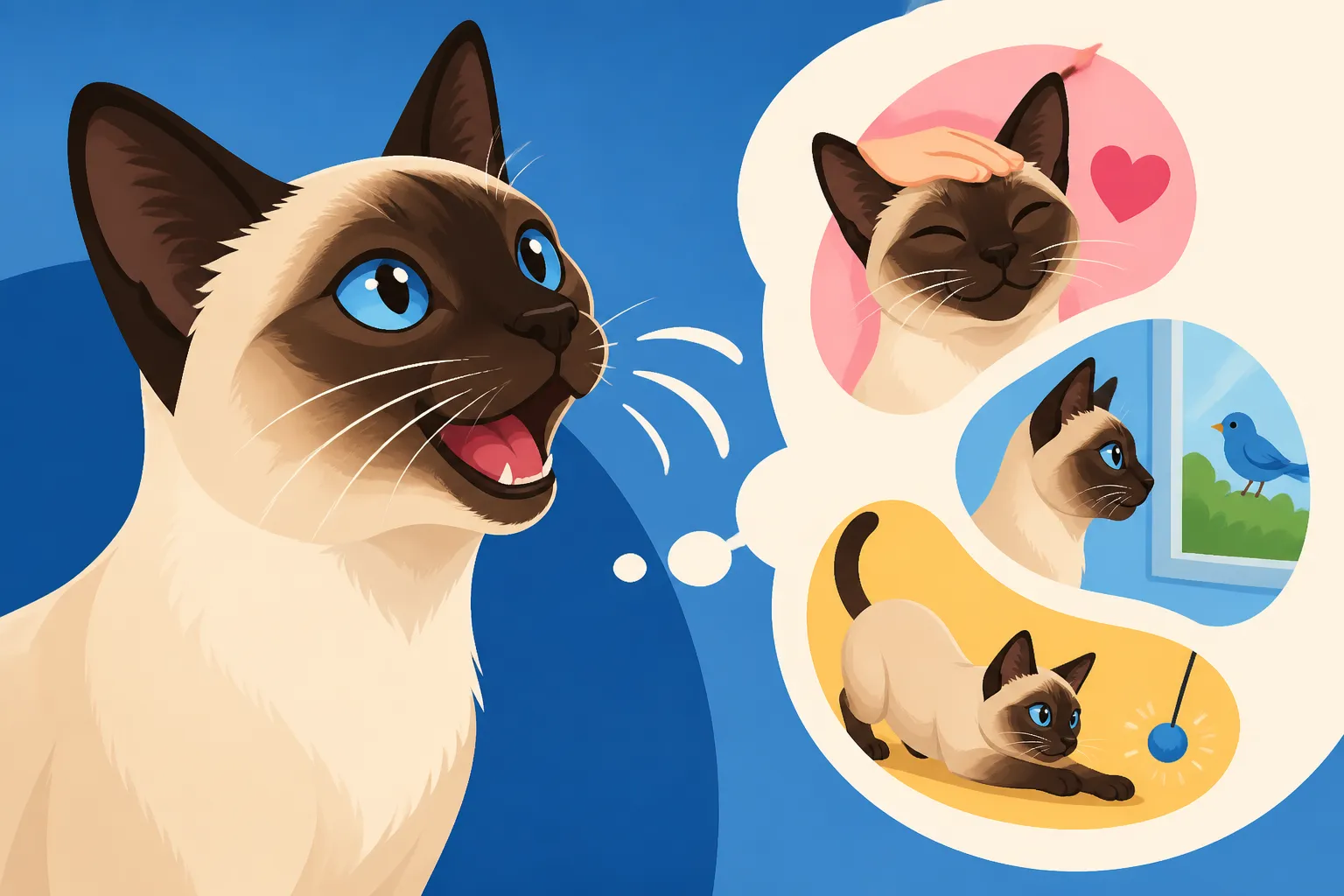
Perhaps the most common use of the Siamese cat's trill is as a greeting. You've been out all day, and as you walk through the door, your Siamese saunters over, tail held high, and lets out a soft, welcoming "prrrrt." This is their way of saying, "Welcome home, I missed you!" It's a genuine expression of affection and acknowledgment. They might also use this sound when waking up from a nap and spotting you nearby, or even when approaching another friendly pet in the household. It’s a warm, affiliative sound, indicating that they recognize you, are pleased to see you, and are open to interaction. This gentle greeting creates such a lovely, comforting atmosphere, making you feel truly appreciated after a long day. It’s their way of initiating contact in a soft, non-demanding manner, a stark contrast to a loud Why a Siamese Cat Meows So Much for attention.
The "Follow Me, Human" Trill
Another frequent interpretation of the trill is an invitation or a gentle directive. Your Siamese might trill and then turn, looking back at you expectantly, perhaps walking a few steps before pausing to see if you're following. This is often their way of leading you to something important – usually their food bowl when it's nearing mealtime, or perhaps a favorite toy they want you to engage with. They might even lead you to a cozy spot on the couch, inviting you to sit down so they can curl up on your lap. It’s a polite suggestion, a soft request for you to join them in an activity or attend to a need. They’re not barking orders, but rather guiding you with a charming vocal cue. It’s a clear demonstration of their intelligence and their ability to communicate complex ideas through simple sounds, much like How a Siamese Cat Learns From Watching You.
The "I'm Content" or "I Want Attention" Trill
While often a greeting or invitation, the trill can also be an expression of contentment or a gentle bid for attention. When your Siamese is enjoying a good petting session, they might intersperse soft trills with their purrs, almost as if to say, "This is lovely, please continue!" It’s a sign of their happiness and comfort in your presence. Sometimes, if they want your attention but don't want to resort to a loud meow, they might approach you, rub against your legs, and emit a soft trill. This is their way of subtly reminding you they're there and would appreciate a head scratch or a little playtime. They might do this when you're busy reading a book or working on your computer, a gentle plea for connection that’s hard to resist. This is less a demand and more a sweet, almost shy, suggestion for interaction.
Nuances of the Trill and Individual Cat Personalities
Just like humans have different vocal habits and communication styles, so do our feline friends. While the core meanings of a Siamese cat's trill tend to be consistent, there are always nuances to consider, heavily influenced by your cat’s individual personality and the broader context of their behavior. It’s a wonderful journey of discovery to learn the particular "dialect" of your own Siamese.
Context is King: Reading the Body Language
Understanding what your Siamese cat's trill means isn't just about the sound itself; it's about the whole package. Their body language provides crucial clues that help you decipher the message. When they trill, observe their tail: is it held high and gently waving, indicating happiness and confidence? Or is it tucked low, perhaps suggesting a hint of apprehension even in a friendly greeting? Look at their ears: are they relaxed and forward, or slightly swiveled back, indicating alertness or even mild irritation? Their eyes also tell a story – wide and soft for contentment, or slightly narrowed if they're trying to communicate something more urgent.
For example, a relaxed trill accompanied by slow blinks and a softly draped tail usually means pure contentment. However, a trill paired with a quickly twitching tail and darting eyes might mean they're excited but also a little overstimulated, or perhaps leading you to something they really want, with a touch of impatience. Always take a moment to assess the full picture; it’s like reading a whole sentence rather than just one word.
Variations in Trills and Cat-Specific "Dialects"
Every Siamese cat is an individual, and their trills can be just as unique as their personalities. Some Siamese might be prolific trillers, using the sound frequently throughout the day as a general conversational tool. Others might reserve it for very specific moments, making it a rarer, more significant sound. You might notice your cat has a higher-pitched trill when they're particularly excited, or a deeper, softer one when they're settling in for a cuddle. It's their personal "dialect," a unique variation within the broader Siamese vocal language. This individuality is part of what makes sharing your life with them so rewarding. Building a deep connection with your specific cat means learning their specific communication patterns, which can be incredibly personal. Some might even develop a distinctive trill specific to certain people or situations, adding another layer to their charm.
When a Trill Might Signal Something More
While the trill is overwhelmingly a positive and affiliative sound, it's always worth being observant of any changes in your cat's vocalizations or accompanying behaviors. A sudden, frantic, or unusually loud trill, especially if combined with signs of distress like hunched posture, dilated pupils, or trying to hide, could potentially indicate discomfort or fear. However, it's far more common for a Siamese cat to use a distinct yowl or a sharp cry if they are truly in pain or distress. A trill is typically a sign of well-being. If you ever notice a trill that sounds "off" or is part of a cluster of concerning behaviors, it's always best to consult your vet. This isn't usually the trill itself being a negative sound, but rather the overall context raising a red flag. It's a reminder that all communication from your cat needs to be considered within their full range of expressions.
Encouraging and Responding to Your Siamese Cat's Trills
The trill is a lovely, positive form of communication, and encouraging it can only deepen your bond with your Siamese. When your cat chooses to trill, they're inviting you into their world, and responding appropriately shows them you're listening and you care. It reinforces that their gentle, conversational overtures are welcome and understood.
Building a Trill-Friendly Environment
Creating a home environment where your Siamese feels safe, stimulated, and loved is the best way to encourage their positive vocalizations, including trills. This means ensuring they have plenty of opportunities for play and interaction. Consider investing in a variety of interactive toys, like feather wands or puzzle feeders that you can easily find on Amazon, to keep their clever minds engaged. Provide comfortable, elevated resting spots where they can observe their domain, and ensure they have access to fresh water and nutritious food. A calm, predictable routine also helps them feel secure, making them more likely to express contentment through sounds like trills. The more at ease and happy your Siamese is, the more likely they are to engage in these sweet, softer forms of communication with you. It really makes a difference to their overall well-being, and ultimately, to your shared happiness.
Responding Appropriately to Trills
When your Siamese cat trills at you, they're communicating. Ignoring it would be like ignoring a friendly greeting from a person. The best response is usually a gentle, positive one. A soft verbal acknowledgment ("Hello, sweetie!"), a slow blink back, or a gentle stroke on their head or back can reinforce the behavior. If they trill and lead you towards their food bowl, follow them! If they trill while rubbing against your legs, take a moment to pet them. These actions show your cat that you understand their request or acknowledgment, and that you appreciate their communication. You might even find yourself mimicking their trill back to them; many owners develop this playful interaction. This kind of responsive interaction strengthens your bond and encourages them to continue using this charming form of vocalization. While Whether Answering a Siamese Cat Makes It Worse might refer to encouraging incessant yowling, responding to a friendly trill is a completely different scenario and highly beneficial for your relationship. This positive feedback loop is crucial for reinforcing desired communication from your feline friend.
Trill Meanings at a Glance
To help you quickly interpret your Siamese cat's trills, here's a brief overview of common contexts and their likely meanings:
| Context of Trill | Probable Meaning | Your Best Response |
|---|---|---|
| You arrive home or enter a room | "Hello, friend! I see you!" (Greeting, acknowledgment) | Acknowledge them verbally, offer a gentle pet. |
| Cat approaches you, tail up | "I'd like some attention/affection." (Invitation to interact) | Offer pets, engage in play, or talk softly to them. |
| Cat walks ahead, looking back | "Follow me! There's something I want to show you." (Guidance, request) | Follow them to see what they want (food, play, cuddles). |
| While being petted or groomed | "This feels good! I'm content." (Expression of pleasure) | Continue petting, reinforce positive interaction. |
| When settling next to you or another pet | "I'm happy here. Everything is good." (Affiliation, comfort) | Acknowledge their presence, offer a gentle touch if appropriate. |
| Upon receiving a treat or desired item (e.g., a new toy from Amazon) | "Thank you! I appreciate this." (Gratitude, satisfaction) | Offer praise, continue positive interaction. |
Ultimately, the trill is one of the many wonderful ways your Siamese cat expresses their personality and connection with you. It's a sound of warmth, invitation, and contentment, and one that makes the unique experience of owning a Siamese cat truly special. When you take the time to learn and respond to these nuanced vocalizations, you truly deepen the incredible relationship you share. It’s a testament to What a Siamese Cat's Temperament Is Really Like – expressive, intelligent, and deeply communicative.
Disclaimer
This article is for general informational purposes only and does not constitute professional advice. Laws, prices and regulations vary by location and change over time. Consult a qualified professional for guidance on your specific situation.