PRA and the Siamese Cat Eye Test That Does Not Settle It
It’s truly disheartening to see your graceful Siamese cat stumble in dim light, or worse, struggle with vision loss as they age. The worry about what's happening to their eyes, coupled with the confusing information out there about genetic tests and diagnoses, can feel overwhelming. Many of us want to do everything we can for our beloved companions, but navigating the complexities of a condition like Progressive Retinal Atrophy (PRA) can leave us feeling lost and uncertain. This comprehensive guide is here to shed light on PRA in Siamese cats, exploring what it is, how it's diagnosed, the realities of current testing, and how to best support your feline friend if their vision begins to fade.
Understanding Progressive Retinal Atrophy PRA in Siamese Cats
Progressive Retinal Atrophy (PRA) is a cruel, inherited eye disease that affects a number of cat breeds, and unfortunately, our intelligent and vocal Siamese are among them. It’s a condition that slowly, irrevocably, steals away their sight. As devoted cat parents, understanding the nuances of this disease is the first step in being prepared and providing the best possible care.
What Exactly is PRA?
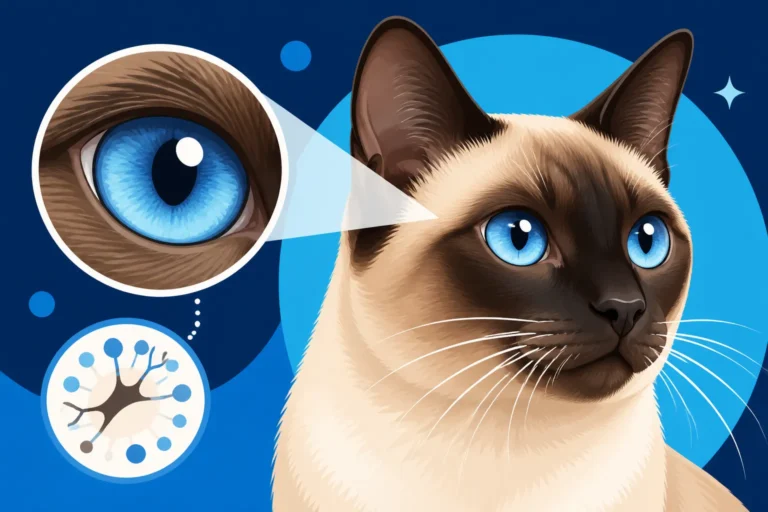
At its heart, Progressive Retinal Atrophy is a blanket term for a group of inherited disorders that cause the degeneration of the retina. The retina, nestled at the back of your cat's eye, is essentially the "film" that captures light and sends visual information to the brain. It's composed of specialized cells called photoreceptors: rods, which are crucial for night vision and detecting movement, and cones, which handle daylight and color vision. In cats affected by PRA, these photoreceptor cells begin to deteriorate.
This degeneration can happen in one of two ways. In some forms of PRA, the photoreceptor cells don't develop properly in the first place, leading to early-onset vision loss. In other forms, the cells develop normally but then begin to break down over time, which is more common and often presents later in life. Regardless of the specific mechanism, the outcome is the same: a gradual and irreversible decline in visual acuity, eventually leading to complete blindness. It's a progressive disease, meaning it only gets worse, never better.
The Specifics of Siamese Cat PRA
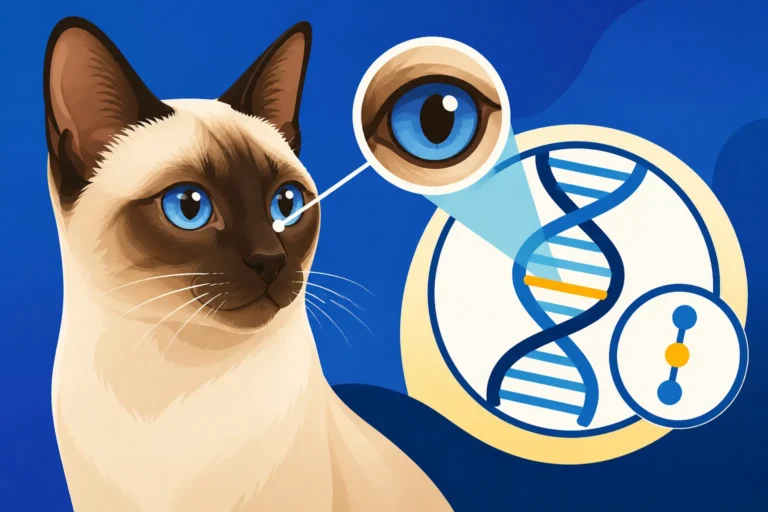
For our beloved Siamese cats, the primary form of PRA that causes concern is linked to a specific genetic mutation known as rdAc. This mutation is autosomal recessive, which means a cat must inherit two copies of the faulty gene—one from each parent—to actually develop the disease and lose their vision. If a cat inherits only one copy of the gene, they are considered a "carrier." A carrier cat will not develop PRA themselves, but they can pass the gene on to their offspring. This is incredibly important for breeders to understand, as two carrier cats can produce affected kittens, even if they both have perfect vision.
The rdAc mutation is well-documented in Siamese and related breeds like the Abyssinian, Ocicat, and Somali. This shared genetic vulnerability underscores the interconnectedness of these breeds. In Siamese cats with the rdAc mutation, the photoreceptor cells in their retinas begin to degenerate, initially affecting the rods, which are responsible for low-light vision, and then progressing to the cones. This explains why one of the earliest signs you might notice is your cat struggling in the dark.
Recognizing the Signs of PRA in Your Beloved Siamese
One of the most frustrating things about feline health issues is that cats are incredibly adept at hiding their discomfort and illness. This natural instinct, while admirable for survival in the wild, can make it incredibly challenging for us as owners to spot problems early. PRA is no different, and the subtle onset of vision loss can easily be missed in its initial stages. Knowing what to look for can make all the difference.
Early Indicators: Night Vision Loss
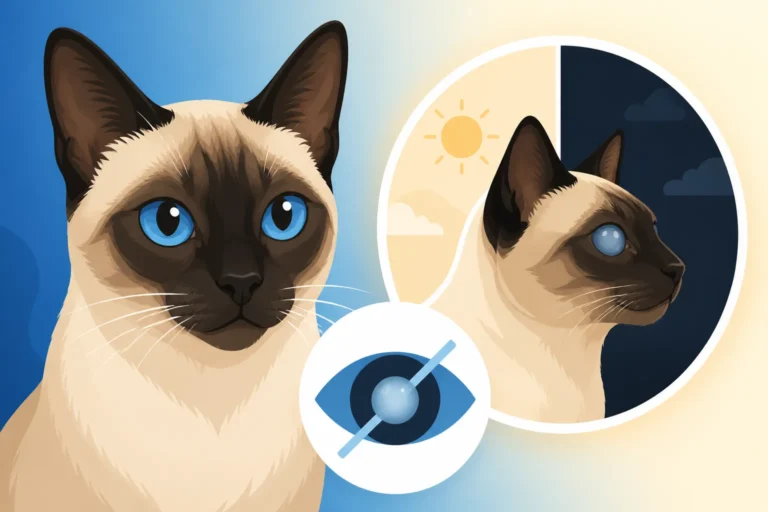
The earliest and often most subtle sign of PRA in Siamese cats is a decline in their night vision. Since rods are typically affected first, your cat will start to struggle in dimly lit environments long before you notice issues in broad daylight. You might observe changes in their behavior, such as a newfound hesitation to navigate familiar rooms after dark. Perhaps they used to dart around effortlessly at night, but now they move more slowly, tentatively, or even bump into furniture they've known for years.
Another tell-tale sign can be an increased reliance on their other senses. You might notice them using their whiskers more actively to "feel" their surroundings, or responding more intensely to sounds and scents. They might become more startled by unexpected noises, having lost the visual cue that once offered a warning. Pay close attention to their comfort level in low light; if they avoid dark hallways or prefer to stay in well-lit areas, it could be an early warning. Remember, cats have excellent peripheral vision and hearing, so they're often far better at compensating for initial vision loss than humans would be. For more details on this, you might find our article on The Age a Siamese Cat First Loses Night Vision helpful.
Progression to Daytime Blindness
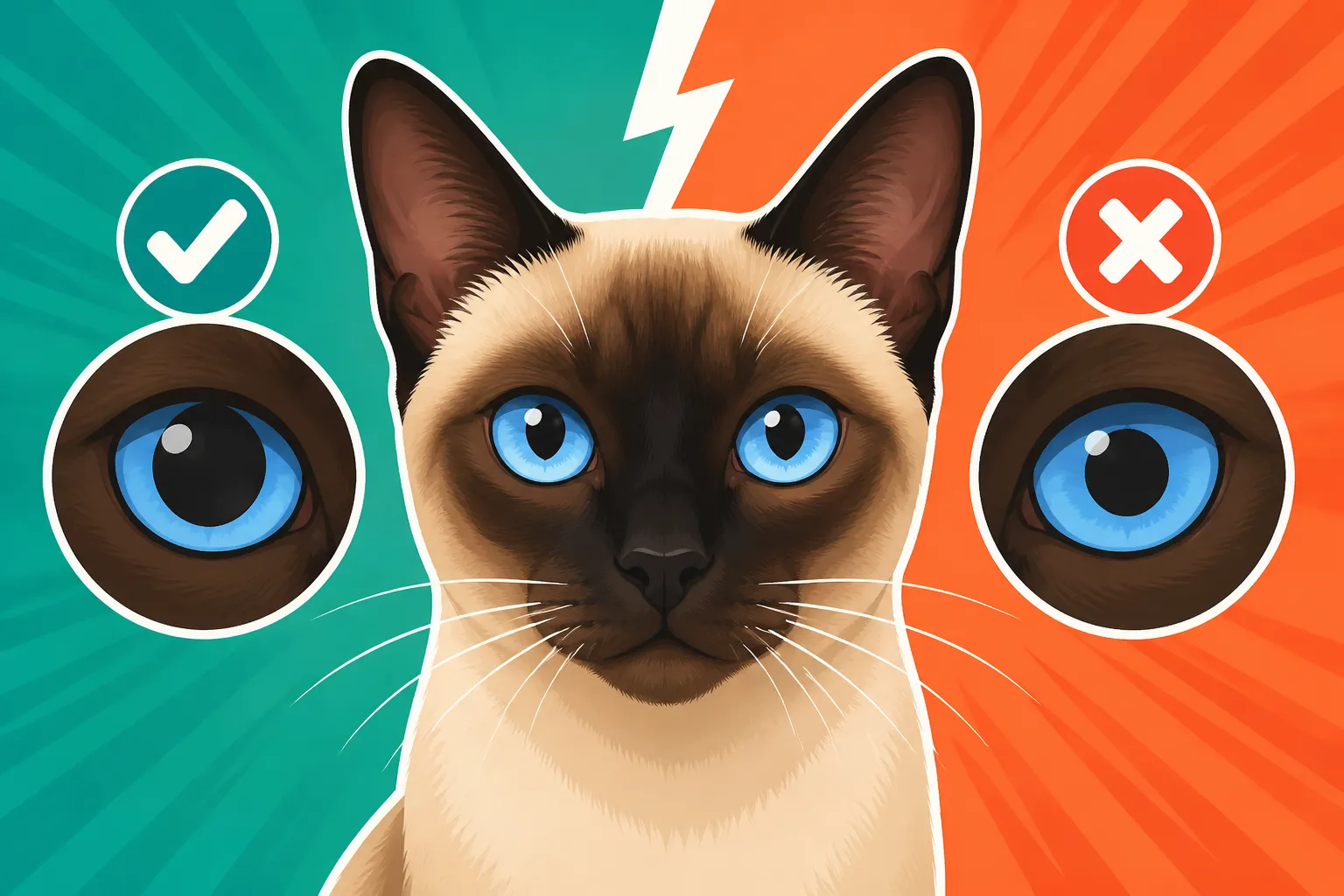
As PRA progresses, the degeneration of the retina continues, eventually affecting the cone cells responsible for daytime vision. This is when the signs become much more apparent and concerning. You'll likely notice your Siamese cat becoming generally clumsier, perhaps misjudging jumps, missing toys, or bumping into objects even in well-lit rooms. Their pupils might appear more dilated than usual, especially in normal lighting conditions, as their eyes try to gather every last bit of available light to compensate for the diminishing photoreceptors.
Changes in their behavior during play or interaction can also be indicative. They might struggle to track moving toys, or seem less engaged in activities that once thrilled them, simply because they can't see the action clearly anymore. It's heartbreaking to witness, but it's important to remember that most cats adapt remarkably well to blindness, especially when it happens gradually. Their other senses, particularly their hearing and sense of smell, become heightened to help them navigate their world. Understanding What PRA Does to a Siamese Cat's Sight can provide further context on these changes.
The Reality of DNA Testing for Siamese Cat PRA
When faced with a potential genetic condition, our first thought often turns to DNA testing. It seems like the perfect, definitive answer, doesn't it? For Siamese cat owners concerned about PRA, there is a specific DNA test available for the rdAc mutation. However, the reality of this test, and why it "does not settle it" for many breeders and owners, is more complex than a simple yes or no.
The Promise and Pitfalls of the rdAc DNA Test
The rdAc DNA test for Siamese cats was developed to identify individuals who carry the gene for this specific form of Progressive Retinal Atrophy, as well as those who are genetically affected. On paper, this is incredibly valuable. For breeders, it means they can test their breeding stock and, in theory, avoid breeding two carriers together, thereby preventing the birth of kittens that will develop PRA. For potential owners, it offers a level of assurance about their kitten's genetic predisposition. The test involves a simple buccal swab (a swab of the inside of the cheek) and can be sent to a specialized veterinary genetic lab.
However, the "does not settle it" part comes from a few critical aspects. While the rdAc mutation is the most recognized and common cause of PRA in Siamese, it may not be the only genetic cause. This means a cat could test clear for rdAc but still potentially carry or develop another, less common form of PRA. Furthermore, there have been anecdotal reports and discussions within the breeding community regarding the consistency or absolute predictability of the rdAc test results across all Siamese lines, leading some to question its universal applicability as the sole diagnostic tool. The test is a snapshot of one known genetic factor, not a complete assurance against all possible retinal degenerations. If you're wondering Whether the rdAc DNA Test Works on a Siamese Cat, it's important to understand these nuances.
Why an rdAc Result Is Unreliable in a Siamese Cat
The perception of unreliability isn't necessarily about the test itself being faulty in identifying the rdAc mutation. Rather, it stems from the potential for other, unidentified genetic mutations that could also cause PRA in Siamese cats. Imagine a situation where a cat tests "clear" for the rdAc mutation. Based on this result, an owner or breeder might feel completely confident about their cat's future vision. Yet, years later, that same cat might still begin to show signs of vision loss. This could be due to a different, currently unknown, genetic mutation for PRA that the existing test simply doesn't screen for.
Another layer of complexity comes from the varying genetic backgrounds within the broader "Siamese" category, including traditional, modern, and related breeds. While the rdAc test is highly effective for the mutation it targets, if a particular line carries a different variant or a modifier gene, the test's predictive power for that specific cat might be less definitive. This is why many experienced breeders and veterinary ophthalmologists advocate for a multi-pronged approach to screening, combining genetic testing with regular clinical eye examinations. Relying solely on a DNA test, no matter how good it is for its intended purpose, may not provide the complete picture for every single Siamese cat. Knowing Which Lab Runs the Siamese Cat PRA Test can help you choose a reputable facility that understands these complexities.
Beyond DNA: Clinical Eye Exams and Diagnostics
While DNA testing offers valuable insights into genetic predisposition, it's just one piece of the puzzle, especially when dealing with a complex condition like PRA. For a definitive diagnosis and comprehensive understanding of your Siamese cat's eye health, a visit to a veterinary ophthalmologist and specific diagnostic tests are absolutely indispensable. These clinical approaches can confirm the presence of PRA, assess its severity, and help rule out other potential causes of vision impairment.
The Crucial Role of a Veterinary Ophthalmologist
When you start to notice any changes in your Siamese cat's vision or eye health, the first and best step is to consult a board-certified veterinary ophthalmologist. These specialists have dedicated years to advanced training in the diagnosis and treatment of eye diseases in animals. They possess specialized equipment and expertise far beyond what a general veterinarian might have for complex ophthalmic cases. A general vet can certainly perform an initial check-up, but for suspected PRA, a specialist is key.
During a comprehensive eye exam, the ophthalmologist will perform several procedures. They'll use an ophthalmoscope to carefully examine the retina, optic nerve, and other structures at the back of the eye, looking for changes characteristic of PRA, such as retinal thinning, pigmentary changes, or atrophy of the optic nerve. A slit-lamp biomicroscopy allows for a magnified view of the anterior and posterior segments of the eye, checking for cataracts, inflammation, or other issues. They'll also assess pupil reflexes and overall ocular health. These regular, thorough eye check-ups are especially vital for breeds known to be at risk, allowing for early detection and management. Our article on How a Vet Confirms PRA in a Siamese Cat goes into more detail about these diagnostic processes.
Electroretinography ERG: The Gold Standard
If a DNA test isn't fully definitive or if clinical signs are subtle, Electroretinography (ERG) is considered the gold standard for diagnosing PRA. This specialized test measures the electrical responses of the retina's photoreceptor cells when stimulated by light. Think of it like an electrocardiogram (ECG) for the heart, but for the eye – it records the electrical activity. The beauty of an ERG is that it can detect retinal dysfunction even before your cat shows any visible signs of vision loss, and it can differentiate PRA from other conditions that might mimic its symptoms.
The procedure typically involves mild sedation to ensure your cat remains still, as precision is crucial. Small electrodes are placed on the surface of the cornea (the clear front part of the eye) and sometimes around the eye. A series of light flashes of varying intensities are then administered, and the electrical responses generated by the retina are recorded and analyzed. A healthy retina will produce a normal waveform, while a retina affected by PRA will show reduced or absent electrical activity, indicating degeneration of the photoreceptors. This objective test provides invaluable information about the functional health of your Siamese cat's retina, offering a clear diagnosis that DNA tests alone might not always provide comprehensively.
Managing Life with a Blind or Visually Impaired Siamese
Discovering that your beloved Siamese is losing their sight, or has already gone blind, can be devastating. It’s natural to feel a wave of sadness, fear, and even guilt. However, it's crucial to remember that blindness is not a death sentence for a cat, especially one as adaptable and intelligent as a Siamese. With a few thoughtful adjustments and a lot of love, blind cats can lead incredibly full, happy, and independent lives. Your role as their human is to create a safe, consistent, and enriching environment that allows their other senses to shine.
Adapting Your Home Environment
The single most important thing you can do for a blind Siamese cat is to maintain consistency in their environment. Cats thrive on routine and familiarity, and for a visually impaired cat, a stable layout is their map. Avoid rearranging furniture. If you absolutely must move something, do it gradually and guide your cat around the new obstacle repeatedly until they're familiar with it. Keep pathways clear of clutter, and consider placing tactile markers, like small, distinct rugs or textured mats, near important areas like their food, water, and litter boxes. These sensory cues can help them orient themselves.
Think about safety, too. Block off any potentially dangerous areas, like open stairwells, with baby gates. Pad sharp furniture corners, and ensure there are no tripping hazards. Your Siamese will rely heavily on their sense of smell, so consider using consistent scents (like a drop of lavender essential oil, safely diluted and placed on an inactive object) near their bed or favorite resting spots to help them find their way. Elevated food and water bowls can also make eating and drinking more comfortable. A familiar scent on your hands before you pet them can also reassure them. For practical tips on litter box navigation, you might want to read our article, How a Blind Siamese Cat Finds the Litter Box.
Enrichment and Maintaining Quality of Life
Just because your Siamese cat can't see doesn't mean they can't play, explore, and enjoy life to the fullest. Enrichment becomes even more vital to prevent boredom and stimulate their other senses. Invest in toys that make noise – crinkle balls, bells, and toys with catnip that emit a strong scent are excellent choices. Interactive toys that you can use to engage them through sound are also fantastic. A laser pointer is obviously out, but a wand toy dragged along the floor, making a rustling sound, can be thrilling.
Maintaining a consistent daily routine for feeding, play, and cuddle times will provide a sense of security and predictability. Talk to your cat frequently using a consistent, calm tone of voice so they know where you are. When approaching them, call their name gently to avoid startling them. Many blind Siamese cats still love to explore, so consider a "catio" or a secure, harness-leashed outdoor adventure if they've always enjoyed it, provided it's a controlled and safe environment. This requires careful consideration, but it can be done. Providing vertical spaces that are easy to navigate, like sturdy cat trees with clearly defined levels, can also give them a sense of elevation and security. Companies like Healthy Paws offer pet insurance plans that can help with the costs of specialized vet visits and ongoing care, ensuring you can provide the best quality of life for your visually impaired companion without financial stress being a barrier. Our guide on How a Blind Siamese Cat Manages offers more insights into living with a visually impaired cat.
Breeding Responsibly and the Future of PRA in Siamese Cats
The genetic nature of PRA in Siamese cats places a significant responsibility on breeders. Ethical breeding practices are paramount not only to prevent the spread of debilitating inherited diseases but also to ensure the long-term health and well-being of the breed as a whole. For owners, understanding these practices can help in making informed decisions when choosing a kitten.
Ethical Breeding Practices
Ethical breeders prioritize the health and temperament of their cats above all else. When it comes to PRA, this means being meticulously transparent about the health history of their breeding lines. While the rdAc DNA test has its nuances, reputable breeders will utilize it to screen all potential breeding cats. Even if a cat is a carrier for the rdAc mutation (meaning they have one copy of the gene but will not go blind themselves), an ethical breeder would never breed two carriers together, as this carries a 25% risk of producing affected kittens. They would typically breed a carrier only with a cat that has tested clear. Our article Whether a PRA Carrier Siamese Cat Goes Blind further explains the implications of carrier status.
Beyond DNA testing, ethical breeders will also ensure that their breeding cats undergo regular, thorough eye examinations by a board-certified veterinary ophthalmologist. This clinical assessment can help detect any other forms of retinal disease not covered by the existing DNA test and provides an additional layer of assurance regarding the visual health of the line. Maintaining detailed health records and being open to discussing the health of a kitten's ancestors is a hallmark of responsible breeding. It's a commitment to improving the breed, not just reproducing it. This is closely related to why Whether an Affected Siamese Cat's Relatives Should Be Bred is such a critical ethical question in breeding programs.
Hope for the Future: Research and Genetic Advances
While the challenges of PRA can feel daunting, there is significant hope on the horizon thanks to ongoing scientific research. Veterinary geneticists and ophthalmologists are continually working to identify new genetic markers for inherited diseases and develop more precise diagnostic tools. As our understanding of the feline genome expands, it's possible that future DNA tests could screen for a wider array of PRA mutations, providing more definitive answers and reducing the instances of "unreliable" results.
Beyond diagnostics, researchers are also exploring potential treatments, including gene therapies, which aim to correct the faulty genes responsible for PRA. While these therapies are still in experimental stages for cats, the advancements in human gene therapy for similar conditions offer a promising glimpse into what might be possible for our feline friends in the future. Supporting feline health research, whether through donations to organizations dedicated to genetic research or by participating in studies if your cat meets the criteria, contributes directly to these vital advancements, paving the way for a healthier future for Siamese cats.
Support for Owners and Financial Considerations
When your Siamese cat receives a diagnosis of PRA, or if you're navigating the journey of caring for a visually impaired feline, it can be a significant emotional and financial undertaking. It's important to recognize that you don't have to go through this alone. There are resources available to help you cope emotionally and manage the practicalities of their care.
Emotional Support and Community
The emotional impact of a PRA diagnosis can be profound. You might feel a range of emotions, from sadness and worry to frustration or even anger that your beloved companion is facing such a challenge. It's perfectly normal to grieve the loss of your cat's sight, even as you embrace their adaptability. Connecting with others who understand your experience can be incredibly validating and helpful. Many online forums, social media groups, and local pet support networks exist specifically for owners of blind or special needs cats. Sharing stories, tips, and simply knowing you're not alone can make a huge difference.
Your veterinary team, particularly the ophthalmologist, can also be a vital source of support and information. Don't hesitate to ask questions, no matter how small they seem. They can offer practical advice, behavioral management strategies, and reassure you about your cat's quality of life. Sometimes, just having a realistic conversation about what to expect can alleviate a lot of anxiety. Remember, your cat senses your emotions, so finding your own support helps you be a calmer, more confident caregiver for them.
Understanding the Costs and Insurance
Caring for a Siamese cat with PRA, especially through the diagnostic phase and any subsequent adaptations, can involve significant costs. Initial specialist vet visits to a veterinary ophthalmologist can range from a few hundred dollars, and that's before any advanced diagnostics. An Electroretinography (ERG) test, as the "gold standard" for diagnosis, can easily cost anywhere from several hundred to over a thousand dollars, depending on your location and the specific veterinary hospital. Then there are potential follow-up visits, medications if secondary issues arise, and any home modifications or specialized toys to help them adapt.
This is where pet insurance can become an invaluable resource. Companies like Healthy Paws offer comprehensive pet insurance plans that, if purchased before the onset of symptoms or a diagnosis, can significantly offset the financial burden of unexpected illnesses and conditions like PRA. While most policies won't cover pre-existing conditions, having insurance in place for future unexpected specialist visits, additional diagnostics, or even accident-related care is a huge relief. It allows you to make care decisions based on your cat's needs, rather than your wallet. Even for general care or other unexpected issues, considering insurance is a smart financial move, much like when thinking about what a huge bill like Whether Insurance Covers a Siamese Cat That Eats Fabric can entail for a pica-prone Meezer.
| Diagnostic Method | Description | Pros | Cons | Cost (Estimate) |
|---|---|---|---|---|
| rdAc DNA Test | Cheek swab to detect specific genetic mutation (rdAc) | Relatively inexpensive, non-invasive, can identify carriers/affected cats | May not cover all PRA forms, can be perceived as "unreliable" in some lines | $80 – $200 |
| Clinical Eye Exam | Performed by veterinary ophthalmologist; ophthalmoscopy, slit-lamp, etc. | Identifies visible retinal changes, rules out other conditions, no sedation | Requires specialist, not definitive in early stages, subjective | $200 – $500 (initial exam) |
| Electroretinography (ERG) | Measures electrical activity of retina in response to light flashes | Gold standard, detects dysfunction before visible signs, objective | Requires sedation, most expensive, only available at specialist centers | $800 – $1,500+ |
Disclaimer
The information provided in this guide is intended for educational purposes only and should not be considered a substitute for professional veterinary advice. Always consult with a qualified veterinarian or a board-certified veterinary ophthalmologist regarding any health concerns or before making any decisions about your pet's medical care.